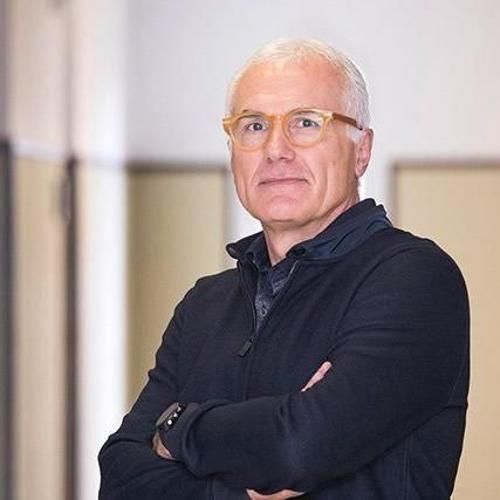
Denise Meuser is a Professor of Instruction in the Department of German at Northwestern University. She specializes in language acquisition and bilingual education, employing interdisciplinary approaches to curriculum design. Her recent work includes an Alumnae-funded course integrating museum visits for language learning and co-producing interactive projects like Bauhaus and Beyond and Performing Brecht . B.A. in German from DePauw University M.A. in Germanic Studies from Indiana University Research focuses on second language acquisition and technology-enhanced education. She coordinates the Beginning German program and mentors graduate student instructors. Leadership roles include Director of the Berlin: Global City program, Chair of Northwestern’s Council on Language Instruction (CLI), and current membership in CLI committees like the Chicago Language Symposium planning group. Awards include the Alumnae of Northwestern grant. Professional affiliations include the Northern Illinois Chapter of AATG and ACTFL. She serves on the Board of Directors of the German International School of Chicago as Secretary and Education Committee Co-Chair since 2017.
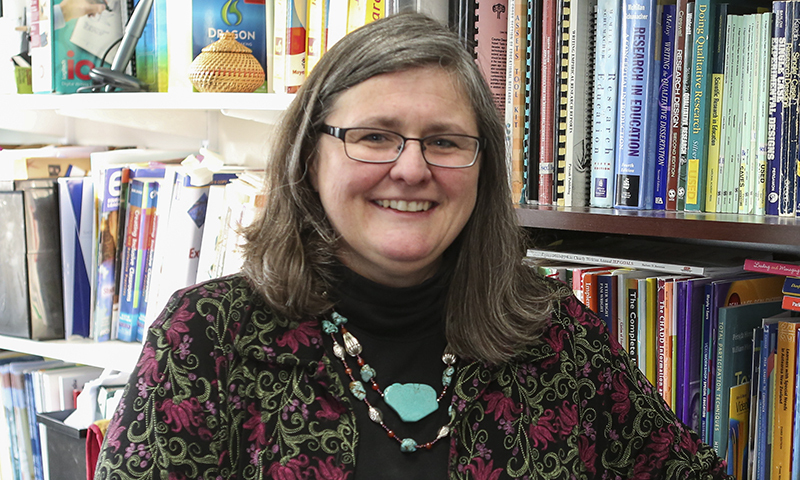
Maureen Connolly is a Professor of Secondary Education at The College of New Jersey (TCNJ), affiliated with the School of Education. She teaches courses such as Collaborative Capstone for Professional Inquiry , Cultural Foundations of Education , and Reading in Secondary Education: Supporting Adolescent Literacies . Her work bridges pedagogy, Common Core State Standards, and service learning. Education: Ed.D., Instructional Leadership, St. John’s University (2006) M.A., Reading, St. John’s University (2000) B.A., English, St. John’s University (1997) B.A., English, Philosophy, and Sociology, Maynooth University (1996) Research Interests: Maureen focuses on integrating service learning into secondary education frameworks, emphasizing intercultural competence, adolescent literacy, and Common Core alignment. Her work explores how community engagement enhances curricular outcomes and teacher professional development. Publications: Recent works include books like Planning for Teaching Success (2024) and Building Your Teaching Toolbox (2022), alongside chapters and articles on standards-based instruction and literacy. Her research often features practical strategies for classroom implementation. Scientific Awards: Nominee for TCNJ Outstanding Teacher (2017) ASCD Outstanding Young Educator (2011) Excellence in Education, St. John’s University (2010) Intergenerational Strategies Award (2003) Long Island Teacher of the Month, News 12 (2001) Grants and Sponsored Research: Notable grants include support from NJDOE for the Teacher to Teacher (T2T) Induction Program (2013–2016) and ECET2NJPA funding for teacher professional development (2017). She has also secured SOSA grants for scholarly activities (2016–2019). Labs and Teams: Maureen collaborates with institutions like the Urban Teacher Academy and serves as a faculty mentor for programs such as Teacher as Scholars and Middle School Institute . Her work is deeply embedded in community engagement and teacher training initiatives.
Juan Eugenio Jiménez González is a Full Professor at the University of La Laguna, affiliated with the Faculty of Education and the Department of Educational Psychology. His academic work centers on educational psychology, with a strong focus on learning disabilities, early literacy, and mathematics education. University: University of La Laguna School: Faculty of Education Department: Department of Educational Psychology Academic Rank: Professor His research interests include early literacy development, cognitive and linguistic predictors of reading and writing, assessment of learning difficulties, and educational interventions. He has extensively studied phonological awareness, syntactic awareness, oral language, and transcription skills in Spanish-speaking children, particularly in kindergarten and early primary education. The recent articles (2014–2025) reflect a consistent focus on decoding strategies, writing productivity and quality, curriculum-based measurement, and cognitive assessment tools like BM-PROMA and EGRA. These works span developmental psychology, educational assessment, and cognitive science, emphasizing early identification and intervention for at-risk learners. No scientific awards were mentioned in the provided text. Juan Eugenio Jiménez González has collaborated extensively with María Cristina Rodríguez Rodríguez on 65 publications. His work has led to the development of assessment instruments and instructional programs, such as the multimedia BM-PROMA battery and the Letra tutorial system for teacher training. There is no mention of grants or student advising in the provided data. He has contributed to the development of standardized tools like the Spanish EGRA and has explored heterogeneity in mathematical learning disabilities using the triple code model. His research informs both theory and practice in educational psychology across Ibero-American contexts.
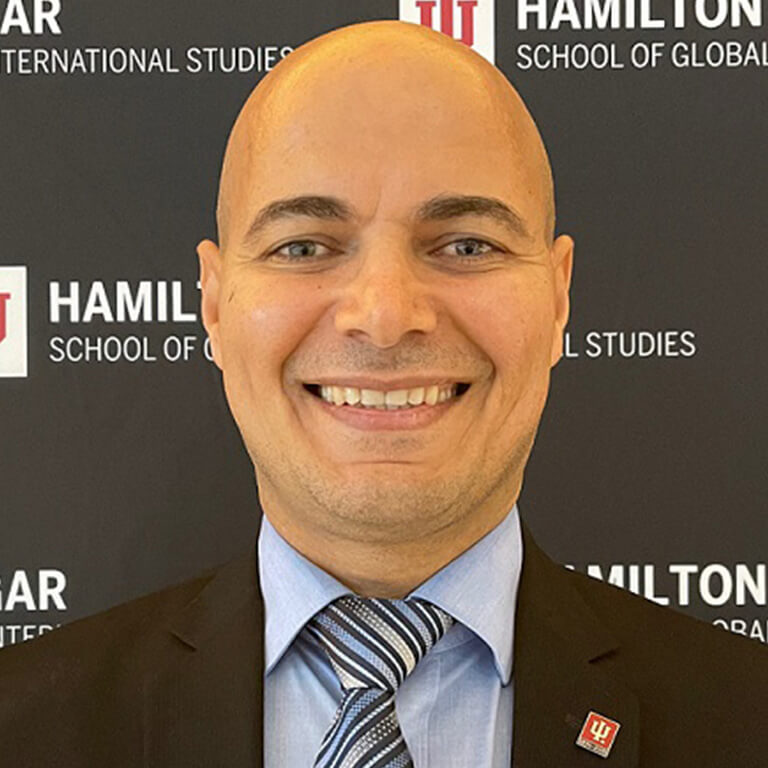
Attia Youseif is a Senior Lecturer in the Department of Middle Eastern Languages and Cultures at Indiana University, Bloomington, affiliated with the Hamilton Lugar School of Global and International Studies. He serves as Director of the Tutoring in Arabic Flagship Program, contributing to advanced Arabic language education. His academic base is in linguistics, with a strong focus on pedagogical innovation and cultural integration in language learning. Dr. Youseif earned his Ph.D. in Linguistics from Alexandria University. His scholarly background reflects deep engagement with both theoretical and applied aspects of language. His research interests span a broad spectrum of linguistic disciplines, including Sociolinguistics, Semantics, Dialectology, Discourse Analysis, Phonetics, Applied Linguistics, and Second Language Acquisition . He emphasizes the interplay between language, culture, and identity, advocating for modern pedagogical methods that reflect this relationship. His work often bridges academic research and practical teaching applications, particularly in the context of Arabic as a foreign language. The recent publications reflect a consistent trajectory in linguistic research with applications in education. Themes include cross-linguistic comparison (Arabic-Georgian, Arabic-Berber), semantic analysis in poetry and religious texts, Arabic phonological heritage, and innovative methods in teaching Arabic using literature and technology. These works demonstrate a commitment to both scholarly rigor and practical impact in language education. While no formal scientific awards are listed in the provided text, Dr. Youseif's extensive publication record and leadership in the Arabic Flagship Program underscore his contributions to the field. He has advised or mentored students in linguistics and Arabic studies, though specific names are not listed. There is no mention of external grants, but his role as Director of a Flagship Program suggests involvement in federally funded or institutional initiatives. His work likely involves collaboration with language educators, curriculum developers, and international academic partners. Although specific lab affiliations are not mentioned, his leadership in the Tutoring in Arabic Flagship Program indicates active involvement in a structured, high-level language training initiative that likely includes tutoring teams, instructional designers, and assessment specialists.
Mary L. Kelly is an Associate Professor of Educational Studies at Hobart and William Smith Colleges, where she has been a faculty member since 2007. She is based in Merritt Hall and teaches courses focused on special education, including Children with Disabilities, Self-Determination in Special Education, and Transition & Disability: Life After High School. Ph.D., Indiana University M.P.H., University of Hawai'i B.A., University of Illinois Her research and teaching emphasize inclusive education, self-determination for individuals with disabilities, assistive technologies, and multicultural special education. She has developed curricula that integrate problem-based learning and multimedia tools to prepare future educators for diverse classrooms. Her recent publications explore the use of video and multimedia communication to support self-determination, as well as the impact of technology-enhanced PBL on teacher preparation for English Language Learners and multicultural contexts. These works reflect a consistent focus on empowerment, accessibility, and innovative pedagogy in special education. She has received external research funding from prestigious organizations including: National Endowment for the Arts (NEA) B. Thomas Golisano Foundation Independent College Fund of New York (ICFNY)/John Ben Snow Foundation U.S. Department of Education – OSEP Mary Kelly is actively involved in the academic community through her affiliations with professional organizations such as the American Education Research Association (AERA) and the Council for Exceptional Children (CEC), including its divisions on Autism and Developmental Disabilities, Career Development and Transition, and Technology and Media. She leads or contributes to initiatives like Project SMART and Project SAMMY, which focus on using technology to support student reading and self-determination in transition planning. There is no mention of a specific lab or research team, but her grant-funded projects suggest collaborative, applied research efforts in educational innovation and inclusion.
Dr Nigel Beacham is a Senior Lecturer in the Department of Computing Science within the School of Natural and Computing Sciences at the University of Aberdeen. He currently serves as the Director of Education for the School and Acting Head of Computing Science, reflecting his leadership in academic governance and educational innovation. With over 25 years of experience, he is a leading figure in Computer Science Education and Human-Computer Interaction, particularly in inclusive pedagogies and assistive technologies for learners with specific learning difficulties. His research focuses on e-pedagogies for inclusion , digital inclusion , and the development of adaptive learning systems that consider learner personality, cognitive styles, and emotional states. He investigates how educational technologies can support adult learners with dyslexia and dyscalculia, and is currently exploring the role of inclusive practices in cloud-based security systems. His interdisciplinary collaborations span fields such as educational psychology, teacher education, and civil engineering. Dr Beacham’s recent publications demonstrate a consistent focus on adaptive learning , collaborative group dynamics , and affect-aware educational systems . His work frequently appears in international venues such as ED-MEDIA, JORSEN, and Computing and Education. He has contributed to the development of influential tools like DyslexSim and Dyscalculium , and has secured research grants such as the 'Developing NQTs E-Pedagogies for Inclusion' project. He is actively involved in the Part Time and Short Cycle Higher Education (PT&SCHE) initiative. CEng (Chartered Engineer) MBCS (Member of the British Computer Society) CITP (Chartered IT Professional) MIScT CSci (Chartered Scientist) SFHEA (Senior Fellow of the Higher Education Academy) Dr Beacham supervises undergraduate and postgraduate student projects and has coordinated numerous courses including Principles of Software Engineering and Human-Computer Interaction. He has held key administrative roles such as Postgraduate Director and admissions tutor for MSc programmes in Artificial Intelligence and Information Technology. He is a journal reviewer for AACE JILR and reviews funding proposals for RUK. His lab and team collaborations include work with Prof. Judith Masthoff and others on adaptive systems and inclusive education.
Mic'hela Bertozzi is a Research Fellow at the Department of Interpretation and Translation of the University of Bologna, with academic ties to the Forlì campus. She holds the National Scientific Qualification as an associate professor in the Spanish Language, Translation, and Linguistics sector. Her roles include teaching interpreting, tutoring, and research. Education: PhD in Translation, Interpreting, and Intercultural Studies (2018) Master's in Conference Interpreting (Forlì, 2011) Bachelor's in Applied Interlinguistic Communication (Forlì) Research focuses on Anglicisms in interpreting/translation , remote interpreting technologies , pedagogy for interpreters , and corpus-based analysis . She co-leads the Shift in Orality project and contributes to the Interdisciplinary Research Group on Interpreting (GRIINT) . Teaching spans conference interpreting , dialogical interpreting , and intercultural communication across undergraduate and graduate programs. She also serves as an educational tutor for linguistics mediation students. Professional experience includes 14+ years as a freelance conference interpreter and translator, specializing in technical and publishing sectors. She is a member of AISPI, Tradinfo, and other professional associations.
Dr. Danièle Moore is a Professor in the Faculty of Education at Simon Fraser University, specializing in multilingual education, sociolinguistics, and plurilingualism. Her research focuses on language acquisition, translanguaging practices, and educational policies in diverse contexts. She has held prestigious awards such as the University Professor title and a Japan Society for the Promotion of Science fellowship. Dr. Moore has contributed to over 100 scholarly works, including books, journal articles, and edited volumes on multilingualism, language revitalization, and pedagogical strategies. Her academic positions include leadership in research on third language acquisition, plurilingual competence frameworks (e.g., the Council of Europe’s Common European Framework), and community-based educational initiatives. She has supervised numerous graduate students and served on committees advancing language education policies. Dr. Moore’s work bridges theory and practice, emphasizing inclusive pedagogies for multilingual learners in schools and universities. Key areas of service include contributions to the Council of Europe’s language policy studies, editorial roles for journals like International Journal of Multilingualism , and advisory roles for educational institutions in Canada, Japan, and Europe. Her research spans collaborative projects in France, Japan, and Indigenous communities in British Columbia, addressing issues of cultural identity and language maintenance.
Dr. Ielka van der Sluis is a Senior Lecturer at the Department of Communication and Information Science, Faculty of Arts at the University of Groningen since 2011. She holds a PhD in Computational Linguistics from Tilburg University (2005) and has held research positions at Trinity College Dublin (2008–2011), the University of Aberdeen (UK), and the University of Twente. Her research focuses on human communication, multimodal interaction, natural language generation, and affective computing. She is a member of the Center for Language and Cognition Groningen and has contributed to projects like TUNA (EPSRC-funded), the OLIVE EC project, and the PAT framework for multimodal instruction analysis. Her work bridges computational linguistics and human-computer interaction, emphasizing the design and evaluation of multimodal systems. She has explored topics such as cross-linguistic referring expression generation, affective text impact, and procedural instruction design. Key contributions include developing the PAT annotation model for multimodal instructions and investigating cross-cultural assessment of automated referring expressions in virtual environments. Her research history spans over two decades, with impactful contributions to the understanding of text-picture alignment in procedural instructions, action categorization in multimedia, and user-centric evaluation frameworks. She collaborates internationally, particularly in computational linguistics and next-generation localization technologies.
Ramona T. Pittman is an Associate Professor in the Department of Teaching, Learning and Culture at Texas A&M University’s College of Education and Human Development. She holds a B.S. and M.Ed. in Elementary Education and a Ph.D. in Curriculum and Instruction (Literacy). Her over 20 years of teaching experience spans PK-12 and higher education. Pittman’s research focuses on African American English and literacy, teacher knowledge development, and equitable literacy practices, particularly in decoding and spelling instruction. Education: Ph.D., Curriculum & Instruction (Literacy), Texas A&M University (2007) M.Ed., Elementary Education, William Carey University (2000) B.S., Elementary Education, University of Southern Mississippi (1998) Her research emphasizes intertwining language, literacy, and equity to support marginalized students. Notable themes include African American language representation in literature, phonemic awareness for Black students, and teacher educators’ knowledge of spelling principles. She collaborates with students and institutions to bridge theory and practice in educational settings. Pittman advocates for service learning and experiential training to enhance teacher preparedness. Her work addresses low-socioeconomic schools and evaluates digital literacy tools. She emphasizes using multicultural literature to foster critical dialogue on gender and identity.
Susana Molina Martín is an academic affiliated with the University of Oviedo , specifically within the Department of Educational Sciences at the Faculty of Teacher Training. Her research focuses on educational technology integration, teacher training methodologies, and institutional adaptation to digital learning environments. She has contributed significantly to understanding information management competencies in higher education and the socio-educational role of cities. Research Interests: Educational Technology and Digital Transformation Teacher Professional Development Curriculum Innovation and Pedagogical Methodologies Socio-Educational Policies and Urban Interventions Adolescent Behavior and Personality Development Recent Trends in Publications: Her work from 2025 emphasizes online teaching adaptations post-pandemic, while earlier research (2010-2006) explores multimedia integration and virtual platforms in education. She also investigates urban education policies and adolescent career development dynamics. Awards and Grants: No specific awards or grants are explicitly mentioned in the text. Collaborations: Regularly collaborates with researchers like Marta Soledad García Rodríguez and María Teresa Iglesias García on projects related to teacher training and educational innovation.
Ana García-Valcárcel Muñoz-Repiso is a full Professor at the University of Salamanca, affiliated with the Department of Didactics, Organization and Research Methods within the University Institute of Educational Sciences. Her work focuses on educational technology, digital competence development, and the integration of ICT in teaching and learning processes. She has coordinated over 37 theses and is actively involved in research networks like REUNI+D. Her research emphasizes collaborative learning strategies, robotics in early education, and teacher training in technology. Notable collaborations include studies on digital competence evaluation in students and the impact of mobile applications in primary education. Publications span topics such as argumentative skill development, microlearning strategies, and computational thinking through robotics. She has contributed to conferences and books on educational innovation and co-leads projects like the DigiCraft program for digital competency enhancement. Her work bridges theoretical research with practical applications, aiming to improve educational practices through technology integration and evidence-based pedagogy.
Nina Vyatkina is a Professor of German Studies at the University of Kansas, specializing in second language acquisition and corpus linguistics. Her research focuses on data-driven learning (DDL) methodologies, incorporating corpus analysis into language teaching, and leveraging technology for improved L2 proficiency. She has contributed extensively to understanding how learners develop grammatical and pragmatic competence through corpus-informed pedagogy. Her work spans multiple aspects of language education, including the design of digital tools for vocabulary and writing instruction, the integration of corpus resources into classroom activities, and the evaluation of written corrective feedback strategies. Key areas of interest include learner corpus analysis, multilingual corpus applications, and the theoretical foundations of DDL frameworks. Dr. Vyatkina’s publications reflect a strong emphasis on empirical research methods, often combining quantitative and qualitative approaches to examine learning outcomes. Her studies frequently address under-researched areas such as data-driven learning in non-English languages and the longitudinal development of syntactic and pragmatic competence in L2 German. While no specific awards or grants are listed, her prolific publication record highlights sustained engagement with cutting-edge issues in language education. She maintains an active role in curriculum development at the University of Kansas, focusing on innovative approaches to German language instruction and materials design.
John Regehr is a Professor in the School of Computing at the University of Utah. His research focuses on compilers, formal verification, software testing, and embedded systems. He has contributed to tools like Alive2, YARPGen, and ARMor, which address compiler correctness, fuzz testing, and secure isolation. His work emphasizes uncovering compiler bugs, optimizing low-level code, and ensuring system reliability. Key collaborations include Eric Eide, Yang Chen, and Nuno P. Lopes. His articles span compiler verification, fuzzing techniques, and embedded system safety, reflecting a strong commitment to both academic rigor and practical impact. Research interests include compiler optimization validation, undefined behavior analysis, and program synthesis. His work on peephole optimizations and formal methods has influenced LLVM and industry practices. He also explores scheduling algorithms for real-time systems and memory safety in constrained environments like TinyOS. Notable contributions include foundational papers on compiler bug detection (e.g., 'Finding and understanding bugs in C compilers') and tools like Minotaur for SIMD optimization. His lab's work often bridges theory and practice, with applications in security, performance, and embedded software reliability.
Mark Guzdial is a Professor at Georgia Institute of Technology's College of Computing, specializing in Computer Science Education research. His work focuses on media computation for teaching programming, learner-centered design, and collaborative learning environments. Key contributions include developing project-based learning frameworks and language-independent CS1 assessments. 2020: Strongly-themed CS1 curriculum design 2016: CS1 knowledge assessment replication studies 2006: CoWeb collaborative learning platform integration 2003: Media computation for non-majors 2001: CS1 programming skills assessment Research trends show sustained focus on making computing accessible through domain-specific pedagogy, with applications in Python programming, MATLAB instruction, and Squeak system design. His work bridges education theory with practical implementation across multiple computing subfields.