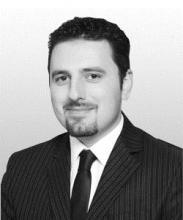
Ulrich NikolausView profile
Professor
Professor Ulrich Nikolaus serves as a Professor of Multimedia Publishing and Communication Design at the Faculty of Computer Science and Media at Leipzig University of Applied Sciences (HTWK Leipzig). He has held this position since his appointment in December 2002 and currently serves as Chairman of the Examination Board for technical degree programs within the faculty. His academic journey began with computer science studies at Saarland University in 1988, followed by a degree in computer science in 1996, and culminated in his doctorate on 'Multimedia Learning in Companies' in October 2001. Nikolaus's research spans multimedia publishing, interface design, electronic publishing, and digital accessibility. His work emphasizes creating inclusive digital experiences, particularly through his longstanding collaboration with the German Central Library for the Blind (since 2011). He has directed significant projects including the redesign of the Egyptian Museum website in collaboration with Leipzig University, where students under his supervision developed design, content, and technical concepts. His scholarly contributions focus on advancing accessible digital publications, voice user interfaces, eye-tracking analyses for media research, and cross-media publishing workflows. Nikolaus has been instrumental in developing digital teaching strategies at HTWK Leipzig, serving on the 'Steering Committee for Inclusion' since 2018 and as a founding member of the Institute for Digital Teaching and Learning since 2019. Among his notable recognitions are membership in the Accessibility in Education Working Group of the IAAP-DACH since 2022, and his role as co-organizer of Leipzig's first World Usability Day in 2017. He has also contributed to international standards through his participation in the DAISY 2009 International Technical Conference. Nikolaus teaches across multiple courses including Media Production, Interface Design, Electronic Publishing, and Media Management at the Master's level. His educational philosophy integrates theoretical knowledge with practical application, evident in his supervision of student projects that address real-world challenges in digital media and accessibility.