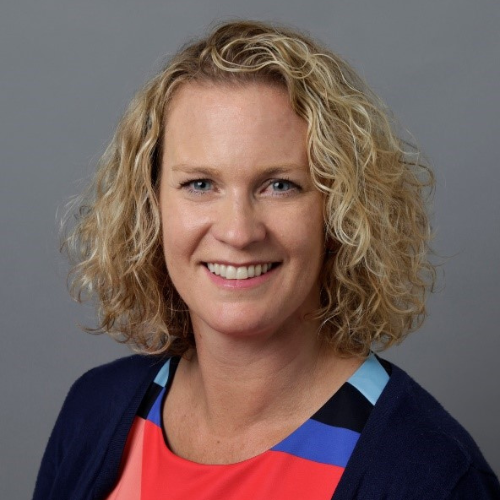
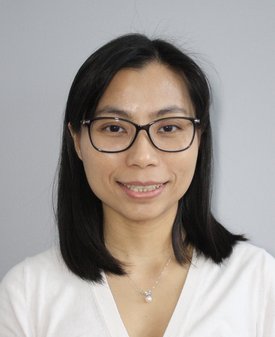
Peter Miksza is an Associate Professor of Music Education at the Indiana University Jacobs School of Music and an affiliate member of the Indiana University Cognitive Science Program. He teaches courses in instrumental music education, the psychology of music, learning processes in music, measurement and assessment in music, and research methods. His research interests focus on: Self-regulated music learning Musical skill acquisition Music teacher preparation Music education policy Dr. Miksza co-authored the influential text 'Design and Analysis for Quantitative Research in Music Education' (2018) with Kenneth Elpus, which has been praised as 'a model of research thinking' and 'unique in its thoroughness' by reviewers. The book provides music education researchers with sophisticated quantitative methods previously uncommon in the field, covering everything from basic descriptive statistics to advanced techniques like structural equation modeling and multilevel analysis. His scholarly contributions help bridge the gap between rigorous research methodology and practical music education applications, enabling evidence-based decision making in music teaching and learning.
Professor Hanny Calache is a faculty member in the School of Dentistry at La Trobe University, Australia, specializing in dental public health research. Her work addresses critical gaps in oral healthcare access and equity, particularly for vulnerable populations including children, refugees, and people with intellectual disabilities. Her research interests focus on Oral Epidemiology , Public Health Dentistry , and Health Services Research , with specific expertise in child oral health disparities , refugee healthcare access , and economic evaluations of preventive interventions . She employs innovative methodologies including social practice theory and geospatial analysis to examine systemic barriers to care. Analysis of her 15 most recent publications (2023-2025) reveals consistent emphasis on policy-relevant research across three core domains: 1) Refugee and migrant oral health access (6 articles), 2) Child oral health interventions and epidemiology (5 articles), and 3) Health economic modeling of preventive strategies (4 articles). Her work demonstrates strong translational potential for Australian healthcare policy. Professor Calache maintains active collaborations with researchers across Australian institutions, evidenced by multi-institutional co-authorship on all recent publications. Her ORCID identifier (0000-0002-1613-0585) reflects ongoing scholarly engagement with 133 research outputs to date.
Dr. Melissa Buultjens serves as a Senior Lecturer in Public Health at La Trobe University's College of Health and Medicine, maintaining an active research profile while contributing to Victorian healthcare governance. Her dual expertise bridges clinical midwifery practice and academic leadership, with current affiliations including an Honorary Research Fellowship at Austin Health's Parent-Infant Research Institute and board directorship at a Victorian health service. Her educational background includes: Bachelor of Health Science (Honours) Bachelor of Midwifery PhD Graduate Certificate in Higher Education Dr. Buultjens' research fundamentally addresses maternal-perinatal health systems, with particular focus on postnatal depression interventions, equity in pregnancy care, and innovative service delivery models. Her work consistently examines psychological health dimensions within maternity services, demonstrated through art-based therapeutic approaches and hybrid telehealth solutions developed during pandemic conditions. Current investigations explore micronutrient supplementation impacts in African contexts and shared decision-making frameworks for labor induction. Her publication record reveals strong interdisciplinary collaboration patterns, with frequent co-authorship across medical, psychological, and public health domains. Recent work shows increasing emphasis on methodological innovation in mixed-methods research and systematic review protocols. Award highlights: Australian Award for University Teaching (AAUT) Multiple Vice Chancellor teaching awards College-level teaching distinctions As an educator, she supervises higher-degree research while translating clinical leadership experience (previously as Director of Clinical and Aged Care Services) into authentic student learning environments. Her grant acquisition includes competitive funding like the RFA Building Healthy Communities Grant ($33,753.00), alongside consultancy work driving health service innovation focused on equitable access and outcomes.
Marina Näsman is a Senior Lecturer in Social Sciences at the Faculty of Humanities and Social Sciences, Åbo Akademi University. She holds a Doctor of Politics degree and works as a postdoctoral researcher in social policy at the Faculty of Education and Welfare Studies. Her academic career focuses on gerontological research with particular emphasis on the very oldest population. Dr. Näsman defended her doctoral thesis in April 2021 on perceived well-being among the very oldest, examining conceptualizations of well-being, age group differences, and temporal changes. Her research interests span social gerontology, well-being, social inclusion, linguistic minorities, and civic engagement among older adults. She actively contributes to understanding how older populations, particularly linguistic minorities, experience social participation and inclusion. Näsman's research portfolio demonstrates a consistent focus on aging populations, with particular attention to civic engagement patterns across 32 European countries, social inclusion from linguistic minority perspectives, and the complex relationship between social capital and political participation among older adults. Her work often employs multi-level analysis approaches and utilizes major European datasets like SHARE (Survey of Health, Ageing and Retirement in Europe). She has received a postdoctoral scholarship from the Swedish Literature Society in Finland to investigate social inclusion and perceived well-being from a linguistic minority perspective. Her research contributes to Sustainable Development Goals related to well-being, reduced inequalities, and sustainable communities. Dr. Näsman is actively involved in several major research projects including CIVEX (Exclusion from civic engagement of a diverse older population), AgeMin (Social inclusion of older people from a minority perspective), and GERDA (Gerontological Regional Database). These projects examine exclusion from civic participation, social inclusion from minority perspectives, and brain health among the very oldest population. Her collaborative approach is evident through her work with researchers like Nyqvist, Nygård, and others across multiple projects. She also contributes to public discourse through media appearances discussing her research findings on aging, social inclusion, and civic participation of older adults.
Yongchao Jing is a Research Associate at Cardiff University affiliated with Administrative Data Research Wales (ADR Wales), where she conducts quantitative analysis of linked administrative data to investigate homelessness and ethnic inequalities in children's social care systems. Her educational background includes: DPhil in Sociology from the University of Oxford, specializing in labour market inequality through cross-national survey data and multilevel regression techniques. Dr. Jing's research program examines how social institutions perpetuate socioeconomic disparities across ethnic and skill dimensions, utilizing advanced statistical methods on large-scale datasets. Her interdisciplinary work bridges sociology, public health, and social policy, with documented contributions to migration studies and children's health research in China, demonstrating methodological rigor in quantitative social science. As a core member of ADR Wales, she leverages administrative data infrastructure to generate evidence for social policy interventions addressing critical welfare challenges in the Welsh context.
Tyler L. Renshaw is a Full Professor in the Department of Psychology at Utah State University, where he leads the School Mental Health Lab. His work focuses on improving youth mental health services within educational settings through research, resource development, and evidence-based practice implementation. Dr. Renshaw's research interests center on three primary areas: validating brief assessment tools for mental health variables, evaluating classroom-based interventions for youth wellbeing, and translating mindfulness research into practical school applications. His work emphasizes making mental health services more accessible and equitable for all students, with particular attention to marginalized populations and dual-factor approaches that address both mental health challenges and wellbeing enhancement. His publication trends demonstrate consistent focus on student subjective wellbeing, mental health screening instruments (particularly the Student Subjective Wellbeing Questionnaire), and mindfulness-based interventions in schools. Recent work has expanded to address contemporary issues including social media impacts on adolescent wellbeing, racial/ethnic discrimination effects, and mental health needs of sexual minority youth. Dr. Renshaw mentors doctoral students in the School Psychology PhD Program at Utah State University and has developed numerous free resources for practitioners, including validated screening instruments and implementation guidelines. His lab collaborates with researchers across institutions to advance school mental health science and practice. The School Mental Health Lab operates with four guiding principles: recognizing schools as community hubs for mental health services, integrating prevention and treatment approaches, balancing mitigation of ill-being with promotion of wellbeing, and advancing mental health equity through school-based services.
Jessica Gipson is Professor and Fred H. Bixby Chair of Population and Reproductive Health in the Department of Community Health Sciences at UCLA's Fielding School of Public Health, where she directs the UCLA Bixby Center to Advance Sexual & Reproductive Health Equity. Her educational background includes a PhD in Public Health (Johns Hopkins Bloomberg School), MPH (Tulane School of Public Health), and BS in Anthropology (UCLA). Dr. Gipson's research employs mixed-methods to investigate reproductive health in lower-income settings globally, with core focus on fertility preferences, contraceptive use, unintended pregnancy, and abortion. She examines how gender norms and socio-cultural contexts shape reproductive decision-making among couples across the Philippines, Malawi, Bangladesh, China, and the United States, emphasizing women's empowerment and health equity. Her publication trends reveal consistent leadership in global reproductive health research, particularly in methodological innovation for studying couple dynamics and culturally responsive interventions in resource-limited settings. Recent work emphasizes male involvement in reproductive health and context-specific solutions for maternal mortality reduction. Scientific recognitions include: Fred H. Bixby Chair of Population and Reproductive Health IJGO Editor Top Pick (2017) for research on male roles in abortion decision-making As Bixby Center Director, she leads initiatives translating research into policy, exemplified by her Tibetan Birth Center project in western China. This community-driven intervention addressed transportation, cultural, and linguistic barriers to maternal care through a three-tiered approach (county, community, individual), achieving 98% patient satisfaction and demonstrating how culturally competent care improves service utilization in marginalized populations.
Yan Wang is an Associate Professor in the Department of Psychology at the College of Fine Arts, Humanities and Social Sciences, University of Massachusetts Lowell, specializing in advanced quantitative methods for psychological research. Her expertise bridges statistical methodology and applied behavioral sciences through innovative modeling techniques. Her educational trajectory demonstrates interdisciplinary rigor: Ph.D. in Measurement & Research (2018), University of South Florida, with supporting area in Educational Psychology; dissertation: "Covariates in factor mixture modeling: Investigating measurement invariance across unobserved groups" M.A. in Curriculum and Instruction (2013), Boston College Dual B.A. in English Literature and B.S. in Economics (2011), Xiamen University, China Dr. Wang's research centers on quantitative psychology with pioneering work in finite mixture modeling, structural equation modeling, multilevel modeling, and Bayesian analysis . Her methodological innovations address critical challenges in measurement invariance testing, latent variable modeling, and longitudinal data analysis, significantly advancing psychometric theory while enabling robust applications across educational, clinical, and social domains. This dual focus on methodological rigor and practical implementation defines her scholarly impact. Analysis of her 15 most recent publications reveals a distinctive pattern: she consistently develops and validates statistical techniques through Monte Carlo simulations before applying them to substantive problems in cognitive aging, traumatic brain injury outcomes, pediatric injury prevention, and cross-cultural psychopathology. Her signature approach combines simulation-based method evaluation with real-world applications, particularly in educational measurement and developmental psychology contexts. Her scholarly excellence has been recognized through prestigious awards: Teaching Excellence Award (2022) from University of Massachusetts Lowell Leslie C. Robbins Dean’s Excellence Award (2016) from University of South Florida Conference Presentation Travel Grant (2015) from SouthEast SAS Users Group University Graduate Fellowship Award (2013) from University of South Florida Dean’s Scholarship (2011) from Boston College National Scholarship (2008) from Xiamen University As Co-Investigator on the NIH-funded "Virtual Reality-based Rehabilitation for Children with Traumatic Brain Injuries" grant (Eunice Kennedy Shriver NICHD, 2020), she provides critical statistical leadership for clinical translation. Her collaborative publications with graduate students indicate active mentorship in quantitative methods, though formal advisee lists aren't documented. Dr. Wang maintains strong professional engagement through presentations at major conferences including AERA, APA, and Florida Educational Research Association, establishing herself as a leading voice in quantitative methodology development.
Claire S. Lee, Ph.D. is an Associate Professor in the School of Criminology and Justice Studies at the University of Massachusetts Lowell, where she serves as Co-Director of the Center for Asian American Studies. She holds multiple affiliations including membership in the Center for Internet Security and Forensics Education and Research (iSAFER), the Center for Terrorism and Security Studies (CTSS), and as a Fellow of the Center for Public Opinion. Dr. Lee also serves on the Executive Board of the Division of Cybercrime within the American Society of Criminology and holds editorial positions at PLOS One and several other academic journals. Dr. Lee's research spans two primary domains: cyber and digital studies (including cybercrime, cybersecurity, cyberterrorism, and digital sociology), and global media and immigration studies. Her work examines mechanisms and networks of deviant behaviors facilitated by cyber-resources using quantitative, qualitative, computational, and mixed methodologies. She has received significant funding from federal agencies including the Department of State, National Security Agency, National Science Foundation, and Korea Foundation for research on cyberattacks, human trafficking, and cybersecurity education. Her publication record reveals a strong focus on cybercrime victimization, hate crimes, and the intersection of technology and social behavior. Recent work analyzes employment scams using machine learning (2025), hate crimes against racial minorities (2024), and cyberterrorism networks. Her research demonstrates increasing sophistication in methodology, incorporating natural language processing, latent class analysis, and social media analytics to understand complex cyber phenomena. Publications - Most by College (March 2022; November 2022; November 2024) U.S.-Korea NextGen Scholars Program, CSIS Korea Chair and USC Korean Studies Institute (2022-2023) Outstanding Teaching Award (2022) Young Faculty Award, Korean Society of Criminologists in America (KOSCA) (2021) Dr. Lee actively supervises research and has secured multiple federal grants including Department of State funding (2023-2025) and Korea Foundation support (2023-2024). She has co-led NSA/NSF-funded GenCyber Summer Camps at UMass Lowell (2020-2022) and serves as Vice Chair of the Division of Cybercrime at the American Society of Criminology. Her interdisciplinary approach bridges criminology, sociology, and computer science to address emerging cyber threats while emphasizing the importance of gender diversity in cybersecurity fields. Dr. Lee leads the Cybercrime Investigation & Cybersecurity Lab (CIC) initiatives and collaborates extensively across disciplines to study the social implications of technology. Her work connects online and offline behaviors, with particular attention to vulnerable populations and the ethical dimensions of digital surveillance and datafication.
Jianxuan Liu is an Assistant Professor in the Department of Mathematics at Syracuse University, affiliated with the Applied Statistics program within the College of Arts and Sciences. His research focuses on semiparametric methods, causal inference, measurement error models, and high-dimensional data analysis. He holds a Ph.D. in Statistics from the University of South Carolina (2017), with prior degrees in Statistical Science (Indiana University, 2012), Economics (East Carolina University, 2010), and a B.S. in Economics from Capital University of Economics and Business (2007). Dr. Liu’s scholarly work emphasizes statistical methodologies for complex data structures, including recent contributions on beta regression for high-dimensional covariates, causal effects of violence exposure on juvenile crime, and longitudinal substance abuse analysis using machine learning. His publications appear in journals like Stat , Journal of Data Science , and Annals of Statistics . He has received grants for projects such as fusion of semiparametric methods with machine learning in causal inference and statistical analysis of error-prone data. Notable awards include an NSF Travel Grant (2022). Dr. Liu is actively involved in academic service, including supervising the MAT 222 course, chairing statistics hiring committees, and advising the Syracuse University ASA Chapter in Statistics and Data Science.
Dr. Chiheb Ben Hammouda is an Assistant Professor at the Mathematical Institute of Utrecht University, specializing in mathematical modeling, numerical analysis, and computational simulation methods. His research intersects stochastic processes, uncertainty quantification, and machine learning, with applications in quantitative finance, computational biology, and renewable energy systems. Education: Postdoctoral researcher at RWTH Aachen University, PhD in Applied Mathematics and Computational Science, and Diplomingenieur (Master's equivalent). His work focuses on developing advanced numerical techniques such as hierarchical adaptive sparse grids, quasi-Monte Carlo methods, and stochastic optimal control for problems in finance and biology. Recent publications highlight applications in option pricing, extreme climate event modeling, and energy systems optimization. Dr. Hammouda has co-taught courses at RWTH Aachen University on stochastic numerics, machine learning integration in simulations, and partial differential equations. His expertise bridges theoretical mathematics and practical computational solutions across interdisciplinary domains.
Bin Chen is a researcher at the Department of Electrical Engineering, Eindhoven University of Technology (TU/e), focusing on optical communications, signal processing, and information theory. He holds a PhD from University College Dublin (2015), supported by the China Scholarship Council and Science Foundation Ireland. His roles include Postdoc positions in the Signal Processing Systems (SPS) and Electro-Optical Communication Systems (ECO) groups at TU/e, and a current guest researcher affiliation. His research emphasizes geometric shaping, coded modulation, and nonlinear channel mitigation in optical systems. Education: B.Sc. Electronic Information Science and Technology, Hefei University of Technology (2010) Ph.D. Electronics and Communications Engineering, University College Dublin (2015) Affiliations: Signal Processing Systems Group (SPS) Electro-Optical Communication Systems (ECO) Group ICT Lab Research interests include optical communication systems, cooperative communications, channel coding, and network coding. Key achievements include over 60 peer-reviewed publications and awards such as the Asia Communications and Photonics Conference Best Paper Awards (2018, 2022). He has contributed to projects like PATRIOT (coded modulation optimization) and NLCAP (nonlinear capacity maximization in optical channels). Grants and collaborations span EU-funded initiatives and industry partnerships. His work on multidimensional constellations and fiber nonlinearity models has advanced long-haul transmission systems. Current projects explore neural network-based demappers and hybrid decoding techniques.
Associate Professor Louise Ellis is an academic at Macquarie University, affiliated with the Australian Institute of Health Innovation (School) and the Lifespan Health and Wellbeing Research Centre (Department). With a clinical background in Psychology, she specializes in healthcare resilience, implementation science, and organizational culture. She leads a Complex Systems and Implementation Science research stream, focusing on mental health, safety culture, and digital health innovations. Ellis holds a BPsych(Hons) from Macquarie University and a PhD from Western Sydney University. Research Interests: Ellis’s work spans healthcare systems resilience, organizational culture transformation, and application of complexity science to healthcare improvement. Her projects address challenges like telehealth unintended consequences, climate-resilient health systems, and aged care worker wellbeing. She emphasizes learning health systems and patient-centered approaches. Awards: Faculty Citizen, Spirit of EnCouRage Award (2021) Peter Reizenstein Award for Best Paper (2020) Wiley Top Cited Article (2021) Best Poster Presentation (NEWMAC Conference, 2017) Advising & Grants: Ellis leads major projects such as the 'Support4Resilience' toolbox for elderly care leaders and the 'Mito-Plan Project' for mitochondrial disease care. She collaborates on grants addressing telehealth, climate change impacts, and patient-reported outcomes for intellectual disability populations. Her work spans 24 active/granted projects, with funding from MRFF and EU collaborations. Labs/Teams: Active in the Centre for Healthcare Resilience and Implementation Science, and part of interdisciplinary teams advancing healthcare innovation and resilience globally.
Courtney Choy is a Research Fellow in Chronic Disease Epidemiology at the Yale School of Public Health. She is a Fogarty Global Health Scholar affiliated with Samoa’s Ministry of Health, co-leading the fourth wave of the Ola Tuputupua’e study and supporting the Obesity Lifestyle and Genetic Adaptation (OLaGA) group. Her work focuses on child growth, cardiometabolic disease, and Pacific Islander health, with a focus on Samoa. Dr. Choy holds a PhD from Brown University, an MPH from Yale, and a BS from Georgetown University. Research Interests: Child growth and development Cardiometabolic disease mechanisms Life course epidemiology Longitudinal and multilevel data analysis Global health equity in Pacific Islander populations Publications: Her 15 most recent articles (2020–2023) analyze obesity genetics (CREBRF variants), anemia-obesity correlations in children, dietary patterns, physical activity metrics, and environmental exposures like Bisphenol-A. Key themes include Samoa’s double burden of malnutrition and cardiometabolic risk factors. Labs/Teams: Collaborates with the OLaGA group and mentors/co-leads the Ola Tuputupua’e cohort study. Works under mentors Dr. Nicola Hawley (Yale) and Leausa S.T. Dr. Take Naseri (Samoa).
Samuel Washington, MD, is an Assistant Professor of Urology at the University of California, San Francisco (UCSF), specializing in genitourinary oncology and outcomes research. He holds a BS in Genetics from UC Davis (2007), an MD from UCSF (2012), a Master of Advanced Study in Clinical Research (2019), and completed urology residency (2018) and urologic-oncology fellowship (2020) at UCSF. He also graduated from the UCSF Health Executive Leadership Academy (2023-2024) and the Foundations for Excellence in Leadership Program (2024-present). Education: University of California, Davis — BS, Genetics, 2007 University of California, San Francisco — MD, 2012 University of California, San Francisco — Resident, Urology, 2018 University of California, San Francisco — MAS, Clinical Research, 2019 University of California, San Francisco — Postdoctoral Fellow, Urologic Oncology, 2020 University of California, San Francisco — Health Executive Leadership Academy, 2023-2024 University of California, San Francisco — Foundations for Excellence in Leadership Program, 2024-present Dr. Washington’s research focuses on prostate and bladder cancer disparities , health-services interventions , and community-engaged strategies to improve access and outcomes for under-represented populations. His work integrates population-level data , single-cell atlases , and qualitative community insights to design multilevel interventions that reduce racial and socioeconomic gaps in genitourinary oncology care. His recent publications (2023-2025) reveal a consistent emphasis on active surveillance optimization , rural-urban and racial disparities , and real-world cost and quality outcomes after prostate and bladder cancer treatment. Studies explore everything from MRI-targeted biopsy protocols to county-level mortality trends, underscoring a methodological breadth spanning epidemiology , health economics , and implementation science . Scientific Awards & Honors: Western Section AUA Second Place, Joseph F. McCarthy Physician Essay Contest (2024) Western Section AUA First-place Poster Session (2023) ERACE Research Award, ConcertAI (2021) Goldberg-Benioff Endowed Professorship in Cancer Biology, UCSF (2021) Grunfeld Scholar, SFVAMC Research Development Initiative (2021) John A. Watson Faculty Scholar, Dean’s Diversity Fund, UCSF (2019-2020) OptumLabs Health Data for Action Award (2018-2019) UCSF CADC Scholar (2010-2011) Pathways to Careers in Clinical & Translational Research Fellow (2009) Dean’s Summer Research Fellowship, UCSF (2009) Grant Funding & Leadership: Dr. Washington currently leads multi-year projects as Principal Investigator funded by the Prostate Cancer Foundation and Movember Foundation , examining community-partnered interventions to address social barriers in prostate cancer care. He co-leads a Chan Zuckerberg Initiative -funded single-cell prostate atlas across ancestries and has served as Co-Investigator on VA and DoD grants focused on germline testing adoption and osteoporosis prediction in high-risk prostate cancer. Labs & Teams: While specific laboratory names are not listed, he collaborates extensively with the UCSF Helen Diller Family Comprehensive Cancer Center , the San Francisco VA Health Care System , and community stakeholder groups through PCF and CZI initiatives, indicating active participation in trans-disciplinary oncology and disparities research teams.