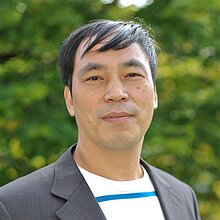
Jeff Sayer is a Professor in the Department of Forest and Conservation Sciences at the University of British Columbia (UBC) Faculty of Forestry . His research focuses on applied conservation science and the human dimensions of environmental change , with fieldwork spanning Indonesia, West and Central Africa, and Southeast Asia. Current projects include sustainable landscapes in Indonesia (since 2010), forest transitions in Ghana and the Congo Basin (since 2000), and new approaches to conservation science (since 2000). Research emphasizes integrated natural resource management, landscape-scale decision-making, and reconciling agriculture with biodiversity conservation. Key research themes: Integrated landscape approaches for multifunctional landscapes Forest governance and tenure conflicts Policy coherence for Sustainable Development Goals Human-environment interactions in tropical regions Recent publication trends show interdisciplinary focus on deforestation-free trade policies, agroforestry systems, forest governance challenges, and transdisciplinary science applications across tropical Asia, Africa, and Canada.
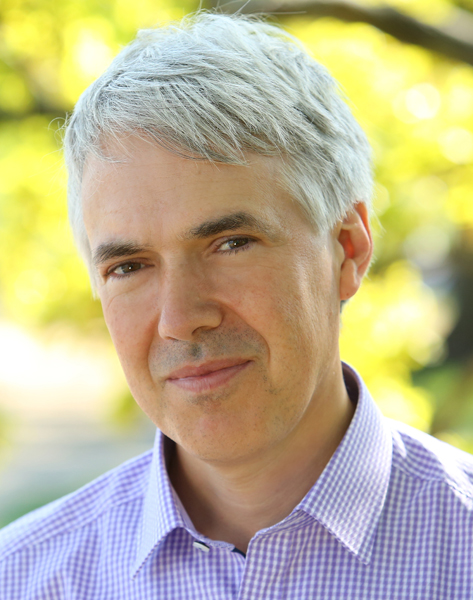
Prof. Tobias Plieninger holds dual appointments as Professor of Social-Ecological Interactions at the Universities of Kassel and Göttingen, Germany, and currently serves as Dean of Research at Kassel’s Faculty of Organic Agricultural Sciences. He specializes in sustainability science focusing on rural landscape dynamics, ecosystem services, and transformative change processes. His work examines intersections between agriculture, forestry, nature conservation, and natural resource management. Education: PhD in Forest and Environmental Sciences (2004, University of Freiburg), Habilitation in Landscape Ecology (Humboldt-Universität zu Berlin). Prior roles include Associate Professorships at the University of Copenhagen and leadership at the Berlin-Brandenburg Academy of Sciences. Research focuses on biocultural landscapes, agroforestry systems, and participatory methods. Notable projects include coordination of the EU’s HERCULES initiative and leadership in IPBES’ Transformative Change Assessment. Recognitions include Clarivate’s Highly Cited Researcher (2019–2022) and the Henriette Herz Fellowship (2022). Editorial roles: Lead Author for IPBES, Associate Editor at Landscape and Urban Planning and People and Nature . Over 200 publications span topics like ecosystem service synergies, high nature value farming, and rewilding strategies. Active in policy engagement through Germany’s Leopoldina Academy and the Joint Programming Initiative on Cultural Heritage. Research Themes: Landscape sustainability, participatory governance, biodiversity in agricultural systems Key Projects: SINCERE (forest ecosystem services), AGFORWARD (agroforestry innovation) Awards: Clarivate’s Highly Cited Researcher, Alexander von Humboldt Foundation fellowship Current initiatives emphasize transdisciplinary approaches, integrating local knowledge with scientific frameworks to address global sustainability challenges.
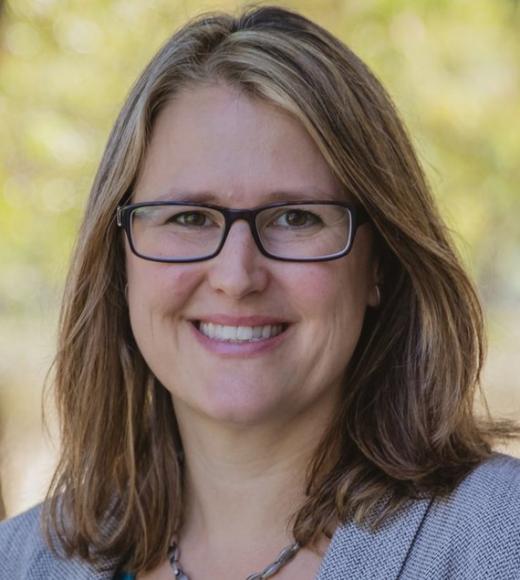
Barbara Linke is a Professor in the Department of Mechanical and Aerospace Engineering at the University of California Davis, affiliated with the College of Engineering. She leads the Laboratory for Manufacturing and Sustainable Technologies Research (MASTeR) and serves as Principal Investigator at the Advanced Highway Maintenance and Construction Technology (AHMCT) Research Center. Her research focuses on sustainable manufacturing processes, abrasive machining, and smart manufacturing technologies, with applications in aerospace, biomedical, and automotive sectors. Dr. Linke holds a Dr.-Ing. habil. and has been recognized with the UC Davis Chancellor’s Fellow (2021-2022) and the Outstanding Junior Faculty Award from the College of Engineering. She advises the UC Davis Student Chapter of the Society of Manufacturing Engineers (SME) and the Women Machinists’ Club. She collaborates with the Fire Research Group at UC Berkeley and the Wildfires Research Working Group at UC Davis, integrating sustainability into wildfire-related infrastructure projects. Her research interests include energy-efficient manufacturing systems, lifecycle assessments, and the integration of Industry 4.0 technologies. Notable contributions include developing frameworks for sustainable additive and subtractive manufacturing, analyzing residual stresses in aluminum alloys, and advancing mobile 3D printing for disaster response. Her work bridges engineering education with cutting-edge research, emphasizing hands-on projects like the Shigley Hauler design competition. Dr. Linke’s labs and affiliations include the Materials Decarbonization and Sustainability Center and the UC Davis AI Center in Engineering, reflecting her commitment to interdisciplinary innovation. She has authored over 50 peer-reviewed articles, with recent focus on smart manufacturing systems, renewable energy integration in machining, and sustainable biomedical implant production.
Henrik Haller is an Associate Professor at Mid Sweden University, affiliated with the Department of Natural Sciences, Design and Sustainable Development (NDH). His work integrates environmental science with practical applications in tropical regions, particularly focusing on land use, soil remediation, and sustainable food systems. Academic Title: Doctor of Philosophy Location: Östersund, Sweden Key Research Areas: Multifunctional land use, bioremediation, agroforestry, and sustainable development in the Global South Haller's research emphasizes transforming environmental challenges into opportunities. His work includes: Bioremediation of heavy-metal-contaminated soils using amaranth plants Urban agriculture potential in Swedish cities Life cycle assessments of cold-weather aquaponic systems Waste valorization strategies for contaminated lignocellulose sediments Universal design approaches to zero-waste communities Industrial symbiosis for local food systems He has ongoing projects in urban farming, wastewater resource recovery, and sustainable behavior transformation. His publications span topics from fungal metal tolerance to policy challenges in environmental governance.
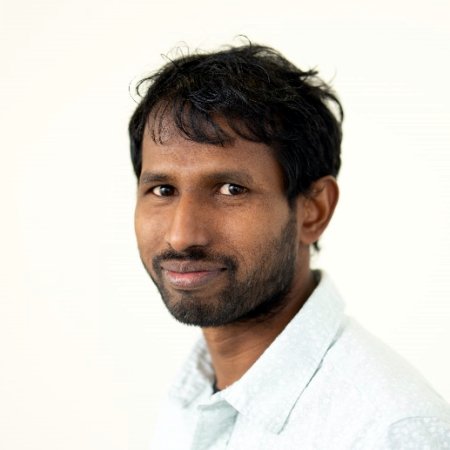
Dr. Ramaraj Ayyappan is an Assistant Professor in the Department of Chemistry at the Indian Institute of Science Education and Research (IISER), Thiruvananthapuram, appointed in August 2022. His research focuses on organometallic chemistry, specifically designing catalysts using first-row transition metals for sustainable applications including CO 2 hydrogenation and bond activation. His academic background includes: B.Sc Chemistry from Gandhigram Rural University, Chinnalapatti, Tamil Nadu Integrated Ph.D. from Indian Institute of Science (IISc), Bangalore (Thesis advisor: Prof Balaji R. Jagirdar) Postdoctoral research at LCC-CNRS, Toulouse, France Postdoctoral research at University of South Wales, Pontypridd, UK Dr. Ayyappan's research centers on developing phosphine and carbene-based multifunctional ligands to tailor transition-metal complexes (Mn, Fe, Co, Ni, Cu, Ru, Ir, Rh) for catalytic applications. His group emphasizes earth-abundant first-row 3d metals for sustainable chemistry, overcoming challenges like labile metal-ligand bonds to achieve CO 2 activation, hydrogenation, and coupling reactions. Current projects focus on CO 2 and P 4 activation using tailored metal complexes. Analysis of his 11 publications (2014-2024) reveals consistent innovation in organometallic catalysis, with recent work (2022-2024) increasingly addressing sustainable CO 2 functionalization and dinitrogen activation. His research demonstrates strategic ligand design to enable challenging transformations with abundant metals, reflecting a strong commitment to green chemistry solutions. Dr. Ayyappan actively mentors students, currently supervising JRF Deepthy Devassy (SERB-SRG project), BS-MS students Aswin Das (SERB project JRF), Shwetha Jayarajan, and Fiza Fathima S, alongside interns from CHRIST University and other institutions. His group secured SERB funding and hosted the Inspire Fellow Anjali Suku. In early 2025, his students Deepthy, Fiza, and Shwetha won the best poster award at FSCHEM 25 symposium for their hydrogenation catalyst research. The research laboratory features Schlenk lines, glove boxes, medium-pressure reaction systems (5-10 bar), Fischer-Porter and Parr hydrogenation apparatus, and comprehensive analytical capabilities (NMR, IR, X-ray, HRMS, GC-MS). Strict safety protocols govern handling of hazardous chemicals and gases (H 2 , CO 2 , NH 3 ), with mandatory training in waste disposal, emergency procedures, and instrument maintenance.
Alister Scott is a Professor at Northumbria University in the Geography and Environmental Sciences Department , specializing in landscape and environmental planning. His work bridges the built and natural environments, focusing on multifunctional landscapes and policy integration. Education: PhD (awarded 1987) Research Themes: Landscape planning, ecosystem services, green/blue infrastructure, peri-urban dynamics, sustainability assessment, and policy translation. Collaborations: Active in UK-based and international projects, including EU PERFECT and ESRC-funded initiatives. Recent publications emphasize the role of cultural ecosystem services, participatory mapping in Green Belt areas, and reconciling urban growth with environmental protection. His work addresses the integration of nature-based solutions into planning systems and evaluates policy impacts on health, wellbeing, and biodiversity. Networks: Executive Member of the North East Nature Partnership (since 2016) Contributor to the UK National Ecosystem Assessment Follow-on projects
Maurizio Ramanzin is a Full Professor at the University of Padova , affiliated with the School of Animal Science and Department of Agronomy, Animals, Food and Natural Resources (DAFNAE) . His research focuses on Agricultural Sustainability , Environmental Impact Assessment , and Precision Livestock Farming . Academic Field : AGR/19 Email : maurizio.ramanzin@unipd.it Address : Agripolis - Viale dell'università, 16 - Legnaro (Padova) – ITALY His work explores the interactions between livestock systems and ecosystem services in mountainous regions, with emphasis on: Grazing Management and biodiversity conservation Life Cycle Assessment (LCA) of dairy and beef systems Climate Change Adaptation in Alpine ungulates Animal Welfare in small-scale farms Technological Tools (GPS, NIRS) for monitoring grazing behavior Key trends in his recent publications include: Quantifying environmental drivers of wolf predation on livestock Developing low-cost biologging systems for dairy cows Analyzing social-ecological trade-offs in mountain agriculture Assessing microbial dynamics in alpine soils
Dr. Rohit Jindal serves as Associate Professor and Chair of the Department of Decision Sciences within MacEwan University's School of Business in Edmonton, Alberta. His academic leadership spans quantitative methods, decision sciences, and sustainability-focused research with significant policy implications for businesses and communities globally. He holds a PhD from Michigan State University and an M.Sc. from the University of Edinburgh, with prior research appointments at the University of Calgary's Haskayne School of Business and the University of Alberta's Department of Resource Economics. Dr. Jindal's research integrates environmental economics, behavioral decision-making, and econometric analysis to address sustainability challenges. His work examines carbon markets, payments for ecosystem services, and risk analysis through field experiments across Africa, Asia, and Latin America. He employs choice experiments and behavioral economics to investigate how incentives shape environmental compliance and land-use decisions, particularly in developing economies. His publication trajectory reveals deepening engagement with climate policy mechanisms, evolving from foundational work on carbon forestry impacts in Africa to recent analyses of agricultural carbon offsets and forest landscape restoration. The research consistently bridges theoretical econometrics with practical policy applications in environmental management. Sustainability Reimagined Fellowship (2018) Best Paper in Social Sciences, Asia Pacific Conference (2016) Banting Fellowship, SSHRC Canada (2012) Multiple MacEwan University research grants (2018, 2016, 2014) World Bank and USAID-funded field projects Dr. Jindal mentors senior students in independent studies while leading the Behavioral Economics and Environment (BEE) Lab. This interdisciplinary research collective unites faculty from decision sciences, marketing, international business, and psychology to investigate environmental decision-making through lab and field experiments, with active collaborations across North America and globally.
Marcus Hedblom is a Professor in Landscape Management at the Swedish University of Agricultural Sciences (SLU) in Uppsala, Sweden. His academic career focuses on the intersection of urban ecology, landscape management, and human well-being, with extensive research on how people interact with and benefit from urban green spaces. Professor Hedblom's research interests span several interconnected domains related to urban environments and human-nature interactions. His primary focus areas include urban ecology and biodiversity conservation in cities, landscape management for recreational purposes, and the psychological benefits of nature exposure. He has made significant contributions to understanding soundscape perception in urban forests, children's interactions with natural environments, and the development of nature-based interventions for health and well-being. His work often employs multisensory approaches to studying how visual and auditory elements of landscapes affect human experiences and stress recovery. The trends in Professor Hedblom's recent publications (2023-2025) reveal a strong emphasis on practical applications of landscape research. His work increasingly focuses on design frameworks for multifunctional green spaces, particularly those serving children's developmental needs through nature-based play environments. He has developed innovative approaches like the Contemplative Landscape Model for assessing therapeutic outdoor settings and has conducted cross-continental studies on urban wildlife adaptation. His research consistently bridges ecological science with social science perspectives, examining how landscape characteristics correlate with human perceptions and behaviors in urban settings across different cultural contexts. Professor Hedblom has contributed extensively to the understanding of urban bird ecology, particularly how species like house sparrows adapt their vocalizations to urban noise environments. His work on "play biotopes" represents a significant practical application of ecological principles to landscape design, creating synergistic environments where children's development and ecological functions reinforce each other. Recent publications also address the challenges of balancing traditional lawn maintenance with more sustainable alternatives in the face of climate change.
Associate Professor Douglas Bardsley is part of the Department of Geography, Environment and Population at the University of Adelaide's School of Social Sciences. His work focuses on environmental and agricultural risk management, climate change adaptation, and sustainable development. He has conducted research in Australia, Nepal, Thailand, Indonesia, Turkey, China, Fiji, Ghana, Switzerland, and the European Union. Research Interests: His studies analyze the interface between social and environmental systems, including climate change adaptation planning, resilience in agricultural systems, and biodiversity conservation. He explores topics like bushfire risk management, water resource governance, and the impacts of environmental change on migration and education systems. Publications: His recent work highlights climate change loss and damage in Fiji’s sugar industry, rewilding strategies in Nepal, and multifunctional agriculture in Australia and China. He also examines social networks as tools for mitigating food insecurity in Ghana and hydrosocial risk governance in South Australia. Supervision: He supervises Masters and PhD students in geography, environmental science, and related fields. His research often involves interdisciplinary collaboration to address global sustainability challenges.
Dr. Katarzyna Kajdanek is an Associate Professor at the Department of Urban and Rural Sociology, University of Wrocław. She holds leadership roles including Deputy Chairperson of the Council for Sociological Sciences, Head of the Sociology College in the Doctoral School, and Erasmus+ Programme Coordinator. She is a board member of ESA’s Urban Sociology Network (RN37) and active in the Polish Sociological Association (PTS). Her research focuses on urban-rural dynamics, civic engagement, and socio-spatial transformations. Her academic career includes scholarships for outstanding researchers (2017-2020) and leadership in funded projects like 'Reviving rural areas?' (2018-2021) and 'Return from suburbs to cities' (2019-2020). She publishes in top journals such as *City&Society* and *Applied Geography*, addressing topics like pandemic-induced urban migration, mountainous region development, and urban identity commercialization. She also edited *City and Power* (2017) and serves on the editorial board of *Sociological Studies*. Key Projects: OPUS Grant on rural revival (2018-2021), MINIATURA3 suburban migration study (2019-2020) Professional Roles: Doctoral College Head, Erasmus+ Coordinator, ESA Network Leadership Her work bridges urban sociology with policy research, analyzing how spatial changes affect social structures and vice versa. Current interests include post-pandemic urban-rural linkages and participatory urban planning strategies.
Dr. Changxing Dong is a Research Associate at the Leibniz Institute of Agricultural Development in Transition Economies (IAMO) since November 2010, specializing in agent-based modeling and agricultural policy simulation. He previously worked at Martin-Luther-University Halle-Wittenberg. Current affiliation: IAMO Department of Structural Development of Farms and Rural Areas Prior affiliation: Martin-Luther-University Halle-Wittenberg His research focuses on: Agent-based modeling of agricultural systems Ecosystem services quantification Land market dynamics and resilience Policy simulation tools (AgriPoliS) Multifunctional agricultural land use Recent publications highlight trends in: Deep reinforcement learning integration with agent-based models AgriPoliS software sustainability Spatial analysis of grazing intensity in Kazakhstan Simulation games for policy evaluation He collaborates extensively on projects like AgEnRes, AgriPoliS, MULTAGRI, and Rehwinkel Resilience, working with Alfons Balmann, Ruth Njiru, and Franziska Appel on AI-enhanced agricultural simulations.
Anne-Mette Hjalager is a Professor at the Department of Business and Sustainability , University of Southern Denmark, and serves as Director of the Danish Centre for Rural Research. Her work spans multiple interdisciplinary roles including membership in the SDU Climate Cluster, editorial contributions to Annals of Tourism Research , and scientific advisory roles in Nordic and EU projects like INNOTOUR.com and EU-COST initiatives. Ph.D. in Planning and Development (Aalborg University, 1986) MA in Planning Architecture (Aarhus School of Architecture, 1981) HD Business Diploma (Aarhus Business School, 1980) Her research focuses on economic development in rural areas , emphasizing job creation and business sustainability. She explores rural tourism innovation through stakeholder collaboration and digital platforms, analyzing impacts of technology and policy frameworks. Recent work addresses sustainable planning challenges including climate adaptation, coastal zone management, and multifunctional land use. Key publications examine CO₂ emissions from second homes, circular economy strategies, and SDG implementation in local governance. Her scientific contributions include the SCC Fast Track award (2024) and leadership in EU-funded projects like INNOTOUR (€330,000+ funding). She actively participates in national committees and international research networks while mentoring through editorial roles at journals like Scandinavian Journal for Hospitality and Tourism Research .
Dr. Alex Hagen-Zanker is an Associate Professor in Infrastructure Systems at the University of Surrey's School of Sustainability, Civil and Environmental Engineering. His research focuses on quantitative analysis and simulation modelling of land use, transport, and urban activities, addressing challenges in urbanization, environmental pressures, and social equity. He leads initiatives on spatial modelling, infrastructure systems, and nature-based solutions. He holds roles as Director of Learning and Teaching and Module Leader in the School. His teaching contributions include Geographical Information Science, Numerical Methods, and Environmental Engineering modules. His work integrates geospatial technologies with environmental and transportation systems to inform sustainable urban development. Research interests include geographical information science, spatial simulation, urbanization dynamics, and landscape processes. He has collaborated on projects funded by ESRC (JPI Urban Europe / NSFC), focusing on multifunctional landscapes and urban growth scenarios. Recent work explores machine learning applications in urban planning and policy-relevant decision frameworks. His publications span over two decades, addressing topics from bridge scour risk under climate change to the socio-ecological impacts of urban expansion. His interdisciplinary approach bridges engineering, environmental science, and policy, emphasizing data-driven solutions for resilient infrastructure systems.
John Lumkes is a Professor in the Department of Agricultural & Biological Engineering and serves as Assistant Dean & Associate Director of the Office of Academic Programs at Purdue University. His research focuses on machine systems engineering, agricultural robotics, and sustainable technologies for developing countries. He leads projects like the Purdue Utility Project, addressing transportation and energy challenges in Sub-Saharan Africa. Lumkes is also involved in educational initiatives, including global design teams and K-12 STEM outreach programs, emphasizing fluid power and engineering education. His work integrates fluid power systems, digital hydraulics, and autonomous technologies to enhance agricultural machinery efficiency. He has authored numerous publications on topics such as digital pump design, actuation systems, and agricultural safety. Education & Career: While formal education details are not provided, his roles indicate extensive academic leadership and research experience. He oversees academic programs and collaborates internationally on sustainable development projects. Research Interests: Lumkes specializes in intelligent machine systems, autonomous vehicle technologies, and fluid power innovation. Recent projects include electrifying heavy equipment, optimizing digital pump strategies, and improving agricultural safety through interdisciplinary approaches. His work bridges engineering principles with global sustainability challenges. Publications & Trends: His articles (2010–2025) reflect a focus on fluid power systems, digital hydraulics, and sustainable technologies. Key themes include valve actuation mechanisms, energy-efficient designs, and global agricultural equipment solutions. Recent work emphasizes electrification and automation trends in heavy machinery. Grants & Advising: Though specific grants are not listed, his projects suggest significant funding for international development and educational outreach. He advises on global design teams and has mentored students in sustainable technology development. Labs & Teams: Engaged with Purdue's Agricultural & Biological Engineering labs, focusing on machine systems, digital agriculture, and global engineering solutions. Collaborates with international partners on multifunctional clean energy centers and agricultural vehicle design.

.jpg)