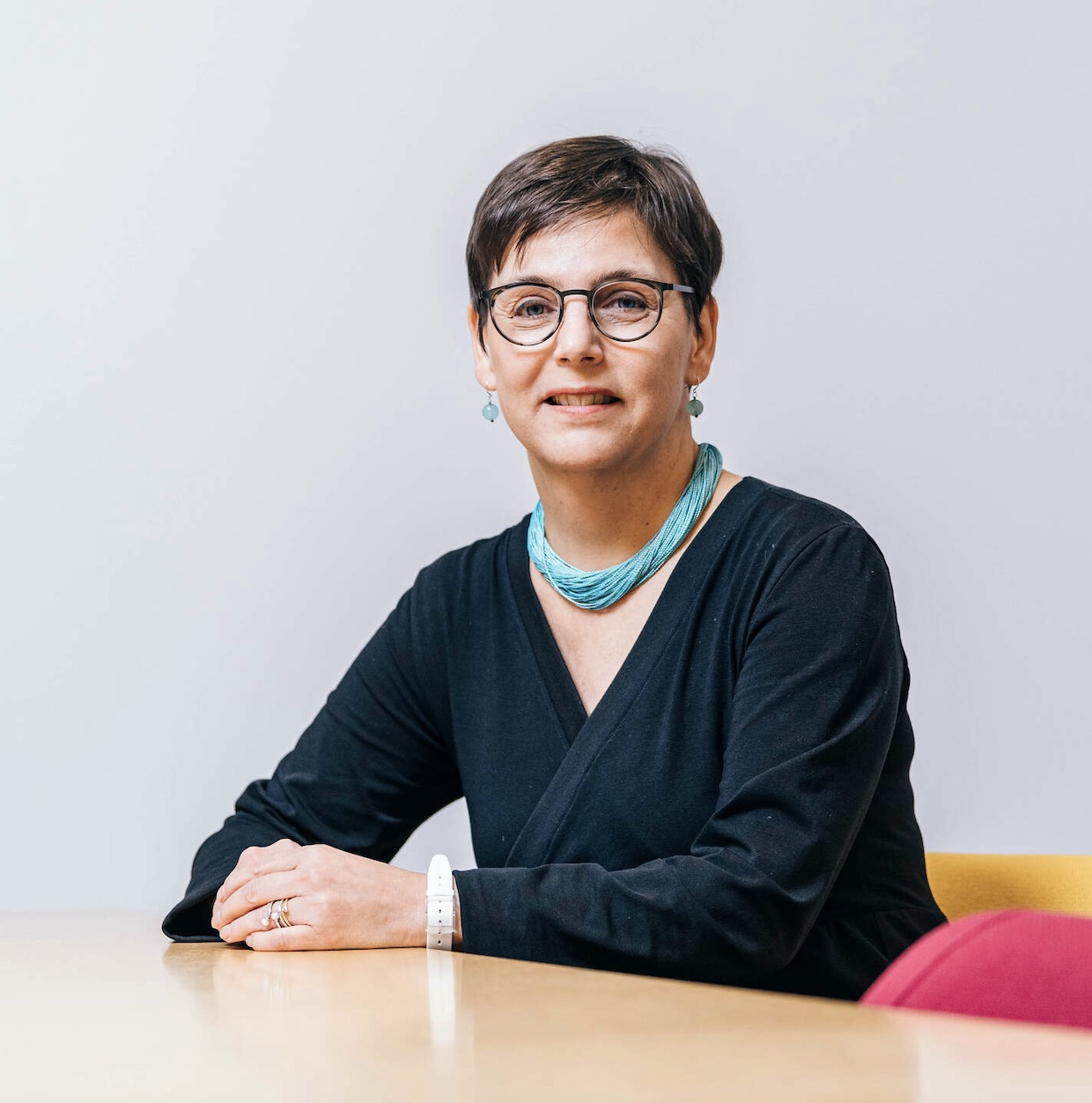
Tuuli Mattelmäki is a Professor at Aalto University's School of Arts, Design and Architecture , affiliated with the Department of Design . Her work centers on co-design , service design , and creative practices , with a focus on empathic approaches and societal transformations. Research Interests : Empathic Design : Human-centered methodologies in public sector innovation Transformational Futures : Exploring creative practices for sustainability Service Design : Cross-organizational B2B innovation and prototyping Design Probes : Experimental tools for participatory engagement Recent Articles (2022-2025) reflect expertise in service design , sustainability , and creative interventions , spanning subfields like co-laboratories, inner conditions in co-design, and climate-responsive design. Collaborations include institutions such as University of Sussex, RMIT, and Utrecht. Scientific Awards : Ziman Award (2024) for the CreaTures project Industrial Designer of the Year (2008) by TKO and ORNAMO Dean's Publication Bonus (2012) for the Encore team Teams & Labs : Principal Investigator of the CreaTures (Creative Practices for Transformational Futures) project, leading a multidisciplinary team with partners including Superflux, Kersnikova, and RMIT University.
Robert J. Hamers is a Professor of Chemistry and the Steenbock Professor of Physical Science at the University of Wisconsin-Madison . He serves as the Director of the Center for Sustainable Nanotechnology , a multi-institutional collaboration, and is a Senior Editor for Accounts of Chemical Research . Additionally, he co-founded the startup Silatronix, Inc. and leads the ACS/UW-Madison Bridge to the Chemistry Doctorate Program . B.S. in Chemistry, University of Wisconsin-Madison (1980) Ph.D. in Chemistry, Cornell University (1986) Hamers' research focuses on surface chemistry, nanotechnology, and renewable energy , with specific interests in electrochemical energy storage, photoelectron emission mechanisms, and environmental impacts of nanomaterials . His group develops ultra-stable surface chemistries for energy devices and investigates charge-transfer processes at material interfaces . Recent publications highlight advances in diamond-based materials , organosilicon electrolyte additives , and environmental fate of nanomaterials . Scientific recognitions include the Wisconsin Distinguished Professor title. His work bridges fundamental surface science with applied technologies through collaborations with academic institutions, national laboratories, and industry partners like Dow Chemical . The Hamers Group actively trains graduate students and postdoctoral researchers in multidisciplinary approaches.
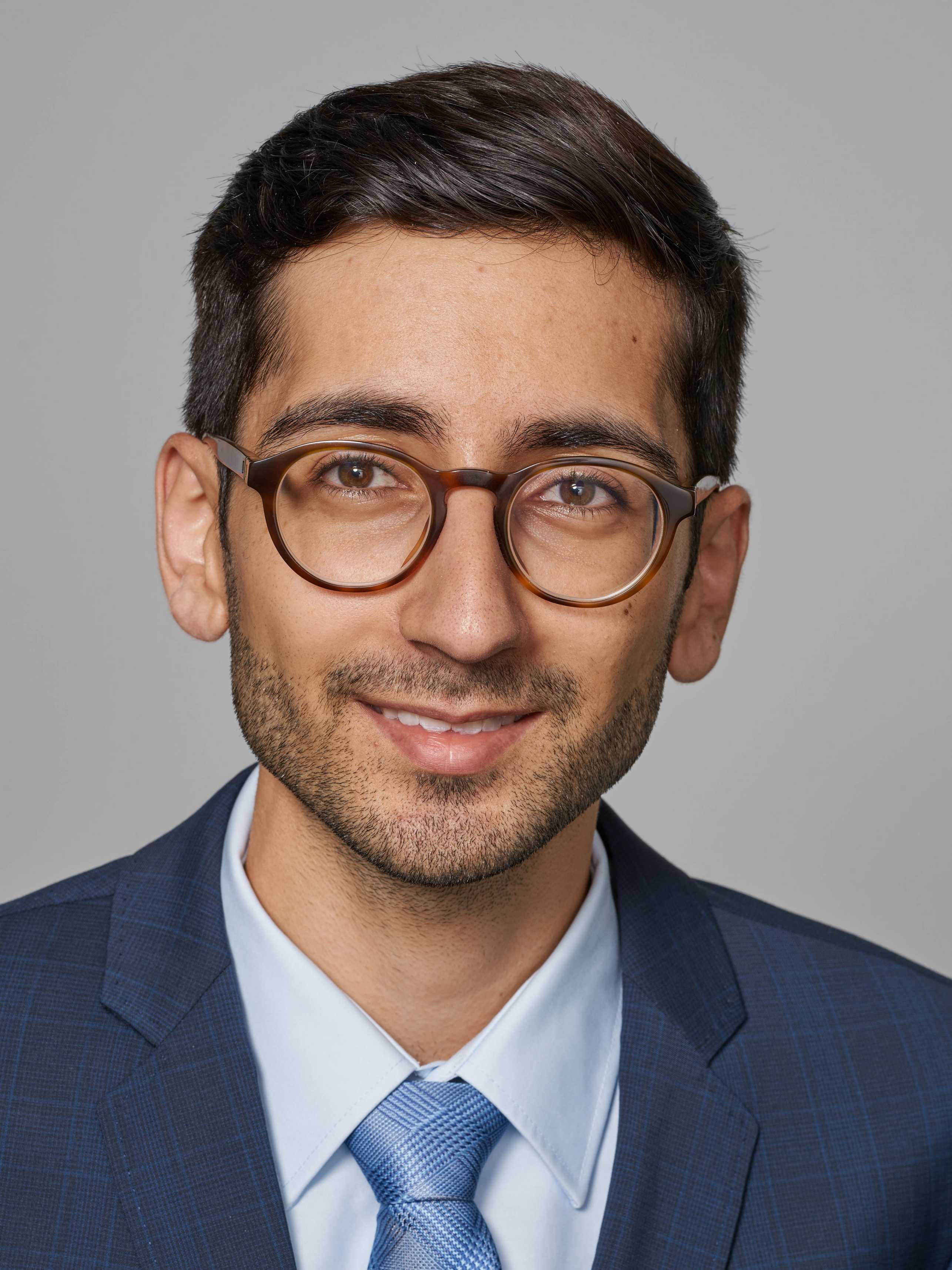
Jakob Merane is a postdoctoral researcher at ETH Zurich's Professorship of Law, Economics and Business, and a visiting researcher at the Max Planck Institute and Harvard Law School. He holds a Ph.D. from ETH Zurich and law degrees from the University of Basel, with additional studies in applied statistics. His research focuses on AI-driven legal enforcement, legal technology, and compliance-by-design approaches, leveraging computational and empirical methods. Merane's work includes developing tools like SwiLTra-Bench for multilingual legal translation and LEXam for benchmarking AI legal reasoning. He has contributed to GDPR compliance studies, automation of legal enforcement processes, and quantitative analyses of Swiss legal datasets. Awards include the 2024 Young Scholar Prize from the German Law and Economics Association. Teaching responsibilities include ETH's Law & Tech course since 2020, emphasizing AI regulation and interdisciplinary collaboration between law and computer science. Merane's research also addresses AI liability in medical contexts, digital advertising regulations, and ethical AI integration in legal systems. His work bridges legal theory with practical applications, aiming to enhance justice accessibility through technology.
Rebecca Schulman is an Associate Professor in the Department of Chemical and Biomolecular Engineering at the Whiting School of Engineering, Johns Hopkins University. She holds secondary appointments in Chemistry and Computer Science and is affiliated with multiple interdisciplinary institutes, including the Institute for NanoBioTechnology, the Hopkins Extreme Materials Institute, the Chemistry-Biology Interface Program, the Center for Cell Dynamics, and the Laboratory for Computational Sensing and Robotics. She currently co-directs the Passport to Future Technology Leadership program for PhD students. Research Interests: Schulman's research lies at the intersection of DNA nanotechnology, synthetic biology, and smart materials. Her group develops intelligent, adaptive biomolecular materials and nanostructures by integrating concepts from materials science, biochemistry, circuit design, and soft matter physics. The team focuses on engineering dynamic self-assembly processes using DNA to create reconfigurable materials, molecular circuits, and autonomous soft micro-robots. Key themes include self-healing nanostructures, feedback-regulated crystallization, programmable hydrogels, and synthetic genetic networks for materials control. Publication Trends: Her recent publications demonstrate a consistent focus on using DNA-based chemical reaction networks to program spatial and temporal behavior in materials. The work spans from fundamental mechanisms like catalytic polymerization and crystal growth regulation to applications in soft robotics, self-wiring circuits, and synthetic pattern formation. The research is highly interdisciplinary, combining synthetic biology with materials engineering to achieve life-like functionalities in non-living systems. Scientific Awards: AIMBE Fellowship Award Vannevar Bush Faculty Fellowship Award Hartwell Individual Biomolecular Research Award President’s Early Career Award in Science and Engineering (PECASE) DARPA Young Faculty Award DARPA Directors Fellowship NSF CAREER Award Turing Scholar Award DOE Early Career Award Advising and Grants: Schulman mentors graduate students and leads a vibrant research group focused on next-generation biomolecular engineering. Her work is supported by major federal grants, including the NSF CAREER, DOE Early Career, DARPA, and the Vannevar Bush Fellowship—a prestigious Department of Defense award for basic research. She is actively involved in training future leaders through programs like the Passport to Future Technology Leadership. Labs and Teams: The Schulman Lab at Johns Hopkins is a multidisciplinary team working on DNA-powered materials and molecular programming. The lab is embedded within several collaborative centers, enabling strong cross-departmental and cross-institutional research. Their work combines experimental biochemistry with theoretical modeling to design and implement complex molecular systems.
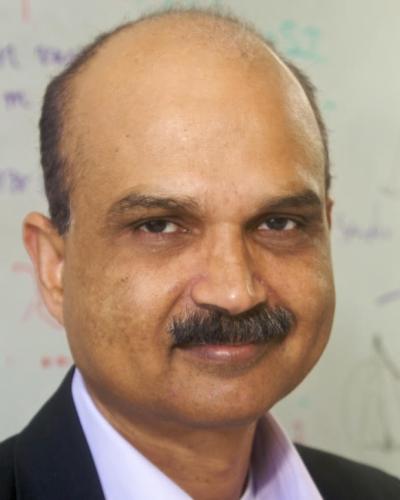
Ambuj K. Singh is a Distinguished Professor of Computer Science at the University of California, Santa Barbara (UCSB), with a part-time appointment in the Biomolecular Science and Engineering Program. He holds a PhD from the University of Texas at Austin (1989), an MS from Iowa State University (1984), and a BTech from the Indian Institute of Technology, Kharagpur (1982). His campus affiliations include the Center for Bio-Image Informatics, Information Network Academic Research Center, and IGERT on Network Science. PhD, University of Texas at Austin, 1989 M.S., Iowa State University, 1984 B.Tech., Indian Institute of Technology, Kharagpur, 1982 Research interests span network science, machine learning, and bioinformatics, with a focus on graph-based methodologies. His work addresses: Data-centric modeling of dynamic networks Representation learning and explainability in graph neural networks Network analysis in social systems and biological networks Applications in drug discovery and brain sciences Geometry-preserving distance metrics for data integrity Recent publications highlight advancements in counterfactual explanations, GNN benchmarking, molecular graph pretraining, and self-attention for event detection. Scientific contributions include: Founding Acelot, Inc., an in silico drug discovery company Editorial roles at IEEE Transactions on Knowledge & Data Engineering and BMC Journal of Clinical Bioinformatics NSF-IGERT (2013-2018), ARL-funded Information Networks Academic Research Center (2009-2014), and US Army MURI grants Advising has involved mentoring over 50 graduate/postdoctoral students, including 30+ PhD candidates. He leads a multidisciplinary research group at UCSB and collaborates with off-campus entities like Acelot, Inc.
Wim Gevers is a faculty member at the Université libre de Bruxelles (ULB) and leads the CS4S – Cognitive Control & Sleep laboratory within the CRCN research centre. His work bridges cognitive psychology, neuroscience and sleep research to understand how the brain exerts control over thoughts and actions and how sleep contributes to these processes. Research Interests Cognitive Control & Metacognition: Investigating how subjective experiences such as confidence and the "urge-to-err" guide strategic adjustments in behaviour. Working Memory & Ordinal Cognition: Examining how order information is maintained and manipulated, and how these processes relate to mathematical competence. Sleep, Memory & Decision Making: Exploring how sleep-dependent consolidation influences motor learning and decision strategies. Across his 2022–2025 publications a clear trend emerges: a focus on metacognitive monitoring —how humans evaluate their own cognitive states—and the role of emotional and temporal context in shaping those evaluations. Studies range from reaction-time introspection and confidence judgements in perceptual tasks to the impact of aging and depression on metacognitive accuracy. Doctoral Supervision & Mentoring Whitney Stee (PhD 2024) – Sleep-dependent structural brain reorganization & motor learning Gaia Corlazzoli (PhD 2024) – Subjective experience in decision-making Myrtille Dewulf (PhD 2023) – Ordinal coding mechanisms in working memory Rebeca Sifuentes-Ortega (PhD 2023) – REM sleep and memory reactivation All dissertations were defended at ULB, Faculté des Sciences psychologiques et de l’éducation, with Wim Gevers formally listed as Promotor . Laboratory & Collaborative Networks As head of CS4S, Gevers coordinates a multidisciplinary team that combines behavioural experimentation, EEG/MEG, computational modelling and sleep polysomnography. The lab is embedded in the larger CRCN ecosystem, fostering collaborations with groups such as CO3 (consciousness), LCLD (language & deafness), and UR2NF (neurofunctional imaging).
Matthew Osman is an Assistant Professor of Climate Science in the Department of Geography at the University of Cambridge. He leads the Cambridge Computational Climate and PaleOceanography (C3PO) group and serves as a supervisor for the Cambridge NERC Doctoral Landscape Awards (DLA). Dr. Osman's research focuses on understanding climate dynamics across various timescales by integrating geochemical proxy records, modern observations, and climate model simulations. His work centers on: Developing quantitative tools to reconstruct past climates and constrain future projections Using data assimilation and modeling methods for key climate intervals (mid-Pliocene, Last Ice Age, interglacials) Creating probabilistic frameworks combining proxies with climate simulations Developing statistical proxy system models for ice cores and marine records Investigating cryosphere-climate feedbacks, particularly ice sheets and sea ice His research spans sub-seasonal to millennial time intervals, specializing in bridging climate proxies with global climate models. He works closely with the international PMIP/CMIP community on projects spanning Arctic sea ice sensitivity, AMOC weakening, and carbon cycle feedbacks. Dr. Osman actively supervises PhD students through the Department of Geography PhD Program and encourages students interested in quantitative climate science to develop projects in: Using paleo data to constrain future climate projections Developing fingerprinting techniques for proxy records Building probabilistic proxy system models Applying paleoclimate data assimilation during ice sheet collapse Climate risk modeling using physics-informed statistics The C3PO group maintains a strong commitment to diversity and inclusion, welcoming researchers from all backgrounds to address the climate crisis through quantitative, multidisciplinary approaches.
WooChul Jung is an Associate Professor at the Department of Materials Science and Engineering, Seoul National University (SNU), previously holding the same role at the Korea Advanced Institute of Science and Technology (KAIST) from 2018 to 2024. His research focuses on energy conversion and storage materials, particularly solid oxide fuel cells, electrolyzers, and catalytic systems involving ionic solids and gas interfaces. Ph.D. in Materials Science & Engineering from MIT (2010) B.S. in Materials Science & Engineering from SNU (2004) Research Interests: Investigating reactions at ionic solid-gas interfaces to enhance catalytic kinetics for fuel cells, electrolyzers, and sensors. Key areas include surface science, electrochemistry, and nano-fabrication. Scientific Contributions: His recent work emphasizes fluorine doping for stable bismuth oxide electrolytes, Ca substitution in LaCoO3 for oxygen evolution, and exsolution strategies for durable nanocatalysts. Publications highlight multidisciplinary approaches combining experimental and computational methods.
Cristian Gómez Canela is a Full Professor in the Department of Analytical and Applied Chemistry at the School of Engineering, Ramon Llull University (IQS). He serves as Coordinator of the Master's Degree in Analytical Chemistry and is an active member of the Catalan Chemical Society (SCQ), representing SCQ in EuChems-EYCN. His academic journey includes a PhD in Chemistry from the University of Barcelona (2014), followed by postdoctoral research at IDAEA-CSIC and King's College University. Dr. Gómez Canela's research focuses on environmental analytical chemistry, particularly the optimization and validation of analytical methods based on liquid chromatography coupled with tandem mass spectrometry (LC-MS/MS) and high-resolution mass spectrometry (HRMS) for determining organic pollutants in environmental samples. His work extends to metabolomics applied to aquatic organisms and the analysis of neurotoxic compounds in water systems. His research fingerprint reveals strong expertise in zebrafish models (100%), neurotransmitter analysis (66%), Daphnia magna studies (64%), and neurotoxicity assessment (21%). His recent publications (2024-2025) demonstrate a clear trend toward environmental neurotoxicology, with emphasis on the effects of pharmaceuticals and industrial pollutants on aquatic organisms. His work integrates advanced analytical techniques with biological endpoints to assess environmental risks, particularly focusing on neurological and cardiovascular impacts. The research spans method development for pollutant detection, environmental monitoring, and mechanistic studies of neurotoxic effects. Dr. Gómez Canela leads multiple significant research projects including CHEMIPARK (2024-2027) on passive sampling methodologies for environmental pollutants, GESPA (2022-2025) as part of the Environmental Process Engineering and Simulation Group, and several projects on neuroactive compounds in water systems. He has an impressive research output with 91 scientific publications from 2011-2025 and an h-index of 27 with over 2,000 citations. As a dedicated educator, he contributes to multiple academic programs including the Master in Analytical Chemistry, Master in Pharmaceutical Chemistry, and undergraduate degrees in Chemistry and Chemical Engineering. His research group GESPA represents a multidisciplinary team combining chemical engineering, biotechnology, and chemical analysis to advance environmental sustainability through theoretical and experimental approaches.
Carol Smith is an Associate Professor in the Department of Soil & Physical Sciences at Lincoln University, New Zealand, where she serves as Head of Department since 2017. She has been an elected academic staff member of the Lincoln University Council from 2018-2022. Dr. Smith holds a PhD from the University of Aberdeen, an MSc from the University of Reading, and a BSc(Hons) from the University of Portsmouth, forming the foundation of her expertise in soil science and physical geography. Her research spans both fundamental and applied aspects of pedology. On the fundamental side, she investigates Quaternary pedology and paleoenvironmental reconstruction using loess stratigraphy, geomorphology, and micromorphology, which provides critical data for verifying future climate change predictive models. Applied research focuses on sustainable use of recycled organic matter and rehabilitation of degraded soils. She collaborates internationally on multidisciplinary projects involving paleoclimate reconstruction, paleoliquefaction, Antarctic soils, and viticulture. Dr. Smith is passionate about teaching and science communication, employing experiential learning methods to develop practical field skills in soil science through 'soil judging competitions' in New Zealand and Australia. Her research addresses UN Sustainable Development Goals including Life on Land (15), Climate Action (13), and Quality Education (4). Among her notable recognitions are the Norman H Taylor Memorial award 2020 from the New Zealand Society of Soil Science for outstanding contributions to soil science in New Zealand and Fellowship in the Royal Geographical Society, London. She serves as Associate Editor of Natural Sciences Education and was previously editor of Quaternary Australasia. Dr. Smith has supervised numerous graduate students through research-based supervision, with completed projects covering diverse topics from soil patterns in Southland to Antarctic soil ecology. She teaches advanced courses in field research, soil science, and physical landscapes, and has developed innovative approaches to teaching during the pandemic, including virtual field trips.
Ulf Hanefeld is a Full Professor and Section Leader in the Department of Biotechnology at the Faculty of Applied Sciences , Delft University of Technology (TU Delft) , where he leads the Biocatalysis research section. His work integrates chemistry and biology to develop sustainable synthetic methodologies using enzymes. PhD from Georg-August-Universität zu Göttingen (1993) Postdoctoral experience at Imperial College London, University of Cambridge, and TU Delft Recipient of a Royal Netherlands Academy of Arts and Sciences (KNAW) fellowship His research interests center on biocatalysis , particularly enzymes that enable difficult chemical transformations such as C–C bond formation , enantioselective hydration , and ozonolysis . He focuses on enzyme discovery, engineering, immobilization, and application in flow chemistry to achieve sustainable and efficient synthesis. His work spans from fundamental enzyme mechanism studies to industrial applications in green chemistry . The publication trends reveal a consistent focus on enzyme immobilization , flow reactor systems , and chemo-enzymatic cascades . His recent work emphasizes the use of hydroxynitrile lyases , aldolases , and methyltransferases for the synthesis of chiral intermediates under environmentally benign conditions. The integration of biocatalysis with continuous manufacturing highlights a strong commitment to industrial applicability and process sustainability. Scientific contributions and recognition : Active contributor to high-impact journals in chemistry and biotechnology Coordinated research in the CassaFLOW project (international academic-industrial collaboration) Author of influential reviews, e.g., in Chemical Society Reviews (2022) Teaching and supervision : He teaches Catalysis (Bachelor) and Advanced Biocatalysis (Master), and supervises numerous Master’s theses (MEP) and Bachelor’s projects (BEP) . Students in his group are actively involved in research and often become co-authors on scientific papers. Projects center on green chemistry, enzyme engineering, and spectroscopic analysis of biochemical systems. Laboratory and research environment : The Ulf Hanefeld Group operates within the Biocatalysis section, a multidisciplinary environment fostering collaboration on enzyme discovery, immobilization, and cascade reactions. The group emphasizes practical innovation, with strong links to industry and international research networks.
Joël Brugger is a Professor of Synchrotron Geosciences at Monash University, where he is affiliated with the School of Earth, Atmosphere and Environment. He earned his PhD from the University of Basel in 1996 and has held academic and research positions at the University of Adelaide and South Australian Museum before joining Monash in 2014. His research leverages advanced synchrotron techniques to investigate geochemical processes in natural and anthropogenic systems. His research interests include: Synchrotron-based geochemistry Formation of rare earth element deposits Biogeochemical cycling of critical and toxic elements (e.g., tellurium) Environmental behavior of radioactive particles (e.g., plutonium at Maralinga) Mineral-microbe-fluid interactions Sustainable mineral extraction technologies His recent publications highlight the use of high-energy X-rays to study ore formation, nanoparticle dynamics, and environmental contamination. These works demonstrate a strong trend toward interdisciplinary, experiment-driven geochemistry with implications for renewable energy and environmental safety. His research is frequently published in high-impact science communication platforms and peer-reviewed journals. Scientific awards and recognitions include: No specific awards listed in the source material. He actively engages in research supervision, consulting, and media outreach. His work is supported by the Australian Research Council and industry partners in the mining sector. He leads a multidisciplinary team and collaborates internationally, particularly in synchrotron science facilities in Europe. He has contributed to studies involving nanoscale imaging, environmental risk assessment, and clean technology development. He is involved in research teams and labs such as: Minerals, Microbes and Solutions research group (formerly at University of Adelaide) Monash Centre for Electron Microscopy Collaborations with Diamond Light Source (UK) and European Synchrotron Radiation Facility (France)
Naresh R. Shanbhag is the Jack Kilby Professor in the Department of Electrical and Computer Engineering and the Coordinated Science Laboratory at the University of Illinois at Urbana-Champaign. He serves as Director of the Systems on Nanoscale Information fabriCs (SONIC) Center and held the D.J. Gandhi Distinguished Visiting Professorship at IIT Mumbai from 2015-2020. Previously, he was a visiting faculty member at National Taiwan University (2007) and Stanford University (2014). Dr. Shanbhag received his doctorate from the University of Minnesota (1993) in Electrical Engineering. From 1993 to 1995, he worked at AT&T Bell Laboratories as the lead chip architect for AT&T's 51.84 Mb/s transceiver chips over twisted-pair wiring for Asynchronous Transfer Mode (ATM)-LAN and very high-speed digital subscriber line (VDSL) chip-sets. His research focuses on the design of energy-efficient machine learning, communications, and signal processing systems on resource-constrained embedded platforms. He explores fundamental trade-offs between energy efficiency, latency and accuracy of decision-making systems implemented in nanoscale technologies, with applications to computer vision, biomedicine, automatic target recognition, and imaging. His work spans four primary focus areas: Resource-efficient Machine Learning for the Edge, In-memory Computing (IMC), Energy-efficient High Data Rate Communications, and Shannon-inspired Statistical Error Compensation (SEC). Analysis of his recent publications reveals a strong emphasis on in-memory computing architectures (SRAM, MRAM, RRAM) for machine learning acceleration. His work consistently addresses energy-accuracy trade-offs, with increasing attention to security aspects of hardware implementations and applications to MIMO signal processing and edge AI systems. His research demonstrates a progression from theoretical foundations to practical silicon implementations. 2024 Semiconductor Research Corporation Innovation Award 2018 Semiconductor Industry Association/Semiconductor Research Corporation University Researcher Award 2018 IEEE International Symposium on Circuits and Systems Best Paper Award 2006 IEEE Fellow 1996 National Science Foundation CAREER Award Professor Shanbhag has mentored over 50 graduate students who now work at leading technology companies including Qualcomm, Amazon, Nvidia, Intel, and Apple. His research has been generously supported by the National Science Foundation, DARPA, AFRL, Semiconductor Research Corporation, Texas Instruments, Sandia National Laboratories, and industry partners including IBM, GlobalFoundries, and Intel Corporation. He led the Alternative Computational Models research theme (2006-2012) and was the founding Director of the SONIC Center (2013-2017), a 5-year multi-university center funded by DARPA and SRC. Currently, he leads research themes in the SRC and DARPA funded JUMP 2.0 Program's Center for Co-Design of Cognitive Systems and the Center for Ubiquitous Connectivity, and in the NSF IUCRC Center for Advanced Semiconductor Chips with Accelerated Performance (ASAP). As Director of the Systems on Nanoscale Information fabriCs (SONIC) Center, Professor Shanbhag leads a multidisciplinary team exploring novel computing paradigms for the nanoscale era. His group has benchmarked an extensive collection of in-memory computing and digital accelerator IC designs, maintaining a publicly available IMC benchmarking repository of metrics extracted from published IC prototypes. His research philosophy integrates concepts from information theory, statistical signal processing, detection and estimation, VLSI architectures, and digital and analog integrated circuits to develop energy-efficient systems from algorithms to silicon implementations.
Lisa M. Jones is a Research Associate Professor of Psychology at the University of New Hampshire , affiliated with the Crimes Against Children Research Center (CCRC) and Family Research Lab . With over 20 years of experience, she specializes in child victimization, abuse, trafficking, and digital safety. Education: Ph.D. in Clinical Psychology – University of Rhode Island (1999) M.A. in Clinical Psychology – University of Rhode Island B.A. in Psychology – University of Virginia Research Focus: Dr. Jones's research spans child abuse and neglect , commercial sexual exploitation of children (CSEC) , human trafficking , youth internet victimization , and digital citizenship education . She leads multiple large-scale studies funded by the CDC, NIJ, WHO, and private foundations, focusing on prevention, intervention, and policy development. Current Projects: She is Principal Investigator on: A 5-year CDC-funded RCT evaluating youth-focused trafficking prevention education in Minnesota. An NIJ-funded quasi-experimental evaluation of Love 146’s services for trafficking victims. An NIJ-funded study on improving national surveillance of child sexual abuse in youth-serving organizations. Private RCTs evaluating digital citizenship programs like Common Sense Education and Google Be Internet Awesome. Publications & Impact: With over 100 publications, her work has shaped national and international discourse on child protection, digital safety, and trauma-informed practices. She regularly presents at national and international conferences. Contact: Email: lisa.jones@unh.edu Address: Crimes Against Children Research Center, 10 West Edge Dr., Suite 106, Durham, NH 03824, USA
Elaine J. Francis is a Professor of English and Linguistics at Purdue University, where she also serves as the Associate Head of the Department of English. She holds affiliate appointments in the Department of Linguistics and the Department of Speech, Language, and Hearing Sciences. At Purdue, she directs the Experimental Linguistics Lab and teaches linguistics courses at both graduate and undergraduate levels. Francis completed her B.A. in Linguistics at the College of William and Mary in 1993, followed by her M.A. (1995) and Ph.D. (1999) in Linguistics at the University of Chicago under the direction of Salikoko Mufwene. Her dissertation examined variation among members of the same lexical category in English using Sadock's Autolexical Grammar framework. Prior to joining Purdue in 2003, she served as an Assistant Professor at the University of Hong Kong from 1999 to 2002, where she collaborated with Stephen Matthews on research concerning syntactic categories and relative clauses in Cantonese. Her research focuses on syntax and its interfaces with semantics, discourse information structure, and language processing in production and comprehension. Francis employs experimental methods to investigate syntactic, semantic, discourse-pragmatic, and cognitive factors underlying the grammar and usage of complex sentence structures. Her specific interests include word order alternations, filler-gap dependencies, resumptive pronouns, relative clauses, grammatical categories, and syntactic alternations. She has published extensively in top linguistics journals including Language and Cognition, Glossa Psycholinguistics, Linguistics, Lingua, Cognitive Linguistics, and the Journal of Psycholinguistic Research. Analyzing her recent publications reveals a consistent focus on experimental approaches to syntactic phenomena. Her work demonstrates a strong interest in gradient acceptability, syntactic priming, cross-linguistic comparison (particularly involving English and Cantonese), and the relationship between grammatical theory and language processing. Her 2022 book Gradient Acceptability and Linguistic Theory represents a major contribution that synthesizes experimental findings with theoretical linguistics frameworks. Francis plays an active role in the broader linguistics community. She regularly teaches short courses at the Linguistic Society of America Linguistic Institutes, serves on the LSA Ethics Committee, and is on the editorial board of Glossa Psycholinguistics. She has also edited several books and special journal issues, including Mismatch: Form-Function Incongruity and the Architecture of Grammar (2003) and Polymorphous Linguistics: Jim McCawley's Legacy (2005). As an educator and administrator, Francis has supervised numerous graduate students and currently serves as Associate Head of the Department of English at Purdue. Her Experimental Linguistics Lab provides research opportunities for students interested in the intersection of theoretical syntax and experimental methodology. While she recently announced she will not be accepting new graduate students for the 2025-2026 cycle, her established mentorship record demonstrates her commitment to training the next generation of linguists. The Experimental Linguistics Lab, which she directs, serves as a hub for research combining theoretical linguistics with experimental methods. Her collaborative work extends across disciplines, including collaborations with researchers in speech-language pathology, cognitive science, and computational linguistics, reflecting the interdisciplinary nature of modern linguistic research.