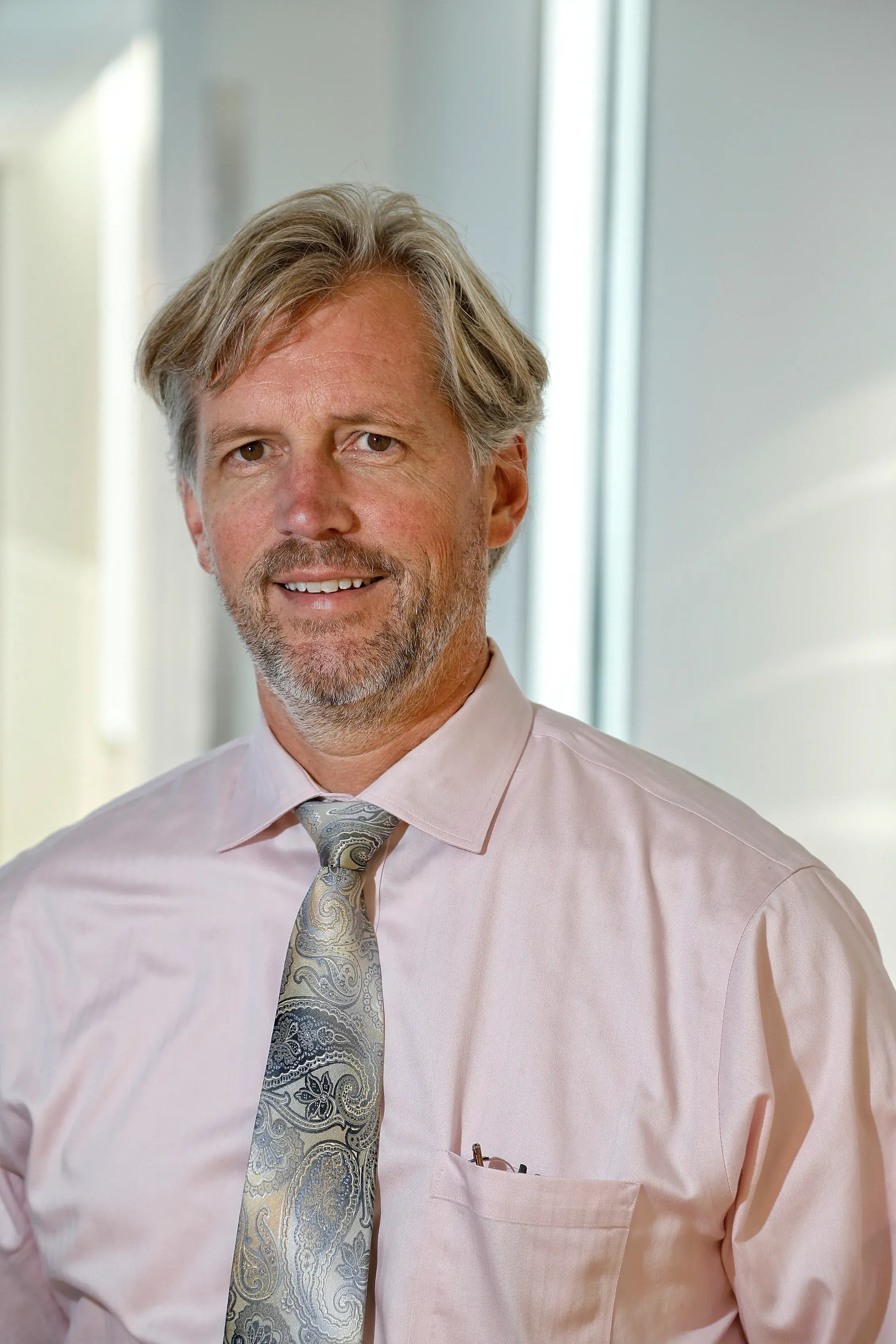
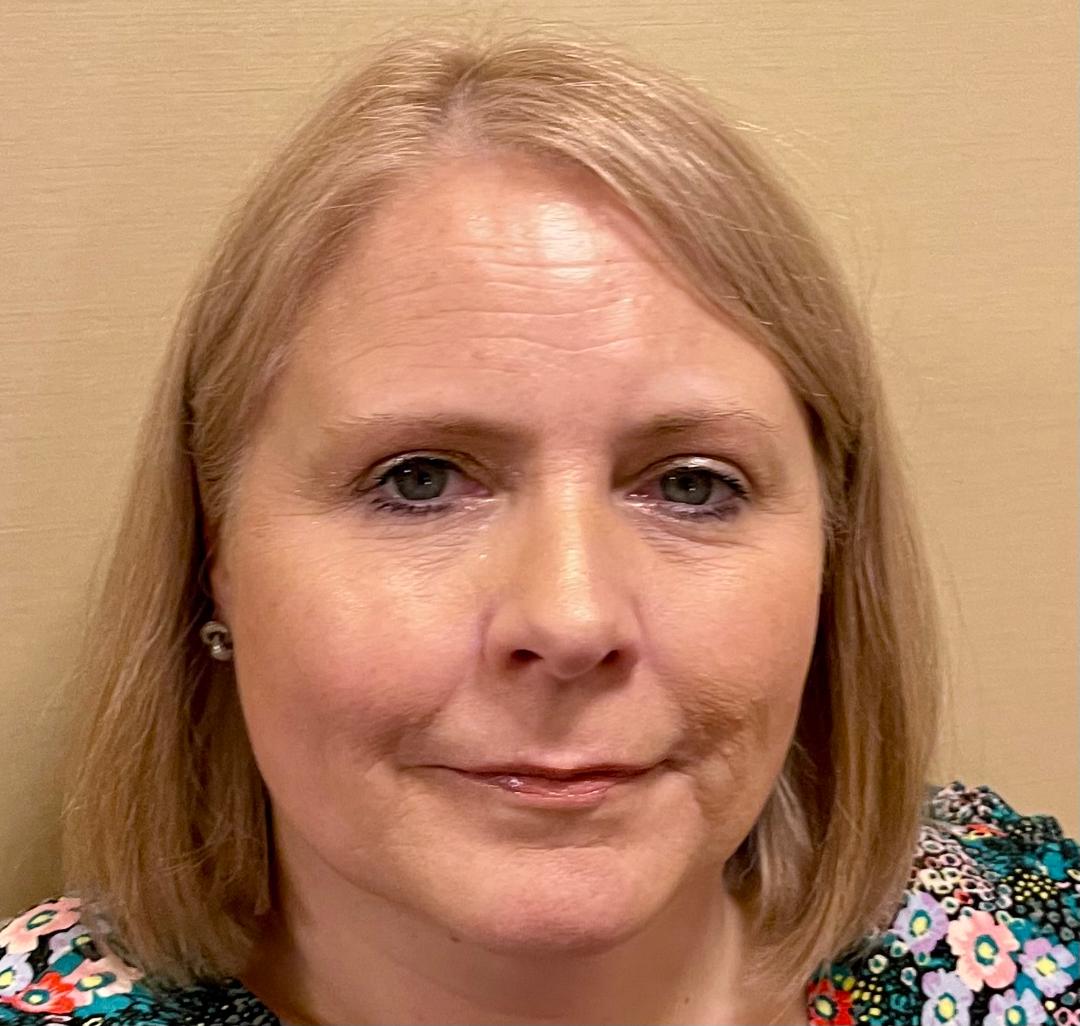
Gaël Richard is a Professor at Télécom Paris specializing in machine learning and audio signal processing. He leads the Hi! Paris center, focusing on AI and data science applications. His research emphasizes hybrid interpretable AI for sound analysis, including projects like Hi-Audio funded by a €2.5M ERC Advanced Grant (2022). Key areas include machine listening, music source separation, and speech processing. Applications span autonomous vehicle acoustics and music technology. Notable contributions include neural audio compression (QINCODEC), diffusion models for music synthesis (Diff-TONE), and source separation techniques (Inverse Drum Machine). Research & Awards Recipient of the 2022 ERC Advanced Grant for the Hi-Audio project exploring hybrid AI models that integrate domain knowledge with neural networks. This approach reduces data requirements and enhances model interpretability. Active in audio-visual scene analysis and weakly-supervised learning systems. Affiliations & Labs Executive Director of Hi! Paris, a multidisciplinary lab advancing AI and data science for societal impact. Collaborates on projects like the HI-AUDIO online platform for distributed music data collection and the MAD-EEG EEG dataset for auditory attention decoding.
Jon Thorson is a Professor and Chief Research Officer at the University of Kentucky's College of Pharmacy, where he also serves as Associate Dean of Research and Chief Scientific Officer. He holds a PhD in organic chemistry from the University of Minnesota and has held significant roles at institutions like Memorial Sloan-Kettering Cancer Center and the University of Wisconsin School of Pharmacy. His research focuses on chemical biology, natural products, biosynthesis, and enzyme engineering, with pioneering work in glycorandomization strategies. Thorson leads the Center for Pharmaceutical Research and Innovation (CPRI), now an NIGMS-funded COBRE, and has co-founded biotechnology companies like Centrose. He has been recognized as a University Research Professor (2018). Education: PhD in Organic Chemistry, University of Minnesota (1993) B.A. in Chemistry, Augsburg College (1986) Research Interests: Thorson’s work bridges chemical biology and drug discovery, emphasizing natural product biosynthesis, biocatalysts, and enzymology. He has developed innovative glycorandomization techniques to enhance drug design and created platforms for combinatorial biosynthesis of anticancer agents like anthracyclinones. His lab explores strategies to improve pharmacokinetics and therapeutic selectivity of compounds such as mithramycin analogs. Articles: Recent work includes advancements in mithramycin analogs for Ewing sarcoma, endophytic fungi-derived antifungals, and metabolic engineering platforms for antibiotics. These studies highlight his lab’s focus on translating fundamental biosynthetic discoveries into clinical applications. Awards: University Research Professor (2018) Grants & Labs: Leads the CPRI, a hub for drug discovery and translational research, and co-directs the Drug Discovery & Development Module at UK’s Center for Clinical and Translational Science. His group collaborates widely, including with industry partners for biotechnology innovations. Labs/Teams: Thorson oversees a multidisciplinary team in chemical biology, natural products chemistry, and enzymology, with active projects in antibiotic discovery, anticancer drug development, and synthetic biology.
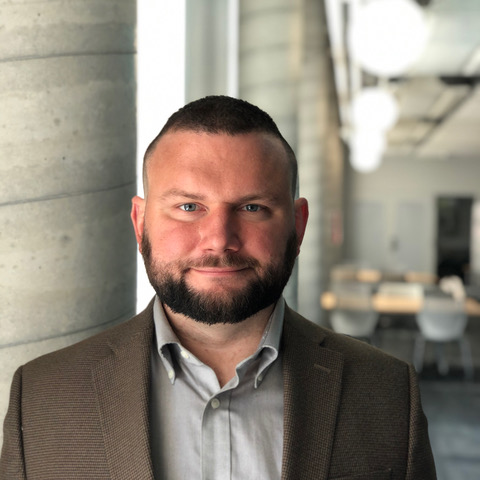
Rock J. Mancini is an Assistant Professor in the Department of Chemistry at Washington State University, where he leads the Mancini Group. His research focuses on the intersection of organic chemistry, polymer chemistry, and synthetic immunology, aiming to develop novel immune modulating materials through multidisciplinary approaches. Education: Ph.D. in Organic Chemistry from University of California, Los Angeles; B.S. in Polymer Chemistry from University of Pittsburgh. Postdoctoral Training: Synthetic Immunology at University of California, Irvine. Research interests include: Bystander Assisted Immunotherapy (BAIT) for cancer treatment Design of polymeric immunomodulators for enhanced immune responses Solid-phase peptide synthesis of amino acid immunostimulants His publication record demonstrates expertise in: TLR agonist development Photochemical immune activation Protein-polymer heterodimer synthesis Enzyme-responsive prodrugs Scientific awards include: NSF-IGERT fellowship during graduate studies The Mancini Group trains researchers in both synthetic methodology and immunological application, with current advisees Anthony Burt, Maryam Davaritouchaee, Austin Ryan, and Aaron Hendricksen. Former students have pursued advanced degrees at institutions like University of Washington Pharmacy School and South Carolina State University.
Dr. Jorn Cheney is a Lecturer in Natural Sciences at the University of Southampton, specializing in animal biomechanics, particularly focusing on vertebrate flight mechanisms and soft tissue dynamics. He is affiliated with the Ecology & Evolutionary Biology theme and supervises PhD students in related fields. His research explores the evolutionary and aeromechanical principles of flight in bats, birds, and gliding mammals, with applications to bio-inspired technology development. He teaches 'Principles of Neuroscience' and oversees the Natural Sciences degree program. Education: Graduated from Lewis & Clark College (Portland, OR, USA) with a multidisciplinary background in biology, chemistry, physics, and mathematics. Conducted doctoral research on bat flight biomechanics in Kellar Autumn's lab, culminating in a dissertation on bat wing tissue mechanics and muscle dynamics. Research Interests: Includes wing morphing, membrane wings, tissue mechanics, evolutionary convergence in gliding mammals, and developing technologies inspired by biological flight systems. Notable projects investigate how bat wing compliance influences flight efficiency and how raptors optimize tail posture during gliding. Publications span aerodynamics, biomechanics, and evolutionary biology, with recent work published in Physics of Fluids , Journal of the Royal Society Interface , and Science . His work bridges biological inquiry with engineering applications, such as autonomous vehicle sensors inspired by mosquito flight. Grants and Collaborations: Engaged in interdisciplinary projects with engineers and biologists, including studies on avian gust rejection and wing suspension systems. Actively accepts PhD applicants interested in vertebrate flight biomechanics and bio-inspired design. Labs/Teams: Collaborates within the Institute for Life Sciences and Ecology and Evolution Research groups at the University of Southampton.
Alan J Murphy serves as a Senior Research Fellow at the PRISM (Polymer, Recycling, Industrial, Sustainability and Manufacturing engineering) Research Institute. His academic profile is characterized by interdisciplinary research at the intersection of materials science, engineering, and environmental sustainability, with a focus on polymer applications and recycling technologies. Research interests span: Polymer Science and Engineering (including polylactide and natural fiber composites) Sustainable Manufacturing and Recycling Technologies Additive Manufacturing (3D Printing) and its limitations in medical applications Biomedical Materials for drug delivery systems Artificial Intelligence applications in microplastics detection and classification Sterilization processes for medical polymers His recent publications (2019-2025) demonstrate a clear trajectory toward solving environmental and biomedical challenges through innovative materials engineering. Notably, he has pioneered AI-driven methods for microplastics identification and developed novel polymer-based drug carriers, while also addressing critical gaps in the stability of 3D-printed medical devices under sterilization. Scientific awards: None mentioned in available sources. Advising and grants: No information on student supervision or grant funding was provided in the source material. Laboratory context: Murphy is embedded within the PRISM Research Institute, a multidisciplinary hub advancing sustainable polymer technologies. The institute's collaborative network spans multiple countries, reflecting global engagement in tackling plastic waste and promoting circular economy principles.
David B. Grayden is a Professor at The University of Melbourne, affiliated with the Melbourne School of Engineering and the Department of Electrical and Electronic Engineering . His work spans Biomedical Signal Processing , Computational Neuroscience , and Brain-Computer Interfaces (BCI) , focusing on applications in Epilepsy Research and Cochlear Implants . Melbourne Neural Engineering Laboratory member Collaborator in multidisciplinary biomedical research Key research interests include: Developing Seizure Prediction Algorithms using long-term EEG/iEEG data Neural mass modeling for Epilepsy and Inhibitory Network Behavior Optimizing Cochlear Implants via computational models Advancing Endovascular BCI Systems and Neural Stimulation Recent publications highlight trends in Machine Learning , Path Signatures , and Multi-Frequency Stimulation for SSVEP-based BCIs . His work integrates Computational Modeling with Biomedical Engineering to address clinical challenges in neuroprosthetics and sensory processing. Grayden leads projects on Neural Network Dynamics , Biomedical Signal Analysis , and Neurostimulation , often collaborating with institutions like Monash University and Royal Melbourne Hospital .
Alexander N. Fedenko, MD, is an Associate Professor of Clinical Pathology at the University of Southern California. His research focuses on sarcomas, particularly soft tissue and visceral sarcomas, alongside oncology and immunotherapy. He contributes to ESMO clinical practice guidelines and leads clinical trials evaluating novel therapies like immunocytokines and targeted drug combinations. Expertise: Sarcoma treatment protocols, immunotherapy, clinical trial design Affiliations: USC Keck School of Medicine (implied), World Sarcoma Network Research emphasizes rare tumors like epithelioid sarcoma and alveolar soft part sarcoma, with studies on pazopanib, olaratumab, and trabectedin efficacy. Collaborates internationally on multidisciplinary sarcoma care and publishes extensively in oncology journals. Recent work includes 2025 Phase Ib trials combining simlukafusp alfa with pembrolizumab for melanoma, and 2022 studies on PALB2 mutation-driven pancreatic adenocarcinoma treatment. His articles span 1985-2025, with a focus on therapeutic advancements and diagnostic pathology improvements.
Hossein Jadvar is a tenured Professor of Radiology with joint appointments in Urology, Radiation Oncology, and Biomedical Engineering at the University of Southern California's Keck School of Medicine. He serves as a full member of the USC Norris Comprehensive Cancer Center and holds leadership positions including President of the SNMMI Therapy Center of Excellence and Chair of the U.S. Nuclear Regulatory Commission Advisory Committee on Medical Uses of Isotopes. Dr. Jadvar has an extensive educational background including a BS in chemical engineering from Iowa State University (1982), MS in biomedical engineering from University of Wisconsin (1984), MS in computer engineering (1986) and PhD in bioengineering (1988) from the University of Michigan, MD from University of Chicago Pritzker School of Medicine (1993), MPH from Harvard University (2005), MBA from USC Marshall School of Business (2007), and MSL from USC Gould School of Law (2024). His clinical training includes an internal medicine internship at UCSF, diagnostic radiology and nuclear medicine residency at Stanford University, and a clinical fellowship in nuclear oncology at Harvard Medical School. His research focuses on translational molecular imaging with particular emphasis on prostate cancer, theranostics, and radiopharmaceutical therapy. Dr. Jadvar has published 267 peer-reviewed journal articles (Web of Science h-index 38, Google Scholar h-index 53), authored 4 books, 41 book chapters, and holds 9 U.S. and European patents. His recent publications demonstrate continued leadership in prostate cancer imaging and therapy, with a strong focus on PSMA-targeted approaches and theranostics applications. Dr. Jadvar has received numerous prestigious awards including: SNMMI Mark Tetalman Young Investigator Award Western Regional SNMMI Distinguished Scientist and Service Awards Academy for Radiology and Biomedical Imaging Research Distinguished Investigator Award USC Center for Excellence in Research inaugural fellowship Prof. Ajit Padhy Oration Award Prof. RD Lee Oration Award SNMMI PET Center of Excellence Peter E. Valk, MD, Memorial Award Best Mentor Awards from USC and ACNM Outstanding Teacher of the Year Award (2023, 2024) Lifetime Achievement Award from ACNM Distinguished Alumnus Award from Massachusetts General Hospital As an NIH-funded investigator, Dr. Jadvar serves on multiple NIH review panels, serves as Associate Editor for Journal of Nuclear Medicine, European Journal of Nuclear Medicine and Molecular Imaging, Radiology, Theranostics, and Clinical Nuclear Medicine. He has been instrumental in developing appropriate use criteria and credentialing standards for nuclear medicine imaging techniques. His leadership extends to national committees including the U.S. Nuclear Regulatory Commission Advisory Committee on Medical Uses of Isotopes where he serves as Chair. Dr. Jadvar maintains active involvement in professional societies as past president of both the American College of Nuclear Medicine and the Society of Nuclear Medicine and Molecular Imaging. He has presented over 350 invited lectures worldwide and continues to shape the future of nuclear medicine through his research, editorial work, and leadership positions.
Duane Cronin is a Professor and Tier 1 Canada Research Chair in Trauma Biomechanics and Injury Prevention at the University of Waterloo. His research focuses on computational biomechanics, human body modeling, and injury prevention strategies, with applications in automotive safety, sports safety, and military protection systems. He leads a lab investigating material characterization, finite element modeling, and biomechanical testing of musculoskeletal systems. Key areas of study include neck injury mechanisms in vehicle crashes, thorax response to ballistic impacts, and spinal cord biomechanics. He develops advanced computational models validated against experimental data to predict injury risks under various loading conditions. His work integrates multidisciplinary approaches combining engineering, medicine, and computer science. Recent research trends involve refining human body models with anatomically specific geometries and advanced material properties, particularly for vulnerable populations like elderly and pediatric patients. He also explores adhesive joint mechanics in automotive materials and synthetic turf performance in sports injury mitigation. His team collaborates on projects funded by industries and government agencies, aiming to translate biomechanical insights into real-world safety improvements. Active in academic leadership, he mentors graduate students in biomechanics and hosts international symposia to advance injury prevention research.
Luis Meza Contreras, MD, is a researcher affiliated with the Yale School of Medicine at Yale University. His work focuses on oncology, particularly renal cell carcinoma, immunotherapy, and clinical trials. He holds a Medical Doctor degree from Universidad Peruana Cayetano Heredia and has conducted postdoctoral research at the City of Hope Comprehensive Cancer Center. **Education** MD: Universidad Peruana Cayetano Heredia Postdoctoral Fellowship: City of Hope Comprehensive Cancer Center **Research Interests** Immunotherapy combinations for renal and urological cancers Microbiome effects on treatment response Clinical trial design and outcomes in oncology Targeted therapies for metastatic cancers **Awards** Conquer Cancer Merit Award (2022) Conquer Cancer Merit Award (2021) His research explores novel therapeutic combinations, including antibody-drug conjugates and microbiome-modulating agents, while addressing disparities in cancer treatment outcomes among ethnic populations.
Soki Kashima is a urologic surgeon and physician-scientist holding the rank of Assistant Professor at Akita University School of Medicine and Kyoto University Graduate School of Medicine. He completed his MD (2011) and PhD in Medicine (2020) from Akita University, with doctoral research on iPS cell-derived T-cell therapies for renal cell carcinoma under Prof. Hiroshi Kawamoto. At Yale School of Medicine, he serves as a Postdoctoral Associate in the Braun Lab, focusing on immunogenomic approaches to renal cancer immunotherapy. His research spans tumor microenvironment analysis, preclinical models, and clinical trials evaluating immunotherapies. Key contributions include demonstrating efficacy of T-cell therapies from induced pluripotent stem cells (iPS) in solid tumors and investigating biomarkers for immunotherapy response in renal cell carcinoma. Collaborations with David A. Braun and others have advanced understanding of T-cell phenotypes in checkpoint inhibitor efficacy. Notable awards include the 2024 ASCO Merit Award and Department of Defense Postdoctoral Fellowship. He has authored over 20 peer-reviewed publications in journals like Science Immunology , Cancer Medicine , and Urologic Clinics of North America . His work bridges basic science and clinical translation, particularly in optimizing immunotherapy strategies for renal cancers.
Dr. Kevin Schuster is a Professor of Surgery and Section Chief of General Surgery, Trauma & Surgical Critical Care at Yale School of Medicine. He specializes in acute care surgery, trauma, and surgical critical care, with expertise in emergency general surgery, abdominal wall defects, and trauma outcomes. His clinical interests include general surgery, trauma care, sepsis, and resuscitation. He holds certifications from the American Board of Surgery in General Surgery and Surgical Critical Care. Dr. Schuster completed his undergraduate degree in Electrical Engineering at Drexel University and earned his MD from Temple University School of Medicine. He trained in General Surgery residency at Cooper University Hospital and completed fellowships in Surgical Critical Care and Trauma Surgery at the University of Miami/Jackson Memorial Hospital. He also holds an MPH from Yale School of Public Health (2015). His research focuses on improving outcomes for critically ill and emergency surgery patients through prospective and retrospective studies. He leads national collaborative studies on trauma care, surgical outcomes, and emergency procedures. Notable collaborations include work with the Eastern Association for the Surgery of Trauma (EAST) and the Society of Critical Care Medicine. Dr. Schuster has received awards including the Edward H. Storer Award for Excellence in Surgical Teaching (2020) and an EAST Leadership Workshop Scholarship (2009). He holds leadership roles in professional organizations such as the American College of Surgeons and the Connecticut Surgical Quality Collaborative. His clinical expertise includes minimally invasive surgery for benign colorectal, gallbladder, and hernia conditions, alongside trauma care at Yale New Haven Hospital’s Level 1 Trauma Center. He emphasizes patient-centered care and has published extensively on surgical guidelines, trauma management, and emergency care optimization.
Shahin Shahrampour is an Assistant Professor in the Department of Mechanical & Industrial Engineering at Northeastern University, with a courtesy appointment in Electrical & Computer Engineering. He holds a Ph.D. in Electrical & Systems Engineering from the University of Pennsylvania, an M.A. in Statistics from The Wharton School, and a B.S. in Electrical Engineering from Sharif University of Technology. Prior to Northeastern, he was at Texas A&M University and held a postdoctoral fellowship at Harvard University. Research Interests: Machine learning, optimization and control, distributed and sequential learning, with a focus on computationally efficient methods for data analytics. Specific areas include manifold optimization, online and reinforcement learning, non-convex optimization, and statistical signal processing. His work bridges theory and applications in networked systems and dynamic environments. Awards & Grants: Received a $500,000 NSF grant (2023) for distributed optimization in non-convex environments. Best Paper Award at IEEE ICASSP 2022 for contributions to signal processing. TEES Engineering Genesis Award (2020) for multidisciplinary research at Texas A&M. Principal Investigator on NSF-funded projects in collaborative online optimization and decentralized learning. Labs & Teams: Leads research in machine learning and control systems at Northeastern University, focusing on interdisciplinary challenges in distributed optimization and real-time learning. His lab emphasizes theoretical foundations and practical implementations in networked and dynamic systems.
Dr. Michelle Bloor is a Senior Lecturer in Environmental Science and Risk at the University of Glasgow's School of Social & Environmental Sustainability. She holds dual undergraduate degrees from the University of Oxford and Manchester Metropolitan University, and a PhD in Environmental Engineering from the University of Southampton. Her career spans over 23 years in government and academia, with roles at institutions including the University of Southampton, Scottish Government Marine Scotland Science, and the University of Glasgow. She currently serves as Research Director for Scotland’s National Centre for Resilience, a Senior Fellow at the University of Glasgow’s Centre for Public Policy, and Fellow of the Royal Society of Chemistry. Her research focuses on ecotoxicology, pollution control, and science-policy interfaces, with notable contributions to chemical management policies. She is Editor-in-Chief of Sustainable Environment and actively involved in editorial boards for journals like Frontiers in Marine Science . Dr. Bloor has received ~£7 million in competitive research funding, leading projects on topics such as pesticide leaching in peatland restoration and microplastic pollution from textiles. Her awards include Presidential Citations from SETAC World Presidents and leadership roles in global initiatives like the UNEP Roster of Experts. She has supervised 7 PhD students and over 100 Masters projects, emphasizing interdisciplinary approaches to environmental challenges.
Dr. Stephen Attwood is a Post Doc Researcher in the Pybus group at the Natural History Museum, London, and a Scientific Associate at the same institution. He was formerly a Professor of Epidemiology at West China Medical School. His research focuses on evolutionary approaches to infectious disease epidemiology, including SARS-CoV-2 lineage tracking via the Pango nomenclature system and evaluating public health interventions. He has also contributed to understanding schistosomiasis evolution, describing three new species and identifying Mekong schistosomiasis in new regions. His work integrates genetic variation analysis, phylogenetics, and ecological studies to address disease emergence and biodiversity impacts of infrastructure like dams. Research interests span epidemiological modeling, pathogen evolution, and parasitology, with a focus on applying genetic data to real-world public health challenges. Key areas include SARS-CoV-2 transmission dynamics, schistosome taxonomy, and the ecological consequences of human activities on freshwater ecosystems. His articles explore topics ranging from viral mutation impacts on vaccine efficacy to schistosome mitochondrial genome divergence, reflecting a dual focus on contemporary pandemics and long-term parasitic disease evolution. Grants and advising details are not explicitly listed, but his lab affiliations include the Evolve.Zoo group and collaborations with global health institutions. Labs/Teams: Active in the Evolve.Zoo research lab, focusing on evolutionary biology and disease systems.