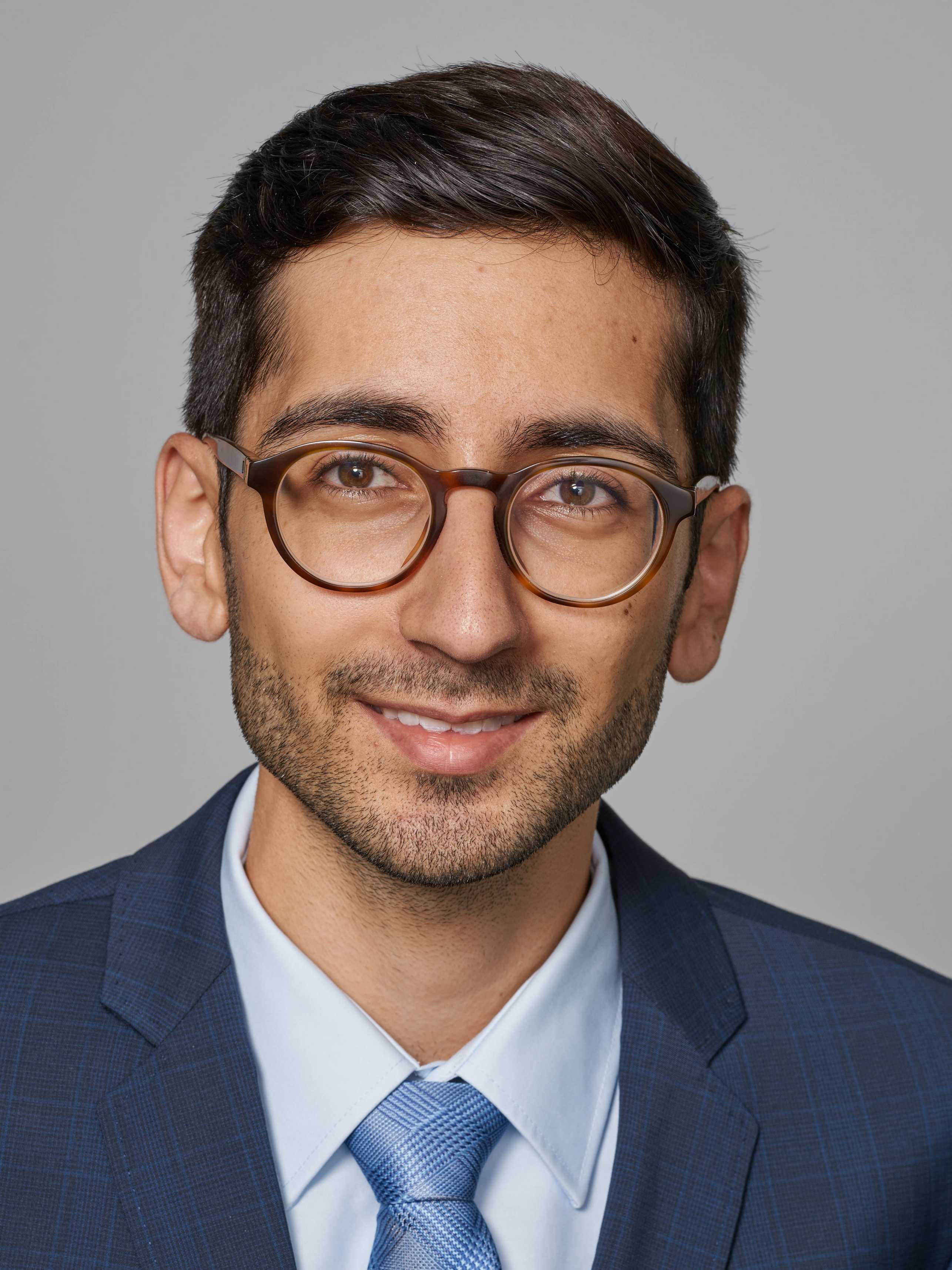
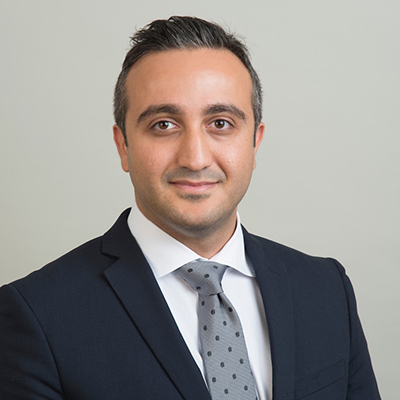
Jakob Merane is a postdoctoral researcher at ETH Zurich's Professorship of Law, Economics and Business, and a visiting researcher at the Max Planck Institute and Harvard Law School. He holds a Ph.D. from ETH Zurich and law degrees from the University of Basel, with additional studies in applied statistics. His research focuses on AI-driven legal enforcement, legal technology, and compliance-by-design approaches, leveraging computational and empirical methods. Merane's work includes developing tools like SwiLTra-Bench for multilingual legal translation and LEXam for benchmarking AI legal reasoning. He has contributed to GDPR compliance studies, automation of legal enforcement processes, and quantitative analyses of Swiss legal datasets. Awards include the 2024 Young Scholar Prize from the German Law and Economics Association. Teaching responsibilities include ETH's Law & Tech course since 2020, emphasizing AI regulation and interdisciplinary collaboration between law and computer science. Merane's research also addresses AI liability in medical contexts, digital advertising regulations, and ethical AI integration in legal systems. His work bridges legal theory with practical applications, aiming to enhance justice accessibility through technology.
Rebecca Schulman is an Associate Professor in the Department of Chemical and Biomolecular Engineering at the Whiting School of Engineering, Johns Hopkins University. She holds secondary appointments in Chemistry and Computer Science and is affiliated with multiple interdisciplinary institutes, including the Institute for NanoBioTechnology, the Hopkins Extreme Materials Institute, the Chemistry-Biology Interface Program, the Center for Cell Dynamics, and the Laboratory for Computational Sensing and Robotics. She currently co-directs the Passport to Future Technology Leadership program for PhD students. Research Interests: Schulman's research lies at the intersection of DNA nanotechnology, synthetic biology, and smart materials. Her group develops intelligent, adaptive biomolecular materials and nanostructures by integrating concepts from materials science, biochemistry, circuit design, and soft matter physics. The team focuses on engineering dynamic self-assembly processes using DNA to create reconfigurable materials, molecular circuits, and autonomous soft micro-robots. Key themes include self-healing nanostructures, feedback-regulated crystallization, programmable hydrogels, and synthetic genetic networks for materials control. Publication Trends: Her recent publications demonstrate a consistent focus on using DNA-based chemical reaction networks to program spatial and temporal behavior in materials. The work spans from fundamental mechanisms like catalytic polymerization and crystal growth regulation to applications in soft robotics, self-wiring circuits, and synthetic pattern formation. The research is highly interdisciplinary, combining synthetic biology with materials engineering to achieve life-like functionalities in non-living systems. Scientific Awards: AIMBE Fellowship Award Vannevar Bush Faculty Fellowship Award Hartwell Individual Biomolecular Research Award President’s Early Career Award in Science and Engineering (PECASE) DARPA Young Faculty Award DARPA Directors Fellowship NSF CAREER Award Turing Scholar Award DOE Early Career Award Advising and Grants: Schulman mentors graduate students and leads a vibrant research group focused on next-generation biomolecular engineering. Her work is supported by major federal grants, including the NSF CAREER, DOE Early Career, DARPA, and the Vannevar Bush Fellowship—a prestigious Department of Defense award for basic research. She is actively involved in training future leaders through programs like the Passport to Future Technology Leadership. Labs and Teams: The Schulman Lab at Johns Hopkins is a multidisciplinary team working on DNA-powered materials and molecular programming. The lab is embedded within several collaborative centers, enabling strong cross-departmental and cross-institutional research. Their work combines experimental biochemistry with theoretical modeling to design and implement complex molecular systems.
Wim Gevers is a faculty member at the Université libre de Bruxelles (ULB) and leads the CS4S – Cognitive Control & Sleep laboratory within the CRCN research centre. His work bridges cognitive psychology, neuroscience and sleep research to understand how the brain exerts control over thoughts and actions and how sleep contributes to these processes. Research Interests Cognitive Control & Metacognition: Investigating how subjective experiences such as confidence and the "urge-to-err" guide strategic adjustments in behaviour. Working Memory & Ordinal Cognition: Examining how order information is maintained and manipulated, and how these processes relate to mathematical competence. Sleep, Memory & Decision Making: Exploring how sleep-dependent consolidation influences motor learning and decision strategies. Across his 2022–2025 publications a clear trend emerges: a focus on metacognitive monitoring —how humans evaluate their own cognitive states—and the role of emotional and temporal context in shaping those evaluations. Studies range from reaction-time introspection and confidence judgements in perceptual tasks to the impact of aging and depression on metacognitive accuracy. Doctoral Supervision & Mentoring Whitney Stee (PhD 2024) – Sleep-dependent structural brain reorganization & motor learning Gaia Corlazzoli (PhD 2024) – Subjective experience in decision-making Myrtille Dewulf (PhD 2023) – Ordinal coding mechanisms in working memory Rebeca Sifuentes-Ortega (PhD 2023) – REM sleep and memory reactivation All dissertations were defended at ULB, Faculté des Sciences psychologiques et de l’éducation, with Wim Gevers formally listed as Promotor . Laboratory & Collaborative Networks As head of CS4S, Gevers coordinates a multidisciplinary team that combines behavioural experimentation, EEG/MEG, computational modelling and sleep polysomnography. The lab is embedded in the larger CRCN ecosystem, fostering collaborations with groups such as CO3 (consciousness), LCLD (language & deafness), and UR2NF (neurofunctional imaging).
WooChul Jung is an Associate Professor at the Department of Materials Science and Engineering, Seoul National University (SNU), previously holding the same role at the Korea Advanced Institute of Science and Technology (KAIST) from 2018 to 2024. His research focuses on energy conversion and storage materials, particularly solid oxide fuel cells, electrolyzers, and catalytic systems involving ionic solids and gas interfaces. Ph.D. in Materials Science & Engineering from MIT (2010) B.S. in Materials Science & Engineering from SNU (2004) Research Interests: Investigating reactions at ionic solid-gas interfaces to enhance catalytic kinetics for fuel cells, electrolyzers, and sensors. Key areas include surface science, electrochemistry, and nano-fabrication. Scientific Contributions: His recent work emphasizes fluorine doping for stable bismuth oxide electrolytes, Ca substitution in LaCoO3 for oxygen evolution, and exsolution strategies for durable nanocatalysts. Publications highlight multidisciplinary approaches combining experimental and computational methods.
Carol Smith is an Associate Professor in the Department of Soil & Physical Sciences at Lincoln University, New Zealand, where she serves as Head of Department since 2017. She has been an elected academic staff member of the Lincoln University Council from 2018-2022. Dr. Smith holds a PhD from the University of Aberdeen, an MSc from the University of Reading, and a BSc(Hons) from the University of Portsmouth, forming the foundation of her expertise in soil science and physical geography. Her research spans both fundamental and applied aspects of pedology. On the fundamental side, she investigates Quaternary pedology and paleoenvironmental reconstruction using loess stratigraphy, geomorphology, and micromorphology, which provides critical data for verifying future climate change predictive models. Applied research focuses on sustainable use of recycled organic matter and rehabilitation of degraded soils. She collaborates internationally on multidisciplinary projects involving paleoclimate reconstruction, paleoliquefaction, Antarctic soils, and viticulture. Dr. Smith is passionate about teaching and science communication, employing experiential learning methods to develop practical field skills in soil science through 'soil judging competitions' in New Zealand and Australia. Her research addresses UN Sustainable Development Goals including Life on Land (15), Climate Action (13), and Quality Education (4). Among her notable recognitions are the Norman H Taylor Memorial award 2020 from the New Zealand Society of Soil Science for outstanding contributions to soil science in New Zealand and Fellowship in the Royal Geographical Society, London. She serves as Associate Editor of Natural Sciences Education and was previously editor of Quaternary Australasia. Dr. Smith has supervised numerous graduate students through research-based supervision, with completed projects covering diverse topics from soil patterns in Southland to Antarctic soil ecology. She teaches advanced courses in field research, soil science, and physical landscapes, and has developed innovative approaches to teaching during the pandemic, including virtual field trips.
Ulf Hanefeld is a Full Professor and Section Leader in the Department of Biotechnology at the Faculty of Applied Sciences , Delft University of Technology (TU Delft) , where he leads the Biocatalysis research section. His work integrates chemistry and biology to develop sustainable synthetic methodologies using enzymes. PhD from Georg-August-Universität zu Göttingen (1993) Postdoctoral experience at Imperial College London, University of Cambridge, and TU Delft Recipient of a Royal Netherlands Academy of Arts and Sciences (KNAW) fellowship His research interests center on biocatalysis , particularly enzymes that enable difficult chemical transformations such as C–C bond formation , enantioselective hydration , and ozonolysis . He focuses on enzyme discovery, engineering, immobilization, and application in flow chemistry to achieve sustainable and efficient synthesis. His work spans from fundamental enzyme mechanism studies to industrial applications in green chemistry . The publication trends reveal a consistent focus on enzyme immobilization , flow reactor systems , and chemo-enzymatic cascades . His recent work emphasizes the use of hydroxynitrile lyases , aldolases , and methyltransferases for the synthesis of chiral intermediates under environmentally benign conditions. The integration of biocatalysis with continuous manufacturing highlights a strong commitment to industrial applicability and process sustainability. Scientific contributions and recognition : Active contributor to high-impact journals in chemistry and biotechnology Coordinated research in the CassaFLOW project (international academic-industrial collaboration) Author of influential reviews, e.g., in Chemical Society Reviews (2022) Teaching and supervision : He teaches Catalysis (Bachelor) and Advanced Biocatalysis (Master), and supervises numerous Master’s theses (MEP) and Bachelor’s projects (BEP) . Students in his group are actively involved in research and often become co-authors on scientific papers. Projects center on green chemistry, enzyme engineering, and spectroscopic analysis of biochemical systems. Laboratory and research environment : The Ulf Hanefeld Group operates within the Biocatalysis section, a multidisciplinary environment fostering collaboration on enzyme discovery, immobilization, and cascade reactions. The group emphasizes practical innovation, with strong links to industry and international research networks.
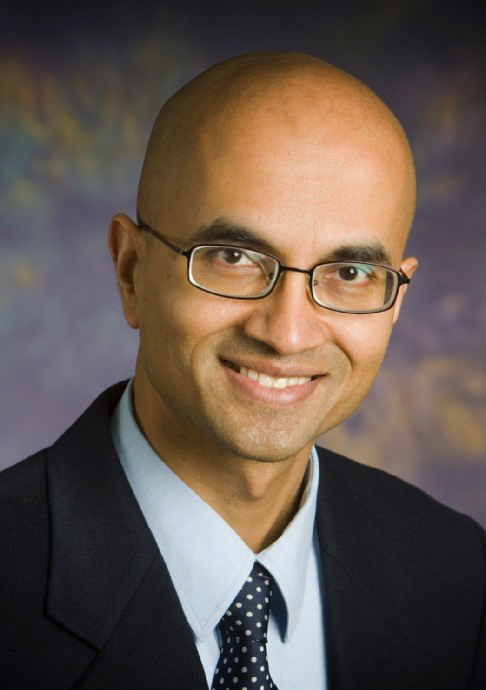
Naresh R. Shanbhag is the Jack Kilby Professor in the Department of Electrical and Computer Engineering and the Coordinated Science Laboratory at the University of Illinois at Urbana-Champaign. He serves as Director of the Systems on Nanoscale Information fabriCs (SONIC) Center and held the D.J. Gandhi Distinguished Visiting Professorship at IIT Mumbai from 2015-2020. Previously, he was a visiting faculty member at National Taiwan University (2007) and Stanford University (2014). Dr. Shanbhag received his doctorate from the University of Minnesota (1993) in Electrical Engineering. From 1993 to 1995, he worked at AT&T Bell Laboratories as the lead chip architect for AT&T's 51.84 Mb/s transceiver chips over twisted-pair wiring for Asynchronous Transfer Mode (ATM)-LAN and very high-speed digital subscriber line (VDSL) chip-sets. His research focuses on the design of energy-efficient machine learning, communications, and signal processing systems on resource-constrained embedded platforms. He explores fundamental trade-offs between energy efficiency, latency and accuracy of decision-making systems implemented in nanoscale technologies, with applications to computer vision, biomedicine, automatic target recognition, and imaging. His work spans four primary focus areas: Resource-efficient Machine Learning for the Edge, In-memory Computing (IMC), Energy-efficient High Data Rate Communications, and Shannon-inspired Statistical Error Compensation (SEC). Analysis of his recent publications reveals a strong emphasis on in-memory computing architectures (SRAM, MRAM, RRAM) for machine learning acceleration. His work consistently addresses energy-accuracy trade-offs, with increasing attention to security aspects of hardware implementations and applications to MIMO signal processing and edge AI systems. His research demonstrates a progression from theoretical foundations to practical silicon implementations. 2024 Semiconductor Research Corporation Innovation Award 2018 Semiconductor Industry Association/Semiconductor Research Corporation University Researcher Award 2018 IEEE International Symposium on Circuits and Systems Best Paper Award 2006 IEEE Fellow 1996 National Science Foundation CAREER Award Professor Shanbhag has mentored over 50 graduate students who now work at leading technology companies including Qualcomm, Amazon, Nvidia, Intel, and Apple. His research has been generously supported by the National Science Foundation, DARPA, AFRL, Semiconductor Research Corporation, Texas Instruments, Sandia National Laboratories, and industry partners including IBM, GlobalFoundries, and Intel Corporation. He led the Alternative Computational Models research theme (2006-2012) and was the founding Director of the SONIC Center (2013-2017), a 5-year multi-university center funded by DARPA and SRC. Currently, he leads research themes in the SRC and DARPA funded JUMP 2.0 Program's Center for Co-Design of Cognitive Systems and the Center for Ubiquitous Connectivity, and in the NSF IUCRC Center for Advanced Semiconductor Chips with Accelerated Performance (ASAP). As Director of the Systems on Nanoscale Information fabriCs (SONIC) Center, Professor Shanbhag leads a multidisciplinary team exploring novel computing paradigms for the nanoscale era. His group has benchmarked an extensive collection of in-memory computing and digital accelerator IC designs, maintaining a publicly available IMC benchmarking repository of metrics extracted from published IC prototypes. His research philosophy integrates concepts from information theory, statistical signal processing, detection and estimation, VLSI architectures, and digital and analog integrated circuits to develop energy-efficient systems from algorithms to silicon implementations.
Professor Stefan Maier holds the position of Head of School in Physics and Astronomy at Monash University. Previously, he served as the Lee Lucas Chair in Experimental Physics at Imperial College London (2007–2018) and built a new chair at Ludwig-Maximilians-Universität München (2019–2022). His research focuses on nanophotonics, plasmonics, and metasurface engineering, with emphasis on optical trapping, nonlinear optics, and novel photonic devices. Education: Bachelor’s degree in Physics, Technical University of Munich M.Sc. and Ph.D. in Applied Physics, California Institute of Technology (Caltech) Research Interests: Development of metamaterials and metasurfaces for light manipulation Applications of nanophotonics in sensing, imaging, and quantum technologies Optical trapping and plasmonic catalysis Nonlinear optical phenomena in nanostructured materials Articles Trends: Recent work emphasizes bound states in the continuum (BICs), 3D nanoprinted optical platforms, and active metasurfaces with tunable properties. Key themes include hybrid nanophotonics, ultra-high-Q resonators, and plasmonic nanomaterials for energy applications. Awards: ISI Highly Cited Researcher (2017–present) Grants/Projects: Chief Investigator in the All-on-chip twisted light modulator project (2022–2025) Leadership in Monash’s nanophotonics research team Labs/Teams: Directs a multidisciplinary lab at Monash focused on integrating 3D nanofabrication with optical physics, including collaborations in metafiber development and plasmonic biosensing.
Lisa M. Jones is a Research Associate Professor of Psychology at the University of New Hampshire , affiliated with the Crimes Against Children Research Center (CCRC) and Family Research Lab . With over 20 years of experience, she specializes in child victimization, abuse, trafficking, and digital safety. Education: Ph.D. in Clinical Psychology – University of Rhode Island (1999) M.A. in Clinical Psychology – University of Rhode Island B.A. in Psychology – University of Virginia Research Focus: Dr. Jones's research spans child abuse and neglect , commercial sexual exploitation of children (CSEC) , human trafficking , youth internet victimization , and digital citizenship education . She leads multiple large-scale studies funded by the CDC, NIJ, WHO, and private foundations, focusing on prevention, intervention, and policy development. Current Projects: She is Principal Investigator on: A 5-year CDC-funded RCT evaluating youth-focused trafficking prevention education in Minnesota. An NIJ-funded quasi-experimental evaluation of Love 146’s services for trafficking victims. An NIJ-funded study on improving national surveillance of child sexual abuse in youth-serving organizations. Private RCTs evaluating digital citizenship programs like Common Sense Education and Google Be Internet Awesome. Publications & Impact: With over 100 publications, her work has shaped national and international discourse on child protection, digital safety, and trauma-informed practices. She regularly presents at national and international conferences. Contact: Email: lisa.jones@unh.edu Address: Crimes Against Children Research Center, 10 West Edge Dr., Suite 106, Durham, NH 03824, USA
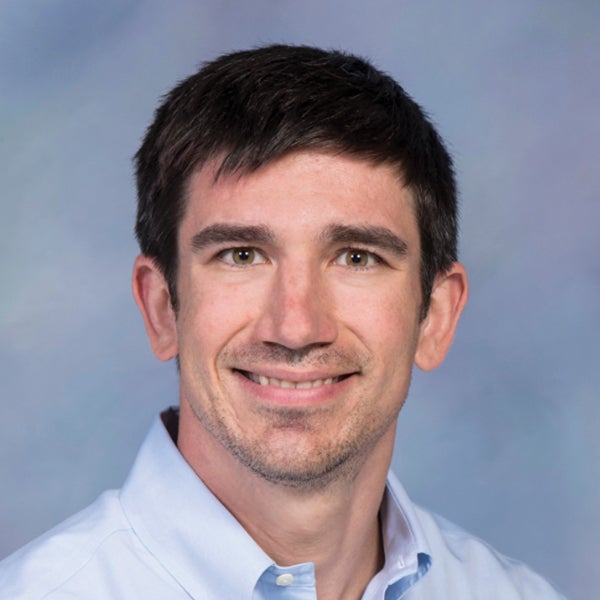
Dr. Daniel J. Preston is an Assistant Professor of Mechanical Engineering at Rice University, leading the Preston Innovation Laboratory (PI Lab). He holds a B.S. from the University of Alabama (2012), M.S. and Ph.D. from MIT (2014, 2017), and postdoctoral training at Harvard University (2017-2019). His research focuses on energy efficiency, soft materials, fluid mechanics, and robotics, with applications in wearable technologies and sustainable systems. Key achievements include the NSF CAREER Award (2022) and pioneering work on necrobotics using biotic materials. The PI Lab collaborates widely, with projects involving biomimetic surfaces, smart textiles, and fluidic control systems. Education: B.S. Mechanical Engineering, University of Alabama (2012) M.S./Ph.D. Mechanical Engineering, MIT (2014/2017) Research Interests: Energy : Thermal management, heat transfer optimization, and waste heat recovery. Materials : Soft actuators, surface coatings, and functional biomaterials. Fluids : Interfacial phenomena, droplet dynamics, and fluid-structure interactions. Notable Publications: Recent work includes advancements in wearable haptic devices ( Science Advances ), necrobotics ( Advanced Science ), and fluidic logic textiles ( PNAS ). Over 50 peer-reviewed articles span multidisciplinary topics from magnetic levitation to virus decontamination. Honors: In addition to the CAREER Award, Dr. Preston has received the NSF Graduate Research Fellowship, Tau Beta Pi Fellowship, and Wunsch Foundation Award. His lab fosters innovation through grants and industry partnerships. Advising & Grants: Supervises ~15 graduate and undergraduate students, including NSF GRFP recipients. Active in mentoring initiatives like the Randall Research Scholars Program and AATCC grants. Labs & Teams: The PI Lab collaborates with MIT’s DRL, Harvard’s Whitesides Group, and institutions globally. Core projects include smart wearables, energy harvesting fabrics, and autonomous soft robots.
Manuel R. Amieva is a Professor at Stanford University School of Medicine , holding joint appointments in Pediatrics - Infectious Diseases and Microbiology & Immunology . He is also a member of the Maternal & Child Health Research Institute (MCHRI) . His clinical practice at Stanford Medicine Children's Health focuses on pediatric infectious diseases. Education: Medical Education: Stanford University School of Medicine (1997) Fellowship: Stanford University Pediatric Infectious Disease Fellowship (2004) Internship & Residency: Stanford Health Care at Lucile Packard Children's Hospital (1998-1999) Dr. Amieva's research investigates host-pathogen interactions at epithelial barriers, with specific expertise in Helicobacter pylori , Listeria monocytogenes , Salmonella enterica , and Staphylococcus aureus . His lab develops innovative organoid culture systems with controlled polarity to study microbial colonization and oncogenic mechanisms. Key discoveries include: H. pylori's manipulation of epithelial junctions via the CagA protein Listeria's exploitation of cell extrusion sites for invasion Staphylococcus toxin interactions with adherens junctions Gastric stem cell activation by pathogens Recent publication trends show continued leadership in infectious disease mechanisms (2020-2025), with a focus on: Pathogen-specific epithelial breach strategies Organoid modeling of viral/bacterial interactions Redox-dependent host factor regulation Single-cell spatial transcriptomic analyses Multi-institutional educational frameworks His scientific collaborations span disciplines including: Gastric cancer genomics initiatives COVID-19 lung infection models Stem cell-microbe interactions Medical education reform projects Dr. Amieva maintains active clinical research while mentoring students in both the Microbiology & Immunology and Pediatrics programs. His lab at Stanford employs advanced 3D confocal microscopy and organ-on-a-chip technologies to visualize epithelial colonization dynamics.
Dr. Aria Fallah, MD, is an Assistant Professor in Neurosurgery at the University of California, Los Angeles (UCLA), with secondary appointments in Health Policy and Management. His research focuses on Evidence-Based Surgery , Clinical Trials , and Meta-Analyses for pediatric epilepsy surgery outcomes, including prognostic tools and comparative effectiveness studies . He actively participates in international collaborations like the CTSI and has published extensively in journals such as Epilepsia , Neurology , and Clinical Neurophysiology . University: University of California, Los Angeles Department: Neurosurgery Email: afallah@mednet.ucla.edu Dr. Fallah’s research integrates machine learning and deep learning to analyze high-frequency oscillations in epilepsy, aiming to refine diagnostic and therapeutic strategies. His recent work includes developing tools like PyHFO for oscillation detection and HOPS calculator for predicting seizure freedom after hemispherectomy. His publications highlight collaborations across institutions in pediatric epilepsy surgery , hemimegalencephaly , and thalamic neuromodulation . While no explicit awards or student advisement are listed, his contributions span clinical trials , neuroimmunology , and global neurosurgery initiatives , including work in Haiti.
About Dr. Pegah Varamini Dr. Pegah Varamini is a Senior Lecturer in Pharmacy and Pharmacology at the Sydney Pharmacy School, University of Sydney, and a Casual Lecturer in Music Education at the Sydney Conservatorium of Music. She leads the Breast Cancer Targeting & Drug Delivery (BCTDD) Group, focusing on innovative drug delivery systems for Triple Negative Breast Cancer (TNBC). Her research integrates nanotechnology, targeted therapy, and translational medicine, supported by prestigious grants including the NBCF Fellowship (2016). Research & Education PharmD (Shiraz University of Medical Sciences) PhD in Pharmaceutical Sciences (University of Queensland) Second PhD in Music Education (University of Sydney Conservatorium of Music) Key Research Interests Her work centers on: Peptide-based targeting strategies using 'Trojan Horse' approaches for TNBC Development of nanomedicine for bone metastasis prevention Clinically relevant preclinical models for personalized breast cancer treatment Collaborations with international institutions (e.g., Harvard Medical School, University of Nantes) Teaching & Supervision Dr. Varamini coordinates Drug Design and Development (PCOL3012/3912) and supervises a multidisciplinary team of HDR students and postdoctoral researchers. Notable current students include PhD candidate Hany Ghaly and MPhil candidates Huimin Shao and Farhana Mollah. Awards & Recognition 2021 Equity Prize 2016 Top 25 Young Researchers of Australia and New Zealand 2018 Fresh Scientist of the Year Recipient of multiple grants totaling over AUD 2M Leadership & Outreach She co-chairs the Nanopharma cluster at Sydney Nano Institute and advises the WHO Global Breast Cancer Initiative. Her work has been featured in media outlets such as SBS Farsi News and NBCF publications.
Professor Simon Fraser is a public health physician and academic at the University of Southampton , specializing in kidney disease and multimorbidity. His work integrates epidemiology, health literacy, and inequality analysis to address chronic disease burdens. Educational Background: BM (University of Southampton, 1992) MSc in Public Health DM (Doctor of Medicine, 2014) Research Focus: Fraser's research spans kidney disease , multimorbidity , treatment burden , and health inequalities . Recent projects include the NURTuRE-CKD HRQoL Study and MELD-B , examining determinants of chronic disease progression and intervention design. Academic Contributions: His publications from 2024-2025 emphasize electronic health records for multimorbidity analysis, neonatal risk factors for adult comorbidity, and deprescribing strategies for older adults. Collaborations include NIHR Applied Research Collaboration Wessex and Kidney Research UK. Scientific Recognition: Fellow of the Faculty of Public Health (FFPH) Member of the Royal College of General Practitioners (MRCGP) Fellow of the Higher Education Academy (FHEA) Mentorship: Current PhD students include Emilia Mary Holland and Keegan Guan Ru Lee . He co-leads projects with leading researchers in public health and nephrology.
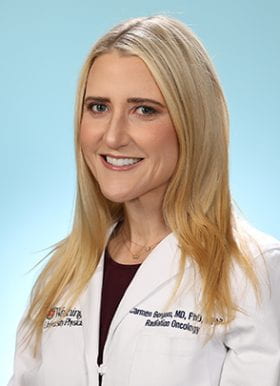
Carmen Bergom, MD, PhD, is an Associate Professor of Radiation Oncology at Washington University School of Medicine (WashU Medicine), where she joined the faculty in 2020. She holds secondary appointments in the Division of Cancer Biology and the Siteman Cancer Center. Her research focuses on leveraging genetic models to improve radiation therapy efficacy while mitigating radiation-induced cardiotoxicity , particularly in breast cancer patients. Key areas include radiation biology , tumor microenvironment , and cardio-oncology . Recent publications highlight her work in genetic mapping of radiation sensitivity (e.g., rat chromosome 3 variants), innovative imaging techniques (e.g., integrin-targeted PET), and clinical trial design for cardiovascular risk stratification. Her laboratory has pioneered the first genetic studies of radiation-induced cardiac dysfunction. Scientific awards include the Michael Fry Research Award (2021) and recognition as a Top Doctor in America (2018, 2019). She serves as Chair of the ASTRO Science Council Scientific Review Panel and co-chair of the Clinical and Experimental Research in Radiation Oncology meeting at ESTRO. Dr. Bergom treats breast cancer patients clinically and mentors students across all levels (undergraduate to postdoctoral). Her work bridges basic research with clinical applications , aiming to develop biomarkers and therapeutic targets for radiation oncology.