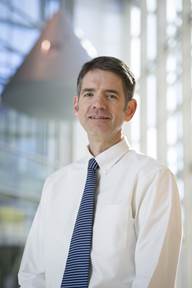
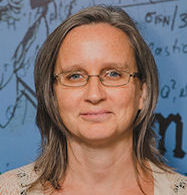
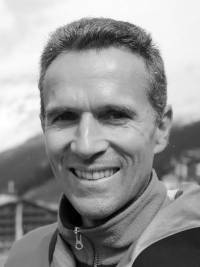
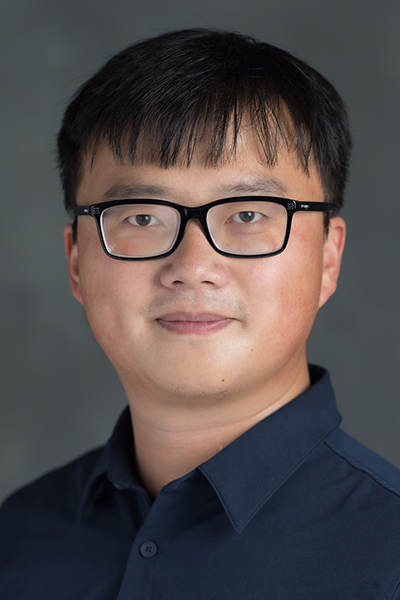
William A. Crossley is the Uhrig & Vournas Head of the School of Aeronautics and Astronautics and a Professor at Purdue University. He holds a B.S.E. from the University of Michigan (1990), and M.S. and Ph.D. from Arizona State University (1992 and 1995, respectively). His research focuses on optimization methods for aerospace systems , systems of systems , design under uncertainty , and the environmental impact of aviation . Awards and Recognition: Purdue Book of Great Teachers (2013) Multiple AAE Elmer Bruhn Teaching Awards (2012, 2009, 2006, 2003) Purdue University College of Engineering A.A. Potter Award (2007) NASA recognition for outstanding scientific contributions (2005) Fellow of the American Institute of Aeronautics and Astronautics (AIAA) Leadership and Affiliations: Director, FAA’s Partnership to Enhance General Aviation Safety, Accessibility and Sustainability (PEGASAS) Member of the International Society for Structural and Multidisciplinary Optimization (ISSMO) and the International Council on Systems Engineering (INCOSE) Research Trends: Crossley’s work emphasizes multidisciplinary design optimization , environmental impact analysis , and robust system design . His recent publications explore aircraft sizing, morphing structures, and fleet-level environmental metrics. Over 15 articles since 2010 reflect a focus on sustainable aviation technologies and systems integration.
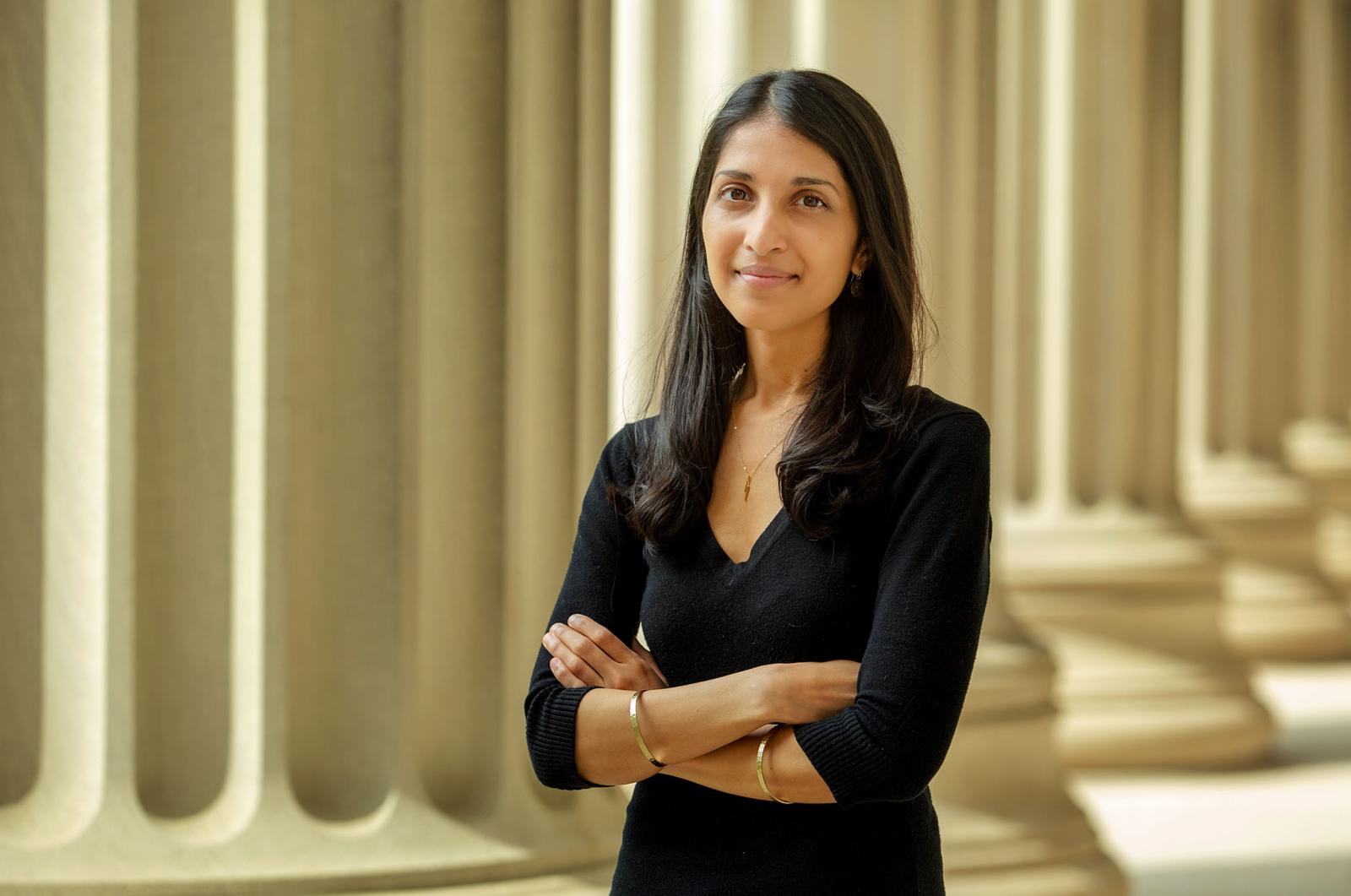
Ritu Raman is the Eugene Bell Career Development Assistant Professor of Mechanical Engineering at the Massachusetts Institute of Technology (MIT). She leads the Raman Lab, focused on 4D tissue engineering of neuromuscular systems for applications in regenerative medicine and biohybrid robotics. Her research develops adaptive biological materials powered by living cells, with particular emphasis on creating innervated and vascularized muscle actuators. Education: PhD in Mechanical Engineering, University of Illinois at Urbana-Champaign (2016) MS in Mechanical Engineering, University of Illinois at Urbana-Champaign (2013) BS in Mechanical Engineering, Cornell University (2012) Her research integrates biofabrication, neuromuscular tissue engineering, and soft robotics to create biological machines that can restore mobility after injury and power sustainable robots. Current work focuses on: 1) Mechanistic studies of neuromuscular disease, 2) 4D biofabrication tools for dynamic tissue assembly, and 3) Deployment of neuromuscular tissues as responsive actuators. Her publications demonstrate a multidisciplinary approach spanning biofabrication, biomechanics, robotics, and biomaterials. Recent work focuses on biohybrid systems, muscle actuator optimization, and advanced bioprinting techniques. Awards and Honors: Presidential Early Career Award (PECASE) 2025 NSF CAREER Award 2023 MIT Technology Review 35 Innovators Under 35 (2019) Forbes 30 Under 30 in Science (2018) Multiple Young Investigator Awards (ONR, ARO) She leads the Raman Lab at MIT, where her team develops novel biofabrication platforms and conducts translational research. The lab collaborates extensively across engineering and biology disciplines to advance tissue engineering and biohybrid robotics.
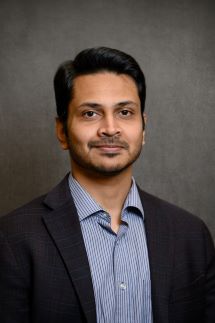
Satchit Ramnath is an Assistant Professor in the Department of Mechanical Engineering at Clemson University, affiliated with the College of Engineering, Computing and Applied Sciences. His work focuses on computer-aided engineering, structural optimization, knowledge-based systems, and machine learning integration in product design. He leads the CEDAR Lab, advancing research in CAD interoperability and big data applications for engineered systems. Education : Ph.D., The Ohio State University, 2022 M.S., Arizona State University, 2016 B.S., JNTU, Hyderabad (India), 2011 Research Interests : Dr. Ramnath explores computational methods to bridge design and manufacturing, including ML-driven dataset curation for automotive components, topology optimization, and CAD-PMI interoperability. His work emphasizes large-scale datasets ( e.g. , CarHoods10k) for predictive modeling in engineering. Publications Trends : Recent work spans ML applications in automotive design, topology optimization algorithms, and big data strategies for engineered systems. Key themes include springback prediction, manufacturability analysis, and interdisciplinary design-science methodologies. Lab & Teams : Directs the CEDAR Lab , focused on advancing computational design tools and data-driven engineering solutions.
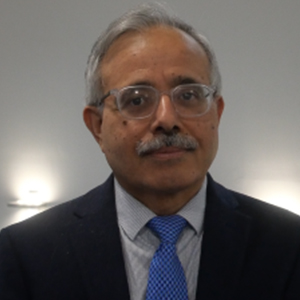
Professor Saeed Farooq holds dual roles as a NIHR Global Research Professor and Professor of Psychiatry and Public Mental Health at Keele University's School of Medicine. He also serves as an Honorary Consultant Psychiatrist at Midlands Partnership University NHS Foundation Trust. His research co-leads the mental health and wellbeing research theme within the School, focusing on improving treatment adherence for severe mental illnesses, optimizing physical health outcomes, and global mental health in low- and middle-income countries (LMICs). Key research areas include translational studies in psychiatry, early intervention in psychosis, and culturally adapted mental health interventions. He leads major projects like the CONTROL trial (depression and TB co-management in Pakistan/Afghanistan) and the HOPE project (early psychosis detection in Pakistan). His work spans £10 million in research grants as principal investigator, with a focus on bridging gaps in mental healthcare access globally. Professor Farooq supervises PhD and postgraduate students, emphasizing capacity-building collaborations with institutions like Khyber Medical University. His teaching includes postgraduate psychiatric education and research methodology workshops. He actively engages in policy initiatives to strengthen mental health systems in LMICs, advocating for evidence-based practices and public health approaches. His recent work addresses challenges in schizophrenia treatment resistance, clozapine dosing guidelines, and digital mental health innovations. He also explores the impact of AI in medical diagnostics and the role of emergency services in mental health support for older adults.
Dr. Ian Scott is an Honorary Senior Lecturer at Keele University School of Medicine , affiliated with the Haywood Hospital. He holds dual roles as a Consultant Rheumatologist and academic researcher. His expertise spans genetic epidemiology, rheumatology, and digital healthcare innovation. Education: MB ChB from the University of Birmingham (2004), followed by an MSc and PhD in genetic epidemiology at King’s College London, alongside clinical training in medicine and rheumatology. Research Focus: Improving pain management in inflammatory arthritis, leveraging electronic health records and digital epidemiology. He leads projects on analgesic prescribing patterns, fracture risk in arthritis patients, and disparities in digital healthcare access. Key achievements include a £1.4M NIHR Advanced Research Fellowship (2020) and over 45 peer-reviewed publications. Teaching & Leadership: Contributes to undergraduate medical education at Keele, the MSc Rheumatology Nursing program, and regional rheumatology training. His teaching emphasizes evidence-based practice and patient-centered care. Awards & Funding: NIHR Advanced Research Fellowship (2020), multiple peer-reviewed grants totaling £1.4M. Recognized for pioneering work in arthritis epidemiology and patient outcomes. Labs/Teams: Collaborates with the Keele Clinical Education Centre and NHS Trusts on translational research. Leads the PAIN PATH survey and CPRD Aurum studies on arthritis management.
Madelyn P. Law is an Associate Professor at Brock University's Faculty of Applied Health Sciences and Director of the Interprofessional Education for Quality Improvement Program (I-EQUIP). She holds a PhD in Health Administration from the University of Toronto. Her research focuses on organizational culture, quality improvement, and leadership in healthcare systems. She currently serves as Director of Quality, Patient Safety, and Risk at Niagara Health (2023–2025) while maintaining academic roles. Education: BSM (Sport Management, Brock University 1999), MA (Sport Psychology, Queen's University 2001), PhD (Health Administration, University of Toronto 2011). Leadership roles include Associate Vice-Provost, Teaching and Learning (2019–2022) and Faculty Associate for Experiential Education (2015–2019). Research interests include implementation science, healthcare leadership, and interprofessional education. She collaborates with community partners to enhance healthcare quality through I-EQUIP. Professional affiliations include the Canadian Public Health Association and Society for Teaching and Learning in Higher Education. Publications span quality improvement strategies, pandemic preparedness, and transgender healthcare experiences. Teaching includes courses on health administration, leadership, and quality improvement. Undergraduate students may apply to I-EQUIP for fourth-year projects.
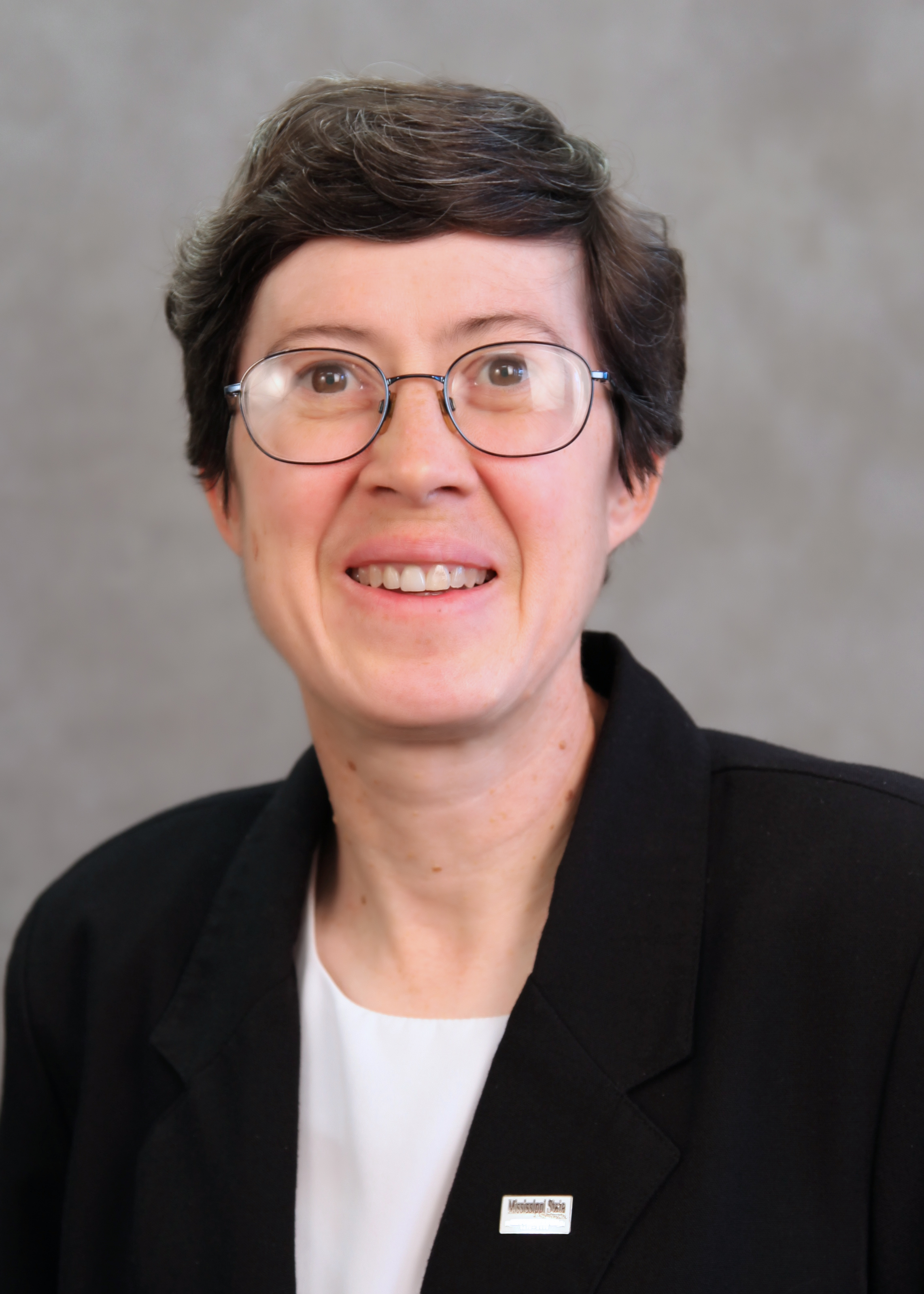
Priscilla J. Hill is a Professor in the Dave C. Swalm School of Chemical Engineering at Mississippi State University's Bagley College of Engineering. She holds a PhD from the University of Massachusetts (1996) and MS/BS degrees from Clemson University. Her research develops particle technology and crystallization processes, with NSF CAREER Award recognition for contributions to particle engineering. Research interests include particle size distribution modeling, crystallization mechanism analysis, breakage/agglomeration processes, and nanotechnology education. Recent educational scholarship focuses on process intensification and nanotechnology integration in chemical engineering curricula. Publications demonstrate sustained contributions to particle process modeling and engineering education reform. Earlier work established numerical methods for population balance equations in solids processing. Awards: National Science Foundation CAREER Award (2005) Educational initiatives include NanoExposed! nanotechnology modules, hybrid separations teaching materials, and K-12 outreach demonstrations. Collaborations advance multidisciplinary nanotechnology education and process intensification curriculum development.
Associate Professor David J Paul is a computational scientist at the University of New England's School of Science and Technology within the Faculty of Science, Agriculture, Business and Law. With expertise spanning computer science, distributed systems, and applied technology, he has established himself as a multidisciplinary researcher bridging computer science with agriculture, sports science, and healthcare domains. His work consistently focuses on practical technology applications that address real-world challenges while maintaining data privacy and security. Dr. Paul earned his Bachelor's degrees in Mathematics and Computer Science from the University of Newcastle in 2004, followed by Honours in Computer Science in 2005, and completed his PhD titled "Deliberate Cooperation in Service-Oriented Environments: Dynamic Transactional Workflows for Web Services" in 2012. Prior to joining UNE in 2015, he worked at the Schizophrenia Research Institute from 2005-2015 and collaborated with the Health Behaviour Research Group starting in 2014. His research interests span networks and distributed systems (including Internet and Cloud computing), security and privacy, computer science education, sports science, agriculture, and e-Health. Dr. Paul has demonstrated particular strength in developing systems that integrate multiple disparate datasets while maintaining privacy, as evidenced by his work on the Australian Schizophrenia Research Bank and agricultural applications like ASKBILL and RamSelect. His recent work shows increasing focus on cybersecurity applications for SMEs, women's sports analytics, and precision agriculture technologies. Dr. Paul has secured multiple research grants including University of New England SABL Teaching & Learning Grants (2023), an Australian Council of Deans of ICT grant (2022-2023), SheepCRC projects (2015-2016), and a NeCTAR grant (2012). His extensive publication record demonstrates consistent productivity across both theoretical computer science and applied domains. School of Science and Technology Teaching Award (2017) for Computer Science curriculum redesign School of Science and Technology Development Award for COSC110 introductory programming unit With over 20 research students supervised across PhD, Master's, and Honours programs, Dr. Paul has established himself as a dedicated mentor. His current research portfolio spans cybersecurity for SMEs, precision agriculture technologies, sports analytics (particularly women's rugby league), and advanced cryptographic techniques. His work on QuON, ASKBILL, and RamSelect demonstrates his ability to create practical technological solutions that address specific industry challenges while maintaining rigorous academic standards.
Catherine A. Bénéteau is a Professor in the Department of Mathematics & Statistics at the University of South Florida's College of Arts and Sciences. She holds a Ph.D. in Mathematics from the University at Albany (1999), and her research focuses on complex analysis, analytic function spaces, and mathematics education. Her work bridges theoretical mathematics with practical pedagogical innovations. Her research spans complex analysis, Hardy and Bergman spaces, and nonlinear extremal problems, with recent extensions into mathematics curriculum development. She has led NSF-funded projects exploring guided inquiry learning in calculus and multidisciplinary wavelet applications. Bénéteau's publications demonstrate a consistent focus on approximation theory and function spaces, with recent expansions into operator theory and educational methodologies. She has received teaching awards including the University Outstanding Undergraduate Teaching Award and Project NExT Fellowship. University Outstanding Undergraduate Teaching Award (2009-2010) NSF Conference Grant DMS-2308417 (2023) Project NExT Fellowship (1999) NSF IUSE Grant DUE 1525574 (2015-2021) She has advised 15+ graduate students on topics ranging from analytic functions to wavelets, and secured multiple NSF grants supporting STEM education transformation. As course coordinator for Calculus and Pre-calculus, she developed flipped classroom materials and implemented Process Oriented Guided Inquiry Learning (POGIL) frameworks.
Justus Piater is a Professor of Computer Science at the University of Innsbruck, serving as the Head of the Digital Science Center and an ELLIS Fellow. His primary affiliation is the Department of Computer Science within the Faculty of Mathematics, Computer Science and Physics. He has held academic roles since 2002, including Assistant and Associate Professorships at Université de Liège before joining the University of Innsbruck in 2010. His research focuses on robot learning, perception, and manipulation, emphasizing how robots can learn to perceive and act with understanding. Notable projects include the EU-H2020 IMAGINE project and the Euregio International Project Network OLIVER. Education includes a Ph.D. in Computer Science from the University of Massachusetts Amherst (2001), complemented by earlier studies in Germany and Belgium. His service roles include Dean of the Faculty of Mathematics, Computer Science and Physics (2014–2017) and Vice Chair of the Department of Computer Science (2014–present). His research outputs span robotics, AI, and interdisciplinary education, with a strong emphasis on autonomous systems and cognitive development.
Dr Matthew Andrew is a Senior Lecturer at Manchester Metropolitan University, affiliated with the Institute of Sport. His research focuses on talent identification, athlete development, and performance analysis in soccer and other sports. He explores topics such as verbal feedback mechanisms in professional coaching, biological maturation effects on youth athletes, and the application of data science in sports training. Key research areas include soccer-specific development processes, cross-sport skill transferability, and the use of collaborative educational workshops to enhance coaching practices. His work emphasizes the integration of scientific insights with practical applications in professional sports environments. Recent studies highlight his contributions to understanding relative age effects in youth sports, the non-linear growth patterns of athletic abilities, and the optimization of training load management through advanced analytics. Dr Andrew’s publications reflect a multidisciplinary approach, combining biomechanics, sports psychology, and data-driven methodologies. Despite his prolific research output, no scientific awards or grants are explicitly mentioned in the provided texts. He is based at the John Dalton Building and can be reached via Matthew.Andrew@mmu.ac.uk.
Professor Daniel Frings is an academic and practicing psychotherapist affiliated with London South Bank University , where he serves as Associate Dean for Research and Enterprise in the School of Applied Sciences . He earned his PhD in Social Psychology from the University of Kent in 2008, followed by a visiting researcher role at the University of California, Santa Barbara. Education : PhD in Social Psychology (2008), University of Kent. Frings’ research spans social identity processes, addiction, mental health, psychophysiology, and AI-driven healthcare solutions . His work often intersects with commercial mental health product development, including apps and online platforms, and has been funded by entities such as the Economic and Social Research Council and Cancer Research UK . Recent studies focus on AI applications in cardiac care, identity dynamics in addiction recovery, and the psychological impact of dietary identities like veganism. His academic contributions include over 98 research outputs, with recent emphasis on AI-driven appointment systems, problematic social media use, and alcohol/vaping cessation . He also maintains a private psychotherapy practice in Faversham, UK, integrating person-centered therapy and Acceptance Commitment Therapy for clients dealing with anxiety, depression, and trauma.
Sicheng He is an Assistant Professor in the Department of Mechanical, Aerospace and Biomedical Engineering at the University of Tennessee, Knoxville since August 2023. He previously held postdoctoral research positions at MIT (2022-2023) and the University of Michigan, Ann Arbor (2020-2021), where he focused on computational aeroelasticity and multidisciplinary design optimization (MDO). Education: PhD in Aerospace Engineering (2020), University of Michigan, Ann Arbor MS in Applied Math (2015), University of Michigan, Ann Arbor MSE in Aerospace Engineering (2015), University of Michigan, Ann Arbor BSE in Aerospace Engineering (2013) and Mechanical Engineering (2013), Joint Institute, Shanghai Jiao Tong University Research Interests: Sicheng He specializes in optimization techniques for large-scale dynamical systems, with emphasis on PDE-constrained optimization, mixed integer programming, and machine learning-based surrogate models. His work includes applications in wind energy systems, aircraft design (particularly transonic buffet analysis), and stability-constrained optimization frameworks. Publication Trends: His research output focuses on computational physics and optimization, with recurring themes in aerospace engineering, wind energy, and multidisciplinary design. Key methodologies include algorithmic differentiation, time-spectral solvers, and gradient-enhanced neural networks for aerodynamic shape optimization. Awards: Best student paper in MDO, 2nd place, AIAA Aviation Conference 2019 Professional Involvement: Active in AIAA and ICAO CAEP Working Group 3. Developed educational workshops on figure visualization and Git version control at MIT. Serves as reviewer for journals including AIAA Journal, Structural and Multidisciplinary Optimization, and International Journal for Numerical Methods in Fluids.
Yohan Kim serves as Visiting Assistant Professor and Assistant Director of the Master of Tall Buildings and Vertical Urbanism (M.TBVU) program at Illinois Institute of Technology since 2022, while concurrently holding the Academic Coordinator position at the Council on Tall Buildings and Urban Habitat (CTBUH), the global authority on skyscraper innovation. His educational credentials include: Ph.D. in Architecture from Illinois Institute of Technology, with dissertation titled "The Feasibility of Double-Skin Façades (DSFs) to Provide Natural Ventilation in Tall Office Buildings" Professor Kim's research pioneers sustainable high-rise envelope systems through computational fluid dynamics (CFD) modeling, focusing on natural ventilation optimization in supertall structures. His work integrates advanced simulation techniques into architectural design processes to enhance energy efficiency and occupant comfort in vertical urban environments, addressing critical challenges of climate-responsive skyscraper development. No scientific awards were documented in the source materials. In academic leadership, Kim directs the multidisciplinary M.TBVU program while managing CTBUH's global research competitions and serving on the Asia Steering Committee. His teaching portfolio spans advanced architecture studios (ARCH 419-420, 545-546) and specialized tall building courses including Talking TALL I/II and Tall Building Technologies I/II, indicating significant graduate student mentorship responsibilities despite no explicit advisee listings. His CTBUH role establishes direct industry-academia collaboration channels for tall building innovation, positioning him at the nexus of skyscraper research, education, and professional practice worldwide.
Bridget Quinn, MD is an Attending Physician in the Orthopedics and Sports Medicine Department at Boston Children's Hospital, where she serves as Company Physician for the Boston Ballet and Lead Consulting Physician for Dean College Palladino School of Dance & Performing Arts. She holds an academic appointment as Assistant Professor of Orthopedics at Harvard Medical School, contributing to medical education while maintaining an active clinical practice focused on performing artist athletes. Dr. Quinn completed her undergraduate education and medical degree at the University of Vermont, followed by Emergency Medicine residency at Emory University and Sports Medicine fellowship at Boston Children's Hospital. She is board certified by the American Board of Emergency Medicine, providing a strong foundation for her specialized work with dancers and other performing artists. Her educational background reflects a progression from general medical training to highly specialized sports medicine expertise. Dr. Quinn's research and clinical practice centers on the unique medical needs of performing artists, particularly dancers. Her work addresses dance-specific injuries like hallux sesamoid injuries, the effects of intensive training on growing dancers, and the relationship between body composition and menstrual health in female dancers. She has developed specialized assessment protocols for dancers' strength, flexibility, and functional performance during intensive training periods. Her expertise bridges traditional sports medicine with the specific physiological and psychological demands of dance performance, recognizing that dancers face unique injury risks and recovery challenges. Analysis of Dr. Quinn's publication record reveals a clear evolution from early cancer research (2014-2015) to her current focus on dance and sports medicine. Her most impactful recent work examines quality of life metrics in pre-professional dancers, sport specialization effects, and dancer-specific injury patterns. She has conducted comparative studies on Crossfit-related injuries and published important findings on the relationship between BMI and menstrual patterns in dancers. Her research consistently addresses the holistic needs of performing artists, considering physical, psychological, and nutritional factors that influence performance and injury risk. While specific scientific awards are not documented in the available information, Dr. Quinn's professional recognition is evident through her leadership roles with prestigious organizations including the Boston Ballet and Dean College. Her expertise is sought after for providing medical coverage during major performances and tours, demonstrating the trust placed in her specialized knowledge by the performing arts community. Through her academic appointment at Harvard Medical School, Dr. Quinn mentors medical students, residents, and fellows interested in sports medicine and orthopedics. Her clinical work involves comprehensive care for young athletes and performing artists, with emphasis on injury prevention, safe return to performance, and long-term health maintenance. She collaborates with physical therapists, athletic trainers, nutritionists, and mental health professionals to address the multidimensional needs of her patients, recognizing that optimal performance requires attention to all aspects of health. Dr. Quinn is an integral part of Boston Children's Hospital's Performing Artist Athletes Program and The Micheli Center for Sports Injury Prevention. These specialized programs provide comprehensive, multidisciplinary care addressing the unique medical needs of dancers and other performing artists, including nutrition counseling, bone health monitoring, endocrine evaluation, psychological support, and rehabilitation tailored to performance demands. Her work in these programs has helped establish standards of care for performing artist athletes that are now recognized nationally.