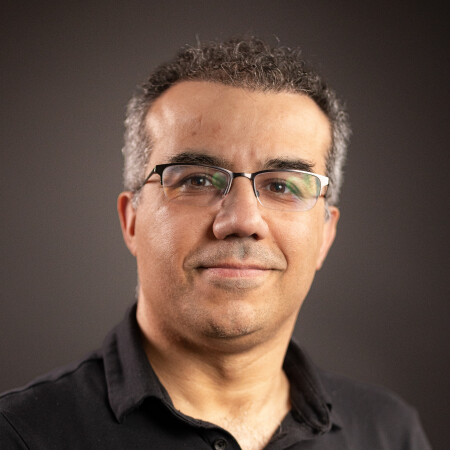
Professor Danilo Mandic is a leading academic in Machine Intelligence and Signal Processing at Imperial College London's Department of Electrical and Electronic Engineering. He holds roles including President of the International Neural Network Society and Distinguished Lecturer for IEEE Computational Intelligence and Signal Processing Societies. His research spans Statistical Learning, Wearable Sensing (Hearables), Financial Signal Processing, and Tensor Networks for Big Data. Key contributions include pioneering in-ear physiological sensing and developing quaternion-based adaptive filters. He has authored over 600 publications, including seminal monographs on neural networks and complex-valued signal processing. Education: PhD in Nonlinear Adaptive Signal Processing from Imperial College (1999). Professional accolades include the 2019 Dennis Gabor Award and multiple IEEE Best Paper Awards. His labs include the Financial Signal Processing & Machine Learning Lab and collaborations with the Centre for Neurotechnology. He advises numerous students and leads projects on AI ethics, graph signal processing, and biomedical applications. His work emphasizes translating research into educational curricula via participatory sensor-based learning.
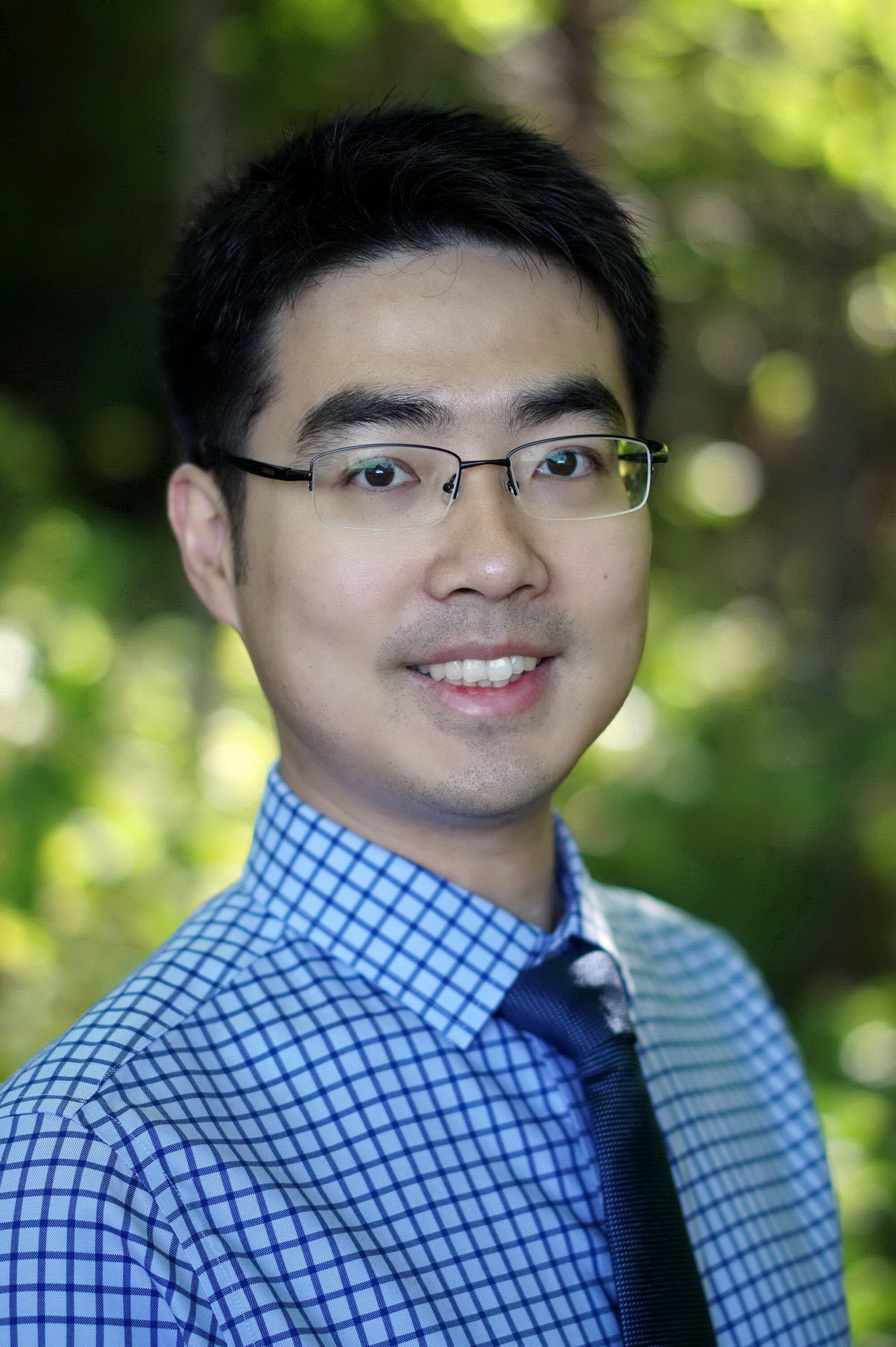
Peter K. Friz is an Einstein Professor in Mathematics at TU-Berlin, affiliated with the Institute of Mathematics, and associated with the Weierstrass Institute for Applied Analysis and Stochastics. His research focuses on stochastic analysis, rough path theory, and mathematical finance, with particular emphasis on volatility modeling and applications to quantitative finance. He has held prestigious grants, including ERC Starting and Consolidator Grants, and coordinates the DFG research unit 'Rough paths, stochastic partial differential equations, and related topics.' Friz's work bridges theoretical stochastic analysis and practical financial applications, emphasizing rough path theory and its implications for differential equations and stochastic processes. His collaborations include organizing international conferences and courses on rough paths, with invited lectures at institutions like Cambridge, Paris, and Bonn. Supported by DFG, the European Research Council, and the Einstein Foundation, his research explores geometric aspects of pathwise analysis and stochastic volatility dynamics. He has advised numerous PhD students and maintains active roles in academic administration, including coordinating Berlin Mathematical School programs and teaching advanced topics in stochastic calculus. His contributions to rough path theory and stochastic finance are recognized through his academic leadership and influential publications, including co-authoring the seminal book Multidimensional Stochastic Processes as Rough Paths .
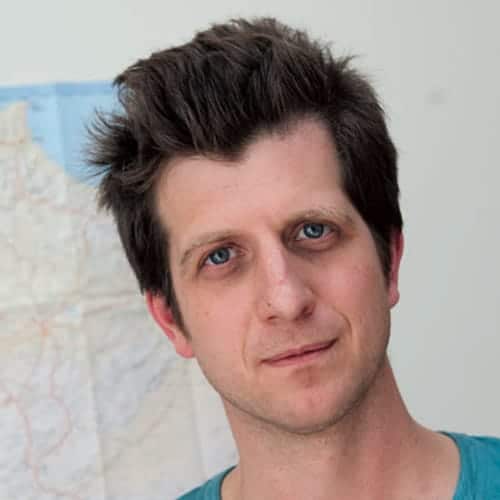
Basile de Loynes is a Lecturer at the French National School of Statistics and Information Analysis (ENSAI), holding a permanent academic position since at least 2016. He maintains a dual affiliation as a CREST (Center for Research in Economics and Statistics) Affiliated Member, contributing to interdisciplinary economic-statistical research. His academic trajectory includes a postdoctoral position at the University of Neuchâtel (2012), followed by temporary lecturer roles at the University of Burgundy (2013-2014) and University of Strasbourg (2014-2016). His research centers on advanced probability theory with specific expertise in stochastic processes on non-Euclidean structures. Key areas include: Random walks on algebraic structures (groups, groupoids, tilings, graphs) Poisson-Martin boundary theory and potential analysis Long memory processes and invariance principles Graph signal processing with Fourier/wavelet methods His publication record shows consistent output in top-tier journals since 2012, with recent work (2021-2023) focusing on graph-based signal denoising and differential privacy applications. Analysis of his 10 most recent publications reveals a strong methodological thread connecting classical probability theory with modern graph-based signal processing. Approximately 60% of his work since 2016 involves graph-structured stochastic models, demonstrating an evolving research trajectory from theoretical random walk properties toward applied graph signal analysis. The recurring subfields across publications include Markov additive processes, spectral graph theory, and wavelet transforms on non-Euclidean domains. His academic service includes developing comprehensive teaching materials for core probability and measure theory courses at ENSAI, with publicly available lecture notes and examinations dating back to 2016.
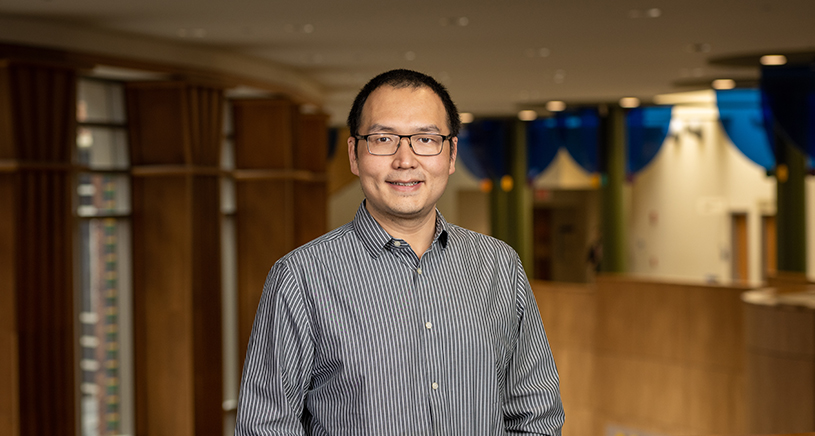
Baris Coskunuzer is a Professor in the Department of Mathematical Sciences at the University of Texas at Dallas (UT Dallas), part of the School of Natural Sciences and Mathematics. He holds a PhD from Princeton University (2004) and has held academic positions at institutions including Yale University, MIT, Boston College, and Koç University. His research focuses on Geometric Topology, Topological Data Analysis (TDA), and Machine Learning, with applications in medical imaging, drug discovery, and blockchain analysis. He has led multiple NSF-funded research grants and collaborates internationally. Education: PhD in Mathematics, Princeton University, 2004 M.S. in Mathematics, Caltech, 2001 B.S. in Mathematics, Bogazici University, 1999 Research Interests: Geometric Topology Topological Data Analysis Machine Learning Medical Imaging Blockchain Analysis Data Science Grants & Awards: NSF-DMS ATD Research Grant (2023–2026) NSF-DMS AMPS Research Grant (2022–2025) Young Scientist Award, Turkish Science Academy (2016) Fulbright Scholar Award (2014) Over 60 peer-reviewed publications in journals such as Communications on Pure and Applied Mathematics and NeurIPS Advising & Labs: Supervises a research group focused on Topological Machine Learning (TML) Collaborates on projects like Topo-ML for medical diagnostics and GraphPulse for temporal graph analysis
Chen Xu is an Associate Professor in the Department of Mathematics and Statistics at the University of Ottawa. He holds an M.A. from York University and a PhD from the University of British Columbia. His research focuses on sparse modeling, statistical learning, and big data processing, with an emphasis on both theoretical and computational advancements. Dr. Xu is affiliated with the Faculty of Science and contributes to editorial roles for journals such as the Journal of the American Statistical Association and Electronic Journal of Statistics. Education: M.A., York University PhD, University of British Columbia Research interests include feature selection, regularization methods, kernel methods, and high-dimensional regression. His work addresses computational challenges in big data, proposing efficient algorithms for tasks like singular value decomposition, clustering, and distributed feature screening. Recent publications highlight advancements in multiview PCA, low-tubal-rank tensor recovery, and model-free regression techniques. Publications span prestigious journals like the Journal of the American Statistical Association and IEEE Transactions series, focusing on statistical methodology, machine learning applications, and scalable computational solutions for complex data problems. Editorial Service: Associate Editor, Journal of American Statistical Association-T&M (2023–present) Associate Editor, Electronic Journal of Statistics (2023–present) Former Associate Editor, The Canadian Journal of Statistics (2019–2021) His research groups are Statistics and Biostatistics, and Data Science, Machine Learning, and Artificial Intelligence. He has no listed awards but maintains active editorial and academic collaborations in computational statistics and machine learning.
Soledad Villar is an Assistant Professor in the Department of Applied Mathematics and Statistics and a member of the Mathematical Institute for Data Science at Johns Hopkins University. She also contributes to the Data Science and AI Institute . Her research focuses on computational methods for extracting information from data, emphasizing optimization for data science, machine learning, equivariant representation learning, and graph neural networks. Dr. Villar holds a PhD in Mathematics from the University of Texas at Austin and has been a research fellow at New York University and the Simons Institute at UC Berkeley. Her work bridges theoretical foundations with practical applications in fields like scientific computing and political analysis. Awards include the National Science Foundation CAREER Award (2024). Her research has addressed topics such as gerrymandering detection, fluid dynamics modeling, and graph representation learning. She collaborates on interdisciplinary projects and organizes academic events like the One World MINDS Seminar and the Cibercoloquio Latinoamericano de Matemáticas . Her research interests span computational methods, equivariant machine learning frameworks, and graph neural networks, with applications in physics, engineering, and data-driven decision-making. She actively engages in advancing machine learning techniques for scientific and engineering challenges.
Rui Chang is an Associate Professor at Yale University School of Medicine , jointly appointed in the Department of Neuroscience and Department of Cellular and Molecular Physiology . His research focuses on organ-to-brain circuits and neurocardiology with specific interest in Parkinson's disease . He completed his B.S. in Biological Sciences at Tsinghua University (2005) Ph.D. in Neuroscience at University of Southern California (2011) Postdoctoral training in the lab of Stephen Liberles at Harvard Medical School (2017) Research Highlights: The Chang lab employs single-cell gene expression profiling , virus-based anatomical mapping , and optogenetics to investigate vagal interoceptive systems and their roles in cardiovascular regulation and gut-brain axis dysfunction in neurodegenerative diseases. Their work has revealed a multidimensional coding architecture for visceral sensory signals. Notable Scientific Awards: McKnight Neurobiology of Brain Disorders Award (2021) NIH Director’s New Innovator Award (2019) Kavli Faculty Innovative Research Award (2019) NIH K01 Mentored Research Scientist Award (2017) Keystone Symposia Future of Science Scholarship (2016) Collaborative Network: Chang collaborates with experts in neurodegeneration (David A. Hafler, MD), biostatistics (Hongyu Zhao, PhD), and neural imaging (Le Zhang, PhD). His work intersects with the Stephen & Denise Adams Center for Parkinson’s Disease Research and Kavli Institute for Neuroscience .
Renaud Lambiotte is Professor of Networks and Nonlinear Systems at the Mathematical Institute, University of Oxford. He holds a PhD in Physics from Université libre de Bruxelles and has held research and faculty positions at ENS Lyon, Université de Liège, UCLouvain, Imperial College London, and the University of Namur. He is currently an active academic in applied mathematics and network science. His research focuses on complex systems, particularly dynamics on networks, temporal networks, and stochastic processes. He applies these to social and brain networks, data mining, and urban systems. His work bridges theoretical modeling and real-world data, emphasizing the structure and evolution of complex systems. His recent publications demonstrate strong trends in network theory, including hypergraphs, community detection, multidimensional dynamics, and data quality in network interventions. He also explores applications in urban air quality and gentrification, showing a commitment to socially relevant complex systems research. Scientific Awards: Prix Wernaers 2013 Prix Wernaers 2016 Prix Wernaers 2020 Verdickt-Rijdams 2016 de l'Académie royale de langue et de littérature françaises He is the co-founder of L’Arbre de Diane, a publishing initiative at the science-literature interface, which received multiple awards. He teaches advanced courses such as Differential Equations II and Networks. He is affiliated with the Machine Learning and Data Science and the Oxford Centre for Industrial and Applied Mathematics research groups. He has authored or co-edited key texts in the field, including A Guide to Temporal Networks and Modularity and Dynamics on Complex Networks , and has published around 130 peer-reviewed articles. His research is supported by ongoing collaborations and active publication output, indicating sustained academic leadership.
Jian Kang is a Professor and Associate Chair for Research at the University of Michigan School of Public Health , specializing in Biostatistics . His work focuses on developing advanced statistical methods for large-scale biomedical data , with applications to precision medicine , neuroimaging , and genomics . Education: PhD in Biostatistics, University of Michigan (2011) MS in Mathematics (Statistics), Tsinghua University (2007) BS in Statistics, Beijing Normal University (2005) Research Interests include Bayesian nonparametric methods , deep learning for medical imaging , ultra-high-dimensional variable selection , and graphical models for network inference . His 2025-2023 publications demonstrate expertise in Bayesian hierarchical modeling , spatial statistics , and machine learning for healthcare . Scientific Awards : Michigan SPH Excellence in Research Award (2025) ICSA President's Citation Award (2024) Statistics in Biopharmaceutical Research Best Paper (2023) Best Paper in Biometrics by IBS Member (2022) Fellow, American Statistical Association (2021) Grants include NSF-IIS (2021-2025) for BCI statistical learning , NIGMS (2020-2022) for metabolomics biomarker selection , NIDA (2020-2025) for imaging data analysis , and NIMH (2014-2025) for multidimensional neuroimaging methods . Labs and Teams develop Bayesian computational tools for neuroimaging and spatial transcriptomics , collaborating with institutions like Emory University and University of North Carolina.
Aggelos Bletsas is a Professor at the School of Electrical and Computer Engineering, Technical University of Crete. He holds a PhD from MIT (2005) and has expertise in wireless communication, backscatter networks, and RFID systems. His research focuses on scalable wireless networks, ultra-low-cost sensor technologies, and signal processing. Education: PhD, MIT Media Lab (2005) MSc, MIT Media Lab (2001) Diploma in Electrical & Computer Engineering, Aristotle University of Thessaloniki (1998) Research Interests: His work spans wireless transmission techniques, backscatter sensor networks, and RFID systems. Key areas include: Ultra-low-cost sensor deployment RFID localization and multi-static systems Energy-efficient hardware implementations Probabilistic inference in distributed networks Awards: IEEE Marconi Prize Paper Award (2008) Technical University of Crete Research Excellence Award (2012-2013) Multiple best paper awards at RFID-TA, ISWCS, and SENSORS Academic Contributions: He advises students who have won IEEE best thesis awards and leads projects funded by ERC grants. His laboratory focuses on practical implementations of wireless sensor networks and backscatter systems. Labs & Affiliations: Director of the Telecommunications Laboratory and affiliated with the Telecommunication Systems Institute (TSI).
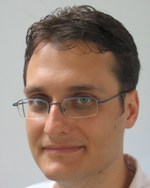
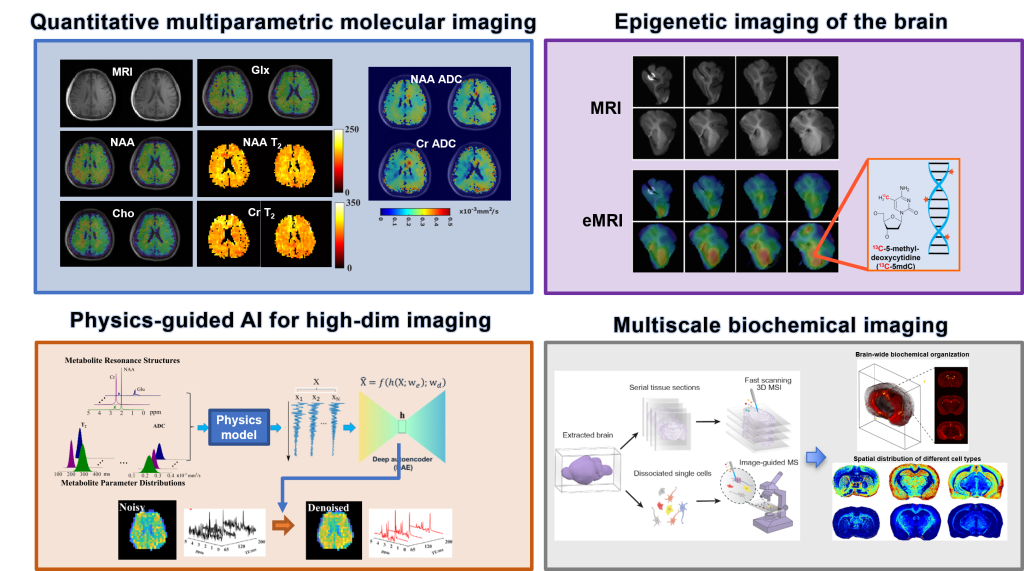
Fan Lam is an Associate Professor in the Department of Bioengineering at the University of Illinois Urbana-Champaign (UIUC), affiliated with the Grainger College of Engineering. He also directs the MS in Biomedical Image Computing (MS-BIC) program. His primary research focuses on developing advanced imaging techniques such as biomedical imaging, MRI, molecular imaging, and image reconstruction to study brain function and diseases. Lam holds a Ph.D. in Electrical and Computer Engineering from UIUC (2015), an M.S. in the same field from UIUC (2011), and a B.S. in Biomedical Engineering from Tsinghua University (2008). He is affiliated with multiple institutes, including the Carle-Illinois College of Medicine, the Carl R. Woese Institute for Genomic Biology, and the Beckman Institute for Advanced Science and Technology. Lam serves as a journal editor for Frontiers in Physics , Medical Physics , and IEEE Transactions on Medical Imaging . His work bridges engineering and neuroscience, with grants from NIH and other agencies supporting Alzheimer’s research and imaging innovations. Research highlights include epigenetic MRI, high-resolution volumetric MRI, and integrating AI with imaging methods. Lam’s team collaborates across disciplines to address challenges in medical imaging and brain mapping. His lab, the Quantitative Multiscale Imaging Group, develops tools for molecular and biochemical analysis of the brain.
Dr. HanQin Cai is the Paul N. Somerville Endowed Assistant Professor in the Department of Statistics and Data Science at the University of Central Florida (UCF), also serving as Director of the Data Science Lab. He holds a joint appointment with the Department of Computer Science. His research focuses on theoretical and algorithmic foundations of mathematical optimization, data science, and machine learning, with emphasis on non-convex algorithms, adversarial attacks, signal/image processing, and deep learning integration. He has secured NSF grants totaling over $2.6M, including a $121K single-PI grant and a $2.49M co-PI grant. His work has been recognized with the UCF OSCaR Award (2025) and IEEE Senior Member status (2024). Education: PhD in Applied Mathematical and Computational Sciences from University of Iowa (2018), with M.S. in Mathematics (2014) and M.C.S. in Computer Science (2017). Previously served as a Postdoc at UCLA Mathematics Department under Dr. Wotao Yin. Research highlights include: query-efficient zeroth-order optimization, robust signal processing with corrupted data, adversarial attacks on neural networks, and tensor-based methods for high-dimensional data analysis. His recent publications explore advanced techniques in matrix recovery, tensor decompositions, and explainable AI. Grants & Awards: NSF DMS-2304489 (2022–2025), NSF DUE-2321986 (2024–2029), UCF OSCaR Award, IEEE Senior Membership. Labs & Teams: Directs UCF's Data Science Lab, collaborates across disciplines in statistics, computer science, and engineering.
Professor Elias Aboutanios is a distinguished academic at the University of New South Wales (UNSW), serving as Professor in the School of Electrical Engineering and Telecommunications. With a career spanning over two decades in academia and research, he has established himself as a leading expert in signal processing, radar systems, satellite technology, and NMR spectroscopy. Professor Aboutanios earned his BE in Electrical Engineering from UNSW in 1997 and completed his PhD from UTS in 2002, with research focused on frequency estimation for communications with low earth orbit satellites. Following his doctoral studies, he conducted postdoctoral research at the Institute for Digital Communications at the University of Edinburgh from 2003 to 2007, specializing in space-time adaptive processing for radar target detection. He joined UNSW as a senior lecturer in 2007, was promoted to associate professor in 2019, and achieved the rank of Professor in 2022. His research interests span a broad spectrum of signal processing domains including signal and image processing, parameter estimation, array signal processing, statistical signal processing, positioning and localization, radar and sonar signal processing, NMR signal processing, and space systems. Professor Aboutanios has developed significant expertise in nuclear magnetic resonance spectroscopy, global navigation satellite systems, radar target detection, biologically inspired signal processing, power systems and smart grids, and theoretical signal processing. His work bridges theoretical foundations with practical applications across multiple engineering disciplines. Professor Aboutanios's recent publications demonstrate a strong focus on integrated sensing and communication systems, radar technology, satellite applications, and advanced signal processing techniques. His research shows a clear trajectory toward dual-function radar-communication systems, massive MIMO architectures, CubeSat technology for air traffic monitoring, and innovative approaches to NMR spectroscopy. His work consistently addresses challenging problems in signal parameter estimation, adaptive processing, and system design across multiple application domains. Professor Aboutanios has made significant contributions to engineering education, having developed new courses in electrical engineering design and established the master's program in satellite systems engineering. His educational innovations focus on teaching signal processing through frequent and diverse design experiences, enhancing student learning outcomes in technical subjects. He has led significant space projects including UNSW's involvement in the European QB50 project and the UNSW-EC0 satellite mission, which successfully launched in 2017. As a member of the Space Industry Association of Australia's Legislation Working Group, he has contributed to shaping space policy through multiple submissions to the Australian Government's review of the Space Activities Act.
Simon McCallum is an Associate Professor at NTNU’s Faculty of Information Technology and Electrical Engineering. Born in New Zealand, he transitioned from commercial game development in Norway to academia in 2009. His research focuses on Serious Games, particularly in healthcare contexts, gamification, and virtual reality applications. He holds a PhD from the University of Otago (2007), where he studied Computer Science, Mathematics, Psychology, and Philosophy. McCallum has contributed to over 30 publications, including works on cognitive health gaming, software engineering education, and AR applications. He teaches courses such as IMT4307 (Serious Games Research) and IMT3603 (Game Programming). His key projects include the Smartkuber AR game for cognitive screening and the Traction Trebuchet historical engineering study. McCallum has collaborated with institutions like the University of Otago and has engaged in outreach through conferences and media appearances, promoting game technology in healthcare and education.
Magnus Nord is an Associate Professor in the Department of Physics, Faculty of Natural Sciences at Norwegian University of Science and Technology (NTNU). His research focuses on advanced electron microscopy techniques and computational tools for materials characterization. Research Interests : Scanning Transmission Electron Microscopy (4D-STEM), Open Source Scientific Software Development (Python), Big Data Processing, Magnetic/Electric Field Imaging, Structural Characterization using Higher Order Laue Zones. Publications span cutting-edge applications in functional materials, nanomagnets, and perovskite thin films, with emphasis on machine learning and precession-enhanced imaging. Key keywords include Materials Science , Electron Microscopy , and Computational Imaging . Software Development : Lead developer of Atomap and pyxem , contributing to HyperSpy and merlin_interface for electron microscopy data analysis. Current Research Funding : InCoMa (Research Council of Norway) IMPRESS (Horizon EU Program)