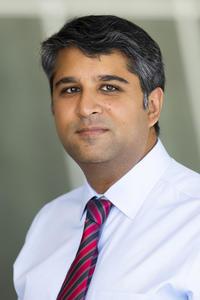
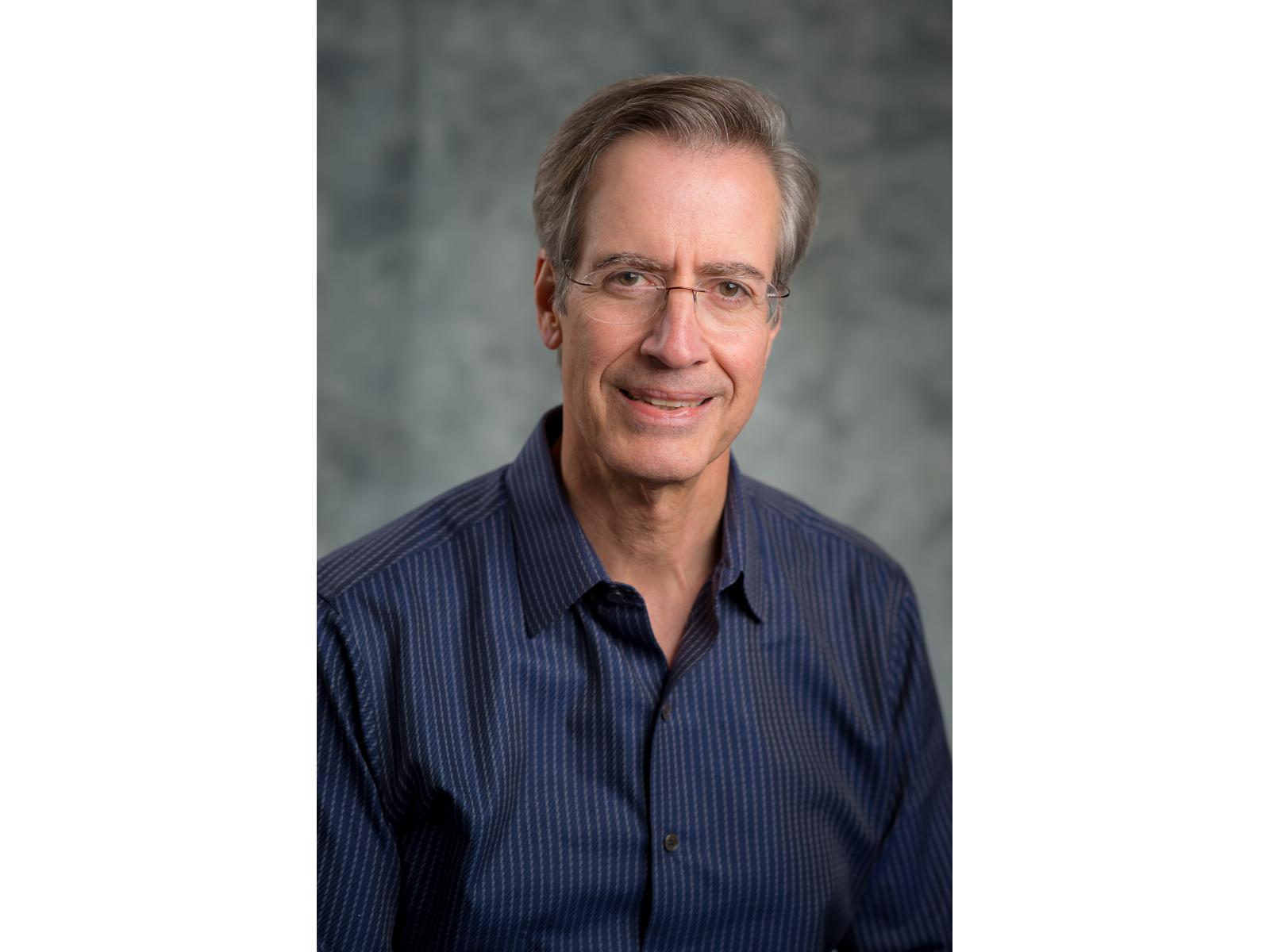
Harsh Jain is an Associate Professor and Director of Graduate Studies in the Department of Mathematics & Statistics at the University of Minnesota Duluth. He specializes in mathematical oncology , developing dynamical systems models to understand cancer progression and treatment response, with a focus on inter-individual heterogeneity and data-driven modeling . In 2025-2026, he will hold the prestigious Shelly Visiting Associate Professorship at Carnegie Mellon University. Education : Ph.D. in Mathematics (University of Michigan, 2008), B.A. in Mathematics (University of Delhi and Cambridge University) Research : Cancer modeling, surrogate modeling (SMoRe ParS/GloS), uncertainty quantification, and neuroimmune pain mechanisms Recent publications address agent-based models, tumor growth heterogeneity, and surrogate modeling frameworks. He has received NSF , NIH , and Simons Foundation grants, including a $600,000 NSF eMB grant for computational biology research. Scientific awards : Shelly Visiting Associate Professorship, Howard Highholt Endowed Professor, James Riehl Young Teacher Award Students : Mentored 2 Ph.D., 6 M.S., and multiple UROP students in mathematical biology projects
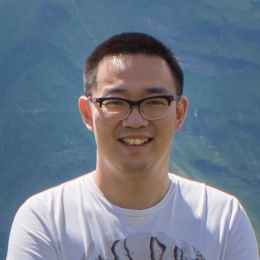
Hongyi Xu is a researcher and principal investigator at the Department of Chemistry, Stockholm University , specializing in electron crystallography for structure determination of materials and biomolecules. He completed his PhD in Materials Engineering at the University of Queensland (2013) with the Dean’s Award for Research Excellence and John Simmons Prize for Best Thesis , followed by a postdoc at SU (2014–2016) under Prof. Xiaodong Zou. Education BEng (Hons) in Mechatronics, University of Queensland (2009) PhD in Materials Engineering, University of Queensland (2013) Current Role Principal Investigator, Stockholm University (2018–Now) Lecturer for Electron Crystallography (2022–Now) Guest Lecturer for Bioanalytical Chemistry and Experimental Chemistry Methods (2020–Now) Research Focus : Development of MicroED and 3D electron diffraction methods for solving structures of submicron/nanocrystals from proteins to pharmaceuticals. Key projects include: Charge state analysis in metalloenzymes Fragment-based drug design via high-throughput MicroED Multidimensional toolkit for modern electron microscopy Cryo-EM applications (SPA, cryo-ET, MicroED) Scientific Contributions : Solved over 180 novel structures (2018–2023) using MicroED, including first protein structures and protein-inhibitor binding studies. Collaborated with 25+ international groups to establish 3D ED facilities. Scientific Awards : Wenner-Gren Postdoc Fellowship (2014–2016) Young Scientist Lecturer Award (2019) Consultant, IUCr Commission on Electron Crystallography (2021–Now) Grants : Secured 6 competitive projects totaling ~SEK 18.6M, including a Swedish Research Council Starting Grant (2018–2021) and European Commission NanED ITN (2021–2025). Supervision : Mentored 1 postdoc (main), 3 postdocs (co), 2 PhD students (main), and 4 PhD students (co) at SU. Alumni include researchers at UCLA, Karolinska Institute, and Rosalind Franklin Institute.
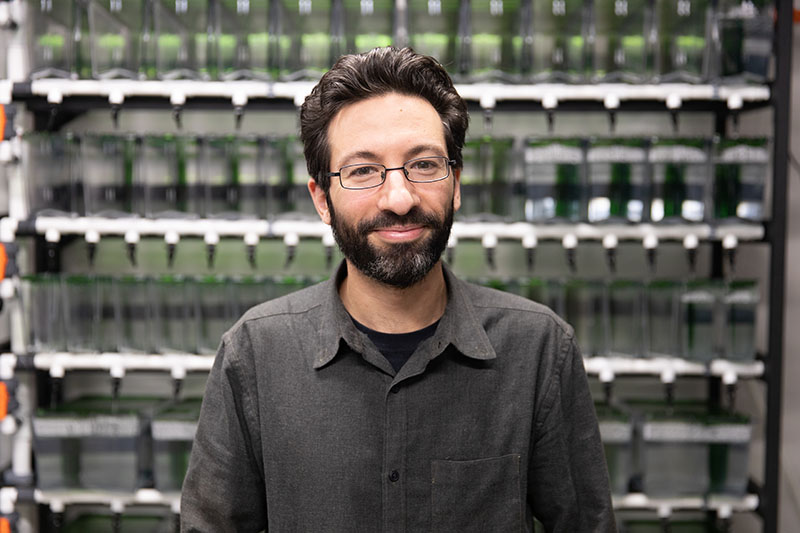
Dr. Justin Kenney is an Assistant Professor in the Department of Biological Sciences at Wayne State University . He conducts cutting-edge research using zebrafish and mice to investigate fear memory mechanisms , whole-brain imaging , and neural network analysis . His lab website ( kenneylab.com ) and Twitter account ( @Fish4Brains ) reflect his commitment to modern neuroscience methodologies. PhD in Psychology/Neuroscience (2010) from Temple University BS in Physics and BA in Philosophy from Case Western Reserve University (2003) Dr. Kenney's research focuses on individual behavioral differences , neural network dynamics , and advanced imaging techniques like light-sheet microscopy . His work establishes zebrafish as a powerful model for studying fear-related behaviors and brain-wide functional networks . Recent publications demonstrate his leadership in creating 3D zebrafish brain atlases and investigating chemogenetic effects on memory consolidation. Dr. Kenney teaches Molecular and Cellular Neurobiology (BIO4690/BIO6490) and Research Practice courses (BIO4990/BIO6890). His Human Frontiers Science Program fellowship supports his innovative work, which has been featured in university spotlights examining minnow brain function to understand human cognition. His network-based approach combines graph theoretical analysis with in vivo validation to identify memory consolidation hubs . This methodology has revealed critical roles for hippocampal-thalamic circuits and lateral septal nuclei in contextual fear memory, advancing both theoretical understanding and experimental validation of brain networks.
Igor Gurov is a Professor at the Faculty of Applied Optics at ITMO University, with a 32-year career in optical-electronic systems, digital signal processing, and computer image analysis. His roles include project leadership in advanced optical diagnostics and interdisciplinary research spanning metrology, tomography, and intelligent recognition technologies. Academic affiliation: ITMO University Research focus: Mathematical modeling, signal/image formation, and processing Leadership roles: Department Head (2005-2012), Project Leader in multiple innovations Research Interests: Professor Gurov specializes in mathematical models identification for optical systems, particularly in interferometry , digital holography , and optical tomography . His work includes multidimensional optimal filtering , stochastic dynamic systems , and 3D image formation in information systems. Research Trends: Recent publications demonstrate a focus on nonlinear Kalman filtering in optical coherence tomography, recurrence algorithms for fringe pattern analysis, and white-light microscopy innovations. Key themes include dynamic signal processing , multi-body motion estimation , and minimum description length principle applications. Projects: From 2006-2013, he led developments in telemedicine diagnostics , biotissue evaluation , and intelligent recognition algorithms , with technical expertise in high-performance video applications and 3D image representation. Contact: Email: gurov@mail.ifmo.ru
Gaspard Huber is a Researcher at the French Alternative Energies and Atomic Energy Commission (CEA), working within the IRAMIS institute, NIMBE unit, and LSDRM laboratory (Laboratory of Structure and Dynamics by Magnetic Resonance) since 2002. His research focuses on hyperpolarization techniques to overcome NMR's sensitivity limitations, with applications spanning metabolomics, biosensors, and materials science. His educational background includes: Chemical Engineering degree from ESCIL (now CPE Lyon), 1993 PhD from CEA Grenoble (1996, supervised by Dr. Jacques Gaillard) Habilitation to lead research (2006) Post-doctoral positions at University of Florence (1996-1998) and BIP-CNRS Marseille (1998-1999) Huber's research centers on hyperpolarization methodologies using parahydrogen and laser-polarized noble gases, enabling breakthroughs in metabolomic profiling of microscopic specimens and xenon-based biosensors . Current projects include ANR-funded SOFTNMR (flow NMR techniques) and HELPING (noble gas polarization), supporting active PhD and post-doctoral recruitment. His work bridges fundamental NMR physics with biomedical applications through supramolecular host-guest chemistry. Publication trends since 2013 reveal three interconnected domains: 1) Hyperpolarization engineering (SABRE/PHIP techniques for signal enhancement), 2) Supramolecular biosensors (cryptophanes/cucurbiturils for xenon detection), and 3) Metabolomic applications using HR-μMAS NMR. Key innovations include oxygen-carrying cucurbituril derivatives and single-scan diffusion-ordered NMR for hyperpolarized mixtures. He actively supervises students, with a new PhD fellow starting October 2024, and collaborates internationally through the HELPING project with laboratoire Kastler Brossel. His LSDRM laboratory provides specialized infrastructure for magnetic resonance research in materials and biomedicine. Notable patents include: 'Cucurbituril derivatives as oxygen carriers' (2017) NMR-based rubber characterization methods (2001) Reactor-NMR coupling devices (2000) Living cell analysis via NMR (2000)
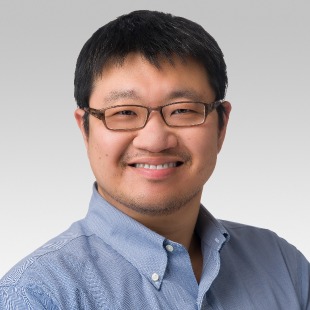
Rendong Yang is an Associate Professor in the Department of Urology at Northwestern University's Feinberg School of Medicine, where he leads the Yang Lab focused on computational analysis of disease mechanisms. His research integrates large-scale genomic and transcriptomic datasets to understand cancer initiation and progression. His educational background includes a BS (2006) and PhD (2011) from China Agricultural University, followed by postdoctoral training in Bioinformatics at Emory University (2014). BS: China Agricultural University (2006) PhD: China Agricultural University (2011) Postdoctoral Fellow: Emory University, Bioinformatics (2014) Dr. Yang's research centers on four key areas: detection of genomic alterations using high-throughput sequencing, discovery of transcriptomic mis-splicing events, understanding lncRNA biology in disease contexts, and identifying tumor neoantigens for immunotherapy. His lab develops computational methods for analyzing multidimensional omics data, with particular emphasis on second and third-generation sequencing technologies to elucidate genetic mechanisms of human diseases, especially cancer. His recent publications (2025) demonstrate strong focus on prostate cancer genomics, computational benchmarking, and molecular mechanisms involving lncRNAs and signaling pathways. The work spans technique-driven algorithm development and hypothesis-driven biological investigations, with applications in cancer diagnostics and therapeutics. Key scientific recognitions include: Maximizing Investigators’ Research Award, National Institute of General Medical Sciences (2021) Young Investigator Award, Prostate Cancer Foundation (2015) Dr. Yang serves on editorial boards for Genes (2024-present) and PeerJ (2024-present), and is an active member of professional societies including the RNA Society, International Society for Computational Biology, and Society for Basic Urologic Research. His industry relationships include consulting activities with Tempus Labs. He is affiliated with the Robert H. Lurie Comprehensive Cancer Center and Simpson Querrey Institute for Epigenetics. The Yang Lab maintains active research in computational genomics, with ongoing projects analyzing genetic and transcriptomic alterations to develop precision medicine approaches for cancer treatment. The lab's work bridges algorithm development with biological discovery to address critical gaps in understanding disease mechanisms.
H. Steven Wiley serves as a Lead Scientist in Systems Biology at Pacific Northwest National Laboratory (PNNL), where he is affiliated with the Environmental Molecular Sciences Division and the Environmental Molecular Sciences Laboratory (EMSL) user program. With over 200 scientific publications including more than 130 peer-reviewed journal articles, Dr. Wiley has established himself as a leading figure in systems biology research. Dr. Wiley's research focuses on understanding the systems-level design principles underlying regulatory networks in both prokaryotic and eukaryotic cells, with particular emphasis on how these networks become dysfunctional in diseases like cancer. His recent work leverages CRISPR-based technologies combined with proteomics, gene expression, and biochemical assays to build improved mechanistic models of signaling and metabolic networks. This research requires developing scalable computational infrastructure for integrating multidimensional datasets and advancing analytical technologies. His publication record shows a consistent focus on cellular signaling pathways, particularly the EGFR-MAPK pathway, with recent work expanding into single-cell analysis, cancer heterogeneity, and drug resistance mechanisms. The evolution of his research demonstrates a trajectory from fundamental signaling mechanisms toward increasingly complex systems-level questions with translational implications. Award for Distinguished Technical Communication (2011) Faculty of 1000 Member for Cell Biology (2011) Elected AAAS Fellow (2005) R&D 100 Award for designing single-chain antibody library in a yeast-display system (2004) Laboratory Fellow, Pacific Northwest National Laboratory (2000) National Institutes of Health Research Career Development Award (1988–1993) Dr. Wiley has served as an associate editor of Frontiers in Genetics and sits on the editorial boards of The Scientist and BMC Biology. He has reviewed for more than 30 scientific journals, demonstrating his significant contributions to scientific discourse. His work at PNNL's EMSL facility positions him at the intersection of cutting-edge experimental technologies and computational modeling approaches.
Ahmed I. Zayed is a Full Professor and Chair of the Department of Mathematical Sciences at DePaul University's College of Science and Health in Chicago, Illinois. He joined DePaul University in September 2001 after serving as Associate Chair for Graduate Studies at the University of Central Florida. His academic journey began with a PhD in Mathematical Sciences from the University of Wisconsin-Milwaukee in 1979. Dr. Zayed's research spans the breadth of applied harmonic analysis, with particular expertise in Sampling Theory, Wavelets, Fractional Fourier Transform, Sinc Approximations, Special Functions, and Integral Transforms. His work bridges theoretical mathematics with practical applications in signal and image processing. Over his distinguished career, he has published 9 books, 17 book chapters, and 106 research articles, establishing himself as a leading authority in his fields of interest. An analysis of his 15 most recent publications reveals a consistent focus on advanced mathematical transformations and their applications. His research demonstrates strong connections between classical harmonic analysis and modern signal processing techniques, with particular emphasis on fractional transforms, wavelet theory, and energy concentration problems. The publications show a clear trajectory toward increasingly sophisticated mathematical frameworks for signal analysis and reconstruction. Dr. Zayed has served on the editorial boards of prestigious journals including the Journal of Integral Transforms and Special Functions and the International Journal of Fractional Calculus and Applied Analysis. He has received multiple awards for excellence in research and online course design. Currently, he serves as Chair of the SampTA Steering Committee, an international organization dedicated to Sampling Theory and its Applications. His collaborative network is extensive and global, spanning 19 countries with 45 documented collaborators. This international reach has significantly influenced the direction and impact of his research. Dr. Zayed teaches a wide range of courses from college algebra to graduate-level topics in functional analysis, special functions, wavelets, and the history of mathematics, which he delivers as a hybrid online course.
Michael T. Bowser is a Professor in the Department of Chemistry at the University of Minnesota's College of Science and Engineering. He leads the Bowser Research Group, which focuses on developing innovative bioanalytical technologies for studying biological and medical problems at unprecedented scales and timeframes. The lab specializes in microfluidics, electrophoresis, nucleic acid assays, and cell culture techniques. Professor Bowser's research interests span several interconnected areas within analytical and bioanalytical chemistry. His group develops micro free-flow electrophoresis (µFFE) systems for continuous monitoring of dynamic biological processes, creates catalytic nucleic acid platforms for quantification and characterization, and investigates how single-stranded nucleic acids can regulate key proteins in cardiac calcium cycles. Applications of particular interest include adipocyte signaling in obesity, modulation of heart function using oligonucleotides, aptamer-based cell delivery systems, and high-speed multidimensional separations for biomarker detection. The research publications from the Bowser lab show a consistent focus on advancing microfluidic separation technologies, with recent work emphasizing surface chemistry in microfluidic devices, 3D printing for rapid prototyping, and applications in cardiovascular and metabolic research. The lab has developed specialized techniques for continuous monitoring of biochemical messengers, representing significant methodological advances in the field. NIH Grant: $1.25 million for 'Online Affinity Micro Free Flow Electrophoresis Assays for Continuous Monitoring of Biochemical Messengers' Safest Lab Award (Fall 2023) 2022 GSRS Award (to student Gretchen) NOBCChE Conference grant (to student Sandra) Professor Bowser actively mentors students, currently advising five PhD candidates working on projects related to micro free-flow electrophoresis and catalytic oligonucleotides. His lab has a strong track record of student success, with alumni securing positions at leading companies including Bio-Techne, Eli Lilly, and Beckman Coulter, as well as government and academic positions. The lab maintains a strong safety culture, having been recognized as one of the chemistry department's safest labs. The Bowser Group operates as a multidisciplinary research team combining expertise in analytical chemistry, microfluidics, molecular biology, and biomedical applications. The lab culture emphasizes innovation, rigorous scientific methodology, and collaborative problem-solving to address challenging questions at the interface of chemistry and biology.
Dr. hab. inż. Wiesław Kordalski is an Associate Professor at the Department of Microelectronic Systems within the Faculty of Electronics, Telecommunications and Informatics at Gdańsk University of Technology. His academic career spans several decades, with documented teaching activities from at least 2002 through the 2024/2025 academic year. He maintains two institutional email addresses: wiekorda@pg.edu.pl and kord@eti.pg.edu.pl. His research interests focus on semiconductor device modeling, particularly MOS transistors, with emphasis on quasi-2D small-signal models, magnetic field sensors (MAGFETs), and parameter extraction methods. He has developed specialized expertise in non-quasi-static modeling of transistors for radio and microwave frequencies, with models verified up to 30 GHz. His work bridges theoretical modeling and practical implementation, addressing both fundamental semiconductor physics and engineering applications. Analysis of his publications reveals a consistent research trajectory centered on MOSFET modeling techniques, with particular focus on quasi-2D representations and non-quasi-static behavior. His work demonstrates progression from basic transistor modeling to more specialized applications like magnetic field sensors. The research shows strong methodological consistency, with recurring themes of physics-based modeling, experimental verification, and practical implementation considerations. Professor Kordalski teaches across multiple departments, primarily offering courses in Electronics, Electronic Circuits, and Electrical Engineering. His teaching portfolio includes courses for Mechanical Engineering, Mechatronics, and Medical and Mechanical Engineering programs, demonstrating interdisciplinary engagement. He has consistently taught these subjects since at least 2012, indicating substantial teaching experience and institutional commitment.
Vincent Itier serves as a Lecturer at IMT Nord Europe, where he is affiliated with the CRIStAL research laboratory (UMR CNRS 9189). His office is located in Building ESPRIT, Scientific City, at the Villeneuve d'Ascq campus. He is a member of the SIGMA research team and actively contributes to the academic community through teaching, research supervision, and scholarly publications. Dr. Itier's research interests span across multimedia security, digital forensics, and machine learning, with particular emphasis on detecting and understanding image manipulations. His work addresses critical challenges in digital media authenticity, including deepfake detection, photomontage identification, and steganalysis. He investigates how machine learning techniques can be leveraged to improve robustness against increasingly sophisticated image manipulation methods, with applications in combating 'fake news' and verifying digital content authenticity. His publication record demonstrates a consistent focus on digital image forensics, with recent work exploring deep learning approaches for detecting splicing, analyzing noise residuals in deepfakes, and developing robust steganalysis techniques. His research shows a clear evolution from traditional image processing methods toward more sophisticated deep learning frameworks that can handle the complex challenges of modern digital media manipulation. Supervised Minh Thong Doi's thesis on 'Deepfake detection: combining noise and semantic features and improving generalization to new generators' Currently offering M2 Internships and Post-doc positions for 2025-2026 Leading research within the ANR TSIA CI2(IA) project which aims to develop new tools for detecting and understanding image manipulation Dr. Itier maintains an active research presence through his GitHub profile (vitier) and professional website, and can be contacted via email at vincent.itier@imt-nord-europe.fr for potential collaborations or research opportunities.
Maxim Evgenievich Beketov is a Research Fellow at the Faculty of Computer Science of the National Research University Higher School of Economics (HSE), where he has been working since 2020. He is affiliated with the Institute of Artificial Intelligence and Digital Sciences and the International Laboratory of Stochastic Algorithms and Multidimensional Data Analysis, contributing to cutting-edge research in computational methods and artificial intelligence. His educational background includes: Master's degree (2017) in Applied Mathematics and Physics from Moscow Institute of Physics and Technology Bachelor's degree (2015) in Applied Mathematics and Physics from Moscow Institute of Physics and Technology Beketov's research spans multiple interdisciplinary fields with a strong mathematical foundation. His primary interests include topological data analysis, machine learning, mathematical and Bayesian statistics, differential geometry, and computational neuroscience. He applies these methods to problems in dimensionality reduction, variety assessment, and graph neural networks. His work bridges theoretical mathematics with practical applications in artificial intelligence and neuroscience, particularly in understanding cognitive processes through topological approaches. An analysis of his recent publications reveals a strong focus on topological methods in machine learning, with increasing emphasis on applications to neuroscience and cognitive mapping. His work demonstrates a progression from theoretical mathematical foundations toward practical implementations in spiking neural networks, traffic control systems, and music information retrieval. The interdisciplinary nature of his research connects computer science, mathematics, and neuroscience through topological approaches. His scientific achievements include: High Professional Potential Group (HSE Personnel Reserve), Category: New Researchers (2025) Beketov has been actively involved in academic teaching, offering courses including Introduction to Discrete Differential Geometry and Mathematical Analysis. His research is supported through the HSE University Basic Research Program, as acknowledged in his publications. He collaborates with researchers across multiple institutions, as evidenced by his co-authorship on papers with numerous collaborators. He is a core member of the International Laboratory of Stochastic Algorithms and Multidimensional Data Analysis, where he contributes to projects involving topological data analysis, machine learning, and computational neuroscience. His work in the laboratory focuses on developing advanced mathematical methods for analyzing complex data structures, with applications ranging from cognitive neuroscience to transportation systems.
Dr Hae-Sung Jeon is a Lecturer in Psychology at the University of Central Lancashire's School of Psychology and Humanities. Her academic profile demonstrates a strong commitment to research in speech communication with particular expertise in speech prosody—the melody, timing, and tonal qualities of voice—as well as phonetic variation in multimodal communication. Dr Jeon's research interests center on linguistic prosody, phonetic variation, and speech perception, with a special focus on Korean language varieties. Her work examines how pitch, timing, and intonation patterns function in communication across different languages and contexts. She has made significant contributions to understanding speech rhythm, intonation patterns in Korean dialects, and cross-linguistic prosodic perception. Analysis of her publication record reveals a consistent research trajectory focused on speech prosody with increasing emphasis on Korean language varieties. Her recent work shows growing international collaboration, particularly with researchers in phonetics and linguistics across Europe. The publications demonstrate methodological diversity, incorporating experimental approaches, corpus analysis, and cross-linguistic comparisons to investigate fundamental questions about speech perception and production. Dr Jeon has published extensively in high-impact journals including Speech Communication, The Journal of the Acoustical Society of America, and Laboratory Phonology. Her research bridges cognitive psychology, linguistics, and phonetics, contributing to our understanding of how humans process speech across different languages and contexts.
Mariem Ghamgui is an Associate Professor in the Automatic Control and Systems Department at the National Engineering School of Poitiers (ENSIP), University of Poitiers. She conducts research at the Laboratory of Computer Science and Automatic Control for Systems (LIAS), with facilities at both ENSIP in Poitiers and ISAE-ENSMA in Chasseneuil-du-Bois. Her expertise centers on control theory for multidimensional systems, specializing in stability analysis of 2D systems, singular systems, and time-delayed systems. She develops robust control methodologies using linear matrix inequalities (LMIs) and Lyapunov theory, with applications in networked control and engineering systems requiring guaranteed stability under parametric uncertainties. Her work bridges theoretical rigor with practical implementation challenges in complex dynamical systems. Analysis of her recent publications reveals a cohesive research trajectory focused on 2D system stability (2017-2023), singular system control (2018-2023), and time-delay analysis (2011-2015). She consistently employs LMI-based approaches to address stability, stabilization, and performance evaluation across hybrid, discrete, and continuous frameworks. Key contributions include strict LMI formulations for singular systems (2019) and event-triggered control solutions for singular systems (2023). Within LIAS, Professor Ghamgui is a core member of the Automatic Control Team, collaborating on theoretical and applied projects spanning both ENSIP and ISAE-ENSMA campuses. The team maintains active research in control systems theory, with publications in top-tier journals like IEEE Transactions on Automatic Control and Circuits, Systems, and Signal Processing.
Prof. Reinhard Schmidt serves as Professor, Associate Dean, and Dean of Studies for the School of Computer Science and Engineering at Esslingen University of Applied Sciences, where he has held faculty positions since 1993. He additionally leads the Multimedia and Virtual Reality Lab and maintains active roles in academic governance including membership on the Academic Affairs Committee. His educational foundation includes a Diploma in Electrical Engineering from the University of Erlangen-Nuremberg with specialization in multidimensional signal processing and communications systems, followed by doctoral research at the University of Karlsruhe under Prof. Kristian Kroschel focusing on computer vision for autonomous systems. Prof. Schmidt's research integrates technical and pedagogical domains, with core expertise in Virtual Reality, Multimedia systems, Computer Vision, and IT Security. His educational technology work pioneered ePortfolio implementation to enhance flexible study programs in computer science, specifically addressing challenges in student onboarding and self-directed learning during introductory academic phases. Analysis of his 2012-2015 publications reveals consistent focus on digital learning infrastructure within engineering education, demonstrating how ePortfolio systems facilitate adaptive curriculum design and student competency tracking in technical disciplines. Administrative leadership has defined his career trajectory, including tenure as Academic Director for Communications Systems (1998-2007), Vice Dean (2006-2011), and current directorship of the Software Engineering and Media Computing program since 2013. The Multimedia and Virtual Reality Lab under his direction develops applications spanning computer graphics, security engineering, and virtual environment design, maintaining strong industry connections through partnerships like the Fraunhofer Institute where he conducted sabbatical research on virtual actors.