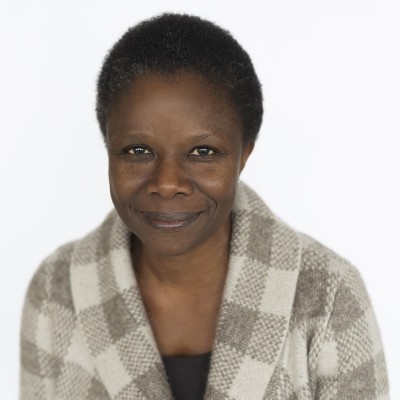
Elaine SwanView profile
Associate Professor
Dr. Elaine Swan is a Reader in Feminist Food Studies within the Management department at the University of Sussex Business School. With a distinguished career spanning over two decades, her scholarly work bridges critical race theory, feminist studies, and organizational behavior through the lens of food practices and diversity initiatives. Her educational background includes a PhD in Sociology from Lancaster University, an MA in Management Learning (also from Lancaster), an MA in Equality and Diversity from the University of Central Lancashire, and a BA from the University of Birmingham. She has also completed professional training including a Certificate in Networked Learning and a Diploma in Career Counselling. Dr. Swan's research focuses on three interconnected areas: Critical race and feminist food studies, which examines how foodwork intersects with gender, race, and class hierarchies; Critical diversity studies, which brings critical perspectives to workplace diversity practices; and Psy cultures in the workplace, which analyzes psychological practices like coaching through feminist and critical race theories. Her publication record shows a consistent trajectory toward increasingly intersectional analyses of food, work, and diversity, with recent work focusing on mediated whiteness, food hospitality activism, and the racialized dimensions of feminist organization studies. She has secured significant research funding including a major BBSRC grant on sustainable food systems for disadvantaged communities. Reader in Feminist Food Studies (Management), University of Sussex Business School PhD in Sociology, Lancaster University Author of numerous influential publications at the intersection of food, race, gender, and organizations Principal investigator on major research grants including BBSRC-funded projects Recognized for critical contributions to diversity studies and feminist food scholarship Dr. Swan's work demonstrates how everyday food practices serve as critical sites for understanding power dynamics in organizations and society. Her research has important implications for creating more just food systems and workplace environments that genuinely address intersecting inequalities rather than merely managing diversity as a superficial organizational concern.