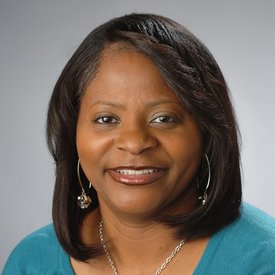
Shiho Satsuka is an Associate Professor of Anthropology at the University of Toronto, Canada, specializing in sociocultural anthropology with regional expertise in East Asia and North America. Her research focuses on the politics of knowledge production , cultural translation of nature , and capitalism-environment relations . She is currently developing a book project titled The Charisma of Wild Mushrooms: Undoing the Long Twentieth Century , examining how mushroom science can destabilize industrial modernity. Ph.D. in Anthropology (University of California, Santa Cruz, 2004) Her ethnographic work spans: Transnational translation of ecological knowledge in Japanese tourism (book: Nature in Translation , Duke 2015) Satoyama forest revitalization movements Matsutake mushroom's role in reimagining interspecies coexistence Comparative studies of Canadian multiculturalism and Japanese coexistence models Publications demonstrate trends in: Multispecies entanglements Environmental knowledge pluralism Decolonizing scientific frameworks Ontological multiplicity in cultural analysis Anthropocene ethnography Collaborative research methodologies Awards and grants include: SSHRC Insight Grant (2016-2022) for Matsutake Worlds research Carson Fellowship (2012) at Rachel Carson Center She supervises graduate students in areas of environmental anthropology and science studies while maintaining a collaborative research network across Japan, North America, and Europe.
Margaret Shih is the Neil H. Jacoby Chair in Management and a professor of management and organizations at UCLA Anderson School of Management. On July 1, 2025, she was appointed the school's interim dean. She has been a faculty member at UCLA Anderson since 2008 and previously served on the faculty at the University of Michigan for eight years and worked at the RAND Corporation. Her educational background includes a Ph.D. and M.A. in Social Psychology from Harvard University and a B.A. in Psychology with honors from Stanford University. Professor Shih's research focuses on the effects of diversity in organizations, particularly examining social identity and the psychological effects of stereotypes, prejudice, discrimination, and stigma in organizational contexts. Her work spans organizational behavior, social psychology, and diversity studies, with significant contributions to understanding how identity affects workplace dynamics, leadership, and decision-making. She has recently published research on the influence of political polarization on perceptions of threats to democracy. Her scholarly work demonstrates consistent exploration of how individuals navigate multiple identities in organizational settings, with particular attention to colorblind diversity policies, stereotype activation mechanisms, and strategies for reducing stigma in workplaces. Her research has evolved from foundational work on stereotype boost effects to more complex examinations of multiracial identity and organizational inclusion strategies. 2017 La Force Award for Leadership 2017 Niedorf Decade Teaching Award 2011 Fulbright Award 2006 Literature, Sciences and Arts Class of 1934 Memorial Teaching Award, University of Michigan 2006 Literature, Sciences and Arts Award for Educational Excellence, University of Michigan 2005 Outstanding Scholar Honor, National Science Council, Taiwan 2003 Martin E.P. Seligman Award for Outstanding Dissertation Research in Positive Psychology 1998-1999 Certificate of Distinction in Teaching, Derek Bok Center for Teaching and Learning, Harvard University Professor Shih has received substantial research funding from prestigious organizations including the National Science Foundation, National Institute of Mental Health, Social Sciences and Humanities Research Council of Canada, John Templeton Foundation, and the Robert Wood Johnson Foundation. Her administrative roles have included serving as Management and Organizations department chair, deputy dean of academic affairs (where she recruited five new ladder faculty and updated Anderson bylaws), and faculty special advisor in the UCLA Office of Equity, Diversity and Inclusion. She serves on the executive committee for the International Society for Self and Identity and is a consulting editor for the Journal of Personality and Social Psychology and Personality and Social Psychology Bulletin. Her laboratory work and research teams focus on understanding how systems contribute to different types of inequities and how bureaucratic obstacles impede equity, diversity, and inclusion initiatives. She has been instrumental in developing frameworks for identity management strategies in organizational contexts and examining how political polarization affects workplace dynamics.
Dr Tanya Tierney serves as Assistant Dean, Clinical Communication at the Lee Kong Chian School of Medicine, Nanyang Technological University. She is a资深 medical educator specializing in patient-centered communication and simulation-based teaching methodologies. Previously, she held roles at Imperial College London, including Course Leader for Clinical Communication and Head of Year for Graduate Entry Medicine students. Her expertise includes simulated patient (SP) training, curriculum development, and student welfare initiatives. Dr Tierney holds a PhD in Neuroendocrinology from the National Institute for Medical Research (1998) and transitioned to medical education research in 2004. Her work focuses on simulation-based learning, ethnographic approaches to non-technical skills development, and stress management in healthcare settings. Key contributions include developing assessment tools like the Imperial Stress Assessment Tool (ISAT) and advancing hybrid simulation methodologies. Her research portfolio spans over two decades, with recent emphasis on empathy development in healthcare professionals, global perspectives on equity in medical education, and optimizing simulated participant programs. She has authored numerous studies on clinical communication, surgical training, and interprofessional collaboration.
Chitra Raghavan is a tenured full professor and clinical psychologist at John Jay College of Criminal Justice, CUNY. She serves as Professor of Psychology, Director of the Forensic Mental Health Counseling Program, and Coordinator of Victimology Studies in Forensic Psychology. Her expertise spans trauma and abuse, human trafficking, intimate partner violence, and forensic evaluations. She holds a Ph.D. in Community and Clinical Psychology from the University of Illinois (1998) and a B.A. from Smith College (1992). Education: 2000: Postdoctoral Fellowship, Yale University School of Medicine 1998: Ph.D., University of Illinois at Urbana-Champaign 1995: M.A., University of Illinois at Urbana-Champaign 1992: B.A., Smith College (Magna Cum Laude) 1990–1991: Université Paris V (Smith Junior Year Abroad) Research Interests: Coercive control, sex trafficking, trauma bonding, multicultural assessment, and integrating Eastern psychological principles into forensic practice. She has authored over 50 articles and two books on gender justice, domestic violence, and self-determination in Muslim communities. Media and Awards: Named “New York’s New Abolitionists” (2014) by the New York State Anti-Trafficking Coalition Featured in The New York Times , MSNBC, and podcasts like Prevention is Now and Schein On . Teaching and Outreach: Teaches courses across BA, MA, and PhD programs in forensic psychology, trauma, and gender studies. Leads study abroad programs in Bali (cultural self-study) and Morocco (gender and feminism in non-Western contexts). Collaborates with Dr. Jennifer Pipitone on pedagogy and global psychology education. Labs/Teams: Active in research partnerships and case law contributions, including shaping New York State rulings through expert testimony (e.g., 2018 case law).
Dr. Laurel Young is a Professor in the Department of Creative Arts Therapies at Concordia University, specializing in music therapy with a focus on gerontology, palliative care, and neurodiverse populations. She holds certifications in the Bonny Method of Guided Imagery and Music (FAMI) and has over 23 years of clinical experience across geriatrics/dementia, oncology, HIV care, and developmental disabilities. Her roles have included Professional Leader of Creative Arts Therapies at Sunnybrook Health Sciences Centre and teaching positions at Wilfrid Laurier University and Temple University. Dr. Young’s research spans multicultural competence in therapy, ethical frameworks, and the intersection of music with health and well-being. Key themes include end-of-life care for dementia patients, singing groups for autistic adults, and bereavement support through music. She has published extensively in peer-reviewed journals and books, including editorial leadership for Barcelona Publishers’ Qualitative Inquiries in Music Therapy Monograph Series (2012–2013). Her work emphasizes bridging research and clinical practice, with a focus on marginalized groups such as older adults, individuals with disabilities, and those facing chronic illnesses. Awards include the 2014 CAMT Research & Publications Award and teaching accolades from Wilfrid Laurier and Temple Universities. Current projects explore AI-assisted therapeutic technologies and community-based music interventions.
Dana Minbaeva is Professor of Strategic Human Capital at King's Business School, King’s College London, UK, and holds a part-time appointment at Copenhagen Business School, Denmark. She is a leading scholar in International Human Resource Management and Strategic Human Capital, with extensive contributions to top-tier journals and global academic leadership. Professor, King's Business School, King’s College London Part-time Faculty, Copenhagen Business School Associate Editor, Academy of Management Review Her research centers on strategic HRM, talent management, knowledge transfer, and institutional dynamics in multinational enterprises, particularly in emerging markets. She explores how human capital is leveraged across borders, the role of informal networks, and the impact of crises like COVID-19 on HR practices. Her work integrates micro-foundational perspectives with macro-level institutional contexts. Recent publications highlight evolving themes in HR analytics, diversity and inclusion, and the disruption of traditional HR models through digital transformation and global crises. Her research consistently appears in premier journals such as Academy of Management Review , Journal of International Business Studies , and Human Resource Management . Fellow of the Academy of International Business (AIB) Recipient of the JIBS Decade Award 2013 Dana Minbaeva actively supervises research, leads funded projects such as the ESRC study on diversity management transfer in Pakistan, and contributes to executive education and MBA teaching across Europe. She is also the founder of Nordic Human Capital Advisory ApS, bridging academic insight with practical application. Her work engages with UN Sustainable Development Goals related to decent work and economic growth, and she has led initiatives on diversity, inclusion, and workforce analytics.
Erin Barnes is a Clinical Associate Professor in the Department of Counselor Education at the University of Iowa’s College of Education. She holds a PhD from the University of Iowa and is credentialed as both a Certified Rehabilitation Counselor (CRC) and National Certified Counselor (NCC). Her career spans over 10 years in higher education teaching and clinical practice, with expertise in rehabilitation counseling, mental health advocacy, and homeless individuals’ well-being. Barnes focuses on experiential learning methods to enhance student skills in clinical mental health and rehabilitation contexts. Education: Barnes earned her undergraduate and graduate degrees from the University of Iowa, with specializations in counselor education and rehabilitation. Research Interests: Her work addresses diversity in counseling professions, psychopathology assessment, educational equity for marginalized groups, and culturally sensitive rehabilitation practices. She emphasizes the intersection of mental health, disability, and socioeconomic factors in her scholarship. Awards: Barnes has received notable recognition, including the 2023 Collegiate Teaching Award and the Rehabilitation Counseling Alumnus of the Year Award (2017). Her leadership development includes participation in the HERS Leadership Institute and the National Research Mentor Network (NRMN). Grants & Advising: Barnes directs grants focused on telemental health, community-engaged practice, and opioid epidemic response. She collaborates on projects like the Center for Community-Engaged Practice and Research for Counselor Educators and the Opioid Workforce Expansion Program. Her mentorship emphasizes inclusive pedagogy and supporting high-achieving, low-income students. Labs/Teams: She leads initiatives through the University of Iowa’s Center for Community-Engaged Practice and Research, fostering partnerships between academic programs and community agencies to address mental health and disability challenges.
Dr. Harry M. Benshoff serves as Media Theory Chair and Professor at the University of North Texas, where he teaches diverse film studies courses including Film and Television Analysis , African American Film , and specialized seminars on horror cinema and queer theory. His academic home resides within UNT's film program, though specific school/departmental affiliations remain unstated in source materials. His educational journey began with a BA in English from Franklin and Marshall College (1985), followed by graduate work at the University of Southern California's School of Cinema-Television where he earned MA and PhD degrees in Critical Studies after leaving Jefferson Medical College. Prior to UNT, he taught at UC Santa Cruz for three years. Benshoff's research critically examines intersections of identity and media through lenses of film genres, history, and theory. He pioneers scholarship on marginalized representations—particularly homosexuality in horror films ( Monsters in the Closet ), race/class/gender dynamics ( America on Film ), and LGBTQ+ cinema history ( Queer Images ). His work consistently bridges academic theory with cultural analysis of fan communities and cinematic trends. Publication trends reveal enduring focus on horror and queer cinema since 1997, evolving toward comprehensive analytical frameworks in recent works like Film and Television Analysis (2015). These texts establish recurring themes: deconstruction of identity tropes, historical contextualization of marginalized voices, and methodological innovations in media criticism. Scientific Awards: No awards documented in source materials. As an educator, Benshoff mentors students through graduate seminars in qualitative media theory and specialized film author courses examining directors like Cronenberg and Fellini. His collaborative scholarship with Sean Griffin—including co-authored books and edited collections—demonstrates sustained academic partnerships, though specific grant funding remains unmentioned. No dedicated research laboratories or formal teams are referenced in the provided text.
Anita L Lightburn is an Associate Teaching Professor in the Department of Communication Sciences and Disorders at Syracuse University's College of Arts & Sciences. She serves as a clinical supervisor at the Gebbie Speech-Language-Hearing Clinic. Her expertise focuses on communication disorders in children, particularly bilingualism, multicultural issues in speech-language pathology, and fluency disorders. She holds TESOL certification and has contributed to programs addressing BIPOC graduate student success. Education: M.S., Speech-Language Pathology, Syracuse University (1991) B.S., Communication Sciences & Disorders, Syracuse University (1990) Research Interests: Clinical and research efforts emphasize culturally responsive practices for children with communication disorders, including autism spectrum disorder and stuttering. Recent work addresses Hispanic family experiences and multicultural program development in academia. Recent Contributions: Published in Research in Developmental Disabilities and Teaching and Learning in Communication Sciences and Disorders . Presented at ASHA and NBASLH conferences on BIPOC student support programs and stuttering interventions. Service & Leadership: Coordinator of Speaking Orange Fluency Summer Camp for children who stutter Committee member for Student Diversity & Success in CSD Panelist for WISE Women of Color in STEM and DePaul University's Black History Month Labs/Teams: Active in the Gebbie Speech-Language-Hearing Clinic and the Speaking Orange Fluency Program.
Xenia Chryssochoou is a Professor of Social and Political Psychology at Panteion University of Social and Political Sciences in Athens, Greece. She holds a PhD from the University of René Descartes-Paris V (1996) and has held academic positions across France, Switzerland, the UK, and Greece. Currently, she directs the Social and Political Psychology Lab and serves as Vice President of the Scientific Council of the Hellenic Foundation for Research and Innovation. Education PhD in Psychology, University René Descartes-Paris V (1996) Masters/Undergraduate degrees in Psychology, University of Athens Research Interests Social and political identity construction in liberal societies Multiculturalism, migration, and integration challenges Political participation and crisis response mechanisms European integration dynamics and national identities Her research emphasizes societal cohesion and conflict in multicultural environments, with a focus on identity processes during crises. Over 36 peer-reviewed articles and 4 authored books reflect her work on inequality, globalization perceptions, and collective action. Editorial Roles Associate Editor, International Review of Social Psychology (2015–2018) Consulting Editor, Journal of Social and Political Psychology Guest Editor for special issues on political engagement and globalized societies Labs/Teams Director of the MSc program in Social Psychology of Conflicts and the university’s Social and Political Psychology Lab.
Roy CHUA is a Professor of Organisational Behaviour & Human Resources and Associate Dean for Post-Experience Postgraduate Programmes at the Lee Kong Chian School of Business, Singapore Management University. He holds a Ph.D. in Management (Organizational Behavior) from Columbia University and has held academic positions at Harvard Business School and Singapore Management University since 2008. His research focuses on creativity, cross-cultural management, leadership, and innovation in organizational contexts, particularly in Asian business ecosystems. Education: Ph.D., Management (Organizational Behavior), Columbia University (2008) M.A., Philosophy, Columbia University (Year not specified) B.Sc., First Class Honors, Computer and Information Services, National University of Singapore (1998) Research Interests: Dr. Chua's work examines how cultural factors influence creativity and innovation, including studies on cultural tightness, intercultural collaboration, and trust dynamics in global business environments. He has conducted groundbreaking research on gender disparities in creative processes and the impact of cultural diversity on organizational outcomes. His empirical studies often combine quantitative analysis with qualitative insights from multinational corporations and institutional data. Awards: Best Reviewer Award - Academy of Management Journal (2017) Multiple teaching awards including 'Mind Opener' MBA Award (2016) Academic excellence scholarships including Asia Life Gold Medal (1997) Research grants from Columbia University CIBER and other institutions Advising & Grants: Supervises doctoral candidates in General Management and DBA programs Lead researcher on projects funded by Singapore Management University and international grants Collaborations with institutions like MIT Sloan and Harvard Business School Labs/Teams: Leads research initiatives in organizational creativity and cross-cultural management at Lee Kong Chian School of Business, with active participation in global academic networks focused on Asia-Pacific business strategies.
Jerome Rousseau is a Professor of Anthropology at McGill University, specializing in the study of indigenous societies of Borneo. He holds a B.Sc., M.A., and Ph.D. in Anthropology from Université de Montréal (1968, 1969) and the University of Cambridge (1974). His research focuses on cultural anthropology, social stratification, and religious practices among Borneo communities, including the Kayan and Kenyah peoples. Key themes include ancestral rituals, social organization, and the impact of historical and colonial processes on indigenous cultures. Education: B.Sc. in Anthropology, Université de Montréal (1968) M.A. in Anthropology, Université de Montréal (1969) Ph.D. in Anthropology, University of Cambridge (1974) Research Interests: Rousseau’s work explores the intersection of cultural identity, social structure, and historical change in Southeast Asia. He has conducted extensive fieldwork on topics such as Kayan religion, Borneo nomadism, and the dynamics of ethnic communities. His analyses often address themes like reciprocity, ritual practices, and the evolution of social inequality in indigenous societies. Publications: His prolific output includes monographs and articles on Borneo ethnography, such as Kayan Religion (2022), Brief Encounter: Reciprocity Between Inuit Hunters and Martin Frobisher (2009), and Rethinking social evolution: the perspective from middle-range societies (2006). These works highlight his expertise in cultural evolution, ritual systems, and colonial interactions. Awards: No scientific awards explicitly listed in the provided texts. Advising & Grants: No specific advisees or grants are mentioned in the text. His contributions are primarily through research and publications. Labs/Teams: No formal lab or team affiliations are noted, though his work engages with broader anthropological networks and field research collaborations.
Prof. Thomas Schillemans is a Professor of Public Governance at Utrecht University School of Governance, specializing in accountability mechanisms, behavioral public administration, and governance dynamics. He holds a professorial position in the Department of Public Governance and Management, focusing on how public sector organizations interact with stakeholders, particularly regarding trust, control, and media influence. His work integrates behavioral science insights into governance research, emphasizing practical implications for policy design and institutional accountability. Research Interests: Public Accountability and Governance Behavioral Effects in Public Policy Media Impact on Bureaucracy Comparative Governance Studies Trust and Control in Organizations Articles Trends: Recent work explores accountability styles across Europe, nonpunitive accountability mechanisms, and the behavioral dimensions of governance. Key themes include experimental approaches to accountability effectiveness, multi-stakeholder dynamics, and regulatory judgment quality under populist pressures. Advising/Grants: No specific grants or advisee lists are publicly detailed, though his research often involves collaborative international studies. He contributes to policy discussions through academic publications and public lectures. Labs/Teams: Active in cross-disciplinary projects on behavioral public policy and institutional accountability, though no named lab affiliations are explicitly stated.
Katrin Leifels is a Lecturer in Construction Management at RMIT University's School of PCPM. Her research focuses on occupational health, stress prevention, mental wellbeing, and psychosocial work aspects. She also explores human resource management, cultural diversity in teams, and workplace safety. Katrin holds a PhD and has received scholarships during her postgraduate studies, alongside industry-focused research grants. She has extensive teaching experience across RMIT and universities in Germany and China, and previously led projects at a German research institute, with industry experience in automotive and aviation sectors. Her teaching responsibilities include courses such as 'The Psychosocial Work Environment' and 'Work Health and Safety Intervention Project.' Katrin actively presents at international conferences and collaborates with industry partners. Her work spans construction safety, intercultural teamwork dynamics, and the impact of university environments on staff wellbeing. She is open to supervising Masters and PhD students. Research highlights include analyzing stressors in multicultural teams, cultural intelligence in global workforces, and systematic reviews on psychological harm in construction. Her contributions emphasize practical solutions for workplace mental health and safety, bridging academic research with industry applications.
Prof. Julia van Weert is a Professor of Health Communication at the Faculty of Social and Behavioural Sciences of the University of Amsterdam. Her research focuses on improving patient-provider communication through digital health interventions, shared decision-making processes, and health equity. Specializing in areas such as AI applications in healthcare, cancer care communication, and falls prevention in older adults, her work bridges communication science with practical healthcare challenges. She leads projects like the SNOWDROP initiative, which uses big data to empower seniors in managing medication-related fall risks. Her studies frequently address barriers to effective communication in multicultural healthcare settings and the impact of online health information on patient outcomes. Key collaborations include work with Amsterdam UMC and ASCoR, emphasizing user-centered design for clinical decision support systems. Her expertise spans health literacy, pandemic communication during crises, and the role of mental wellbeing in health messaging. Notable projects include systematic reviews on decision aids for older adults and longitudinal studies on media consumption patterns during the COVID-19 pandemic. Prof van Weert’s research integrates qualitative and quantitative methods, often involving cross-disciplinary teams to address complex healthcare communication challenges. She has contributed to the development of clinical tools like the ADFICE_IT system for deprescribing fall-risk drugs and the Online Value Clarification Tool for early-phase clinical trials. Her work emphasizes translating academic findings into actionable strategies for improving healthcare delivery and patient empowerment across diverse populations.