Amy Bruckman is a Regents’ Professor and Senior Associate Chair in the School of Interactive Computing at Georgia Institute of Technology. As a Fellow of The ACM and member of the SIGCHI Academy , she contributes to social computing research focusing on online collaboration, cross-cultural understanding, and content moderation. Her 2022 book "Should You Believe Wikipedia? Online Communities and the Construction of Knowledge" explores digital knowledge creation. Education: Ph.D. from MIT Media Lab (1997), B.A. in Physics from Harvard (1987) Research Affiliations: GVU Center, IRI People and Technology Her work addresses social computing challenges including: AI ethics in human-AI interaction Algorithmic bias in content moderation Epistemic justice in online communities Comparative platform analysis (Reddit, Discord, TikTok) Grassroots technology movements Recent publications examine: AI support tools for online counseling Community-driven research frameworks Racial bias mitigation in toxic language detection Designing teachable social media experiences Human trafficking intervention ethics Scientific recognition includes: ACM Fellowship SIGCHI Academy membership She has contributed to: Georgia Tech's Computing Education initiatives Research ethics frameworks for Human-Computer Interaction
Fiona Lee is the Arthur F. Thurnau Professor of Psychology at the University of Michigan, with affiliations in Organizational Studies and the Advisory Committee. She holds a Ph.D. from Harvard University. Her research focuses on three core areas: Identity Integration (how individuals navigate multiple identities), Power Dynamics (effects of power on behavior), and Cultural Differences (impact of cultural contexts on organizations and individuals). She teaches courses on Organizational Psychology and Research Methods in Personality/Social Contexts. Lee’s work bridges social psychology and organizational behavior, emphasizing multicultural experiences and adaptation. Her recent studies explore refugee well-being, racial discrimination coping strategies, and the role of family in resettlement processes. Notably, she investigates how cultural identity integration influences creativity, decision-making, and social tolerance. Her publications span cross-cultural communication, biculturalism, and institutional barriers faced by minorities. Lee’s research often combines qualitative and quantitative methods to address real-world challenges in workplace dynamics and global mobility.
Richard Caplan is Professor of International Relations at the Department of Politics and International Relations (DPIR), University of Oxford, and an Official Fellow of Linacre College. His academic career spans several decades with significant contributions to the field of international relations, particularly in the areas of international organizations, conflict management, and peacebuilding. Professor Caplan holds an MA and PhD from the University of London. His academic journey has included visiting positions at prestigious institutions including the European University Institute (EUI), University of Konstanz, University of Pavia, Princeton University, and Sciences Po (Paris). Professor Caplan's principal research interests focus on international organizations and conflict management, with particular emphasis on peacekeeping and post-conflict peace- and state-building. His work explores critical questions about how international institutions manage conflicts, the effectiveness of peacekeeping operations, and the complex processes of rebuilding societies after conflict. His research has significantly contributed to understanding the challenges of measuring peace, the dynamics of international administration in war-torn territories, and the recognition of new states in contested contexts. Professor Caplan has received considerable recognition for his scholarly contributions through fellowships and grants from leading organizations including the British Academy, the British Council, the Carnegie Corporation of New York, the Economic and Social Research Council (ESRC), the Folke Bernadotte Academy, the John Fell OUP Research Fund, the Leverhulme Trust, the MacArthur Foundation, the Oxford Martin School, and the US Institute of Peace. As a dedicated educator and mentor, Professor Caplan has supervised numerous graduate students including Ishrat Hossain, Ebenezer Azamati, Michaela Coplen, Lucy Maycox, John Helferich, Gwendolyn Whidden, Alejandro Posada Téllez, Colm Trant, Salma Daoudi, Nadila Ali, and Katharina Engel. His current research focuses on the aftermath of UN peacekeeping operations through the ESRC-funded "After Exit" project, which investigates conditions in countries following the withdrawal of large-scale UN peacekeeping missions. Professor Caplan leads the "After Exit" research team, which includes collaborators from Oxford, Cornell University, and the University of North Carolina at Wilmington. Previously, he contributed to the Oxford Martin Programme on Transboundary Resource Management, which explored cross-border cooperation on natural resource management in the eastern Nile River Basin and the Jordan River Basin.
Silvia Pedraza is a Professor of Sociology and American Culture at the University of Michigan, Ann Arbor. She holds a joint appointment in the Departments of Sociology and American Culture, and is an affiliate of the Latina/o Studies Program. Her research focuses on international sociology, inequalities, politics, and historical approaches, with particular emphasis on immigration, race, ethnicity, revolutions, and refugees. Her studies center on the United States, Cuba, Venezuela, Mexico, Puerto Rico, and Spain. Education: Ph.D., University of Chicago M.A. and B.A., University of Michigan, Ann Arbor Her research explores migration as a transformative process for nations, examining political disaffection in revolutionary contexts and the role of refugee movements. Key works include Political Disaffection in Cuba's Revolution and Exodus and Revolutions in Cuba and Venezuela: One Hope, Two Realities . She also investigates transnationalism, gender, and the sociopolitical dynamics of immigration policies. Her articles analyze topics such as Cuban immigrant transnationalism, the sociocultural future of Cuba, and the intersection of race, migration, and identity. Recent work addresses contemporary crises in Cuba and U.S.-Cuba diplomatic relations. Affiliations & Leadership: Associate Editor, Social Science History Former Chair of ASA Sections (Latina/o Sociology, Race and Ethnic Minorities) Former President, Association for the Study of the Cuban Economy (ASCE) Executive Committee Member, Social Science History Association (SSHA) Teaching & Academic Contributions: She teaches courses on American immigration history, Latinas/os in the U.S., and sociological perspectives on transformative migration. Her work bridges historical and contemporary analyses, emphasizing comparative methodologies. She has organized interdisciplinary initiatives, such as a Cuban Studies dossier on Cuba's transitional dynamics.
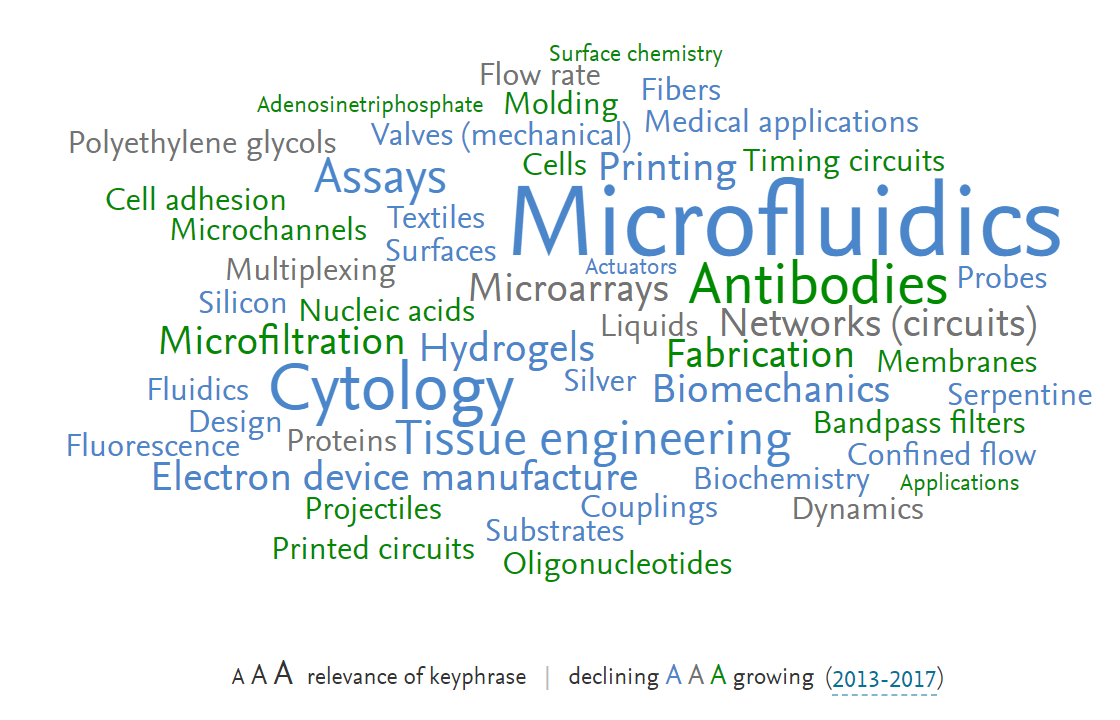
David Juncker is a Professor and Department Chair of the Department of Biomedical Engineering at McGill University. He serves as a Principal Investigator at the McGill University & Genome Quebec Innovation Centre and holds associate memberships in the Department of Neurology and Neurosurgery, Department of Electrical and Computer Engineering, Division of Experimental Medicine, Department of Surgery, and Goodman Cancer Research Centre. His research focuses on micro- and nano-bioengineering technologies for bioanalysis, precision medicine, and organs-on-chips. Key areas include microfluidics, lab-on-a-chip devices, biomedical sensors, medical diagnostics, biomaterials, tissue engineering, and cancer biomarker discovery. His lab develops scalable antibody microarrays, self-powered diagnostic platforms, microfluidic probes for brain tissue perfusion, and nanogradients for neuronal navigation, with applications in cancer diagnostics, global health, and neuroscience. Recent publications (2023-2025) reveal strong emphasis on extracellular vesicle analysis, single-cell proteomics, 3D-printed microfluidic/organ-on-a-chip systems, and capillary-driven circuits. Key trends include low-cost point-of-care diagnostics, advanced circulating tumor cell isolation methods, and biomimetic synthetic vesicles for drug delivery, demonstrating translational potential in early disease detection. Dr. Juncker leads a highly interdisciplinary team comprising undergraduate and graduate students, post-doctoral fellows, and staff from diverse scientific, engineering, and cultural backgrounds. His lab actively recruits Canadian/permanent resident graduate students for projects on single extracellular vesicle and protein detection in cancer and infectious diseases, leveraging microfluidics and wearables for biomarker discovery. The Juncker Lab operates from the McGill University & Genome Quebec Innovation Centre (740 Dr. Penfield Avenue, Room 6206). It maintains a collaborative, multicultural environment focused on developing transformative micro- and nano-bioengineering technologies with significant potential impact on human health diagnostics and treatment.
Ana Maria Velez is an Associate Professor at the Department of Entomology, University of Nebraska-Lincoln. Her research focuses on insect responses to chemical stressors, particularly RNA interference (RNAi) and Bt toxins for pest management. With a 80% research and 20% teaching appointment, she leads the Insect Toxicology Lab and teaches courses like 'Toxins in the Environment' and 'Insecticide Toxicology.' Education: Ph.D. in Entomology, University of Nebraska-Lincoln, 2013 M.S. in Entomology, Universidad Nacional de Colombia, 2009 B.S. in Biology, Pontificia Universidad Javeriana, Colombia, 2006 Her research spans molecular, organismal, and population levels to evaluate transgenic crops and RNAi technologies. Key areas include resistance mechanisms, non-target effects, and risk assessment frameworks. She has extensive publications on western corn rootworm and fall armyworm, emphasizing sustainable pest control. Her work also addresses sublethal impacts on non-target species like monarch butterflies and honeybees. Recent articles highlight RNAi delivery optimization, Bt resistance dynamics, and ecological impacts of insecticides. Her lab collaborates on patents for RNAi-based pest suppression methods targeting chromatin remodeling and developmental genes. Scientific Awards Distinguished Multicultural Alumni (2019) DuPont Young Professor Award (2016) International Congress of Entomology Travel Awards (2016) Widaman Trust Distinguished Graduate Assistant (2011) Milton E. Mohr Teaching Fellowship (2012) The Vélez Arango Lab investigates durability and safety of insect control technologies, with emphasis on RNAi and Bt crops. Their work informs integrated pest management (IPM) systems and regulatory frameworks.
Margaret Shih is the Neil H. Jacoby Chair in Management and a professor of management and organizations at UCLA Anderson School of Management. On July 1, 2025, she was appointed the school's interim dean. She has been a faculty member at UCLA Anderson since 2008 and previously served on the faculty at the University of Michigan for eight years and worked at the RAND Corporation. Her educational background includes a Ph.D. and M.A. in Social Psychology from Harvard University and a B.A. in Psychology with honors from Stanford University. Professor Shih's research focuses on the effects of diversity in organizations, particularly examining social identity and the psychological effects of stereotypes, prejudice, discrimination, and stigma in organizational contexts. Her work spans organizational behavior, social psychology, and diversity studies, with significant contributions to understanding how identity affects workplace dynamics, leadership, and decision-making. She has recently published research on the influence of political polarization on perceptions of threats to democracy. Her scholarly work demonstrates consistent exploration of how individuals navigate multiple identities in organizational settings, with particular attention to colorblind diversity policies, stereotype activation mechanisms, and strategies for reducing stigma in workplaces. Her research has evolved from foundational work on stereotype boost effects to more complex examinations of multiracial identity and organizational inclusion strategies. 2017 La Force Award for Leadership 2017 Niedorf Decade Teaching Award 2011 Fulbright Award 2006 Literature, Sciences and Arts Class of 1934 Memorial Teaching Award, University of Michigan 2006 Literature, Sciences and Arts Award for Educational Excellence, University of Michigan 2005 Outstanding Scholar Honor, National Science Council, Taiwan 2003 Martin E.P. Seligman Award for Outstanding Dissertation Research in Positive Psychology 1998-1999 Certificate of Distinction in Teaching, Derek Bok Center for Teaching and Learning, Harvard University Professor Shih has received substantial research funding from prestigious organizations including the National Science Foundation, National Institute of Mental Health, Social Sciences and Humanities Research Council of Canada, John Templeton Foundation, and the Robert Wood Johnson Foundation. Her administrative roles have included serving as Management and Organizations department chair, deputy dean of academic affairs (where she recruited five new ladder faculty and updated Anderson bylaws), and faculty special advisor in the UCLA Office of Equity, Diversity and Inclusion. She serves on the executive committee for the International Society for Self and Identity and is a consulting editor for the Journal of Personality and Social Psychology and Personality and Social Psychology Bulletin. Her laboratory work and research teams focus on understanding how systems contribute to different types of inequities and how bureaucratic obstacles impede equity, diversity, and inclusion initiatives. She has been instrumental in developing frameworks for identity management strategies in organizational contexts and examining how political polarization affects workplace dynamics.
Mizuki Mazzotta is an Assistant Teaching Professor in the Department of Russian and East Asian Languages and Cultures at Emory University, where she also serves as Japanese Language Coordinator. Her academic journey includes a Ph.D. in Applied Linguistics from Georgia State University (2018) and M.A. degrees in Linguistics (McGill University) and Applied Linguistics (University of South Florida). Her research focuses on instructed second language acquisition, particularly the role of affect and sociocultural theory in L2 learning. She has extensive experience teaching Japanese language courses and mentoring students at Emory and previous institutions like Georgia State University. Education: Ph.D., Applied Linguistics, Georgia State University (2018) M.A., Linguistics, McGill University (2005) M.A., Applied Linguistics, University of South Florida (1997) B.A., English Literature, Soka University (1995) Research Interests: Instructed Second Language Acquisition Corrective Feedback in L2 Writing Sociocultural Theory in Language Education Learner Affect and Motivation Technology-Enhanced Language Learning Cultural Awareness in Language Instruction Awards & Grants: Recipient of multiple grants including the KAKENHI Grant (Japan), Mellon Humanities Pathways Grant, and Emory College Pedagogy Mini-Grant. Member of honor societies: Phi Beta Delta and Golden Key International. Service & Leadership: Executive Committee Member, Emory College Language Center Organizer of Japanese Program Guest Speaker Talks and Cultural Events Reviewer for Language Teaching Research and other academic journals Interviewer for the Japan Exchange Teaching Program Teaching & Mentorship: Instructor of Japanese language courses at Emory and Georgia State University Developer of study abroad programs in Japan and internship collaborations Mentor for Japanese interns and temporary faculty
Aida Hajro is a Professor of International Business at the University of Leeds and holds a Visiting Professor position at the Institute for Human Resource Management at the Vienna University of Economics and Business . Her research focuses on the intersection of migration, organizational behavior, and sustainable development. Primary affiliation: University of Leeds Secondary affiliation: Vienna University of Economics and Business Research Interests: Organizational integration of migrant workers Human resource management in migration contexts Sustainable development goals (particularly Decent Work and Reduced Inequalities) Migration's impact on global business systems Cross-cultural team dynamics Social sustainability in business practices Recent Publication Trends: Her work examines migration's influence on business education, organizational diversity climates, and sustainable development frameworks. Key subfields include multicultural team effectiveness, SDG implementation, and migration policy adaptation in business settings. Scientific Awards: Academy of Management Review Outstanding Reviewer Award Academy of Management IMD Robert H. Schaffer Award British Academy of Management Award Academic Engagement: She serves on editorial boards for Academy of Management Review , Journal of International Business Studies , and Journal of World Business . As co-founder of Migration, Business & Society , she actively contributes to World Bank Group and World Economic Forum initiatives.
France Winddance Twine is a Professor of Sociology at the University of California, Santa Barbara (UCSB), with affiliations at Cambridge University's Sociology of Reproduction research group. She holds a Ph.D. from UC Berkeley and has held prior positions at Duke University and the University of Washington, where she founded the Latin American Studies unit in the Jackson School of International Studies. Her work focuses on intersectional analyses of race, gender, technology, and inequality, particularly through ethnographic and visual methodologies. Education: Ph.D. in Sociology, UC Berkeley Key Research Areas: Racial literacy, queer reproduction, tech industry inequality, feminist science studies, visual sociology Twine's research bridges multiple disciplines, addressing global racial formations, digital labor markets, and anti-racist strategies. Her concept of 'racial literacy' emphasizes intellectual and cultural practices countering anti-Black racism. Recent work examines Silicon Valley's caste systems and barriers faced by women and minorities in tech. Awarded the 2020 ASA Race, Gender & Class Distinguished Career Award, she also secured a $225K Mellon Foundation grant for interdisciplinary seminars on migration and race. She founded UCSB's Technologies for Justice Lab, fostering collaborations between humanities/social sciences and STEM fields to advance equity in technology. Teaching includes courses on digital technologies, racial justice, and ethnographic methods. Her eleven authored/edited books include A White Side of Black Britain (2010) and Geek Girls: Inequality and Opportunity in Silicon Valley (2022).
Prof. Thomas Schillemans is a Professor of Public Governance at Utrecht University School of Governance, specializing in accountability mechanisms, behavioral public administration, and governance dynamics. He holds a professorial position in the Department of Public Governance and Management, focusing on how public sector organizations interact with stakeholders, particularly regarding trust, control, and media influence. His work integrates behavioral science insights into governance research, emphasizing practical implications for policy design and institutional accountability. Research Interests: Public Accountability and Governance Behavioral Effects in Public Policy Media Impact on Bureaucracy Comparative Governance Studies Trust and Control in Organizations Articles Trends: Recent work explores accountability styles across Europe, nonpunitive accountability mechanisms, and the behavioral dimensions of governance. Key themes include experimental approaches to accountability effectiveness, multi-stakeholder dynamics, and regulatory judgment quality under populist pressures. Advising/Grants: No specific grants or advisee lists are publicly detailed, though his research often involves collaborative international studies. He contributes to policy discussions through academic publications and public lectures. Labs/Teams: Active in cross-disciplinary projects on behavioral public policy and institutional accountability, though no named lab affiliations are explicitly stated.
Professor Panikos Panayi is Professor of European History at De Montfort University's School of Humanities, where he has worked since 1990 and held a personal Chair since 1999. His extensive academic career has focused on migration history, ethnic relations, and European history, making significant contributions to our understanding of how immigrants have shaped societies, particularly in Britain and London. Professor Panayi's research interests encompass the history of immigration and interethnic relations, the history of food, the First World War, German history, the history of London, and the history of the Cypriot people. His work consistently examines how migration has been fundamental to the economic, social, political, and cultural development of societies, with a particular focus on Britain and London as case studies. He approaches his research through detailed historical analysis combined with contemporary relevance, often highlighting how historical patterns of migration and integration inform current debates. His publications reveal a consistent focus on migration history, particularly examining how immigrants have shaped British society. A central theme across his work is the argument that London's development as a global city has been inextricably linked to immigration patterns spanning two millennia. His research demonstrates how migrants have contributed to London's economy, culture, and social fabric, from Roman invaders to contemporary European Union citizens, acting as cheap labor, contributing to the financial sector, establishing curry houses, and influencing football clubs. Fellow of the Royal Historical Society Senior Fellow of the Higher Education Academy Research funding from prestigious organizations including the Alexander von Humboldt Foundation, Arts and Humanities Research Council, British Academy, Gerda Henkel Foundation, Leventis Foundation, and Leverhulme Trust Professor Panayi actively supervises PhD students, currently guiding research on topics including 'Sedition and State Overwatch: Radicalism, Racial Politics and Britain's Black Communities' and 'The Burger in Britain: A Symbol of Americana.' His externally funded research projects have examined subjects such as 'The Cypriot Peasant,' 'Real Londoners: Immigration and the Making of London,' and 'Knockaloe in Local, National and Global Context.' He serves as reviews editor of 'Immigrants and Minorities' and is a member of the international editorial board of the 'Journal of Imperial and Commonwealth History.'
Dr. Lumina Albert is an Associate Professor of Management at the College of Business, Colorado State University , where she serves as Executive Director of the CSU Center for Ethics and Human Rights . She holds a PhD in Business Management and dual specializations in Marketing and Human Resource Management from her MBA. Education : PhD in Business Management, MBA (Marketing & HRM) Research Interests focus on social justice , ethical behavior , and interpersonal relationships in business , with a particular emphasis on human trafficking , diversity and inclusion , and attachment theory in organizational contexts. Her recent work explores trauma-informed education strategies and ethical leadership , as seen in her 2025 article on attachment theory in leadership and 2024 studies on 'just' firms and stress in the workplace. Scientific Awards include: Fulbright-Nehru Senior Teaching and Research Fellow AAUW International Postdoctoral Fellowship Daniels Ethics Fellow College of Business Excellence in Teaching Award Best Teacher of Colorado State University Award CSU Multicultural Distinguished Service Award Advising and Grants include mentorship for the student-led The Justice Club , which addresses racial justice , human trafficking , and commercial sexual exploitation . She has secured grants for research on crowdfunding , social entrepreneurship , and employment relationships . Labs and Teams include organizing the Northern Colorado Human Trafficking Symposium and serving on the Board of Directors of New Horizons House , which focuses on holistic restoration for trafficking survivors.
Susana M. Muñoz, Ph.D., is an Associate Professor of Higher Education Leadership at Colorado State University (CSU), leading Equity Initiatives and Faculty Development within the College of Health and Human Sciences. Her research focuses on equity, identity, and campus climate for undocumented Latinx students, employing frameworks like Latinx Critical Race Theory, Chicana Feminist Epistemology, and anti-colonial ethics to challenge systemic inequities. Education: Ph.D. in Educational Leadership (Iowa State), M.S. in Student Affairs (CSU), B.A. in Political Science (Iowa State) Prior Experience: 13 years in student affairs (multicultural programs, TRiO, residence life) Awards: Robert H. Shaffer Award (2024), Mildred García Award (ASEH), NASPA Outstanding Faculty Award Her work critiques how racist nativism and white supremacy manifest in higher education, advocating for humanizing pedagogies and institutional reforms. Key contributions include analyzing the impact of Trump-era policies on undocumented students and redefining equity through anti-colonial ethics. Publications highlight strategies for supporting marginalized students, dismantling systemic barriers, and reimagining HSI practices. She consults nationally on equity-centered strategic planning and serves as a voice for undocuactivists in policy debates. Key Themes: Undocumented student resilience, institutional legal violence, Chicana epistemology Practice Focus: Linking theory to action, culturally engaging campus environments
Michaela Mora is an Assistant Professor in the Department of Marketing at the Naveen Jindal School of Management, The University of Texas at Arlington, where she teaches courses in Marketing Research, Qualitative Research, and Customer Experience. With over two decades of industry experience, she bridges academic rigor with real-world insights, emphasizing mixed-method research, UX, and multicultural perspectives. Her educational background includes an MS in Marketing Research from UTA, an MS in Marketing, Advertising & PR from Stockholm University, and dual BS and MS degrees in Psychology from Havana University. She also holds professional certifications in Insights (IPC) and UX (Nielsen Norman Group). Michaela's research focuses on integrating market research and user experience to drive business decisions, with interests in segmentation, conjoint analysis, multicultural insights, and DEI in media. Her recent work explores the synergy between AI and human-centered research, the rise of UX, and actionable segmentation strategies. Her presentations at ESOMAR, QRCA, UCLA Pulse, and other leading forums reflect a strong trend toward humanizing data, advancing research methodology, and promoting equity. She is recognized as a thought leader, evidenced by her 2023 Insights250 honor. Insights250 Winner, ESOMAR (2023) Beta Gamma Sigma Inductee, UTA (2000) Michaela advises students through her teaching and mentorship in marketing research and UX. She has secured professional engagement through speaking roles and panel moderation at major industry events. Her industry experience includes founding Relevant Insights and leadership roles at Blockbuster, Match.com, and Kantar Sweden, demonstrating deep integration of research into business strategy. She is actively involved in professional organizations including the Qualitative Research Consultants Association, Insights Association (South Central Chapter Board Member), and the American Marketing Association. Her blog and contributions to Quirks, QRCA Qual Power Blog, and Dallas Business Journal further extend her impact in the research community.