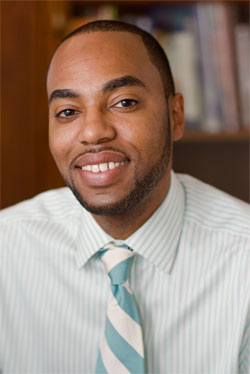
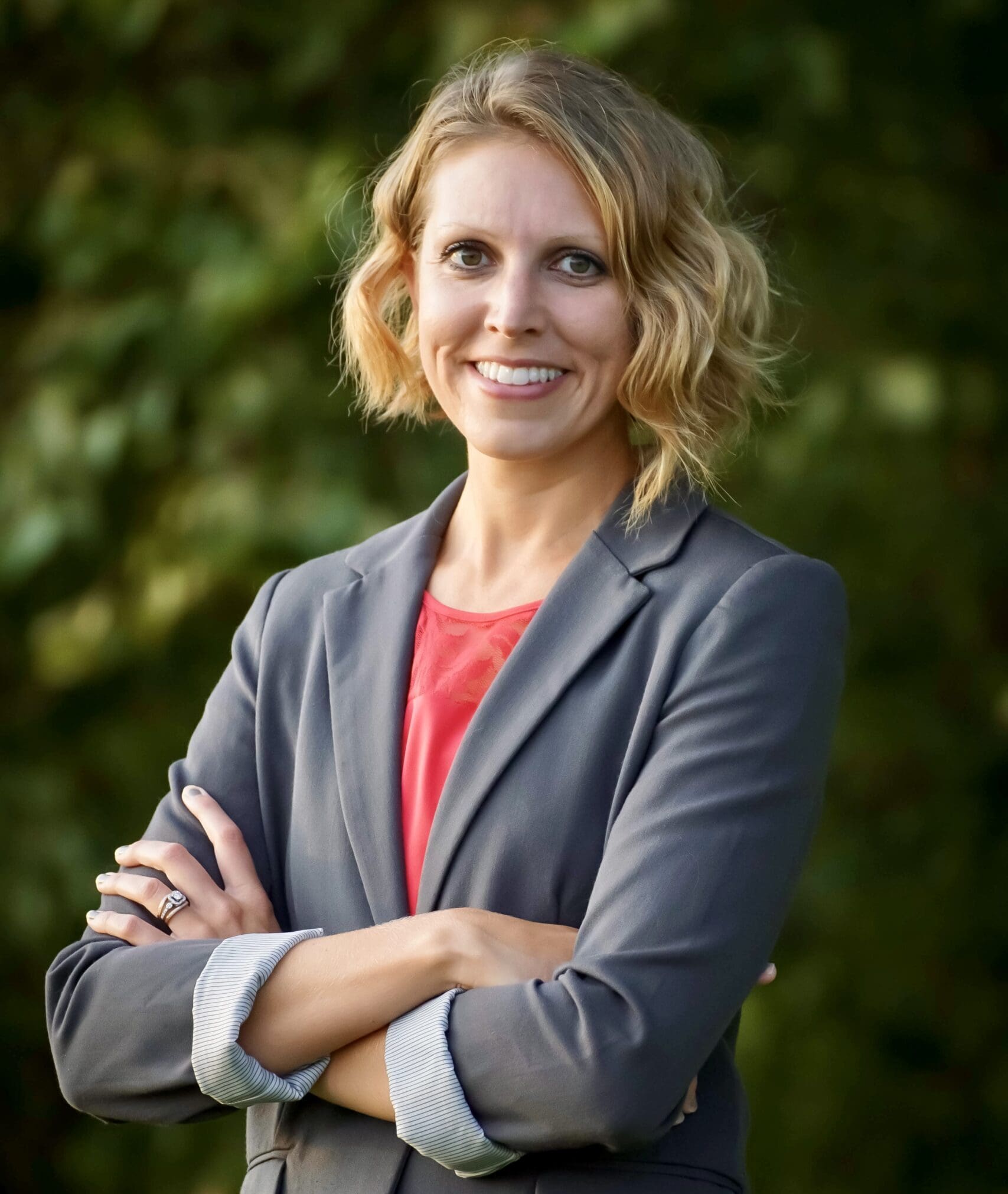
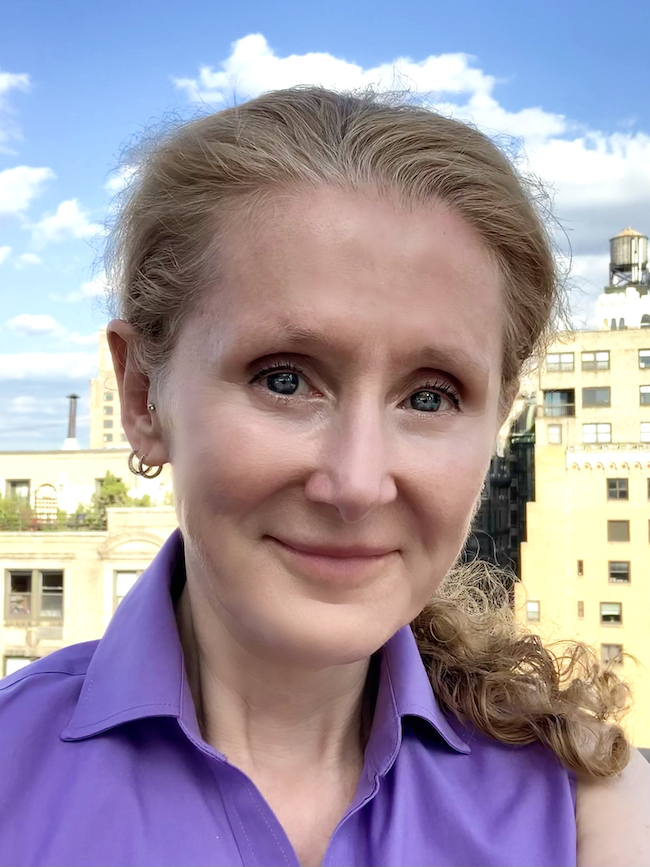
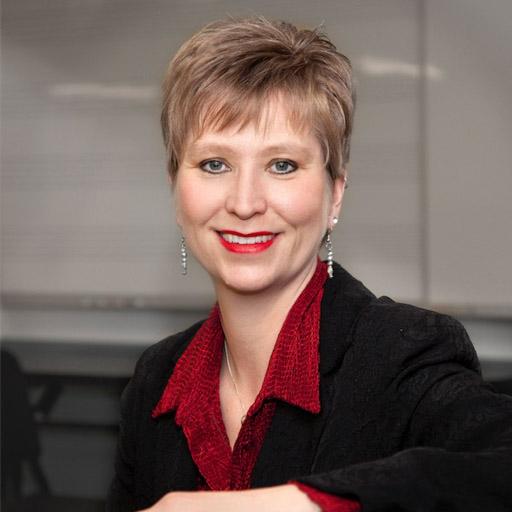
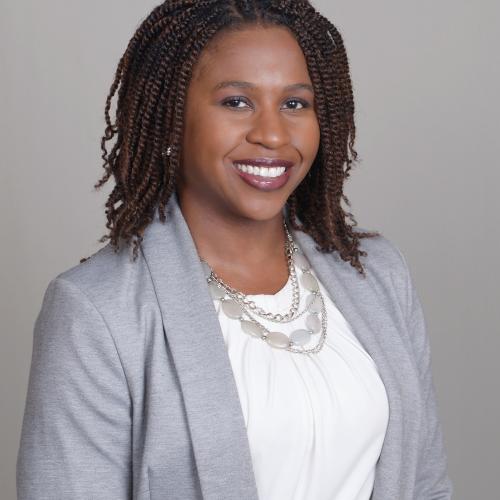
Christopher Emdin is a Professor of Science Education and Maxine Greene Chair for Distinguished Contributions to Education at Teachers College, Columbia University. He directs the STEAM, DREAM & IdeaLab initiatives. Emdin holds a B.S. in Physical Anthropology/Biology/Chemistry from Lehman College (2000), an M.S. in Natural Sciences from Rensselaer Polytechnic Institute (2003), and a Ph.D. in Urban Education from the CUNY Graduate Center (2007). His research focuses on urban STEM education , culturally responsive pedagogy , and Hip-Hop Education (HipHopEd) . Emdin has received prestigious awards including the Strage Prize (2011) and PDK International Outstanding Dissertation Award (2008) . He pioneered projects like the Science Genius B.A.T.T.L.E.S. , using rap battles to engage urban students in science. His work bridges theory and practice, emphasizing reality pedagogy and cosmopolitan ethics . Key contributions include over 50 publications on urban science education, equity, and hip-hop pedagogy. He is a leader in professional organizations such as NARST and AERA. Emdin’s grants include collaborations with NSF and Fund for Teachers, focusing on science agency and leadership in urban schools. His lab, IdeaLab , advances innovative teaching strategies rooted in youth culture.
Jamie D. Bower, PhD, is an Associate Professor in the Department of Clinical Mental Health Counseling at Antioch University. She specializes in clinical mental health services and multicultural competence, with a focus on supporting marginalized populations. PhD in Counselor Education and Supervision , Old Dominion University MPhilEd in Professional Counseling , University of Pennsylvania MSEd in Counseling & Psychological Services , University of Pennsylvania Dr. Bower's research emphasizes diversity and multiculturalism , particularly the experiences of LGBTQ+ individuals in counseling and the competence of counselors working with these populations. Her clinical work spans outpatient community mental health and school-based programs, targeting children, adolescents, and families affected by homelessness, poverty, and severe mental illness.
Laura Smith is a Professor in the Department of Counseling and Clinical Psychology at Teachers College, Columbia University. She focuses on critical psychology, social inclusion, and emotional wellbeing, with a particular emphasis on poverty, classism, and racism. Her email is ls2396@tc.columbia.edu. Educational Background: Ph.D. in Counseling Psychology, Virginia Commonwealth University M.S. in Counseling Psychology, Virginia Commonwealth University B.A. in English and Psychology with High Distinction, University of Virginia Smith’s research examines how psychological practice and theory marginalize low-income and racially minoritized populations. She advocates for participatory action research (PAR) to democratize knowledge production and address systemic inequities. Her work spans topics like epistemic injustice, Arab American women’s identity, and therapeutic practice in poverty contexts. The 15 most recent articles reflect her expertise in race, class, and qualitative methodologies. Key trends include anti-racism in counseling, intersectional discrimination, and PAR as a tool for social change. She collaborates closely with graduate students and community partners through the Inclusive Inquiry Research Lab (IncLab). Key Contributions: Editorship of books on diversity and poverty Leadership in PAR projects with schools and marginalized communities Advocacy for psychology’s role in structural change
Dr. Laurel Young is a Professor in the Department of Creative Arts Therapies at Concordia University, specializing in music therapy with a focus on gerontology, palliative care, and neurodiverse populations. She holds certifications in the Bonny Method of Guided Imagery and Music (FAMI) and has over 23 years of clinical experience across geriatrics/dementia, oncology, HIV care, and developmental disabilities. Her roles have included Professional Leader of Creative Arts Therapies at Sunnybrook Health Sciences Centre and teaching positions at Wilfrid Laurier University and Temple University. Dr. Young’s research spans multicultural competence in therapy, ethical frameworks, and the intersection of music with health and well-being. Key themes include end-of-life care for dementia patients, singing groups for autistic adults, and bereavement support through music. She has published extensively in peer-reviewed journals and books, including editorial leadership for Barcelona Publishers’ Qualitative Inquiries in Music Therapy Monograph Series (2012–2013). Her work emphasizes bridging research and clinical practice, with a focus on marginalized groups such as older adults, individuals with disabilities, and those facing chronic illnesses. Awards include the 2014 CAMT Research & Publications Award and teaching accolades from Wilfrid Laurier and Temple Universities. Current projects explore AI-assisted therapeutic technologies and community-based music interventions.
Robinder P. Bedi is a Professor in the Department of Educational and Counselling Psychology, and Special Education at the University of British Columbia (UBC). He specializes in Counselling Psychology , with a focus on Cultural Psychology , Multicultural Counselling Competencies , and integrating Indigenous Psychologies into Western practices. His work addresses Counselling with Men and Masculinity , Folk Models of Illness , and Cultural Adaptation of Psychotherapy , particularly for Punjabi Sikh and Asian-Indian populations. Research Trends : Recent publications analyze the ideological underpinnings of Western psychotherapy , gender dynamics in Indian counselling , and program evaluations for immigrant/refugee trauma interventions . Subfields include implicit bias in Muslim mental health , substance use recovery metrics , and sexuality counseling pedagogy . Scientific Awards : Michael Smith Foundation for Health Research Scholar Award (2009) Green College Leading Edge Scholar (2015) Killam Laureate (2022) Canadian Psychological Association Fellow (2023) Advising : Mentored students such as Kesha Pradhan (PhD candidate), Syler Hayes (poster awardee), and Graham Haber (SSHRC awardee). His lab promotes multi-level mentorship and co-authorship opportunities. Labs : Leads the Counselling and Psychotherapy Research, Teaching, and Service (RTS) Lab at UBC, which emphasizes critical thinking , cross-cultural research , and integration of traditional healing methods .
Erin Barnes is a Clinical Associate Professor in the Department of Counselor Education at the University of Iowa’s College of Education. She holds a PhD from the University of Iowa and is credentialed as both a Certified Rehabilitation Counselor (CRC) and National Certified Counselor (NCC). Her career spans over 10 years in higher education teaching and clinical practice, with expertise in rehabilitation counseling, mental health advocacy, and homeless individuals’ well-being. Barnes focuses on experiential learning methods to enhance student skills in clinical mental health and rehabilitation contexts. Education: Barnes earned her undergraduate and graduate degrees from the University of Iowa, with specializations in counselor education and rehabilitation. Research Interests: Her work addresses diversity in counseling professions, psychopathology assessment, educational equity for marginalized groups, and culturally sensitive rehabilitation practices. She emphasizes the intersection of mental health, disability, and socioeconomic factors in her scholarship. Awards: Barnes has received notable recognition, including the 2023 Collegiate Teaching Award and the Rehabilitation Counseling Alumnus of the Year Award (2017). Her leadership development includes participation in the HERS Leadership Institute and the National Research Mentor Network (NRMN). Grants & Advising: Barnes directs grants focused on telemental health, community-engaged practice, and opioid epidemic response. She collaborates on projects like the Center for Community-Engaged Practice and Research for Counselor Educators and the Opioid Workforce Expansion Program. Her mentorship emphasizes inclusive pedagogy and supporting high-achieving, low-income students. Labs/Teams: She leads initiatives through the University of Iowa’s Center for Community-Engaged Practice and Research, fostering partnerships between academic programs and community agencies to address mental health and disability challenges.
Louisa Foss-Kelly is a Professor and Coordinator of the Counselor Education and Supervision Program at Southern Connecticut State University. Her work bridges clinical practice, counselor education, and legislative advocacy, with a focus on poverty-related counseling and professional identity development. Education: Ph.D. in Counseling from Kent State University Research Interests : Counseling people living in poverty via the I-CARE Model Legislative advocacy for professional counseling Substance abuse prevention in school counseling Graduate counseling student experiences Multicultural and socioeconomic competence Article Trends emphasize poverty interventions (I-CARE Model), counselor education innovations, and legislative advocacy. Her work spans qualitative research, clinical tools, and policy-focused studies. Leadership Roles include: President, Connecticut Counseling Association 2023-2024 President, Chi Sigma Iota Honor Society Grants highlight SBIRT training, evidence-based practices, and addictions counseling program development. She collaborates with researchers like Margaret Generali on poverty and counselor training initiatives.
Partow Izadi is a University Lecturer at the Faculty of Education, University of Lapland. His research focuses on culturally-sensitive educational strategies and democratic education frameworks, with a regional emphasis on Lapland's unique socio-cultural context. Research Projects: Cultural-Sensitive Learning Path in Lapland (2018-2020, ESF-funded): Developed inclusive education models addressing Lapland's multicultural student population Demokratia ja ihmisoikeuskasvatus opetta (2016, Gov't-funded): Created human rights education materials for schools Research Interests: Integrating cultural responsiveness into educational practices, democracy education, and supporting youth decision-making through innovative pedagogical approaches. Grants & Funding: Successfully obtained €450k+ in project funding from EU Structural Funds and Finnish Ministry of Education since 2016. Labs/Teams: Collaborates with multidisciplinary teams including Lapland regional education authorities and Sami cultural organizations.
Don Davis is a Professor in the Department of Counseling at Georgia State University's College of Education & Human Development. He serves as program coordinator for Counseling Psychology and teaches in Clinical Mental Health and Counselor Education programs. Research Focus: Dr. Davis directs the Humility and the Advancement of Positive Psychology Interventions (HAPPI) Lab, which conducts basic and applied research on virtues including humility, forgiveness, and gratitude. His work also examines spirituality as an aspect of diversity in counseling. He leads a $6 million John Templeton Foundation grant project investigating intellectual humility development and intervention contexts. Publications explore cultural humility in clinical supervision, religious/spiritual struggles, existential humility, and multicultural counseling processes. Recent work examines how virtues like humility and gratitude impact therapeutic relationships and psychological well-being across diverse populations. Key Research Areas: Positive Psychology Interventions Cultural Humility in Counseling Spirituality and Mental Health Virtue Development in Clinical Practice
Dr. Leyla Pérez-Gualdrón serves as an Associate Professor in the Department of Counseling Psychology at the University of San Francisco, where she maintains full-time faculty status. Her clinical background spans diverse settings including K-12 inner-city schools in Venezuela and community mental health centers in the United States, with specialized focus on immigrant and minority youth populations. Her educational foundation includes: PhD in Counseling Psychology from Boston College MA in Counseling Psychology from Boston College Licensure in Psychology from Universidad Católica Andrés Bello, Caracas, Venezuela Research centers on social justice frameworks , transformational resistance , and civic/educational engagement among urban youth , with significant contributions to multicultural counseling. She has developed evidence-based group interventions including CASA groups for acculturation stress in immigrant children, Tools For Tomorrow career programs for 9th graders, and Jernigan Sankofa racial identity development groups for African American and Latina girls. Her work consistently addresses sociocultural determinants of mental health and educational outcomes through community-engaged approaches. Analysis of her publication record (2006-2010) reveals sustained investigation into urban adolescents' experiences with race, ethnicity, and educational systems. Key patterns include examination of structural barriers to opportunity, development of culturally responsive interventions, and exploration of identity formation processes. The research portfolio demonstrates methodological diversity across qualitative and quantitative approaches while maintaining focus on Latino and other marginalized youth populations in educational contexts. No specific scientific awards were documented in the provided materials. Professional activities include clinical service at Cambridge Health Alliance/Harvard Medical School and development of school-based interventions, though details about current student advising or grant funding were not specified in available sources. No information was provided regarding dedicated research laboratories or specialized teams.
Dr. Misty Ginicola is a Professor in the Counseling and School Psychology (CSP) department at Southern Connecticut State University (SCSU). She holds a PhD from Yale University and has been with SCSU since 2006. Education : B.S. in Psychology (SUNY Cortland), M.A. in Psychology (SUNY New Paltz), M.S./M.Ph. (Yale University), Ph.D. in Clinical Psychology (Yale University, 2006) Her research focuses on Multicultural Counseling , LGBTQI+ Counseling , Creative Counseling Techniques (including phototherapy and yoga), and Highly Sensitive People . She integrates Indigenous and Celtic spirituality into her therapeutic practice. Dr. Ginicola's recent publications (2017) in the Affirmative Counseling with LGBTQI+ People book cover topics from identity development to religious/spiritual integration. Her earlier work (2004–2013) includes program evaluations for the Mutt-i-grees® initiative and critiques of educational policies like NCLB. She serves as President of the American Counseling Association’s Association of Lesbian, Gay, Bisexual and Transgender Issues in Counseling (ALGBTIC) and contributes to the Journal of LGBT Issues in Counseling . Her grants focus on multicultural competence and counseling research. As a Licensed Professional Counselor, she operates Walk in Balance Counseling in West Haven, CT. The practice emphasizes holistic, person-centered care and employs her training in shamanism, Breath Body Mind techniques, and yoga.
Dr. Shaji Daniel is an Assistant Professor of Counseling at the College of Adult and Graduate Studies - School of Counseling, Colorado Christian University (CCU). He is a Licensed Professional Counselor-Supervisor (LPC-S) in Texas and a National Certified Counselor (NCC), integrating clinical expertise with spiritual formation in his teaching and practice. His work emphasizes holistic care for individuals, couples, and families, grounded in both psychological and faith-based frameworks. Educational Background: Ph.D. in Counselor Education and Supervision, University of the Cumberlands M.Ed. in Professional Counseling, University of Houston–Victoria Master of Theology and Divinity degrees, Serampore University, India Dr. Daniel's research and clinical focus lies at the intersection of multicultural counseling and spiritual integration. He explores the lived experiences of immigrant communities, particularly in the context of interracial marriage, and advocates for culturally competent, spiritually sensitive therapeutic practices. His work addresses depression, anxiety, relationship challenges, grief, and cancer-related distress, employing Cognitive Behavioral Therapy (CBT), Solution-Focused Brief Therapy (SFBT), and interactive counseling models. As a certified SYMBIS facilitator, he also provides premarital and marital counseling. The recent publications reflect a strong trend in qualitative, phenomenological research on intercultural and interracial relationships, spiritual dimensions of mental health, and faith-informed conflict resolution. His scholarly work bridges Christian theology with contemporary counseling practices, contributing to the development of contextually relevant, integrative models of care. Scientific Awards: Doctoral Award for Excellence in Leadership and Advocacy, University of the Cumberlands Ramaiah Award for Excellence in Scholarship, United Theological College, Bangalore While specific grant information is not mentioned, Dr. Daniel's leadership and advocacy recognition suggest involvement in initiatives promoting equity and excellence in counselor education. He mentors future counselors through a pedagogy that combines clinical rigor with spiritual depth, emphasizing journaling, reflection, and contemplative practices to foster inner formation. His teaching philosophy aligns with CCU’s mission to develop compassionate, truth-rooted leaders in the counseling profession. Though no formal lab or research team is mentioned, Dr. Daniel's collaborative publication with his spouse, Dr. Mary Daniel, indicates interdisciplinary engagement, particularly in culturally sensitive counseling. His work with organizations like the American Association of Christian Counselors (AACC) and Journey of Hope Cancer Care Ministries reflects broader professional affiliations and outreach.
Michael Goh serves as Professor and Campbell Leadership Chair in Education and Human Development at the University of Minnesota's College of Education and Human Development, where he coordinates Graduate Programs in Higher Education. Previously (2017-2022), he held the systemwide position of Vice President for Equity and Diversity across the university's five campuses. His educational foundation includes: PhD in Counseling and Student Personnel Psychology from the University of Minnesota MS in Counseling and Counselor Education from Indiana University BA in Psychology and Sociology (double major) from Indiana University Goh's research centers on cultural intelligence (CQ) and intercultural competence development within higher education contexts, examining cross-cultural counseling practices, leadership for inclusive excellence, and culturally intelligent frameworks for mental health services. His interdisciplinary approach bridges psychology, sociology, and educational leadership to address diversity, equity, and inclusion challenges in global academic environments, with particular focus on international student development and culturally responsive administration. His 2020-2025 publications reveal consistent exploration of intercultural competence in higher education internationalization, with strong emphasis on Asian case studies (Japan, Singapore) and practical applications for DEI leadership. Recurring themes include global citizenship education frameworks, equity-driven institutional transformation, and cross-cultural therapeutic expertise development, demonstrating both theoretical depth and practical implementation strategies across diverse educational settings. Notable recognitions include: Fellow of the American Psychological Association (2024) Commissioner for Midwestern Higher Education Compact (2021-2025) Senior Fellow at Minnesota Institute for Trauma Informed Education (2021-present) Pacific Circle Consortium Honors Recognition for cross-border scholarly work (2018) Exemplary Diversity Leadership Award from American Counseling Association (2010) Multiple distinguished teaching and mentorship awards from University of Minnesota His grant leadership includes NSF-funded Louis Stokes North Star STEM Alliance targeting underrepresented students in STEM fields, and NIH Partners in Research Grant developing culturally responsive children's mental health practices. Current projects focus on linguistic access to mental health services and multinational studies of expert counselors across Asia. Goh previously directed the University of Minnesota's Institute for Diversity, Equity, and Advocacy (IDEA), fostering interdisciplinary equity research, and maintains connections with the Workforce Development and Research Lab through his focus on culturally intelligent leadership development.
Celeste Malone, PhD, is an Associate Professor and Coordinator of the School Psychology Program at Howard University's School of Education. She holds a PhD in School Psychology from Temple University and postdoctoral training from Johns Hopkins University. Her research focuses on multicultural competence in school psychology, diversification of the profession, and culturally responsive practices. She leads the Multicultural School Psychology Research Group (MSPRG), developing tools like the School Psychology Multicultural Competence Scale. Dr. Malone has held leadership roles in NASP (2022–2023 President, first Black woman in the role) and APA, advocating for equity. She received presidential awards from NASP, APA Division 16, and others. Education: Brown University (BA Psychology), Johns Hopkins (MS Counseling), Temple University (PhD School Psychology) Research interests include bridging research-practice gaps, addressing microaggressions, and improving mental health access for marginalized youth. Notable contributions include frameworks for MTSS (Multi-Tiered Support Systems) in anti-racist schooling and pandemic-era advocacy for educational equity. Key awards: 2024 Outstanding Article Award (School Psychology Review), Jean Baker Mid-Career Service Award (APA) Her work emphasizes social justice through leadership development, policy advocacy, and anti-oppressive training. Current projects explore faculty diversity recruitment, LGBTQ+ competency in training, and liberatory mentoring practices.
Dr. Saba R. Ali is a Professor of Counseling Psychology in the College of Education at the University of Iowa, affiliated with the Department of Psychological and Quantitative Foundations and the Rural Psychology Collaborative. Her leadership spans multiple federally funded initiatives including the $2.2 million Culturally Responsive Talent Identification and Career Exploration (TICE) grant from the U.S. Department of Education and two major Behavioral Health Workforce Education Training Program grants totaling $3.2 million from HRSA. Ali's research centers on career development for underserved populations, particularly rural youth and Latinx communities. Her work integrates sociopolitical development theory with career counseling, focusing on healthcare STEM pipelines through projects like FICE and HOPE. She examines how cultural identity, socioeconomic status, and systemic barriers impact career trajectories, with emphasis on Muslim women's experiences and telepsychology applications. Her publication portfolio reveals strong focus on vocational psychology innovations, with recent articles analyzing postgraduate self-efficacy scales, pandemic career impacts, and transnational feminism in therapy. The research consistently bridges theory and practice, targeting practical interventions for rural schools and healthcare systems while advancing measurement tools in career assessment. Scientific Recognition: Distinguished Achievement for Publicly Engaged Research Award (University of Iowa, 2017) Senior Research Fellow, Massachusetts Institute for College and Career Readiness (2015) Public Policy Fellowship (2012) As Principal Investigator on over $7 million in grants, Ali directs major workforce development initiatives including the federally funded Rural Behavioral Health Training Program. Her service includes chairing the Society for Vocational Psychology (2014-2016) and serving as Associate Editor of the Journal of Career Assessment. Current projects focus on culturally responsive talent identification in gifted education and expanding healthcare career pathways for rural students through multi-foundation partnerships. Ali leads the Rural Psychology Collaborative, developing community-engaged interventions that connect K-16 students with healthcare STEM opportunities. Her approach integrates labor market data with culturally responsive programming, creating sustainable pipelines through school partnerships across Iowa's rural communities.