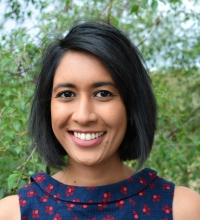
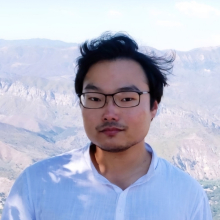
Dr. Prasanga Samarasinghe is an Associate Professor at the Australian National University (ANU) within the College of Systems & Society. Her research focuses on spatial audio, acoustic signal processing, and drone audition. She holds a B.E. in Electrical and Electronic Engineering from the University of Peradeniya (2010) and a PhD in Signal Processing from ANU (2015). Key professional achievements include a 2022 Fulbright Fellowship at Yale University and the 2023 ARC DECRA Fellowship. She has secured significant funding through ARC Linkage, Discovery grants, and industry partnerships with Sony, Dolby, and META. Her industry experience includes roles at Dolby Laboratories and collaborations with defense-related entities like the Australian Signals Directorate. Research Groups: Joint supervisor of ANU Audio and Acoustic Signal Processing Group Professional Roles: Member of IEEE Signal Processing Society's Audio & Acoustic Signal Processing TC (2021–2023), former Chair of IEEE ACT Section's COMMS/SP Chapter (2018–2020) Her work bridges theoretical advancements in spatial audio with practical applications in noise cancellation, drone audition, and virtual acoustics. She actively supervises PhD and Honours students in these areas. Awards: Fulbright Fellowship (2022), ARC DECRA (2023) Industry Collaborations: Sony-Japan, Dolby (Sydney/USA), META (USA), Australian Defence Portfolio
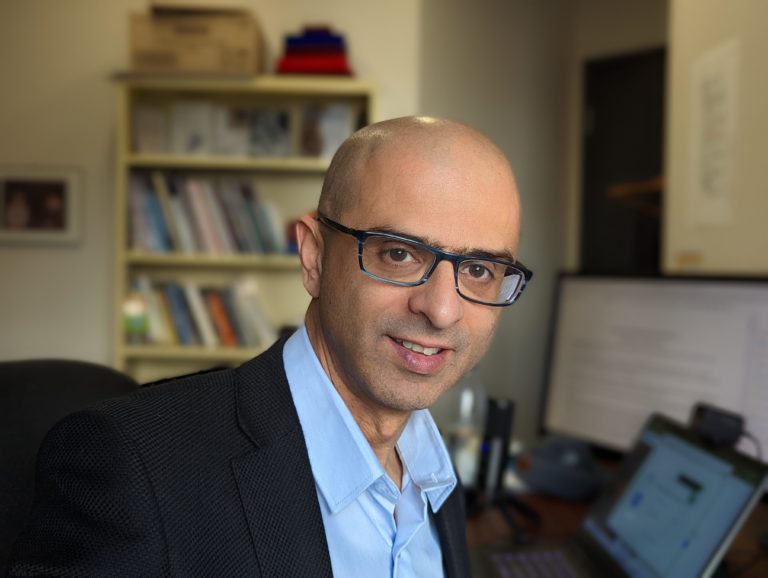
Philip Jackson is a Professor in Machine Audition at the University of Surrey's Centre for Vision, Speech and Signal Processing (CVSSP) within the School of Computer Science and Electronic Engineering. His research focuses on audio-visual machine learning, spatial audio technologies, object-based media production, and responsible AI applications. He has over 200 publications and an h-index of 30, contributing to projects like Nephthys, BALTHASAR, and SAVEE. He served as an associate editor for Computer Speech and Language and reviewer for major journals like IEEE/ACM Transactions on Audio, Speech and Language Processing. Key research interests include sound localization, audio-visual tracking, reverberation modeling, and ethical implications of AI in media. His work spans datasets such as Tragic Talkers, SurrRoom, and ForecasterFlexOBM, advancing immersive audio-visual systems and personalized media experiences. Notable projects include spatial audio reproduction for VR, parametric room acoustics, and citizen council research on algorithmic transparency. He has advised over 20 PhD/Master’s students and collaborates with industry on applications like the Catalan Pavilion's Venice Biennale installation. His grants include UK postdoctoral fellowships and leadership in EU-funded initiatives like UDRC2 and QESTRAL.
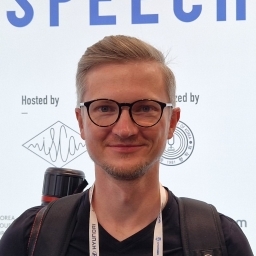
Erik Nystrom is a composer and academic at City, University of London, specifically affiliated with City St George's, where he conducts research and artistic work in electroacoustic and computer music. His practice centers on multichannel sound, spatial texture, and live interactive performance using algorithmic systems. He previously held a Leverhulme Early Career Fellowship at the University of Birmingham’s BEAST studio, contributing significantly to spatial synthesis and performance aesthetics. Education: PhD in Electroacoustic Music, City University, London (supervised by Denis Smalley) MA in Electroacoustic Music, City University, London (supervised by Denis Smalley) Erik’s research explores the intersection of human and machine agency in improvisation, focusing on post-human cognition, nonconscious processes, and the concept of intra-action. His work integrates machine learning, agent-based systems, and real-time synthesis, particularly through the SuperCollider environment. He investigates how algorithmic systems can co-create with human performers, generating emergent sonic textures through feedback and listening behaviors. Key themes include spatial sound, acousmatic improvisation, and the philosophical underpinnings of technological creativity. His 15 most recent works and publications reveal a strong trend toward algorithmic improvisation, cognitive assemblages, and spatial synthesis. The articles and compositions emphasize machine learning, real-time interaction, and the blurring of composition and performance. Subfields such as post-human attractors, topographic synthesis, and listening agents dominate his recent output, reflecting a deep engagement with both technical innovation and philosophical inquiry in music. Scientific Awards: Leverhulme Early Career Fellowship (2015–2018) The Merciful Company Cordwainer's Prize for Outstanding Achievement on the MA Programme Mercer's Music Prize for Most Outstanding Achievement on the PhD Programme Audience Prize at Metamorphoses International Electroacoustic Composition Competition, Brussels (2010) Erik has advised no formal students listed in the text, but his research has been supported through competitive grants such as the Leverhulme Fellowship. He has presented his work globally at major conferences including ICMC, SMC, NIME, and Beyond Humanism. His compositions have been released by empreintes DIGITALes and performed at institutions like the University of Oxford and De Montfort University. He is actively involved in creative labs and research teams, notably through his work with BEAST (Birmingham Electroacoustic Sound Theatre) and participation in symposia such as the IKO/OSIL Symposium in Graz, Austria. His current practice involves developing interactive systems for live spatial performance, often involving collaborative electroacoustic composition with intelligent agents.
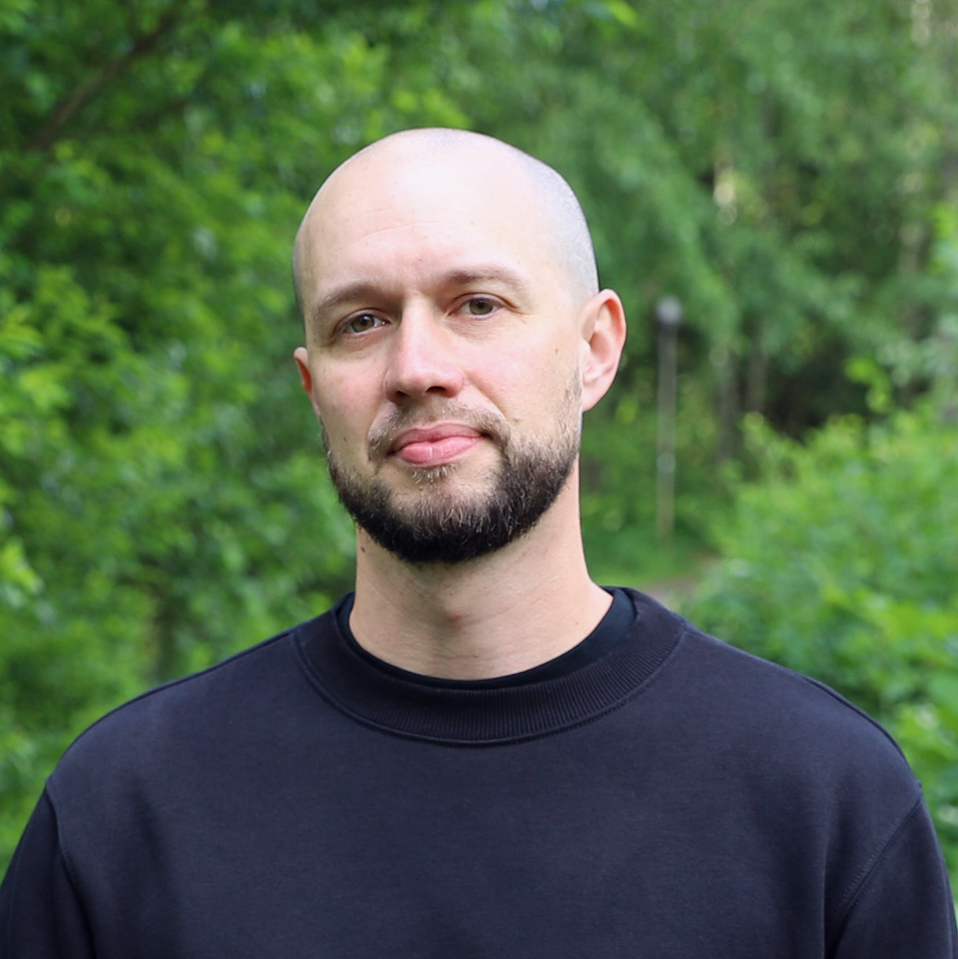
Simon Laurent is a Lecturer at Le Mans University and a researcher at the Laboratory of Acoustics (LAUM) since 1994. His work bridges signal processing with acoustics and mechanical applications, focusing on innovative solutions for audio systems, biomedical diagnostics, and environmental monitoring. Research Focus: Non-linear systems (electrodynamic loudspeakers), biomedical signals (snoring), sensor arrays (fractional sphere antennae), and impact signal analysis (water droplets on complex liquids) Recent Publications highlight applications in precision livestock farming, adaptive audio systems, and acoustic diagnostics. Key trends span multichannel signal processing , bioacoustic monitoring , and non-linear acoustic modeling . Patents include improved microphone array designs for spatial sound capture. Collaborative work on droplet impact acoustics and mobile sound zones demonstrates interdisciplinary applications.
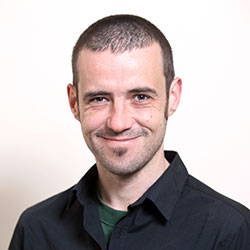
Kouei Yamaoka is an Assistant Professor in the Department of Electrical Engineering and Computer Science at Tokyo Metropolitan University's College of Engineering, specializing in advanced audio signal processing techniques. With over 24 publications from 2017-2024, Yamaoka has established a strong research presence in the international signal processing community. Yamaoka's research focuses on innovative beamforming techniques, time delay estimation methods, and speech enhancement algorithms. Their work consistently addresses challenging problems in multichannel audio processing, particularly in underdetermined scenarios where the number of sources exceeds available microphones. Key contributions include causal distortionless response beamforming, minimum-spanning-tree-based time delay estimation robust to outliers, and sound field interpolation for rotation-invariant processing. Analysis of Yamaoka's publication trends reveals a consistent focus on practical audio processing solutions with applications in source separation, speech enhancement, and acoustic scene analysis. The research demonstrates strong theoretical foundations combined with practical implementation considerations, particularly for real-time and online processing scenarios. Recent work has expanded into deep learning applications for bioacoustic analysis, as evidenced by the 2023 publication on marmoset vocalization analysis. Yamaoka maintains a productive collaboration network, with frequent co-authorship with Nobutaka Ono (20 joint publications), Shoji Makino (9 joint publications), and other researchers in the Japanese signal processing community. Publications appear consistently in top venues including IEEE/ACM Transactions on Audio Speech and Language Processing, APSIPA, EUSIPCO, and ICASSP.
Dr. Alexander Bertrand is a Professor at the Faculty of Engineering Sciences , KU Leuven, heading the Dynamic Systems, Signal Processing and Data Analysis (STADIUS) division. He leads the Department of Electrical Engineering (ESAT) and contributes to Leuven.AI institute, with expertise spanning wireless sensor networks, brain-computer interfaces (BCI), and biomedical signal processing. Research Focus : Wireless acoustic/EEG sensor networks, distributed signal enhancement, adaptive filtering, neural decoding of auditory/visual attention, and AI-driven time series analysis. Key Projects : EEG-Linx platform for modular brain recordings (2025-2027) Calibration-free BCI systems (2025-2029) AI quality assessment for time series data (2024-2028) Wireless EEG patches for hearing technology (2024) Publications (2023-2025) demonstrate leadership in distributed signal processing , auditory attention BCI , and scalable sensor architectures , with applications in education, healthcare, and wearable tech. Teaching includes courses on digital signal processing, biomedical data analysis, and medical technology design.
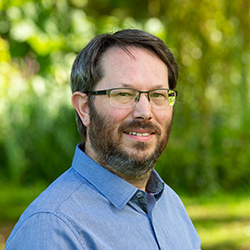
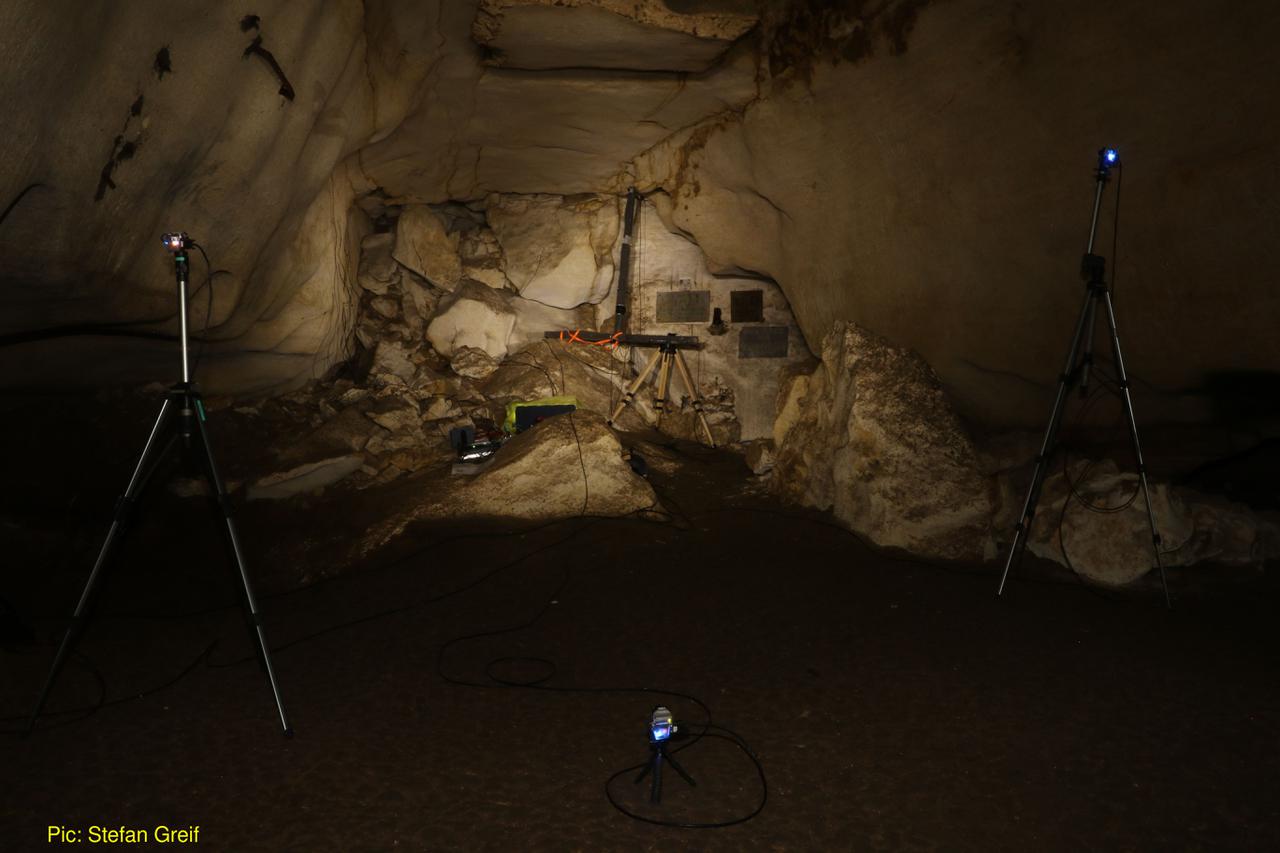
Dr. Thejasvi Beleyur is a Group Leader of the Active Sensing Collectives Lab at the Centre for the Advanced Study of Collective Behaviour, University of Konstanz, and holds an affiliated position at the Max Planck Institute of Animal Behavior. She also serves as IMPRS Faculty, contributing to interdisciplinary research at the intersection of animal behavior, sensory biology, and collective systems. Current: Group Leader, Active Sensing Collectives Lab (2025-present) Previous: Postdoc at Centre for the Advanced Study of Collective Behaviour (2021-2025) PhD: Max Planck Institute for Ornithology (2015-2021) Education: BS-MS in Biological Sciences, IISER-TVM (2008-2013) Dr. Beleyur's research program investigates how active-sensing agents like echolocating bats navigate complex sensory environments when operating in groups. Her work combines field observations, computational modeling, and swarm robotics to understand the sensorimotor strategies animals employ in information-limited settings. She has pioneered the development of the Ushichka dataset—a multichannel audio-video system for recording echolocating bats in natural habitats—which provides unprecedented insights into how bats modify flight and echolocation behaviors as group sizes change. Her publication record reveals a consistent trajectory examining sensory challenges in collective animal systems, with emphasis on echolocating bats. The research spans experimental field work, computational modeling, and methodological innovations in acoustic and video tracking. Recent work has expanded into developing computational tools like the beamshapes Python package for sound source modeling and exploring robot platforms to simulate bat collective behavior. Carl-Zeiss Nexus grant for inter-disciplinary research (2025) DFG Walter Benjamin postdoc grant (2021-2023) Early Career Researcher Award at International Bioacoustics Congress Google Cloud Platform Research Credits award ($1000) DAAD-GSSP Stipend for doctoral studies (2015-2020) Dr. Beleyur actively mentors students in her lab, currently supervising PhD student Frithjof and Master's student Aditya, following the completion of Gabriele's Master's thesis on the active-sensing Ro-BAT platform. Her research program is supported by competitive grants including the Carl-Zeiss Nexus grant and previously the DFG Walter Benjamin fellowship, which funded her work on 'The How and What of Active Sensing Collectives.' The Active Sensing Collectives Lab brings together an interdisciplinary team working at the interface of sensory biology, robotics, and collective behavior. The lab develops novel computational methods for analyzing complex datasets from multi-sensor field recordings, with emphasis on creating tools for long-term community use. Current projects include characterizing echolocating groups in the field and studying sensorimotor strategies using computational modeling.
Dr. Enda Bates is an Assistant Professor and Deputy Course Director in the Music and Media Technologies Programme at Trinity College Dublin. He leads research in spatial music, spatial audio for VR, and electroacoustic aesthetics while maintaining active roles as a composer, producer, and performer. His work bridges academic and artistic domains, with notable contributions to immersive media, accessibility in health data design, and interdisciplinary digital humanities projects. Educated at Trinity College Dublin, he completed a PhD titled *The Composition & Performance of Spatial Music* in 2010. His research has been supported by grants from Trinity College Dublin and Rode Microphones, focusing on projects like the Trinity 360 initiative producing immersive 360-degree music videos. He collaborates widely, including with the Spatial Music Collective and on virtual reality adaptations of Samuel Beckett’s works. Research interests span spatial audio technologies, VR audio design, and the aesthetics of contemporary electroacoustic music. He explores the intersection of sound and technology in performance contexts, such as augmented instruments and site-specific compositions. His work on accessibility includes evaluating health data representations for older adults, emphasizing user-centric design principles. Recent publications highlight advancements in ambisonic decoder methodologies, VR audio systems, and interdisciplinary arts. Awards include the Gaudeamus Music Prize shortlist (2009) and Música Viva Competition Prize (2010). His music has been performed globally by ensembles like the RTÉ National Symphony Orchestra and Crash Ensemble. Bates advises on audio engineering projects and leads collaborative initiatives like *Virtual Play, after Samuel Beckett*, merging theater, VR, and sound design. His lab’s work often explores the technical and creative potentials of 360 media and free-viewpoint video.
Duncan Werner is a Senior Lecturer in Performance at the University of Derby's School of Arts. His research centers on the GASP (Guitars with Ambisonic Spatial Performance) project, developing innovative guitar systems that integrate ambisonic technology for immersive spatial audio experiences. Research focuses on: Design and prototyping of ambisonic guitar systems Spatial audio processing for live performance 3D sound field manipulation through instrument modification Integration of acoustic instruments with immersive audio technology The GASP system enables performers to control spatial audio parameters through guitar performance techniques. Development involves hardware design, signal processing algorithms, and performance interface refinement. Research outcomes advance both technical capabilities and artistic possibilities in spatial sound. No awards, students, or contact information are documented. Publications track the system's evolution across multiple hardware iterations and implementation contexts.
Myungin Lee is a Lecturer at the Department of Immersive Media Design, University of Maryland, College Park. His research focuses on designing multimodal instruments and interactive systems that integrate principles from HCI, machine learning, signal processing, and neuroscience. Key projects include NeuResonance (inter-brain synchronization feedback) and FractalBrain (EEG-based VR mindfulness tools). He has contributed to venues like ACM CHI, IEEE VIS, and NIME, and holds patents on reverberation time estimation using neural networks. Research interests span crossmodal correspondence in XR, neuro-interactive systems, and real-time audio-visual simulations. Notable collaborations include the NASA Ocean Project and AlloSphere Research Group . His work has been showcased at Ars Electronica and Getty PST 2024. Education: PhD in Media Arts & Technology (implied by dissertation, 2023) Patents: Multichannel microphone-based reverberation time estimation methods (WO2018111038A1, US10854218B2, etc.).
Eldad Tsabary is an Associate Dean of Research and Graduate Studies at the Faculty of Fine Arts, Concordia University. He leads the SSHRC-funded Reflective Iterative Scenario Enactments (RISE) project and founded the Concordia Laptop Orchestra (CLOrk), which has performed internationally. His work spans electroacoustic music, live coding, and interdisciplinary collaboration, particularly with AI and global artistic networks. Doctorate in Music Education from Boston University Research interests include improvisation , neural synthesis , and browser-based collaborative platforms . His recent publications explore GAN-based transformation matrices , multilingual live coding environments , and evolutionary dynamics in laptop orchestras , reflecting his focus on technology-driven musical innovation. Notable scientific contributions include the SSHRC-funded RISE project and leadership in the Canadian Electroacoustic Community (CEC) and the International Conference on Arts and Humanities. He actively collaborates with the Milieux Institute and Gina Cody School of Engineering, emphasizing AI integration in the arts.
Dr. Marcin Witkowski is an Assistant Professor at the AGH University of Science and Technology in Cracow, Poland, specializing in the Department of Electronics and Telecommunications . His work focuses on signal processing with particular emphasis on speaker verification, speech dereverberation, and multichannel audio analysis. He holds a Ph.D. (2022) and master's degree (2012) in Electronics and Telecommunication from AGH UST, alongside a B.E.E. in Acoustics Engineering (2013). Research Interests: Far-field speaker verification, speech dereverberation techniques, robust audio processing, and blind source separation. His projects include developing anti-spoofing systems and enhancing distant speech recognition in reverberant environments. Recent work explores neural network hallucinations in Whisper ASR and VR-based voice training tools. Labs/Teams : Core member of the Signal Processing Group at AGH UST. Active in EU-funded projects on multichannel signal processing and speaker recognition systems.
Juan Duarte is a Doctoral Researcher at Aalto University's School of Arts, Design and Architecture, specializing in the Department of Art and Media. His work bridges media art, sound studies, and environmental awareness through innovative technological implementations. Focuses on atmospheric processes and climate communication Recipient of multiple international art grants and residencies Developed "Augury" - a groundbreaking multichannel sound system Active in Nordic and European art networks His research explores the intersection of sound spatialization technologies with environmental consciousness, creating interactive installations that transform meteorological data into sensory experiences. Recent projects demonstrate cross-disciplinary innovation, with articles examining resonance in atmospheric contexts, embodied listening techniques, and climate data interpretation through artistic frameworks. His work has been presented at major venues including Klaipeda Culture Communication Centre and Nida Art Colony. 2024: EUR 10,000 development funding for "Augury" from Aalto Studios 2024: Culture Moves Europe mobility grant for Lithuania residency 2024: Nordic Culture Point mobility funding 2024: Frame Contemporary Art Finland travel grant 2024: Taike Finland project grant Duarte's practice combines technical innovation with ecological philosophy, creating immersive sound environments that challenge conventional understandings of atmospheric interactions and environmental stewardship.
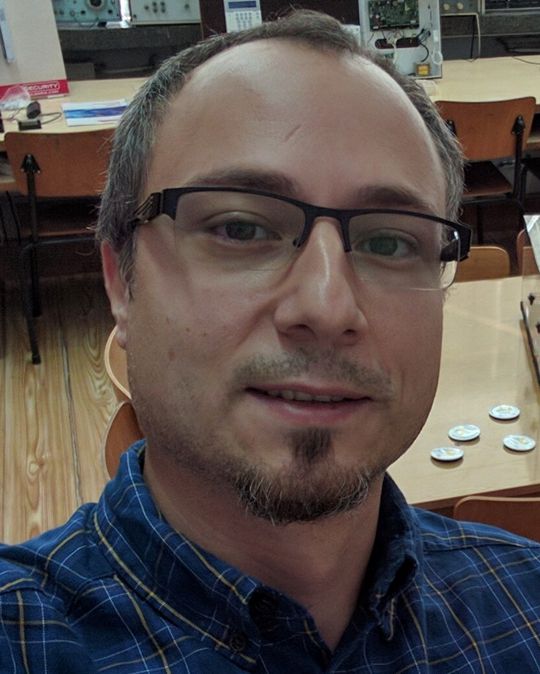
Johannes M. Arend serves as an Assistant Professor in the Department of Information and Communications Engineering at Aalto University, Finland. His research centers on virtual acoustics, spatial audio processing, and psychoacoustics, with significant contributions to audio engineering and hearing science applications. His primary research domains include Virtual Acoustics, Spatial Audio, Psychoacoustics, Hearing Science, Acoustics, and Audio Engineering. Leading the Technical Psychoacoustics research group, he investigates sound perception in virtual environments and develops advanced spatial audio techniques. Key methodologies involve spherical microphone array processing, head-related transfer function (HRTF) interpolation, and voice directivity analysis, with applications spanning virtual reality, hearing diagnostics, and audio reproduction systems. Analysis of his 15 most recent publications (2021-2025) reveals consistent focus on spatial audio processing and perceptual validation. Dominant themes include spatial upsampling techniques for microphone arrays (33% of articles), voice directivity modeling with phoneme-level analysis (27%), and HRTF processing for binaural rendering (20%). His work demonstrates strong interdisciplinary integration between audio signal processing, speech science, and virtual reality applications, particularly in developing perceptually validated tools for hearing assessment and spatial audio reproduction. Dr. Arend actively leads the Technical Psychoacoustics research group, directing projects on virtual acoustic environments, spatial hearing assessment, and audio reproduction technologies. His team develops innovative methods for binaural rendering and conducts perceptual studies to validate technical solutions, with recent work focusing on VR-based hearing diagnostics and spatial audio evaluation frameworks.
Krassen Kirov Angelov is a full professor at the Department of Communication Equipment and Technologies within the Faculty of Electrical Engineering and Electronics at Technical University - Gabrovo . He has led and participated in 15 research projects, focusing on wireless communication platforms, IoT systems, and optical network optimization. Head, Department of Communication Equipment and Technologies Project Manager for 5G/IoT research (2022) Co-author of 3 textbooks on communication circuits Research Interests include: 5G network design and optimization IoT communication protocols Optical network modeling Secure data transmission Satellite broadcasting systems Smart infrastructure development His recent publications (2021-2025) demonstrate expertise in: Chaotic encryption techniques Neural network applications LoRaWAN coverage planning DVB-S2 signal transmission Passive optical network modeling Radio frequency optimization PhD Students : Plamen Tashev (Radio Channel Monitoring) Mikhail Angelakis (Wireless Resource Management) Victor Krustev (Security Identification) Ivan Zlatev (Network Resource Allocation) Evelina Vaseva (Beekeeping Monitoring)