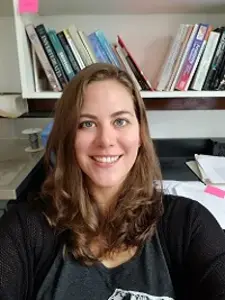
Charlie CornwallisView profile
Professor
Charlie Cornwallis is a Professor in the Molecular Ecology and Evolution Lab at Lund University. His research focuses on evolutionary transitions, particularly the emergence and maintenance of complex life forms such as multicellularity, cooperative societies, and symbiotic relationships. Key areas include understanding why transitions occur, how complex systems persist, and factors causing their breakdown. Cornwallis employs experimental and phylogenetic methods, studying systems like cooperative breeding birds (ostriches) and green algae (Volvox/Chlamydomonas). Affiliations: Molecular Ecology and Evolution Lab, Swedish Research Council-funded projects Education: Not explicitly stated in text Research interests span cooperative behavior, thermal adaptation, disease dynamics, and genomic innovations enabling evolutionary transitions. Recent work addresses how fluctuating environments influence cooperation, pathogen-driven breakdown of sociality, and molecular mechanisms underlying cancer resilience via polyploidization. Cornwallis leads projects on ostrich thermal physiology, gut microbiota development, and symbiont-driven ecological diversification. His lab has produced 65+ publications, with notable contributions to Trends in Ecology and Evolution , Proceedings of the National Academy of Sciences , and Cancer Research Communications . Current projects include studying multicellular origins, temperature adaptation in endotherms, and evolutionary plasticity. Grants: Swedish Research Council (2023-2027), multiple international collaborations Labs/Teams: Cornwallis Group focuses on four themes: Cooperation, Evolutionary Innovation, Disease, and Sex