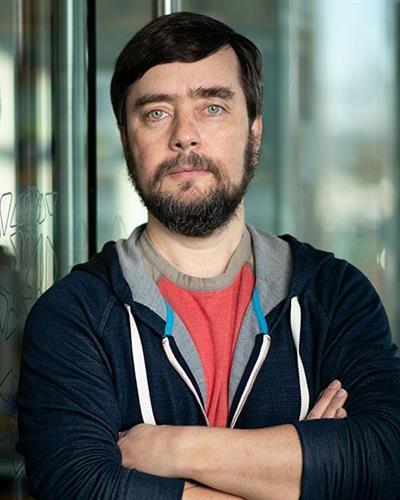
Andre Levchenko is the John C. Malone Professor of Biomedical Engineering at Yale University, with secondary appointments in the Department of Neurosurgery and affiliations with the Cancer Signaling Networks, Immunology, and the Yale Program in Neurodevelopment and Regeneration. His research focuses on systems biology, signal transduction, and cell-cell communication, utilizing microfluidics and computational modeling to study cancer progression, stem cell behavior, and neurological disorders. PhD, Columbia University MEng, Moscow Institute of Physics and Technology Levchenko's work explores how cells process dynamic signals to make critical decisions, particularly in glioblastoma migration, organoid development, and cardiovascular tissue engineering. His lab develops innovative microfluidic platforms and mathematical models to dissect multicellular communication and signaling networks. Recent publications highlight his contributions to understanding YAP-driven cancer invasion , NOTCH signaling in angiogenesis , and metabolic regulation of hypoxia responses . He has pioneered methods for organoid modeling and single-cell analysis , advancing precision in biological signaling studies. Scientific Awards : Computational Molecular Biology Post-Doctoral Fellowship (Burroughs Wellcome Fund) National Academies Keck Futures Conference Invitee Distinguished Guest Lecturer, University of Virginia American Asthma Foundation Early Excellence Award Fellow, American Institute for Medical and Biological Engineering Levchenko leads the Levchenko Lab at the Yale Systems Biology Institute, collaborating with institutions like Mayo Clinic and Yale Cancer Center. His research has received recognition in Faculty of 1000 and multiple journal highlights.
Thomas Michaels is an Assistant Professor at the Department of Biology, ETH Zürich, leading the Michaels Group . His research focuses on theoretical models of biomolecular condensates and protein aggregation in biological systems. Research Themes : Protein aggregation, liquid-liquid phase separation, membrane biophysics, and the role of condensates in neurodegenerative diseases like Alzheimer’s and Parkinson’s. Collaborative Approach : Integrates theoretical physics, control theory, and computational biology with experimental validation to design therapeutic strategies. Recent Publications highlight his work on amyloid formation mechanisms, lipid interactions, and phase-separated compartments as biochemical reactors. His group trains PhD students in systems biology and biocondensate physics.
Prof. Knut Drescher is an Associate Professor at the Biozentrum, University of Basel , leading a research group focused on bacterial biofilms , swarming , and microbial multicellularity . Previously, he served as a Professor of Biophysics and Max Planck Research Group Leader at Philipps-Universität Marburg (2015-2021) and conducted postdoctoral research at Princeton University. Research Interests: Physical and biological mechanisms of biofilm formation Cell-cell interactions in microbial communities Antibiotic resistance in biofilms Hydrodynamics of bacterial swarms Evolution of cooperation in multispecies biofilms Development of bioimaging software (BiofilmQ, BacStalk) Scientific Awards: 2023: SNSF Consolidator Grant 2019: Heinz Maier-Leibnitz Prize (DFG), VAAM Research Prize, IUPAP Young Scientist Prize 2016: ERC Starting Grant Advising & Grants: Advises PhD and Master's students in microbiology, biophysics, and bioinformatics Secured major grants from ERC , HFSP , and DFG
Lauren Andrews serves as Associate Professor and Marvin and Eva Schlanger Faculty Fellow in the Department of Chemical Engineering at the University of Massachusetts Amherst. Her research integrates synthetic biology and genetic engineering to develop programmable cellular systems for biotechnological applications. Education: Postdoctoral Training: Massachusetts Institute of Technology (Biological Engineering and Broad Institute of MIT and Harvard) PhD: University of Colorado Boulder, Chemical Engineering (2012) MS: University of Colorado Boulder, Chemical Engineering (2009) BS: Cornell University, Chemical Engineering (2006) Dr. Andrews' research focuses on establishing genetic design rules for reprogramming cellular regulation and metabolism. Her lab pioneers synthetic gene networks, genetically-encoded biosensors, and high-throughput methodologies for optimizing genetic designs in both model and non-model bacteria. This work enables precise control of cellular sensing, memory, and environmental responses through multiplexed DNA assembly and next-generation sequencing. Analysis of her 15 most recent publications reveals dominant themes in bacterial biosensor development (particularly for bioremediation), quorum sensing engineering, and programmable genetic circuits for probiotic applications. Her research consistently bridges fundamental genetic circuit design with practical implementations in bacterial consortia and non-model organisms. Scientific Awards: Marvin and Eva Schlanger Faculty Fellowship NSF CAREER Award (2020) for "Programmable synthetic microbial consortia for complex multicellular functions" Her grant portfolio demonstrates significant funding for collaborative research in bacterial communication systems and model-guided design of synthetic ecosystems. The Andrews Lab maintains active partnerships with the MIT-Broad Foundry and Cold Spring Harbor Laboratory, where she co-founded the Synthetic Biology Summer Course. Current projects focus on CRISPR-based regulation in non-model bacteria and algorithmic programming of sequential logic in probiotic strains. The Andrews Lab operates within the Life Science Laboratories at UMass Amherst, utilizing advanced facilities for genetic prototyping and high-throughput screening. Her team develops multiplexed tools for exploring genetic design spaces, with particular emphasis on soil bacteria and Gram-positive pathogens for environmental and therapeutic applications.
Xiaoyu Cai is an Assistant Professor at the Department of Medicine, Loyola University Chicago, specializing in lung regeneration, aging biology, and stem cell plasticity. Her research focuses on the molecular mechanisms governing alveolar type 2 (AT2) stem cell dynamics during aging and chronic lung diseases. Education: Bachelor of Medicine (Peking University, 2012), Master of Science (Peking University, 2015), PhD in Biology of Aging (USC & Buck Institute, 2021) Key Research Areas: Lung regeneration, inflammation resolution, stem cell aging, 3D organoid cultures Methodologies: Single-cell multiome, mouse genetics, multicellular organoid systems Collaborations: Translational partnerships with clinical teams for bench-to-bedside applications Dr. Cai's recent work explores lineage plasticity in aged lung stem cells, ferroptosis suppression via CRISPR screens, and cellular aging atlases across species. She previously held a postdoctoral position at Genentech Inc. and maintains a professional lab website. Contact: xcai2@luc.edu | Office: CTRE 123
Dana Pe'er is a Professor and Chair of the Computational and Systems Biology Program at the Sloan Kettering Institute (SKI) of Memorial Sloan Kettering Cancer Center. She is also an Investigator of the Howard Hughes Medical Institute and holds the Alan and Sandra Gerry Endowed Chair. Dr. Pe'er leads an interdisciplinary research group that combines advanced genomics approaches with machine learning to address fundamental questions in biomedical science, with particular focus on cancer biology, developmental biology, and immunology. Dr. Pe'er earned her PhD from Hebrew University in Jerusalem, Israel. Her academic journey includes a postdoctoral fellowship with George Church at Harvard Medical School. Before joining Memorial Sloan Kettering Cancer Center in 2016, she held faculty positions at Columbia University. Dr. Pe'er's research focuses on understanding cellular plasticity, the consequences of intra-tumor heterogeneity, cancer evolution and metastasis, and the mechanisms by which regulatory circuits go awry in disease. Her lab combines single-cell and spatial profiling technologies with machine learning approaches to investigate gene regulation, cellular plasticity, and cell-cell communication in the contexts of cancer, immunity, and development. They are particularly interested in how organisms develop from a single cell to generate diverse cell types, how epigenetic control rewires during development, and how cells communicate to execute multicellular responses. Analysis of Dr. Pe'er's recent publications reveals a strong focus on developing computational methods for single-cell and spatial genomics data analysis. Her work spans cancer types including pancreatic, prostate, colorectal, and breast cancer, with emphasis on tumor heterogeneity, metastasis mechanisms, and cellular plasticity. A significant portion of her research involves creating novel algorithms and tools like CellRank, REUNION, and SEACells that enable researchers to extract meaningful biological insights from complex genomic datasets. 2023 Class of 2023 Inductee - American Academy of Cancer Research (AACR) Academy 2023 Innovator Award - International Society for Computational Biology (ISCB) 2021 Fellow - International Society for Computational Biology (ISCB) Howard Hughes Medical Institute Investigator (2021) 2019 Ernst W. Bertner Memorial Award - University of Texas MD Anderson Cancer Center 2016 Lenfest Distinguished Faculty Award - Columbia University 2014 Director's Pioneer Award - National Institutes of Health 2014 Overton Prize - International Society for Computational Biology (ISCB) Dr. Pe'er is known for her dedicated mentorship approach, describing herself as "a mama bear" who cares deeply about her trainees while expecting independence, innovation, and hard work. She mentors numerous PhD students and postdocs in her lab. Her HHMI Investigator award provides approximately $9 million over seven years, enabling ambitious research directions. She also collaborates extensively with the Single-cell Analytics and Innovation Lab (SAIL) at MSK to generate new data from emerging technologies, working closely with wet-lab collaborators at MSK and beyond to apply computational methods to cutting-edge datasets across multiple disease areas. The Pe'er Lab is an interdisciplinary group of computational biologists with diverse backgrounds ranging from pure mathematics to clinical medicine. They work closely with wet-lab collaborators to apply their computational methods to cutting-edge datasets across cancer, immunology, and developmental biology. The lab is described as open, supportive, collaborative, and fun, with access to world-class facilities at the Sloan Kettering Institute. Dr. Pe'er's work continues to push the boundaries of computational biology and cancer research, with the ultimate goal of developing more effective, personalized therapies for cancer patients.
Michael Levin is a Vannevar Bush Professor and Distinguished Professor at Tufts University, affiliated with the School of Arts and Sciences (Department of Biology) and School of Engineering (Biomedical Engineering). His research focuses on bioelectricity, developmental biology, and collective intelligence. He leads the Allen Discovery Center and the Tufts Center for Developmental and Regenerative Biology. Education: PhD in Genetics from Harvard Medical School (1996); BS in Computer Science and Biology from Tufts University (1992). Research Interests: Integrates developmental biology, computer science, and cognitive science to study morphogenesis, regeneration, and cancer. Explores bioelectric signaling, synthetic organisms, and AI-driven discovery. Key areas include regenerative medicine, cancer reprogramming, and collective intelligence in biological systems. Publications: Over 600 articles, with recent work on xenobots, neuroevolution, and bioelectric therapies. Themes include bioelectric control of form, AI in biology, and collective intelligence. Awards: INNS Donald O. Hebb Award, AAAS Fellow, and Vox Future Perfect 50 List recognition. Frequently invited to speak at conferences on biology, AI, and consciousness. Advising & Labs: Mentored numerous postdocs and students, including pioneers in bioelectricity and synthetic biology. Lab focuses on interdisciplinary approaches to biological pattern formation and regeneration.
Kunihiko Kaneko is a Professor at the Niels Bohr Institute, University of Copenhagen, with a distinguished career in theoretical biophysics and complex systems. He received his PhD and MSc in Physics from the University of Tokyo, and has held leadership roles at the Universal Biology Institute and Center for Complex Systems Biology. PhD Physics, 1984 - University of Tokyo MSc Physics, 1981 - University of Tokyo His research spans five primary areas: Universal Biology, Evolutionary Constraints, Ecosystem Dynamics, Neural Cognition, and Universal Anthropology. He has published extensively on multi-level consistency principles, dimensional reduction in biological systems, and reciprocity between robustness and plasticity across scales. Recent publications show strong focus on microbial ecosystems (2025), evolutionary game theory (2025), neural modular architectures (2024), and dimensional reduction in cellular systems (2024). His work bridges physics and biology through dynamical systems theory applied to diverse phenomena from protocells to human societies.
João F. Mano is a Full Professor at the Department of Chemistry, University of Aveiro, and Director of the Doctoral Program on Biotechnology. He leads the COMPASS Research Group and serves as Vice-Director at CICECO - Aveiro Institute of Materials. His academic appointments include Invited Professor at University of Lorraine (France), Visiting Professor at KAIST (South Korea), and Adjunct Professor at Ajou University (South Korea). Education: PhD in Chemistry (1996, Technical University of Lisbon); D.Sc. in Tissue Engineering, Regenerative Medicine and Stem Cells (2012, University of Minho) Research Interests focus on Biomaterials for Regenerative Medicine , integrating Nanotechnology , Microtechnology , and Biofabrication . His group develops Bioinspired Materials using polymer chemistry, Decellularized Extracellular Matrix , and 3D Bioprinting to engineer Cell Microenvironments for therapeutic applications. Recent Publications highlight advancements in Human-Derived Hydrogels , Photopolymerizable Scaffolds , Magneto-Responsive Biomaterials , and Programmable Bioinks . Trends show emphasis on Organ-on-a-Chip integration, Smart Living Materials , and Green Bioprinting methodologies. Scientific Awards include: European Research Council Advanced Grants (2015, 2020) Fellow at IUPAC, European Academy of Sciences, and American Institute of Medical and Biological Engineering ERC Proof of Concept Grants Doctor Honoris Causa from University of Lorraine and Utrecht UNESCO Chair on Biomaterials George Winter Award (European Society for Biomaterials) Supervisions & Collaborations encompass 74+ MSc, 26+ PhD students, and 40+ postdocs. He co-founded METATISSUE and CELLULARIS Biomodels , and serves as Editor-in-Chief of Materials Today Bio .
Professor David Ackerley (Victoria University of Wellington) is a leading microbiologist and enzyme engineer specializing in directed evolution of bacterial enzymes for biotechnological applications. As Biotechnology Programme Director since 2006, he lectures in foundational courses like BTEC101 and BTEC201. Academic rank: Professor of Biotechnology Institutional affiliation: Victoria University of Wellington Research focus areas: Microbial Biotechnology, Drug Discovery, Synthetic Biology His research employs Darwinian evolutionary principles to engineer enzymes with enhanced activities, particularly targeting non-ribosomal peptide synthetases and nitroreductases for antibiotic development and cancer therapy. Recent work explores metagenomic domain substitution in pyoverdine biosynthesis and Purpuramine R from marine sponges. Key publications demonstrate innovations in metagenomic library construction , CRISPR screening for regeneration genes, and structural characterization of engineered enzymes. His team has developed NTR 2.0 , a high-efficacy nitroreductase for targeted cell ablation. Current research projects include: Clean solutions from dirty genes: Plastic-degrading enzyme discovery Engineering enzymes for CAR T-cell-chemotherapy synergy Repurposing niclosamide against Gram-negative superbugs Grants from the Health Research Council of New Zealand, Royal Society of New Zealand, and Cancer Society of NZ support his work. Collaborations span biomedical research, synthetic biology, and environmental applications.
Professor Jochen J. Brocks is a faculty member at the Research School of Earth Sciences (RSES) at the Australian National University (ANU). He holds a PhD in Organic Geochemistry from the University of Sydney (2002) and a Diplom Chemie (~MSc Chemistry) from the University of Freiburg, Germany. His research focuses on Paleobiogeochemistry, using molecular fossils (biomarkers) to study ancient ecosystems and evolutionary processes, including the origin of life and the emergence of complex organisms. He is particularly interested in the conditions that led to the appearance of multicellular life and the role of primary producers in mass extinctions, as well as the potential existence of a 'lost world' of complex life in Earth's early oceans. He previously served as a Junior Fellow of the Harvard Society of Fellows (2001–2004). His research group, Brocks Geobiology, explores topics such as the molecular signatures of early organisms, the geochemical record of ancient oceans, and the preservation mechanisms of organic matter in sedimentary deposits. Brocks collaborates on projects like the biogeochemistry of salt lakes and the analysis of Precambrian rocks to trace microbial diversity. Education: PhD (Organic Geochemistry, University of Sydney, 2002), MSc (Chemistry, University of Freiburg, Germany). His research interests span the intersection of organic geochemistry and paleontology, with a focus on applying biomarker analysis to understand Earth's history. Recent work includes studies on the environmental aftermath of Snowball Earth glaciations, the origins of Dickinsonia as an early animal, and the preservation of ancient biomolecules in extreme conditions like evaporites and concretions. Brocks has contributed to significant debates in the field, such as reinterpreting steroid biomarkers to challenge early animal evolution timelines and identifying novel preservation mechanisms for plant fossils. His work often integrates experimental geochemistry with field studies, particularly in northern Australia and Mauritania, to explore the co-evolution of life and Earth's systems. Awards: Junior Fellow of the Harvard Society of Fellows (2001–2004). He supervises multiple research projects, including those investigating the Velkerri Formation and the McArthur River deposit. Brocks also collaborates on initiatives like the Sedimentary Geochemistry and Paleoenvironments Project, which synthesizes global data to inform Earth history. His lab work emphasizes the development of analytical techniques to distinguish syngenetic biomarkers from contaminants in ancient samples.
Dr Juliet Coates is an Associate Professor in Plant Molecular Genetics at the University of Birmingham, School of Biosciences, working part-time. Her research focuses on plant development, evolution, and cell biology, particularly the transition of plants to land. She advocates strongly for inclusion and diversity in academia, holding roles such as Quality Assurance and Enhancement (QAE) lead and APP lead. She earned her PhD from University College London and undergraduate degree from the University of Cambridge, specializing in Natural Sciences. Her teaching spans undergraduate and postgraduate levels, including courses on plant science, molecular genetics, and communication skills. Recent research projects include investigating submergence tolerance in seaweeds, MYB93 protein function in Arabidopsis and tomatoes, and DELLA proteins in moss. She has been awarded the University of Birmingham’s Excellent Practice Award and a Royal Society-Leverhulme Trust fellowship. Coates collaborates widely, including with artists and on public engagement projects like the 'Kelp Road' exhibition. Key roles: QAE Lead, APP Lead, Equality & Diversity Champion Research Themes: Plant evolution, environmental adaptation, and molecular genetics Grants: BBSRC, Gatsby Foundation, EU-Marie Skłodowska Curie Outreach: STEM ambassador, author of popular science, radio features
Megan Laura McCain is a Professor of Biomedical Engineering at the University of Southern California (USC), with a secondary appointment in the Department of Stem Cell Biology and Regenerative Medicine at the Keck School of Medicine. She leads the McCain Lab, focused on developing microphysiological systems, particularly heart- and muscle-on-a-chip models, to study disease mechanisms and therapeutic responses. McCain holds affiliations with the Biomedical Engineering Society, American Society for Cell Biology, and American Heart Association. Her education includes a B.S. in Biomedical Engineering from Washington University in St. Louis (2006), a Ph.D. in Engineering and Applied Sciences from Harvard University (2012), and postdoctoral research at Harvard’s Wyss Institute. Notable awards include the American Heart Association Pre-doctoral Fellowship and Harvard’s Derek Bok Certificate of Distinction in Teaching. McCain’s research integrates tissue engineering, stem cell biology, and microfluidics to model complex biological systems. Her work emphasizes understanding how microenvironments influence cellular behavior in diseases like cardiovascular disorders and muscular dystrophy. Recent studies explore paracrine interactions in engineered tissues, sex-based proteomic differences in vascular cells, and hypoxia-induced signaling in cardiac fibroblasts. Her scientific contributions include advancements in 3D bioprinting, microfluidic platforms for disease modeling, and synthetic biology tools for cellular control. McCain’s lab collaborates widely to translate findings into clinical applications, such as personalized medicine and regenerative therapies.
Kari Vaahtomeri is a University Researcher at the University of Helsinki, affiliated with the Molecular and Integrative Biosciences Research Program and the CAN-PRO Translational Cancer Medicine Program. He serves as a Cellular Communication Supervisor in the Doctoral Programme in Integrative Life Science, focusing on lymphatic biology, immune cell migration, and tumor-endothelial interactions. Research Programs: Molecular and Integrative Biosciences, CAN-PRO Translational Cancer Medicine Supervision: Doctoral Programme in Integrative Life Science His research explores the lymphatic system's role in cancer metastasis, immune cell transmigration, and vascular network development. Key areas include chemokine signaling, endothelial cell dynamics, and the molecular mechanisms of antigen presentation in tumors. Recent publications highlight his work on lymphatic endothelial multicellular junctions, melanoma-lymphatic crosstalk, and AMPK signaling in lung cancer immune evasion. His projects span from 2017 to 2027, funded by the Sigrid Jusélius Foundation and the Academy of Finland. Key Collaborations: IST Austria, international lymphatic research networks Activities: Oral presentations at conferences, academic visits to research institutions
Jose J. Muñoz is a Professor at the Universitat Politècnica de Catalunya (UPC), affiliated with the Department of Mathematics and the LACÀN research group. His work focuses on computational mechanics, mechanobiology, and inverse problems in biological systems. He holds a PhD in Aeronautics from Imperial College London (2004) and a dual degree in Mechanical Engineering from UPC and Civil Engineering from École Centrale Paris (1997). His research combines finite element methods, vertex models, and optimal control to study tissue morphogenesis, wound healing, and cancer mechanics. Current roles include leading the LACÀN research group and supervising PhD students in projects like optimal control of contractile systems and inverse mechanical analysis. Former students include Ashutosh Bijalwan and Cécilia Olivesi. He teaches Numerical Methods and Computational Mechanics at the UPC's Faculty of Mathematics and Statistics. His research interests span vertex and finite element modeling, cell rheology, and stability analysis of biological tissues. Notable contributions include models for epithelial wound healing, Drosophila embryo development, and mechanical oscillations in tissues. His work often integrates experimental data with computational frameworks to infer non-observable mechanical parameters.


.png)