Ben Larson is an Assistant Professor in the Department of Biological Sciences at Rensselaer Polytechnic Institute (RPI), affiliated with the Center for Biotechnology and Interdisciplinary Studies (CBIS). His research bridges biological physics, cell biology, and evolutionary principles to study complex cellular behaviors without nervous systems. BA in Physics, Reed College (2012) Postbaccalaureate Research Fellow, NIH NHLBI (2012-2014) PhD in Biophysics, UC Berkeley (2019) Postdoctoral Scholar, UCSF (2019-2024) Research Focus: The Larson Lab applies interdisciplinary tools from physics and computation to investigate sensorimotor activity in unicellular organisms like Euplotes , exploring how cells achieve sophisticated behaviors through cytoskeletal dynamics and finite-state mechanisms. Key themes include cellular decision-making, evolutionary biophysics, and multicellular morphogenesis. Scientific Awards: 2013 Orloff Science Award 2016-2019 NSF Graduate Research Fellowship 2016 Society of General Physiology Scholar 2020-2023 Merck Postdoctoral Fellowship 2022 Porter Prize for Research Excellence (ASCB)
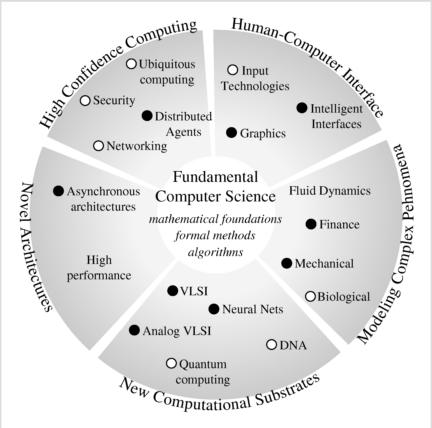
Alan H. Barr is a Professor of Computer Science at the California Institute of Technology (Caltech), affiliated with the Division of Engineering and Applied Science and the Computation & Neural Systems (CNS) department. He is a founding member of the Caltech Computer Graphics Group and a leader in developing mathematically rigorous methods for computer graphics and predictive modeling. His research focuses on enhancing computational modeling accuracy through approaches like interval analysis and constraint-based systems. Notable contributions include deformable models, quaternion interpolation, and cellular simulation frameworks. He has advised over 20 graduate students, many of whom became industry leaders at Pixar, Microsoft Research, and academic institutions like NYU and Brown University. Awards include the ACM SIGGRAPH Achievement Award (1988) and ACM Fellow (1995). Research Interests: Predictive modeling with error bounds Scientific visualization and MRI data analysis Biophysical systems simulation (e.g., cellular organelles) Self-assembling robotic structures for space colonization Mathematically robust computer graphics techniques Key Collaborations: Caltech Biological Imaging Center (Beckman Institute) JPL (Jet Propulsion Laboratory) New computational substrates research (quantum/DNA computing) Recent Work: Expanding into computational biology, medical imaging optimization, and high-confidence systems for managing complex computational interactions. Active in interdisciplinary projects across Caltech divisions.
Professor Matthew Simpson is a leading figure in applied mathematics at the School of Mathematical Sciences, Faculty of Science, Queensland University of Technology (QUT). He holds the position of Professor of Applied Mathematics and is an Australian Research Council (ARC) Future Fellow, reflecting his sustained research excellence. His work bridges mathematical theory and biological applications, particularly in cell migration, tissue invasion, and multiscale modeling. BE (Environmental) Honours 1, University of Newcastle (1995–1998) PhD (with Distinction), Environmental Engineering, University of Western Australia (2000–2003) Research Fellow, Department of Mathematics and Statistics, University of Melbourne (2003–2006) ARC Postdoctoral Fellow, University of Melbourne (2006–2009) Lecturer (2010–2011) and Senior Lecturer (2011–2013), QUT Associate Professor (2013–2014), QUT Professor and ARC Future Fellow (2014–present), QUT Matthew Simpson’s research focuses on mathematical and computational modeling of biological systems , particularly collective cell motion, diffusion processes, and reaction-diffusion dynamics. His interests span multiscale modeling , random walk processes , cell biology , and numerical and computational mathematics . He develops and analyzes models to understand phenomena such as wound healing, cancer progression, and tissue engineering. His recent publications (2023–2025) demonstrate a strong trend toward integrating data-driven modeling , likelihood-based inference , and equation learning with traditional mechanistic models. These works emphasize parameter identifiability , uncertainty quantification , and prediction robustness in biological contexts. Themes include sharp-fronted wave propagation, mechanical cell interactions, tumor spheroid formation, and generalized diffusivity in food drying, showcasing the breadth and depth of his modeling expertise. Among his key accolades are: J.H. Michell Medal (2012) – Awarded by ANZIAM for distinguished research by an early-career applied mathematician in Australia and New Zealand. ARC Future Fellowship (2013–2017) – For the project 'New data-driven mathematical models of collective cell motion' (FT130100148). Professor Simpson has also played significant editorial and leadership roles, including: Executive Associate Editor, Journal of Engineering Mathematics Academic Editor, PLoS ONE Editorial Board Member, ANZIAM Journal Co-chair of the 2015 ANZIAM meeting He has supervised PhD students on topics such as moving boundary problems, first-passage times, stochastic simulations, and curvature-dependent growth in biological systems. His research projects have been funded by competitive Australian grants (ARC DP and FT schemes), including studies on 3D cell migration, ghrelin’s role in cell invasion, and epithelial-to-mesenchymal transition in cancer and wound healing. He is actively involved in developing computational tools for biological modeling and promoting best practices in scientific publishing.
Ole Winther is a Professor at the Department of Biology, University of Copenhagen, specializing in Computational and RNA Biology. He also holds a joint appointment as Professor at DTU Compute, Technical University of Denmark. His research bridges machine learning, bioinformatics, and natural language processing with applications in biological sequence analysis, transcriptomics, and health informatics. Education: 1998: PhD in Physics, University of Copenhagen 1994: Master of Science in Physics, University of Copenhagen Winther's research focuses on developing advanced machine learning methodologies for biological applications. He has pioneered protein language models for sequence analysis (DeepLoc, SignalP, DeepTMHMM), interpretable deep learning for RNA subcellular localization, and benchmarking frameworks for DNA language models. His work spans latent variable models, variational inference, diffusion models, and novel architectures for deep generative modeling, with increasing emphasis on practical healthcare applications including rare disease diagnosis through findzebra.com and medical question answering with large language models. Scientific Recognition: ELLIS Fellow (2021) Head of ELLIS Copenhagen Unit H-index of 61 (Google Scholar, May 2023) 19,700+ citations (Google Scholar, May 2023) Winther has supervised 25+ PhD students to completion with 7 currently in progress, along with over 100 master's projects. He frequently serves as PhD opponent and committee chairman across European institutions. His research is supported by substantial funding including multiple Novo Nordisk Foundation grants totaling over 60 million DKK for the Center for Basic Machine Learning Research in Life Science and CAZAI projects, plus significant funding from the Danish Independent Research Fund. He leads an active research group developing cutting-edge machine learning approaches for bioinformatics and NLP challenges. Winther co-founded two spin-out companies: findzebra.com (2014, 2018), a search engine for rare diseases, and raffle.ai, an NLP startup for enterprise search. He initiated DTU's popular BSc in AI and Data program and teaches the highly enrolled MSc course in Deep Learning (450+ students) and PhD course in Bayesian Data Analysis.
Alfio Grillo is a Full Professor at the Department of Mathematical Sciences (DISMA) of Politecnico di Torino, with research interests in biomechanics, continuum mechanics, and mathematical physics. His expertise spans classical mechanics and multiscale modeling of biological tissues. Research Focus: Grillo's work integrates analytical mechanics with nonholonomic constraints, fractional calculus applications, and multiscale modeling of growth/remodeling phenomena in biological systems. Recent articles emphasize poroelasticity, viscoelastic composites, and bi-phasic material behavior. Scientific Contributions: Editorial roles in leading journals since 2014 Member of INdAM-GNFM since 2009 Recipient of National Scientific Qualification in 2017 €128,609 PRIN grant for multiscale biological modeling Academic Leadership: Supervises PhD students in Civil Engineering, Mathematics, and Mathematical Engineering. Teaches advanced courses in Differential Varieties, Variational Methods, and Porous Media Mechanics.
Prof. Dr. Arne Traulsen is a Scientific Member and Director of the Department of Theoretical Biology at the Max Planck Institute for Evolutionary Biology in Plön, Germany. He leads interdisciplinary research integrating biology, physics, mathematics, and computer science to study evolutionary dynamics, particularly in cancer evolution, metaorganisms, and population structure. His work often involves collaborations with clinicians, experimentalists, and bioinformaticians. Education: Diploma in Theoretical Physics (2002) Doctorate from Kiel University (summa cum laude, 2005) Research Interests: Arne’s research focuses on evolutionary game theory, finite populations, group selection, mathematical models for cancer , and population structure . His team explores how mutations accumulate, how cooperation evolves, and how eco-evolutionary dynamics shape biological systems. Recent work connects chaotic turnover in ecosystems and evolutionary responses to treatment with broader biological questions. Scientific Awards: Postgraduate Grant of Studienstiftung des Deutschen Volkes Postdoc Grant of Deutsche Akademie der Naturforscher Leopoldina Emmy-Noether Grant of Deutsche Forschungsgemeinschaft Young-Scientist Award for Socio- and Econophysics (2012) Advising and Collaborations: While specific student names are not listed, Arne has hosted numerous research groups and mentored interdisciplinary teams. His work spans collaborations with institutions like Kiel University , the CRC 1182 Metaorganisms , and global researchers in evolutionary biology and computational modeling .
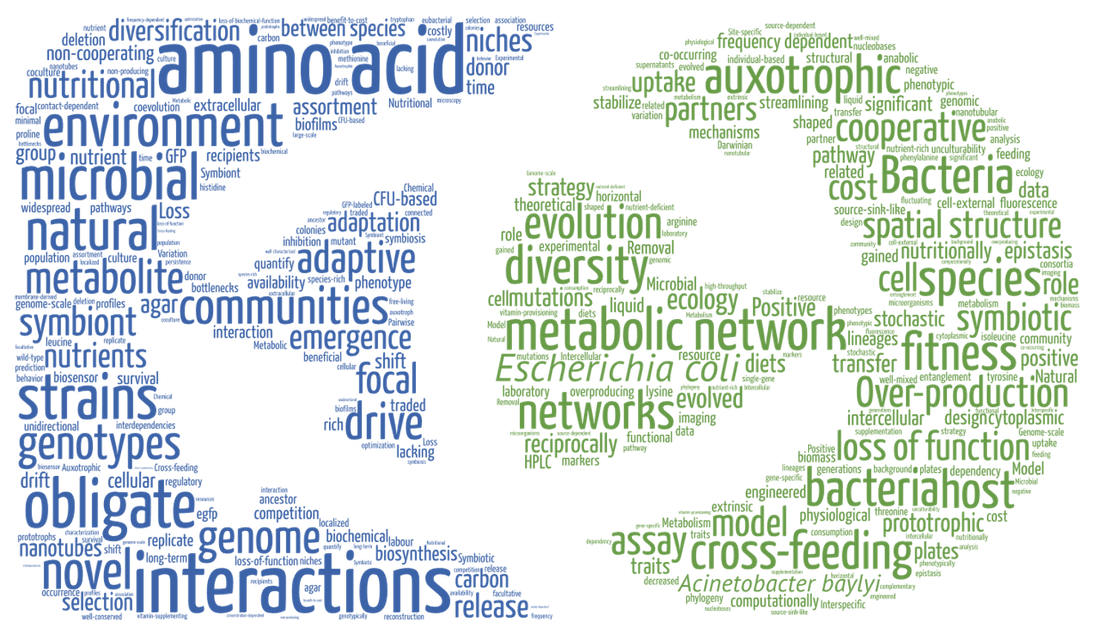
Prof. Dr. Christian Kost is a Professor in the Department of Ecology at the University of Osnabrück. His research focuses on the molecular and ecological mechanisms underlying cooperative interactions between organisms, particularly metabolic cross-feeding in bacteria. He leads the Experimental Ecology and Evolution group, investigating how cooperation evolves and its physiological consequences. Key research topics include the evolution of cooperation, synergistic coevolution, microbial community dynamics, bacterial multicellularity, and phenotypic heterogeneity. Methodologies employed include experimental evolution, synthetic ecology, genomics, microscopy/microfluidics, and theoretical modeling. Recent work highlights obligate cross-feeding’s role in expanding bacterial metabolic niches and the prevalence of reciprocity in mutualistic interactions. Kost’s lab has published influential studies on microbial symbiosis, including landmark papers in Nature Ecology & Evolution and Current Biology . Current projects explore ecological interaction networks, predator-prey dynamics (e.g., ciliate-bacteria), and synthetic microbial communities. The lab actively collaborates with international researchers and employs cutting-edge techniques like omics profiling and individual-based modeling (e.g., McComedy tool development). Recent lab additions include bachelor students Karmen Lohstroh, Pía-Kathleen Habekost, and Finn Dinnus. Kost’s work bridges theoretical and experimental approaches, aiming to define principles governing microbial cooperation and its ecological significance.
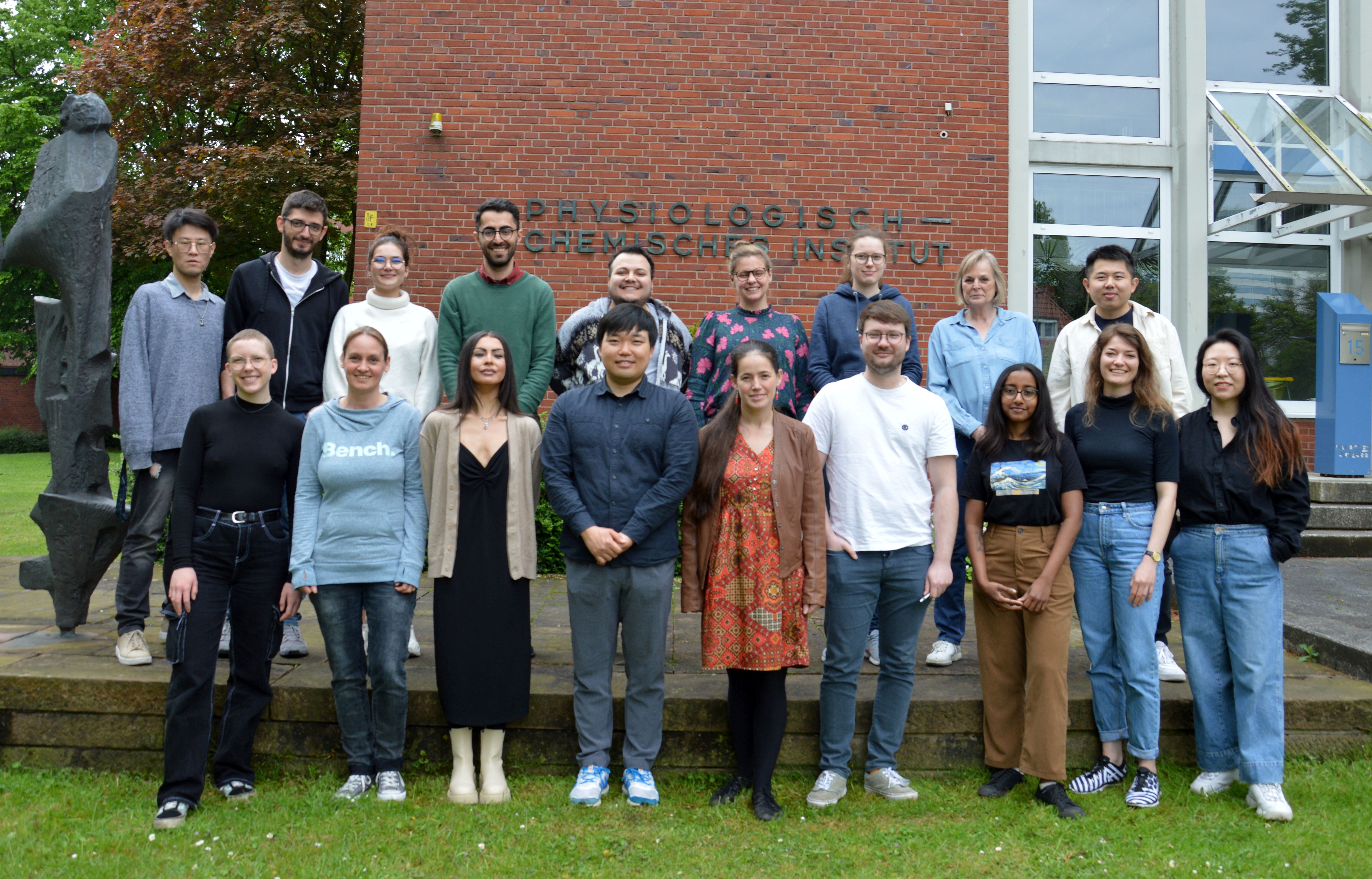
Seraphine V. Wegner is a Full Professor at the Institute of Physiological Chemistry and Pathobiochemistry within the Medical Faculty of the University of Münster. She leads an active research group focused on the spatiotemporal control of cell-material and cell-cell interactions using visible light. Her work bridges synthetic biology, cell biology, and photochemistry to create innovative approaches for tissue engineering and minimal cellular systems. Dr. Wegner's educational background includes a PhD from the University of Chicago (2005-2010) and undergraduate studies at Middle East Technical University in Turkey (2002-2005). Her career path has taken her through prestigious institutions including the Max Planck Institutes in Mainz and Heidelberg, where she established her independent research before joining the University of Münster as a Full Professor in 2019. Her research spans several interconnected areas including light-controlled minimal cellular systems, photoswitchable cell-cell interactions for tissue engineering, light-controlled cell-material interactions, and engineering designer biofilms with light. These research themes share a common thread of using light as a non-invasive tool to precisely control biological processes with high spatial and temporal resolution. Dr. Wegner's publication record shows consistent high-impact output across leading journals in cell biology, synthetic biology, and materials science. Her recent work demonstrates increasing sophistication in multi-color light control systems and applications in both fundamental biological questions and potential therapeutic approaches. ERC Consolidator Grant (2024): LIGHTHOUSE - Light as a signal for nonchemical cell-to-cell communication ERC Starting Grant (2018): ARTIST - Artificial cell-cell interactions for light switchable cell organization and signaling Young Leaders in Science Program, Schering Foundation (2016) MaxSynBio Independent Group Leader, BMBF/MPG (2015) Her research group actively collaborates across disciplines, with projects spanning from fundamental biophysics of cell adhesion to potential medical applications in tissue engineering and bacterial therapeutics. Dr. Wegner has established herself as a leader in the emerging field of optogenetic control of multicellular systems.
Vahid Shahrezaei is a Professor of Biomathematics at Imperial College London's Department of Mathematics (Faculty of Natural Sciences). He holds affiliations with the Biomathematics Group, Centre for Synthetic Biology, and Mathematics in Medicine. His research focuses on Computational Molecular Systems Biology, studying cellular robustness under stochasticity and environmental noise using computational and analytical methods. Notable contributions include methods for single-cell RNA-sequencing analysis and simulation-based inference of biochemical networks. Education: PhD in Physics from Simon Fraser University (Canada), BSc/MSc in Physics from Sharif University (Iran). Career highlights include a sabbatical at the Crick Institute (2023-2024) and roles such as Diversity Champion for the Faculty of Natural Sciences. Awards include the Imperial College President Medal for Research Supervision (2017). He has led interdisciplinary grants, including a Leverhulme-funded study on noise in gene expression with Samuel Marguerat. Research Interests: Stochastic modeling, gene expression dynamics, systems biology applications Key Projects: Development of bayNorm for single-cell data normalization, studies on mycobacterial cell size control Professional Roles: BBSRC expert panel member, co-organizer of systems biology conferences His lab integrates mathematical modeling with experimental data, addressing questions in developmental biology, cancer metabolism, and microbial systems. Recent work includes agent-based modeling of environmental policy adoption and novel visualization techniques for multi-omics data.
Maja Adamska is an Associate Professor and ARC Future Fellow at the Australian National University (ANU) in the Research School of Biology. She serves as Associate Director of Education and Head of the Biology Teaching and Learning Centre. Her primary research affiliation is with the Division of Biomedical Science and Biochemistry, where she leads the Adamska Group focused on the genomic and evolutionary basis of animal development. She is based in Room 2.022, Level 2, Linnaeus Building at ANU. Dr. Adamska studied biology with a focus on embryology and evolutionary biology at Jagiellonian University in Krakow, Poland. She completed her PhD in Germany working with Eva Bober and Thomas Braun on homeobox genes in inner ear development using vertebrate models from medaka fish to mice. Her postdoctoral work included research at the University of Michigan in Miriam Meisler's laboratory studying mouse mutants for limb patterning, followed by work at the University of Queensland with Bernie Degnan analyzing developmental signaling pathways in the sponge Amphimedon queenslandica. She was a group leader at the Sars International Centre for Marine Molecular Biology in Bergen, Norway from 2007-2015 before joining ANU in 2015. Her research addresses fundamental biological questions about how complex animals develop from single cells and how the first multicellular animals evolved from single-cell ancestors. She uses calcareous sponges to investigate the evolutionary origins of key developmental processes including germ layer segregation and axial patterning. Her work spans multiple areas including evolutionary developmental biology, comparative genomics, and the study of major transitions in animal evolution such as the emergence of multicellularity and morphological complexity. Her research has revealed surprising similarities between sponge and higher animal embryonic development, challenging traditional views of animal evolution. Analysis of Dr. Adamska's recent publications shows a strong focus on sponge and coral biology, with increasing attention to conservation and sustainability issues related to marine ecosystems. Her work combines molecular, genomic, and evolutionary approaches to understand fundamental biological processes, with particular emphasis on gene regulatory networks, developmental signaling pathways, and the genomic basis of morphological complexity in early-branching animals. ARC Future Fellow (since 2017) h-index of 32 with 3,990 citations according to Scopus Multiple research grants including ARC Centre of Excellence for Integrated Coral Reef Studies (2014-2021) Dr. Adamska supervises research on multiple projects including coral regeneration, molecular mechanisms of developmental signaling pathways in sponges, identification of target genes for developmental transcription factors, skeleton formation in corals and sponges, and sponge and coral microbiomes. She also serves as Convenor for BIOL2174 and has developed innovative educational approaches including the Digital Marine platform for blended learning in marine biology. Her research group, the Adamska Group, focuses on the genomic and evolutionary basis of animal development, using calcareous sponges as model organisms to gain insights into the evolutionary origins of complex developmental processes. The group collaborates with international researchers across multiple institutions to advance understanding of early animal evolution and development.
Kenneth Wertheim is a Lecturer in the Data Science AI and Modelling Centre (DAIM) at the University of Hull, part of the Faculty of Science and Engineering. They hold a PhD in bioengineering from the University of Southampton and have held roles at the University of Nebraska-Lincoln and the EU-funded PRIMAGE project. Their research focuses on systems biology, computational oncology, and applied artificial intelligence. Education: MEng in Chemical Engineering (Imperial College London), MS in Chemical Engineering (Columbia University), and PhD in Bioengineering (University of Southampton). Notable international experiences include internships in Argentina and Hong Kong, and an exchange year in Australia. Research emphasizes mathematical modelling of biological systems, particularly neuroblastoma and immune responses. Recent work includes developing therapeutic strategies for childhood cancers and AI-driven facial recognition systems. Key achievements include the 2020 Mensa Foundation award for a virtual immune system project impacting over 140,000 global members. Active in advocacy and yoga instruction, they teach courses in artificial intelligence, data science, and numerical methods. Supervises projects and collaborates on interdisciplinary initiatives like the PRIMAGE oncology research consortium.
Minoru Koyama is an Assistant Professor in the Department of Cell & Systems Biology at the University of Toronto Scarborough (UTSC). His research focuses on understanding the neural circuit mechanisms underlying behavioral development, particularly in zebrafish models. He employs advanced techniques such as optogenetics, voltage imaging, and CRISPR-based methods to study circuit maturation in the hindbrain and spinal cord. Education: Koyama holds a Ph.D. (2006), M.Sc. (2002), and B.Sc. (2000) in Biological Sciences from the University of Tokyo. Research Interests: His work investigates how neural circuits mature post-birth and contribute to complex behaviors, with applications to developmental brain disorders. His lab uses zebrafish as a model system, combining optics, genetics, and machine learning for behavioral analysis. Key projects include studying motor coordination development and refining imaging techniques like multi-plane microscopy and voltage indicators. Publications Highlight: Koyama’s recent work includes innovations in microscopy (e.g., HiLo speckle illumination) and genetic tools (e.g., TEMPO lineage tracing). These advancements enable precise observation of neural circuits and cellular dynamics. Lab & Recruitment: The Koyama Lab actively recruits graduate students and postdoctoral researchers. No specific grants are detailed, but his work reflects broad interdisciplinary collaborations in neuroscience and biotechnology. Labs/Teams: His lab focuses on developmental neurobiology, leveraging cutting-edge imaging and genetic engineering to explore neural circuit function across vertebrate development.
Associate Professor Maja Adamska is a Group Leader and Associate Professor in the Research School of Biology at the Australian National University (ANU). She leads Program 3 in the ARC Centre of Excellence for Coral Reef Studies and has held previous roles as a Group Leader at the Sars International Centre for Marine Molecular Biology in Norway. Her research focuses on the evolutionary origins of developmental processes in animals, particularly using calcareous sponges as model systems. Adamska's work bridges developmental biology, genomics, and evolutionary biology, investigating topics such as germ layer segregation, axial patterning, and major transitions in animal evolution like the emergence of multicellularity. Education & Career: Bachelor's/Master's in Biology at Jagiellonian University (Kraków, Poland) PhD in Developmental Biology at the University of Cologne (Germany) Postdoctoral research at the University of Michigan and University of Queensland ARC Future Fellow at ANU since 2017 Research Interests: Genomic basis of morphological complexity Evolutionary origins of developmental processes Sponge and coral genomics Regeneration mechanisms in marine organisms Key Contributions: Discovered conserved developmental pathways in sponges Advanced understanding of sponge-metazoan divergence Contributed to the Amphimedon queenslandica genome project Awards: ARC Future Fellowship (2017–present) Lab & Collaborations: Adamska Group (Genomic and Evolutionary Basis of Animal Development) Collaborations with global marine biology networks
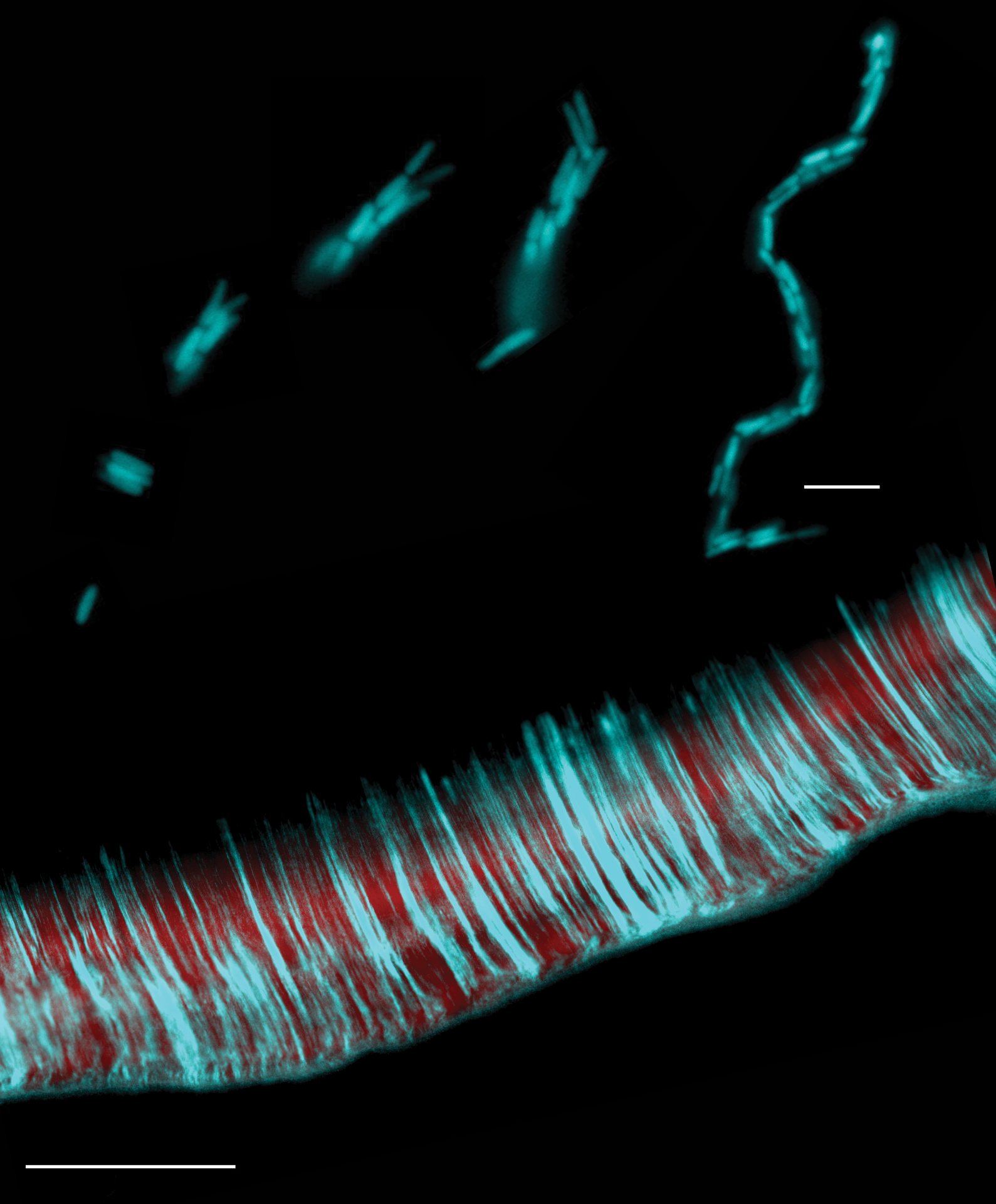
Kyle Allison serves as an Assistant Professor in the Department of Medicine, Division of Infectious Disease at Emory University, where his interdisciplinary research bridges bioengineering, chemical engineering, and microbiology to revolutionize antibiotic development through advanced bacterial behavior analysis. Education: Master's degree in Literature (thesis on James Joyce's Finnegans Wake) Dr. Allison's research centers on Antibiotics and Bacterial Persistence , with groundbreaking work revealing Multicellularity in E. coli —traditionally considered unicellular. His lab employs cutting-edge Microscopy and Systems Biology approaches to track individual bacteria, discovering metabolite-driven antibiotic potentiation, persistent bacteria resuscitation mechanisms, and biofilm formation through genetically regulated 4-cell rosettes that develop into chain-like communities. This Biofilms research demonstrates E. coli's clonal self-organizing life cycle unfolding entirely at microscopic scales. Scientific Awards: Forbes Magazine 30 under 30 in Science NIH Director’s Early Independence Award Leading the Allison Lab, Dr. Allison bypassed traditional postdoctoral training through his NIH award to establish an independent research program focused on cellular-scale bacterial dynamics. His team develops novel quantitative methods for observing morphogenesis and self-organization, with implications for treating stubborn infections. While no student advisement details appear in source materials, his lab's technical innovations in microscopy and genetic analysis continue to advance infectious disease research, supported by prestigious recognition but without explicit grant documentation beyond the Early Independence Award.
Nikos Kavallaris is an Associate Professor at Karlstad University, specializing in Applied Mathematical Analysis. His research focuses on deterministic and stochastic modeling of biological, ecological, and industrial systems, including chemotaxis, tumor growth, MEMS technology, and uncertainty quantification. He collaborates with institutions like Osaka University and Brown University. He teaches modules such as Optimization and Applied Mathematics for Engineers. Kavallaris holds a PhD from the National Technical University of Athens (2000) and has held academic positions at Aegean University and the University of Chester. He co-organizes the 2024 Equadiff conference’s minisymposium on Nonlocal PDEs. His work bridges theoretical mathematics with applications in biology, engineering, and environmental science. Education: PhD in Applied Mathematics, National Technical University of Athens (2000) Postdoctoral Research: University of Wrocław (EU HYKE project), Osaka University (COE program) Collaborations: Osaka University, Heriot-Watt University, Sorbonne Paris Nord, Brown University Research Interests: Nonlinear PDEs, stochastic modeling in biology/ecology, MEMS device dynamics, and topological data analysis. His work addresses phenomena like tumor growth, DNA methylation, and industrial processes such as ohmic heating and metal welding. He explores quenching dynamics, blow-up solutions, and bifurcation theory in nonlocal models. Publications: Over 50 articles on topics ranging from stochastic MEMS models to cancer immunology, emphasizing nonlinear dynamics and uncertainty quantification. Recent work examines flood exposure in Sweden and immune infiltration patterns in breast cancer. Grants/Awards: Involved in EU Marie-Curie projects and collaborative research initiatives. His contributions span theoretical analysis and application-driven research in interdisciplinary fields. Labs/Teams: Active in international research networks, leading projects on nonlocal PDE applications and mathematical biology.