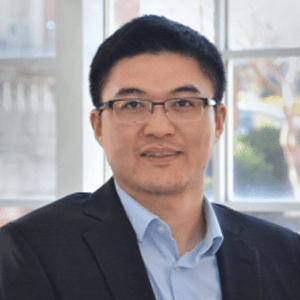
Youxing Chen is an Assistant Professor in the Department of Mechanical Engineering and Engineering Science at the University of North Carolina at Charlotte, where he focuses on materials behavior under extreme environments such as radiation, high strain rates, and extreme temperatures. His research explores the fundamental relationship between material structure and mechanical properties across atomic to macroscopic scales. His work emphasizes nanoscale materials design, radiation damage mitigation, and multiscale mechanical testing. Key areas include nanolaminates, high entropy alloys, and nanotwinned structures, utilizing techniques like nanoindentation and in situ TEM to analyze deformation and radiation effects. While his publications highlight collaborations and advanced characterization methods, no specific scientific awards or student advising details are mentioned in the provided text. His laboratory's current efforts center on enhancing strength, ductility, and radiation tolerance for applications in energy and aerospace systems.
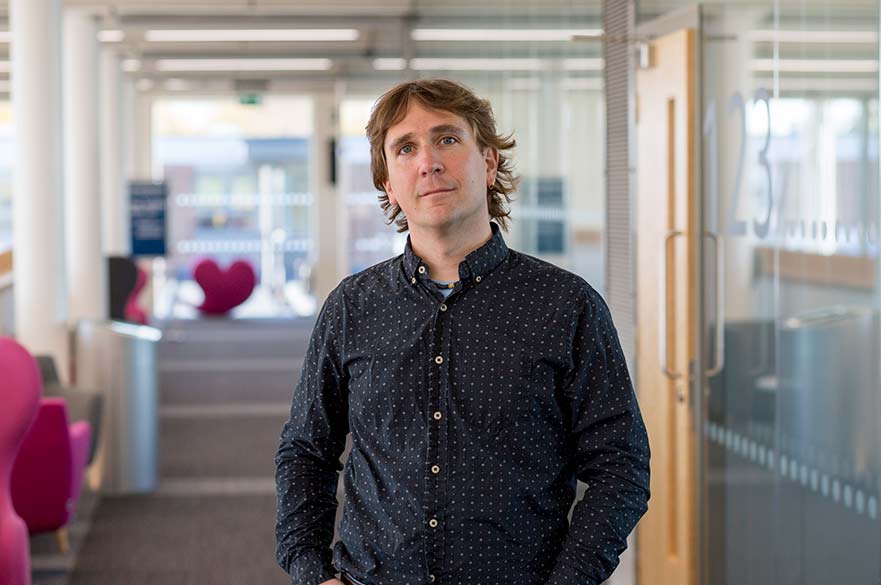
Nicholas P Jones is a Professor in the Department of Civil and Environmental Engineering at the University of Illinois. His research focuses on wind engineering, structural dynamics, and bridge engineering, with expertise in aerodynamics, forensic analysis, and coastal hazard mitigation. Key Affiliations: University of Illinois (College of Engineering) Email: npjones@illinois.edu Research interests include: Vortex-induced vibrations in bridges Wind-induced failure mechanisms Aerodynamic modeling of long-span structures Multi-hazard resilience for coastal infrastructure Seismic retrofitting of historic buildings Atmospheric boundary layer dynamics His publications span 1989–2013, with a focus on wind engineering, structural health monitoring, and disaster forensics. Key contributions include studies on the Dallas Cowboys Practice Facility collapse (2013), hurricane wind modeling (2004), and seismic retrofits for Santa Cruz historic buildings (1991).
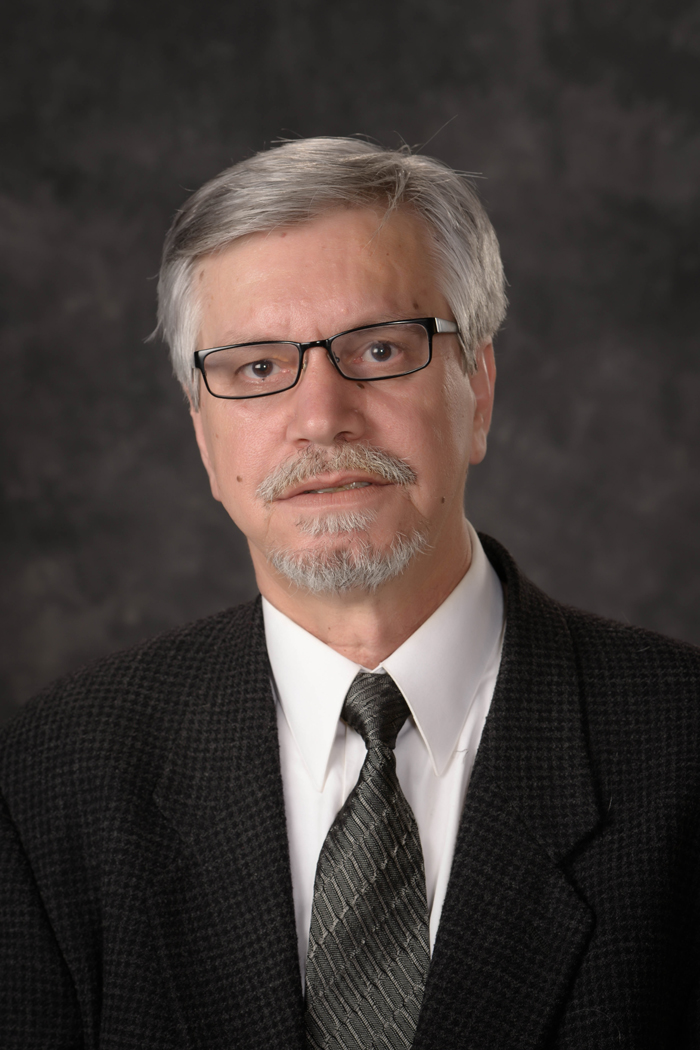
Lucas Goehring is a Professor in the Physics and Maths department at Nottingham Trent University (NTU), where he leads an experimental research group studying pattern formation and complex fluids. His work spans fundamental physics of mechanical instabilities to interdisciplinary applications in geophysics and biophysics. He teaches condensed matter physics, forensic image processing, and first-year physics labs, with prior teaching experience in environmental physics, non-linear dynamics, and soft matter physics. Goehring's educational background includes a PhD from the University of Toronto on columnar joints (e.g., Giant's Causeway), followed by postdoctoral research at the University of Cambridge studying colloidal drying and cracking. He later habilitated while teaching at the University of Göttingen during his tenure as a research group leader at the Max Planck Institute for Dynamics and Self-Organisation. His research centers on complex fluids and solids – multi-phase materials where microscopic structure determines macroscopic properties. Key themes include: Mechanical instabilities (fractures, wrinkling, buckling) Geophysical pattern formation (salt polygons, columnar joints, mud cracks) Colloidal dispersion dynamics (drying paint, biogenic systems) Cross-scale physics connecting nano/micro to macro behavior This work addresses fundamental questions about structural emergence in nature, applying solid mechanics and complex systems theory to diverse phenomena from reptile scales to Martian permafrost. Analysis of his 15 most recent publications reveals dominant trends in porous media convection (salt lakes, dry soils), biophysical pattern formation (cyanobacteria mats), and colloidal drying mechanics . These span interdisciplinary fields including geophysics, soft matter physics, and active matter, with consistent focus on experimental validation through microfluidics and advanced imaging techniques. Goehring actively supervises PhD students including P.S. Atkinson (2024) and M. Emerse (2023), with research opportunities available in MPhil/PhD programs at NTU. His major international collaborations include Bernard Cabane (ESPCI ParisTech), Ran Holtzman (Hebrew University), Eleni Katifori (University of Pennsylvania), and Max Planck Institute researchers in biophysics. He maintains an affiliated position at the Max Planck Institute for Dynamics and Self-Organisation and serves on the editorial board of Proceedings of the Royal Society A , while leading an experimental lab focused on pattern formation in complex materials.
Jean-Marc LEFEBVRE is a Research Professor at the French National Centre for Scientific Research (CNRS) and Director of the Institut Chevreul, affiliated with the Materials and Transformations Unit (UMET, CNRS UMR 8207) at the University of Lille. Based in Building C6 at the Scientific City campus in Villeneuve d'Ascq, France, he leads research within the Polymer Systems Engineering team, focusing on structure-property relationships in advanced polymeric materials. His role integrates high-pressure experimental expertise via the Institut Chevreul facilities and collaboration across UMET's multi-thematic structure. LEFEBVRE's research centers on plasticity of polymer systems , examining structural evolution during mechanical deformation in semicrystalline polymers (e.g., PVDF, polyamides), bio-based materials (e.g., poly(lactic acid)), and functional nanocomposites. Key methodologies include in-situ Small Angle/Wide Angle X-ray Scattering (SAXS/WAXS) to track real-time phase transitions, crystal polymorphism, and macromolecular reorganization. His work bridges fundamental polymer physics with applications in energy harvesting, sustainable materials, and biomedical engineering, emphasizing nanoscale characterization of piezoelectric responses and biomass-derived additives. His recent publications (2016-2023) reveal consistent focus on deformation mechanisms in polyamides and PVDF , with emerging work on banana pseudo-stem biomass for polylactic acid functionalization. Trends include atomic force microscopy for nanoscale piezoelectric mapping, SAXS/WAXS for strain-induced structural analysis, and sustainable material design using agricultural waste. Key journals span ACS Applied Materials & Interfaces , Polymer , and Carbohydrate Polymers , highlighting cross-disciplinary impact in advanced materials. LEFEBVRE has co-advised ten PhD students on critical topics including piezoelectric hybrid materials (Defebvin, 2015), plasticity mechanisms in amorphous polymers (Laquièvre, 2012), and strain-induced transitions in polyamides (Pepin, 2014). Notable trajectories include industrial positions at Solvay and Macopharma, academic roles at Ecole des mines de Douai and Université Catholique de Louvain, and R&D careers in Belgium. Current grants are not detailed, though UMET participates in ANR, ERC, and Interreg projects in materials engineering. He directs the Institut Chevreul High Pressure Lab within UMET, which provides specialized equipment for advanced materials testing. UMET's infrastructure includes the PMEL Electron Microscopy Platform, FireResist platform for fire safety testing, and dedicated resources for polymer processing and characterization. These facilities enable his team's work on nanocomposites, biopolymers, and deformation studies, supporting collaborations across Earth and Planetary Materials, Physical Metallurgy, and Recycling research groups.
Tobias Andersson is a Senior Lecturer in Mechanical Engineering at the University of Skövde , affiliated with the School of Engineering Science and Department of Engineering . His work focuses on advanced manufacturing simulations and optimizations. Research Projects: ShiftLabs (Digital Transformation), QWELD (Laser/Ultrasonic Welding), Virtual Engineering initiatives Technical Expertise: Finite Element Analysis, Multi-physics Modeling, Laser Welding, Adhesive Layer Mechanics His recent publications highlight trends in AI-driven manufacturing, including ANN predictive models for machining deviations and deep learning applications in welding quality assessment . He also investigates thermal stress in cutting processes and fracture mechanics in aerospace alloys. Collaborations span institutions in Sweden and Argentina, with frequent co-authorship on topics like hairpin welding optimization and multi-objective drilling simulations. Current initiatives include ReactEU Energy Storage & Power Electronics and ShiftLabs digital transformation services.
Giorgio De Pasquale is an Associate Professor at the Department of Mechanical and Aerospace Engineering (DIMEAS) of Politecnico di Torino, where he heads the Smart Structures and Systems (S3) Laboratory. He serves on the Interdepartmental Center J-Tech@PoliTO and holds a national habilitation for Full Professorship (2018). His research spans additive manufacturing, smart structures, energy harvesting, and wearable systems. Additive Manufacturing: Design for AM, multi-material joints, lattice structures Smart Systems: Native sensors in metals, structural monitoring Human-Machine Interface: Wearable bio-mechanical sensors, GoldFinger glove MEMS: Dynamic response, fatigue modeling Recent projects include MIMOSA (multimaterial aircraft components) and STARDUST (wearable rehabilitation devices). He has received awards from ASME, MESAP, and Accademia del Premio Sapio. Teaching roles include PhD courses on lattice structure modeling and MSc/BSc lectures on structural mechanics. Over 60 students have been supervised in his lab.
Dr. Jialuo Ding is a Principal Research Fellow in Additive Manufacturing at Cranfield University, where she leads the research development of digital aspects of wire-based Direct Energy Deposition Additive Manufacturing (w-DED AM) processes. She earned her PhD from Cranfield University in 2013 and has since established herself as a leading expert in this field. As the Research Programme Lead of the WAAMMat Programme, she is responsible for delivering research and industrial projects focused on providing practical solutions based on Wire Arc Additive Manufacturing processes. Her research focuses on process modeling and simulation, process monitoring and control, and the applications of large-scale DED AM component building. Dr. Ding's current projects include leading the process modeling research area for the NEWAM project (EPSRC), serving as project lead for HPWAAM (Innovate UK), acting as co-investigator for MultiFun (EU), and managing over 10 WAAMMat industrial projects annually. Dr. Ding's recent publications (2023-2025) demonstrate her active research program in advancing additive manufacturing technologies, particularly in applications for large-scale component building. Her work spans diverse areas including plasma arc deposition, digital twin development, process monitoring frameworks, and material property optimization. Her research addresses critical challenges in additive manufacturing such as residual stress management, microstructure control, and process quality assurance. Dr. Ding collaborates extensively with industry partners including Airbus, BAE Systems, Boeing UK, Bombardier Aerospace, GE Avio, Lockheed Martin UK, Safran, Thales, and numerous other aerospace and manufacturing organizations. Her work bridges the gap between academic research and industrial applications, focusing on practical solutions for real-world manufacturing challenges.
Hanna Isaksson is a Professor at the Department of Biomedical Engineering, Lund University , Sweden. She is a principal investigator in multiple profile areas including Engineering Health and NanoLund , and serves as assistant coordinator for Proactive Ageing at Lund University. Her work bridges biomedical engineering with musculoskeletal tissue research. Active in 8 ongoing projects Former postdoc at University of Eastern Finland PhD from Eindhoven University of Technology (Netherlands) Isaksson's research focuses on biomechanics and mechanobiology of musculoskeletal tissues . Key areas include: Functional bone imaging and fracture mechanisms Statistical shape modeling for bone repair Knee osteoarthritis progression in cartilage/meniscus Computational modeling of tendon rupture Multi-scale mathematical models for tissue repair Application of finite element methods Her recent publications show expertise in medical imaging validation and multi-modal tissue analysis , with applications in cardiovascular systems (mitral valve modeling) and developmental biology (skeletal muscle mineralization). Collaborations span Europe with projects funded by Novo Nordisk Foundation and European Commission FP7 . She actively supervises students and researchers in: PhD project on hip pathologies and osteoarthritis Computational heart valve simulations Achilles tendon characterization As host of 2024 Engineering Health Seminars , she facilitates cross-disciplinary discussions.
Tahir Cagin is a Professor in the Department of Materials Science & Engineering at Texas A&M University, where he conducts pioneering research in computational materials science and nanotechnology. His work emphasizes the design, characterization, and development of multifunctional nanostructured materials for advanced device and sensor applications, with significant contributions to understanding nanoscale transport phenomena and material properties for energy technologies. His educational background includes a Ph.D. from Clemson University (1988), an M.S. from Middle East Technical University (1983), and a B.S. from the same institution (1981). Professor Cagin's research program focuses on fundamental studies of transport phenomena (heat, mass, and momentum) at the nanoscale and in confined media. He investigates thermal, mechanical, electronic, and magnetic properties and phase behavior of materials, with particular emphasis on applications in thermal management, power generation, and energy harvesting. His group develops and applies multiscale simulation methods to bridge atomic-scale phenomena with macroscopic material behavior, addressing critical challenges in nanomaterials design. Analysis of his recent publications reveals a strong concentration on nanoscale thermal transport in carbon nanotubes, metal-organic frameworks, and two-dimensional materials. His work frequently employs molecular dynamics and density functional theory to study material behavior under confinement and extreme conditions, with direct implications for energy harvesting, storage, and thermal management technologies. His distinguished career has been recognized with significant honors: Feynman Prize in Nanotechnology (Theory) (1999) William Keeler Faculty Fellow While specific details about current advisees and grant funding are not provided in available sources, Professor Cagin's extensive publication record spanning decades indicates a successful trajectory in mentoring students and securing research support for computational materials science. Information regarding specific laboratories or research teams was not found in the provided materials, though his work is conducted within the Materials Science & Engineering department's computational infrastructure.
Stella Tsotsi serves as Associate Professor and Head of Studies for Area of Responsibility 8 in the Department of Nursing and Health Promotion at Oslo Metropolitan University's Faculty of Health Sciences. A clinical neuropsychologist, her research investigates developmental pathways to child and adolescent psychopathology through the interplay of child self-regulation capacities, parental mental health factors, and biological markers including genetic and epigenetic mechanisms. Her primary research focuses on the co-occurrence of aggression and internalizing difficulties in youth, examining how early life stress, parenting practices, and transgenerational mental health transmission shape socio-emotional development. She specializes in designing early interventions for cognitively disadvantaged children and employs advanced methodologies from large multidisciplinary cohort studies to investigate executive functions, emotion regulation, and temperament as vulnerability factors. Analysis of her 15 most recent publications (2023-2025) reveals consistent emphasis on longitudinal developmental trajectories, with predominant themes including epigenetic mechanisms in stress response, cross-cultural parenting dynamics, and the interplay between biological predispositions and environmental factors. Her work frequently utilizes multi-cohort designs across international collaborations to examine prenatal programming of mental health outcomes. No scientific awards are documented in the available institutional records. Dr. Tsotsi mentors students within her research domain as part of her academic responsibilities, though specific advisee names are not published in institutional materials. Her involvement in large-scale cohort studies across multiple countries indicates participation in significant grant-funded research initiatives, though specific grants aren't detailed in the provided information. She maintains an extensive international research network spanning Montreal, Ottawa, Amsterdam, Rotterdam, Saarbrücken, Manchester, and Singapore, collaborating on projects that investigate how parental mental health and parenting behaviors influence children's emotional competence and psychopathology susceptibility through developmental and epigenetic frameworks.
Manas Khan is an Assistant Professor in the Department of Physics at the Indian Institute of Technology Kanpur (IIT Kanpur), specializing in Soft Matter and Biophysics, Optical Trapping and Micromanipulations, and Modeling and Simulations. Education: Ph.D. (2011): Indian Institute of Science, India M.S. (2003): Indian Institute of Science, India B.Sc. (2000): Presidency College, Kolkata, India Dr. Khan's research focuses on studying statistical physics of soft and active matters employing various experimental tools, principally optical tweezers, and Brownian dynamics simulations. His work bridges experimental physics with theoretical modeling to understand complex systems at microscopic scales. He has made significant contributions to microrheology, particle dynamics in complex fluids, and cellular biomechanics. His publication record demonstrates a consistent focus on using optical tweezers to probe material properties and biological systems. Key themes include non-equilibrium statistical mechanics, viscoelastic properties of complex fluids, and the mechanical behavior of biological membranes. His collaborative work with researchers like A.K. Sood and Thomas G. Mason has resulted in publications in high-impact journals such as Physical Review E, Europhysics Letters, and Soft Matter. Dr. Khan has held postdoctoral positions at the University of Konstanz (2011-2012), University of California - Los Angeles (2013-2016), and University of San Diego (2016-2017) before joining IIT Kanpur as faculty. His research program at IIT Kanpur likely involves an experimental laboratory with optical trapping capabilities and computational resources for simulations.
Phoebus Rosakis is a Professor at the University of Crete specializing in multi-scale mechanics of solid materials. His work integrates mathematical modeling across continuum and atomistic frameworks to analyze material behavior and failure mechanisms. Educational background: Ph.D. in Engineering Science, California Institute of Technology (1989) Research focuses on fundamental mechanics principles where continuum approaches model bulk material properties while atomistic simulations capture nanoscale phenomena. This dual-scale methodology enables predictive analysis of fracture, deformation, and dynamic failure in heterogeneous materials under extreme conditions. Current investigations include high-speed crack propagation and shockwave interactions in solids. Contact information: Office: B-311 Phone: +30 39-3722 Email: rosakis@uoc.gr
Maxime Vassaux is a CNRS Research Officer at the Department of Mechanics and Glasses , University of Rennes, France. His work bridges experimental data with molecular dynamics and multi-scale simulations to understand how material properties emerge from atomic-level interactions, focusing on systems ranging from concrete to biological tissues. Primary Research Areas: Multi-scale material modeling, molecular dynamics, machine learning for materials science, hydration effects on mechanical properties Collaborations: Centre for Computational Science (University College London), Scientific Computing Group (Centrum Wiskunde & Informatica Amsterdam) Key Tools: High-performance computing, Gaussian process regression, deep learning frameworks Recent projects include a 2024 PhD initiative on mechanochemistry of hydrated oxide glasses, aiming to improve material durability through atomic-scale analysis. His automated variance-based sensitivity analysis reveals that only a few critical parameters (often Selected Scientific Contributions: Developed VECMAtk for uncertainty quantification in multi-scale simulations Pioneered curvature-dependent cell migration models linking microstructural mechanics to biological behavior Engineered graphene nanocomposites with optimized interfacial stress distribution for NEMS applications Contact & Affiliation: Email: maxime.vassaux@univ-rennes.fr Office: Room 031, Beaulieu Campus, Building 10B, Rennes, France
Arun Yethiraj is the V. W. Meloche-Bascom Professor of Chemistry at the University of Wisconsin–Madison . His research focuses on computational and theoretical studies of soft condensed matter , particularly polyelectrolytes, polymer coacervates, ionic liquids, and battery electrolytes. He employs multi-scale modeling , liquid state theory , computer simulations , and machine learning to predict experimental observables. Education B.Tech, Indian Institute of Technology Bombay (1985) M.S., Louisiana State University (1987) Ph.D., North Carolina State University (1991) Research Highlights : Polyelectrolytes and Coacervates : Conformational properties, phase separation mechanisms, and counterion effects Ionic Liquids/DES : Polymer conformational behavior, force field development, and solvent effects Lithium Battery Electrolytes : Dendrite formation analysis, transference number optimization Machine Learning : Phase behavior prediction, feature engineering for critical phenomena Scientific Awards ACS Physical Chemistry Division's 2022 Award in Theoretical Chemistry Former Group Members : Ajay Muralidharan (Procter & Gamble), Supreet Kaur (Eli Lilly), Kyeong-Jun Jung (Samsung Electronics), Hyuntae Jung (Hanhwa Total Petrochemical), Aditya Singh (UC Berkeley).
Jonathan Cohen is Professor of Marine Science and Undergraduate Coordinator in the College of Earth, Ocean & Environment at the University of Delaware . Based at the School of Marine Science & Policy in Lewes, Delaware, he leads research that bridges neurobiology, visual ecology, and polar biology while coordinating academic programs for marine science majors. Education Postdoctoral Fellow, Harbor Branch Oceanographic Institution (2005–2006) Ph.D., Biology, Duke University (2004) B.S., magna cum laude, Biology & Environmental Science, Dickinson College (1999) Research Interests Prof. Cohen’s interdisciplinary program centers on how marine animals perceive and respond to light . His laboratory combines comparative physiology, neurobiology, and field ecology to investigate: Visual systems of crustaceans and fish across ontogeny Behavioral and physiological adaptations to extreme Arctic light regimes Interactions between light fields, zooplankton migrations, and estuarine transport processes Ecological impacts of microplastics mediated through sensory disruption Recent work leverages autonomous vehicles, high-resolution optical sensors, and next-generation biophysical models to quantify how environmental change alters marine sensory landscapes. Publication Trends Between 2020 and 2025, Prof. Cohen has authored or co-authored more than 20 papers that collectively chart a trajectory from organismal sensory biology to large-scale physical-biological coupling. The corpus reveals three dominant themes: (1) Polar-night marine optics and bioluminescence as ecological drivers; (2) Estuarine transport and retention of buoyant particles including microplastics; and (3) Visual ecology and sensory physiology of larval and adult crustaceans. These studies integrate laboratory microcosm experiments, high-latitude field campaigns, and numerical modeling to provide a mechanistic understanding of how light governs organismal behavior and ecosystem processes. Scientific Awards & Honors No specific awards are listed in the provided materials; however, sustained NSF and collaborative funding is evident from the publication record. Advising & Grants As the Marine Science Undergraduate Coordinator , Prof. Cohen mentors a large cohort of majors, oversees curriculum development, and supervises senior theses and research projects. Graduate students and postdocs routinely participate in his externally funded projects, though individual names are not disclosed in the supplied text. Laboratories & Field Assets Research is conducted within the Cannon Laboratory Complex in Lewes, DE, providing access to running seawater systems, optics labs, and microscopy suites. Field programs utilize UD’s coastal vessels, autonomous surface vehicles, and partnerships at Arctic stations such as Ny-Ålesund, Svalbard.