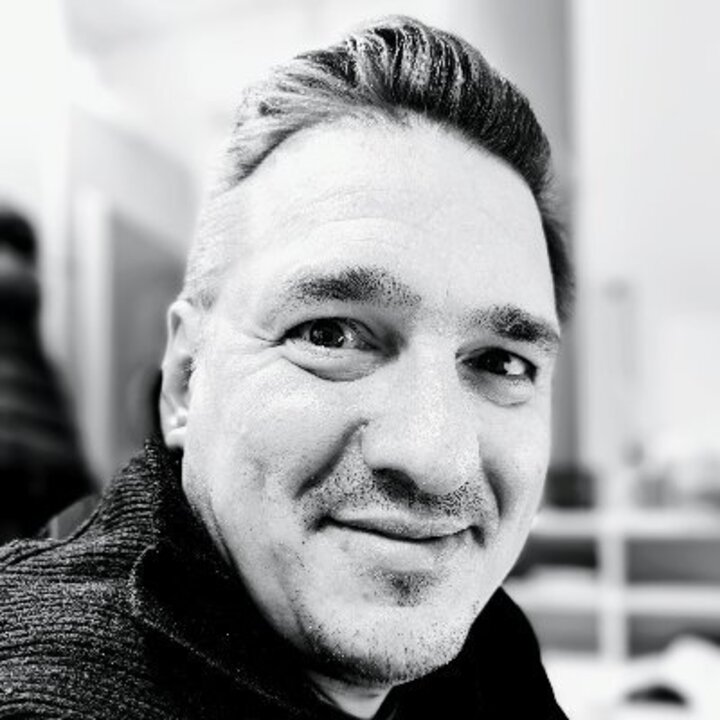
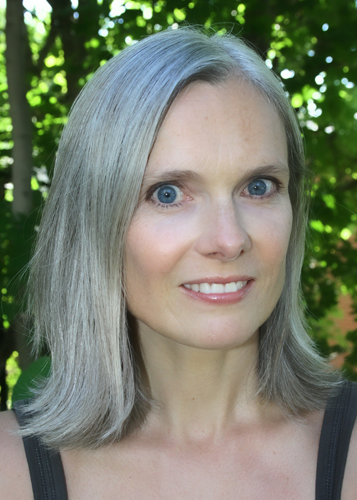
Beate Vestad is a Postdoctoral Fellow at the Department of Transplantation Medicine , University of Oslo (UiO), with a focus on microbiome research and extracellular vesicle analysis in complex disease contexts. She actively contributes to the Genomics and Metagenomics in Inflammatory Disorders and Oslo HIV Research Network groups. Her research interests center on the intersection of gut microbiota alterations , systemic inflammation , and chronic disease progression in conditions like HIV , cardiovascular disorders , and post-COVID-19 complications . She explores how microbial metabolites (e.g., imidazole propionate, butyric acid) and vesicle-mediated signaling influence disease severity and patient outcomes. Her publications demonstrate expertise in multi-omics integration , EV isolation methodologies , and clinical microbiome studies , with collaborations across immunology , metabolic medicine , and cancer biology . Her work bridges fundamental microbiome science with translational clinical applications , particularly in high-risk patient populations .
Tomas Helikar is a Professor in the Department of Biochemistry at the University of Nebraska-Lincoln , with a focus on computational biology and systems modeling. His work bridges biological complexity with educational innovation. Education : Not explicitly mentioned in the provided text. Helikar’s research centers on computational systems biology , mechanistic modeling , and immunology . He develops digital twins of biological systems and contributes to multi-scale modeling frameworks. His recent publications highlight advancements in metabolic modeling , model interoperability , and AI-driven pharmacology . The most recent articles emphasize SED-ML standards , immune digital twins , and computational education tools like Cell Collective. Keywords span Systems Biology , Immunology , Bioinformatics , and Education Technology , with sub-fields including Drug Discovery , Gene Regulatory Networks , and Active Learning . No scientific awards are explicitly mentioned in the provided text. Helikar has contributed to computational modeling curricula and systems thinking in education . He leads the Cell Collective platform for interactive learning and collaborates on logical modeling standards through initiatives like CoLoMoTo. His work also involves modeling CD4+ T cell dynamics and 3D printed molecular models for teaching. Helikar’s lab focuses on mechanistic models of immune responses , metabolic networks , and educational technologies . Projects include COMO pipelines , SED-ML specifications , and digital twin blueprints for biomedical applications.
Nicola Camp is Professor of Hematology and Adjunct Professor in Human Genetics, Biomedical Informatics, and Family and Preventive Medicine at the University of Utah, focusing on identifying inherited genetic risk variants for complex diseases through novel statistical methodologies and applied gene-finding projects. Her work addresses critical challenges in cancer genetics including genetic heterogeneity and disease complexity. Her educational background includes: B.S. in Mathematics and Statistics from the University of Sheffield, UK Ph.D. in Statistical Genetics from the University of Sheffield, UK Dr. Camp's research integrates theoretical statistical genetics with practical applications in cancer susceptibility, particularly for breast cancer, chronic lymphocytic leukemia (CLL), and multiple myeloma (MM). She leverages the unique Utah Population Database (UPDB) and high-risk pedigrees to develop methods incorporating genomic, transcriptomic, and molecular phenotypic data. Current projects involve whole-exome/genome sequencing in CLL pedigrees, high-density SNP genotyping in hematological malignancies, and apoptosis pathway analysis in breast cancer. Analysis of her recent publications reveals dominant trends in polygenic risk score development across diverse populations, BRCA variant classification using multi-modal evidence, and shared genomic segment analysis in high-risk pedigrees for cancer and reproductive disorders. Her work increasingly emphasizes cross-cancer pleiotropy and multi-omics integration to address complex disease mechanisms. Dr. Camp maintains an active research laboratory utilizing the UPDB's genealogical resources and collaborates extensively across campus and within international consortia including InterLymph. Her team specializes in developing statistical frameworks that bridge theoretical innovation with real-world data challenges in genetic epidemiology.
Valentina Di Felice is a Full Professor in the Department of Biomedicine, Neuroscience and Advanced Diagnostics at the University of Palermo's School of Medicine and Surgery. She teaches Human Anatomy for Biotechnology, Medicine and Surgery, and Neuroscience programs, with office hours held on Thursdays from 12:00 to 13:00 via Teams Chat. Her research spans multiple interconnected domains of biomedicine and neuroscience, with particular emphasis on skeletal muscle physiology, heat shock proteins (especially Hsp60), exercise physiology, and muscle pathology. She investigates the molecular mechanisms underlying muscle adaptation to exercise, gender differences in muscle response, and the role of heat shock proteins in muscle homeostasis and disease. Her work extends to cardiac tissue engineering, cachexia research, and the gut-liver-muscle axis, demonstrating a comprehensive approach to understanding musculoskeletal and neurological systems. Analysis of her recent publications reveals a strong focus on translational research with clinical applications, particularly in developing novel therapeutic approaches for muscle wasting conditions. Her work on nanovesicle-based drug delivery systems containing heat shock proteins represents innovative approaches to treating muscle atrophy and cachexia. She also explores the therapeutic potential of probiotics and natural compounds like Pleurotus eryngii in muscle protection and regeneration. Professor Di Felice actively supervises graduate students across multiple programs including Neuroscience, Medical Biotechnology, and Molecular Medicine. Her research group maintains an active online presence through their Facebook page, facilitating collaboration and knowledge sharing. She serves as principal investigator for research projects investigating muscle physiology, tissue engineering, and novel therapeutic interventions for muscle pathologies.
Prof. Dr. Jan Hasenauer holds the Hertz Professorship at the University of Bonn since August 2024, with dual affiliations to the Life & Medical Sciences Institute (LIMES) and the Hausdorff Center for Mathematics (HCM) . His work bridges computational biology , systems biology , and mathematical modeling , focusing on methods for integrating heterogeneous biological data , model-based hypothesis testing , and experimental design optimization . Develops computational frameworks for analyzing complex biological systems Active in multi-scale modeling of cellular and organismal processes Key contributor to universal differential equations and Bayesian inference tools Research Trends from 2024-2025 publications show expertise in: Integrating clinical data with multi-omics for disease modeling Designing privacy-preserving analysis tools for clinical trials Developing software standards like PEtab for reproducible modeling Applying machine learning to epidemiological forecasting The group maintains strong connections with the Transdisciplinary Research Area 'Modelling' and collaborates across mathematics , life sciences , and public health . Recent ERC Starting Grant funding (€1.5M) supports their innovative computational approaches.
Dr. Qing Lu is an Adjunct Professor at the BioMolecular Science Gateway Faculty of Michigan State University, affiliated with the Genetics & Genome Sciences Program. Their methodological research focuses on statistical genetics and machine learning innovations for high-dimensional data analysis, including tree-based methods, U-statistics, and deep learning frameworks. Key research trends from publications include: Statistical genetics methodology (U-statistics, kernel neural networks, mixed-effects models) Machine learning applications in genomic data analysis (deep learning, transfer learning, functional networks) Environmental health investigations (bisphenols, metals, parabens) Public health methodologies (network scale-up, population estimation) Dr. Lu's work bridges computational methods with biomedical applications, particularly in: Genetic interaction analysis Multi-omics data integration Exposure-genotype-phenotype relationships Development of open-source bioinformatics tools
Lasse Pihlstrøm is a Professor II at the Department of Neurology, Faculty of Medicine, University of Oslo, and Oslo University Hospital (OUS), Rikshospitalet. He maintains a dual affiliation with the Department of Radiology and Nuclear Medicine, reflecting the interdisciplinary nature of his work in neurodegenerative disorders. His research bridges clinical neurology with advanced genetic and molecular methodologies to unravel the complexities of Parkinson's disease and related conditions. Dr. Pihlstrøm's research interests center on Parkinson's disease genetics, with particular emphasis on polygenic risk scoring , epigenome-wide association studies , and the investigation of genetic modifiers of disease progression. His work spans multiple dimensions of neurodegenerative disease research, including ancestral diversity in genetic risk, sex-specific differences, lysosomal function in neurodegeneration, and the intersection between Parkinson's disease and other conditions like Alzheimer's disease and cancer. His laboratory employs cutting-edge genomic, epigenomic, and transcriptomic approaches to identify disease mechanisms and potential therapeutic targets. Analysis of his recent publication record reveals a clear trajectory toward integrative multi-omics approaches that combine genetic, epigenetic, and transcriptomic data to understand Parkinson's disease mechanisms. His work increasingly focuses on cross-disease comparisons , population diversity , and the development of predictive models for disease risk and progression. Notably, his research demonstrates strong international collaboration through large consortia such as COURAGE-PD. Kavlipris to four pioneers in neurogenetics (2022) Dr. Pihlstrøm actively participates in major international research consortia focused on Parkinson's disease genetics and neurodegeneration. His work has been instrumental in advancing our understanding of the genetic architecture of Parkinson's disease across diverse populations. Through his leadership in projects like the COURAGE-PD Consortium, he has contributed significantly to identifying genetic determinants of disease onset, progression, and clinical manifestations. His research has important implications for developing personalized approaches to Parkinson's disease diagnosis and treatment.
Arild Nesbakken is a Clinical Associate Professor at the Faculty of Medicine , University of Oslo , affiliated with the Department of Surgery at Oslo University Hospital (OUS). His research focuses on colorectal cancer , molecular biomarkers , tumor heterogeneity , and geriatric oncology , with a strong emphasis on translational studies linking genomic features to clinical outcomes. Recent publications highlight his work in transcriptomic subtyping , pharmacogenomics , and imaging techniques for rectal cancer staging. He collaborates extensively with international research groups, including computational oncology teams and molecular pathology experts, contributing to studies on consensus molecular subtypes , immune microenvironment , and organoid modeling for personalized treatment strategies. His 15 most recent articles (2022–2025) span topics such as ex vivo tumor heterogeneity , MRI optimization , serum biomarkers , macrophage-T cell interactions , and geriatric assessment tools . These studies reflect his commitment to integrating multi-omics data with clinical decision-making to improve colorectal cancer outcomes. Arild Nesbakken's work is supported by collaborations with institutions like the Centre for Cancer Biomedicine (OUS), Ragnhild Lothe 's cancer prevention division, and Anita Sveen 's molecular genetics group. He actively participates in international audits and GOSAFE studies , addressing disparities in cancer care and refining prognostic models.
Sheng Wang is an Assistant Professor at the Paul G. Allen School of Computer Science & Engineering , University of Washington Seattle. His work bridges Artificial Intelligence and Biomedical Applications through foundation models, generative AI, and large-scale biomedical data analysis. He holds a B.S. and Ph.D. in Computer Science from Peking University and University of Illinois at Urbana-Champaign, followed by postdoctoral research at Stanford School of Medicine. Research Interests: Developing generative AI for biomedical imaging (e.g., 40,000x40,000 pixel digital pathology via GigaPath ) Chromatin structure prediction using neural radiance fields ( CryoNeRF ) Genomics-based drug discovery through multi-modal data augmentation ( Pisces ) Multi-omics analysis with foundation models Collaborations: His work is deployed at institutions like Mayo Clinic , Chan Zuckerberg Biohub , and Providence Genomics . Current projects are supported by R01 and R21 grants for biomedical imaging and chromatin modeling. Teaching: Spring: AI for Drug Discovery Fall: AI for Medicine
Associate Professor Jonathan Peake is a prominent researcher in the Faculty of Health at Queensland University of Technology (QUT), specifically within the School of Biomedical Sciences. With a PhD in Exercise Physiology from the University of Queensland (2004), he has established himself as an expert in exercise immunology, muscle physiology, and recovery mechanisms. His research bridges sports science, medical biochemistry, and nutrition to understand how exercise affects immune function and recovery, particularly in aging populations and those with disease. His primary research interests focus on exercise-induced muscle injury and inflammation, recovery mechanisms from exercise, and how nutrition interacts with exercise to influence immune function in aging and disease contexts. His work spans sports science and exercise, medical biochemistry and metabolomics, and nutrition and dietetics. He has developed sophisticated approaches to studying stress responses, biomarker discovery, and the physiological effects of various recovery techniques including cryotherapy and nutritional interventions. Professor Peake's publication record demonstrates a strong trend toward integrative, multi-disciplinary research that combines physiological measurements with advanced molecular techniques. His recent work increasingly incorporates omics technologies, machine learning approaches, and translational applications in military and high-performance settings. His research consistently addresses the complex interplay between physical activity, immune function, and nutritional status across different populations. His scientific recognition includes: Board Member of International Society of Exercise and Immunology Member of American Physiological Society Associate Editor of Exercise Immunology Review Editorial Board Member of Frontiers in Sports and Exercise Nutrition Senior Research Affiliate at Queensland Academy of Sport Honorary Senior Research Fellow at University of Queensland Professor Peake serves as Unit Coordinator for Human Anatomy and Physiology (LSB142) and Advancing Anatomy and Physiology (LSN104). His professional journey began with postdoctoral research at Waseda University in Japan (2004-2005), followed by positions at The University of Queensland (2006-2011), including roles at the Centre for Military and Veterans' Health. He also served as Program Leader in Exercise Metabolism and Research at the Queensland Academy of Sport (2009-2014). His collaborative approach is evident in his extensive co-authorship across diverse research teams. His work connects closely with the Queensland Academy of Sport and military health research communities, suggesting strong applied research partnerships that translate laboratory findings into practical applications for athletes and military personnel.
Dr. Steven Lisgo is a developmental biologist and genomics researcher affiliated with Newcastle University . His research focuses on human embryonic and fetal development, with a strong emphasis on using single-cell RNA sequencing and spatial transcriptomics to map cellular and molecular processes across organs such as the brain, heart, skin, liver, and immune system. Research Interests: Human developmental biology and embryogenesis Single-cell genomics and transcriptomics Neurodevelopment and cerebellar morphogenesis Immune system ontogeny and organogenesis Congenital malformations and genetic disorders Comparative developmental genomics across mammalian species His recent publications (2020–2025) reflect a consistent trend toward creating comprehensive cell atlases of developing human organs, integrating multi-omics approaches to understand gene expression, cellular identity, and developmental trajectories. These studies often involve large-scale collaborations and utilize resources like the Human Developmental Biology Resource (HDBR) . Scientific Contributions & Collaborations: Dr. Lisgo has co-authored numerous high-impact studies with collaborators such as Susan Lindsay , Rachel Botting , and Emily Stephenson , indicating his role in both research leadership and data generation. His work has contributed to understanding developmental disorders like holoprosencephaly, Down syndrome, and congenital heart defects. Labs & Resources: He is closely associated with the Human Developmental Biology Resource (HDBR) , a UK-based initiative that provides human embryonic and fetal tissues for research, and is likely involved in managing or utilizing this resource for his studies.
Professor Jianhua (Jason) Xuan is a faculty member in the Bradley Department of Electrical and Computer Engineering at Virginia Polytechnic Institute and State University (Virginia Tech). He is affiliated with the Deep Learning Research Laboratory @ VT. His expertise spans bioinformatics, computational biology, and systems biology, with a focus on gene regulatory networks, cancer biology, and genomic data analysis. He holds dual Ph.D. degrees from the University of Maryland Baltimore County (1997) and Zhejiang University (1991), alongside earlier degrees from Zhejiang University. His research integrates advanced computational methods with biological systems to address challenges in cancer recurrence, signaling pathways, and transcriptional regulation. He has contributed to tools like ChIP-BIT2, BICORN, and MSIGNET for genomic data analysis. His work emphasizes Bayesian approaches, network inference, and translational applications in oncology and precision medicine. Education: Ph.D., University of Maryland Baltimore County, 1997 Ph.D., Zhejiang University, 1991 M.S., Zhejiang University, 1988 B.S., Zhejiang University, 1985 Research Interests: Computational methods for transcriptomics and genomics Systems biology of cancer recurrence and metastasis Integration of multi-omics data for disease modeling Bayesian statistical approaches in bioinformatics Gene regulatory networks and epigenetic regulation Key Contributions: Developed software tools for ChIP-seq analysis (ChIP-BIT2), transcriptome assembly (IntAPT), and disease network inference (MSIGNET) Explored ER+ breast cancer recurrence mechanisms through network topology analysis Studied epigenetic modifications and chromatin remodeling in tumor progression Awards & Service: No specific awards listed but active in academic service and software development for biological data analysis Labs/Teams: Deep Learning Research Laboratory @ VT Collaborations in computational oncology and systems biology
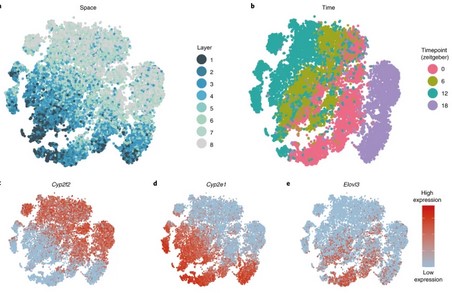
Prof. Felix Naef is a Full Professor at EPFL's School of Life Sciences (SV), leading the Laboratory of Computational and Systems Biology within the Institute of Bioengineering (IBI). His research focuses on quantitative systems biology, integrating theoretical, computational, and experimental approaches to study circadian rhythms, gene regulation, and cellular dynamics. He holds additional roles in teaching and administration, including membership in the Doctoral Program Committee for Computational and Quantitative Biology and the CDS Office. Education: PhD in Physics, EPFL (2000) Postdoctoral training at Rockefeller University (2000-2004) Research Interests: Circadian gene regulatory networks and liver chronobiology Single-cell analysis of transcriptional bursting and noise Systems biology of developmental patterning and metabolic pathways Integration of multi-omics data to model biological oscillators Key Contributions: Pioneered methods to infer circadian time from omics data Discovered space-time interactions in liver zonation and gene expression Advanced understanding of ribosome dynamics and translation elongation Awards: EMBO Member (2020) SNSF Sinergia Grant (2022) Advising & Grants: Supervised over 30 PhD students and postdocs Funded by SNSF, EU Horizon 2020, and industry collaborations Laboratory: The Naef Lab is part of EPFL's IBI, collaborating globally to address fundamental questions in systems biology and chronobiology.
Audrey Ruple, DVM, MS, PhD, DACVPM, MRCVS, is an Associate Professor in Quantitative Epidemiology at the Department of Population Health Sciences, Virginia-Maryland College of Veterinary Medicine, Virginia Tech. She also serves as the Metcalf Professor of Veterinary Medical Informatics and Program Director of the Biomedical and Veterinary Sciences Graduate Program. Her research focuses on One Health, the intersection of human, animal, and environmental health, with a particular emphasis on cancer and aging in companion dogs as models for improving human and animal health outcomes. Dr. Ruple has held academic positions at Purdue University (2015–2021) before joining Virginia Tech in 2021. Education includes a PhD in Cell and Molecular Biology (2014) and DVM (2008) from Colorado State University, alongside an MS in Epidemiology (2011) and BS in Microbiology (2002). Board-certified by the American College of Veterinary Preventive Medicine (2013) and a member of the Royal College of Veterinary Surgeons, she actively contributes to professional organizations like the American College of Veterinary Preventive Medicine and the American College of Epidemiology. Her research integrates epidemiological methods and One Health principles to address complex health challenges. Notable work includes the Dog Aging Project, a large-scale initiative leveraging canine models to study aging mechanisms and environmental health impacts. Key areas include cancer biology, environmental contaminant exposure, and the role of diet and lifestyle in canine health. Dr. Ruple’s publications emphasize predictive modeling using veterinary data to inform human public health strategies and advancing evidence-based veterinary practices. Professional memberships span veterinary epidemiology, public health, and cancer research organizations. Her academic leadership includes roles in graduate program direction and cross-disciplinary initiatives bridging animal and human health research.
Professor Felicity N.E. Gavins is a Professor of Pharmacology and Royal Society Wolfson Fellow at Brunel University London, where she serves as Director of The Centre for Inflammation Research and Translational Medicine (CIRTM) within the College of Health, Medicine and Life Sciences. Her research focuses on unraveling the complexities of immune responses in vascular inflammation and thrombosis to improve treatment of human diseases, with particular emphasis on developing precision-targeted therapies that enhance inflammation resolution and mitigate chronic disease progression. Professor Gavins completed her BSc (Hons) in Pharmacology at the University of Sunderland, including an industrial placement year at Bayer Pharmaceuticals. She earned her PhD in Pharmacology from Queen Mary University London with British Heart Foundation (BHF) support. Her academic career includes a BHF Junior Research Fellowship, a lectureship at Imperial College London where she later became Deputy Head of the Centre of Neurodegeneration & Neuroinflammation, a tenured position at Louisiana State University Health Sciences Center-Shreveport, and her current role at Brunel University London since 2019. Her research program bridges integrative physiology and pharmacology with AI-driven discovery, focusing on the molecular and cellular mechanisms driving immune communication in vascular inflammation. A central theme is the Annexin A1-Formyl Peptide Receptor-2 (AnxA1-FPR2) pathway, a vital endogenous axis for resolving inflammation. Her lab employs state-of-the-art techniques including high-resolution in vivo imaging, AI-enabled single-cell immunophenotyping, and multi-omics approaches to investigate neutrophil and platelet dynamics in conditions such as stroke, sickle cell disease, and cardiovascular pathologies. The lab is committed to translating discoveries into clinical applications while minimizing animal model reliance through New Approach Methodologies (NAMs). Professor Gavins' recent publications demonstrate a strong focus on thromboinflammation, particularly in the context of viral infections like COVID-19, sickle cell disease, and stroke. Her work consistently explores how to harness the body's innate pro-resolving pathways to develop next-generation therapeutics. The research shows an increasing integration of computational approaches with traditional experimental methods, reflecting a trend toward more data-driven discovery in inflammation research. Fellow of the British Pharmacological Society (FBPhS) Fellow of the Royal Society of Biology (FRSB) Fellow Higher Education Academy (FHEA) Royal Society Wolfson Fellow Professor Gavins actively supervises multiple PhD students working on diverse projects related to inflammation resolution, including FPR2 agonism for stroke treatment, promoting inflammation resolution in cardiovascular pathologies, and developing non-mammalian models for thrombosis research. Her lab receives funding from prestigious sources including the British Heart Foundation and Dean's Studentships at Brunel University. She is committed to mentoring post-doctoral research fellows and early-career investigators, with several alumni now holding independent research positions. The Gavins Lab operates as a hub for interdisciplinary research, featuring a diverse team of PhD students, a data scientist, and undergraduate interns. The lab has established a wide global network of collaborations with leading scientists including Professor Paul Kubes at University of Calgary, Professor Rafal Pawlinski at University of North Carolina, and Professor Charles Serhan at Harvard Medical School. The lab is also committed to sustainable science practices through the My Green Lab initiative, implementing measures to reduce single-use plastics, optimize energy efficiency, and choose sustainable reagents.