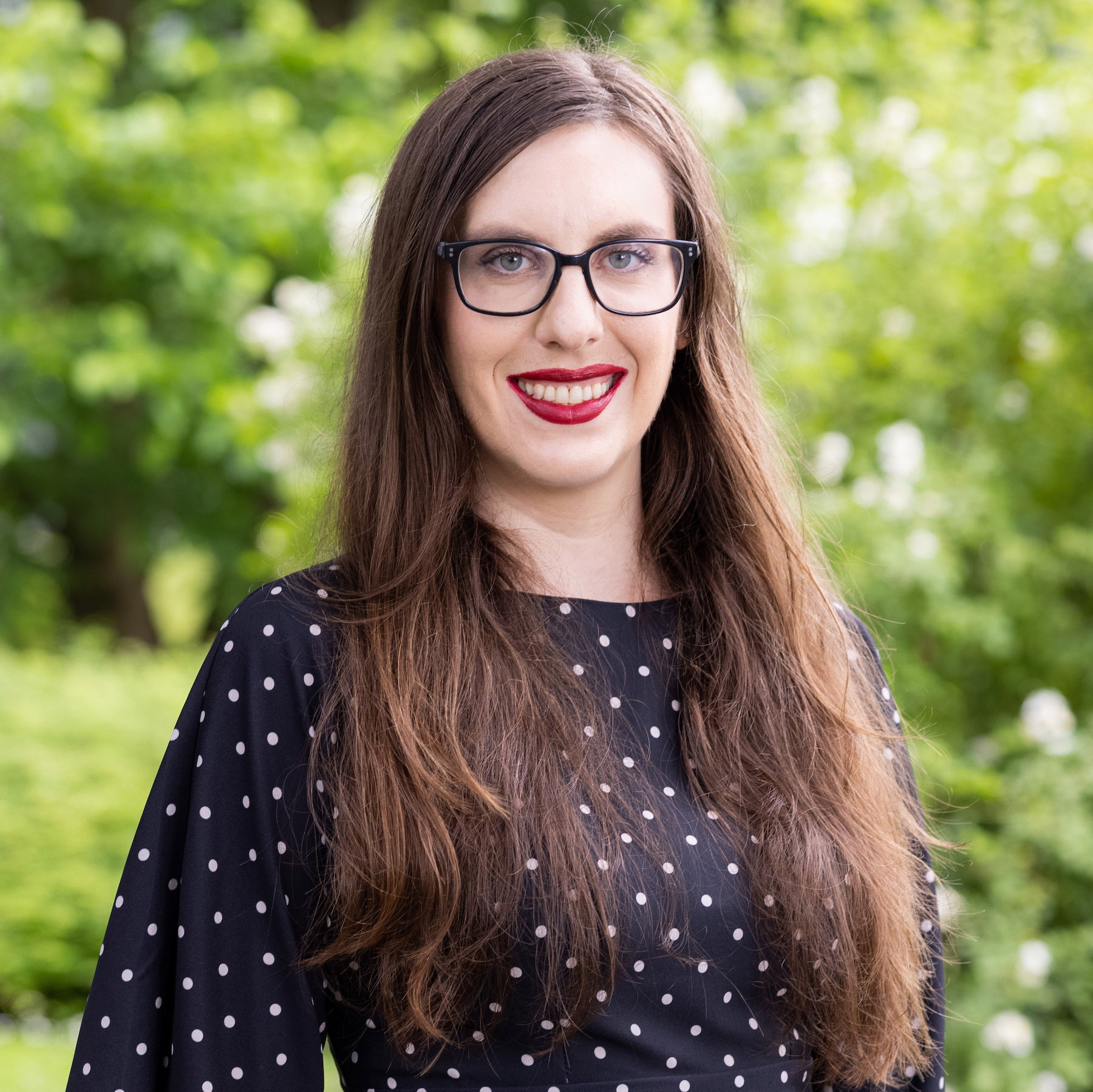
Dr. Ira Agrawal is an instructor and research fellow at the National University of Singapore , affiliated with the Yong Loo Lin School of Medicine and the Department of Physiology . She contributes to the Healthy Longevity Translational Research Program , focusing on neurodegeneration and aging. Her research emphasizes integrated multi-omics data analysis to uncover non-cell autonomous glial regulatory mechanisms and cryptic splicing events in motor neuron diseases like ALS. She has taught courses such as Bioinformatics , Neuropharmacology , and Computational Genomics since 2016. 2025 : Integrated aberrant transcript detection 2024 : Fish biomarker genes for PCB126 exposure 2022 : Lipid dysregulation in ALS 2021 : TDP-43's role in myelination and neuroinflammation 2019 : Liver tumor regression in zebrafish 2016 : Reference gene identification and hepatotoxicity mechanisms Her work bridges computational biology and environmental toxicology , with publications spanning ALS pathology, zebrafish models, and transcriptomic tools for oncology research.
Dr. Habtamu Beyene serves as an Adjunct Lecturer in the Baker Department of Cardiovascular Research, Translation and Implementation at La Trobe University. His research focuses on lipidomics and metabolomics applications to cardiovascular health, obesity, and metabolic disorders. With an ORCID identifier 0000-0001-7075-6629, Dr. Beyene has published extensively in high-impact journals including The Lancet, Nature Communications, and Journal of the American College of Cardiology. Dr. Beyene's research program centers on lipidomics and metabolomics , with particular emphasis on how lipid metabolism relates to cardiovascular disease risk and metabolic health. His work spans population-based studies , biomarker discovery , and translational applications . Key areas include the development of lipid-based risk scores, metabolic age assessment, and plasmalogen metabolism in health and disease. His research often involves large international collaborations, particularly through the Global Burden of Disease Study. Analysis of Dr. Beyene's recent publications reveals a strong trend toward integrating lipidomic data with clinical outcomes to improve cardiovascular risk prediction. His work frequently combines multi-omics approaches with epidemiological methods to identify novel biomarkers and understand metabolic pathways. Notable contributions include lipidomic risk scores that enhance traditional cardiovascular risk assessment and analyses of global nutrition and obesity trends. Dr. Beyene actively contributes to major global health initiatives, particularly the Global Burden of Disease Study, where he has authored numerous high-impact papers on obesity, nutrition, and cardiovascular disease burden. His research has significant implications for both clinical practice and public health policy, bridging the gap between basic lipid science and practical applications in preventive cardiology.
Mehrad Mahmoudian serves as a Doctoral Researcher in the Department of Computing and Project Researcher at the Institute of Biomedicine, University of Turku. He is affiliated with the Computational Biomedicine research group under Elo Lab, operating from Biocity 7th floor (Office 7096) at Tykistökatu 6, Turku. His research spans Machine Learning , Statistical Data Analysis , and Survival Analysis applied to biomedical challenges. Key focus areas include cancer genomics, reproductive health disorders, microbiome analysis, and clinical risk prediction. His methodological innovations address high-dimensional biological data through algorithm development for feature selection, epigenomic analysis, and predictive modeling. Analysis of his publications reveals a consistent trajectory in developing computational tools for biomedical data interpretation. His work bridges molecular biology (epigenetics, transcriptomics) with clinical applications (cancer prognosis, pregnancy disorders, cardiovascular risk), emphasizing robust statistical frameworks and machine learning pipelines for translational research. As a core member of the Computational Biomedicine group, he contributes to collaborative projects involving multi-omics integration, clinical decision support systems, and biomarker discovery. His technical expertise spans proteomics, metaproteomics, and genomic data analysis pipelines, with significant contributions to open-source computational methods like ROTS for differential peak detection.
Dr. Willian Da Silveira serves as a Lecturer in Medical Genomics at the University of Salford's School of Science, Engineering & Environment, with additional appointment as an adjunct lecturer at the International Space University. His academic journey spans multiple continents, including significant research contributions in Brazil, France, USA, and the UK. Current Position: Lecturer in Medical Genomics, University of Salford Previous Positions: Research Fellow at Medical University of South Carolina, Research Fellow at Queen's University Belfast Education: PhD in Medical Sciences (University of São Paulo), Master's in Biosciences applied to Pharmacy, Bachelor's in Pharmacy-Biochemistry Dr. da Silveira's research program integrates space biology with medical genomics through innovative omics approaches. His work examines spaceflight-induced physiological changes, particularly in renal and immune systems, while also investigating cancer genomics and aging mechanisms. His leadership in the ESA-funded Space Omics Topical Team has strengthened European capabilities in space biology research, and his NASA collaboration produced a landmark CELL cover article in 2020 that received unprecedented global attention. His publication portfolio reveals a strategic focus on translational research with applications for both space exploration and terrestrial medicine. Key themes include biomarker discovery for cancer treatment response, radiation countermeasures for deep space missions, and understanding ethnic disparities in disease progression. The integration of multi-omics data with physiological outcomes represents a consistent methodological approach across his work. Ground-breaking NASA collaboration resulting in CELL cover article (Nov 2020) Top 5% research output according to Altmetric Worldwide coverage from 197 media outlets from 33 countries across 6 continents ESA Space Omics Topical Team leadership NASA STAR training program participant (Class-2, 2022) Dr. da Silveira has established productive international collaborations across space agencies (NASA, ESA, JAXA) and academic institutions. His current research addresses critical challenges for long-duration space missions while generating insights applicable to aging-related diseases and cancer on Earth. His work on induced torpor as radiation countermeasure and spaceflight-induced kidney dysfunction represents cutting-edge approaches to enabling human exploration of Mars.
Maria Ioanna Christodoulou serves as Associate Professor and Chairperson in the Department of Life Sciences at the School of Sciences, European University of Cyprus. Her academic career spans immunology, molecular biology, and translational medicine with a focus on autoimmune disorders, cancer mechanisms, and metabolic diseases. She maintains active collaborations with international institutions including the University of Glasgow and National and Kapodistrian University of Athens. PhD in Medical Sciences, National and Kapodistrian University of Athens (2010) MSc in Biology, National and Kapodistrian University of Athens (2015) BSc in Biology, Aristotle University of Thessaloniki (2003) Christodoulou's research integrates molecular profiling, bioinformatics, and clinical data to investigate T-cell regulation in autoimmune diseases (particularly Sjögren's syndrome), tumor microenvironment dynamics in ovarian and breast cancers, and microRNA biomarkers in type-2 diabetes. Her work bridges basic science with clinical applications through extensive analysis of genetic aberrations, immune cell interactions, and metabolic interference pathways. Analysis of her 2019-2021 publications reveals a strong thematic focus on the intersection of immunology and metabolic disorders, with significant contributions to understanding immune-checkpoint inhibitors, myeloid cell modulation in cancer therapy, and computational approaches to diabetes-leukemia comorbidities. Her methodology consistently combines high-throughput sequencing, molecular pathology, and bioinformatics to identify disease mechanisms and potential therapeutic targets. Award for outstanding research presentation on Sjogren's syndrome by American Foundation for Sjogren's Syndrome (2007) Best research paper award by Hellenic Society of Rheumatology (2006) Best research paper award by Hellenic Society of Rheumatology (2004) Christodoulou has supervised 7 BSc and 4 MSc theses while securing competitive research funding including the Excellence Hubs grant for pancreatic cancer immunotherapy (2022-2024), POST-DOC grant for breast cancer dormancy mechanisms (2019-2021), and Arthritis Research UK funding for IL-37 studies (2017-2019). Her editorial roles span 35+ international journals including The International Journal of Immunology and Immunobiology and Obesity and Diabetes Research Journal. She serves on the School Council at European University of Cyprus and acts as Guest Editor for special issues on cancer research. Her research group at the European University of Cyprus investigates tumor microenvironment dynamics in pancreatic cancer, phytochemical applications in oncology, and molecular mechanisms of metastatic dormancy. The team employs multi-omics approaches and collaborates with the Cyprus Digital Security Authority on data infrastructure for precision medicine initiatives.
Chen Wang is an Assistant Professor in the Department of Statistics and Actuarial Science at The University of Hong Kong. He holds a PhD in Statistics from the National University of Singapore (NUS). His research focuses on Random Matrix Theory, Time Series Analysis, and High-dimensional Data Analysis. His work explores theoretical foundations and applications in econometrics, multivariate statistics, and high-dimensional inference. Key contributions include studies on spurious factor analysis, spectral distribution of time series, and cointegration analysis in large VARs. His teaching includes courses such as STAT2602 (Probability and Statistics II) and STAT3600 (Linear Statistical Analysis). Recent publications highlight advancements in AI-driven methodologies for single-cell biology, molecular modeling, and biomedical applications. Notable trends include integrating AI agents for experimental design, spatial biology analysis, and deep learning for medical imaging. Chen's work bridges statistical theory with practical applications, emphasizing high-dimensional data challenges in diverse scientific domains.
Virginia Panara is a Research Fellow in the Department of Organismal Biology at Uppsala University, Sweden, affiliated with the Evolutionary Biology Centre (EBC). Her research focuses on molecular mechanisms of lymphatic vascular development using zebrafish models, with emphasis on gene regulatory networks and evolutionary perspectives. She maintains an active publication record in high-impact journals including Nature and Development. Her primary research interests encompass developmental biology, lymphatic system regulation, evolutionary developmental biology (Evo-Devo), molecular genetics of endothelial cell specification, and zebrafish modeling. She employs advanced methodologies such as confocal microscopy, single-cell RNA sequencing, and computational image analysis to investigate transcriptional control mechanisms involving genes like prox1a and Dmrt , particularly examining cis-regulatory elements and cell migration dynamics in vascular patterning. Analysis of her 2018-2025 publications reveals a cohesive research trajectory centered on lymphatic endothelial cell identity, with increasing methodological sophistication from phylogenetic studies to multi-omic approaches. Key themes include the relationship between lymphatic and secondary vascular systems in fish, epigenetic regulation of cell lineages, and topographically distinct genetic control of vessel formation, demonstrating interdisciplinary integration of developmental, evolutionary, and systems biology perspectives. No scientific awards are documented in the available information. There is no available data regarding her advisory roles, graduate students, or research grant funding. Dr. Panara collaborates with multiple research groups at Uppsala University, including teams led by Katarzyna Koltowska (vascular development) and Ralf Janssen (evolutionary biology), contributing to a dynamic research environment focused on uncovering molecular principles of endothelial cell identity through the Evolutionary Biology Centre's infrastructure.
Magnus Fontes is an Adjunct Professor at the Department of Automatic Control within the Faculty of Engineering at Lund University , Sweden. He also contributes to the ELLIIT: The Linköping-Lund initiative on IT and mobile communication . His work bridges Computational Biology , Immunology , and Mathematical Modeling , focusing on high-dimensional biological data analysis and immune system dynamics. His research spans Genetics , Systems Biology , and Machine Learning , with recent work on: Sex-based differences in immune responses to infections Statistical methods for single-cell data analysis Viral evolution modeling Genome-wide association studies Dimensionality reduction algorithms Computational immunology frameworks Notable trends include Integration of SDGs in health research, particularly SDG3 (Good Health) and SDG10 (Reduced Inequalities). He has contributed to 36+ publications and participates in cross-disciplinary initiatives like the Engineering Health Crossroads workshop (2023). Key projects include Bioinformatics research (2013-2014) and collaborative work with the Milieu Intérieur Consortium .
Dr. Daniel Förnvik is an Associate Professor at the Medical Radiation Physics department of Lund University, affiliated with the Lund University Cancer Centre (LUCC). His research focuses on breast cancer imaging, particularly through digital breast tomosynthesis (DBT), mammography, and artificial intelligence applications in radiology. He actively contributes to clinical research projects and collaborates internationally on cancer detection and screening optimization. Key Research Areas: Breast cancer diagnostics, AI-driven imaging analysis, radiation physics, tumor growth modeling Projects: Malmö Breast Tomosynthesis Screening Trial, NeoDense study, AI integration in mammography His recent work explores deep learning for chemotherapy response monitoring, abbreviated MRI integration with DBT, and breast density impacts on screening accuracy. Articles show expertise in overdiagnosis prevention, image quality assessment, and multi-omics approaches combining ctDNA analysis with radiomics. As a Principal Investigator, he supervises doctoral students Johannes Olinder and Andreas Bjerkén in projects examining DBT implementation and AI applications in breast imaging. Though no explicit awards are listed, his 51+ publications and sustained 2010-2025 research output demonstrate significant contributions to medical radiation physics and oncology imaging.
Dr. Simon Mages serves as Group Leader at the Gene Center and Department of Biochemistry, Ludwig Maximilians University Munich (LMU), within the Faculty of Medicine. His research bridges bioinformatics, high-performance computing, and theoretical physics to develop computational frameworks for spatial omics data analysis. Previously, he held positions as Scientist at LMU (2021-2022), Visiting Scientist at the Broad Institute of MIT and Harvard (2020-present), and Research Scientist at Siemens Corporation (2019). His research focuses on the physics of high-dimensional biological data , specifically developing methods to analyze cellular dynamics in joint position-internal state spaces using spatial omics. Key areas include spatial transcriptomics, single-cell data integration, and physics-inspired algorithm development. The Mages Lab collaborates extensively with clinical researchers to translate computational insights into biological understanding, particularly in cancer progression and tissue organization. Analysis of his publication record reveals a strong trajectory from theoretical physics ( 2015-2017 lattice QCD work ) to computational biology ( 2022-present spatial omics leadership ). His recent work demonstrates expertise in algorithm development (TACCO, SlideCNA), multi-omics integration, and clinical applications in oncology. The publications consistently emphasize scalable computational frameworks and physical modeling approaches. Selected scientific awards: German Research Foundation (DFG) Research Fellowship (2020-2022) Studienstiftung des Deutschen Volkes PhD Fellowship (2012-2015) Studienstiftung des Deutschen Volkes Scholarship (2008-2011) Mages advises doctoral researchers including Antonia Eicher and collaborates with major institutions like the Broad Institute. His lab develops open-source tools (BoReMi) and participates in high-impact consortia such as the Regev Lab collaborations. Current research integrates physics-based modeling with cutting-edge spatial technologies to decode multicellular functional units in cancer and tissue organization. The Mages Lab operates within LMU's BioSysM infrastructure at Butenandtstraße 1, leveraging high-performance computing resources for large-scale biological data analysis. The group maintains strong ties with both computational physics (through prior Jülich Supercomputing Centre work) and clinical research communities.
Dr. Qing Lu is an Adjunct Professor at the BioMolecular Science Gateway Faculty of Michigan State University, affiliated with the Genetics & Genome Sciences Program. Their methodological research focuses on statistical genetics and machine learning innovations for high-dimensional data analysis, including tree-based methods, U-statistics, and deep learning frameworks. Key research trends from publications include: Statistical genetics methodology (U-statistics, kernel neural networks, mixed-effects models) Machine learning applications in genomic data analysis (deep learning, transfer learning, functional networks) Environmental health investigations (bisphenols, metals, parabens) Public health methodologies (network scale-up, population estimation) Dr. Lu's work bridges computational methods with biomedical applications, particularly in: Genetic interaction analysis Multi-omics data integration Exposure-genotype-phenotype relationships Development of open-source bioinformatics tools
Prof. Dr. Jan Hasenauer holds the Hertz Professorship at the University of Bonn since August 2024, with dual affiliations to the Life & Medical Sciences Institute (LIMES) and the Hausdorff Center for Mathematics (HCM) . His work bridges computational biology , systems biology , and mathematical modeling , focusing on methods for integrating heterogeneous biological data , model-based hypothesis testing , and experimental design optimization . Develops computational frameworks for analyzing complex biological systems Active in multi-scale modeling of cellular and organismal processes Key contributor to universal differential equations and Bayesian inference tools Research Trends from 2024-2025 publications show expertise in: Integrating clinical data with multi-omics for disease modeling Designing privacy-preserving analysis tools for clinical trials Developing software standards like PEtab for reproducible modeling Applying machine learning to epidemiological forecasting The group maintains strong connections with the Transdisciplinary Research Area 'Modelling' and collaborates across mathematics , life sciences , and public health . Recent ERC Starting Grant funding (€1.5M) supports their innovative computational approaches.
Laura Carroll is a DDLS Fellow at Umeå University , Sweden, specializing in computational microbiology and genomic epidemiology. Her lab develops bioinformatic methods to combat bacterial pathogens through advanced data analysis. Current research focuses on phylodynamic modeling of zoonotic pathogens Development of machine learning tools for genomic phenotype prediction Creation of multi-omics methods to assess pathogen virulence Her work bridges computational and experimental microbiology, emphasizing data accessibility and public health applications through teaching and outreach. Recent publications highlight expertise in antimicrobial resistance , taxonomic classification , and outbreak detection using genomic data. Scientific Awards: DDLS Fellowship Her research combines genomic epidemiology , machine learning , and multi-omics approaches to enhance pathogen surveillance and risk evaluation systems.
Beate Vestad is a Postdoctoral Fellow at the Department of Transplantation Medicine , University of Oslo (UiO), with a focus on microbiome research and extracellular vesicle analysis in complex disease contexts. She actively contributes to the Genomics and Metagenomics in Inflammatory Disorders and Oslo HIV Research Network groups. Her research interests center on the intersection of gut microbiota alterations , systemic inflammation , and chronic disease progression in conditions like HIV , cardiovascular disorders , and post-COVID-19 complications . She explores how microbial metabolites (e.g., imidazole propionate, butyric acid) and vesicle-mediated signaling influence disease severity and patient outcomes. Her publications demonstrate expertise in multi-omics integration , EV isolation methodologies , and clinical microbiome studies , with collaborations across immunology , metabolic medicine , and cancer biology . Her work bridges fundamental microbiome science with translational clinical applications , particularly in high-risk patient populations .
Mitro Samuli Miihkinen is a Postdoctoral Researcher and Supervisor in the Doctoral Programme in Integrative Life Science at the University of Helsinki, affiliated with the Finnish Institute of Molecular Medicine. His research spans computational biology, biomedical informatics, and cancer research with a focus on drug repurposing, spatial transcriptomics, and statistical modeling. Institution: University of Helsinki Collaborations: Active in iCAN - Individualized Cancer Medicine Finland flagship program His recent publications highlight interdisciplinary approaches combining mathematical modeling , bioinformatics , and molecular medicine . Key contributions include developing tools for drug repurposing ( RepurposeDrugs ) and spatial cell type identification ( ScType ). Research activities from 2022-2025 show engagement in computational oncology, with 6 publications and participation in 2 projects. He presented at the iCAN retreat 2024 conference as a speaker.