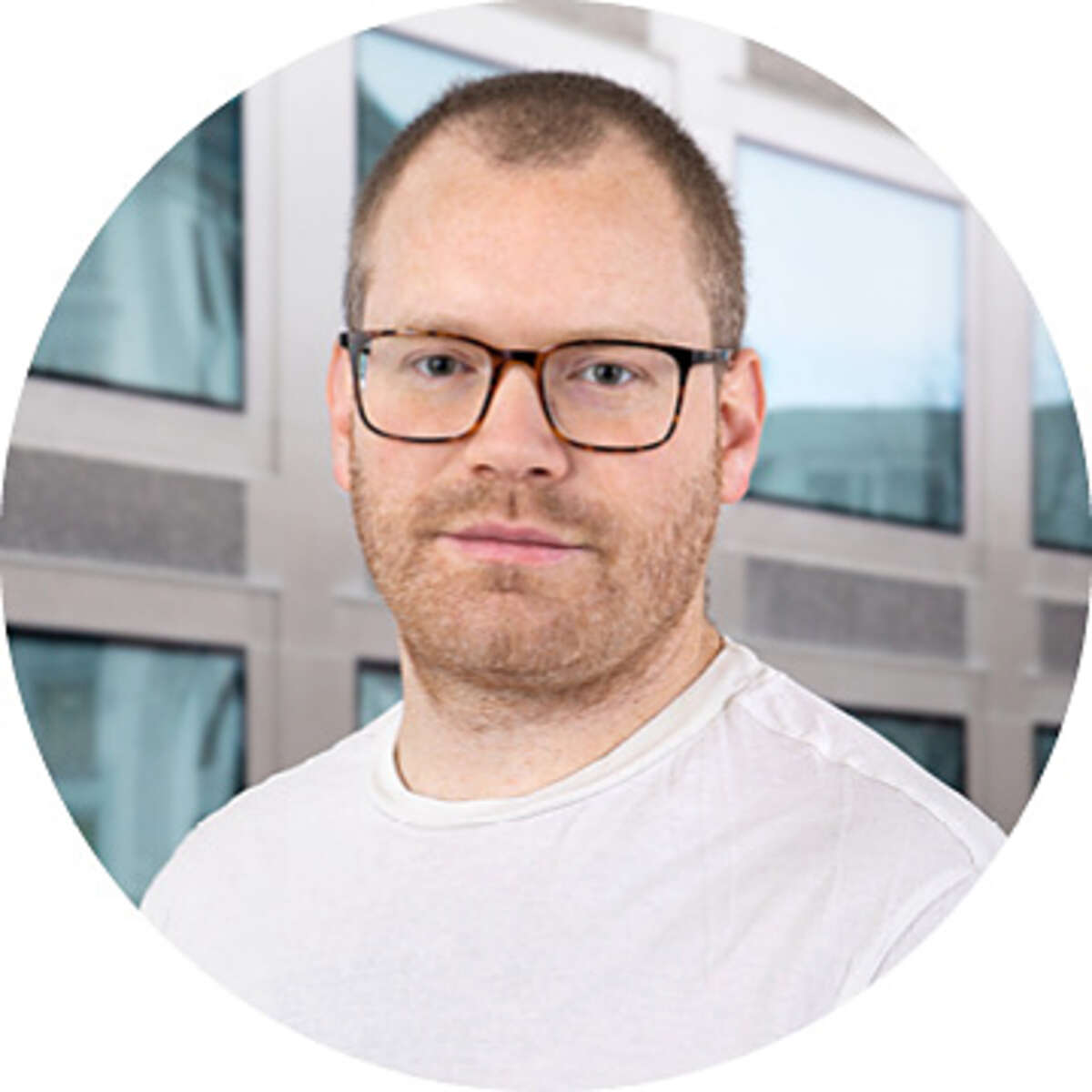
Anna Sandström Gerdtsson is a Senior Lecturer and Principal Investigator at the Department of Immunotechnology, Faculty of Engineering, Lund University. She leads projects at LUCC (Lund University Cancer Center) and collaborates with eSSENCE on e-science initiatives. Senior Lecturer (Academic Rank) Lund University (Institution) Department of Immunotechnology (Department) Her research focuses on translational oncology , using machine learning and Spatial Omics to characterize immune infiltration in solid tumors and lymphomas. Key projects include developing personalized immunotherapeutic strategies and analyzing liquid biopsies for pancreatic cancer via circulating tumor cell proteomics. 2025: AI-based identification of ovarian cancer prognostic niches 2024: Spatio-molecular models for ovarian cancer microenvironments 2023: Integrative spatial-multi-omics tools Recent publications highlight her work on broad cancer immunology and precision oncology , with studies on breast cancer metastases (2025), ovarian cancer microenvironment (2024), and mantle cell lymphoma mechanisms (2024). These reflect trends in immune phenotyping , spatial heterogeneity , and therapeutic targeting . She actively organizes academic events like the LUCC Minisymposium series (2024) and participates in multi-center collaborations across Europe.
Joseph Craft is the Paul B. Beeson Professor of Medicine in Rheumatology and Professor of Immunobiology at Yale School of Medicine. He directs the Colton Center for Autoimmunity at Yale and has served as Director of the Investigative Medicine MD to PhD program for over 20 years. His research focuses on understanding host responses to pathogen challenge and autoimmunity, with particular expertise in T follicular helper cells and lupus pathogenesis. Dr. Craft received his MD from the University of North Carolina School of Medicine in 1977. He completed his internship and residency at Yale-New Haven Hospital in 1978 and 1980 respectively, followed by fellowship training at Yale School of Medicine in 1985. He is board certified in Internal Medicine (1980) and Rheumatology (1988). His research program has made seminal contributions to understanding T cell biology in autoimmunity, particularly in lupus. His laboratory was among the first to dissect the transcriptional regulation of T follicular helper cells, a discovery recognized as a milestone in T cell development by Nature. Current research focuses on identifying developmental pathways of CD4 T cells that provide B cell help and promote inflammation, as well as determining tissue environmental factors that regulate T cell metabolism at inflammatory sites. Analysis of Dr. Craft's recent publications reveals a strong focus on T cell and B cell interactions in autoimmune diseases, particularly lupus. His work spans multiple disciplines including immunology, molecular biology, genomics, and translational medicine. Key themes include T follicular helper cell biology, mechanisms of autoimmune tissue damage, and the role of specific signaling pathways in immune dysregulation. His research increasingly incorporates advanced technologies like spatial transcriptomics and single-cell analysis to understand cellular heterogeneity in disease contexts. Two-time NIH MERIT Awardee (10-year NIH grants) Yale Bohmfalk Basic Science Teaching Prize Elected Fellow of American Association for the Advancement of Science Pew Scholar in the Biomedical Sciences Distinguished Innovator Award (2022) from Lupus Research Alliance Kirkland Scholar (2002, 2005) Charles W. Bohmfalk Teaching Prize in Basic Sciences (2004) Dr. Craft has trained over 40 postdoctoral fellows and 26 PhD and MD/PhD graduate students throughout his career. He has directed the Investigative Medicine Program at Yale for more than two decades, training 70 MD/PhD students. His laboratory research is supported by multiple NIH grants, reflecting the significance of his work in understanding autoimmune mechanisms. The Colton Center for Autoimmunity, which he directs, serves as a hub for interdisciplinary research on autoimmune diseases at Yale. Dr. Craft leads the Craft Lab at Yale, which focuses on host responses to pathogen challenge and autoimmunity. His research team includes postdoctoral fellows, graduate students, and research staff working collaboratively on projects related to T cell biology, lupus pathogenesis, and immune regulation. The lab maintains strong collaborations with other research groups at Yale, particularly within the Cancer Immunology Program and the Yale Center for Immuno-Oncology.
Aaron Diaz is an Assistant Professor at the University of California, San Francisco , holding dual appointments in the Department of Epidemiology & Biostatistics (since 2014) and the Department of Neurological Surgery (since 2015). He earned his PhD in Applied Mathematics from Cornell University (2003) after completing a BS in Mathematics at New York University (1997). Research focuses on computational biology , brain tumor heterogeneity , and precision oncology . Develops single-cell sequencing and machine learning approaches to model tumor evolution. Created software tools like SCell and HiTSelect for high-throughput data analysis. Key awards include the Society for Neuro-Oncology Adult Basic Research Award (2016) and Brain Tumor SPORE Career Development Award (2015) . His publications emphasize single-cell transcriptomics , tumor microenvironment interactions, and mechanisms of therapeutic resistance in brain cancers. Grants include P50 CA097257 (NCI) and R01 NS075998 (NINDS).
Dionna Williams, PhD is an Associate Professor in the Department of Pharmacology and Chemical Biology at Emory University School of Medicine . Her research focuses on the neuropathogenesis of HIV , neuroimmune signaling , central nervous system drug delivery , and health disparities in neuroAIDS . PhD in Biomedical Science, Albert Einstein College of Medicine (2014) BSc in Biochemistry, Hofstra University (2009) Dr. Williams’ work explores how substance abuse and immunologic factors influence HIV progression in the CNS. Her recent publications highlight donor-specific drug metabolism , blood-brain barrier regulation , and cannabinoid effects on neuroimmune processes. NIH K99/R00 Pathway to Independence Award UNCF/Merck Graduate Fellowship Johns Hopkins Provost’s Postdoctoral Fellowship Certificate in Health Disparities, Johns Hopkins Bloomberg School She has received grants from the National Institutes of Health Loan Repayment Program and Translational Research in NeuroAIDS center. Her lab investigates neuroinflammation , drug transport mechanisms , and health disparities in HIV patients.
Allison Barry (BSc, MSc, DPhil) is a Canadian-British-German pain neurobiologist currently conducting postdoctoral research at the University of Vienna and University of Texas at Dallas . Formerly a DPhil student at University of Oxford under Prof. David Bennett and Prof. Georgios Baskozos, she specializes in multi-omics approaches to pain pathophysiology, focusing on dorsal root ganglia (DRG) proteomics , spatial compartmental profiling , and iPSC-derived nociceptor modeling . Her work is rooted in open science advocacy and chronic migraine patient perspectives. Education: BSc Neuroscience (2015), Dalhousie University MSc Neurosciences (2017), Max Planck Institute/University of Göttingen DPhil Ion Channels & Disease (2022), University of Oxford Research Focus spans neuropathic pain mechanisms , multi-omics data integration , and sex-specific pain pathways . She employs spatial proteomics , proximity labeling , and synaptosome profiling to dissect sensory neuron subtypes in disease contexts. Her lab-generated DRG Directory database hosts processed sequencing datasets for community reuse. Publication Trends reveal interdisciplinary work bridging neuroscience with bioinformatics , emphasizing TNFα signaling , NKG2D ligand discovery , and neuroimmune interactions . Her methodological critiques (e.g., limitations of silhouette scores in single-cell analysis) highlight rigor in computational pain research . Grants & Collaborations: Funded by NIH, Wellcome Trust, and former Medical Research Council/NSERC support, she collaborates with teams across Harvard , King’s College London , and MDC Berlin . Her work intersects with open science movements and chronic migraine advocacy . Labs & Networks: Previously affiliated with Oxford’s Neural Injury Group, she now contributes to Vienna’s Starkl Lab (immunology focus) and Dallas’ WeirLab (chronic pain reversal strategies). She actively engages with global consortia like Bioconductor and PAIN Journal editorial initiatives.
Prof. Dr. Karsten Borgwardt is Director of the Research Department of Machine Learning and Systems Biology at the Max Planck Institute of Biochemistry in Martinsried, Germany. A leading figure in the intersection of machine learning, bioinformatics, and systems biology, he heads a multidisciplinary team that develops novel computational methods to extract knowledge from large biomedical data sets. Research Mission: The Borgwardt lab converges big data analytics and biomedical research . Two overarching goals drive their work: (1) Automatically generating new biological and medical knowledge from massive data via state-of-the-art machine-learning algorithms. (2) Understanding the molecular underpinnings of biological system function, with emphasis on personalized medicine and biomarker discovery. Their methodological toolbox spans graph neural networks, kernel methods, conformal prediction, deep learning on sequences and structures, and topological data analysis . Application domains include antimicrobial resistance prediction, protease engineering, acute-kidney-injury forecasting, coronary-artery-disease diagnostics, single-cell spatial proteomics, and Long-COVID immune profiling. Recent Publication Landscape (2023-2025): The group’s latest articles demonstrate a clear trend toward translationally relevant machine learning . High-impact venues such as Nature Communications , Science , ICLR , and RECOMB feature their work on: Data-driven protein engineering using DNA-recorded deep mutational scanning. Guaranteed antimicrobial resistance detection from MALDI-TOF spectra via conformal prediction. Graph-based biomarker discovery with theoretical guarantees. Deep phenotyping of human iPSC-derived neuronal networks to study disease mutations. Multi-modal learning that fuses genomics, proteomics, and clinical data for patient stratification. These contributions collectively advance both the theoretical foundations and real-world deployment of machine learning in medicine. Scientific Awards & Honors: While no explicit award list is provided, the breadth and impact of publications, invited book chapters, and keynote-level conference presentations (ICLR, RECOMB, ISMB/ECCB) testify to sustained international recognition. Laboratory & Collaboration Ecosystem: The Borgwardt lab operates at the Max Planck Institute of Biochemistry —a world-leading biomedical research campus. Collaborations span multiple Max Planck centers, university hospitals across Europe, and international consortia such as the EyeConic study on optogenetics therapy. The lab’s open-source footprint includes the Multi-SConES R package for multi-task network-regularized feature selection, fostering reproducible science across the community.
Professor Muzlifah Haniffa holds dual appointments as Professor of Dermatology and Immunology at Newcastle University and Senior Group Leader/Head of Cellular Genetics at the Wellcome Sanger Institute. She serves as Biological Network Co-Coordinator for the Human Cell Atlas and Deputy lead PI for Newcastle's Immunology and Inflammation theme, pioneering single-cell genomics applications to decode immune system development and disease pathogenesis. Her academic foundation includes: Medical Degree: Cardiff University Postgraduate Clinical Training: Cambridge and Newcastle PhD: Newcastle University Post-doctoral Fellowship: Singapore Research focuses on single-cell resolution mapping of human tissue ecosystems, with core themes: Human Cell Atlas development for embryonic and tissue-specific immunity Immune dysfunction mechanisms in otitis media and cutaneous diseases Multi-omics profiling of COVID-19 responses iPSC-derived skin organoid models for developmental studies Her lab champions "Strength through diversity" and reproducible science with public data sharing. Analysis of 2024-2025 publications reveals dominant trends in spatiotemporal immune mapping across skin, meninges, and prenatal tissues. Key methodological advances include MintFlow microenvironment modeling, scTRAM trajectory benchmarking, and multi-omics integration for disease classification, spanning immunology, dermatology, and cancer biology. Major recognitions: Fellow of the Academy of Medical Sciences (FMedSci) Wellcome Senior Research Fellowship Lister Institute Prize Fellowship 2019 Foulkes Foundation Medal for immunology contributions As a dedicated mentor, she supervises six PhD students including Antony Rose (hepatocellular carcinoma microenvironment) and Jacqueline Boccacino (cancer genomics). Current grants include Wellcome Trust support for her senior fellowship and Human Cell Atlas leadership, alongside UK-CIC consortium funding for pandemic response research. The Haniffa Lab operates across Sanger Institute and Newcastle's Biosciences Institute with 25+ members including clinicians, computational biologists, and wet-lab scientists. Their "Inclusion and Innovation" ethos drives collaborative projects on skin wound healing atlases, macrophage heterogeneity in graft-versus-host disease, and spatial transcriptomics of inflammatory skin conditions.
Alexios Matikas, MD, PhD , is Associate Professor of Oncology at Karolinska Institutet and Senior Consultant in Medical Oncology at the Karolinska Comprehensive Cancer Center Breast Center. Appointed Docent in May 2021, he leads translational breast-cancer research within the Theodoros Foukakis Group at the Department of Oncology-Pathology. Since 2024 he also serves as Deputy Director of Doctoral Education at the department and sits on Karolinska Institutet’s central Dissertation Committee. Education & Training MD, Aristotle University Medical School, Greece (with scholarship for academic excellence) MSc Cancer Cell Biology, Athens Medical School (valedictorian) PhD, Circulating Tumour Cells, Crete Medical School ESMO Georges Mathé Fellowship in Immuno-Oncology, Karolinska Institutet (2016–2017) Post-doc in breast-cancer immunology, Karolinska Institutet (2017–) Research Focus Matikas’ work integrates clinical trials, real-world evidence and high-resolution multi-omics to dissect the tumour-host interface in breast cancer. He is principal investigator of the international academic ARIADNE trial (NCT05900206) exploring biology-driven neoadjuvant HER2-targeted therapy, and leads registry-based studies using Swedish national databases to answer clinically relevant questions. His laboratory interrogates spatial and temporal tumour-immune dynamics using digital pathology, single-cell sequencing and proteomics to identify predictive biomarkers and therapeutic vulnerabilities. Scientific Awards & Honours ESMO Georges Mathé Fellowship in Immuno-Oncology (2016–2017) Percy Falk stipend for breast and prostate cancer research Aristotle University scholarship for academic excellence Teaching & Mentorship He is main supervisor for three and co-supervisor for five PhD candidates across Karolinska Institutet and Sahlgrenska Academy. He has accrued 260 hours of formal teaching at KI and co-created the doctoral course “Basic principles of clinical and translational research”. Together with international experts he founded the Academy of Breast Oncology , a webinar series for young oncologists (2020–2025, 13 sessions). Leadership & Service Within ESMO he previously sat on the Young Oncologists Committee (2020–2023) and now contributes to the Leadership Development Committee, OncologyPRO working group and Magnitude of Clinical Benefit Scale working group. Nationally, he coordinates adjuvant therapy guidelines for the Swedish National Breast Cancer Guidelines and serves on the Stockholm regional treatment guidelines committee.
Mingyao Li, PhD, is an Associate Professor of Biostatistics whose scholarship bridges high-dimensional statistics with modern genomics and spatial biology. Her work is recognised for advancing computational methods that dissect complex tissue architecture and disease heterogeneity at single-cell resolution. Research Interests Bioinformatics and computational biology Statistical methods for high-dimensional genomic data Single-cell and spatial multi-omics integration Genetics and genomics of cardiovascular and cancer systems Systems biology approaches to disease mechanisms Across more than one hundred peer-reviewed publications, Li’s research exhibits a clear trajectory from developing rigorous statistical frameworks—such as hypothesis testing in stochastic block models—to large-scale applications in human disease. A dominant theme is the fusion of spatial transcriptomics, single-cell multi-omics and AI-driven image analysis to uncover cell-type heterogeneity, lineage relationships and microenvironmental crosstalk in atherosclerosis, lung adenocarcinoma, pancreatic cancer and neurodegenerative disorders. Scientific Awards & Recognition While specific awards are not listed in the provided text, the consistent appearance of Dr Li as senior or corresponding author on high-impact papers in Nature family journals and the development of widely-used computational tools (e.g., MISO, iSCALE) attest to significant scholarly recognition. Research Support & Teams Granting agencies and collaborative networks are not explicitly detailed, but the scale and scope of the projects—from whole-organ spatial atlases to primate genome-editing studies—imply substantial multi-institutional funding and interdisciplinary teams integrating biostatisticians, wet-lab scientists and clinician-scientists.
Dr. Nicholas Banovich serves as Associate Professor and Director of the Bioinnovation and Genome Sciences Division at the Translational Genomics Research Institute (TGen), while also leading the Center for Spatial Multi-Omics (COSMO). His work bridges advanced genomic technologies with clinical applications across multiple disease contexts. His research leverages single-cell and spatial transcriptomics to decode gene regulatory mechanisms in pulmonary fibrosis, neonatal lung injury, and cancer immunotherapy. The lab specializes in mapping cellular heterogeneity in diseased tissues, identifying novel biomarkers, and developing computational tools like SpatialRNA for spatial data analysis. Key collaborations with City of Hope drive translational work in CAR T-cell therapy for brain cancers. Recent publications demonstrate dominant trends in spatial multi-omics applications across pulmonary, oncological, and cardiovascular diseases, with emphasis on microenvironmental dysregulation and therapeutic resistance mechanisms. His NIH-funded pulmonary disease research program has secured over $8.2 million in grants, supporting collaborative projects with clinicians to advance precision medicine approaches. As COSMO Director, he oversees core spatial biology services for TGen and City of Hope researchers, driving innovation in high-resolution tissue mapping.
Dr. Madhvi Menon is a UKRI Future Leaders Fellow at the University of Manchester, affiliated with the Division of Immunology, Immunity to Infection and Respiratory Medicine. Her research focuses on B cell interactions in chronic respiratory diseases and autoimmunity, with a specific emphasis on COPD, autoantibody mechanisms, and interferon signaling pathways. Education: PhD in Immunology from University College London (2015) Postdoctoral Training: Harvard Medical School (age-related macular degeneration research), University College London (rheumatoid arthritis pathogenesis) Research trends include inflammatory pathway analysis in autoimmune disorders, miRNA/cytokine profiling in viral infections, and monocyte migration dynamics in acute/long COVID-19. Key subfields span autoantibody functionality, interferon isoform interactions, and spatially-resolved omics applications. Scientific Award: UKRI Future Leaders Fellowship Currently supervises three PhD students (Holly Sedgwick, Maana Layeghi, Rebecca Rowan) and collaborates on multi-institutional projects like 'Laser capture dissection for spatially-resolved -omics analysis.'
Mary Tomayko, M.D., Ph.D., is an Associate Professor of Dermatology and Pathology at Yale University School of Medicine. She serves as Director of the Yale Immunobullous Clinic and Director of Dermatology Medical Student Education. Dr. Tomayko specializes in the diagnosis and treatment of autoimmune blistering diseases and other immune-mediated skin disorders, including pemphigus, pemphigoid, epidermolysis bullosa acquisita, atopic dermatitis, vitiligo, alopecia areata, and psoriasis. Her research laboratory focuses on two intertwined missions: uncovering the underlying mechanisms of immune dysregulation in bullous pemphigoid to develop effective targeted treatments, and understanding how long-lasting immunity to infection and immunization is established and maintained. Her work has uncovered unexpected diversity in phenotype and function of cells that maintain B lymphocyte immunity and has identified novel molecular pathways essential for lasting immunity. This NIH-funded research suggests new approaches to enhance and suppress immunity therapeutically. Dr. Tomayko's publication record demonstrates a consistent focus on autoimmune blistering diseases, with recent articles examining psychosocial burden of these conditions, immune checkpoint inhibitor-induced skin disorders, and the intersection of dermatology with immunology and oncology. Her work increasingly incorporates advanced techniques like spatial transcriptomics and microfluidics for immune profiling. As an educator, Dr. Tomayko mentors undergraduate, graduate, and medical students in her laboratory, and trains resident physicians and fellows. She also serves as a Medical Editor for Dermatology Focus, a publication highlighting recent advances in the field. Dr. Tomayko performs surgical excisions of skin cancers and skin lesions and is an attending physician at Yale Medicine Dermatology, Yale Health, and Yale New Haven Hospital. She employs a range of treatment modalities including systemic immunomodulators, targeted biologic agents, and phototherapy for complex cutaneous autoimmune and inflammatory disorders.
Marc van Oostrum is a molecular neuroscientist and proteomics researcher at the Biozentrum , University of Basel. His work bridges molecular neuroscience , synaptic proteomics , and systems biology to unravel the protein networks governing synaptic function and neuronal circuits. Institution: University of Basel (Biozentrum) Academic Rank: Researcher Key Grants: SNSF Ambizione Fellowship Research Focus: Van Oostrum's group investigates how synaptic protein dynamics determine neuronal connectivity, circuit development, and disease mechanisms. Their approach combines mass spectrometry-based proteomics , fluorescence-activated sorting , and in vivo labeling of synaptic populations. Notably, they explore synaptic diversity in healthy brain function and its dysregulation in neurological disorders. Scientific Contributions: His recent publications address: Proteasome maturation factors' role in transcriptional stress responses Molecular diversity of synapses through spatial proteomics Tissue-specific protein interaction atlases for disease gene discovery Synaptic proteome changes in neurodegenerative disease models Awards & Recognition: Van Oostrum has received the Best Talk Prize (2025) at the Swiss Proteomics Meeting and holds a prestigious SNSF Ambizione Fellowship . Collaborative Network: He collaborates with leaders in proteomics and neuroscience, including Biozentrum colleagues , Erin Schuman , and international teams in synaptic and proteomic research.
Bishoy Morris is an Associate Professor of Medicine at Weill Cornell Medical College , where he focuses on advancing precision oncology for urothelial and bladder cancers. His research bridges genomics, tumor biology, and clinical applications to improve patient outcomes. Education : M.B., B.Ch. from Assiut University College of Medicine (Egypt, 2004) Research Interests encompass genomic heterogeneity, extrachromosomal DNA dynamics, immune checkpoint inhibitors, and circulating tumor DNA profiling. His work explores how mutagenic processes, such as APOBEC3 activity, drive cancer evolution and resistance. Publication Trends highlight expertise in bladder cancer molecular subtypes, liquid biopsies, and computational tools for mutation analysis. Key themes include tumor-immune interactions, therapeutic vulnerabilities, and AI-driven clinical decision-making. Grants & Funding include multiple NIH/NCI awards (2023–2028) for projects targeting APOBEC3A-induced instability and ecDNA in urothelial cancer. Additional support from the Department of Defense and Starr Cancer Consortium. External Collaborations involve advisory roles at Bladder Cancer Advocacy Network and industry partnerships with Guardant Health. He contributes to professional platforms like UroToday.
Dr. Iman Hajirasouliha serves as Associate Professor of Systems and Computational Biomedicine at Weill Cornell Medical College since 2025. With a strong background in computational biology and genomics, they lead research at the intersection of bioinformatics, machine learning, and clinical medicine. Ph.D. in Computational Biology, Simon Fraser University (2012) M.Sc. in Computer Science, Simon Fraser University (2007) B.Sc. in Computer Engineering, Sharif University (2005) Their research focuses on three major areas: 1) Computational genomics for structural variation analysis and tumor phylogeny reconstruction, 2) Machine learning applications in reproductive medicine and embryo assessment, and 3) Metagenomic analysis of microbial communities and antibiotic resistance. They have developed innovative algorithms like Blackbird, Cue, and cloudrnaSPAdes for genomic data analysis. Recent publications highlight their work on spatial isoform sequencing in brain development, AI-based embryo ploidy prediction systems, and multi-omics analysis of disease states. Their research portfolio includes NIH-funded projects in computational biology and collaborations with the National Cancer Institute. Dr. Hajirasouliha's lab integrates computational methods with clinical applications, particularly in oncology and fertility medicine. They contribute to the development of the Tri-Institutional PhD Program in Computational Biology & Medicine and maintain active research collaborations across multiple institutions.