Francesco De PaceView profile
Researcher
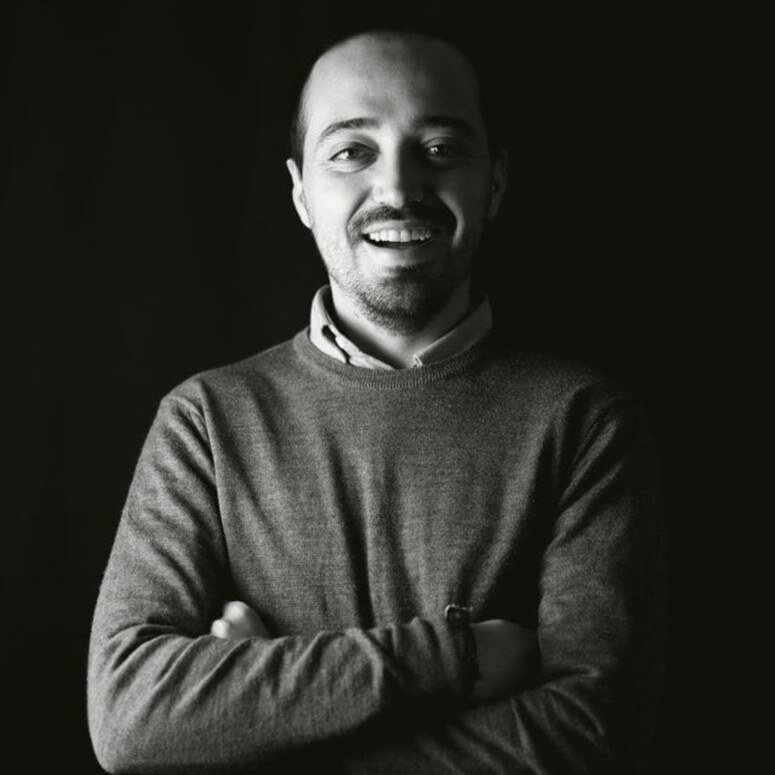
Francesco De Pace is a PostDoc Researcher at the Institute of Visual Computing and Human-Centered Technology within the Faculty of Informatics at Vienna University of Technology (TU Wien). His research focuses on the intersection of augmented reality, virtual reality, and human-robot interaction, with particular emphasis on developing innovative interfaces for industrial applications. Dr. De Pace's research spans several key areas in immersive technologies and human-computer interaction. His primary interests include Augmented Reality (AR) and Virtual Reality (VR) systems, Human-Robot Interaction (HRI), Brain-Computer Interfaces (BCIs), and advanced tracking and localization techniques. He has made significant contributions to the development of AR/VR interfaces for industrial robots, outdoor tracking with Real-Time Kinematic GPS, and SLAM (Simultaneous Localization and Mapping) systems. His work bridges theoretical research with practical industrial applications, focusing on creating more intuitive and effective human-machine interfaces. Dr. De Pace's recent publications demonstrate a clear trajectory toward enhancing human-robot collaboration through immersive technologies. His research shows increasing sophistication in integrating multiple modalities (visual, spatial, and neural) to create more natural interaction paradigms. A notable trend is the application of AR/VR to industrial settings, particularly for assembly tasks, path planning, and training scenarios. His systematic evaluation of RTK-GPS for wearable AR represents important foundational work for outdoor AR applications, addressing critical challenges in positional accuracy across different environmental conditions. While specific awards are not prominently documented in the available information, Dr. De Pace's research has been supported by significant funding mechanisms, including grants from the Austrian Research Promotion Agency (FFG) under Grant Agreement No FO999886342 KIRAS MRespond, indicating recognition of the importance and potential impact of his work. Dr. De Pace appears to be actively involved in multiple research projects, including PostDisaster and MRespond as indicated in his profile. His collaborative approach is evident through his extensive co-authorship with researchers across institutions. While specific student advising information isn't detailed in the available materials, his role as a PostDoc Researcher likely involves mentoring junior researchers and contributing to the academic development of students working on related projects. Dr. De Pace is associated with the Mixed Reality Lab at TU Wien, as indicated in the website navigation. His research appears to be conducted within collaborative frameworks that include both academic and industry partners. His work on the MRespond project suggests engagement with emergency response applications of mixed reality technologies, indicating interdisciplinary team involvement spanning computer science, engineering, and potentially public safety domains.