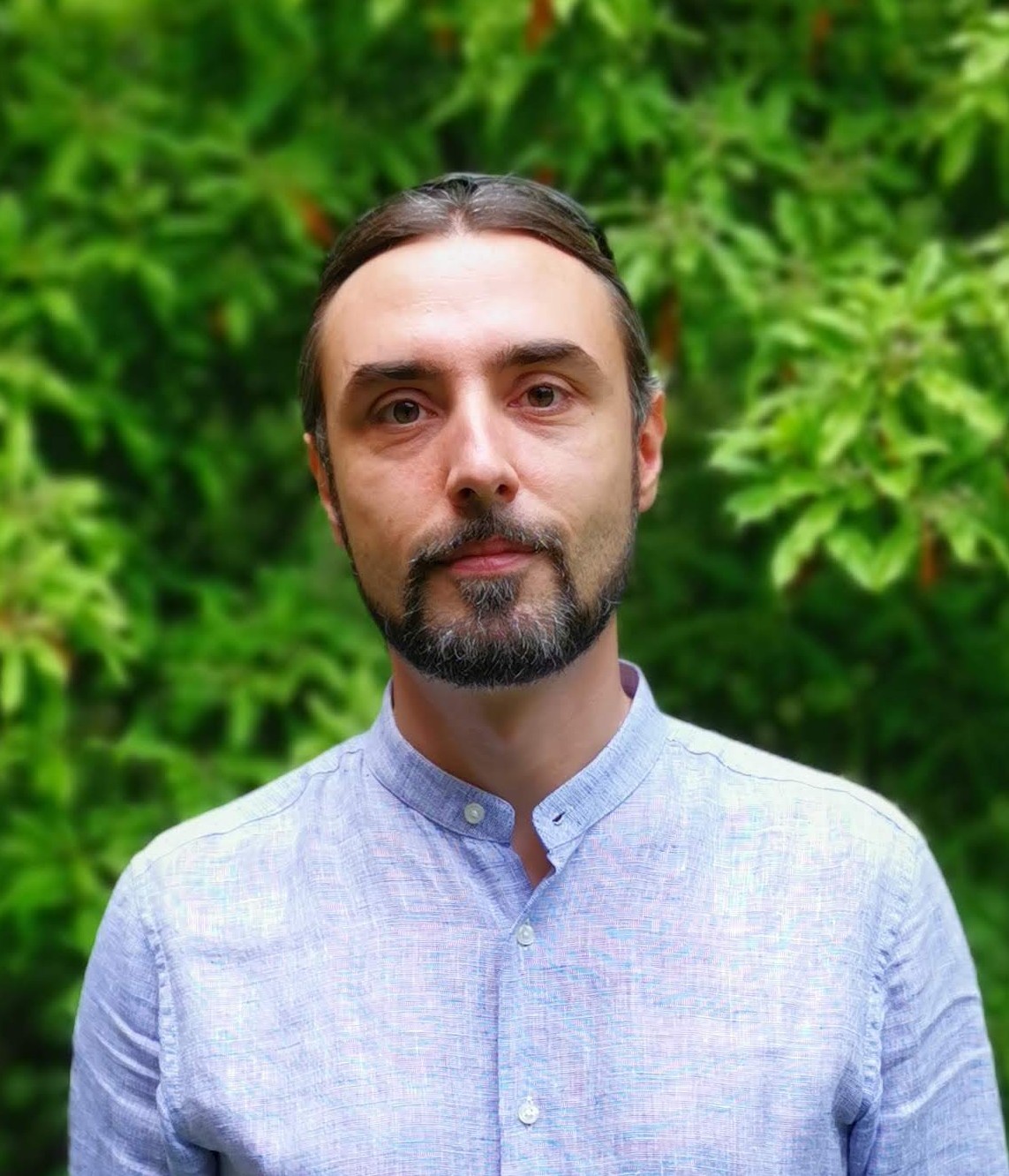
Dr. Stefano Marelli is a Lecturer at ETH Zürich's Department of Civil, Environmental and Geomatic Engineering, affiliated with the Risk, Safety, and Uncertainty Quantification Chair. He holds a MSc in Physics (University of Milano Bicocca, 2006) and a PhD in Applied and Environmental Geophysics (ETH Zurich, 2011). His research focuses on uncertainty quantification (UQ), surrogate modeling, reliability analysis, and Bayesian inversion, with applications in engineering, astrophysics, and economics. He leads the development of UQLab, a general-purpose UQ software framework, and collaborates on interdisciplinary projects like HIPERWIND. Key research areas include high-dimensional UQ, stochastic simulators, and surrogate modeling for dynamical systems. Recent work emphasizes multifidelity methods, Bayesian tomography, and noise-aware reliability analysis. He teaches structural reliability and risk analysis at ETH and contributes to international UQ training programs. Education: MSc Physics (Milano Bicocca, 2006); PhD in Geophysics (ETH Zurich, 2011) Roles: Senior Scientist (2018–present); Postdoc (2012–2018) Software: UQLab, UQ [py] Lab Collaborations: Cross-disciplinary projects in astrophysics, mechanical engineering, and remote sensing His articles (2020–2025) highlight advancements in surrogate modeling, Bayesian inversion, and UQ applications. Notable contributions include frameworks for noisy data analysis, time-variant reliability, and industrial fragility assessment.
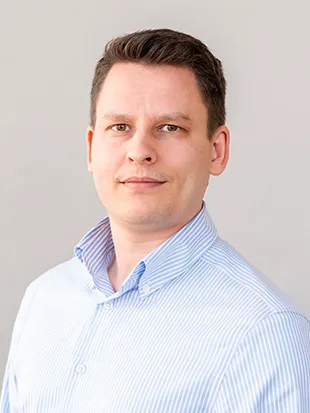
François Bouffard is an Associate Professor at McGill University's Faculty of Engineering, specializing in Power Engineering and Systems Control. He holds the William Dawson Scholar title and serves as Associate Chair (Undergraduate Affairs). His research focuses on smart grids, renewable energy integration, and advanced control systems. Research interests include optimizing power systems through data-driven methods, demand response mechanisms, and energy storage solutions. He contributes to projects like the Group for Research in Decision Analysis (GERAD), emphasizing sustainable energy systems and grid resilience. Recent work explores flexibility in smart grid architectures, cold load management, and multi-agent reinforcement learning for energy systems. His publications highlight optimization techniques, stochastic modeling, and machine learning applications in energy control. Awarded the William Dawson Scholar distinction, his work bridges theoretical advancements with practical grid operations. He collaborates on interdisciplinary projects addressing energy transition challenges, such as hybrid storage systems and distributed energy resource coordination.
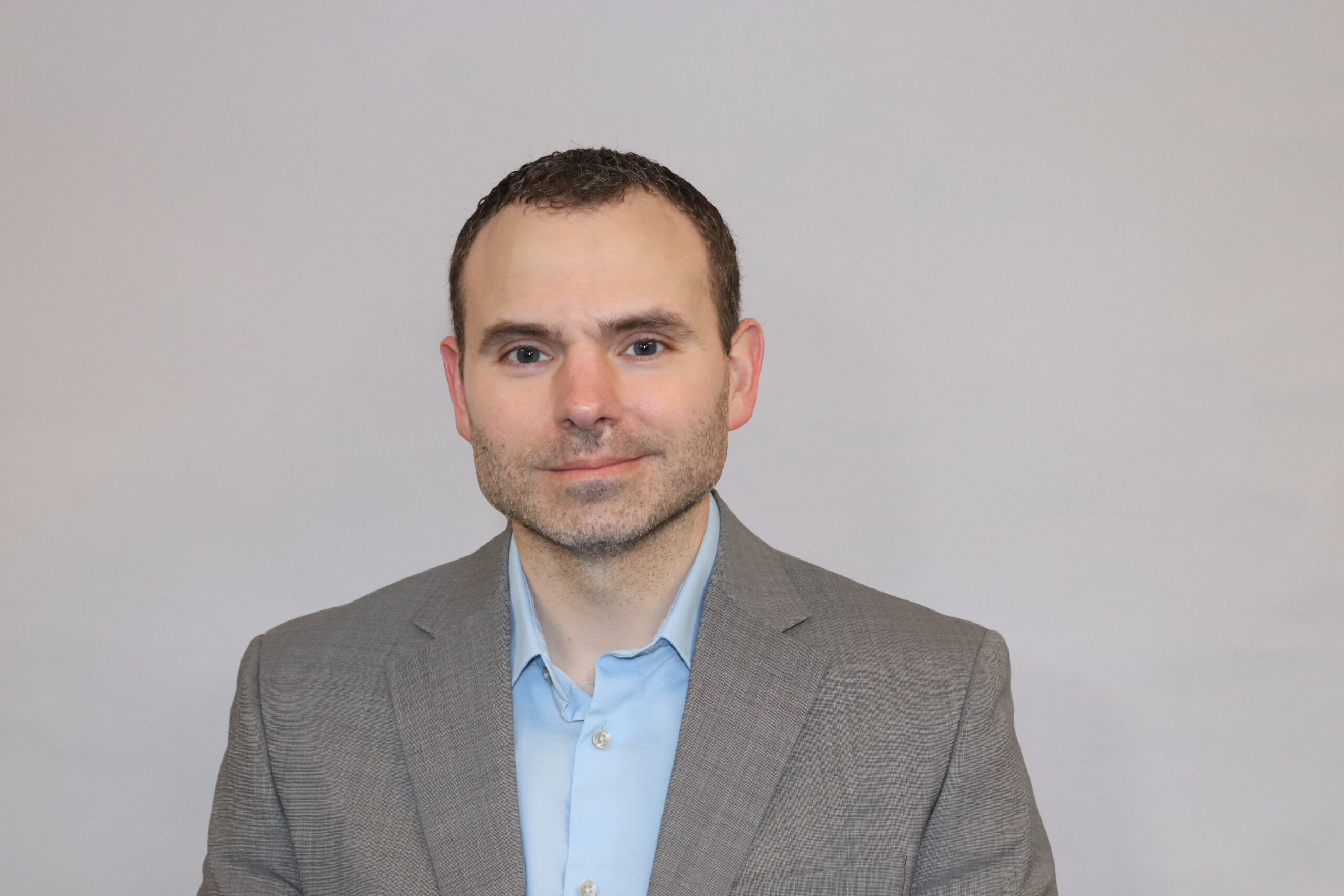
Lixin Lu is a Researcher (Postdoctoral Scholar) in the Department of Chemistry at Stanford University, affiliated with the School of Humanities and Sciences. Their work focuses on theoretical and computational chemistry, particularly in developing advanced electronic structure methods and applying them to study molecular dynamics, spectroscopy, and materials science. They are part of affiliated programs including CMAD (Center for Molecular Analysis and Design), ChEM-H (Chemistry, Engineering & Medicine for Human Health), and SSRL (Stanford Synchrotron Radiation Lightsource). Research interests include relativistic quantum chemistry, X-ray spectroscopy, ultrafast phenomena, and computational modeling of molecular systems. Their contributions span multiconfiguration methods, ab initio dynamics, and the analysis of radiation effects in materials. Theoretical frameworks developed by Lu address challenges in high-performance computing and accurate description of molecular excitations. Affiliations with SSRL and ChEM-H highlight collaborative efforts in experimental-theoretical interfaces, such as attosecond X-ray spectroscopy and liquid-phase dynamics. Lu’s work bridges computational innovation with cutting-edge experimental techniques to uncover fundamental insights into chemical and physical processes at the molecular level.
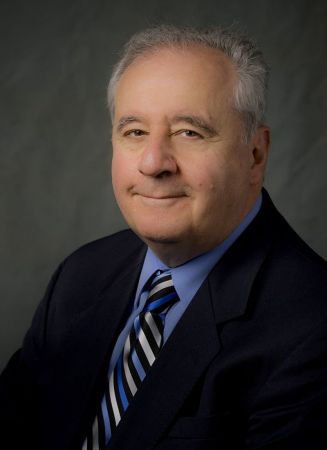
Daniel Albert is an Assistant Professor of Management at Drexel University's LeBow College of Business. He serves on the Drexel University Standing Committee on Artificial Intelligence and is a Senior Fellow at The Wharton School’s Mack Institute of Technology Management. Previously, he held a tenure-track position at the University of Wisconsin-Milwaukee. His academic journey includes a Ph.D. from the University of St. Gallen, Switzerland, and research scholar roles at the Wharton School, University of Pennsylvania. Dr. Albert's research explores strategic management, organizational design, and innovation through computational modeling and empirical analysis. His work integrates psychology and neuroscience principles to study cognition and complex decision-making, with applications in financial services and healthcare industries. Current investigations focus on generative AI in strategic contexts, organizational structure optimization, and behavioral strategy experiments using large language models. Thematic analysis of his publications reveals three dominant clusters: computational approaches to organizational design (43%), cognitive and behavioral strategy frameworks (36%), and AI applications in management/education (21%). His work exhibits increasing methodological sophistication, with recent publications leveraging large-scale data analytics and AI simulation techniques to examine strategic decision-making patterns. Notable Scientific Recognition: Sumantra Goshal Award for Research & Practice (2021) Distinguished Paper Award from Academy of Management (2022) Research Methods Paper Prize from Strategic Management Society (2024) Freddie Reisman Award for scholarly impact (2022) Innovation in Teaching Award for AI integration (2022) Dr. Albert teaches strategy and competitive advantage courses across MBA and Executive MBA programs, incorporating generative AI tools for experiential learning. He provides editorial leadership for the Journal of Organization Design and has served on review boards for Long Range Planning and Organization Science . His research collaborations involve interdisciplinary teams from Wharton's Mack Institute and Drexel's AI initiative, focusing on technology-driven organizational innovation.
Michaela Bačíková is an Assistant Professor at the Faculty of Electrical Engineering and Informatics (FEI) of the Technical University of Košice (TUKE). Her research focuses on Human-Computer Interaction (HCI), domain usability, and domain analysis, with an emphasis on graphical user interfaces (GUIs), domain-specific languages (DSLs), and gesture-driven interaction. She leads the development of the DEAL tool, a domain analysis framework for extracting domain models from software systems. Her teaching includes courses on component-based programming, web technologies, and user interface design. Research Projects: DEAL (Domain Extraction ALgorithm) : A tool for analyzing GUIs to generate DSLs, ontologies, and usability metrics. EU Project: 'Evolving Architectural Knowledge in the Edge-to-Cloud Continuum' (participant). Educational initiatives: Integrating gesture-driven IDEs and social networks for mentoring in programming courses. Research Interests : Automated domain usability evaluation using DEAL. DSL-driven GUI generation and feature modeling. Innovations in teaching software development and user experience design. Grants & Labs : Recipient of FEI TUKE Grant no. FEI-2015-16 for domain usability metrics research. Active in the FEI lab developing DEAL and related tools.
Ashiq Anjum is a Professor of Distributed Systems at the College of Science and Engineering. His research focuses on cybersecurity, privacy-preserving technologies, blockchain applications, machine learning, and IoT systems. He has contributed to advancements in distributed systems, vehicular networks (VANETs), smart grids, and federated learning frameworks. His work emphasizes integrating blockchain for secure data aggregation and leveraging AI techniques for data interpretation and privacy protection. Key research areas include secure communication in drone networks, privacy in vehicular systems using IOTA ledgers, and federated learning with differential privacy. He explores graph models for genomic data analysis and healthcare applications. His publications span journals like Elsevier Information Sciences , Future Generation Computer Systems , and Neurocomputing . Collaborations include projects on data imputation for environmental sensing, deep learning pipelines in cloud computing, and optimizing video analytics for smart cities. His work bridges theoretical computer science with practical applications in IoT, healthcare, and urban sustainability.
R. Adam Mosey is a Professor in the School of Chemistry, Environmental, & Geosciences at Lake Superior State University's College of Arts & Sciences. Holding a Ph.D. from Michigan State University (2010) and a BS from Northern Michigan University (2003), his research focuses on organic chemistry, medicinal chemistry, and neuropharmacology. Ph.D. in Chemistry, Michigan State University (2010) B.S. in Chemistry, Northern Michigan University (2003) Mosey's work centers on developing chemical compounds for therapeutic applications, particularly targeting neurodegenerative diseases and microbial infections. His synthetic methodologies emphasize hypervalent iodine chemistry, C-H functionalization, and tandem reaction systems. Research trends include: Proteasome modulation for neurodegenerative disease treatment Development of dihydroquinazoline and imidazoline scaffolds Hypervalent iodine-mediated bond formation Novel synthetic routes for bioactive molecules Structure-activity relationship studies Marine natural product derivatives
Prof. Dan M. Frangopol is the Fazlur R. Khan Endowed Chair of Structural Engineering and Architecture at Lehigh University's P.C. Rossin College of Engineering and Applied Science. He is a global leader in life-cycle civil engineering, focusing on probabilistic methods, infrastructure resilience, and sustainability. His research spans structural reliability, risk-based decision-making, and multi-hazard mitigation under climate change. Affiliations: Lehigh University (current), University of Colorado Boulder (23 years), and institutions in Romania and Belgium. Education: Dipl.-Ing. from Bucharest (1969), Doctor of Applied Sciences (summa cum laude) from University of Liège (1976), and multiple honorary doctorates. His research interests include life-cycle cost optimization, probabilistic mechanics, and infrastructure systems management. He pioneered the International Association for Bridge Maintenance and Safety (IABMAS) and the International Association for Life Cycle Civil Engineering (IALCCE). Key contributions include frameworks for resilient infrastructure under climate change and extreme events. Frangopol has authored/co-authored over 500 journal articles, 5 books, and 70 book chapters. He has supervised 50 PhD and 56 M.Sc. students, many of whom are now leading academics and practitioners. His awards include the inaugural Dan M. Frangopol Medal (2023), ASCE Noble Prize (2015, 2024), and multiple honorary memberships in national and international academies. He has advised numerous high-profile projects funded by NSF, FHWA, NASA, and others. His labs and initiatives include the Fazlur R. Khan Distinguished Lecture Series and the journal Structure and Infrastructure Engineering .
Dr. Sukumar Kamalasadan is a Professor and ECE Research Coordinator at the W.S. Lee College of Engineering, University of North Carolina at Charlotte. He holds a Ph.D. from the University of Toledo (2004), M.Eng. from Asian Institute of Technology (1999), and B.Tech. from University of Calicut (1991). His primary research focuses on smart grid design, renewable energy integration, power grid modernization, and real-time control systems. He has also been honored as a W.S. Lee College of Engineering Distinguished Scholar. Key research areas include microgrid management, optimal power flow (OPF) methodologies, inverter control technologies, and grid resilience strategies. His work addresses challenges such as distributed energy resource (DER) integration, voltage/frequency control in microgrids, and dynamic stability enhancement through advanced control architectures. Publications highlight innovations in OPF modeling (e.g., SOCP-based approaches), grid-forming/following inverter designs, and fault evaluation in active distribution networks. He has contributed to curricular updates in power engineering education, emphasizing situative pedagogy and concept map assessments. Grants and collaborations involve projects on decentralized grid operation, ancillary services via uninterruptible power supplies, and resilience evaluation of distribution systems against extreme weather events.
Ingolf Steffan-Dewenter is Professor and Chair of the Department of Animal Ecology and Tropical Biology (Zoology III) at the Biocenter of the University of Würzburg, Germany. With over two decades of academic leadership, he directs a research group focused on understanding ecological processes across multiple scales, from local habitat management to global environmental change. His work bridges fundamental ecological research with practical applications for sustainable land use and biodiversity conservation. Dr. Steffan-Dewenter's research spans animal ecology, population and community dynamics, agroecology, and tropical landscape ecology. His work examines how habitat fragmentation, land use intensification, climate change, and invasive species affect insect diversity and their biotic interactions, particularly focusing on plant-pollinator relationships. He investigates biodiversity-ecosystem functioning relationships across spatial and temporal scales, with special emphasis on pollination services, biological pest control, and sustainable agricultural practices. His research combines field experiments, long-term monitoring, and advanced statistical modeling to address critical questions in conservation biology and ecosystem management. Analysis of Steffan-Dewenter's recent publications reveals a strong focus on pollinator conservation under global change, with particular attention to climate change impacts on pollinator communities, landscape management for biodiversity conservation, and sustainable agricultural systems that support both production and ecological integrity. His work increasingly integrates multi-trophic perspectives, examining how changes at one trophic level cascade through ecosystems. The research demonstrates a shift toward more interdisciplinary approaches, combining ecological field studies with social science components to develop practical conservation strategies. Professor Steffan-Dewenter leads multiple significant research initiatives including BetaFor (forest biodiversity), ANDIV (Andean insect diversity), SAFEGUARD (wild pollinator conservation), BeeConnected (honeybee colony monitoring), BayÖkotox (ecotoxicology), UPSCALE (sustainable agriculture in Africa), VILLAGES BEES (pollinator promotion), DIFFCacao (cacao diversification), FARMS4Biodiversity (agroecological research), and LANDKLIF (climate change effects). These projects involve extensive international collaborations across Europe, Africa, and South America, securing substantial research funding from various national and international sources. His laboratory operates within the Department of Animal Ecology and Tropical Biology at the University of Würzburg's Biocenter, featuring state-of-the-art facilities for ecological research. The department maintains long-term research sites across Germany, Tanzania (Mount Kilimanjaro), and Peru, enabling comparative studies across different biomes and climate zones. The research group includes numerous PhD students, postdoctoral researchers, and technical staff working on diverse aspects of insect ecology, landscape ecology, and conservation biology.
Roberto Andreotti serves as a Research Fellow in the Department of Civil, Environmental and Mechanical Engineering at the University of Trento, Italy. His work focuses on advancing seismic resilience through innovative structural systems and experimental validation methodologies. His research spans: Earthquake Engineering Structural Dynamics of Steel/Composite Systems Replaceable Dissipative Components Hybrid Simulation Techniques Seismic Resilience Quantification Specializing in experimental validation of novel structural concepts, he develops repairable systems that maintain functionality post-earthquake through strategically designed replaceable elements. Analysis of his 2022-2025 publications reveals consistent focus on experimental validation of replaceable connection systems for steel/composite structures. His work integrates full-scale hybrid simulations with probabilistic modeling to quantify seismic demand and resilience, emphasizing practical repairability metrics. Key contributions include impact mass damper optimization and high-strength steel applications for coupling beams. Collaborating extensively with Nicola Tondini, Oreste S. Bursi, and Alessio Bonelli, his research demonstrates strong industry-academia integration through real-scale testing protocols. Current projects indicate progression toward AI-enhanced seismic demand modeling and multi-hazard resilience frameworks.
Professor Jussi Sopanen holds a DSc (Technology) from LUT University and has extensive experience in mechanical engineering and electric machine design. He currently leads the laboratory of Machine Dynamics and directs the LUT Integrated Energy Conversion Machinery (INERCOM) platform at the LUT School of Energy Systems. His research focuses on high-speed electric machines, rotordynamics, and digital twins, with over 125 publications in dynamic system design and simulation. He has supervised 12 doctoral and 57 master’s students, and his work has garnered 2,700+ citations with an h-index of 25. Education: DSc (Technology), LUT University (2004) Research interests include rotordynamics of high-speed drives, mechanical design of electrical machines, real-time multibody simulation, and digital twins. His work addresses challenges in rotor stability, bearing dynamics, and material selection for high-speed applications. Articles from 2023–2025 highlight advances in laminated rotor materials, fault diagnosis, and computational modeling. Professor Sopanen chairs the 12th IFToMM International Conference on Rotordynamics (2026) and serves on editorial boards, including Shock and Vibration . He leads a team exploring hybrid powertrains and energy-efficient machinery through collaborative platforms like INERCOM. His research bridges mechanical and electrical engineering, emphasizing practical applications in renewable energy and industrial systems.
Ross Taylor is the Liya Regel & Bill Wilcox Distinguished Professor of Engineering at Clarkson University's Department of Chemical & Biomolecular Engineering within the Coulter School of Engineering & Applied Sciences. His research focuses on multi-component mass transfer, separation process simulation, and the application of computer algebra to engineering problems. Taylor holds a Ph.D., M.S., and B.S. from the University of Manchester Institute of Science and Technology. Education Ph.D. - University of Manchester Institute of Science and Technology M.S. - University of Manchester Institute of Science and Technology B.S. - University of Manchester Institute of Science and Technology Research Interests Taylor's work spans advanced distillation techniques, high-pressure column operations, and computational methods for process simulation. He has pioneered the use of rate-based models and parallel column approaches to address challenges in separation processes and energy efficiency. His studies often integrate novel mathematical tools, such as solutions to the biharmonic equation for fluid dynamics analysis in extrusion systems. Publications Taylor's recent work emphasizes the optimization of dividing-wall columns, high-pressure surface tension effects, and chaotic mixing phenomena. His articles highlight advancements in both theoretical modeling (e.g., equilibrium line slope calculations) and practical applications (e.g., energy-efficient column design). Advising & Grants No specific advising or grant information is provided in the text, though his extensive publication record suggests significant contributions to graduate training and research funding. Labs & Teams While no specific lab affiliations are mentioned, his research collaborations likely involve computational and experimental facilities at Clarkson University.
Dušan Gordić is a Professor in the Department of Energy and Process Engineering at the Faculty of Engineering, University of Kragujevac. His research focuses on energy efficiency, waste heat utilization, and sustainable industrial processes, with a particular emphasis on public infrastructure and food production systems. He holds a professorial position since 2012 and contributes to academic leadership through his chair in energy systems. His research interests span energy engineering, environmental impact assessment, and emerging technologies like AI-driven energy management. He has conducted case studies on kindergarten energy performance, industrial decarbonization, and 3D printing applications in education. His work integrates both theoretical and applied approaches, addressing challenges in renewable energy adoption and public building optimization. Key research themes: Energy systems, HVAC efficiency, sustainable manufacturing, and waste-to-energy solutions. Notable projects: Rooftop photovoltaic integration for food facilities, waste heat recovery in industrial compressors, and GPT applications in public building management. Dr. Gordić collaborates with municipalities and industries to develop practical solutions for energy efficiency, including thermal insulation strategies and carbon footprint reduction in urban settings. His publications frequently explore Balkan case studies, emphasizing regional sustainability challenges.
Nenad N. Cvetkovic is a Full Professor at the Faculty of Electronics, University of Niš, specializing in Theoretical Electrical Engineering. He earned his PhD (2009), MSc (2002), and BSc (1995) from the same institution. His research focuses on electromagnetic field interactions with biological tissues, grounding system design, and numerical modeling of geoelectrical phenomena. Key areas include mobile phone radiation effects on human tissues, SAR distribution in anatomical models, and innovative approaches to multi-layered soil grounding analysis. He has contributed over 19 peer-reviewed articles in high-impact journals, addressing topics like dental implant EM interactions, orthodontic brace SAR profiles, and optimizations for grounding systems. His work bridges theoretical rigor with practical applications in electrical safety, biomedical engineering, and environmental geoelectrics. Prof. Cvetkovic is actively engaged in national/international research projects and speaks English and German fluently. His laboratory activities include finite element method (FEM) simulations, experimental validation of grounding models, and collaborations on standards for non-ionizing radiation exposure assessment.