Christian CreßView profile
Researcher
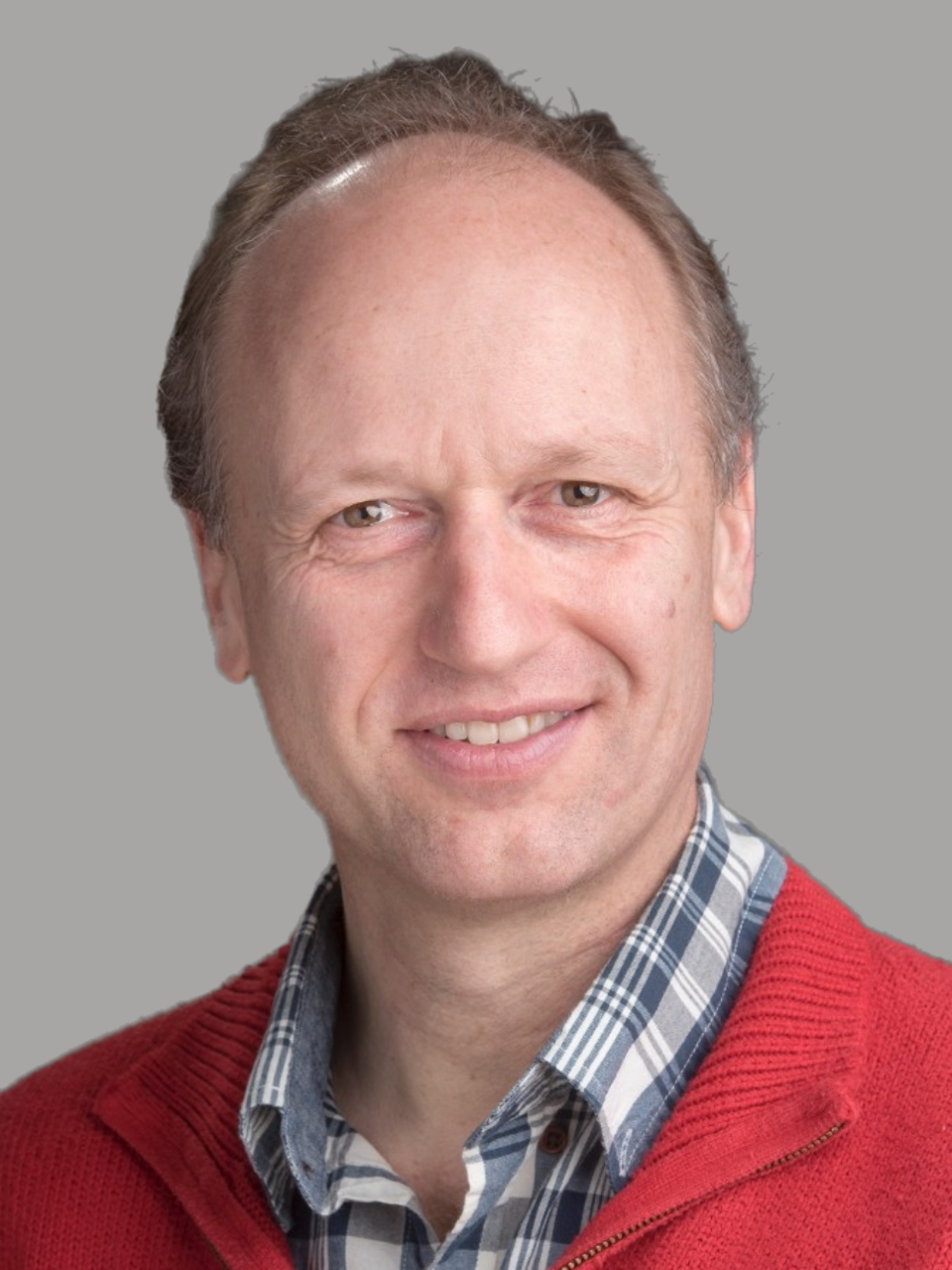
Christian Creß is a Research Assistant and Ph.D. candidate at the Technical University of Munich (TUM), working at the Chair of Robotics, Artificial Intelligence and Real-Time Systems under the supervision of Prof. Dr.-Ing. habil. Alois Christian Knoll. He joined TUM in 2020 after completing his M.Sc. in Applied Computer Science at the University of Applied Sciences Kempten in 2016. Creß holds a Master of Science degree in Applied Computer Science from the University of Applied Sciences Kempten, where he completed his thesis titled "Visual Scene Analysis for the Segmentation of Static and Dynamic Objects" in collaboration with ESG Elektroniksystem- und Logistik-GmbH. Prior to his position at TUM, he worked as a software developer in the industry. His research focuses on computer vision, particularly with event-based cameras, within the context of intelligent transportation systems. Creß has established the complete perception pipeline for the Providentia++ roadside intelligent transportation system, covering calibration, object detection, and data fusion. His work bridges theoretical computer vision research with practical applications in autonomous driving and traffic monitoring systems. He has published extensively on topics including sensor calibration, event-based vision, and multi-modal perception for intelligent transportation infrastructure. Creß has contributed significantly to the AUTOtech.agil and Providentia++ projects, prestigious research initiatives in the field of intelligent transportation. His publications demonstrate a strong focus on practical computer vision solutions for roadside infrastructure, with particular expertise in event-based cameras, sensor calibration, and multi-modal perception systems. His most cited works include literature surveys on roadside ITS infrastructure and datasets like TUMTraf Event that have become valuable resources for the research community. As a thesis supervisor, Creß has mentored numerous Master's and Bachelor's students through their research projects, covering topics such as radar-based instance segmentation, camera-based object detection in poor visibility conditions, deep learning for rain removal, and traffic trajectory prediction. His students have completed works on accident prevention frameworks, self-diagnosis functionality for ITS, and synthetic data generation using GANs.