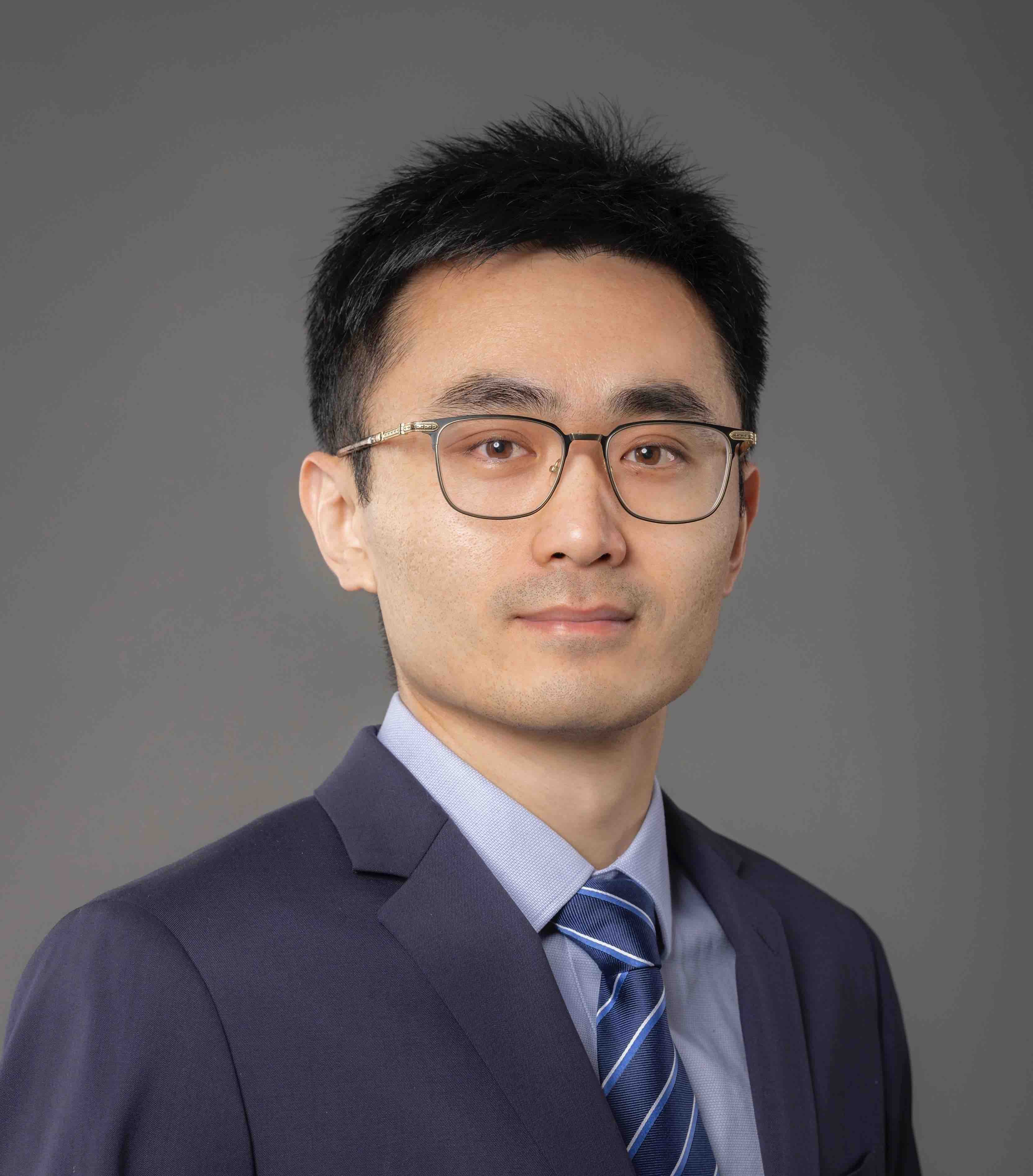
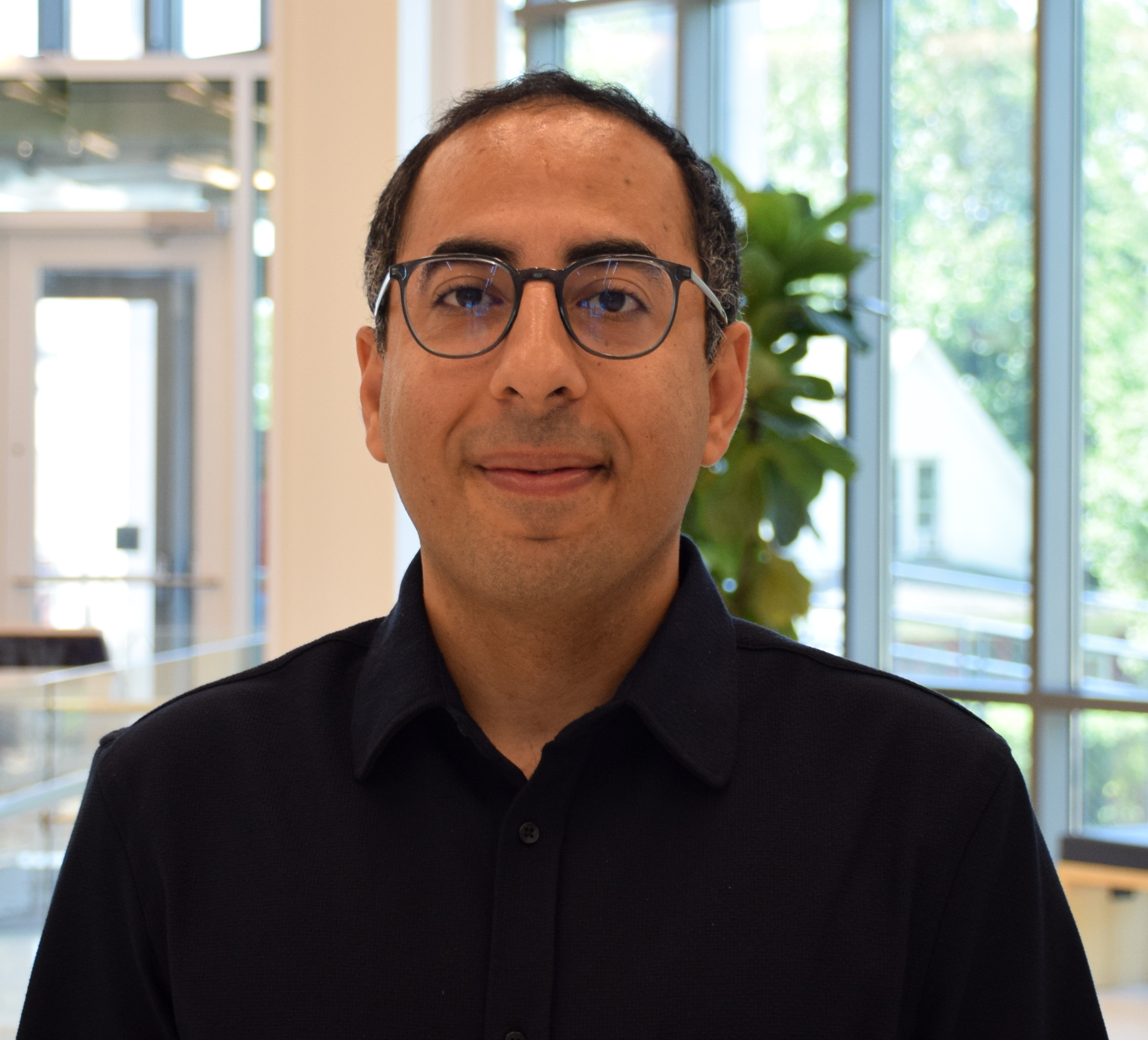
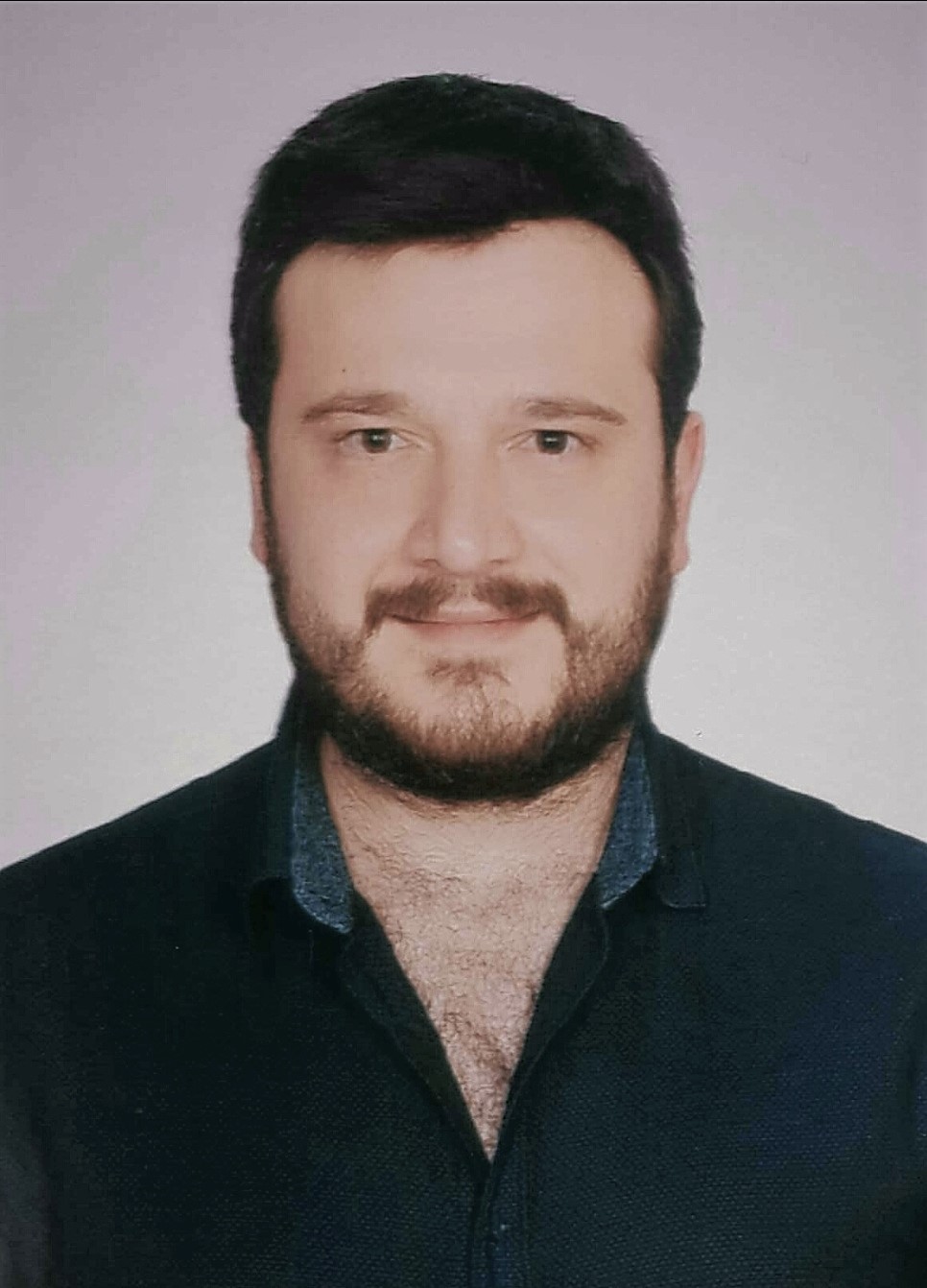
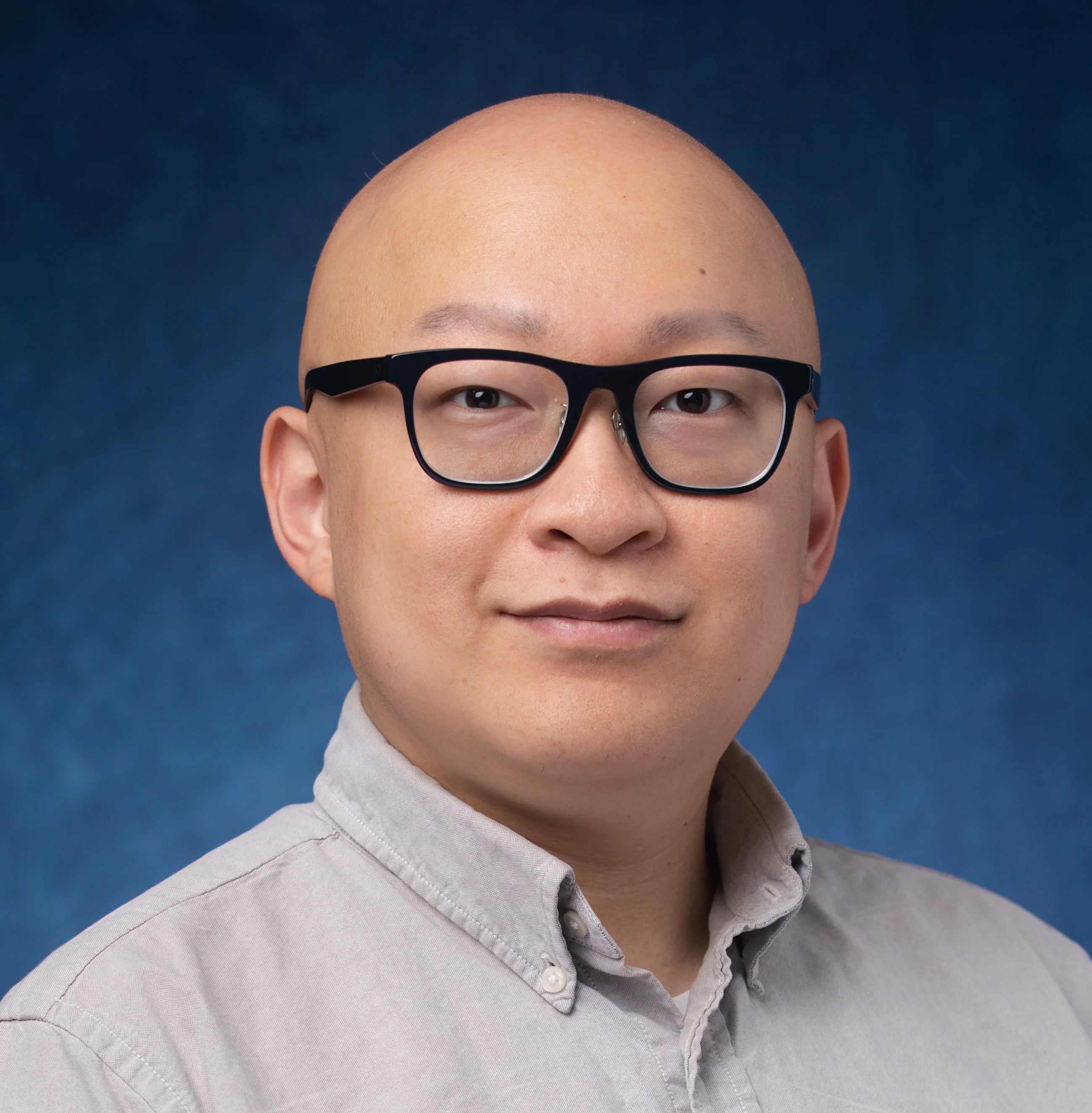
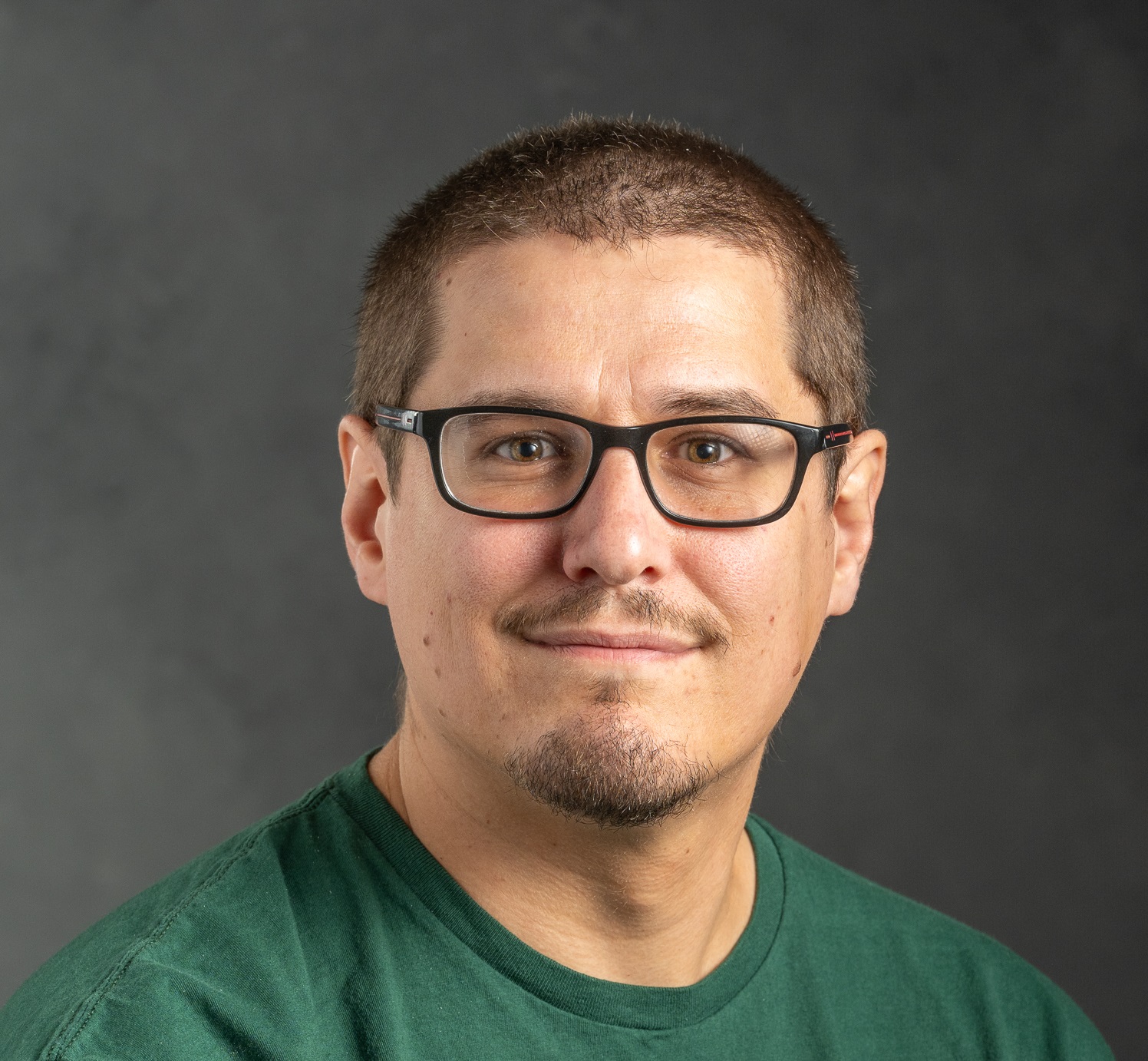
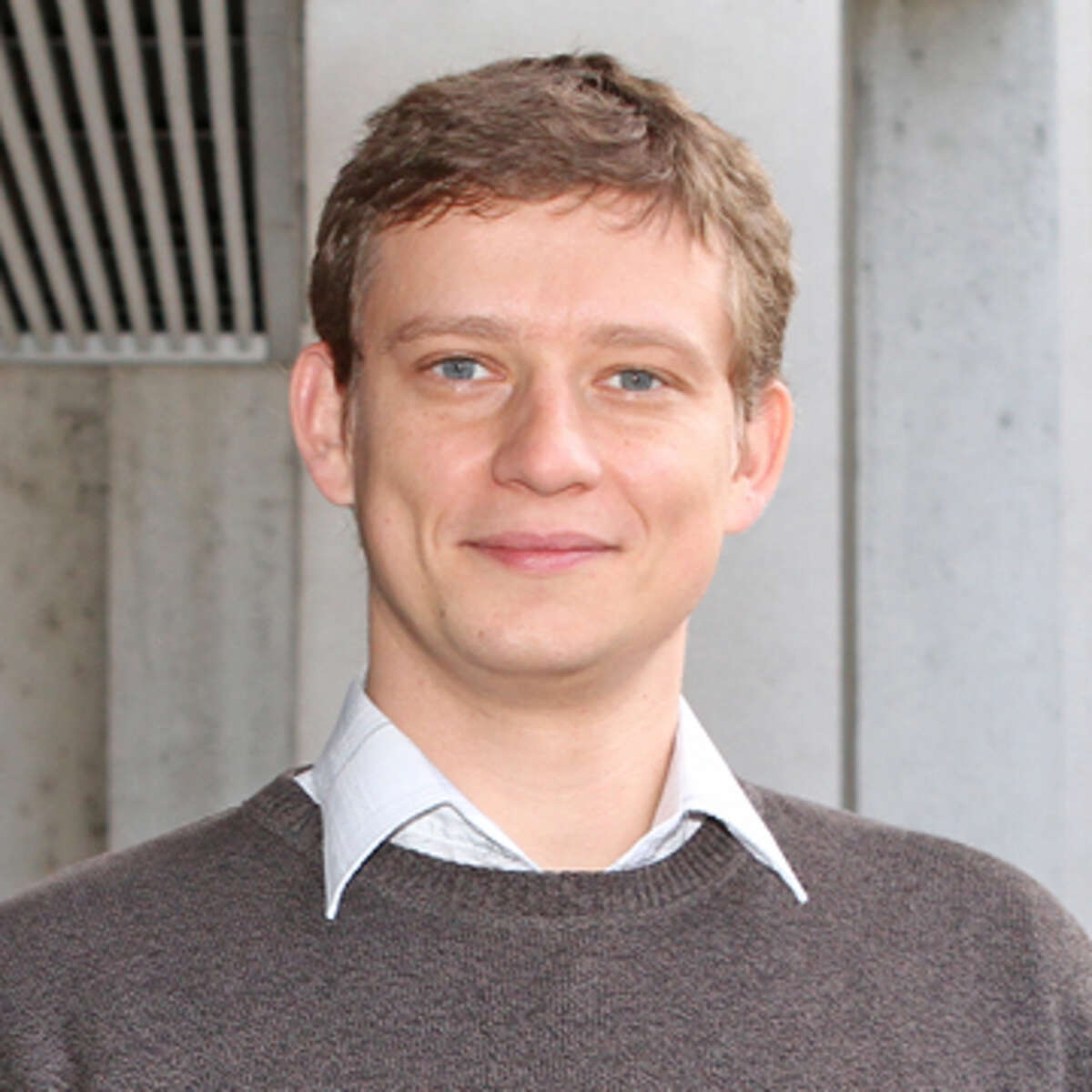
Yan Huang is an Associate Professor in the Department of Software Engineering and Game Development at Kennesaw State University (KSU). His work bridges Federated Learning (FL) and Cybersecurity Education , with a focus on personalization and privacy in distributed systems. Research spans Machine Learning , Extended Reality (XR) , and Data Privacy . He has served as Editor of WCMC and Program Co-Chair for CyberSciTech 2020-2024. Research Trends: Recent publications emphasize Federated Learning for non-IID data, VR-based Cybersecurity Education , and Privacy-Preserving Algorithms in IoT and social media analytics. Key subfields include personalized learning architectures, graph learning, and game-theoretic privacy frameworks. Scientific Awards: Excellent Paper Award (Tsinghua Science and Technology, 2021) Best Paper Award (Future Generation Computer Systems, 2019) Best Paper Awards at IEEE SmartWorld 2021, COCOA 2019, and WASA 2019 Grants: Led over $600,000 in NSF and NSA-funded projects, including VR cybersecurity education for K-12 and XR engineering curricula. His lab recruits VR/AR Research Assistants via industry partnerships.
Mohsen Heidari is an Assistant Professor in the Department of Computer Science at Indiana University, Bloomington. He is affiliated with the IU Quantum Science and Engineering Center (QSEc) and the NSF Center for Science of Information (CSoI). He previously held positions as a Visiting Assistant Professor at Purdue University and as a Postdoctoral Research Associate at CSoI. Ph.D. in Electrical Engineering (2019) and M.Sc. in Applied Mathematics (2017) from the University of Michigan His research focuses span quantum computing, theoretical machine learning, and information theory. Key themes include: Quantum algorithm design and sample complexity Fourier-based learning frameworks Quantum-classical duality in learning problems Information-theoretic approaches to biological systems Article trends show a strong emphasis on quantum-classical learning intersections (6/15 papers), Fourier analysis applications (5/15), and information-theoretic foundations (12/15). Notable venues include NeurIPS, IEEE Transactions, and ISIT. He directs research involving: Quantum Neural Network development Quantum measurement simulation Quantum data compression techniques Quantum algorithm implementation constraints
Jim Crutchfield is a Distinguished Professor of Physics at the University of California, Davis, where he also serves as Director of the Complexity Sciences Center. He holds additional affiliations as President and Scientific Director of the Art & Science Laboratory in Santa Fe, External Faculty at the Santa Fe Institute, General Member of the Telluride Science Research Center, and Visiting Scholar at the Redwood Center for Theoretical Neuroscience. His work bridges physics, computation, and complex systems. Education: B.A. summa cum laude in Physics and Mathematics, University of California, Santa Cruz (1979) Ph.D. in Physics, University of California, Santa Cruz (1983) Crutchfield's research centers on computational mechanics , a framework he pioneered to quantify how natural systems store, process, and transmit information. His interests span nonlinear dynamics, evolutionary dynamics, information engines, quantum computation, and pattern discovery. He explores how structure emerges in complex systems, from cellular automata to biological evolution and neural networks. His recent work focuses on thermodynamic computing, causal inference, and the physics of intelligence. His publications reveal a consistent focus on the interplay between information, energy, and computation in physical systems. Themes include the thermodynamics of information engines, causal architecture in time series, emergent organization, and intrinsic computation in quantum and classical domains. These works span disciplines such as physics, computer science, biology, and cognitive science. Scientific Recognition: Postdoctoral Fellow, Miller Institute for Basic Research in Science IBM Postdoctoral Fellow, Condensed Matter Physics Distinguished Visiting Research Professor, Beckman Institute Bernard Osher Fellow, San Francisco Exploratorium NSF Graduate Fellow UCB Chancellor’s Fellow Crutchfield has advised over two dozen PhD students in physics, computer science, and mathematics, contributing significantly to the next generation of complexity scientists. He has led major interdisciplinary initiatives, including NSF-funded museum exhibits and workshops on network dynamics, collective cognition, and evolutionary dynamics. He has also been active in public discourse through talks, films, and publications on the philosophy of complexity. He leads research groups exploring the dynamics of learning, pattern discovery, and distributed intelligence, often in collaboration with institutions like the Santa Fe Institute and Caltech. His work continues to shape the theoretical foundations of complex systems science.
Burak Kurkcu is an Assistant Professor in the Department of Electrical and Computer Engineering at Santa Clara University's School of Engineering. He previously served as an Assistant Professor at Hacettepe University and as a Senior Control System Design Engineer at Aselsan Inc. Education: Ph.D., TOBB University of Economics and Technology (2019) M.S., TOBB University of Economics and Technology (2015) B.S., Istanbul Technical University (2010) Research Interests: Dr. Kurkcu specializes in robust control systems, soft robotics, switched neural networks, and autonomous systems. His work focuses on disturbance estimation, simultaneous learning algorithms, and control of nonlinear systems. Recent Publication Trends: His research includes soft pneumatic actuator modeling, disturbance observer-based control methods, and evolutionary optimization for state-space models. Key themes involve soft robotics, autonomous control, and computational intelligence applications. Scientific Awards: IEEE Turkey Ph.D. Thesis Award (2020) Editorial Roles: Associate Editor for TIMC, Measurement and Control , and Turkish Journal of Electrical Engineering and Computer Science . Principal Investigator for defense-related control system projects.
Jeeseop Kim is an Assistant Professor in the Department of Aerospace and Mechanical Engineering at The University of Texas at El Paso (UTEP), College of Engineering, specializing in robotics, autonomy, and control theory. His research focuses on safety-critical planning and control, with emphasis on bipedal/quadrupedal locomotion, hybrid dynamical system control, and whole-body planning and control. Education: B.S. in Mechanical and Aerospace Engineering, Seoul National University (2014) M.S. in Intelligence and Information (Robotics), Seoul National University (2017) Ph.D. in Mechanical Engineering, Virginia Tech (2022) Postdoctoral Scholar, Mechanical and Civil Engineering, Caltech (2022–2025) His research spans safety-critical control systems for legged robots, including obstacle-aware nonlinear model predictive control (MPC), control barrier functions, and distributed coordination algorithms. Recent work explores adaptive delay estimation, tactile sensing for robotic grasping, and hardware-software co-design for humanoid robots. Key article trends highlight advancements in autonomous inspection robotics, hybrid control architectures, and real-time planning for quadrupedal systems. His work integrates control theory with practical applications in industrial and healthcare domains. Awards: ASME DSCD Rudolf Kalman Best Paper Award (2022) IEEE ICRA Outstanding Paper Award (2023) Jeeseop teaches MECH 4332: Mechanical Computational Applications in Vision and Robotics (Fall 2025). He actively recruits Ph.D. students for Spring/Fall 2026 and seeks motivated undergraduates/MS students with skills in robotics kinematics, programming (C/C++, Python, MATLAB), and CAD design. The AIGIS Lab welcomes applicants with interests in robotics, controls, and autonomous systems.
Christian A Parkinson is an Assistant Professor at Michigan State University , affiliated with the Departments of Mathematics and Computational Mathematics, Science and Engineering. His research spans mathematical modeling, computational methods, and interdisciplinary applications in epidemiology, control theory, and differential geometry. Research Interests : Mathematical epidemiology, path planning algorithms, reaction-diffusion systems, stochastic modeling, differential geometry, and network science. Email : chparkin@msu.edu His recent publications focus on: Hamilton-Jacobi equations for optimal path planning in multi-agent systems Reaction-diffusion models for epidemics with human behavior Differential geometry approaches to hyperbolic surfaces Network models for disease-opinion coevolution Environmental crime modeling using level sets He teaches MTH 890: Readings in Mathematics , emphasizing advanced computational and theoretical frameworks.
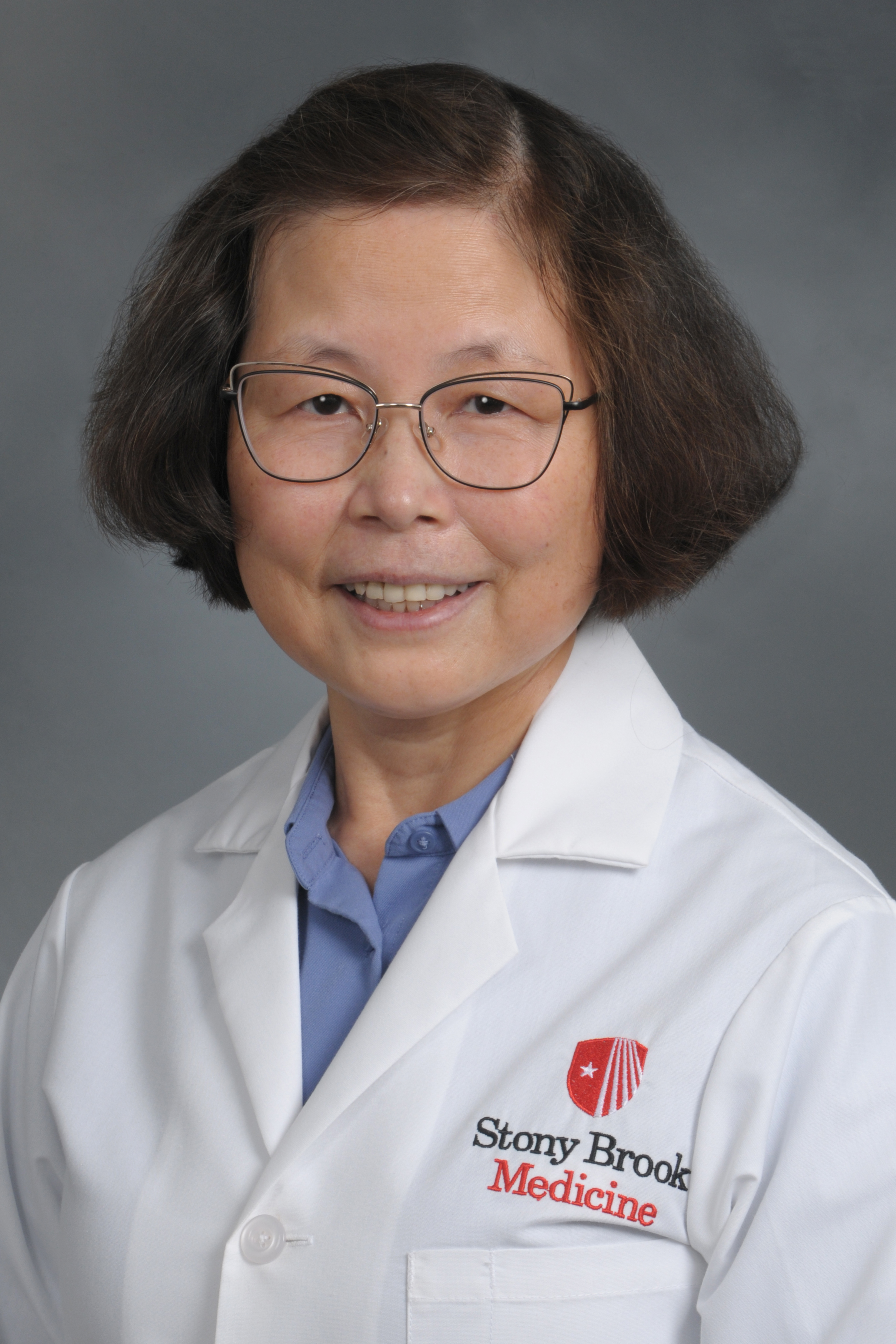
Zhishan Wang, MD, PhD is a Research Professor in the Department of Pathology at Stony Brook University's Renaissance School of Medicine . His work focuses on environmental carcinogenesis , particularly mechanisms of cancer biology and cancer therapy , with a specialization in metal-induced carcinogenicity. Research Interests: Environmental Carcinogenesis Epigenetic and Epitranscriptomic Mechanisms Tumor Microenvironment Remodeling Metal Toxicity Pathobiology Non-Coding RNA Regulatory Networks Scientific Contributions: Analysis of 15 recent publications reveals expertise in: Metal-Induced Oncogenic Pathways (e.g., NF-κB activation, Hedgehog signaling) RNA Modification Dynamics (m6A, lncRNA-splicing interactions) Stem Cell Plasticity in Carcinogenesis Multi-Carcinogen Synergy Mechanisms Epigenetic-Genotoxic Interplay Transcriptomic Reprogramming by Toxicants
Minh Hoai Nguyen is an Assistant Professor in the Department of Computer Science at Stony Brook University. He received his PhD in Robotics from Carnegie Mellon University and a Bachelor of Engineering from the University of New South Wales. Prior to Stony Brook, he was a post-doctoral research fellow at Oxford University and a Kurti Junior Research Fellow at Brasenose College. Education: PhD in Robotics, Carnegie Mellon University Bachelor of Engineering, University of New South Wales His research focuses on computer vision , machine learning , and time series analysis , particularly in developing algorithms for human action recognition , gesture detection , and expression analysis in video data. Applications include video surveillance , human-computer interaction , and medical diagnosis of behavioral disorders . His work integrates computer vision for video processing, time series analysis for modeling human behavior, and machine learning for training complex algorithms. Notable awards include: CVPR 2012 best student paper award Winner of PASCAL VOC 2012 Challenge for Human Action Recognition He teaches courses such as Video Analysis (CSE 594) and Introduction to Robotics (CSE 525) .
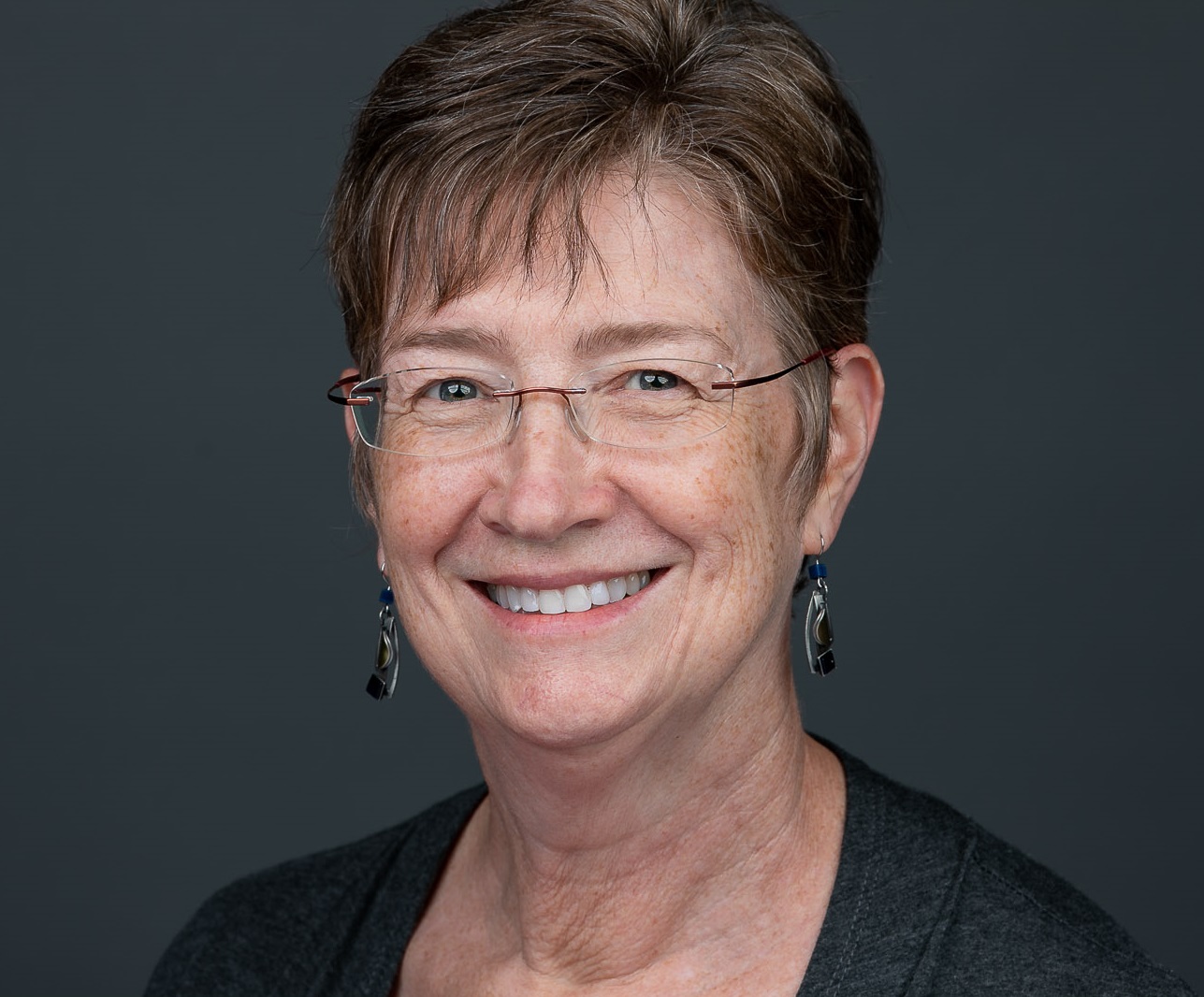
Asha Weinstein Agrawal is a Professor at the School of Planning, Policy, and Environmental Studies within San Jose State University's College of Social Sciences. Her work centers on transportation planning and policy with a focus on sustainability and equity, actively engaging policymakers and communities to address contemporary mobility challenges through evidence-based solutions. Professor Agrawal's research spans transportation revenue systems, equity implications in mobility access, sustainable transportation frameworks, travel behavior analysis, survey methodology innovation, and historical transportation policy evolution. She investigates how planning tools can promote environmentally friendly travel and improve accessibility for disadvantaged populations, with current projects examining electric vehicle impacts on transportation funding, transit safety for vulnerable users, and community engagement in open streets initiatives. Analysis of her recent publications reveals dominant themes in transportation funding alternatives—particularly mileage-based user fees and zero-emission vehicle revenue impacts—and equity-focused studies on transit safety, workforce diversity, and accessibility for older adults and low-income communities. Her work consistently bridges academic research with real-world policy applications through rigorous survey methodologies and multi-stakeholder engagement. Scientific Awards: No specific awards are documented in the provided materials. Advising and Professional Engagement: Professor Agrawal regularly presents findings to federal and state decision-makers including U.S. Senate committees, the California Transportation Commission, and local transportation authorities. She serves on key advisory bodies such as the Metropolitan Transportation Commission's Regional Means-Based Transit Fare Pricing Study committee, Santa Clara County Traffic Safe Communities Network, and Valley Transportation Authority's Pedestrian Access Task Force. Her research has been supported through multiple policy-relevant projects with transportation agencies across California and nationally.
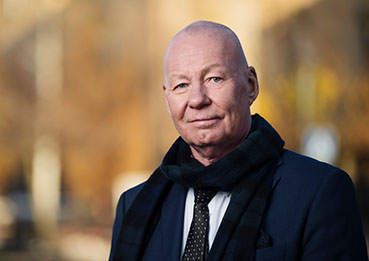
Anders Söderholm serves as the Vice-Chancellor (Rektor) of KTH Royal Institute of Technology, Sweden's leading technical university. His leadership spans academic, research, and strategic domains with a strong focus on positioning KTH as a key player in addressing global challenges through technology and innovation. Recent initiatives highlight his emphasis on AI ethics, quantum technology development, and sustainability research. Söderholm's research interests center on academic leadership, organizational theory, and project management, with particular focus on temporary organizations and the 'projectified society.' His work bridges theoretical frameworks with practical applications in higher education governance and research policy. He has significantly contributed to the Scandinavian school of project management research, exploring how organizations navigate complexity through temporary structures. Analysis of his recent publications reveals a clear trajectory from theoretical explorations of project management toward practical applications in higher education leadership. His scholarship demonstrates increasing engagement with the challenges of university governance in an era of rapid technological change, particularly around AI implementation and international research collaboration. The interdisciplinary nature of his work connects organizational theory with practical leadership challenges in academic settings. Söderholm actively engages in national policy discussions, having contributed to debates about university associations, research funding models, and international collaborations, particularly regarding China. His leadership extends to fostering partnerships with industry and other academic institutions, as evidenced by initiatives with Chalmers University of Technology. As Vice-Chancellor, Söderholm oversees KTH's strategic direction, which includes significant investments in research infrastructure, educational innovation, and international collaboration. His leadership approach emphasizes the university's role in societal development, technological advancement, and democratic values, while navigating the complex landscape of research funding and academic autonomy.
Prof. Dr. Marek Basler is an Associate Professor of Infection Biology at the Biozentrum, University of Basel , leading a research group focused on the Type VI Secretion System (T6SS) in bacterial pathogens. His work bridges structural biology, molecular microbiology, and computational analysis to unravel the mechanisms of this contractile nanomachine. PhD in Microbiology (2007, Institute of Microbiology, CAS, Prague) Postdoctoral Fellow (2007–2013, Harvard Medical School) Assistant Professor (2013–2018) and Associate Professor (since 2018) at Biozentrum His research explores the structure, assembly, and therapeutic potential of the T6SS, a critical virulence factor in pathogens like Pseudomonas aeruginosa . Key themes include bacterial defense strategies , intermicrobial competition , and host-pathogen interactions . Recent projects highlight T6SS roles in antibiotic resistance and horizontal gene transfer . The most recent publications (2025–2024) reveal novel insights into T6SS activation by environmental stress , toxin diversity , and host cell targeting . Trends span microbial ecology , nanomachine dynamics , and computational modeling of bacterial interactions. Scientific Awards : EMBO Membership (2023) ERC Consolidator Grant (2019) EMBO Gold Medal (2018) Friedrich Miescher Award (2018) EMBO Young Investigator (2015) His lab (Basler Lab) utilizes state-of-the-art microscopy , biochemical techniques , and live-cell simulations (e.g., BacFighT6 ). Collaborations span institutions like Harvard Medical School and NCCR-AntiResist , with future work targeting antibacterial therapies .
Adriano Jorge Cardoso Moreira is an Associate Professor with Habilitation at the Department of Information Systems, School of Engineering, Universidade do Minho, Portugal. He is also a Senior Researcher at the Algoritmi Research Centre and Scientific Coordinator of the Urban and Mobile Computing department at Centro de Computação Gráfica. His research focuses on indoor positioning , mobile and context-aware computing , urban computing , and simulation of wireless networks . Research Interests : Indoor Positioning, Mobile Computing, Urban Mobility, Sensor Networks, Wi-Fi and UWB Localization, Smart Cities. Leadership : Coordinated the Computer Communications and Pervasive Media Group (2008-2016), Scientific Committee member (Director of MAP-tele PhD program in multiple terms), and leads the Master in Telecommunications and Informatics since 2021. Publications : Over 100 papers, including IEEE Transactions and Sensors journal articles, with an h-index of 23 and 2136 citations. Awards : First and second prizes in EvAAL-ETRI Indoor Localization Competitions (2015, 2016, 2017).
Vicki H. Wysocki is Professor and Chair at Georgia Institute of Technology, leading pioneering research in mass spectrometry and structural biology. Her work focuses on developing advanced techniques to study protein complexes, proteomics, and metabolomics, with her research group maintaining an active presence at major conferences including ASMS 2024 and preparations for ASMS 2025. Her educational background includes: B.S. in Chemistry from Western Kentucky University (1982) Ph.D. in Chemistry from Purdue University (1987) Postdoctoral research at Purdue University (1987) and National Research Council/Naval Research Lab (1988-1989) Dr. Wysocki's research spans four interconnected areas: (1) development of surface-induced dissociation (SID) on commercial mass spectrometry platforms; (2) native mass spectrometry-guided structural biology for studying large protein-protein complexes; (3) multi-omics approaches integrating proteomics and metabolomics with genomics for biomarker discovery; and (4) determination of peptide structures using IR action spectroscopy. Her work bridges analytical chemistry, biochemistry, and structural biology to address fundamental protein science questions. Analysis of her recent publications reveals a strong focus on advancing native mass spectrometry techniques, particularly surface-induced dissociation, for structural characterization of protein complexes. Her work increasingly integrates multi-omics approaches to study bacterial pathogenesis, with emphasis on Salmonella infection mechanisms, while also exploring innovative instrumentation development for structural biology applications. Dr. Wysocki has received numerous prestigious awards: 2022 Thomson Medal from the International Mass Spectrometry Foundation 2022 ACS Division of Analytical Chemistry Award 2017 ACS Field and Franklin Award for Outstanding Achievement in Mass Spectrometry 2016 OSU Excellence in Biochemistry Award 2009 Distinguished Contribution to Mass Spectrometry Award from ASMS She actively mentors numerous graduate students and postdoctoral researchers, with current lab members including Kristie Baker, Yuan Gao, and Philip Lacey. Her research is supported by multiple NIH grants, enabling cutting-edge instrumentation development and biological applications. The Wysocki Group maintains strong collaborations across disciplines, particularly in microbiology and structural biology. The Wysocki Research Group operates state-of-the-art mass spectrometry facilities at Georgia Tech, including specialized instrumentation for native mass spectrometry and surface-induced dissociation. The group actively develops new methodologies and maintains the website nativems.gatech.edu as a resource for the mass spectrometry community, demonstrating continued leadership at the intersection of technology development and biological discovery.
Richard Born is a Professor of Neurobiology at Harvard Medical School , focusing on the circuitry of the mammalian cerebral cortex and its role in visual perception. His lab employs multi-species approaches, combining primate psychophysics and electrophysiology rodent 2-photon imaging and optogenetics hierarchical Bayesian modeling of perceptual inference to investigate cortico-cortical feedback, neural variability, and context-dependent visual processing. Research Interests span visual systems neuroscience, with emphasis on top-down modulation of sensory processing binocular rivalry and perceptual states gamma oscillations and neural synchrony input-gain control in V1/V2/V3 Bayesian brain frameworks neuroanatomical connectomics Recent work explores layer 1 dendritic interactions with somatostatin interneurons and collaborations with institutions like Boston University and the University of Rochester. Advising includes mentoring postdoctoral fellows (Ariana Sherdil, Camille Gómez-Laberge, Abhinav Grama) and students at Harvard Medical School. The lab utilizes advanced techniques including multi-electrode arrays laminar probes optogenetic perturbation DTI tractography validation for circuit analysis.
Edward W. Chan is a Senior Operations Researcher and Professor of Policy Analysis at the RAND Corporation and RAND School of Public Policy. His work focuses on applying process mapping, failure mode analysis, and mathematical modeling to security and preparedness challenges across national security, homeland security, and public health emergency domains. Doctorate in Operations Research from Cornell University Expertise in Military Health Care, Homeland Security, Climate Change Risk Specializes in Decision Support Tools and Framework Development Research interests include: Military Medical Systems and Aeromedical Evacuation Critical Infrastructure Protection Climate Adaptation for National Functions Emergency Response Optimization Operational Logistics Recent work spans climate change impact on infrastructure (2023-2025), military recruitment strategies (2024), and post-disaster recovery systems (2020). He has developed frameworks for cybersecurity risk prioritization and climate adaptation strategies. Key educational background: Bachelor's, Master's, and Ph.D. in Operations Research from Cornell University