Eunhwa YangView profile
Associate Professor
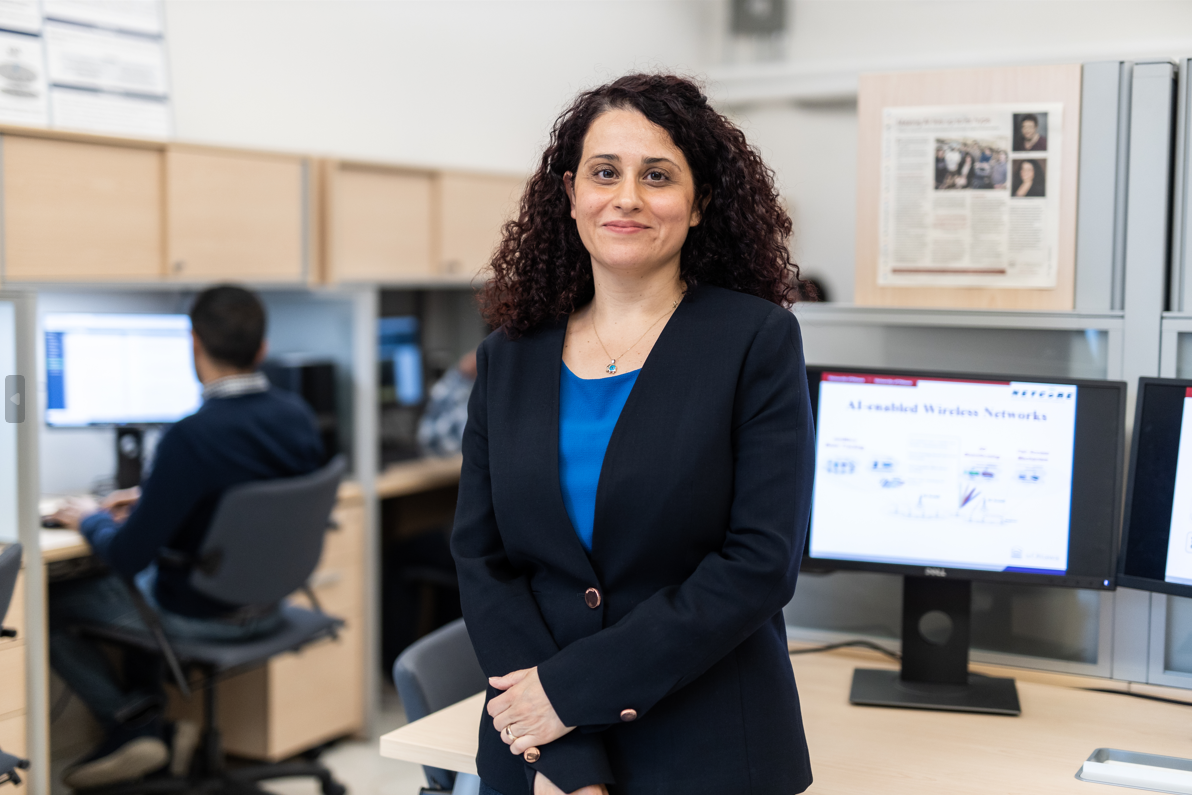
Eunhwa Yang is an Associate Professor and Curriculum Committee Chair at the School of Building Construction, Georgia Institute of Technology. She holds a Ph.D. in Human Behavior and Design from Cornell University and an MS in Building Construction from Georgia Tech. Her research focuses on the interplay between built environments and human outcomes, employing Bronfenbrenner’s ecological systems theory to study workplaces, campuses, and homes. Key areas include sustainable building practices, facility management optimization, and aging-in-place strategies for individuals with mild cognitive impairment. As an advocate for innovative teaching methods, Dr. Yang has developed facility management courses using active learning and service learning approaches. She has led workshops on pedagogical strategies at GT’s Center for Teaching and Learning and Cornell’s Center for Teaching Excellence. Professional affiliations include the International Facility Management Association (IFMA) and CoreNet Global, where she has received young researcher awards and fellowships. Her recent work emphasizes data-driven solutions for energy performance contracting, hybrid workspaces, and inclusive housing designs. The Workplace Ecology Lab under her direction explores environmental factors influencing sleep health, workplace safety, and aging-in-place technologies. Over 15 years of grant-funded research has produced impactful studies on green leasing, building lifecycle analysis, and multi-stakeholder decision-making in urban transformation projects. Awards: IFMA Fellowships, IAPS Workshop Grant Grants: CoreNet Global Academic Challenges, IAPS sponsored projects Labs: Workplace Ecology Lab at Georgia Tech School of Building Construction Dr. Yang’s advisory work supports facility managers, corporate real estate directors, and designers in optimizing space utilization through evidence-based strategies. Her research bridges environmental science, architectural design, and human behavior studies to create healthier, more equitable built environments.