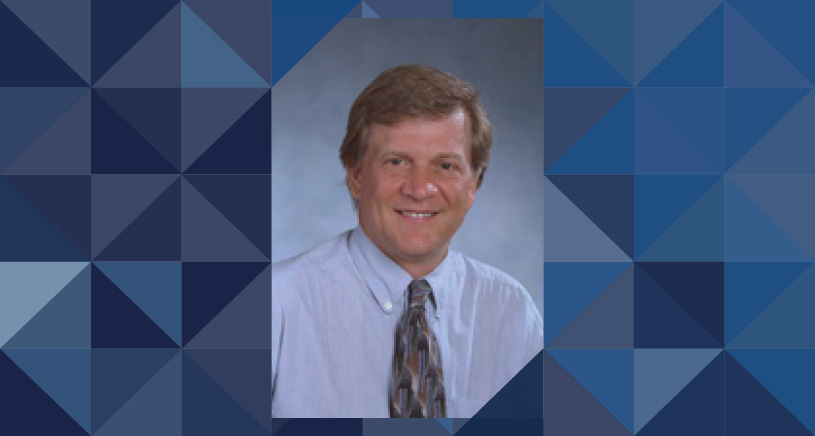
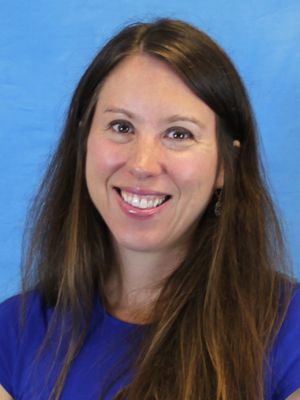
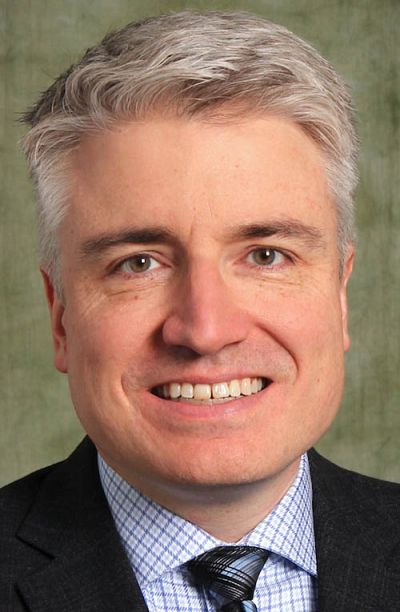
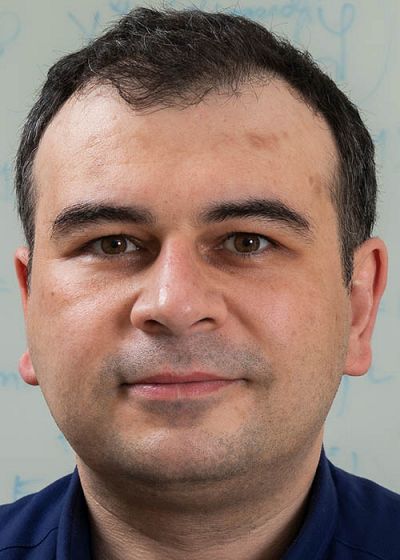
Gernot Akemann is a Professor at the Faculty of Physics, University of Bielefeld, with a focus on Random Matrix Theory and its applications in high energy physics and statistical mechanics . His work spans topics such as QCD Dirac spectra, effective field theory, orthogonal polynomials, asymptotic analysis, and universality. He has held leadership roles in projects like SFB 1283 and IGK 2235, emphasizing singular and random systems. 2025 : Subproject manager in SFB 1283 2024 : Leverhulme Trust Visiting Professorship at University of Bristol 2019 : Visiting Professor at KTH Stockholm His research includes random matrix theory for applications in quantum chromodynamics, statistical mechanics, and mathematical physics. Recent articles explore complex eigenvalue statistics, Ginibre ensembles, and their connections to Coulomb gases and territorial behavior in ecology. He has contributed to understanding universality in spectral statistics and non-Hermitian systems. Notable scientific awards include the Leverhulme Trust Visiting Professorship , Knut and Alice Wallenberg Foundation support, and DFG Research Grants . His work has been funded through projects like SFB 1283 and RTG 2235.
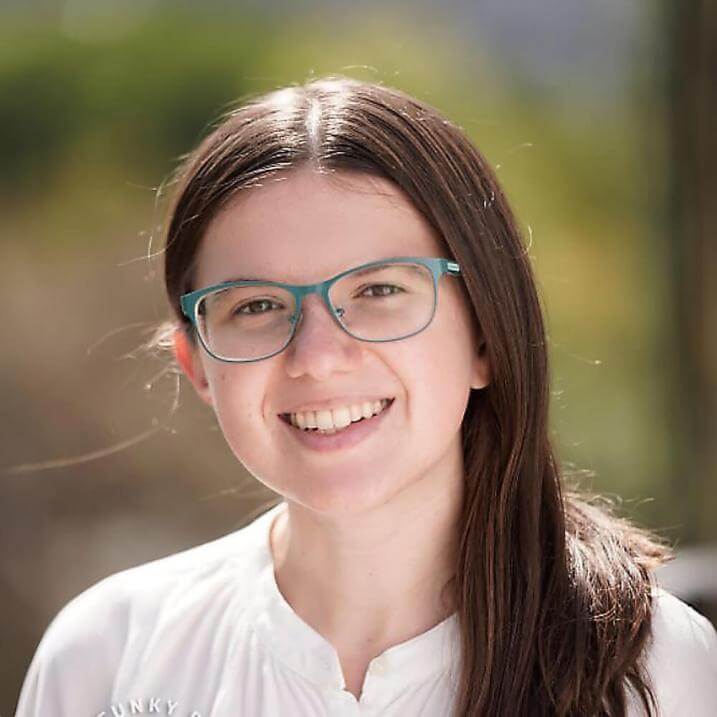
Frida Lind is an Assistant Professor at the Department of Supply and Operations Management, Chalmers University of Technology. Her work focuses on business networks, digital transformation, and sustainable logistics, with a particular emphasis on startups, resource renewal, and collaborative innovation. Research Themes : Digital-physical resource integration, circular economy, networked business models, and sustainable freight transport. Notable Contributions : Studies on university spin-offs, geofencing in urban logistics, and resource development in heavy industry networks. Recognition : Recipient of the Outstanding Article of the Year–2014 award in 2015. Frida's recent articles explore trends in circular product development, smart products, and renting models in the textile industry. Her work bridges digitalization with sustainability, emphasizing value creation through collaborative strategies. Contact: frida.lind@chalmers.se
Dr. Anna Louise Smith is an Associate Professor in the Reactor Physics and Nuclear Materials section at the Radiation Science and Technology department of Delft University of Technology (TU Delft). She is a physical chemist and materials scientist specializing in nuclear materials, with expertise in both experimental and computational approaches to studying advanced nuclear fuel systems. Dr. Smith earned her "diplôme d'ingénieur" from Chimie ParisTech in 2011, conferring a Master of Science in Chemistry and Chemical Engineering. She simultaneously completed an M.Phil. in Advanced Chemical Engineering from the University of Cambridge. She received her PhD in Materials Science and Metallurgy from Cambridge in 2015, after spending three years at the Joint Research Centre in Karlsruhe, Germany, where she developed expertise in nuclear fuel chemistry and chemical thermodynamics of actinide materials. Her research focuses on the chemistry of advanced nuclear fuels, including ceramics (oxides) and molten salts (fluorides and chlorides), with particular interest in structure-property relationships. She combines experimental and computational studies to investigate physico-chemical properties from atomic to macroscopic scales, with applications to next-generation nuclear reactor technologies emphasizing safety and sustainability. Her current interests include the chemistry of fission products in oxides and molten salts, interaction chemistry between fuel, coolant, and cladding materials, and corrosion issues at high temperatures in nuclear reactor environments. Analysis of Dr. Smith's recent publications (2022-2025) reveals a strong focus on thermodynamic properties of molten salt systems, particularly those relevant to nuclear fuel cycles. Her work spans fundamental studies of actinide chemistry in molten fluorides and chlorides, corrosion mechanisms between molten salts and structural materials, and the development of thermodynamic models for complex multi-component systems essential for molten salt reactor design. She has made significant contributions to understanding the behavior of thorium-based fuel systems and corrosion products in high-temperature environments. Dr. Smith has established a research team and laboratory at TU Delft specifically designed for handling uranium and thorium materials. Her work contributes to several major European projects focused on advanced nuclear technologies, including the MIMOSA and ENDURANCE projects that explore the safety and performance of molten salt reactors for deployment in the European Union. She collaborates extensively with researchers across Europe and has published over 50 research outputs including articles, book chapters, and review papers.
Charles Burant is Professor of Nutritional Sciences at the University of Michigan School of Public Health and holds a professorship in the Section of Metabolism, Endocrinology, and Diabetes within the Medical School's Department of Internal Medicine. He holds the endowed Dr. Robert C. and Veronica Atkins Professor of Metabolism chair. His clinical practice focuses on obesity, type 2 diabetes, and related metabolic disorders at the WK Kellogg Eye Center, Brehm Tower in Ann Arbor. Dr. Burant's research integrates multi-omic approaches (genomics, transcriptomics, proteomics, metabolomics) with clinical and behavioral phenotypes to unravel mechanisms of obesity, insulin resistance, and diabetes. His laboratory investigates pancreatic beta-cell metabolism, insulin secretion dynamics, and adult pancreatic progenitor cells for beta-cell regeneration. As director of the Michigan Metabolomics and Obesity Center (MMOC), he oversees the NIH-funded Nutrition Obesity Research Center and Michigan Regional Comprehensive Metabolomics Resource Core, providing critical infrastructure for metabolic disease research. The MMOC also coordinates the Investigational Weight Management Clinic, which combines clinical care with phenotypic tracking to study diabetes prevention and weight regain mechanisms in formerly obese patients. Analysis of his recent publications reveals dominant themes in multi-omic exercise physiology, causal metabolite-disease relationships, and tissue-specific metabolic adaptations. His work consistently emphasizes sexual dimorphism, temporal dynamics, and molecular mechanisms in metabolic disorders, particularly through large-scale consortia like MoTrPAC. Key focus areas include lipid metabolism in disease contexts, adipose tissue remodeling, and mitochondrial function across tissues. While no specific scientific awards beyond his endowed chair are listed, his leadership of major NIH-funded centers demonstrates significant recognition. His grant portfolio includes infrastructure support through the MMOC, NORC, and Metabolomics Resource Core, enabling extensive human and animal studies in metabolic diseases. Dr. Burant directs the MMOC's integration of research and clinical care through the Investigational Weight Management Clinic. His laboratory maintains active programs in insulin resistance mechanisms using animal models and explores pancreatic progenitor cell applications for diabetes therapy, representing forward-looking approaches to metabolic disease treatment.
Anna Pellegrino is a Confirmed Associate Professor in the Department of Energy (DENERG) at the Polytechnic University of Turin, where she also serves as a Member of the FULL Interdepartmental Center - Future Urban Legacy Lab. Her academic career spans over three decades with continuous involvement in doctoral education since 2003 across various research programs including Architectural Heritage, Technological Innovation for the Built Environment, and Energy. Her research focuses on the intersection of lighting engineering, cultural heritage conservation, and sustainable building design. Key areas include daylighting systems, energy demand for lighting, light and human factors, lighting controls, and visual comfort assessment. Her work bridges technical building physics with cultural and human dimensions of the built environment, particularly addressing how lighting affects health, wellbeing, and heritage conservation. Analysis of her recent publications reveals a strong trend toward interdisciplinary research connecting environmental quality assessment with human health outcomes. Her work increasingly incorporates sensor technologies for monitoring indoor environmental quality while maintaining a consistent focus on lighting applications in both architectural heritage and contemporary sustainable design contexts. The research demonstrates progression from fundamental lighting technologies toward holistic building performance evaluation. Full Member - Illumination Engineering Society (IES), United States (2020-) Member of the Executive Committee - Italian Lighting Association AIDI, Italy (2018-) Full Member - Italian Technical Physics Association, Italy (2016-) Full Member - International Commission for Illumination (CIE), Austria (2010-) Full Member - Italian Lighting Association AIDI, Italy (1994-) Professor Pellegrino actively supervises doctoral students in Energy and Architectural Heritage programs while leading numerous research initiatives. Her grant portfolio includes competitive national research projects, European Union collaborations, and commercial consulting contracts with municipal governments and private sector clients. Current projects focus on biophilic lighting systems, public lighting optimization, and energy-efficient building retrofits. She also participates in significant collaborative agreements with municipal entities including the Municipality of Lagnasco and the City of Turin. She leads research activities within the TEBE Research Group (DENERG) and collaborates with the LAMSA Laboratory for Analysis and Modeling of Environmental Systems (DAD). Her team conducts field studies, develops monitoring methodologies, and creates practical solutions for lighting applications in heritage conservation and sustainable urban development. Current work emphasizes the relationship between lighting environments and human health outcomes in both interior and exterior contexts.
Isaac Kauvar is a Postdoctoral Fellow at the Department of Electrical Engineering, School of Engineering, Stanford University. He holds a B.S. in Engineering Physics specializing in Photonics, an M.S. in Electrical Engineering focusing on Imaging and Optimization, and is currently pursuing a PhD in Electrical Engineering under the co-advisement of Prof. Gordon Wetzstein. Education B.S. Engineering Physics, Stanford M.S. Electrical Engineering, Stanford His research bridges Neuroscience, Photonics, and Computational Modeling to develop advanced imaging and neural activity measurement technologies. Key contributions include optical brain-computer interfaces, light-field microscopy innovations, and neural circuit analysis across species. Recent publications highlight work in cortical imaging, emotional response modeling, and neurotechnology development. His expertise spans optical systems design, neural dynamics analysis, and brain state modulation. Contact: ikauvar@stanford.edu
Christy Remucal is a Professor in the Department of Civil and Environmental Engineering at the University of Wisconsin–Madison College of Engineering, where she leads the Aquatic Chemistry research group. She holds a PhD in Civil & Environmental Engineering from UC Berkeley (2009) and maintains active research in water quality improvement through fundamental reaction mechanism studies. PhD, Civil & Environmental Engineering, UC Berkeley (2009) MS, Civil & Environmental Engineering, UC Berkeley (2004) BS, Civil & Environmental Engineering, MIT (2003) Her research focuses on two major areas: (1) transformation of polar organic contaminants including pesticides, pharmaceuticals, and PFAS in aquatic systems, and (2) molecular composition and reactivity of dissolved organic matter (DOM) using optical properties and high-resolution mass spectrometry. Key applications include drinking water treatment optimization and Great Lakes contaminant fate modeling. The group's publications (2023-2025) reveal trends in PFAS partitioning dynamics, DOM photooxidation pathways, and oxidation mechanisms in aquatic systems. Recent work examines contaminant behavior in unconventional environments like freshwater ice and natural foams. NSF CAREER Award (2015) Robert L. Johnson Memorial Research Grant recipient (2022) EPA STAR Graduate Fellowship (2016) UW-Madison Hilldale Award (2014) As interim director of UW-Madison's Aquatic Sciences Center (2023), she oversees Wisconsin Sea Grant and Water Resources Institute initiatives. Her advising spans 15+ graduate students and postdocs, with grant support totaling $2M+ including NSF and Wisconsin Sea Grant funding. The Water Science & Engineering Laboratory (660 North Park Street) serves as a hub for DOM-manganese oxide reactivity studies and PFAS fingerprint analysis.
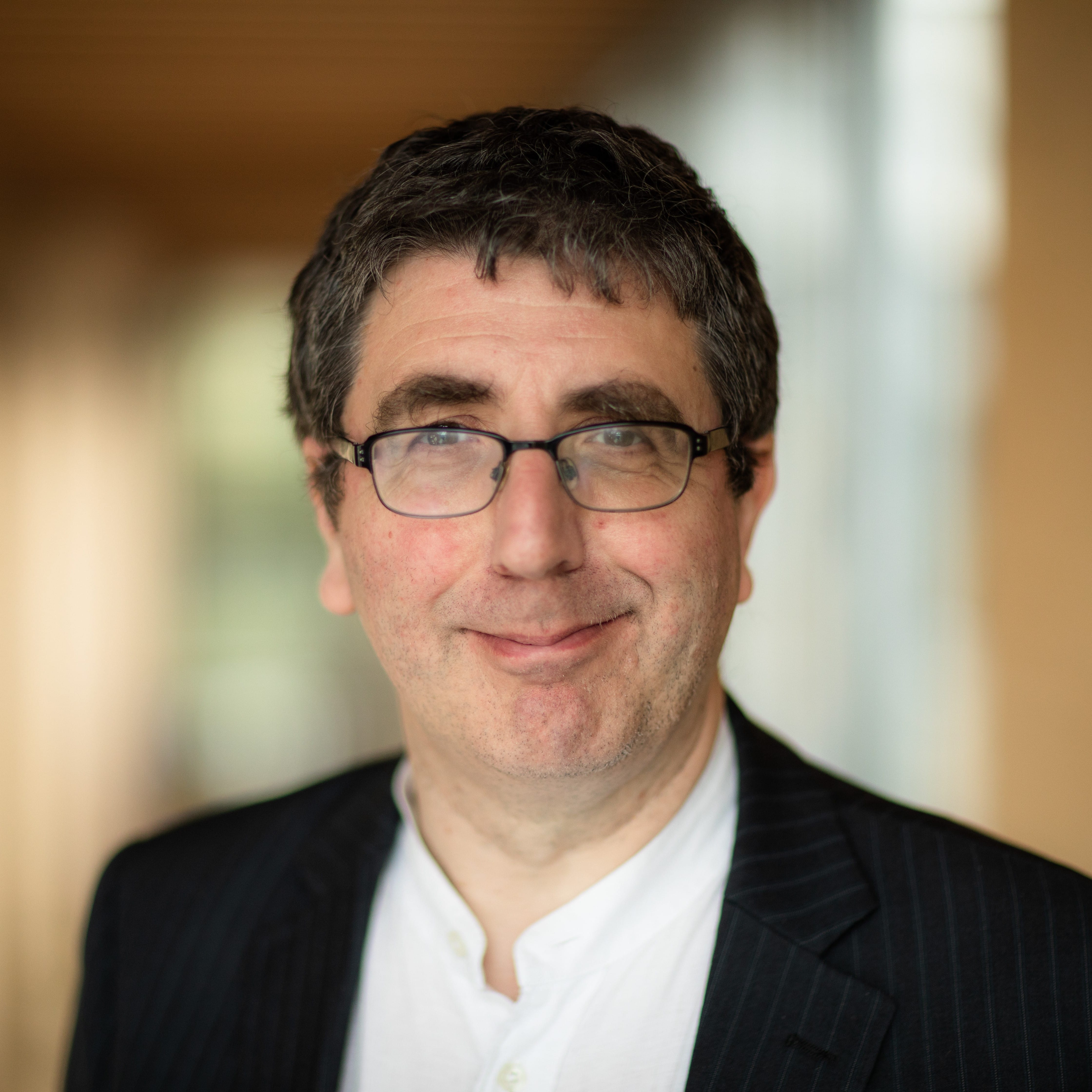
Professor Andreas Kyprianou is a leading probabilist at the University of Warwick's Department of Statistics, specializing in pure and applied probability. His research spans Branching Markov processes , Superprocesses , Lévy processes , and stochastic radiation transport . He directs the Centre for Mathematical and Computing Sciences (CAMaCS) and leads the £7.3M EPSRC MaThRad programme grant, focusing on nuclear technology applications. Academic Affiliations : University of Warwick (2023-present), University of Bath (2006-2023), Utrecht University (2001-2006), Heriot-Watt University, London School of Economics, University of Edinburgh Research Themes : Stochastic Modelling, Self-Similar Processes, Fragmentation-Coalescence, Neutron Transport, Monte-Carlo Simulation His recent work includes α-stable Lévy processes , jump SDEs in proton therapy , and non-local branching process stability . Scientific awards include the Royal Society Wolfson Merit Award and the Dutch Mathematics in Focus fellowship. He has supervised over 20 PhD students and co-led international research platforms like Prob-L@B and CIMAT-UNAM-Warwick-Bath . Grants section highlights major EPSRC and Royal Society funding for his interdisciplinary projects.
Christy L. Avery is a Professor in the Department of Epidemiology at the University of North Carolina at Chapel Hill's Gillings School of Global Public Health. She serves as Program Leader for Cardiovascular Disease Epidemiology. Her research focuses on genomic epidemiology, gene-environment interactions, metabolomics, and assessing cardiovascular disease burden in diverse populations across the life course. Her work integrates longitudinal data and multi-level factors (cellular, individual, contextual) to study health risks like hypertension and hypercholesterolemia, as well as behaviors such as smoking, physical activity, and obesity. She investigates genetic diversity in health risks among multi-ethnic U.S. populations and leads studies on metabolomic correlates of health and disease. Research Themes include: Genomic epidemiology of cardiovascular diseases Gene-environment interactions and omic biomarkers Multi-ethnic population studies Epidemiological methods for life-course analysis Metabolomics in disease prevention Recent Publications highlight trends in: Genetic risk scores for cardiovascular disease Multi-ethnic genome-wide association studies (GWAS) Metabolomic biomarkers in lifespan health Pharmacogenomics and drug-gene interactions Environmental health and exposomics Statistical genetics and causal inference She contributes to trans-ethnic genomics , refining genetic loci and improving precision medicine frameworks. Her collaborations span consortia like the Trans-Omics for Precision Medicine (TOPMed) and the Population Architecture Using Genomics and Epidemiology (PAGE) study.
Reika Katsumata is an Assistant Professor in the Department of Polymer Science and Engineering at the University of Massachusetts Amherst. Her research focuses on establishing design rules for extremely confined soft/hard interfaces, bridging precise polymer synthesis with nanoscale material miniaturization. She investigates how extreme confinement ( B.Eng. & M.Eng., Tokyo Institute of Technology (2009, 2011) Ph.D., Chemical Engineering, University of Texas at Austin (2016) Her work employs fluorescence spectroscopy, rapid thermal annealing, and film-stress measurements to address challenges in nanocomposites, ultra-thin coatings, and 2D materials. Recent studies explore defect healing in graphene, polymer-assisted porous carbon synthesis, and interfacial control of ferroelectric capacitors. She received an NSF CAREER award in 2021 for her work on multi-scale polymer dynamics. Key trends in her publications include polymer dynamics under nanoconfinement, interfacial interactions in hybrid materials, and scalable fabrication methods like roll-to-roll processing. Her research has implications for electronics, energy systems, and sustainable materials. Scientific Awards: NSF CAREER Award (2021)
Paul R. Chiarot is a Professor and Chair of the Department of Mechanical Engineering at Binghamton University, State University of New York (SUNY). He holds a BASc, MASc, and PhD in Mechanical Engineering from the University of Toronto. His research focuses on microfluidics, multiphase flows, and electrospray deposition, with applications in advanced manufacturing, biotechnology, and biomedical engineering. Research Interests: Chiarot leads the Microfluidics and Multiphase Flow Laboratory, exploring electrospray printing for electronics packaging, synthetic vesicle fabrication for membrane biology studies, and fluid mechanics of the brain. His work addresses challenges in energy, healthcare, and nanotechnology. Key areas include: Electrospray-based additive manufacturing Microfluidic platform development for asymmetric vesicles Interstitial fluid transport in brain tissues Thermal management solutions for electronics Awards and Grants: He has received the NSF CAREER Award (2016) and the SUNY Chancellor's Award for Excellence in Scholarship (2022). His research is supported by the NSF, NIH, ACS, SRC, and industry collaborators. Lab and Collaborations: The lab's interdisciplinary approach integrates fluid dynamics, materials science, and biotechnology. Recent projects include developing high-throughput vesicle production and modeling cerebral fluid dynamics. Chiarot also contributes to thermal optimization of microchannel heat sinks for data centers and high-performance computing.
Emrah Akyol is an Associate Professor in the Electrical and Computer Engineering Department at Binghamton University (SUNY). He joined in 2017 after postdoctoral research at the University of Illinois at Urbana-Champaign (UIUC) and the University of Southern California (USC). He holds a PhD from UC Santa Barbara (2011) and prior industry experience at HP and NTT Docomo. Education: PhD in Electrical and Computer Engineering, UC Santa Barbara (2011) Postdoctoral Researcher at USC (2013–2014) and UIUC (2014–2017) Research: Focuses on game theory, control systems, and secure cyber-physical systems. Key areas include strategic communication, opinion dynamics in social networks, and stealthy attacks in multi-agent systems. Recent work addresses bounded rationality in data gathering and network topology inference. Awards: NSF Career Award (communication over human networks), Binghamton's Interdisciplinary Collaboration Award (with Economics/Political Science), and CoCo Seed Grant (CPS security). Advising & Grants: Supervised PhD/Master’s students Anju Anand, Xilin Zhang, and Griffin Rule (recipient of ECE MS Research Award). Active grants include NSF Career and CoCo Seed. Labs/Teams: Leads research on secure cyber-physical systems and game theory applications. Collaborates with UIUC and organizes conferences like DSAA’20.
Laura Treers is an Assistant Professor in the Department of Mechanical Engineering at the University of Vermont (UVM), affiliated with the UVM CREATE Center. She holds a PhD from UC Berkeley (2023) and a B.S. from MIT (2018). Prior to UVM, she was a postdoctoral scientist at Georgia Tech in Physics and Biological Sciences. Her research focuses on robotic mobility in complex terrains, combining robotics, physics, and biomechanics. The Interact Lab at UVM explores terramechanics, experimental robotics, and complex terrains, with key interests in granular media modeling, mechanism design, and 'robophysics' principles. Her work bridges robotics, biology, and environmental systems. Her academic awards include the 2023 Outstanding Graduate Student Instructor Award, 2019 National Defense Science Fellowship, and MIT's Thomas Sheridan Prize. She teaches courses like Control Systems (ME 3320A) and Mechatronics (ME 2990). Committed to equity in STEM, she mentors underrepresented students in robotics and science outreach programs. Key research themes include collective behavior in robotic and biological systems, granular material manipulation, and field robotics applications. Her lab's projects emphasize interdisciplinary innovation, leveraging biological insights to enhance robotic performance in unstructured environments.
Steve New is an Associate Professor in Operations Management at the Saïd Business School, University of Oxford, and a Fellow of Hertford College. His expertise spans supply chain management, process improvement, and the application of lean production systems, particularly the Toyota Production System (TPS), to healthcare and manufacturing. His research explores supply chain transparency, provenance, and ethical/environmental issues within global supply chains. He holds a PhD in visual interactive modeling for decision support from Manchester Business School and has extensive consulting experience with organizations across sectors, including the NHS and National Audit Office. Education: PhD in Management Science, Manchester Business School Bachelor's in Physics, University of Southampton Research Interests: Steve focuses on supply chain transparency, provenance theory, lean healthcare, TPS applications, and public sector service efficiency. He critiques methodologies like structural equation modeling in operations research and examines modern slavery in supply chains. Engagement & Awards: Steve advises organizations globally and serves on editorial boards for journals like the Journal of Purchasing and Supply Management . He was awarded the 1993-4 Fellowship of the Operations Management Association for contributions to purchasing research.
Mayank Chadha is an Assistant Adjunct Professor in the Department of Structural Engineering at the University of California, San Diego. He holds a Ph.D. and M.S. in Structural Engineering from UC San Diego and a B.E. in Civil Engineering from PSG College of Technology, Anna University. His research focuses on integrating applied mechanics, machine learning, and Bayesian methodologies to address challenges in structural health monitoring (SHM), risk analysis, and optimal sensor design. He also explores the application of physics-constrained machine learning in hydrology and battery degradation modeling. Education: 2019: Ph.D. in Structural Engineering, UC San Diego 2023: Postdoctoral Fellowship, UC San Diego 2014: B.E. in Civil Engineering, PSG College of Technology Dr. Chadha’s research interests include structural health monitoring, applied mechanics, uncertainty quantification, and the development of decision-making frameworks for engineering systems. He has pioneered work on Bayesian model optimization, sensor placement strategies, and value-of-information analysis. His interdisciplinary approach bridges theoretical mechanics with practical data-driven solutions for modern engineering problems. His recent work emphasizes hybrid physics-based machine learning models for streamflow forecasting and battery RUL prediction, demonstrating the fusion of computational efficiency and physical principles. He has authored numerous articles on optimal sensor design, VoI metrics, and risk-informed decision-making in SHM systems. Scientific Awards: Gold medal for CBSE 12th exams (2010) Central Government Fellowship (2014) Gold medal for Civil Engineering proficiency (2014) In addition to academia, Dr. Chadha co-founded LogSpi LP, a quantitative investment hedge fund. He teaches courses on mechanics and signal processing, emphasizing foundational engineering principles and their real-world applications. His research also extends to the development of higher-order geometrically exact beam theories, with applications in computer graphics and shape sensing. He actively collaborates with the U.S. Army Corps of Engineers on projects involving inland waterway infrastructure and risk-based sensor design.