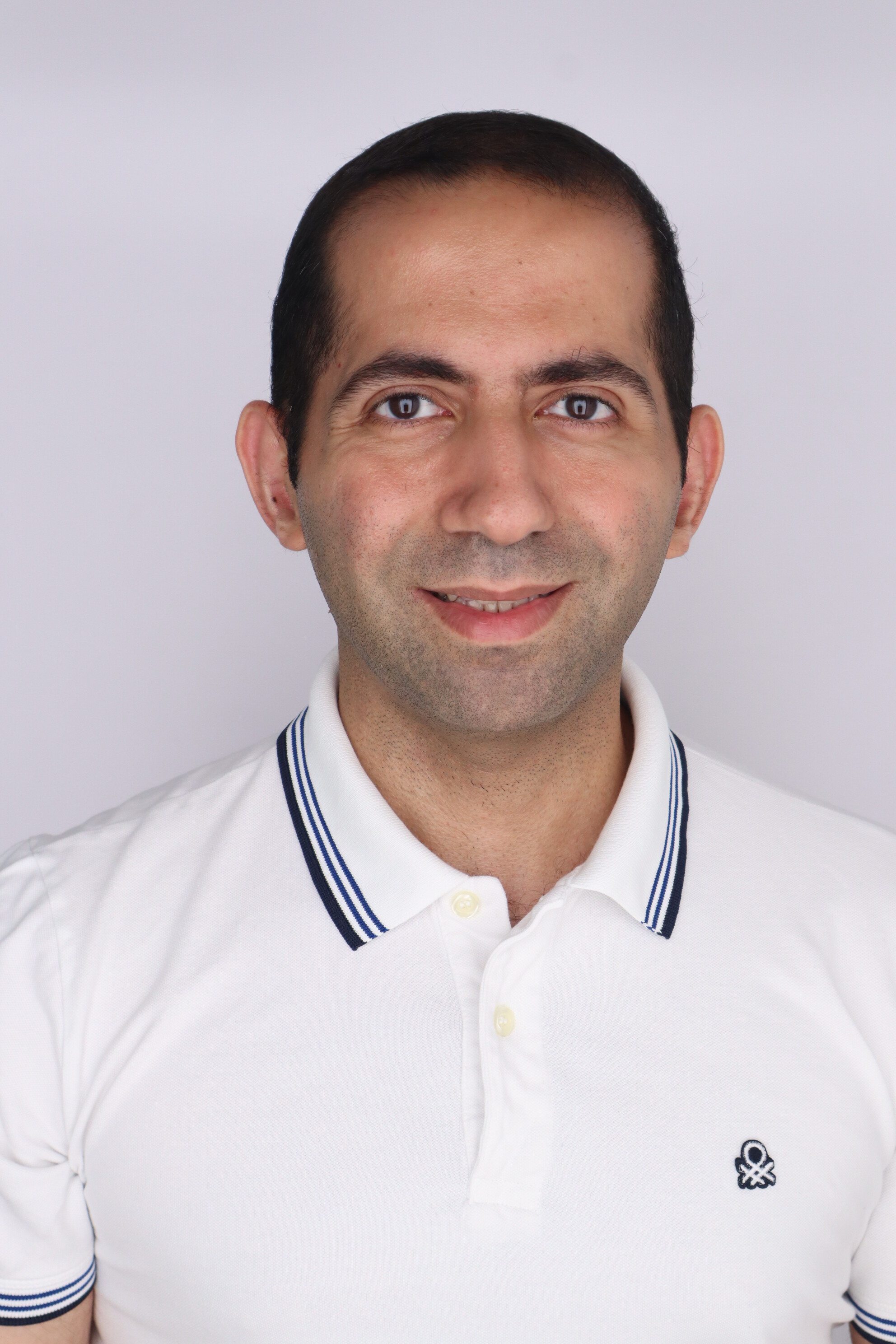
Shervin Hajiamini is an Assistant Professor of the Practice of Computer Science at Vanderbilt University's School of Engineering. He holds a Ph.D. from Washington State University, an M.Sc. from Delft University of Technology, and a B.Sc. from Azad University. His research focuses on green computing, particularly energy efficiency in multi-core systems, including dynamic voltage/frequency scaling (DVFS), voltage-frequency islands (VFI), and task scheduling optimizations. Recent work explores energy efficiency through heuristic algorithms, stochastic models, and dynamic programming frameworks. His articles (2015–2023) emphasize energy-time tradeoffs, cache optimization, and power-aware scheduling in multi-core architectures. No scientific awards are explicitly listed. His advising and grants sections are currently empty. He is affiliated with the School of Engineering's Computer Science department at Vanderbilt University.
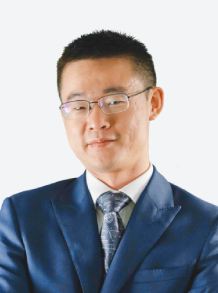
Dr. Steven Xiaotian Dai is a Lecturer in Cyber-Physical Systems at the Department of Computer Science, University of York, UK. He leads the ReFLEX Lab and is affiliated with the Real-Time and Distributed Systems Group. His research focuses on real-time scheduling, digital twins, and safety assurance in autonomous systems, with applications in aerospace, robotics, and avionics. He holds a PhD from the University of York (2019, Best Thesis Award) and has contributed to prestigious projects like SCHEME (Innovate UK) and MOCHA (Huawei). Dr. Dai’s academic qualifications include a PhD in Real-Time Systems (York), MSc in Control Systems (Sheffield), and BSc in Automatic Control (Nanjing). His research grants include £2.2M from Innovate UK for SCHEME and £985K from Huawei for MOCHA. He actively serves on program committees for leading conferences like RTSS and RTAS. His research interests encompass real-time scheduling on multi-cores, timing assurance for CPS, and hardware-software co-design. Collaborations span industries and academia globally, addressing challenges in safety-critical systems. Dr. Dai supervises multiple PhD and MSc students, emphasizing adaptive scheduling, digital twins, and robotics. He is a member of IEEE CS, IEEE RAS, and ACM SIGBED, and his work has been published in over 30 peer-reviewed articles. The ReFLEX Lab explores cutting-edge topics like routerless network-on-chip optimization and ROS 2 executor timing analysis.
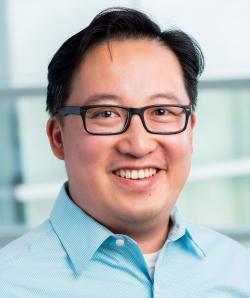
E. Ricky Chan, PhD is an Instructor in the Department of Population and Quantitative Health Sciences at Case Western Reserve University School of Medicine. He serves as Director of the Bioinformatics Core at the Institute for Computational Biology. His work integrates genomics, computational biology, and systems biology to study immune mechanisms, metabolic pathways, and microbiome interactions. Dr. Chan holds a PhD from Case Western Reserve University. His research focuses on translational applications of big data analytics in precision medicine, with emphasis on inflammatory bowel disease, cancer biology, and infectious diseases. Recent work includes groundbreaking studies on GSDMB's role in IBD epithelial repair, microbiome metabolic interactions, and synthetic lethality in cancer therapy. Key research trends include multi-omic spatial analysis of neuroinflammation, transcriptomic profiling of drug resistance mechanisms, and leveraging genomic data to understand disease progression. His studies have identified critical biomarkers like the NRF2 gene set and MBOAT7-driven lipid pathways. Current projects involve developing computational tools for viral genomic surveillance and improving microelectrode implant biocompatibility. Dr. Chan leads the Bioinformatics Core supporting over 50 research groups, providing expertise in next-gen sequencing analysis and machine learning applications. His team bridges basic research and clinical translation through collaborative initiatives in immunology, oncology, and metabolic disorders.
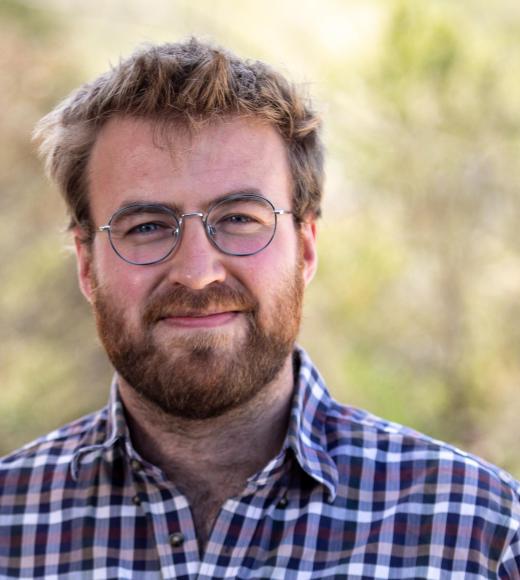
Ruaridh Forbes is an Assistant Professor at the University of California, Davis, Department of Chemistry. He leads the Forbes lab, which focuses on ultrafast laser sources to study photochemical reaction dynamics on femtosecond timescales. His research explores nuclear structures far from equilibrium and electronic energy flow in molecules during reactions, aiming to control chemical and biological processes. The lab conducts experiments at global X-ray light sources and tabletop setups. Forbes has held roles at SLAC National Accelerator Laboratory since 2020, including Lead Scientist (2024), Staff Scientist (2022–2023), and Associate Staff Scientist (2021–2022). He earned a Ph.D. in Atomic, Molecular, and Optical Physics from University College London (2018) and a M.S. in Chemical Physics from the University of Edinburgh (2014). Research Interests: Ultrafast laser spectroscopy Femtosecond/X-ray scattering techniques Photochemical reaction dynamics Electronic energy transfer mechanisms Molecular imaging via Coulomb explosion and covariance analysis Control of chemical reactions through light-matter interactions Publications: His recent work includes studies on X-ray-induced electron rearrangement, time-resolved Auger spectroscopy, and ultrafast electron diffraction imaging. These publications emphasize multi-channel dynamics analysis and novel laser-based methodologies. Labs/Teams: The Forbes Lab collaborates with global institutions like SLAC and utilizes cutting-edge X-ray facilities to advance real-time molecular imaging.
Benjamin Berkels is an apl. Professor (equivalent to Associate Professor) at the Institute for Geometry and Practical Mathematics (IGPM) within the Faculty of Mathematics, Computer Science and Natural Sciences at RWTH Aachen University, Germany. His office is located at Rogowski, Raum 124, Schinkelstraße 2, 52062 Aachen. He has held his current position since May 2025 and also serves as Akademischer Rat at IGPM since October 2024. Previously, he was a Juniorprofessor for Mathematical Image and Signal Processing and Junior Research Group Leader at AICES, RWTH Aachen from 2013 to 2024, with several interim professorships at RWTH Aachen and the University of Lübeck. Dr. Berkels received his educational foundation with a Dipl.-Math. from the University of Duisburg-Essen in 2005, followed by a Dr. rer. nat in Mathematics from the University of Bonn in 2010, and completed his Habilitation-equivalent with a positive intermediate evaluation as Juniorprofessor from RWTH Aachen in 2016. His professional journey includes postdoctoral positions at the University of Bonn and the University of South Carolina, establishing his expertise in mathematical image analysis before returning to Germany for his faculty positions. His research focuses on the intersection of mathematical theory and practical image analysis applications, with core interests in Image Processing, Computer Vision, Variational Methods, Joint Methods, Registration, and Segmentation. Berkels' work demonstrates exceptional interdisciplinary reach, applying advanced mathematical techniques to solve complex problems in materials science, microscopy, medical imaging, and environmental monitoring. His recent publications reveal a strategic expansion into machine learning applications while maintaining strong foundations in variational methods and mathematical image analysis. Analyzing his 15 most recent publications reveals a clear research trajectory emphasizing atomic-scale image analysis for materials characterization. Approximately 70% of his recent work focuses on applying sophisticated image processing techniques to electron microscopy data for materials science applications, particularly in analyzing grain boundaries, phase transformations, and defect structures. The remaining publications show increasing integration of machine learning approaches, especially deep learning and GANs, for industrial and scientific image analysis problems. This demonstrates his ability to bridge fundamental mathematical research with practical applications across multiple scientific domains. Dr. Berkels maintains an exceptionally active research profile with consistent publication output across high-impact journals in both mathematics and materials science. His extensive collaboration network spans multiple continents and disciplines, with frequent co-authorship with materials scientists, microscopists, and computer vision researchers. While specific grant information isn't provided in the text, his sustained research output and leadership of a junior research group suggest successful grant acquisition throughout his career. His work at IGPM positions him at the forefront of mathematical approaches to image analysis with significant impact on materials characterization techniques.
Arumugam Nallanathan is a Professor of Wireless Communications at Queen Mary University of London, affiliated with the School of Electronic Engineering and Computer Science. He leads the Communication Systems Research (CSR) Group and is a core member of the Centre for Networks, Communications and Systems. His research focuses on 6G technologies, AI-driven wireless systems, reconfigurable intelligent surfaces (RIS), UAV-enabled communications, ultra-reliable low-latency communications (URLLC), and IoT applications. He teaches the advanced 5G Mobile and Beyond module, integrating theoretical frameworks with practical implementations. Nallanathan's work bridges cutting-edge research with real-world challenges, emphasizing secure and energy-efficient communication systems. His recent publications explore topics such as IRS-based DOA estimation, covert communication techniques, and federated learning in edge networks. He actively contributes to the design of integrated sensing and communication systems, with applications in smart cities and beyond. His research group collaborates on grants addressing future network architectures and AI-enabled solutions. Research interests span: 6G systems, AI for communications, RIS optimization, UAV networks, URLLC protocols, and IoT security. His teaching emphasizes 5G fundamentals and emerging technologies. Notable contributions include advancements in STAR-RIS aided communication, multi-modal learning for satellite-ground networks, and secure resource allocation in NOMA systems. He leads projects on edge intelligence, digital twins for URLLC, and generative AI for channel estimation. The CSR Group actively engages in industry partnerships to translate research into practical solutions.
Tobias Klaus is a Researcher at the Department of Computer Science 4 (Distributed Systems and Operating Systems) at Friedrich-Alexander-Universität Erlangen-Nürnberg. His work focuses on real-time systems, distributed systems, and operating systems, with a particular emphasis on embedded real-time control and multicore processing. He has contributed to projects such as qron OS, AORTA, and the RTSC compiler framework. His research addresses challenges in real-time scheduling, job-level dependencies, and quality-aware system design. Education and Background: No explicit education details provided in the text. Research Interests: Klaus’s research spans real-time systems, distributed architectures, and embedded control systems. He explores topics such as deadline-driven scheduling, static analysis for job migration optimization, and tool-supported design of time-triggered systems. His work often bridges theoretical foundations with practical implementation in embedded and robotics domains. Grants and Funding: No specific grants or funding opportunities are mentioned in the text. Awards: No scientific awards explicitly listed. Teaching and Advising: Klaus has been involved in teaching courses such as Real-Time Systems, System Programming, and Distributed Systems. He has advised multiple theses, including projects on distributed real-time systems, WCET analysis, and multicore resource protocols. Notable advisees include Hausmann Jannis, Florian Güthlein, Thomas Reichinger, and Felix Bräunling. Labs and Teams: He contributes to interdisciplinary projects like the I4 Copter quadrocopter system and collaborates on frameworks such as RTSC and AORTA. His work often involves cross-disciplinary efforts in real-time control and embedded systems.
Benedict Herzog is a Researcher at the Bochum Operating Systems and System Software (BOSS) group at Ruhr-Universität Bochum (RUB). Previously, he was part of the Department of Computer Science 4 (Distributed Systems and Operating Systems) at Friedrich-Alexander-Universität Erlangen-Nürnberg (FAU). His work focuses on energy-efficient systems, operating systems optimization, and embedded computing. Herzog holds a Master's degree in Computer Science from FAU, where his thesis explored energy demand estimation using artificial neural networks, and a Bachelor's degree in Energy-aware error correction in wireless sensor networks. His research interests span energy-aware computing, system software design, and machine learning applications for optimizing edge and embedded systems. He actively participates in academic activities, serving as a reviewer for conferences like TECS, SBESC, and EMSOFT. Herzog has taught courses such as 'Systemnahe Programmierung in C' and 'Energy-Aware Computing Systems' at FAU, and advised multiple students on topics ranging from interrupt handling overhead to Meltdown/Spectre mitigation impacts. Key technical contributions include frameworks for energy measurement integration (EnergyBudgets), system-call aggregation (AnyCall), and automated OS configuration optimization. His work bridges hardware-software co-design challenges in energy efficiency, with applications in edge computing and real-time systems.
Dr. Timothy Wiley is a Lecturer in Computer Science at RMIT University's School of Computing Technologies within the STEM College. He specializes in Artificial Intelligence and Robotics, focusing on autonomous systems, online learning, and human-robot interaction. His roles include leading the RedbackBots RoboCup team and designing core courses in AI and robotics. He holds a PhD from UNSW Sydney and has extensive industry and academic collaborations, including with Rheinmetall Defence Australia and Nova Systems. Affiliations: RMIT AI Innovation Lab, CIAIRI, RUASRT Education: PhD (Computer Science, UNSW), BSc (Computer Science, UNSW) Research: Autonomous robotics, Explainable AI, UAV systems, fatigue crack modeling Research interests center on data-efficient machine learning for robotics, explainable AI, and applications in agriculture, aviation, and defense. Recent projects include UAV delivery systems and AR visualization for RoboCup. He teaches courses like Programming Autonomous Robots and leads the first-year Programming Studios. Notable achievements include the 2025 Best Paper Award at HRI and finalist status in RMIT's 2023 Research Leadership Awards. His work bridges academic research with industry applications, such as food waste reduction in macadamia harvesting and urban wind environment modeling for AAM.
Yuke Wang is an incoming Assistant Professor at Rice University's Department of Computer Science starting Fall 2025. He earned his Ph.D. in Computer Science from the University of California, Santa Barbara (2024) and B.E. in Software Engineering from the University of Electronic Science and Technology of China (2018). His research focuses on optimizing deep learning systems through compiler and hardware co-design, with expertise in GPU acceleration, parallel computing, and distributed training. Education: Ph.D., UC Santa Barbara (2024); B.E., UESTC (2018). Professional experience includes postdoctoral research at Amazon AWS AI and internships at NVIDIA, Microsoft Research, and Alibaba DAMO Academy. Research interests include accelerating graph neural networks (GNNs), recommendation systems, and large language models (LLMs). He has developed frameworks like GNNAdvisor, MGG, and ZEN to enhance efficiency and scalability in deep learning workloads. His work has been recognized with awards such as the NVIDIA Graduate Fellowship and ACM PACT Student Research Competition. Awards include NVIDIA Graduate Fellowship (2022-2023), UCSB Dissertation Fellowship (2023), and multiple best paper nominations. He actively serves on program committees for top conferences like OSDI, ASPLOS, and ICS. Current hiring: Seeking graduate/undergraduate students for projects in deep learning systems, compiler optimization, and GPU acceleration. Collaborates closely with industry partners including NVIDIA and Amazon.
Associate Professor at Nanyang Technological University's College of Computing and Data Science, serving as Deputy Director of the Cyber Security Research Centre @ NTU (CYSREN) and Associate Director of the NTU Centre Computational Technologies for Finance (CCTF). His research focuses on building trustworthy, efficient, and intelligent systems with emphasis on security and privacy across AI, robotics, and cloud infrastructures. Educational background: Bachelor of Physics, Peking University, 2011 Ph.D. in Electrical Engineering, Princeton University, 2017 Research spans five core domains: Generative AI Safety (vulnerability identification, safety testing, misuse detection), Deep learning security (adversarial examples, backdoor attacks, privacy protection), Robotics security (perception system attacks, safety testing), Machine learning optimization (workload scheduling, acceleration), and Computer architecture security (side-channel defenses, cloud security). His work bridges theoretical security with practical system implementations across diverse applications. Recent publications (2024-2026) reveal intense focus on securing generative AI systems, particularly text-to-image models and large language models, with significant contributions to red teaming methodologies, backdoor attack mitigation, and multimodal security. Emerging trends show expanding research into autonomous vehicle security and privacy-preserving machine learning with cryptographic techniques. Key awards include: Distinguished Artifact Award (CCS 2024) Stamatis Vassiliadis Best Paper Award Nominee (FPL 2024) Outstanding Paper Award (ACL 2024) Distinguished Artifact Award (Usenix Security 2024) Actively supervises PhD students and research staff while leading multiple high-impact grants: Ongoing: NRF CREATE Quantum Security (2025-2029), Continental NTU Corp Lab Automotive HPC (2025-2028), CRPO EV Charging Security (2025-2027) Completed: MoE AcRF Tier2 IP Protection (2022-2025), NTU S-Lab Efficient GPU Scheduler (2020-2025) Leads research within CYSREN and TAICeN (Trustworthy AI Centre NTU), directing interdisciplinary teams that investigate security threats across AI deployment stacks while developing practical defenses for real-world systems.
John M. Blondin is an Alumni Distinguished Undergraduate Professor of Physics at North Carolina State University (NC State), where he has held roles including Department Head of Physics (2012-2016) and Associate Dean for Research (2016-2018). He earned his Ph.D. in Astronomy & Astrophysics from the University of Chicago in 1987 and has been a faculty member at NC State since 1993. His research focuses on computational gas dynamics applied to astrophysical phenomena such as supernovae, accretion disks, and shock wave instabilities. Blondin's notable achievements include discovering the Non-linear Thin-Shell Instability (NTSI) and the Spherical Accretion Shock Instability (SASI), which are critical to understanding supernova explosions. He co-developed the widely used hydrodynamics code VH-1. His honors include Fellowships from the American Association for the Advancement of Science (AAAS) and the American Physical Society (APS), an NSF CAREER Award, and recognition as an Outstanding Teacher at NC State. His research group emphasizes undergraduate involvement through programs like the NSF-funded URCA (Undergraduate Research in Computational Astrophysics). Blondin has advised numerous graduate and undergraduate students, many of whom have published peer-reviewed papers under his mentorship. His work spans computational modeling of supernova remnants, high-mass X-ray binaries, and pulsar wind nebulae, leveraging supercomputing resources at Oak Ridge, NASA, and Texas Advanced Computing Center. Blondin has also held administrative roles such as Interim Dean of the College of Sciences (2023) and Senior Associate Dean for Administration (2018-2024), returning to full-time faculty in 2024. He is affiliated with the Astrophysical Group at NC State and collaborates with institutions like NASA Goddard and the American Astronomical Society.
Prof C. Richard Bates is a Professor at the School of Earth & Environmental Sciences, University of St Andrews. His research focuses on high-resolution geophysical techniques applied to environmental and archaeological investigations, including climate change impacts, marine surveys, and near-surface studies. He holds a BSc from the University of Edinburgh and a PhD in Applied Geophysics from the University of Wales, Bangor. His work integrates geophysical methods with multi-disciplinary approaches, addressing issues like groundwater contamination, archaeological site analysis (e.g., Stonehenge and Orkney World Heritage sites), and offshore resource development. Education: BSc (Hons) Geology (University of Edinburgh); PhD in Applied Geophysics (University of Wales, Bangor) Awards: EAGE Best Paper (2003), Fellow of Geological Society (2005), Hydrographic Society Prize (2001) Research interests include marine benthic mapping, glacier retreat in the Arctic, and geophysical applications in environmental impact assessments. He teaches applied geophysics courses and supervises PhD students in environmental geophysics and archaeology. His projects include the Fife Sustainable Coastal Zone initiative and collaborations on Sasanian military networks in Northern Iran. Key affiliations include the Coastal Resources Management Group and the Marine Alliance for Science & Technology Scotland. His recent publications highlight immersive climate learning tools and sediment dynamics in marine environments.
Dr Carmel McDougall is a Lecturer in Marine Biology at the School of Biology, University of St Andrews. Her research focuses on comparative and functional genomics, with three core themes: Evolution and Development, Molecular Aquaculture, and Molecular Ecology. She investigates biomineralization processes in mollusks, sustainable aquaculture practices, and biodiversity assessment using genetic tools. Dr. McDougall leads projects on oyster reef restoration, microbial community dynamics in wetlands, and molecular responses to environmental stressors in marine organisms. She supervises PhD student Mollie Stefanek and has secured grants, including a BBSRC-funded project on shellfish production. Her work contributes to UN Sustainable Development Goals related to life below water and sustainable consumption. Research interests include mollusk immune systems, pearl quality genetics, and eDNA techniques for biodiversity monitoring. Her lab develops molecular tools for aquaculture species selection and invasive species detection. Collaborative projects involve institutions globally, addressing challenges in marine conservation and blue economy hazards. Dr. McDougall’s recent publications highlight advancements in oyster reef characterization, cnidarian stress responses, and genomic analysis of lungfish evolution.
Manolis G.H. Katevenis is a Professor at the Department of Computer Science, University of Crete, and the founder and Head of the Computer Architecture and VLSI Systems (CARV) Laboratory at the Institute of Computer Science (ICS), Foundation for Research and Technology – Hellas (FORTH) in Heraklion, Crete, Greece. He has held academic positions since 1986 and played a pivotal role in establishing the Computer Science Department at the University of Crete. His research spans computer architecture, interconnection networks, VLSI systems, and high-performance computing, with a strong focus on scalable, low-power, manycore systems and RISC-V. He has led numerous European R&D initiatives, including serving as Coordinator of the ExaNeSt project. PhD in Computer Science, University of California, Berkeley (1983) MSc in Electrical Engineering and Computer Science, University of California, Berkeley (1980) Diploma of Electrical Engineering, National Technical University of Athens (1978) Manolis Katevenis's research focuses on advancing scalable system architectures for high-performance and big data computing. His work in computer architecture includes RISC-V, exascale computing, and manycore systems. He has made foundational contributions to interprocessor communication, particularly through remote-write, remote-DMA, and remote-enqueue mechanisms, and has pioneered innovations in interconnection networks and low-latency network interfaces. His research integrates hardware and software co-design to optimize performance, energy efficiency, and scalability in large-scale computing systems. The recent publications highlight a strong trend in exascale computing, interconnection networks, and FPGA-based prototyping of manycore systems. His work emphasizes scalable, low-power architectures, with recurring themes in congestion management, fair scheduling, crossbar design, and hardware-software integration for HPC. The articles span high-impact journals such as IEEE/ACM Transactions on Networking, IEEE Micro, and Computer Networks, reflecting sustained contributions to computer architecture and networking. ACM Doctoral Dissertation Award (1984) David J. Sakrison Memorial Prize (1983) IBM PhD Fellowship (1981–1983) Greek State Fellowship (1973–1978) Stelios Pichoridis Award for Outstanding University Teaching (2015) Member of Academia Europaea (elected 2012) Award by the Secretary General of the Region of Crete (2003) IEEE Milestone recognition for the RISC Project (2015) Manolis Katevenis has supervised over 50 graduate theses and mentored many prominent Greek computer architects, including recipients of the ACM Maurice Wilkes Award. He has served as Principal Investigator or co-PI in over 30 R&D projects with a total budget exceeding 18 million euros, including major European initiatives such as ExaNeSt (which he coordinated), EuroEXA, EcoScale, SARC, ENCORE, and multiple HiPEAC Network of Excellence projects. His leadership extends to project coordination, architectural design, FPGA prototyping, and systems software development. Katevenis founded and leads the CARV Laboratory at FORTH-ICS, a major research team with 80–100 members focused on computer architecture and VLSI systems. The lab has spun off the Distributed Computing Systems (DCS) Laboratory and is central to European exascale computing efforts, including participation in the European Processor Initiative. CARV has developed large-scale prototypes such as the 768-core ExaNeSt system and the Formic FPGA platform for manycore research.