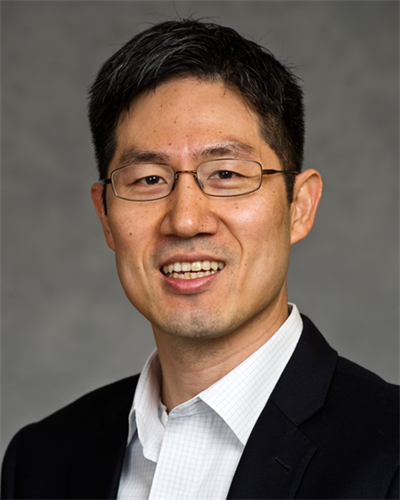
Kyongbum LeeView profile
Professor
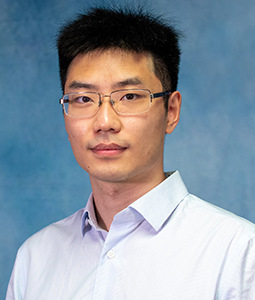
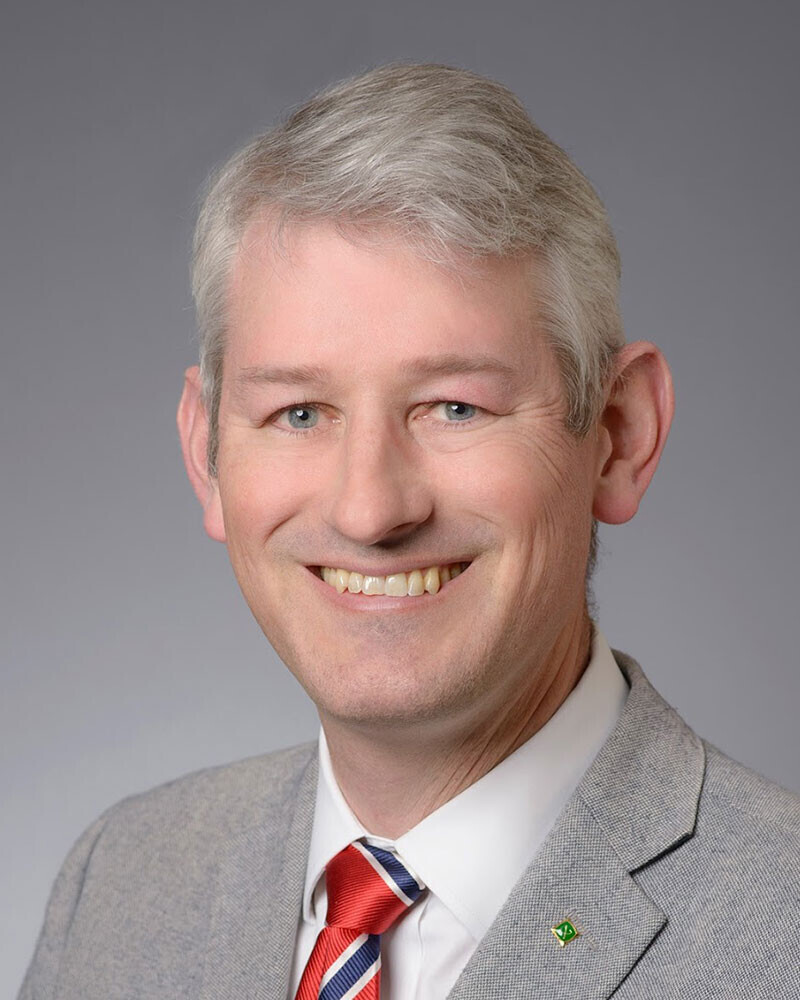
Kyongbum Lee is the Karol Family Professor and Dean of Engineering at Tufts University School of Engineering, where he also serves as Professor in the Department of Chemical and Biological Engineering. His research integrates metabolic engineering, tissue engineering, and systems biology to study cellular metabolism and develop technologies for biomedical applications. Dr. Lee directs a laboratory focused on host-microbe interactions, cell-based bioprocesses, and metabolic regulation in diseases like obesity. Education Ph.D., Massachusetts Institute of Technology, 2002 B.S., Stanford University, 1995 Research Focus Dr. Lee's group employs systems approaches combining experimental and computational methods to investigate how metabolites regulate cellular communication. Current projects examine gut microbiome interactions, metabolic flux in engineered tissues, and development of therapeutic strategies targeting metabolic disorders. The lab specializes in bioreactor systems, metabolomic profiling, and mechanistic studies of metabolite signaling pathways. Publication Trends Recent publications emphasize gut microbiota metabolism, microbial metabolite therapeutics, and engineered tissue models. Work consistently demonstrates translational focus—from computational prediction of metabolic pathways (e.g., flavonoid biotransformation algorithms) to preclinical validation of microbial metabolites in disease models (e.g., steatosis reduction via indole derivatives). Recurring themes include nuclear receptor modulation, HDAC/IFN-γ pathway regulation, and high-throughput screening platforms. Awards Karol Family Professorship (endowed position recognizing scholarly excellence) Research Operations The laboratory actively recruits postdoctoral researchers and graduate students through Tufts' Chemical and Biological Engineering program. Current projects are supported by specialized infrastructure for metabolomics, bioreactor systems, and 3D tissue culture. The team emphasizes interdisciplinary collaboration, particularly at the interface of engineering, microbiology, and translational medicine.