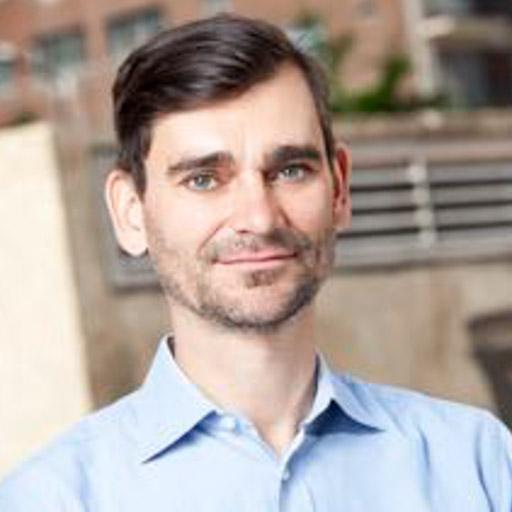
Nikola MarkovicView profile
Associate Professor
Nikola Markovic is an Associate Professor in the Civil & Environmental Engineering Department at the University of Utah, specializing in applications of operations research and data science to transportation problems. His research spans paratransit optimization, work zone safety, airport operations, and disaster response logistics. Dr. Markovic earned his educational qualifications in Transportation Engineering, including a BS from the University of Belgrade, and both MS and PhD degrees from the University of Maryland. His research focuses on applying advanced computational methods to solve practical transportation challenges. Key areas include optimizing paratransit services for individuals with disabilities, improving snowplow routing in Utah, enhancing work zone safety through computer vision, and developing systems for airport operations monitoring at non-towered airports. His work often involves collaboration with transportation agencies and industry partners to ensure practical applicability. Analysis of his recent publications reveals a strong trend toward integrating machine learning techniques with traditional transportation engineering problems. His work frequently employs advanced methods like generative adversarial networks, deep learning, and optimization algorithms to address complex transportation challenges across multiple domains including paratransit, work zones, airports, and disaster response. Nominated for the Early Career Teaching award (2023 and 2021) Ranked among top 15% instructors in the College of Engineering (2022) Winner of Transportation Science and Logistics Best Paper Award from INFORMS (2022) Winner of National ACRP student design competition (2021) Dr. Markovic has advised numerous graduate students through thesis research courses in transportation engineering. His grant portfolio includes significant funding from the Utah Department of Transportation, Utah Transit Authority, and National Science Foundation, supporting research in accessibility, work zone safety, and paratransit service improvement. Current projects include enhancing accessibility for individuals with limited mobility using AI and cycling data, measuring roadside feature impacts on crashes, and developing technology integration for disadvantaged communities. His laboratory work focuses on transportation data analytics, with emphasis on computer vision applications for infrastructure monitoring and optimization algorithms for transportation operations. Current team projects involve developing systems for non-towered airport monitoring, improving paratransit services through technology integration, and optimizing emergency response after seismic events.