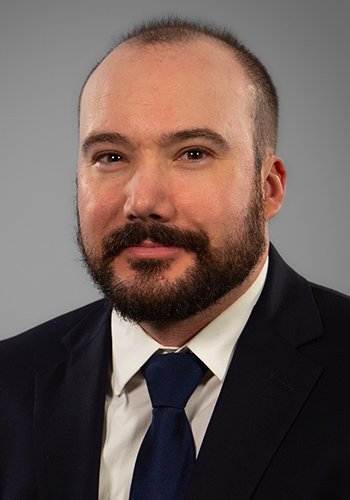
Dr. Daniel Berio is a researcher at Goldsmiths, University of London, specializing in computational models for human-like movement in digital art and robotics. His work bridges computer graphics, cognitive psychology, and robotic manipulation, focusing on stylized stroke generation, graffiti analysis, and kinematic modeling. He collaborates with Frederic Fol Leymarie and Rejean Plamondon, utilizing the Sigma Lognormal model to simulate human handwriting dynamics. Education : Doctoral thesis on AutoGraff (2021), exploring computational understanding of graffiti and calligraphy. Research Themes : Human-like motion in digital art, kinematic reconstruction from static traces, robotic graffiti generation, and perceptual fluency in aesthetic evaluation. Publications : 15+ works since 2015, spanning ACM Transactions on Graphics, British Journal of Psychology, and conferences like MOCO and IROS. Applications : Font stylization tools, synthetic graffiti generation, compliant robot control, and semantic typography systems.
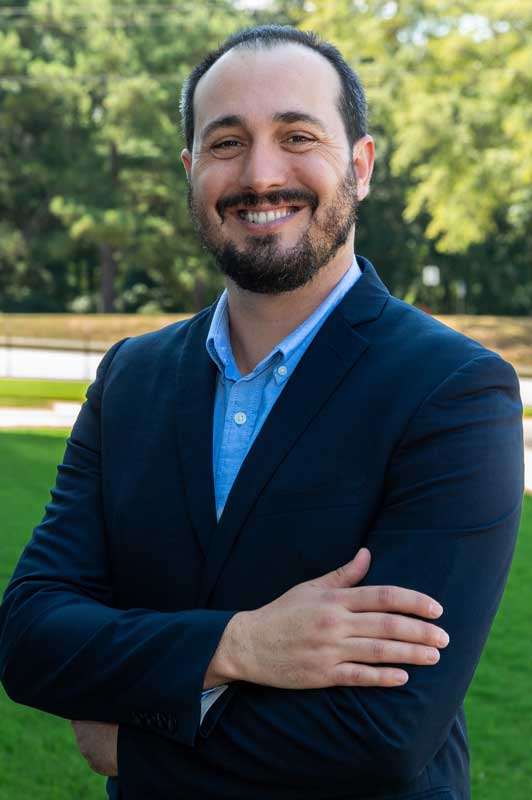
James C. Cavendish is an Associate Professor of Sociology at the University of South Florida (USF), with a courtesy appointment in Religious Studies. He holds leadership roles, including former Chair of the Department of Sociology and Religious Studies at USF, and served as President of the Association for the Sociology of Religion (2019-2021). His research focuses on religion’s role in social change, inequality, and LGBTQ+ inclusion, with notable contributions to understanding hate crimes post-9/11 and Catholicism’s evolving dynamics. Cavendish earned his Ph.D. from the University of Notre Dame (1997) and has authored/co-authored over 40 refereed articles, a book (2025), and multiple grants. **Education**: Ph.D. in Sociology (1997) from the University of Notre Dame; M.A. in Sociology (1993); B.A. in History (1989) from St. Meinrad College. **Research Interests**: Sociology of religion, social inequality, race/ethnicity, LGBTQ+ inclusion, environmental initiatives, and food sovereignty. His recent work explores religion’s role in depolarizing society and Catholic attitudes toward LGBTQ+ communities. **Awards**: Eli J. and Helen Shaheen Award (1998), John J. Kane Memorial Award (1994-95), and recognition for his presidential address on religion and societal polarization (2021). **Grants and Leadership**: Secured over $200K in grants, including NEH awards for food sovereignty initiatives. Served on editorial boards for major journals (e.g., Sociology of Religion , Review of Religious Research ) and led national sociological associations. **Community Engagement**: Chairs the Board of the Franciscan Retreat Center (Tampa) and advises the Diocese of St. Petersburg on racial justice. Collaborates with community gardens and faith-based organizations to promote food security and social cohesion.
Rachel Reynolds is an Associate Professor of Communication and Graduate Faculty Member in the Communication, Culture & Media Department at Drexel University. She holds a PhD in English and Linguistics from the University of Illinois at Chicago (2002), an MA in Anthropology from UIC (1997), and a BA in Comparative Literature (Italian) from the University of Iowa (1991). Her research focuses on discourse analysis, semiotics, and the intersection of media with issues of gender, race, and migration. Key areas include violence against women in media, television studies, and the impact of globalization on immigrant communities. She has authored/co-authored influential works such as Essentials of Visual Interpretation (2021) and contributed to critical discussions on media representation and social justice. Reynolds' work bridges theoretical frameworks with applied research, emphasizing how visual and linguistic discourse shape cultural narratives. Her recent projects explore streaming media's role in contemporary social movements and the evolving portrayal of gender violence in popular culture.
Dr. Andrew Nordin is an Assistant Professor in the Department of Biomedical Engineering at the University of Houston's Cullen College of Engineering. His research focuses on neuromechanics, neural engineering, and biomechanics of human movement control during gait and locomotion. He holds degrees from Lakehead University (BS, HBK, MS) and the University of Nevada, Las Vegas (PhD), with postdoctoral training at the University of Michigan. Previously, he was a Research Assistant Scientist at the University of Florida and an Assistant Professor at Texas A&M University. Dr. Nordin's academic training spans biomechanics, physiology, neural engineering, and signal processing. His lab, the Nordin Neuromechanics Laboratory, develops methods for measuring electrophysiological signals (EEG/EMG) during dynamic movements. Current projects include studying brain-muscle dynamics during obstacle avoidance in virtual reality, bodyweight-supported treadmill walking, and dual-task gait asymmetries in older adults. His research integrates wearable sensors and machine learning to analyze movement biomechanics and neural control in real-world settings. Key areas of focus include neuromuscular adaptation, gait variability, and injury mechanisms. Dr. Nordin collaborates across disciplines to advance wearable technologies for clinical and sports performance applications. His publications emphasize EEG/EMG signal processing innovations to mitigate motion artifacts, and explore how gravitational environments (e.g., low-gravity simulations) affect balance control and cortical activity. Despite prolific publishing, no specific awards are listed in his profile. Lab activities include: 1) Biomechanics & Neural Engineering - hardware validation for mobile EEG/EMG systems; 2) Locomotion Neuromechanics - kinematic/kinetic analysis during walking/running; 3) Applied Neuromechanics - injury prevention strategies using wearable sensors. Office located in SERC 2020 with lab website at nordinlab.com .
Raviraj Nataraj is an Associate Professor in the Department of Biomedical Engineering at Stevens Institute of Technology, leading the Movement Control Rehabilitation (MOCORE) Laboratory. He holds a PhD from Case Western Reserve University (2010) and an MS from Stanford University (2003). His research focuses on integrating control systems with assistive technologies to enhance motor function recovery for individuals with neurotrauma, including spinal cord injury, stroke, and amputation. Key areas include wearable sensors, virtual reality environments, and neuroprosthetics. Education: PhD in Biomedical Engineering, Case Western Reserve University (2010) MS in Mechanical Engineering, Stanford University (2003) Research interests emphasize sensory feedback mechanisms, cognitive factors in motor rehabilitation, and the development of personalized computerized interfaces. His lab creates instrumented wearables and VR tools to improve functional movement. Recent work includes optimizing feedback modalities for upper-limb rehabilitation and studying neural responses to altered visual feedback. Notable awards include the NSF CAREER Award (2023) and Stevens’ Harvey Davis Distinguished Teaching Award. He has secured grants from NSF, Department of Veterans Affairs, and New Jersey Health Foundation for projects like ‘Personalizing sensory-driven interfaces for motor rehabilitation’. Professional roles include NIH Review Panelist and Associate Editor for Frontiers of Medical Engineering. He chairs Stevens’ Institutional Review Board and oversees BME faculty searches. The MOCORE Lab (www.mocorelab.com) collaborates on clinical solutions like the ‘Cognition Glove’ and muscle-training braces.
Jack Montgomery is an Associate Professor of Civil and Environmental Engineering at Auburn University's College of Engineering, specializing in Geotechnical Engineering. He holds a Ph.D., M.S., and B.S. in Civil Engineering from the University of California-Davis and California Polytechnic State University. His research focuses on Geotechnical Earthquake Engineering, Landslides, Dam Engineering, Sinkholes, and Advanced Site Characterization. He has received the prestigious NSF CAREER award for his work on piping mechanisms in unsaturated soils. His projects include developing landslide warning systems for Alabama highways, studying liquefaction effects in earthquakes, and integrating geophysics into infrastructure assessments. He collaborates with agencies like ALDOT and the U.S. Nuclear Regulatory Commission on critical infrastructure resilience. His lab work includes centrifuge modeling, geotechnical reconnaissance, and advanced numerical simulations. Education: Ph.D. Civil Engineering, University of California-Davis M.S. Civil Engineering, University of California-Davis B.S. Civil Engineering, California Polytechnic State University Research emphasizes landslide prediction, dam stability, and seismic risk mitigation. Recent efforts include machine learning applications for foundation design and sinkhole tracking via media reports. Key Awards: NSF Faculty Early Career Development (CAREER) Program Award Advising and Grants: Collaborates with federal agencies on $1M NRC-funded advanced nuclear reactor research and leads Auburn’s geotechnical engineering outreach. His work appears in 20+ peer-reviewed articles and field investigations. Labs/Teams: Active in Auburn’s Advanced Structural Engineering Lab and Highway Research Center, contributing to Alabama’s transportation infrastructure resilience.
Timothy Pettipiece is an Associate Professor in the Department of Religion at Carleton University, part of the College of Humanities. He holds an Hon. BA in Classical Languages from the University of Guelph (2000), an MA in Religion and Culture from Wilfrid Laurier University (2002), and a PhD in Religious Studies from Université Laval (2006). His research focuses on interdisciplinary approaches to religious cultures of Late Antiquity, particularly Gnostic and Manichaean studies, and the reception of ancient religious ideas in modern media. His teaching interests include Classics and Religion, with a specialization in Manichaean literature and the intersection of late ancient religious texts with contemporary cultural narratives. Key research areas are Coptic Manichaean homilies, Syriac Christianities in Mesopotamia, and gender roles in early religious communities. Dr. Pettipiece’s publications emphasize textual analysis of apocryphal traditions, redaction criticism in Manichaean and early Christian texts, and comparative religious studies. Recent work explores intersections between Manichaean theology and global religious movements, as well as modern reinterpretations of ancient mythologies in popular culture. He currently serves as an academic leader in Carleton’s Religion program, contributing to both undergraduate and graduate curriculum development. His office is located in 2A51 Paterson Hall, and he maintains active engagement with international scholarly networks through conferences and collaborative research projects.
Praveen Tripathi is a Research Assistant Professor in the Department of Computer Science at Stony Brook University. His research focuses on Machine Learning, Data Mining, Spatio-Temporal Data Analysis, and Time Series Data Analysis. He has contributed to trajectory analysis frameworks, recommendation systems with temporal influence, and optimization algorithms. While his biography section is not detailed here, his work emphasizes practical applications of spatio-temporal data and multi-objective optimization. Awards are listed in the menu but specific details are not provided in the text. His publications span cybersecurity, trajectory analysis, and financial market dynamics, reflecting a strong interdisciplinary approach. No advising or grant information is explicitly mentioned in the provided content.
Dr. Shardé M. Davis is a tenured Associate Professor in the Department of Communication at the University of Connecticut, with faculty affiliations in the Africana Studies Institute , the Institute for Collaboration on Health, Intervention, and Policy (InCHIP) , the Women’s, Gender, and Sexuality Studies program , and the Sustainable Global Cities Initiative . Her academic journey began at the University of California, Santa Barbara (UCSB), where she conducted undergraduate research through the Ronald E. McNair Scholars Program and received her B.A. in Communication and Feminist Studies followed by an M.A. in Communication. She completed her Ph.D. in Communication Studies and a doctoral certificate in Gender, Women’s, and Sexuality Studies at the University of Iowa in 2016. Primary Research: Interpersonal, relational, and intergroup communication Specialization: Black women’s communication patterns, racial/gender identity dynamics, and health outcomes Key Contributions: Creator of the #BlackintheIvory™️ movement and author of Being BlackintheIvory: Truth-Telling about Anti-Black Racism in Higher Education (UNC Press, 2024) Dr. Davis's research explores how Black women's complex identities shape communication within close relationships and group settings. Her groundbreaking Strong Black Woman Collective (SBWC) theory (Davis, 2015) examines collective identity management strategies among Black women, linking these practices to mental health outcomes, stress reduction, and group solidarity. She employs mixed methods from post-positivist, feminist, and critical theoretical frameworks to study communication patterns across marginalized groups including the elderly, financially-strained families, and divorcing couples. Her recent scholarly work spans: Racial identity dynamics in academic settings Cultural expression through digital communication Health communication interventions Structural analysis of intergroup communication Scientific Awards & Recognitions: 2018 American Postdoctoral Fellowship (AAUW) 2019 Ford Foundation Postdoctoral Fellowship 2021 Andrew W. Mellon Foundation Faculty of Color Working Group Fellowship Dr. Davis leads the Interpersonal Interaction Lab at UConn and serves as: Chair of the African American Communication and Culture Division (NCA) Associate Editor of Communication Monographs and Journal of Social and Personal Relationships
Sarah Martin is an Associate Professor and Graduate Coordinator in the Department of Political Science at Memorial University of Newfoundland, located within the Faculty of Humanities and Social Sciences. Her research focuses on the global political economy of food and agriculture, environmental politics, and finance's role in shaping these systems. She holds a BA (Hons) and MA (with Distinction) from Carleton University and a PhD from the University of Waterloo. Her work integrates hands-on experiences in foodservice with academic rigor, examining topics such as food sovereignty movements, corporate influence in food governance, and the interplay between finance and agriculture. Recent studies include the dynamics of food, feed, and fuel in environmental politics, and the sustainability of agri-aquacultures. She emphasizes understanding food politics through everyday practices and analyzing the tensions within global political economies. Dr. Martin’s publications span interdisciplinary journals and media outlets, addressing issues like energy infrastructure, commodity storage, and the ethics of animal agriculture. While no scientific awards are listed, her contributions highlight critical perspectives on neoliberalism’s impact on food systems and resistance frameworks in social movements. She actively coordinates graduate programs and participates in collaborative networks like the Science and Technology Studies Food and Agriculture Network (STSFAN).
Dr. Jay I. Sinha is an Associate Professor of Marketing at the Fox School of Business and Management, Temple University. He specializes in globalization strategies, brand management, and consumer behavior in emerging markets like India. Dr. Sinha has held leadership roles including Chairperson of the Fox Faculty Assembly (2007-2008), Faculty Development Committee, and Master’s Programs Committee. He earned his Ph.D. in Business Administration from the Ross School at the University of Michigan. His research explores intersections between global branding, cultural dynamics, and digital marketing trends. Notable works include studies on Johnnie Walker's success in India, the Indian Premier League's global branding, and Supreme's meme-like cultural impact. He has been featured in major media outlets including CNN and The Wall Street Journal. Teaching excellence is central to his career, having won multiple awards for his instruction in Consumer Behavior courses at both undergraduate and graduate levels. His work bridges academic rigor with real-world applications in brand strategy and market innovation.
Laura Robinson is a Professor and Miller Center Lewis Family Fellowship Chair at Santa Clara University's Department of Sociology, part of the College of Arts and Sciences. She specializes in digital sociology, global media studies (with a focus on Brazil, France, and the U.S.), and research methodologies. Her work explores digital inequalities, pandemic sociology, and the intersection of technology with social structures. She holds a Ph.D. from UCLA, supported by a Mellon Fellowship, and has additional degrees from Université Sorbonne Nouvelle and USC. Robinson’s research leadership includes global collaborations on digital inequalities, including projects like 'Digital Inequalities 3.0' and pandemic-related studies. She has advised student researchers such as Oscar Quiroz-Medrano (Brazilian media) and co-authored reports with Myles Sansone, Mary Catherine Duane, and Natalie Lays on social entrepreneurship. Her service roles include past chair of the ASA’s CITAMS section, editorial board memberships, and international initiatives like the Brazil-U.S. Colloquium on Communication Research. Her accolades include the 2023 William F. Ogburn Career Achievement Award from ASA CITAMS, recognizing her transformative contributions to digital sociology. She is among Santa Clara University’s top 25 most-cited scholars, with influential work on topics like pandemic trauma, remote work equity, and global digital inclusion strategies.
Geoff Ward is Professor of African and African American Studies at Washington University in St. Louis, with faculty affiliations in Sociology and American Culture Studies. As director of the WashU & Slavery Project , he leads initiatives with the Universities Studying Slavery consortium. His scholarship examines historical racial violence, transitional justice, and reparative memory work through grants from the National Science Foundation National Institute of Justice Ford Foundation Mellon Foundation Research interests focus on racialized violence legacies , anti-racist memory practices , and democratic crime control . Recent publications analyze lynching continuities in Southern schools, coroner narratives in postbellum justice, and environmental impacts of historical racism. Creative projects include Memory for the Future public humanities lab Monumental Anti-Racism StoryMap Racial Violence Archive digital resource Scientific awards include Michael J. Hindelang Book Award (2013) Outstanding Book Prize, History of Education Society (2013) Committed to engaged scholarship through National Monument Audit advisory board Mayor's Commemorative Landscape Taskforce Reparative Justice Coalition of St. Louis
Jonathan Tsay is an Assistant Professor in the Department of Psychology at Carnegie Mellon University, affiliated with the Dietrich College of Humanities and Social Sciences. His research focuses on understanding human motor learning through computational modeling, neuropsychology, and psychophysics, with applications to clinical rehabilitation and brain-computer interfaces. Education: B.A. in Mathematics from Northwestern University; D.P.T. from Northwestern University's Feinberg School of Medicine; Ph.D. in Psychology from UC Berkeley. Research Interests: Investigating how humans master complex movements through cognitive and neural mechanisms. Key areas include sensorimotor adaptation, implicit learning processes, and the interplay between perception and action. His work integrates experimental methods with computational models to explore motor control in health and disease. Labs/Teams: Leads the Physical Intelligence Lab (Pi-Lab), studying movement diversity and optimization through interdisciplinary approaches. The lab emphasizes translational research to improve clinical interventions and human performance technologies.
Dr Ross Johnston is an Honorary Associate Professor in the School of Historical and Philosophical Inquiry at The University of Queensland. With a career spanning over five decades, his work focuses on Australian history, particularly colonial Queensland, environmental development, and Aboriginal studies. He has published extensively, including the book The Call of the Land: A History of Queensland to the Present Day (1982), and contributed 14 journal articles between 1970 and 2015. His research spans Colonial settlement patterns Indigenous interactions Environmental policy Land development Political and social history . His recent article trends examine Aboriginal cultural heritage Transnational environmental reforms Colonial maritime labor Goldfields archaeology Historical geography Biographical critiques . He has supervised multiple PhD and Master's theses, including works on media disasters, colonial immigrants, and soldier settlements. Dr Johnston can be reached at w.johnston@uq.edu.au.