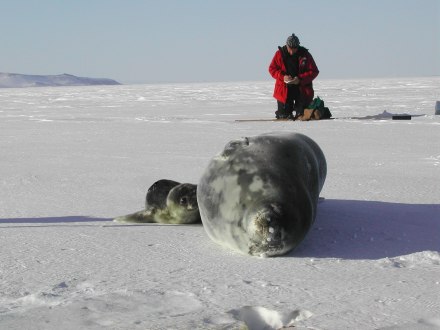
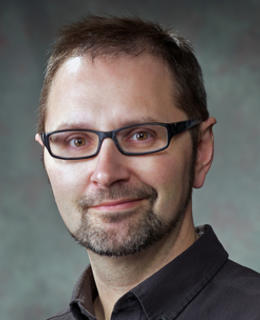
Jay Rotella is a Professor in the Department of Ecology at Montana State University and a core member of the Fish and Wildlife Ecology & Management Program. His research integrates animal population ecology , demographic modeling , and environmental drivers of population dynamics, with a focus on long-lived species like Weddell seals in Antarctica and terrestrial wildlife such as elk. He teaches Ornithology (senior-level) and graduate courses on population dynamics and ecological data analysis . Key Research Themes: Population modeling with capture-recapture methods Individual heterogeneity in survival and reproduction Climate change impacts on Antarctic marine ecosystems Wildlife management and conservation applications His recent publications ( 2023-2025 ) explore topics like senescence patterns in marine mammals, foraging behavior of Weddell seals, and connectivity in white shark populations. He has collaborated extensively with researchers across institutions and disciplines, particularly in demographic studies and environmental monitoring . No scientific awards are explicitly mentioned, and no graduate student opportunities are currently available according to his 2025 update.
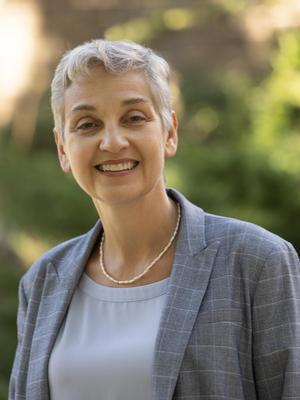
Laura Bonzano is an Associate Professor at the University of Genoa, affiliated with the Department of Neuroscience, Rehabilitation, Ophthalmology, Genetics, and Maternal and Child Sciences (DINOGMI). Her academic work spans interdisciplinary research at the intersection of neuroscience and rehabilitation sciences, with a particular focus on cortical activity analysis, motor control mechanisms, and neuroimaging technologies. Teaching roles include course coordination for Medical Technologies for Clinical Neuroscience and Applied Research Methodology across multiple graduate programs. Research interests emphasize functional brain connectivity, rehabilitation technologies, and advanced neuroimaging techniques like functional near-infrared spectroscopy (fNIRS) and optical coherence tomography (OCT). Recent publications analyze cortical responses during locomotion, bimanual coordination challenges, and innovative approaches to medical imaging analysis. Her work demonstrates a commitment to improving rehabilitation methodologies through evidence-based approaches and technological innovation. Current teaching assignments include: Medical Technologies for Clinical Neuroscience (Master's Bioengineering) Applied Research Methodology (Rehabilitation Sciences) Experimental Research in Rehabilitation (Health Professions) Movement Analysis (Sports Sciences)
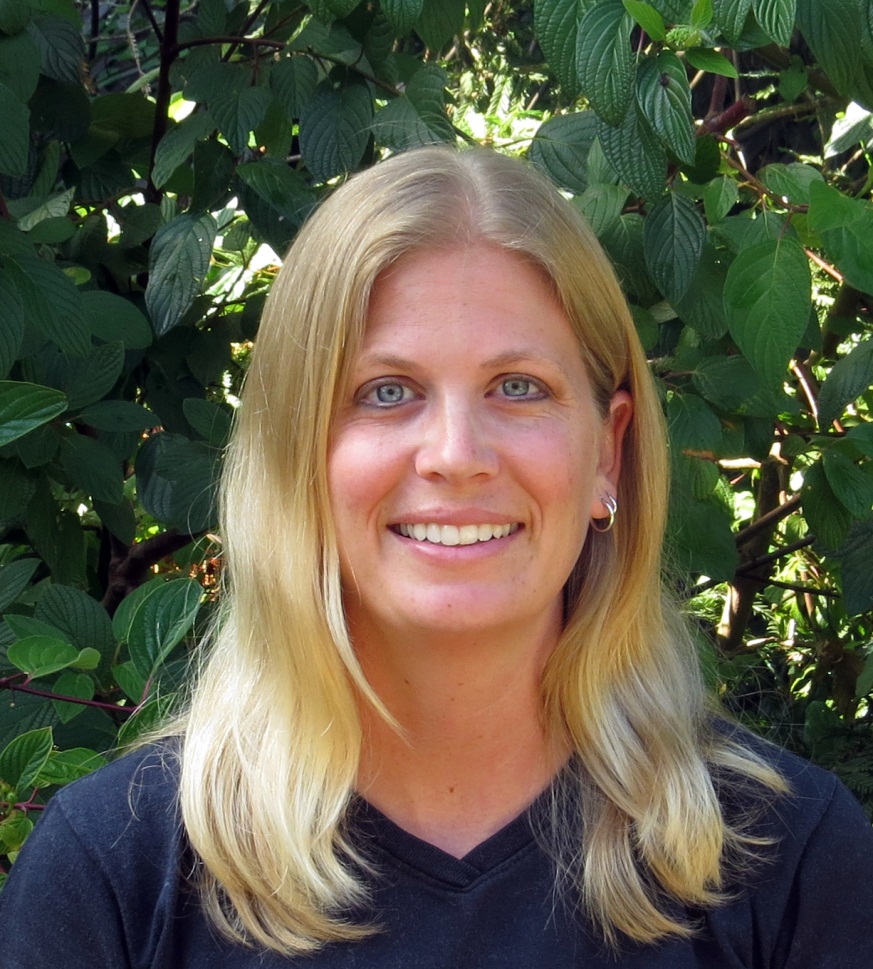
Jeanine Refsnider is an Associate Professor in the Department of Environmental Sciences within the College of Natural Sciences and Mathematics at the University of Toledo. She holds a Ph.D. from Iowa State University (2012) and Master's/Bachelor's degrees from the University of Minnesota system. Her research program integrates field and laboratory approaches to investigate species' responses to rapid environmental change. Dr. Refsnider's research focuses on vertebrate zoology, evolutionary ecology, and conservation biology with particular emphasis on phenotypic plasticity, adaptive genetic change, and geographic range shifts. Her work combines observational and experimental studies examining how organisms respond to novel environmental conditions, particularly climate change impacts on ectothermic vertebrates. Key research areas include thermal biology of reptiles, nest-site selection behavior, and physiological responses to environmental stressors such as oil spills and algal blooms. Analysis of her 15 most recent publications reveals strong thematic continuity in her research program, with consistent focus on herpetological responses to environmental change. Approximately 70% of recent work centers on turtle ecology and conservation, while 30% examines lizard thermal biology. Her methodology increasingly incorporates advanced tracking technologies and genomic approaches to understand organismal responses at multiple biological levels. Dr. Refsnider maintains an active research laboratory investigating effects of algal blooms on aquatic turtles, community responses to climate change in montane lizards, and thermoregulatory behavior recording methods. Her work demonstrates significant translational impact for conservation planning, particularly regarding climate change adaptation strategies for vulnerable ectothermic species.
David Stoner is an Assistant Professor in the Department of Wildland Resources at Utah State University's S.J. & Jessie E. Quinney College of Agriculture & Natural Resources. He serves as an Extension Human-Wildlife Interactions Specialist under Extension Programs, focusing on conservation biology and wildlife ecology in dynamic landscapes.
Leslie Matuszewich is an Associate Professor in the Department of Psychology at Northern Illinois University, specializing in the Neuroscience and Behavior program. Her research investigates stress-stimulant interactions on neurochemistry and behavior using rodent models, with emphasis on developmental exposure effects and sex-dependent responses. Education Ph.D., SUNY Buffalo, 1997 Research Focus : Dr. Matuszewich's laboratory examines how chronic unpredictable stress and juvenile stimulant exposure (methamphetamine/Ritalin) alter neurotransmitter dynamics and behavior. Key methodologies include in vivo microdialysis with HPLC, Morris water maze testing, and defensive burying paradigms. Her work reveals persistent neurochemical sensitization following stress, sex-specific stress responses, and long-term cognitive alterations from early stimulant exposure. Current studies probe neural circuit changes underlying reward/aversion processing. Publication Trends : Analysis of 15 recent articles (2011-2019) shows consistent focus on stress-stimulant interactions, particularly methamphetamine. Dominant themes include developmental neurotoxicity (juvenile exposure effects), sex differences in stress/drug responses, and spatial learning alterations. Techniques predominantly involve rodent behavioral assays (water maze, defensive burying) coupled with neurochemical analysis, with increasing attention to gonadal hormone modulation of reward pathways. Grants & Mentoring : Dr. Matuszewich secured NIH funding including NIMH R15MH099521-01 (2012-2015) on PTSD biomarkers and NIDA RO3 DA016947-01 (2003-2005) on stress-cocaine interactions. She actively mentors students, with 8 advisees co-authoring recent conference presentations on stress-motivation relationships and juvenile methylphenidate effects. Her lab provides undergraduate research opportunities in behavioral neuroscience. Laboratory : The Matuszewich lab (PM 420) utilizes rat and prairie vole models to study stress-stimulant neuroadaptations. Current projects investigate long-term retention after juvenile methylphenidate exposure, gonadal hormone effects on sucrose motivation, and social isolation impacts on monoamine systems.
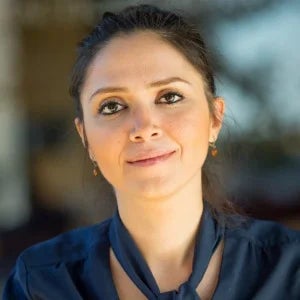
Yalda Shahriari is an Associate Professor in the Department of Electrical, Computer, and Biomedical Engineering at the University of Rhode Island . Her research focuses on neural engineering , biomedical signal processing , and brain-computer interfaces for assistive technology. Education Postdoctoral Research Associate, University of California, San Francisco (2016) Ph.D., Biomedical Engineering, Old Dominion University (2015) M.Sc., Biomedical Engineering, Iran University of Science and Technology (2011) B.Sc., Electrical Engineering, Ferdowsi University of Mashad (2008) Research Interests include graph-based neural dynamics modeling, multimodal neuroimaging (EEG/fNIRS), and machine learning for healthcare. She develops hybrid BCI systems to assist patients with amyotrophic lateral sclerosis (ALS) and parkinson’s disease , emphasizing personalized algorithms and nonlinear neural modeling . Publication Trends show a focus on graph theory , machine learning , and hybrid BCI systems for neurological disorders. Her work integrates fNIRS , EEG , and motion capture to study brain-body interactions. Grants include multiple National Science Foundation (NSF) projects as Principal Investigator , covering smart textile NICU monitoring , auditory processing dynamics , and personalized BCI algorithms for ALS patients.
Estela Perez Luque is a researcher at the University of Skövde within the School of Engineering Science and Interaction Lab (ILAB) . She specializes in Digital Human Modeling (DHM) , ergonomics, and simulation-based design for automotive and industrial applications, with a focus on integrating human variability into engineering workflows. Affiliated with the INFINIT research environment and projects like ADOPTIVE (Automated Design & Optimization of Vehicle Ergonomics) and VIVA (Virtual Vehicle Assembler). Collaborates with Chalmers University of Technology and SAFER Vehicle and Traffic Safety Centre . Her research explores: Ergonomic simulation tools for automotive design Exoskeleton evaluation using DHM frameworks 3D body shape prediction models for standardized DHM manikins Eye-tracking in VR for understanding motor redundancy Biomechanical reference points in vehicle packaging design Publications demonstrate expertise in multi-objective optimization for balancing ergonomics and productivity, statistical modeling of human variability, and VR validation for experimental setups. Funded by the Knowledge Foundation , Vinnova , and Swedish industry partners. Her work emphasizes open-source contributions, including MATLAB scripts for body shape prediction and validation protocols for VR eye-tracking. She collaborates with international teams at conferences like DHM 2025 and IEA 2021 .
Tomoko Bell is an Assistant Professor of Biology at Newman University 's Division of Science and Mathematics. Originally from Tokyo, Japan, she holds a Ph.D. in Earth and Planetary Science, a Master's in Environmental Science, and a Bachelor's in Marine Biological Science from the University of Tokyo, University of Guam, and Hokkaido University respectively. Education Ph.D. in Earth and Planetary Science, University of Tokyo M.S. in Environmental Science, University of Guam B.S. in Marine Biological Science, Hokkaido University Dr. Bell's research spans interdisciplinary boundaries between biology, geology, and planetary science. Her work focuses on extremophiles and their applications for astrobiology and medical research , with particular emphasis on: Biological responses to extreme environments Cosmic radiation effects on viral mutation Coral biomineralization mechanisms Climate reconstruction via coral and speleothem geochemistry Open science initiatives democratizing scientific access Her recent publications highlight innovative approaches to understanding coral responses to ocean acidification, developing underwater drilling technologies for coral core extraction, and exploring potential links between solar cycles and pandemic emergence. The 2024 article on gene expression in Japanese whiting eggs demonstrates her expanding focus into environmental genomics. Scientific Recognition : NASA Headquarters Letter of Appreciation (2023) NASA JPL Planetary Science Summer School (2021) Best Presentation Awards from JSPS and Transporter Research Association Japan Geoscience Union Outstanding Student Presentation Award (2014) Japan Society for the Promotion of Science Research Fellowship ($150,000, 2018) Actively involved in interdisciplinary collaborations, Dr. Bell serves as subject matter expert for NASA's open science curriculum development and advocates for inclusive science education through her leadership in the Open Science movement.
Peter Fiener serves as Professor for Water and Soil Resource Research at the Department of Geography, Faculty of Applied Computer Sciences, University of Augsburg since 2013. He concurrently holds the position of Dean of Students in the Department of Geography (since 2016) and coordinates the Marie Skłodowska-Curie Innovative Training Network SOPLAS (since 2021). His academic journey includes prior appointments as Professor at the Indo-German Centre for Sustainability, Indian Institute of Technology Madras (2011-2012) and Senior Scientist at the University of Cologne (2004-2013). PhD from Technische Universität München (2003) Habilitation from University of Cologne (2010) Master's in Geography from Universität Augsburg and LMU München (1998) Professor Fiener's research program focuses on measuring and modeling surface runoff, soil erosion, and lateral matter fluxes in agricultural landscapes. He investigates the effects of spatio-temporal patterns and connectivity on water and matter movement, coupling these processes with biogeochemical cycles in terrestrial and aquatic ecosystems. A significant recent emphasis has been on macro and microplastics in arable soil systems, particularly their redistribution mechanisms. His geographical research areas of specialization include South India and Central Africa, where he has conducted extensive field studies on sustainable agricultural practices. Analysis of his 2024-2025 publications reveals a strong research trajectory toward microplastic detection methodologies, advanced soil erosion modeling using machine learning, and carbon dynamics in eroding landscapes. His work increasingly integrates remote sensing technologies with computational approaches to address large-scale soil conservation challenges, demonstrating particular innovation in plasticulture detection using satellite data and erosion nowcasting systems. Coordinator of Marie Skłodowska-Curie Innovative Training Network SOPLAS Professor Fiener leads the Water and Soil Resource Research Team comprising multiple doctoral researchers including Dr. Florian Wilken, Dr. Pedro Batista, and Dr. Lena Katharina Öttl, alongside numerous M.Sc. researchers. His M²ESH laboratory supports advanced measurement and modeling of soil hydrological processes. Current research directions include understanding tillage erosion's role in carbon dynamics, developing cost-effective microplastic detection protocols, and assessing long-term impacts of agricultural practices on landscape evolution across multiple temporal scales.
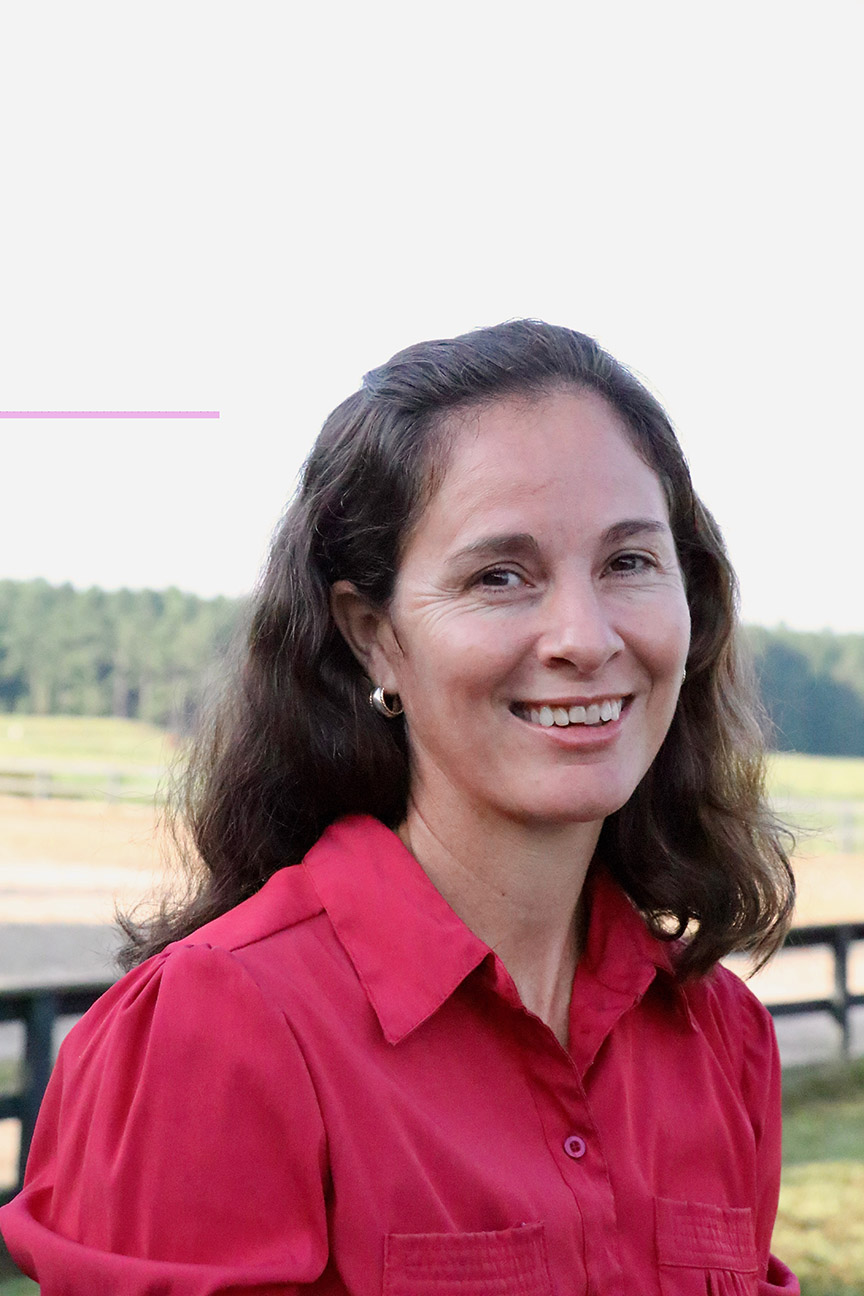
Kylee Jo Duberstein is a Professor in the Department of Animal and Dairy Science at the University of Georgia's College of Agricultural and Environmental Sciences. With a Ph.D. and B.S. from the University of Florida, she specializes in animal biomechanics and oxidative stress in performance horses, while also contributing to neuroscience research through biomedical pig models. Education: B.S. in Animal Sciences (University of Florida, 1999) Ph.D. in Animal Sciences (University of Florida, 2006) Her research spans equine biomechanics, traumatic brain injury models, and oxidative stress mitigation. Recent work focuses on neural stem cell therapy for brain injuries, microbial transplantation effects, and advanced gait analysis techniques. Grant funding includes projects on equine nutrition, stem cell therapies, and pasture management systems. She has secured support from USDA NIFA, private donors, and institutional programs. Scientific Awards: UGA Teaching Academy Membership (2024) Student Career Success Influencer Award (2024, 2022) D.W. Brooks Excellence in Teaching Award (2022) CAES Early Career Teaching Award (2017) NACTA Educator Award (2015) She mentors students in equine research and collaborates with teams at the Regenerative Bioscience Center. Her work bridges veterinary science, neuroscience, and agricultural practices.
Rob Deardon is a Professor jointly appointed in the Faculty of Veterinary Medicine and the Department of Mathematics and Statistics at the University of Calgary. His research spans Bayesian statistics, infectious disease epidemiology, and spatial modeling, with applications in human and animal health. PhD in Applied Statistics, University of Reading (2001) MSc in Medical Statistics, University of Southampton (1997) BSc in Pure Mathematics & Mathematical Statistics, University of Exeter (1996) Rob Deardon's work focuses on computational statistics, infectious disease modeling (including foot-and-mouth disease and influenza), and spatio-temporal analysis. His methodological interests include Monte Carlo methods, approximate Bayesian computation, and statistical learning. Recent publications emphasize spatial epidemic models, behavioral change analysis, and computational methods for disease surveillance. He leads a research group of 10 graduate students. He teaches graduate courses in infectious disease modeling and maintains collaborations across biostatistics, veterinary medicine, and public health.
Amaia Angulo Rodeles is a doctoral research personnel at the University of Vigo, affiliated with the Faculty of Biology and the Marine Research Center . As part of the XB2 Evolutionary Genetics and Biodiversity Conservation research group, her work focuses on freshwater fish conservation, river connectivity, and anthropogenic impacts on aquatic ecosystems. Doctorate (2019): University of Navarra Thesis: "River connectivity and its implications for freshwater fish conservation: Methods of study in the Iberian Peninsula" Advisors: Rafael Miranda Ferreiro, David Galicia Paredes Research Interests Her research spans Freshwater Ecology , Conservation Biology , and Environmental Impact Assessment , with emphasis on: River fragmentation caused by anthropogenic barriers Metabolism dynamics in intermittent rivers Carbon cycling in fragmented river networks Fish meta-population connectivity Invasive species interactions Development of conservation indices Publication Trends Recent work (2025-2016) analyzes: Fragmentation impacts on Mekong River Basin fish Temporal dependencies in Iberian Peninsula river metabolism Underestimated carbon emissions from drying rivers Integration of biodiversity into connectivity indices
Scott B. Jones is Professor of Environmental Soil Physics in the Department of Plants, Soils and Climate at Utah State University's College of Agriculture and Applied Sciences. His research focuses on soil physics, water movement in porous media, and applications for agriculture, ecology, and space exploration. He maintains an active laboratory developing measurement techniques for soil properties and has been involved in multiple International Space Station experiments. Educational Background: PhD, Soil Science (Soil Physics), Utah State University, 1997 MS, Agricultural & Irrigation Engineering, Utah State University, 1992 BS, Civil Engineering, Brigham Young University, 1989 Professor Jones' research emphasizes development of cutting-edge measurement and modeling approaches for understanding porous medium properties and processes. His work spans agricultural, ecological, environmental and space-based applications, with a focus on mass and energy flow in soils. Current interests include machine learning of soil properties from dielectric measurements, microgravity effects on water supply to plant roots, porous media design for reduced gravity applications, soil water and nutrient flow, sensor development, and remote sensing of near-surface soil properties. His expertise bridges fundamental soil physics with practical applications in both terrestrial agriculture and extraterrestrial environments. Analysis of his recent publications reveals a strong focus on refining soil moisture measurement technologies, particularly electromagnetic and heat pulse methods. His work demonstrates a progression from fundamental soil physics principles toward increasingly sophisticated applications for water management challenges. A notable thread throughout his career has been the adaptation of soil physics principles for space exploration, evident in his numerous NASA-related projects and International Space Station experiments. Scientific Awards and Honors: International Professor of the Year, 2020 (College of Agriculture and Applied Sciences) Graduate Research Mentor of the Year, 2019 (College of Agriculture and Applied Sciences) Fellow, 2018 (Soil Science Society of America) Soil Physics & Hydrology Division Chair, 2016 (Soil Science Society of America) Faculty Researcher of the Year, 2012 (College of Agriculture) Undergraduate Mentor of the Year, 2008 (College of Agriculture) International Space Station Experiment, 2007 (with Russian Institute of Biomedical Problems) Professor Jones has mentored numerous graduate students through their research in soil physics and related fields. His research has been supported by various grants from NASA, USDA, and other agencies, particularly for his work on plant growth media for space applications and soil moisture measurement technologies. He has served as an Associate Editor for the Soil Science Society of America Journal and has been instrumental in organizing professional conferences in his field. His laboratory work focuses on soil physics instrumentation development, particularly sensors for measuring soil moisture, thermal properties, and other physical characteristics. Professor Jones has been a leader in designing experimental setups for studying water behavior in porous media under variable gravity conditions, including parabolic flight experiments and International Space Station investigations. His work on the ORZS (Optimization of Root Zone Substrates) project represents significant contributions to space agriculture research.
Dr. John L. Carroll serves as Professor of Pediatrics at the University of Arkansas for Medical Sciences (UAMS) and Section Chief of the Pediatric Pulmonary and Sleep Medicine Division at Arkansas Children's Hospital, where he provides specialized care for children with complex respiratory conditions including asthma, cystic fibrosis, sleep apnea, and technology-dependent respiratory failure. His educational background includes: Medical Degree: University of Texas Southwestern Medical Center (1979) Residency in Pediatrics: New York University Medical Center (1982) Clinical Fellowship in Pediatric Pulmonology: University of Arizona College of Medicine (1986) Research Fellowship: McGill University / The Montreal Children's Hospital (1986) Dr. Carroll's research focuses on pediatric respiratory physiology with particular emphasis on oxygen sensing maturation, respiratory control development, and the impact of chronic hypoxia on preterm infants. His work investigates mechanisms underlying sleep-disordered breathing, chronic lung disease of prematurity, and respiratory care for technology-dependent children, utilizing both clinical studies and animal models to understand intrinsic lung pathologies in genetic disorders. Analysis of his recent publications (2021-2024) reveals a strong focus on cardiorespiratory monitoring in preterm infants for predicting adverse outcomes like sepsis and respiratory failure, alongside innovative work using mouse models to dissect lung defects in osteogenesis imperfecta and Ehlers-Danlos syndrome. His research also addresses practical clinical challenges including home ventilation strategies, safe infant sleep product design, and telemedicine applications for pediatric respiratory care. Dr. Carroll maintains lifetime board certification in General Pediatrics and Pediatric Pulmonology and is an active member of the American Academy of Pediatrics, American Thoracic Society, and Society for Pediatric Research. As Fellowship Program Director for the Pulmonary Medicine Division, he oversees advanced training in pediatric pulmonology while conducting research at the Arkansas Children's Research Institute. His work includes leadership in the Arkansas Center for Respiratory Technology Dependent Children and multi-institutional collaborations like the Pre-Vent study on ventilatory control in prematurity. Dr. Carroll directs the Pulmonary Function Testing laboratory and Sleep Center services at Arkansas Children's Hospital, focusing on improving care for children with complex respiratory needs through both clinical innovation and fundamental research into respiratory control mechanisms.
Dr Gareth Nicholson serves as Senior Lecturer in Sport and Exercise Biomechanics, Course Director for Postgraduate Sports Science courses, and Academic Discipline-group Lead for Biomechanics at Leeds Beckett University's School of Sport. His expertise spans neuromuscular function, strength assessment, and injury prevention in athletic populations. Education: PhD in Sport & Exercise Science, Leeds Beckett University (2014) MSc with Distinction in Sport & Exercise Science, Leeds Beckett University BSc (1st class honours) in Sport & Exercise Science, Leeds Beckett University (2007) His research examines motor unit behavior during resistance exercise, strength assessment in elite race walkers, post-injury adaptations following Achilles tendon rupture, and innovative surgical techniques for ankle syndesmosis reconstruction. Current projects include biomechanical analysis of English Premier League players and rugby tackle mechanics, utilizing advanced motion capture systems to bridge laboratory findings with real-world athletic performance. Recent publications (2022-2025) demonstrate methodological innovation in markerless motion capture validation, reliability testing of muscle-tendon assessments, and context-specific strength ratio analyses across soccer, rugby, and track athletics. Key themes address clinical implications of testing protocols and injury mechanisms in collision sports. Gareth supervises undergraduate, postgraduate, and doctoral research projects while leading the Neuromuscular Biomechanics module for postgraduate students. His work is supported through affiliations with the Centre for Active Lifestyles and Healthy Ageing (ACTLIFE) and Centre for Human Performance. Based at Headingley Campus (Fairfax 214), he contributes to Leeds Beckett's Carnegie School of Sport research ecosystem, with recent collaborations including Leeds United's pre-season biomechanical assessments.