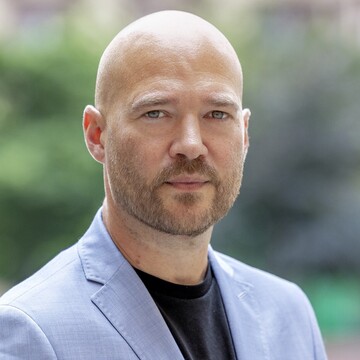
Prof. Dr. Richard Traunmüller is a Professor of Political Science and Empirical Democracy Research at the University of Mannheim. He serves as Scientific Director of the German Internet Panel (GIP) and is affiliated with the Research Institute Social Cohesion (RISC) at Goethe University Frankfurt. His research spans multidimensional social change, immigration policy, wartime sexual violence, and quantitative methodology. School of Social Sciences, University of Mannheim Goethe University Frankfurt University of Essex University of Bern University of Konstanz His research focuses on: Democratic challenges from social structural reconfiguration Religious diversity and social cohesion Free speech regulation in digital democracies Long-term effects of wartime sexual violence Recent work analyzes: Causal impacts of immigration policies Contextual speech norms Gendered consequences of conflict trauma Bayesian approaches to sensitive topics Scientific awards include: BEST PAPER AWARD (CES Immigration Research Network, 2017) BEST ARTICLE AWARD (APSA Migration & Citizenship, 2017) He teaches courses on: Bayesian Statistics Data Visualization Free Speech & Censorship Political Methodology Conflict Studies
Jake Burdick is an Associate Professor in the Department of Curriculum and Instruction at Purdue University, where he has held faculty positions since 2012. His work centers on how education manifests in public and popular cultural spaces beyond formal institutions, with a focus on activist movements and community knowledge production. Education: Ph.D. from Arizona State University M.A. from Northern Arizona University B.A. from Northern Arizona University Dr. Burdick employs narrative inquiry, psychoanalytic frameworks, and post-structural theory to examine how everyday sites like social media, consumer culture, and political discourse function as educational arenas. His research critically engages with conspiracy theories, media literacy, and the pedagogical dimensions of public health crises, revealing how power operates through seemingly mundane educational encounters. Recent work (2023-2024) analyzes disinformation ecosystems and the political symbolism of mask-wearing during pandemics. His publications demonstrate a consistent trend toward examining crisis pedagogies—particularly how apocalyptic narratives in conspiracy theories shape public understanding, and how marginalized communities develop counter-pedagogies of resistance. Key thematic clusters include critical media literacy, translingual curriculum design, and the role of public intellectuals in democratic societies. Scientific Awards: James T. Sears Award for Outstanding Graduate Paper (2008) for "Conspiracy theory as a curriculum text: Populist dreams and critical dreaming" Dr. Burdick serves on the editorial board of the Journal of Curriculum and Pedagogy and previously chaired the Critical Issues in Curriculum and Cultural Studies SIG for the American Educational Research Association. He teaches graduate courses including EDCI 58000 (Foundations of Curriculum) and EDCI 68400 (Seminar in Curriculum: Writing and Research for Equity and Diversity), emphasizing critical approaches to curriculum theory and activist scholarship.
Professor Toshiyasu Ogawa is a distinguished scholar at Waseda University's School of Commerce, where he has served as a full Professor since 2004. An internationally recognized authority on Modern Chinese Literature with particular expertise in Zhou Zuoren studies, Professor Ogawa has established himself as a leading figure in Sino-Japanese literary relations and Chinese language pedagogy. His academic leadership extends across multiple research domains, making significant contributions to both literary scholarship and language education methodology. Professor Ogawa's academic foundation was built entirely at Waseda University, where he earned his Bachelor's degree from the Faculty of Literature followed by a Master of Arts from the Graduate School, Division of Letters. His scholarly trajectory demonstrates remarkable consistency, with research interests evolving from early examinations of Zhou Zuoren's literary theory to increasingly sophisticated analyses of intellectual networks connecting Chinese and Japanese literary figures during the Republican era. Professor Ogawa's research spans two primary but interconnected domains: literary scholarship focused on Zhou Zuoren and Lu Xun (collectively known as the Zhou Brothers), and innovative methodology in Chinese language education. His literary scholarship reveals deep engagement with Zhou Zuoren's intellectual development, particularly examining influences from Havelock Ellis, Shōwa Naoki's New Village Movement, and Japanese literary figures. His language education research demonstrates equal sophistication, developing corpus-based approaches to Chinese vocabulary acquisition and pioneering digital tools for language learning that earned him two Waseda E-Teaching Awards. The trajectory of Professor Ogawa's scholarly publications reveals a methodological evolution toward increasingly nuanced examinations of Zhou Zuoren's intellectual networks, with growing attention to primary source materials and international scholarly collaboration. His work demonstrates rare integration of literary theory, historical contextualization, and digital humanities approaches, particularly evident in his editorial work on Zhou Zuoren's correspondence with Japanese scholars. Professor Ogawa's professional recognition includes: Waseda E-Teaching Award (2021) for innovative mobile learning applications Waseda E-Teaching Award (2013) for on-demand pronunciation resources Leadership roles in multiple academic societies including the Society for Oriental Studies and Japan Society for Sinology Professor Ogawa has secured continuous research funding from the Japan Society for the Promotion of Science, including his current project examining Zhou Zuoren's literary networks (2023-2026). His mentorship extends to numerous graduate students working on Chinese literary studies, though specific advisees are not documented in available materials. His leadership in organizing international symposia, including the world's first International Symposium on Zhou Zuoren at Waseda University in 2018, has created vital platforms for scholarly exchange between Japanese, Chinese, Korean, and Western researchers. As founder of the Zhou Brothers Study Group, Professor Ogawa has cultivated an international scholarly community dedicated to advancing research on Lu Xun and Zhou Zuoren. His ongoing work organizing international conferences, editing scholarly journals, and mentoring emerging researchers continues to shape the field of modern Chinese literary studies across East Asia.
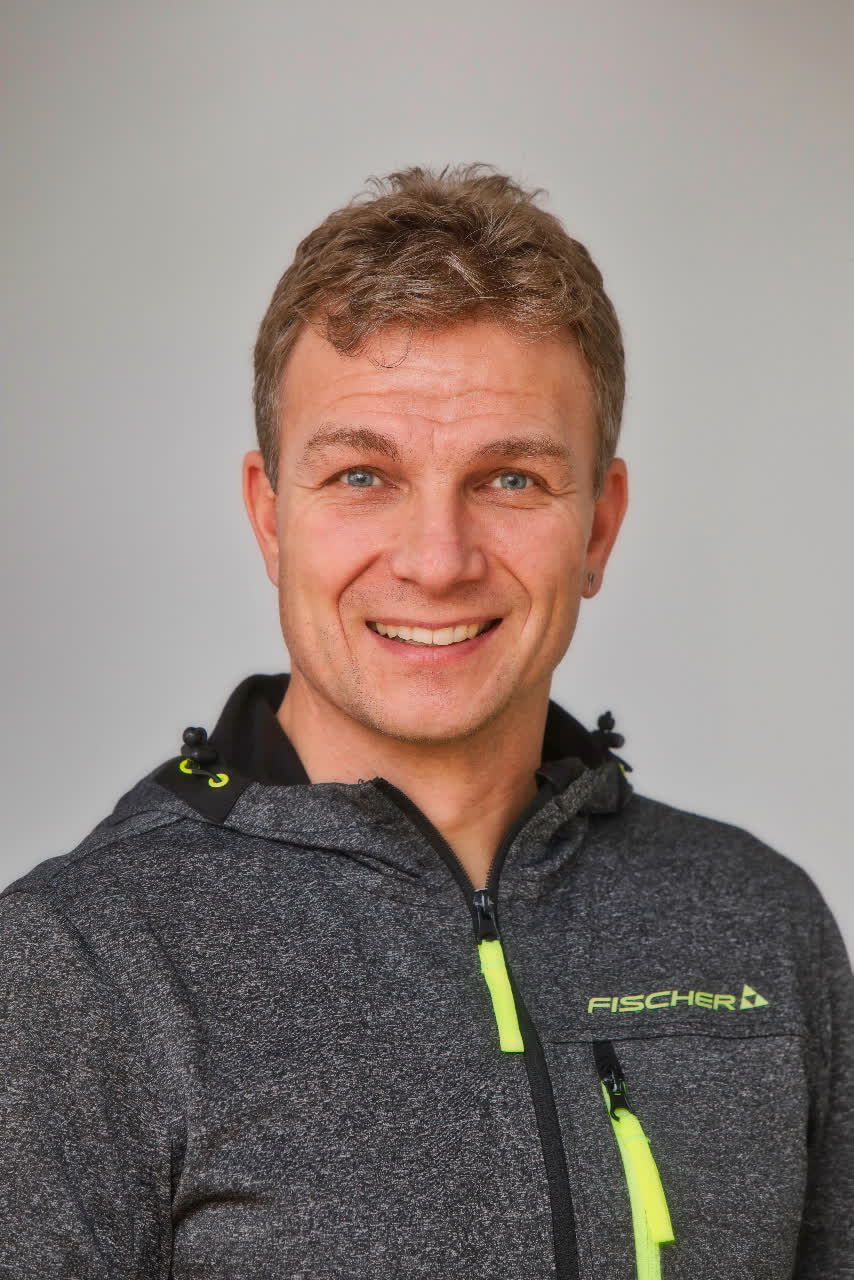
Holger Kaboth is a Lecturer at the Institute of Sports Science, Goethe University Frankfurt. His work focuses on integrating digital media into teacher training and physical education, managing practical semesters, and advancing snow sports in educational institutions. Current roles: Management of practical semesters, Head of Snow Sports, and Goethe Lab coordination. Primary research areas: Sports pedagogy, digital education, and curriculum development. Research Interests He specializes in leveraging digital tools like iPads and BYOD (Bring Your Own Device) strategies to enhance teaching workflows, particularly in teacher training and secondary school contexts. His work bridges technology and pedagogy in sports and mathematics education. Scientific Recognition Holger holds certifications from Apple, including Apple Professional Learning Specialist (2020), and has contributed to discussions on systemic action and thinking in schools. Advising & Contributions He has led recurring workshops on digital media, presented at educational conferences, and developed training programs for secondary school teachers.
Dr. Paul Cross is a Senior Lecturer in the Environment and Senior Tutor at the School of Environmental and Natural Sciences, Bangor University, UK. He is actively involved in research, teaching, and public engagement, with a strong focus on environmental science, pollinator conservation, and sustainable agriculture. His work bridges ecology, engineering, and socio-economic modeling, contributing significantly to understanding pollinator health and agricultural sustainability. His research interests include UAV-based tracking of insect pollinators, beekeeping as a tool for poverty alleviation, zoonotic diseases (particularly E. coli O157), bee morphometrics, and socio-economic methodologies for estimating disease and illegal behaviors. He employs advanced technologies such as radar, machine learning, and UAVs to study pollinator behavior and environmental impacts. His recent publications highlight a strong trend in integrating engineering and ecological sciences, particularly through the development of energy-harvesting bee tracking devices and radar-based monitoring systems. His work spans disciplines from entomology and soil science to public health and climate change, reflecting a highly interdisciplinary approach to environmental challenges. Senior Lecturer in the Environment, Bangor University Senior Tutor Course Director for MSc Conservation and Land Management Member of SENRGy Teaching and Ethics Committees Dr. Cross has supervised multiple PhD students on topics ranging from beekeeping in Tanzania to UAV-based bee tracking and neonicotinoid impacts. He has led or contributed to numerous research projects funded by the Welsh Government, RCUK, and the British Academy, focusing on pesticide hazards, greenhouse gas emissions, and food safety. He is actively involved in public outreach, with media appearances on BBC Countryfile and contributions to The Conversation. His work contributes to UN Sustainable Development Goals related to poverty reduction, climate action, and life on land.
Simone Pfeffer is a Professor at Nuremberg Techinical University , specializing in Sociology of Education, Medical Sociology, Family Sociology, and Childhood Sociology . Her work integrates Prevention, Health Promotion, Resilience, Biographical Research, and Identity Development . Primary research: Resilience and Safety (ReSi) projects for violence prevention in daycare Key publications: 15+ peer-reviewed works on educational inequality, gender disparities, emotional learning, and resilience frameworks Grants: Funded by BMJ , STAEDTLER Foundation , and BMBF for initiatives like ReSi+ and ResIdent Her recent articles focus on: Violence protection strategies in daycare (ReSi+) Educational inequality analysis Resilience-building for 6-10 year-olds Gender dynamics in income and labor division Historical perspectives on childhood Current projects include: ZeitID – Identity development in historical contexts ImSchutz – Violence protection implementation in youth facilities
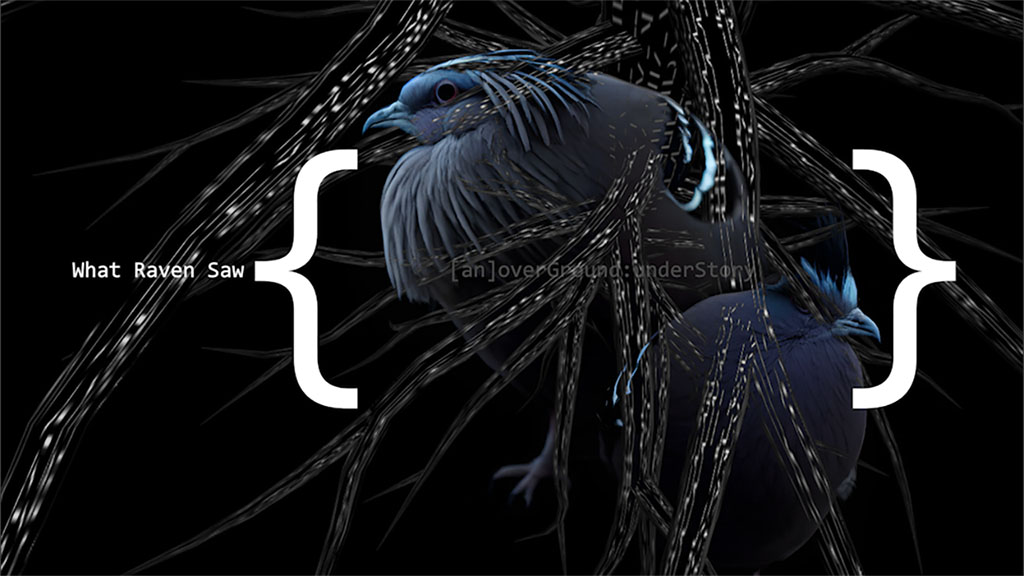
Dr. Andrew Burrell is a Senior Lecturer in Visual Communication at the University of Technology Sydney's Faculty of Design and Society. He is a practice-based researcher and educator exploring virtual and digitally mediated environments as sites for the construction, experience, and exploration of memory as narrative. His work sits at the intersection of digital media, virtual reality, and environmental humanities, with a particular focus on more-than-human ecologies and queer approaches to virtual environments. Andrew's research investigates the relationship between imagined and remembered narrative and how the multi-layered biological and technological encoding of human subjectivity may be portrayed within, and inform the design of, virtual environments. His networked projects in virtual and augmented environments have received international recognition, with recent works including "Twice, again" and "overGround:underStory," which explore the role of memory and forgetting in machine-mediated spaces and more-than-human encounters between physical and virtual ecologies. His creative practice informs his traditional research outcomes, which include publications in journals such as the Leonardo Electronic Almanac and Virtual Creativity. Andrew is particularly interested in how emerging and speculative technologies are implicated in more-than-human ecologies, and he uses creative practice to research and understand the complexities of these technologies. Andrew is a member of the UTS Visualisation Institute, a multidisciplinary research group focused on the creation of data visualizations, stories, and immersive experiences, and the School of Design's Critical Visualisation research group. He has received funding from various sources including the Australian Research Council (ARC) Discovery Projects and Create NSW. Research Interests Virtual and Augmented Reality as narrative spaces Memory construction in digital environments More-than-human ecologies and digital storytelling Queer approaches to virtual embodiment Creative applications of machine learning and AI Data visualization and environmental storytelling Accessibility and ethics in digital humanities Notable Projects Twice, again : Examines the role of memory and forgetting in machine-mediated spaces overGround:underStory : Explores entangled networks between physical and virtual ecologies Waves of Words : ARC Linkage initiative investigating language movement in pre-colonial times can't buy me love : A virtual environment collaboration with Amala Groom Layered Horizons : A geospatial humanities research platform Scientific Recognition MMUVE IT - Inter-Arts Office Australia Council Grant (2008) International presentations at conferences including ISEA (International Symposium on Electronic Art) Teaching and Supervision Andrew is an advocate for studio-based learning in which students design solutions to real-world questions through iteration and experimentation. He considers design as an anchor for interdisciplinary practice and regularly brings cross-disciplinary perspectives into his teaching. He currently supervises five PhD and master's students, with an interest in working with students at the intersection of traditional and practice-based research approaches. Research Themes in Recent Publications Andrew's recent publications demonstrate a consistent focus on the intersection of virtual environments, narrative construction, and ecological thinking. His work explores how digital technologies can be used to create new forms of storytelling that acknowledge our entanglement with non-human entities. There's a strong emphasis on ethical considerations in digital design, particularly regarding accessibility and representation. His research also investigates the application of machine learning technologies in creative practice, examining both their potential and limitations for representing human experience.
Henrik Andersson is an Associate Professor (Docent) at Mid Sweden University's Department of Engineering, Mathematics and Science Education (IMD) in Sundsvall. His research spans multiple interdisciplinary fields at the intersection of materials science, nanotechnology, and energy harvesting. Andersson's research focuses on printed electronics , triboelectric nanogenerators , and paper-based electronics . His work explores innovative approaches to energy harvesting from everyday movements and environmental sources, with particular emphasis on sustainable and biodegradable materials. He has made significant contributions to understanding the triboelectric properties of various materials, including human body interactions, plant-based materials, and novel composites. His recent publications reveal a strong trend toward green energy solutions using waste materials like paper, development of high-performance sensors for healthcare applications, and exploration of novel materials for energy storage and conversion. His research has practical applications in wearable technology, IoT devices, and sustainable energy solutions. Andersson leads and participates in multiple research projects including IMPHET (Innovation environment for advanced Materials and Processes with Sustainable Energy Applications), LEAP (Large-area Energy Application Platform), and STORE (Electrical energy storage). These projects demonstrate his commitment to developing practical, sustainable energy solutions through interdisciplinary collaboration. His work bridges fundamental materials research with practical applications, particularly in developing manufacturing processes for printed electronics on paper substrates and exploring new applications for triboelectric phenomena in everyday environments.
Katja Rost is a Professor of Sociology at the University of Zurich and Adjunct Professor of Economics (2011–2012). She co-directs the University Research Priority Program Human Reproduction Reloaded and serves as Vice President of the University Council at the University of Lucerne . Her research spans economic sociology , digital historical sociology , gender dynamics in affluent societies , and elite sociology , with recent work on digitalization and innovation governance . Education: PhD in Economics (Technical University Berlin, 2006), Habilitation in Economics (University of Zurich, 2010), Master in Sociology (University of Leipzig). Research Interests: Focuses on structural hole theory in professional networks, tokenism in academic promotions , lottery-based governance to counter oligarchy, and digital sociology examining social media norm enforcement. Scientific Awards: Top100 Women in Business (Science category, 2020–2025) Euram Award (2024) John F Mee Award (2015) CGIR Best Paper Awards (2013, 2014) Grants: Leads CHF 20 million UZH research programs, with additional funding from Swiss National Foundation (CHF 8 million), Gebert Rüf Foundation (CHF 240,000), and European research bodies. Labs & Teams: Co-leads SP 2 Human Reproduction in Societies and Markets and contributes to Center for Higher Education and Science Studies and European Academy of Sciences and Arts .
Professor Ingo Rohlfing is a Professor for Methods of Empirical Social Research at the University of Passau, specializing in advanced methodological approaches in social science research. His work focuses on bridging qualitative and quantitative methodologies to enhance causal inference and research transparency. Current position: Professor for Methods of Empirical Social Research, University of Passau Contact: ingo.rohlfing@uni-passau.de, +498515092720 Professional website: https://ingorohlfing.wordpress.com/ Rohlfing's primary research interests center on causal inference, qualitative and multimethod research, and research transparency and credibility. He has made significant contributions to Qualitative Comparative Analysis (QCA), process tracing, and Bayesian approaches to qualitative research. His work emphasizes methodological rigor and the integration of diverse methodological traditions to address complex social phenomena. His recent publications demonstrate a consistent focus on methodological innovation, particularly in integrating Bayesian statistics with qualitative methods. Rohlfing's 2025 article with Lion Behrens on integrating Bayesian regression analysis with Bayesian process tracing represents a cutting-edge contribution to mixed-methods design. His blog content shows ongoing engagement with critical issues in research transparency, open science, and the practical application of advanced methodological approaches. Rohlfing is actively involved in methodological training, offering courses such as the 5-day remote course 'Introduction to Qualitative Comparative Analysis' through the ICPSR Summer Program and an on-demand seminar on process tracing. His teaching reflects his commitment to making sophisticated methodological approaches accessible to social science researchers. Regular instructor at the ICPSR Summer Program Creator of self-paced methodological training materials Active participant in the DORA (Declaration on Research Assessment) movement
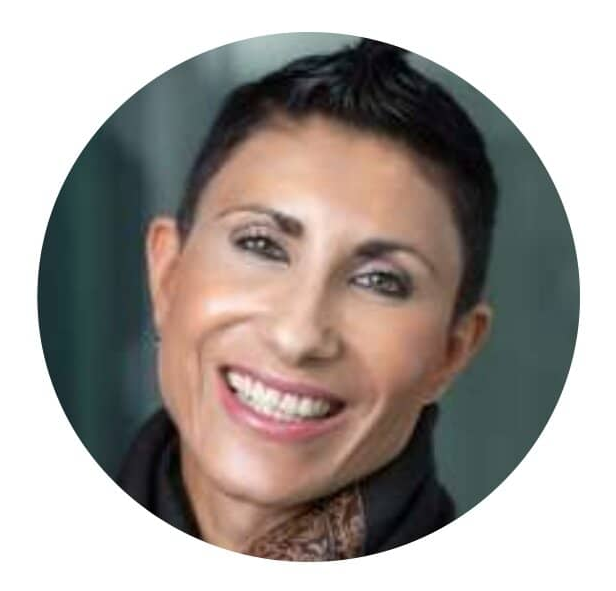
Laura Gonzalez is a Professor of Research and Interdisciplinary Work at the Royal Conservatoire of Scotland and an Athenaeum Research Fellow. She serves as a summer faculty member, advisor, and supervisor for the MFA and PhD residency program at Transart Institute. Her work spans performance art, medical humanities, psychoanalysis, and embodied practices, with a particular focus on hysteria studies and breathwork. Her educational background includes: PhD in Cultural Communication and Computing Research Institute (C3RI), Art and Design Research Centre, Sheffield Hallam University (2005-2010) Postgraduate Certificate in Learning and Teaching in Art, Design and Communication (2004-2005) Master of Fine Art: Drawing, Wimbledon School of Art (2000-2001) Licenciada en Bellas Artes (BA equivalent), Universidad del Pais Vasco, Spain (1995-2000) Gonzalez's research explores the intersections of performance, psychoanalysis, and medical humanities, with particular emphasis on hysteria as a cultural and embodied phenomenon. Her work investigates how knowledge is produced through the body, especially through 'illegitimate forms of knowledge' such as intuition, magic, and oracles. She examines the relationship between breath, performance, and consciousness, developing practices that connect somatic awareness with artistic expression. Her research also engages with feminist theory, exploring how women's bodies have been historically pathologized while simultaneously serving as sites of resistance and creative transformation. Her recent publications reveal a consistent trajectory exploring embodiment, hysteria, and breath as artistic and scholarly concerns. She has increasingly focused on the medical humanities, examining historical medical texts and case histories through performance. Her work demonstrates a movement from theoretical analysis of seduction in art toward practical applications of breathwork and embodied knowledge in performance contexts. The interdisciplinary nature of her scholarship bridges art practice, psychoanalytic theory, and medical history. Her notable awards and recognitions include: Shortlisted for the Adrian Howells Award For Intimate Performance (2019) Athenaeum Award – Knowledge Exchange Route (2023) Glasgow Medical Humanities Network Foundation Award (2023) Athenaeum Award for research (2021) Multiple Research Development Funds from The Glasgow School of Art (2012-2016) AHRC Collaborative Doctoral Awards (2005, 2006, 2013) Gonzalez has supervised numerous doctoral students across institutions including the Royal Conservatoire of Scotland, Glasgow School of Art, and Transart Institute. Her supervision focuses on interdisciplinary projects at the intersection of performance, visual arts, and embodied research. She has secured significant grant funding for projects exploring the relationship between imitation and dance, breath practices, and hysteria studies. Her collaborative projects often involve partnerships with medical humanities scholars, performance practitioners, and community organizations. She is actively involved in several research collectives including The Workroom (since 2017), where she develops collaborative performance projects. She co-founded @TheGlasgowJam (2015-2018), creating space for multidisciplinary arts exploration. In 2021, she created the Scottish Breath Network, fostering interdisciplinary research on breathing practices. She also co-founded the Dialectical Materialist Book Group with Ian Macbeth, exploring Marxist theory through collective reading.
Ross Anderson is an Associate Professor in the Department of Physical Education & Sport Sciences at the University of Limerick. He co-founded the Biomechanics Research Unit (BRU), which has secured €1.14 million in funding and produced significant outputs including 56 journal papers and 127 conference papers. His expertise spans movement variability in sports, biofeedback applications, wireless technology in medicine, and engineering solutions for sports medicine. Anderson holds a PhD from the University of Limerick (2002), M.Sc. from University of Aberdeen (1997), and B.Sc. from Robert Gordon University (1995). He has held roles including External Examiner for Sport and Exercise Sciences at UL and Biomedical Engineer at Grampian Healthcare. His teaching philosophy emphasizes formative evaluation, adaptive learning styles, and fostering student engagement through cooperative tasks. Research focuses include pacing strategies in swimming and marathon running, reliability of biomechanical measurements, and clinical applications like step-count reliability in MS patients. He collaborates with 29 researchers and advises 13 postgraduate students. Anderson is active in professional organizations like the International Society of Biomechanics in Sport and Sports Engineering.
Mag. phil. Mag. art. Dr. phil. Stephan Hametner is a Professor at PH-OÖ (University College of Teacher Education Upper Austria) since 2014, specializing in Subject Didactics for General Music Education across elementary and secondary levels. His expertise spans Systemic-constructivist didactics Empirical research in music education Curriculum development Academic supervision Organizational development Academic background highlights include: PhD in Music Education/Pedagogy (2004, magna cum laude ) Diploma in Music Education (University of Music and Performing Arts Vienna & University of Vienna, 2000 magna cum laude ) Diploma in Rhythmics (1996 magna cum laude ) Research focuses on systemic-constructivist music pedagogy , with key contributions in Didactic frameworks for music interpretation Empirical validation of teaching methods Integration of movement and music Subject-oriented educational theory His publications analyze music's role in cognitive development and pedagogical innovation, emphasizing experiential learning. He also contributes to media education through 50 ethnomusicological radio programs (Radio Orange 94.0, 2000-2005) Interactive educational CD-ROMs Academic case studies Active in international collaborations, he serves as expert for Bern University of the Arts and contributes to the Rhythmic Expositur Biel project. Current projects include reception-aesthetic film analysis for teacher training and music identity development in educational settings.
Dan Hu is a Lecturer in Mechanical Engineering at the CEES School of Engineering. He specializes in biomechanical modeling, vehicle dynamics, and estimation algorithms. His research focuses on human movement analysis, musculoskeletal systems, and advanced control systems for automotive applications. He is currently accepting PhD students in two projects: developing predictive modeling tools for personalized rehabilitation devices and creating experiment-free clinical diagnosis systems using machine learning. Dr. Hu holds a Doctorate in Biomechanics & Automotive Engineering from Jilin University (2014), where his thesis addressed musculoskeletal modeling of drivers' hands. He also earned an MSc in Automotive Engineering (2009), focusing on Kalman filter applications for vehicle state estimation. His research interests span biomechanical engineering, computational modeling of human motion, and vehicle state estimation using extended Kalman filters. Notable contributions include 3D whole-body walking models, metatarsophalangeal joint kinematics studies, and biomimetic prosthetics design. His work bridges biomechanics with automotive engineering, aiming to improve healthcare technologies and vehicle safety systems. Dr. Hu has peer-reviewed for journals like Scientific Reports , IEEE Transactions on Neural Systems , and Computer Methods in Biomechanics . His research collaborations span biomechanics, robotics, and automotive control systems. Current projects emphasize predictive modeling and clinical diagnosis innovation.
Miranda J. Brady is an Associate Professor in the School of Journalism and Communication at Carleton University, specializing in critical/cultural approaches to media and identity. She holds a Ph.D. in Mass Communication from Pennsylvania State University. Her research focuses on three core areas: motherhood and reproductive labor, critical autism studies, and media/indigenous studies. She is a settler scholar living on unceded Algonquin territories. Current projects include The Bad Mothers Project , examining evolving gender roles and reproductive labor through media lenses, and the SSHRC-funded Bridging the Silos: Autistics and Menopause , collaborating with autistic advocates to make menopause resources accessible. She co-edited a 2022 special issue on Autism_Media_Social Justice featuring #ActuallyAutistic voices. Brady’s work bridges academia and activism. She has advised on projects involving Indigenous media tactics, environmental justice, and protest movements. Her forthcoming book Mother Trouble critiques white maternal angst post-second wave feminism. SSHRC Grants: Bridging the Silos: Autistics and Menopause. Labs/Teams: Collaborates with autistic community advocates in Canada and the UK. Education: Ph.D., Mass Communication, Pennsylvania State University.