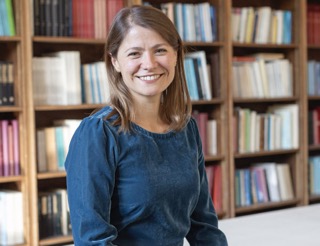
G. Wilson Miller is an Associate Professor of Radiology and Medical Imaging and Biomedical Engineering at the University of Virginia. He holds a PhD in Nuclear Physics from Princeton University (2000) and a BS in Mathematics from the University of Maryland (1993). His research focuses on MRI technique development, hyperpolarized gas imaging, and MR-guided focused ultrasound surgery. Key research areas include: Hyperpolarized noble gas MRI to map lung oxygen levels (PAO2) and microstructure Development of fast spiral pulse sequences for 3D PAO2 imaging RF coil design for hyperpolarized gas imaging MRI-guided focused ultrasound for non-invasive surgical interventions Notable projects include collaborations with the physics department to build a helium-3 hyperpolarizer and studies on focused ultrasound for blood-brain barrier opening. His work has advanced applications in lung cancer treatment planning, COPD phenotyping, and neurological disorders.
Andrew J. Spence is an Associate Professor in the Department of Bioengineering at Temple University's College of Engineering, where he leads the Spence Lab focused on locomotor neuromechanics and spinal cord injury. His work integrates experimental biology, mathematical modeling, robotics, and molecular genetic tools to understand how animals move and how movement can be restored after injury. PhD in Applied and Engineering Physics, Cornell University Postdoctoral training at UC Berkeley with Bob Full and Eileen Hebets Former RCUK Fellow and faculty at the Royal Veterinary College, London Joined Temple University in 2013 His research interests center on the control of locomotion, gait analysis, spinal cord injury, neuroprosthetics, and the application of optogenetics and chemogenetics (DREADDs) in neuromuscular disorders. He also explores biomechanics in diverse species, from insects to racehorses, seeking general principles of movement. The 15 most recent publications reveal a strong trend toward integrating genetic tools with biomechanical analysis, particularly in rodent models of spinal cord injury. His work spans fundamental questions in animal locomotion and applied research in rehabilitation, with increasing emphasis on closed-loop systems, automated tracking, and neuromodulation. RCUK Tenure Track Research Fellowship W.M. Keck Foundation predoctoral fellowship Spence advises a multidisciplinary team of students and postdocs, collaborates with Professors Michel Lemay and George Smith on spinal cord injury projects, and leads NIH-funded research. His lab develops open-source tools for locomotion analysis and has contributed significantly to understanding stability, gait transitions, and sensory feedback in movement. He teaches courses in neuroengineering and biomechanics at both undergraduate and graduate levels. The Spence Lab is actively involved in developing neurogenetic interventions for spinal cord injury, studying gait adaptation in complex environments, and creating innovative instrumentation for neuromechanical research.
D. Matthew Wachowiak is a Professor in the Department of Neurobiology at the University of Utah School of Medicine, where he serves as Principal Investigator of the Wachowiak Lab. His research focuses on understanding how neural circuits transform sensory representations, with particular interest in how animals actively acquire sensory information to guide behavior. He uses the mouse olfactory system as a powerful model to analyze sensory representations and investigate how the dynamics of neural circuits process incoming information to guide behavior and shape perception. Dr. Wachowiak's educational background includes: PhD from University of Florida Postdoctoral Fellowship at Yale University School of Medicine Multiple Fellowships at Marine Biological Laboratory BS from Duke University His research program centers on four interconnected areas: (1) Olfaction as an Active Sense, investigating how sniffing shapes odor representations; (2) Cracking the Olfactory Code, analyzing how odor information is represented across the olfactory bulb; (3) Organization of Inhibition in the Olfactory Bulb, studying how synaptic inhibition shapes odor processing; and (4) Top-down Modulation of Olfactory Processing, examining how neuromodulatory pathways affect early olfactory processing. His lab employs optical reporters of neural activity targeted to genetically-defined neuron populations, two-photon imaging in awake behaving animals, and custom olfactometers for precise odor delivery. Dr. Wachowiak's publication record demonstrates consistent contributions to understanding the neural basis of olfaction, with recent work focusing on how sniffing parameters affect odor representations, mitral/tufted cell processing, and olfactory bulb inhibition. His lab has developed innovative tools including high-throughput olfactometers and functional atlases of odorant responses, contributing significantly to the field's methodological toolkit. His research has received substantial funding including: NSF Neuronex Award under the BRAIN Initiative as part of the 'Odor2Action' network NSF IDEASLab funding As a mentor, Dr. Wachowiak has guided numerous students and postdoctoral fellows who have established independent research programs at institutions including Yale University, Rutgers University, University of Florida, and University of Magdeburg. His lab continues to recruit graduate students through the University of Utah's Interdepartmental Program in Neuroscience and welcomes postdoctoral researchers interested in olfactory neuroscience. The Wachowiak Lab maintains state-of-the-art facilities for in vivo imaging, including widefield and high-resolution two-photon microscopy systems, custom olfactometers, and behavioral setups combining odor presentation with locomotion tracking. They actively collaborate with researchers across the US, UK, and Canada through the 'Odor2Action' project, which addresses how high-dimensional sensory variables are represented in brain circuits and mapped to actions.
Pascal Knierim is a researcher in the Department of Computer Science at Ludwig Maximilian University of Munich, Germany. He completed his PhD at the same institution in 2020 with a dissertation titled "Enhancing interaction in mixed reality: the impact of modalities and interaction techniques on the user experience in augmented and virtual reality." His research focuses on human-computer interaction, particularly in virtual and augmented reality environments, with an ORCID identifier 0000-0001-9578-9953. Knierim's research interests span virtual reality, augmented reality, mixed reality, ubiquitous computing, and extended reality systems. He has made significant contributions to understanding user interaction in immersive environments, privacy considerations in VR/AR, biometric identification using thermal imaging, and universal interaction frameworks. His work often combines technical innovation with user-centered design principles, resulting in numerous publications at top-tier venues including CHI, MUM, UbiComp, and IEEE Pervasive Computing. Recent work has explored content blocking in extended reality, social anxiety in VR proxemics, user awareness of privacy permissions, and framework development for ubiquitous research preservation. Knierim has collaborated extensively with researchers such as Thomas Kosch, Florian Alt, and Albrecht Schmidt, forming a productive research group within LMU Munich's computer science department. He has also contributed to the academic community through editorial roles for major conferences including Mensch und Computer 2023 and the 22nd International Conference on Mobile and Ubiquitous Multimedia (MUM 2023), demonstrating leadership within his research community. His research demonstrates a strong commitment to both theoretical advancement and practical applications of immersive technologies, with particular attention to user experience, privacy, and accessibility considerations.
Xiaorong Liu is an Associate Professor in the Departments of Biology and Psychology at the University of Virginia (UVA). She holds tenured status and leads the Xiaorong Liu Lab, focusing on retinal neurobiology and glaucoma research. Her academic journey includes a B.S. from Peking University (1996), a Ph.D. from the University of Virginia (2002), and postdoctoral training at The Scripps Research Institute and the University of California San Francisco (2002–2007). Her research explores retinal ganglion cell (RGC) development, degeneration in glaucoma, and neuroprotection strategies. Key techniques include mouse models of glaucoma, visible-light optical coherence tomography (vis-OCT), and in vivo imaging. Her lab’s innovations in vis-OCT fibergraphy enable non-invasive monitoring of RGC axon bundles and early glaucoma detection. Collaborations span ophthalmology, neuroscience, and engineering. Recent work emphasizes translational applications, such as drug delivery systems for glaucoma therapy and cross-species retinal comparisons (tree shrews, mice, humans). Funding includes grants from the Glaucoma Research Foundation, NIH, and Knights Templar Eye Foundation. Liu advises students and postdocs, fostering a collaborative environment to bridge basic science and clinical outcomes.
Carmine Settembre serves as an Associate Investigator at TIGEM (Telethon Institute of Genetics and Medicine) and holds the position of Full Professor of Histology in the Department of Clinical Medicine and Surgery at the University of Naples 'Federico II' in Italy. His research focuses on the lysosomal-autophagy pathway and its critical role in cellular homeostasis and human diseases. Dr. Settembre completed his pharmaceutical chemistry degree at the University of Naples 'Federico II' in 2002, followed by PhD studies at TIGEM. He then pursued postdoctoral research at Columbia University in New York and Baylor College of Medicine in Houston before returning to Italy in 2013 to establish his independent laboratory through the Dulbecco Telethon Institute career award program. He was appointed Associate Professor in Histology and Embryology at the University of Naples 'Federico II' in 2018. His research program investigates the mechanisms of selective autophagy, particularly ER-phagy, and lysosome biogenesis in response to cellular needs. The laboratory employs a multidisciplinary approach combining mouse genetics, cell biology, pharmacology, and gene editing with omics technologies to develop therapeutic strategies for diseases characterized by intracellular accumulation of toxic materials, including lysosomal storage disorders and conditions involving protein misfolding. Ian Boyle award from the European Calcified Tissue Society (ECTS) EMBO Young Investigator status ERC Starting Grant (BONEPHAGY, 2017-2023) ERC Proof of Concept Grant (RE-STORE, 2021-2022) ERC Consolidator Grant (AUTO-SELECT, 2023-2027) National Mucopolysaccharidosis Society funding (2021-2022) Dr. Settembre leads a research group comprising multiple postdoctoral fellows, a PhD student, a fellow, and technicians. His laboratory is part of the Cell Biology and Disease Mechanisms research unit at TIGEM, where they exploit institutional resources to address fundamental questions in the lysosome-autophagy pathway and develop novel therapies for genetic diseases.
Ihor Smal is an Assistant Professor at the Department of Biology, Faculty of Science, Utrecht University. He has held previous positions at Erasmus MC (2009-2018) and TU Delft (2019-2020). His research bridges statistical image processing, smart microscopy, and explainable AI for biological motion analysis, with applications in automated real-time imaging systems. Education: M.Sc. in Physics and Electrical Engineering, Ivan Franko National University of Lviv (1999, cum laude) Professional Doctorate in Engineering (PDEng), Eindhoven University of Technology (2005) PhD in Biomedical Imaging, Erasmus University/MC (2009) His work focuses on developing AI-driven solutions for motion registration, particle tracking, and image understanding in biological systems. He leads the NWO IMAGINE! program's Tech Work Package 2, aiming to automate imaging experiments using explainable AI. The 15 most recent publications highlight his contributions to deep learning for CT segmentation, particle tracking, diffusive state modeling, and real-time imaging optimization. Key subfields include neural networks, biomedical signal processing, and automated microscopy. Scientific Awards: VENI grant Erasmus MC Fellowship NWO BBoL grant Students: Vincent Hellebrekers Daan te Rietmole His lab at Utrecht University, accessible via www.smal.ws, collaborates with institutions like Erasmus MC and TU Delft, leveraging facilities such as the Utrecht Biology Imaging Center.
Kasper Hornbæk is a Professor at the Department of Computer Science, University of Copenhagen, specializing in Human-Centred Computing. He conducts research in human-computer interaction (HCI), usability, eye tracking, visualization, and software engineering. Primary Fields: Human-Computer Interaction, Usability Research, Eye Tracking, Visualization, Software Engineering Recent Collaborations: International (country/territory-level) partnerships in HCI and AI Research Outputs: 228 publications focusing on multimodal interaction, VR, and causal modeling His work explores audio-tactile integration, theoretical frameworks in HCI, and principles for user interface design through empirical studies and meta-analyses. Recent projects include heartbeat resonance interfaces and critiques of experimental methodology. Contact: kash@di.ku.dk | Research Website
Xing Fu is the Ralph and Lela Boulware Associate Professor at Louisiana State University's School of Animal Sciences, with a joint appointment in Biological and Agricultural Engineering. His research program investigates stem and progenitor cell biology in adipose, cardiac, and muscle tissues using advanced genomic methodologies. Education: PhD in Animal Science, Washington State University (2011-2015) MS in Biology, Arkansas State University (2008-2010) BS in Biotechnology, Henan Normal University (2003-2007) Postdoctoral Fellowship, Cincinnati Children’s Hospital (2016-2017) Dr. Fu's laboratory employs genomic tools (single-cell RNAseq, ATACseq, Cut&Tag) to examine: Molecular mechanisms of cardiac fibrosis and fibroblast differentiation Depot-specific regulation of adipogenesis in metabolic tissues Progenitor cell dynamics in skeletal muscle development His recent publications demonstrate a consistent focus on tissue remodeling mechanisms, particularly through chromatin accessibility mapping and progenitor cell lineage tracing in metabolic and cardiovascular contexts. Dr. Fu directs an active research laboratory investigating fibrogenic and adipogenic processes ( Lab Website ).
Wawrzyniec Dobrucki is an Associate Professor in Bioengineering at the University of Illinois, holding positions in the Coordinated Science Lab, Beckman Institute for Advanced Science and Technology, and the Carl R. Woese Institute for Genomic Biology. He serves as Associate Head for Graduate Programs and holds the Neil and Carol Ruzic Scholar title in Biomedical and Translational Sciences. His work focuses on molecular imaging, nanotechnology, and vascular biology. Research Interests: Development of targeted imaging agents for cancer and cardiovascular diseases Mechanisms of nitric oxide regulation in endothelial dysfunction Nanocarrier-mediated drug delivery systems Novel diagnostic techniques for Alzheimer's disease and prostate cancer His recent publications highlight advancements in PET radiotracer biodistribution analysis, power-Doppler ultrasound innovations, and RAGE receptor imaging applications. Notable contributions include the design of zwitterionic molecules for amyloid β detection and studies on eNOS expression impacts in neurodegeneration. Scientific Awards: Neil and Carol Ruzic Scholar in Biomedical and Translational Sciences Labs & Teams: Active collaborations across interdisciplinary institutes including the Beckman Institute and Coordinated Science Lab. Leads research groups focused on molecular imaging, nanomedicine, and vascular biology.
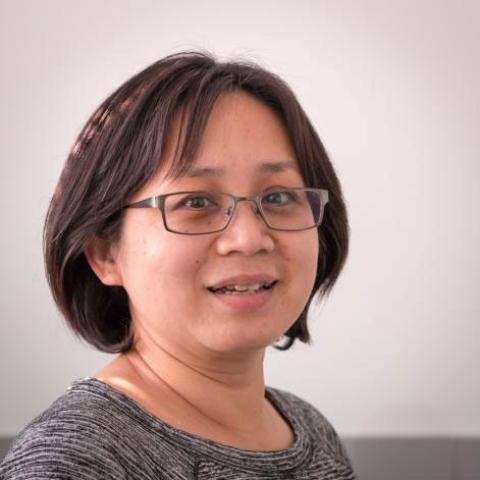
Regine Dress is a Researcher at the Faculty of Medicine , University of Hamburg , affiliated with the Center for Molecular Neurobiology Hamburg (ZMNH) and the Institute of Systems Immunology . She is based at the University Medical Center Hamburg-Eppendorf (UKE) in Hamburg, Germany. Her research focuses on Immunology , Systems Immunology , and Neurobiology . She specializes in the development and function of Dendritic Cells and Mononuclear Phagocytes , including their roles in Inflammatory Diseases , Vaccine Development , and Neurodegenerative Disorders . Her work leverages Single-Cell RNA Sequencing and large-scale ImmGen datasets to explore cellular metabolism and differentiation. Regine has co-authored numerous high-impact studies in Nature Immunology , Nature Communications , and Immunity , with recent contributions to SARS-CoV-2 vaccine platforms and Biliary Atresia immunopathology . She collaborates with international teams and contributes to standardizing Flow Cytometry protocols in immunological research. Contact: r.dress@uke.de
Megan C. King is Professor of Cell Biology and of Molecular, Cellular and Development Biology at Yale School of Medicine, and holds an Associate Professor appointment in the Department of Therapeutic Radiology. She serves as Co-Leader of the DNA Damage and Genome Integrity program and Associate Cancer Center Director for Basic Science at Yale Cancer Center. Her research is conducted through the LusKing Lab, which she co-leads with Dr. C. Patrick Lusk. Brandeis University (BA, Biochemistry, 1997) University of Pennsylvania (PhD, Biochemistry and Molecular Biophysics, 2004) Rockefeller University (Postdoctoral Fellowship, 2009) Dr. King's research focuses on fundamental aspects of nuclear structure, dynamics, and integrity, with particular emphasis on macromolecular complexes embedded in the nuclear envelope that physically couple the cytoskeleton to the nucleus (LINC complexes). Her lab investigates the nuclear force response mechanisms and how direct force transduction to the nuclear lamina impacts cell function using fission yeast, cell culture, and mouse models. Additionally, her team studies genome organization through chromatin dynamics and examines how nuclear cell biology affects genome integrity. Her work bridges basic science with medical applications, particularly in understanding DNA repair mechanisms relevant to cancer biology. Analysis of Dr. King's recent publications (2022-2025) reveals a consistent focus on nuclear envelope biology, chromatin dynamics, and genome integrity. Her research integrates advanced microscopy techniques, computational modeling, and molecular biology approaches to study nuclear mechanics. Key themes include LINC complex function, nuclear pore complex architecture, chromatin organization through loop extrusion mechanisms, and nuclear autophagy pathways. Her work demonstrates increasing interdisciplinary collaboration, combining cell biology with biophysics, computational modeling, and cancer research. Allen Distinguished Investigator (2020) from Frontiers Group/Allen Institute NIH New Innovator Award (2011) Searle Scholar (2011) Dr. King leads an active research group within the LusKing Lab, providing training for scientists at all levels. Her lab emphasizes creating a supportive environment that equally values scientific discovery and professional development. She has received significant funding including the NIH New Innovator Award and Allen Distinguished Investigator funding, which support her innovative research at the interface of basic and medical science. Dr. King is also committed to scientific outreach, mentorship, and creating inclusive research environments, as evidenced by her publication on rethinking undergraduate research volunteerism. The LusKing Lab operates within Yale's Boyer Center for Molecular Medicine and maintains strong connections with multiple research programs including the DNA Damage and Genome Integrity program at Yale Cancer Center, the Molecular Cell Biology, Genetics and Development track, and the Yale Combined Program in the Biological and Biomedical Sciences. The lab fosters interdisciplinary research at the intersection of cell biology, biophysics, and cancer research, with particular emphasis on developing new methodologies for studying nuclear structure and function.
Dr. Anne Urai is an Assistant Professor at Leiden University's Faculty of Social and Behavioural Sciences, specializing in Cognitive Psychology. Her research focuses on the neural mechanisms of decision-making, combining psychophysics, computational modeling, and electrophysiological recordings in both humans and rodents. Key research areas include: Neural dynamics of choice repetition biases in parietal cortex Computational processes in evidence accumulation for decisions Neurophysiological correlates of internal states and experience Open science methodology and reproducibility standards Her recent work analyzes cortical signals (gamma-band and beta-band activity) that track previous choices and actions, mapping them to distinct parameters in decision models. She advocates for team science, diversity in academia, and sustainable academic practices. Scientific contributions include: 2024 grant for innovative psychology research 2023 publication on standardized decision-making measurements 2021 eLife study on evidence accumulation dynamics Dr. Urai actively participates in the Open Science Community Leiden and collaborates with the CoCoSys lab. Her work emphasizes both empirical rigor and broader institutional reforms in academic practices.
Paul Stillman is an Assistant Professor in the Department of Marketing at Boston University's Questrom School of Business. His office is located in the Rafik B. Hariri Building at 595 Commonwealth Avenue, Boston, MA 02215, and he can be reached at pstill@bu.edu . Research Focus: Consumer behavior, self-control mechanisms, and decision-making processes using interdisciplinary approaches combining behavioral economics, cognitive psychology, and neuroimaging. Techniques: Mouse-tracking, computational modeling, and brain network analysis. Recent publications examine temporal reasoning in self-control, sustainability labeling in food choices, and neural correlates of construal level theory. His work bridges marketing science with cognitive neuroscience , emphasizing behavioral interventions and dynamic decision analysis .
Dr. Hannah Mitchell is a Lecturer at Queen's University Belfast's School of Mathematics and Physics, affiliated with the Intelligent Autonomous Manufacturing Systems and Mathematical Sciences Research Centre. She specializes in spatial data analysis, Hidden Markov models, and survival analysis, with research focusing on single-molecule imaging and statistical modeling. Key Research Areas: Spatial data analysis, Hidden Markov models, reversible jump MCMC for changepoint detection in imaging Recent Publications: Advanced statistical methods for FLImP super-resolution imaging and photobleaching correction Awards: 1st Prize for oral presentation at international conference (2024) Her work bridges computational statistics and biomedical imaging, developing techniques to improve imaging accuracy and efficiency. She actively supervises PhD students and contributes to peer review activities for journals.



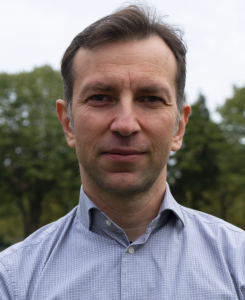


/hsii/regine_dress_1_kontaktbild.jpg)