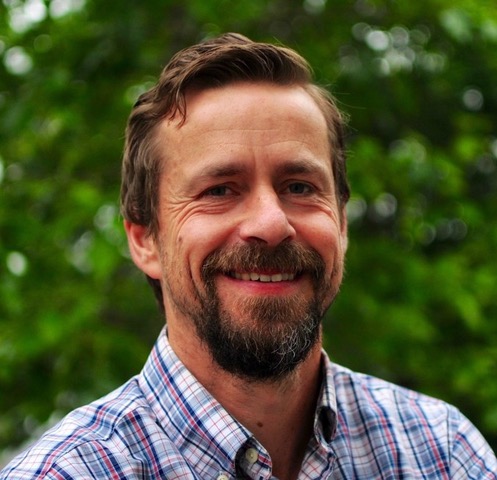
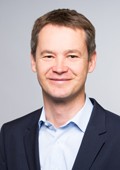
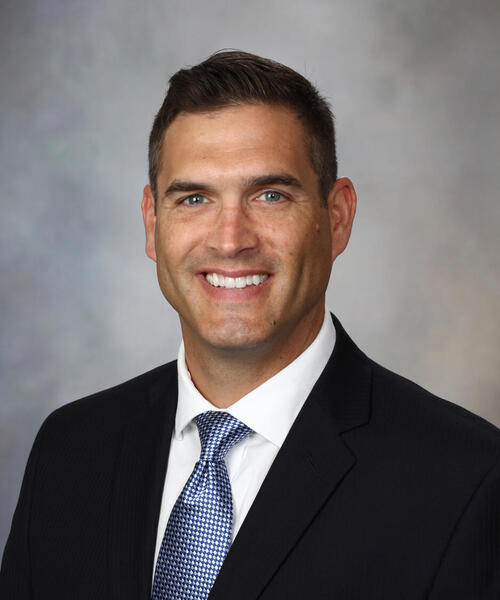
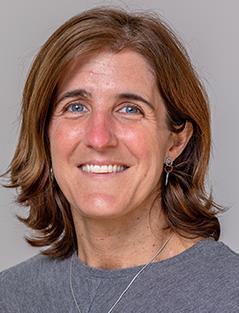
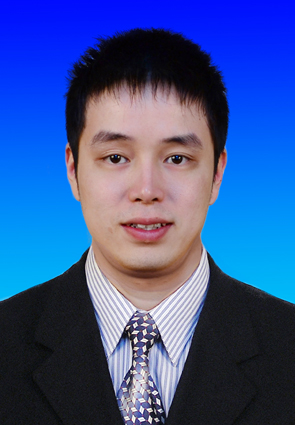
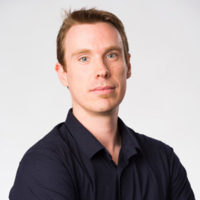
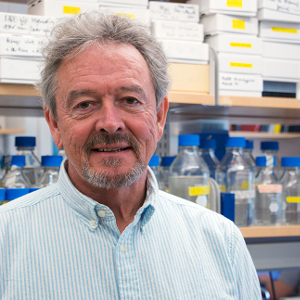
Md. Abul Hassan Samee is an Associate Professor at Baylor College of Medicine , specializing in Integrative Physiology . He is affiliated with the Computational and Integrative Biomedical Research Center (CIBR) , THINC@BCM , and the Cardiovascular Research Institute (CVRI) . Education: Postdoctoral Fellowship at Gladstone Institutes, University of California San Francisco PhD in Computer Science from University of Illinois Urbana Champaign Research Interests: Development of machine learning algorithms for biological datasets Single-cell and spatial omics analysis Comparative genomics in regeneration and aging Computational models for cancer and neurodegenerative diseases Publications focus on spatial transcriptomics, cardiac regeneration, and interpretable AI in genomic research. Recent projects include SPaSE for pathology scores and GraphAge for epigenetic aging. Grants from the National Institutes of Health support his work on Alzheimer's disease and MYH7 variant interpretation.
Wolfgang Bergmeier, PhD, is a Professor in the Department of Biochemistry and Biophysics at the University of North Carolina at Chapel Hill. He is a member of the UNC Lineberger Comprehensive Cancer Center and the UNC Blood Research Center, where he leads research on the signaling mechanisms regulating megakaryocyte and platelet function in health and disease. His laboratory employs a multidisciplinary approach including biochemistry, cell and molecular biology, immunology, cutting-edge microscopy, and animal models to investigate platelet biology and its implications for human disease. Dr. Bergmeier's research focuses on understanding small GTPase signaling in platelets, particularly Rap1, and its role in hemostasis, thrombosis, and cancer. His work has made significant contributions to our understanding of how platelets secure vascular integrity, how they contribute to cancer progression and treatment complications, and how platelet function can be optimized for therapeutic purposes. His laboratory has developed novel mouse models and intravital imaging platforms to study platelet function in real-time. Analysis of Dr. Bergmeier's recent publications reveals a strong focus on platelet signaling mechanisms, particularly Rap1 and other small GTPases, and their implications for hemostasis, thrombosis, and cancer. His research spans from fundamental molecular mechanisms to translational applications, including development of novel antithrombotic strategies, optimization of platelet transfusion therapy, and understanding the complex relationship between platelets and cancer progression. Dr. Bergmeier has received numerous awards including the Outstanding Investigator Award from the National Heart, Lung and Blood Institute (NIH) in 2019, the American Heart Association ATVB Special Recognition Award in Thrombosis in 2016, and the Established Investigator Award from the American Heart Association in 2014. He has served as Chair of the 9th Symposium of Hemostasis in Chapel Hill (2018) and Vice Chair of the Gordon Research Conference on the Cell Biology of Platelets and Megakaryocytes (2017). He is also an Associate Editor for the Journal of Thrombosis and Hemostasis. His laboratory actively collaborates with clinical researchers at UNC, particularly with Dr. Nigel Mackman on cancer-related platelet research and with Drs. Flick and Wolberg on the interplay of platelets and the coagulation system. The Bergmeier Lab is part of the UNC BCBP Green Lab initiative, demonstrating a commitment to sustainability in research practices.
Prof. Alexander Schwoerer is a faculty member at the University of Hamburg's Faculty of Medicine, affiliated with the Center for Experimental Medicine and the Institute of Cellular and Integrative Physiology. His research focuses on cardiovascular physiology, particularly cardiac arrhythmias, mechanical unloading effects on heart function, and calcium homeostasis. He has developed novel animal models (e.g., heterotopic heart transplantation) to study cardiac remodeling and arrhythmia mechanisms. Schwoerer also contributes to medical education, integrating interdisciplinary approaches in dental and physiological training programs. Leading research on ventricular arrhythmias and calcium signaling dysregulation Expertise in engineered heart tissue models for myocardial repair studies Key publications on nitro-fatty acids' antiarrhythmic effects and genetic influences on arrhythmia susceptibility His work bridges experimental physiology with clinical translation, emphasizing translational research methodologies. He collaborates with teams at the University Heart Center Hamburg (UKE) and the Center for Molecular Neurobiology Hamburg (ZMNH).
Nathan K. LeBrasseur, Ph.D., M.S. , is a Professor in the Department of Physical Medicine and Rehabilitation and the Department of Physiology at Mayo Clinic in Rochester, Minnesota. He holds key leadership roles including Director of the Robert and Arlene Kogod Center on Aging, Co-Director of the Mayo Clinic Paul F. Glenn Center for Biology of Aging Research, and Scientific Director of the Office of Translation to Practice. His work is central to advancing the science of aging and its clinical translation. Research Interests: Nathan K. LeBrasseur's research is dedicated to understanding the biological mechanisms of aging, with a focus on cellular senescence , skeletal muscle aging , and the development of biomarkers of biological age . His lab investigates how senescent cells contribute to physical decline, metabolic dysfunction, and frailty. A major focus is on how lifestyle factors, particularly exercise, can modulate the accumulation and clearance of senescent cells to promote resilience in older adults. Research Trends: His recent publications (2023–2025) demonstrate a strong trend towards translational and clinical research. The work spans from fundamental discoveries in cell biology (e.g., mtDNA release in senescence) to the characterization of human biomarkers for use in clinical trials. There is a clear emphasis on developing and validating tools to measure biological aging and on understanding the systemic impact of senescent cells on organs like muscle, bone, heart, and brain. His research increasingly leverages large cohort studies and aims to identify individuals who would benefit most from anti-aging interventions. Scientific Awards: Noaber Foundation Professor of Aging Research, Mayo Clinic (2024) Vincent Cristofalo Rising Star Award in Aging Research, American Federation for Aging Research (2019) Advising and Grants: Dr. LeBrasseur is a Principal Investigator (PI) on multiple major research grants, primarily from the National Institute on Aging (NIA). His funded projects include 'The Impact of Biological Mechanisms of Aging on Response Variability to Resistance Training in Older Adults (BRIO)' and the 'Biological Analysis Core.' He also serves as PI for the Vincent Cristofalo Rising Star Award and is a Co-PI on the Midwest Murine-Tissue Mapping Center. This extensive grant portfolio reflects his leadership in large-scale, collaborative aging research. Labs and Teams: Dr. LeBrasseur leads a research laboratory focused on the biology of aging at Mayo Clinic. His work is deeply integrated with major institutional centers, including the Robert and Arlene Kogod Center on Aging and the Mayo Clinic Paul F. Glenn Center. He is part of a large, collaborative network of scientists investigating cellular senescence, senolytics, and aging mechanisms, often co-authoring with leading figures in the geroscience field.
Pilar Alcaide is a Professor of Immunology at Tufts University School of Medicine. Her research focuses on understanding molecular mechanisms of T lymphocyte trafficking in inflammatory heart diseases, particularly heart failure. She combines immunology, vascular biology, and cardiac physiology to investigate immune-cardiac interactions using mouse models and advanced microscopy techniques. Education: Ph.D. and M.S. in Immunology from Universidad Autónoma de Madrid (Spain) Dr. Alcaide's lab explores how T cell-endothelial interactions contribute to cardiac pathophysiology, with translational goals toward developing immune-based therapeutics. Key areas include: STING signaling in microglial-neuronal interactions Myeloid fatty acid metabolism in HFpEF CXCR3 blockade for immunotherapy myocarditis Her work has been funded by NIH grants (e.g., mechanisms of T cell activation in cardiac fibrosis). Notable awards include the ASIP Cotran Early Career Investigator Award.
Frank Spinale is a Professor and Director of Research at the University of South Carolina School of Medicine Columbia. With a dual MD/PhD background, his career spans over three decades of translational cardiovascular research, primarily focused on heart failure and cardiac remodeling mechanisms. Education: BS in Biology from Northeastern University (1977-1979), MS in Biometry from Medical University of South Carolina (1982-1984), MD from Medical University of South Carolina (1990-1993) Research Focus: Cardiovascular remodeling, extracellular matrix biology, matrix metalloproteinases in heart failure Current Role: Director of Research at USC School of Medicine Columbia Dr. Spinale's research has centered on the role of extracellular matrix (ECM) alterations in cardiovascular disease, particularly the dysregulation between matrix metalloproteinases (MMPs) and their tissue inhibitors (TIMPs) in heart failure progression. His work has established causal relationships between MMP activity and adverse myocardial remodeling, especially following myocardial infarction. His research spans from basic molecular mechanisms to clinical applications, including the development of diagnostic biomarker panels for heart failure risk stratification. Analysis of his publication record shows consistent research productivity over three decades, with recent work focusing on myocardial stiffness estimation, mitral valve pathology, and novel therapeutic approaches for cardiac remodeling. His research bridges basic science with clinical applications, maintaining strong translational focus throughout his career. Dr. Spinale has received NIH funding for his research on MMP/TIMP dynamics in heart failure and has contributed significantly to understanding the structural underpinnings of cardiac remodeling. His work has influenced both basic cardiovascular science and clinical approaches to heart failure management.
Prof. Dr. Philipp Sasse is a Professor at the Institute of Physiology I at the University of Bonn. His research focuses on understanding the mechanisms of cardiac arrhythmias and developing optogenetic tools for their study and treatment. The Sasse group pioneered optogenetic control of heart muscle in vivo and has contributed key advancements in cardiac optogenetics, including manipulating signaling cascades, fibroblast-cardiomyocyte coupling, and optogenetic defibrillation. Research interests include: Cardiac arrhythmia mechanisms and termination strategies Optogenetic tool development for in vivo applications Drug screening for pro/anti-arrhythmic effects Light-cell interactions in cardiac tissue Key achievements include demonstrating optogenetic pacing in mouse hearts (2015), optogenetic defibrillation (2016), and foundational work on Gs-signaling manipulation (2019). The lab's work bridges molecular mechanisms with translational therapeutic concepts. Collaborations include computational modeling (e.g., with Trayanova NA) and interdisciplinary approaches combining genetics, optics, and electrophysiology. Current efforts focus on red-shifted optogenetic systems and novel therapies for arrhythmia termination.
Prof Gareth Brian Miles is a Professor of Neuroscience at the University of St Andrews, affiliated with the School of Psychology and Neuroscience. His research focuses on understanding the neural control of movement, particularly motor systems of the brainstem and spinal cord, with applications to neurodegenerative diseases like Motor Neuron Disease (MND). His lab studies ion channels, neuronal networks, and synaptic physiology in both healthy and diseased states. Research Interests: His work spans from molecular mechanisms to network dynamics, emphasizing the role of astrocytes, cholinergic pathways, and synaptic dysfunction in motor disorders. Key areas include ALS, dystonia, and the modulation of spinal circuits by glial-derived signaling molecules like adenosine. Selected Achievements: Miles has received the 7th International Paulo Gontijo Award in Medicine (2015) and a teaching award for dissertation supervision (2010). His lab has pioneered techniques like super-resolution microscopy and biointegrated microlasers for studying neural networks and contractility in live tissues. Lab & Collaborations: The lab collaborates on projects involving human iPSC-derived models of ALS, spinal cholinergic interneurons, and optogenetic tools. Current PhD students include Jui-Yi Chen, Alyssa Corbett, Ahmad Jibai, and Struan Nisbet. Miles directs the Institute of Behavioural and Neural Sciences and holds roles in interdisciplinary research centers.
Andrea De Vizcaya Ruiz is a Professor in the Department of Environmental and Occupational Health at the University of California, Irvine (UCI) School of Public Health . She is Graduate Program Director for Environmental Health Sciences and leads research at key centers including the Center for Occupational and Environmental Health (COEH) , Air Pollution Health Effects Lab (APHEL) , and AirUCI Atmospheric Integrated Research Unit . Her expertise spans environmental toxicology, nanotoxicology, and air pollution health impacts , with a focus on particulate matter (PM), microplastics, and nanomaterials. Educational Background: Bachelor's in Veterinary Medicine, National Autonomous University of Mexico (UNAM) Doctorate in Toxicology, University of Surrey, UK Research Interests center on toxic effects of environmental pollutants , including: Health impacts of particulate matter (PM2.5/PM10) Toxicokinetics of nanomaterials Oxidative stress and inflammation mechanisms Health equity in environmental exposure Neurotoxic and cardiorespiratory effects Biomarker development for toxicity assessment Recent Publications highlight her work on PM-induced nephrotoxicity, nanoparticle neurotoxicity, and synergies between urban pollutants and metabolic stressors . Her studies frequently employ in vitro and in vivo models to dissect toxicity pathways. Scientific Awards: 2011 Young Investigator Award, Society of Toxicology, USA 2015 1st place BioNanoTechnology Award, Cinvestav and Neolpharma Inc., Mexico City Student Mentorship includes advising PhD and MSc students like Aidee Solorio Rodriguez and Josefina Poblano Bata, with their work presented at international conferences including the International Nanotoxicology Congress and IUTOX Trainee Awards. Labs & Collaborations: She actively collaborates with research groups in Mexico, the Netherlands, Canada, and the US, integrating toxicology, aerosol science, and public health to address evolving biotechnology challenges. Her advisory roles for the Mexican Ministry of Health and Environment further demonstrate her policy impact.
Sarah Franklin is an Associate Professor of Cardiovascular Medicine at the University of Utah School of Medicine, where she leads research on epigenetic regulation of heart disease. She also serves as Assistant Director for the Rural & Underserved Utah Training Experience (RUUTE) program, mentoring students through summer research initiatives. Education: B.S. and Ph.D. in Molecular Biology from Brigham Young University Her research focuses on chromatin remodeling and histone modifications in cardiac hypertrophy and failure, utilizing proteomics, animal models, and biochemical approaches. Recent work explores SMYD1a's role in mitochondrial protection and translational applications for ischemic injury. The 15 most recent publications highlight her contributions to proteomic analysis of cardioprotective therapies (2025), genetic cardiomyopathy mechanisms (2023-2024), and foundational studies on chromatin structure in cardiac physiology (2011-2016). Key subfields include histone methylation, mitochondrial dynamics, and rural medical education.
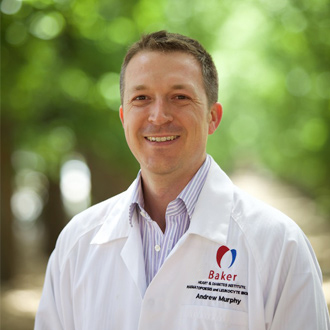
Professor Andrew Murphy is a leading academic at the Baker Heart and Diabetes Institute , where he serves as an NHMRC Investigator and CSL Centenary Fellow . He holds an honorary appointment in the Baker Department of Cardiometabolic Health and the Department of Medicine at The University of Melbourne . Murphy has made significant contributions to understanding how immune system dysfunction drives cardiovascular and metabolic diseases. BSc(Hons) in Biotechnology, Queensland University of Technology PhD in Medicine, Monash University His research focuses on haematopoiesis , immunometabolism , and inflammatory disease , with particular emphasis on: Multi-organ communication in haematopoiesis Hyperglycemic spikes in diabetes Inflammatory diseases impairing atherosclerosis regression Human monocyte subsets in cardiovascular disease Role of ether lipids in immune cell function Professor Murphy's recent publications analyze: Interferon signaling in trained immunity (2025) Novel oxysterols for atherosclerosis treatment (2024) Epigenetic regulation of cytokines in arthritis (2023) Extracellular vesicles in HIV-related inflammation (2022) His scientific accolades include: NHMRC Investigator Fellowship CSL Centenary Fellowship NHMRC Career Development Fellowship Sir Laurence Muir Medal (2015) He has supervised numerous students including Patrick Bell , Simon Xu , and Sara Zarifian . Murphy leads the Inflammation and Immunometabolism Program , which investigates six core laboratories focused on cardiovascular immunology.
Shilin Zhao is an Assistant Professor of Biostatistics at Vanderbilt University Medical Center, specializing in artificial intelligence applications for digital pathology and multi-omics integration. His work bridges computational methodology development with clinical pathology to address challenges in kidney disease, gut microbiome research, and metabolic disorders. Education PhD in Bioinformatics, Shanghai Institutes for Biological Sciences Research Focus Dr. Zhao's research centers on AI-driven pathology and spatial omics , with primary emphasis on: Glomerular and kidney layer segmentation using cross-species data integration Foundation model assessment for cell nuclei analysis in renal histopathology Multi-omics approaches to colitis, atherosclerosis, and metabolic diseases Development of graph networks for spatial transcriptomics prediction His methodologies frequently combine deep learning with biostatistical rigor to translate computational insights into clinical pathology applications. Publication Trends Dr. Zhao's 2025 publications demonstrate intense focus on AI pathology tools (14/15 articles), particularly glomerular analysis and spatial transcriptomics. Key themes include cross-species model adaptation (GLAM), multi-level attention networks (MagNet), and clinical validation of AI foundation models in kidney pathology. His work consistently targets diagnostic precision through computational innovation. Scientific Recognition No specific awards or honors were documented in the provided materials. Academic Contributions While student advising details are unavailable, Dr. Zhao actively contributes to methodological advances in biostatistics through high-impact publications. His involvement in the KPIS 2024 challenge indicates leadership in establishing glomerular segmentation benchmarks for the pathology AI community. Research Environment As primary faculty in Vanderbilt's Department of Biostatistics, Dr. Zhao likely collaborates with institutional resources including the Vanderbilt Biostatistics Data Coordinating Center (VBDCC) and Vanderbilt Technologies for Advanced Genomics Analysis and Research Design (VANGARD), though specific affiliations aren't explicitly stated.
James Godwin is an Assistant Professor with affiliations at the University of Maine's Graduate School of Biomedical Science and Engineering, Jackson Laboratory (JAX), and the Mount Desert Island Biological Laboratory (MDIBL). His research focuses on understanding the molecular mechanisms underlying scar-free regeneration in salamanders, particularly the roles of nerve and immune cells in tissue repair. Godwin's work bridges comparative biology and immunomodulation to develop strategies for enhancing human regenerative potential. Education: Postdoctoral Fellow, Australian Regenerative Medicine Institute (Monash University, Australia) Postdoctoral Fellow, University College London (UK) Ph.D., Immunology Research Center, Melbourne University (Australia) Research interests include immunology/inflammation, stem cell biology, regeneration of heart/spinal cord tissues, and comparative regeneration studies across species. His lab investigates how natural regenerative processes in salamanders can inform therapies for mammals, focusing on macrophage signaling, nerve-dependent repair, and inflammation control. Current projects explore pro-regenerative macrophage recruitment, TLR signaling in tissue damage responses, and cross-species immune system comparison. Collaborations with JAX and MDIBL enable multi-model organism studies (salamanders/mice). Future work aims to translate salamander regeneration insights into clinical applications for scar-free healing in humans.
Professor Alexander Bobik is an internationally recognized vascular biologist with 40 years of research experience in vascular biology and cardiovascular disease, particularly focusing on atherosclerosis. He holds the position of Adjunct Professor (Research) in Immunology at Monash University, affiliated with the Alfred Hospital Centre for Inflammatory Disease and Monash Health. His work has led to over 225 publications, including seminal studies on the role of immune cells (e.g., B cells, CD8 T cells) in atherosclerosis pathogenesis. He co-led a National Health and Medical Research Council-funded project (2011–2013) investigating B lymphocytes in atherosclerosis. Research interests include immunopathogenesis of atherosclerosis, hypertension, and the interplay between immune cells and vascular disease. Notable contributions include demonstrating proatherogenic roles of B2 cells and CD8 T cells, while B1a cells and regulatory T cells exhibit protective effects. His findings have redefined understanding of B cell contributions to atherosclerosis. Bobik serves on 12 editorial boards of biomedical journals, including Arteriosclerosis Thrombosis and Vascular Biology . He has supervised numerous postgraduate students and postdoctoral fellows globally. His research aligns with UN Sustainable Development Goals related to health and well-being. Key grants include the NHMRC-funded project on B lymphocytes in atherosclerosis. His work emphasizes translational research, identifying therapeutic targets like Factor XIIa inhibition and proteomic signatures for plaque stabilization. Collaborations span international institutions, focusing on immune mechanisms in cardiovascular diseases.
Malcolm Maden is a Professor in the Department of Biology, College of Liberal Arts and Sciences at the University of Florida. He is based in Bartram Hall and the Cancer & Genetics Research Complex in Gainesville, Florida. Research Interests Developmental and regenerative biology of limb, lung, skin, and nervous system Retinoic acid signaling in pattern formation and regeneration Comparative regeneration using axolotls and spiny mice (Acomys cahirinus) Scar-free wound healing and multi-tissue regeneration in mammals His overarching hypothesis is that regeneration recapitulates development and can be enhanced by re-activating embryonic signaling pathways, especially those mediated by retinoic acid. Publication Trends From 2020 to 2025 Maden has published extensively on the spiny mouse as a novel mammalian model for regeneration. His articles explore spinal cord recovery, cardiac repair, skin and appendage regeneration, neural stem cell abundance, and aging-related changes. A consistent theme is the comparison between scar-forming (mouse) and scar-free (spiny mouse) responses, illuminating molecular targets for therapeutic intervention. Laboratory & Affiliations Principal Investigator, Maden Laboratory, University of Florida Affiliate, Cancer & Genetics Research Complex Member, College of Liberal Arts and Sciences