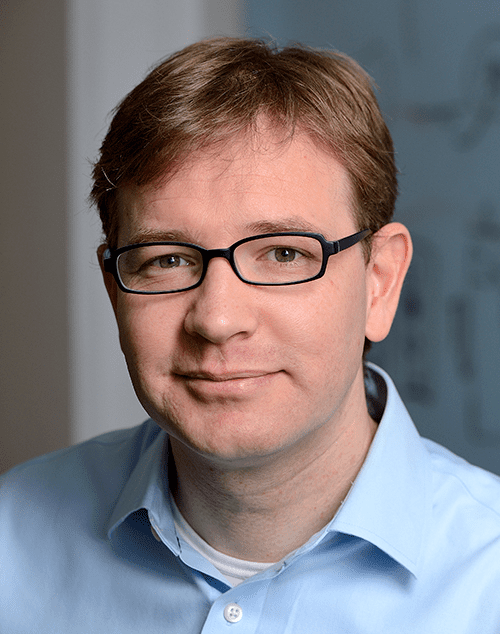
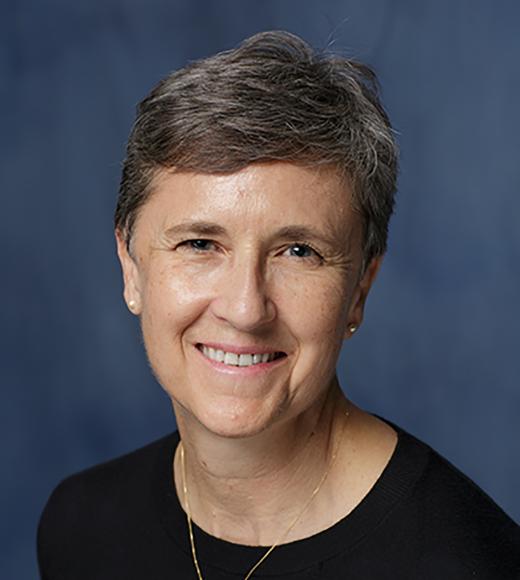
Christopher Honey is an Associate Professor in the Department of Psychological & Brain Sciences at Johns Hopkins University, affiliated with the Krieger School of Arts & Sciences. His research focuses on computational cognitive neuroscience, exploring how the brain processes sequential information such as language and memory. He holds a PhD from Indiana University and has held positions at Princeton University and the University of Toronto before joining JHU in 2016. Education: PhD in Psychological and Brain Sciences, Indiana University Postdoctoral Fellowship at Princeton University with Uri Hasson Bachelor’s in Applied Mathematics and English Literature, University of Cape Town Research Interests: Neural dynamics of memory and perception Temporal processing in the brain Cognitive modeling using computational methods Neuroimaging data standards (e.g., BIDS) Publications highlight his work on brain state fluctuations, neuroimaging data structures, and memory enhancement. His lab develops tools for analyzing fMRI and EEG data, emphasizing real-world applications like smartphone-based cognitive interventions. Lab and Collaborations: Active projects on narrative processing and hippocampal replay Development of open-source neuroscience tools like iELVis Focus on translational research for aging populations
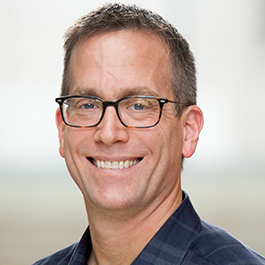
Vernita Gordon is an Associate Professor in the Department of Physics at the University of Texas at Austin (since 2018), previously serving as an Assistant Professor there from 2010 to 2018. She holds a Ph.D. in Physics from Harvard University (2003) and a B.Sc. in Physics and Mathematics from Vanderbilt University (1997). Her research focuses on understanding how physical characteristics like mechanics and spatial structure influence bacterial biofilms, particularly their interactions with the immune system and resistance to antibiotics. She has pioneered techniques such as laser trapping to manipulate biofilm structures and studies radiation effects on bacteria like Deinococcus radiodurans . Education: Ph.D. in Physics, Harvard University (2003) B.Sc. in Physics and Mathematics, Vanderbilt University (1997) Research Interests: Dr. Gordon’s work integrates biophysics, microbiology, and materials science to explore biofilm mechanics, bacterial mechanosensing, and radiation biology. Key areas include: How biofilm mechanics resist immune clearance and antibiotic treatment Role of surface stiffness and shear stress in biofilm initiation Radiation resistance mechanisms in Deinococcus radiodurans Development of tools like laser trapping to study biofilm structure Key Achievements: Recipient of the Elizabeth B. Gleeson Professorship (2023) and Texas Mindset Initiative Fellowship (2023) Provost’s Teaching Fellow (2020–2024) and multiple teaching awards Funded by NSF, NIH, and Cystic Fibrosis Foundation Published over 60 peer-reviewed articles, including in Nature , PNAS , and Biophysical Journal Advising & Outreach: She mentors graduate students in Physics, Microbiology, and Biomedical Engineering, emphasizing interdisciplinary training. Her group actively recruits undergraduates and collaborates with industry partners like Solvay and the College of Pharmacy. Outreach includes lesson plans for high school STEM education and community science initiatives. Labs & Collaborations: Her lab uses advanced microscopy, microrheology, and computational modeling. Key collaborations include work with the Contreras Lab (UT Austin Chemical Engineering) on radiation-resistant bacteria and the Raizen Lab (UT Austin Physics) on self-sterilizing surfaces.
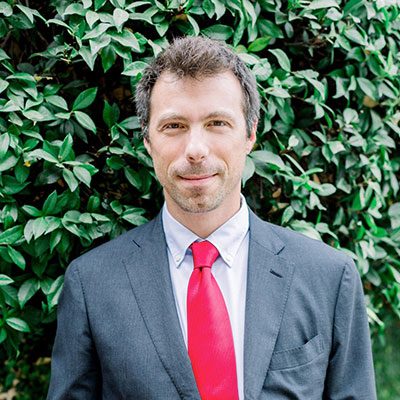
Zsofia Zavecz is a Research Associate at the University of Cambridge Department of Psychology. Her work focuses on the neurophysiological mechanisms underlying sleep and memory consolidation, with particular emphasis on electrophysiological correlates of lucid dreaming and sleep-dependent learning. Research highlights include: Investigation of EEG functional connectivity during statistical learning Study of transcranial stimulation effects on probabilistic learning Analysis of sleep restriction impacts on hormonal regulation Exploration of cognitive reserve mechanisms in sleep disorders Her neuroscientific investigations span procedural memory systems, neural oscillations, and cross-population studies in both healthy individuals and pediatric sleep-disordered breathing patients.
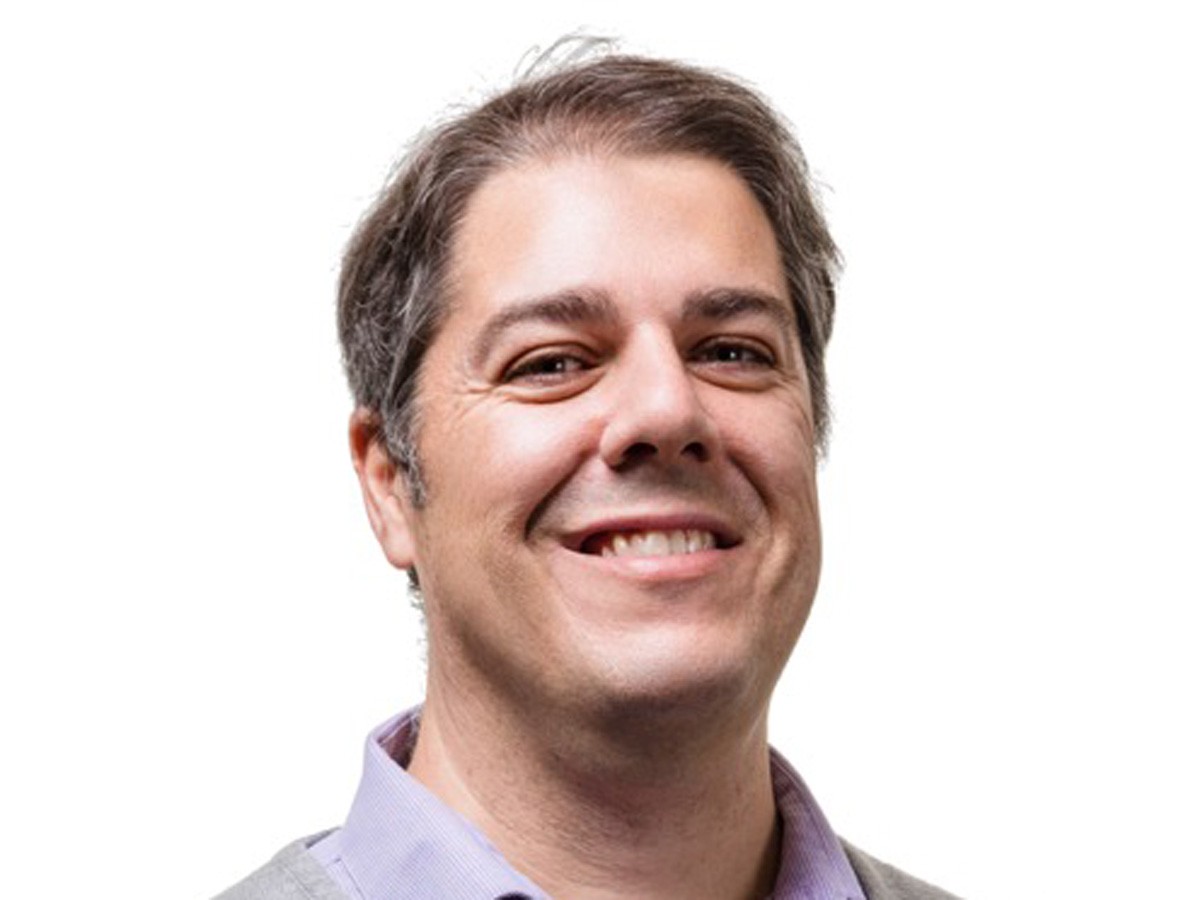
Professor Michael Tonkin is a leading academic in the Department of Surgery at the Northern Clinical School of the University of Sydney. He specializes in pediatric hand surgery, congenital anomalies of the upper limb, and reconstructive microsurgery. His work focuses on classification systems for congenital hand defects (e.g., OMT classification) and surgical outcomes for conditions like thumb hypoplasia, polydactyly, and syndactyly. Professor Tonkin holds clinical roles with associated phone (+61 2 9926 7778) and fax (+61 2 9926 6311) contacts. Research interests include embryology of congenital defects, surgical techniques for thumb reconstruction, and functional assessment of hand anomalies. His 2013 grant explored rheumatoid synoviocyte biology. Over 50 peer-reviewed articles and book chapters since 2002 reflect his expertise in congenital anomaly management, tendon transfers, and pediatric surgical innovations. Key contributions include defining thumb opposition metrics, developing functional assessment scores for hypoplastic thumbs, and advancing pollicization techniques. He collaborates with international experts in hand surgery and has mentored multiple researchers evident through co-authorships.
Dr. João F. Henriques is a Research Fellow at the Royal Academy of Engineering and a core member of the Visual Geometry Group (VGG) at the University of Oxford. His work spans the intersection of machine learning , deep learning , and computer vision , with notable contributions to visual tracking , 3D reconstruction , and robotics . He actively mentors DPhil students and collaborates across disciplines including AI safety , NeRFs , and optimisation . Current Students: Marian Longa, Tim Franzmeyer, Dominik Kloepfer, Yash Bhalgat, Shivani Mall, Lorenza Prospero, Mark Eid Graduated Students: Xu Ji, Mandela Patrick, Shu Ishida, Andreea Oncescu Research Trends from his recent work include advances in 3D scene reconstruction (e.g., Flash3D, GST), robotic adaptation (Rapid Motor Adaptation), and multimodal learning (Text2Loc, SCENES). His publications frequently address theoretical guarantees in unsupervised detection and reinforcement learning for POMDP environments. Scientific Recognition includes: Research Fellow, Royal Academy of Engineering CVPR Best Paper Finalist (2012) for Kernelized Correlation Filters (KCF) SIGBOVIK 2020 Most Timely Paper Award for Deep Industrial Espionage He also develops open-source tools like OverBoard , a Python dashboard for deep learning experiment monitoring, and advocates for preregistration workshops to improve machine learning research transparency.
Dr. Timothy H. Murphy is a Professor in the Department of Psychiatry at the University of British Columbia's Faculty of Medicine. He is also an Associate Member of the School for Biomedical Engineering and a Member of the Djavad Mowafaghian Centre for Brain Health. Dr. Murphy leads the Dynamic Brain Circuits in Health and Disease initiative and the Division of Neuroscience and Translational Psychiatry at UBC. Dr. Murphy received his Ph.D. from Johns Hopkins University in 1989 and his B.Sc. from Saint Mary's College Maryland in 1984. His research focuses on understanding brain circuit structure-function relationships in relation to stroke recovery, psychiatric disorders, and neurological diseases. He specializes in mesoscale imaging techniques to study cortical activity patterns and develop automated approaches for brain imaging and stimulation. His laboratory develops innovative tools including open-source hardware for automated mouse brain imaging, synthetic data generation for behavioral analysis, and chronic recording systems that enable simultaneous mesoscale cortical imaging with subcortical or peripheral nerve activity monitoring. Research from the Murphy Lab has significantly advanced our understanding of how brain circuits reorganize after stroke and in models of psychiatric disorders. Dr. Murphy's recent publications reveal trends in mesoscale cortical imaging, development of synthetic data for behavioral analysis, and exploration of circuit-level changes in neurological and psychiatric disease models. His work bridges basic neuroscience with potential clinical applications for stroke recovery and mental health treatments. Dr. Murphy has mentored numerous students and postdoctoral fellows who have gone on to successful careers in neuroscience and related fields. His laboratory has received funding to support innovative approaches to understanding brain circuit function and recovery mechanisms. The Murphy Lab maintains strong collaborative ties across UBC and develops open-source tools that are widely adopted by the neuroscience community. Their work on automated home-cage imaging systems, synthetic behavioral data generation, and chronic recording technologies represents significant methodological advances in the field.
Martin M. Monti is a Professor of Psychology, Neurosurgery, and Psychiatry and Biobehavioral Sciences at the University of California Los Angeles (UCLA), affiliated with the College of Letters and Science. His research focuses on disorders of consciousness, traumatic brain injury (TBI), neuroimaging, and cognitive neuroscience. He holds an MA and PhD in Psychology & Neuroscience from Princeton University (2006–2007) and a BA in Economics from Università Commerciale L. Bocconi (2002). Key research interests include understanding consciousness recovery mechanisms, neuroimaging techniques for TBI assessment, and neuromodulation therapies. Recent work explores subcortical correlates of sleep quality, AI-driven models of consciousness, and transcranial focused ultrasound applications. Monti has received prestigious awards, including the UCLA Life Science Faculty Award (2020, 2014) and the International Prize Giuseppe Sciacca for Medical Research (2018). He leads interdisciplinary projects through collaborations like the ENIGMA working group and the Curing Coma Campaign, advancing global neuroimaging standards and translational research.
Frank Russo is a Professor in the Department of Psychology at Toronto Metropolitan University, where he holds the NSERC-Sonova Senior Research Chair in Auditory Cognitive Neuroscience. He leads the Science of Music Auditory Research and Technology (SMART) Lab and holds affiliate and adjunct positions at the University Health Network and the University of Toronto, respectively. Research Interests: Dr. Russo's work lies at the intersection of auditory cognitive neuroscience, music psychology, and rehabilitation. His research explores how humans perceive music and speech, particularly under challenging conditions such as hearing loss or non-native accents. He investigates the cognitive and neural mechanisms of listening effort, emotional speech processing, and the social and therapeutic benefits of music, especially through community choirs and digital interventions. Publication Trends: His recent publications emphasize objective measurement of listening effort using functional near-infrared spectroscopy (fNIRS), music-based interventions for Parkinson’s disease and dementia, vocal and emotional responses to singing, and multisensory integration in beat perception. The work is highly translational, bridging basic cognitive neuroscience with clinical and community applications. Scientific Awards and Honors: NSERC-Sonova Senior Research Chair in Auditory Cognitive Neuroscience Fellow of the Canadian Psychological Association Fellow of Massey College Fellow of the Canadian Society for Brain, Behavior and Cognitive Science Past President of the Canadian Acoustical Association Advising and Grants: Dr. Russo actively mentors students and researchers, as evidenced by his co-authorship with numerous junior colleagues. He has secured major funding through NSERC and industry partnerships, enabling the development of impactful technologies such as hearing aid algorithms, sensory substitution systems, and digital therapeutics. His SingWell project fosters collaboration across academic, clinical, and community sectors. Labs and Teams: He directs the SMART Lab at Toronto Metropolitan University, a hub for interdisciplinary research on music, hearing, and cognition. The lab collaborates extensively with KITE Research Institute, Rehabilitation Sciences at the University of Toronto, and various community organizations focused on aging, hearing loss, and neurodegenerative conditions.
Carolynn Patten is a Professor in the Department of Neurobiology, Physiology and Behavior at the University of California, Davis, with affiliations in Physical Medicine and Rehabilitation. Her work bridges neuroscience, biomechanics, and clinical rehabilitation to advance neurorehabilitation for individuals with motor impairments. Research Interests: Dr. Patten's research investigates the neural basis of human movement, focusing on motor dysfunction in aging and neurological conditions such as stroke. She employs transcranial magnetic stimulation (TMS), EEG, EMG, biomechanical analysis, and clinical assessments to study motor recovery mechanisms and neuroplasticity. Her work aims to develop biomarkers of recovery and improve rehabilitation efficacy. Publication Trends: Recent publications emphasize computational modeling of musculoskeletal systems, gait analysis post-stroke, and assessment tools for locomotor efficacy. These works reflect a strong trend toward integrating engineering, neuroscience, and clinical practice to enhance rehabilitation outcomes. Scientific Awards: No awards listed in the provided text. Advising and Grants: While specific students and grants are not mentioned, her active publication record suggests ongoing mentorship and externally funded research in neurorehabilitation and translational neuroscience. Labs and Teams: Her research involves interdisciplinary collaboration across neuroscience, bioengineering, and rehabilitation medicine, likely within UC Davis research centers focused on movement disorders and neurorecovery.
Dr. Todd D. Murphey is a Professor of Mechanical Engineering at Northwestern University's Robert R. McCormick School of Engineering and Applied Science. He serves as Director of Transformative Research and Director of the Master of Science in Robotics Program at Northwestern, leading initiatives in computational dynamics, control systems, and robotics. His work bridges engineering, neuroscience, and biomedical applications, with a focus on developing systems that interact effectively with humans and their environments. Dr. Murphey received his Ph.D. in Control and Dynamical Systems from the California Institute of Technology in 2002, with a thesis titled "Control of Multiple Model Systems." Prior to that, he earned a B.S. in Mathematics, summa cum laude, from the University of Arizona in 1997. Dr. Murphey's research centers on computational methods in dynamics and control, with applications spanning neuroscience, health science, robotics, and automation. His work in the Interactive & Emergent Autonomy Lab focuses on computational models of embedded control, biomechanical simulation, dynamic exploration, and hybrid control. The group develops mathematical approaches that lead to orders of magnitude improvement in computational efficiency for real-time implementation. Key application areas include assistive exoskeleton control, stabilization of energy networks, bio-inspired active sensing, entertainment robots, robotic exploration, and software-enabled stroke rehabilitation. Analysis of Dr. Murphey's recent publications reveals a strong emphasis on human-swarm interaction, algorithmic matter, and control of cyber-physical systems in uncertain environments. His work increasingly integrates information theory with physical systems, exploring how both autonomous and biological systems interact with environments to learn and improve behaviors. Recent trends show growing applications in rehabilitation technology, with particular focus on human-machine interaction in biomedical devices and embodied intelligence. Dr. Murphey has received numerous honors and awards for his contributions to robotics and engineering: Named Director of Transformative Research at Northwestern University (2025) Appointed IEEE Robotics and Automation Society Vice President of Publication Activities (2022) Co-recipient of Best Paper Award for IEEE Transactions on Robotics (2020) Appointed to Air Force Scientific Advisory Board (2019) Recipient of ABB Best Student Paper Award for CPL-SLAM research (2019) Cole-Higgins Award from Northwestern Engineering (2015) Dr. Murphey has supervised numerous graduate students including Taosha Fan, Giorgos Mamakoukas, and Ian Abraham, with research spanning robotic exploration using electrosense and mechanical contact, human-in-the-loop control, and shared control for rehabilitation devices. His lab has secured significant funding from the National Science Foundation, DARPA, and industry partners including Siemens and Ekso Bionics, supporting research in algorithmic matter, emergent behavior, and human-swarm collaboration. The Interactive & Emergent Autonomy Lab, led by Dr. Murphey, investigates how both autonomous systems and biological systems interact with their environments to learn and improve behaviors. Current projects include active learning and data-driven control, active perception in human-swarm collaboration, algorithmic matter and emergent computation, control for nonlinear and hybrid systems, cyber physical systems in uncertain environments, harmonious navigation in human crowds, information maximizing clinical diagnostics, reactive learning in underwater exploration, robot-assisted rehabilitation, and software-enabled biomedical devices. The lab collaborates with researchers across Northwestern and institutions including Georgia Tech, MIT, and industry partners.
Prof. Wouter Roos is a Professor at the University of Groningen's Faculty of Science and Engineering, affiliated with the Molecular Biophysics department at the Zernike Institute for Advanced Materials. His research focuses on viral dynamics, membrane assemblies, and protein mechanics, utilizing advanced techniques like High Speed Atomic Force Microscopy (HS-AFM) and optical tweezers. Education: Studied Physics at the Universiteit van Amsterdam, earned a PhD from the Universität Heidelberg under Joachim Spatz. Conducted postdoctoral research at Max-Planck-Institut, Institut Curie, and Vrije Universiteit before joining Groningen in 2015. Research Interests: Physical Virology (viral material properties and dynamics), membrane biophysics (synthetic cells and lipid interactions), and molecular motor systems. His work bridges physics, chemistry, and biology to understand nanoscale biological processes. Recent Article Trends: Studies on hybrid membranes for synthetic cells, leukemic cell mechanics, and antibiotic-membrane interactions highlight his interdisciplinary approach. Key techniques include HS-AFM and single-particle tracking. Awards: Received a VIDI grant and multiple national/international grants. His lab leads the oLife Co-Fund consortium and participates in the MOSBRI research infrastructure. Grants & Leadership: Coordinates the oLife Fellowship Programme and chairs the Molecular Biophysics Lab. Active in steering committees for EU-funded initiatives. Labs/Teams: Heads the Molecular Biophysics Lab, focusing on viral dynamics and membrane systems. Collaborates globally on projects like ESCRT-III polymerization and antibiotic mechanisms.
Amy Vaughan Van Hecke serves as Assistant Chair and Professor in Marquette University's Department of Psychology, leading research on autism spectrum disorder (ASD) and social development across the lifespan using neuroimaging and psychophysiological methods. She directs community initiatives to improve autism services access for underserved Milwaukee populations through the Next Step Clinic. Her academic foundation includes: B.A. in Psychology from Smith College Ph.D. in Developmental Psychology from the University of Miami Dr. Van Hecke's research centers on brain activity, heart rate regulation, and social behavior in individuals with and without ASD, utilizing high-density EEG and MRI to examine neural responses to interventions like PEERS ® . Current projects investigate pandemic impacts on social interaction in autistic adults and neural mechanisms of social isolation remediation. Her work bridges laboratory neuroscience with community-based clinical applications. Publication analysis reveals consistent focus on intervention efficacy (particularly PEERS ® ), neural plasticity measurement, and comorbid conditions across developmental stages. Recent work emphasizes gender-specific outcomes, family impacts, and pandemic-related mental health, demonstrating methodological diversity from EEG asymmetry to community-based participatory research. Her distinguished scientific recognition includes: Kirschstein National Research Service Award (NRSA) from the National Institute of Mental Health Dr. Van Hecke mentors students through her Marquette Autism Project lab and the Next Step Clinic training program while securing major grants from Marquette University, Johnson Controls Foundation, and the Greater Milwaukee Funders’ Collaborative. She teaches undergraduate/graduate courses in developmental psychology and statistics. Advising: Clinical psychology graduate mentorship (excluding 2025 intake); undergraduate research supervision Grants: $500k+ secured for Next Step Clinic serving underserved Milwaukee children She co-directs the Marquette Interdisciplinary Autism Initiative and the Next Step Clinic, which employs a Family Navigation model in Milwaukee's Metcalfe Park neighborhood to provide autism screening, diagnosis, and therapy for children aged 15 months-10 years facing systemic barriers to care.
Sunil K. Agrawal is a Professor of Mechanical Engineering and Professor of Rehabilitation and Regenerative Medicine at Columbia University, where he directs a highly interdisciplinary rehabilitation robotics program bridging the School of Engineering and Applied Sciences and the College of Physicians and Surgeons. His research focuses on developing robotic systems to restore and enhance human mobility for individuals with neurological disorders, pediatric conditions, and age-related decline. Education: PhD in Mechanical Engineering, Stanford University, 1990 MS in Mechanical Engineering, Ohio State University, 1986 BS in Mechanical Engineering, Indian Institute of Technology (IIT) Kanpur, 1984 Research Focus: Dr. Agrawal’s work centers on rehabilitation robotics , where he integrates dynamic systems, control theory, and optimization to create robotic devices that assist in gait training, balance improvement, and functional movement restoration. His studies span stroke, Parkinson’s disease, cerebral palsy, vestibular disorders, and spinal cord injury, using devices like the Tethered Pelvic Assist Device (TPAD) and robotic exoskeletons. Scientific Honors: Machine Design Award, ASME (2016) Robotics and Mechanisms Award, ASME (2016) Fellow, American Institute of Medical and Biological Engineering (AIMBE) (2016) Fellow, American Society of Mechanical Engineers (ASME) (2004) Alexander von Humboldt Foundation U.S. Senior Scientist Award (2007) Friedrich Wilhelm Bessel Research Award (2002) Presidential Faculty Fellow Award, The White House (1994) Research Collaborations & Funding: Dr. Agrawal collaborates with faculty across Neurology, Rehabilitation Medicine, Pediatric Orthopedics, Otolaryngology, Geriatrics, and Psychiatry. His work is supported by the National Science Foundation, National Institutes of Health, and the Spinal Cord Injury Research Board. Laboratory & Outreach: He leads an active research group focused on translational robotic systems, with ongoing clinical trials for stroke, Parkinson’s, cerebral palsy, and elderly fall prevention. His lab develops novel robotic braces, exoskeletons, and VR-integrated training platforms.
Gianmarco Pinton is an Associate Professor in the Department of Biomedical Engineering at the University of North Carolina at Chapel Hill. His research focuses on nonlinear ultrasound and mechanical wave propagation, with applications to medical imaging and therapy. He specializes in traumatic brain injury, shear shock waves, and ultrasound therapy. Ph.D., M.S., and B.S.E. in Biomedical Engineering/Physics from Duke University His lab develops physics and simulation tools for nonlinear wave propagation, aiming to create advanced diagnostic ultrasound methods. Key areas include traumatic brain injury, transcranial imaging, and therapeutic ultrasound. His recent work explores super-resolution imaging, brain motor circuits, and Alzheimer's disease vascular mapping using ultrasound. Article trends highlight innovations in transcranial ultrasound, super-resolution techniques, lung imaging, and neuromodulation. His publications address image degradation, contrast agents, and shear wave dynamics in neurological contexts.
Sai Zhang is an Assistant Professor in the Department of Epidemiology at the University of Florida (UF), holding affiliations with the College of Public Health & Health Professions and College of Medicine. He is also an Affiliate Faculty in the J. Crayton Pruitt Family Department of Biomedical Engineering at the Herbert Wertheim College of Engineering. Previously, he was an Instructor at Stanford University School of Medicine and a Research Associate at the VA Palo Alto Epidemiology Research and Information Center (ERIC). Dr. Zhang completed his Ph.D. in Computer Science and Technology at Tsinghua University, followed by postdoctoral training in Dr. Michael Snyder’s lab at Stanford Genetics. His research integrates machine learning, genomics, and precision medicine to uncover genomic bases of complex diseases. Key focuses include developing algorithms for multiomic data analysis, modeling genotype-phenotype relationships, and leveraging deep learning for biological sequence analysis. His work emphasizes cell-type-specific mechanisms in diseases like ALS, coronary artery disease, and neurodegenerative disorders. Notable contributions include frameworks for polygenic risk scoring (e.g., PRS-Net), biomarker discovery for ALS, and tools for time-to-event prediction in neurological diseases. He leads the Zhang Laboratory, advancing computational systems for precision health applications.