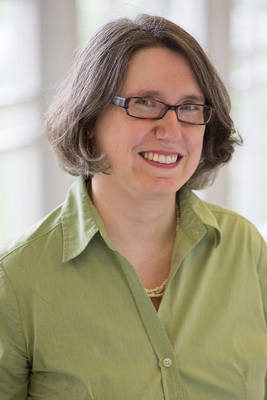
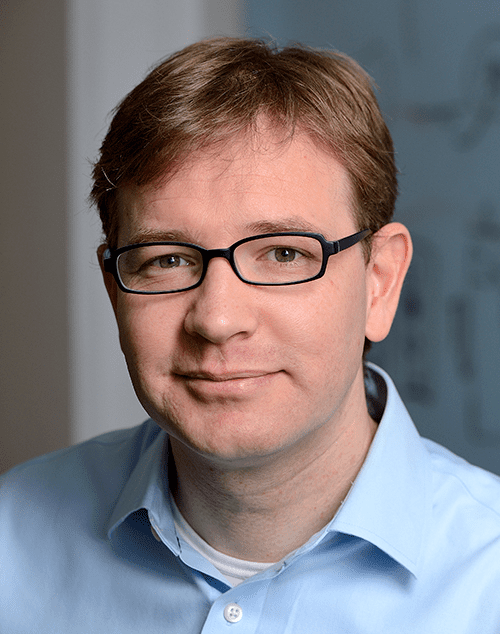
Nicole C. Riddle is a Professor and Associate Chair for Research and Facilities in the Department of Biology at the University of Alabama at Birmingham (UAB). She holds a B.S. in Biology from the University of Missouri Columbia and a Ph.D. in Evolutionary and Population Biology from Washington University in St. Louis. Her research focuses on epigenetics and chromatin dynamics, particularly in the context of aging and sex differences using Drosophila melanogaster as a model system. Dr. Riddle's work explores how epigenetic mechanisms influence lifespan, genome stability, and phenotypic variation. She has pioneered the use of Drosophila to study exercise-induced physiological changes and their genetic underpinnings. Her lab investigates the roles of HP1 proteins in transcriptional regulation and chromatin organization, with recent studies emphasizing cross-species comparisons of aging mechanisms. Her research has been supported by grants including the BII: IISAGE project on sex-specific aging mechanisms. Notable contributions include developing novel tools like the Rotating Exercise Quantification System (REQS) to measure Drosophila activity levels. Dr. Riddle actively mentors students and postdoctoral researchers, inviting inquiries via riddlenc@uab.edu to join her lab.
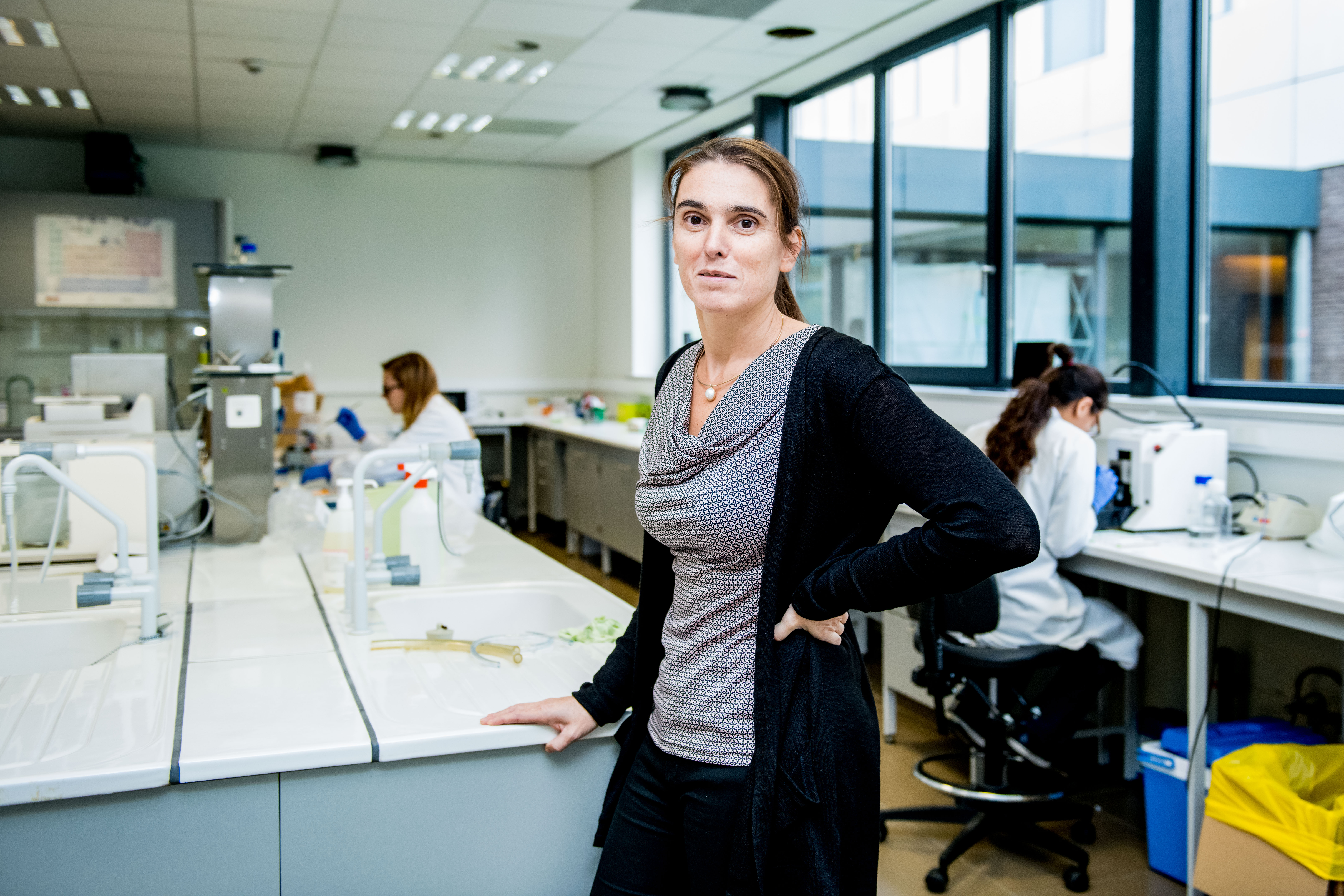
Prof. Ilse Dewachter is the head of the Biomed Neuroscience research group at Hasselt University (UHasselt), specializing in Alzheimer’s therapy and prevention for over 25 years. Her work focuses on multi-targeted therapies targeting tau, inflammation, and ApoE, alongside pioneering research into disease prevention via blood-based biomarkers. Recent studies explore a protective APOE3ch mutation that halted Alzheimer’s progression in a patient, offering hope for new treatments. Research Interests: - Alzheimer’s disease mechanisms (Abeta, tau, inflammation) - Multi-target therapies and biomarker development - Neurodegenerative disease prevention strategies - Genetic mutations impacting disease progression Articles Overview: Her most recent work (2025-2022) addresses neuroinflammation, tau propagation models, and AI-driven neuroimaging. Key themes include APOE genetics, blood-brain barrier dynamics, and exercise impacts on cognition. Funding & Grants: Current projects require significant investment for advanced biomarker equipment and clinical trials. A notable €300,000 grant funded research on brain lipid metabolism’s role in Alzheimer’s. Labs & Teams: Leads the BIOMED Neuroscience group at UHasselt, collaborating internationally on preclinical models and drug development.
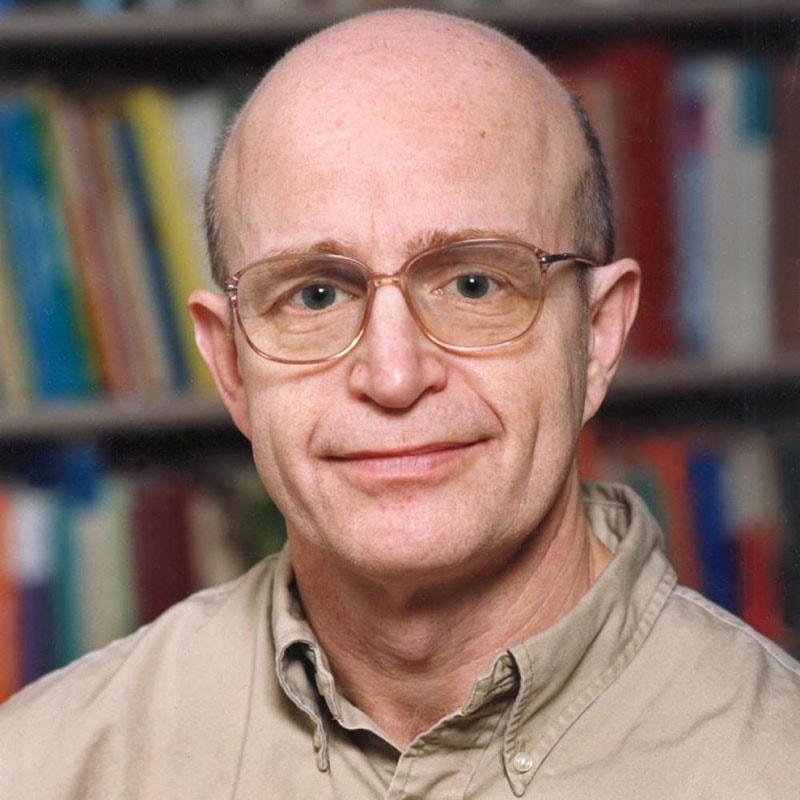
Ben Seiyon Lee is an Assistant Professor in the Department of Statistics at George Mason University's College of Science. His work bridges computational statistics, climate modeling, and environmental risk assessment. Education: PhD in Statistics, Pennsylvania State University (2020) Lee specializes in computational methods for high-dimensional spatiotemporal data and uncertainty quantification in climate models. His research explores climate change impacts on extreme hydrological events, wildfire emissions, and medical decision-making. Recent publications focus on Bayesian spatiotemporal frameworks for extreme precipitation analysis, zero-inflated spatial models, and multisector uncertainty quantification. His work addresses challenges in flood risk assessment, agricultural yield projections, and healthcare compliance metrics.
John R Anderson is the Richard King Mellon University Professor of Psychology and Computer Science at Carnegie Mellon University (CMU), affiliated with the Department of Psychology within the Dietrich College of Humanities and Social Sciences. His research focuses on understanding higher-level cognition, particularly mathematical problem-solving, through the development of the ACT-R cognitive architecture—a computational framework simulating human cognitive processes. This architecture integrates behavioral, neural, and educational data to model learning and decision-making. Anderson’s work bridges cognitive science, neuroscience, and educational technology. He investigates how brain imaging (e.g., fMRI, EEG) can reveal the temporal dynamics of cognitive processes and improve instructional methods. His research emphasizes analyzing brain activity time courses to uncover underlying mechanisms of problem-solving and skill acquisition. Key Research Themes: Cognitive architectures, neural correlates of learning, computational models of memory, and intelligent tutoring systems. Notable Contributions: Development of the ACT-R architecture, integration of neuroimaging with cognitive modeling, and studies on skill transfer and learning strategies. Anderson’s publications include seminal books like Cognitive Psychology and Its Implications and How Can the Human Mind Occur in the Physical Universe? His work has advanced understanding of associative memory, strategic decision-making, and the application of cognitive models in educational technology. His lab, the ACT-R Research Group, collaborates across disciplines to model complex cognitive tasks and their neural foundations. Current projects analyze real-time brain activity to refine educational interventions and improve human-machine interaction.
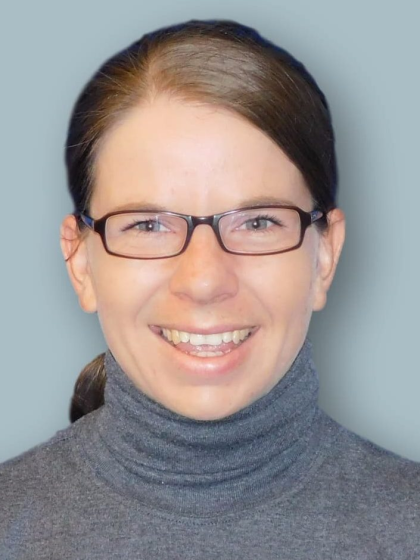
Dr. Julia Kamenz is an Assistant Professor (Rosalind Franklin fellow) at the University of Groningen's Faculty of Science and Engineering, where she leads research in the Molecular Systems Biology group within the Groningen Biomolecular Sciences and Biotechnology Institute (GBB). Her work focuses on understanding the molecular mechanisms that regulate cell cycle progression and cell division. Dr. Kamenz received her undergraduate training in Biochemistry at the University of Tuebingen, completed her PhD at the Friedrich Miescher Laboratory of the Max Planck Society under Dr. Silke Hauf (defended February 2015 with highest honors), and conducted postdoctoral research at Stanford University with Prof. James E. Ferrell. Her PhD work was supported by a Boehringer Ingelheim Fonds fellowship, and her postdoc was funded by a German Research Foundation (DFG) Postdoctoral Fellowship. Her research expertise spans cell cycle regulation and dynamics, post-translational modifications, Xenopus laevis model systems, and live cell microscopy. Dr. Kamenz investigates how kinases and phosphatases intricately regulate cell proliferation and division, with particular interest in the molecular mechanisms that ensure faithful chromosome segregation during mitosis. Her recent work has revealed novel insights into mitotic checkpoint signaling, particularly in early embryonic development where these checkpoints appear to function differently than in somatic cells. Dr. Kamenz's publication record demonstrates a strong focus on the dynamics of cell cycle transitions, with recent papers appearing in high-impact journals including Nature, The Journal of Biological Chemistry, and The Journal of Cell Biology. Her research integrates experimental biochemistry, live-cell imaging, and computational modeling approaches to understand complex regulatory networks. ERC Starting Grant (November 2022) NWO Vidi Grant (July 2021) Mansour Postdoctoral Travel Award (2019) Dr. Kamenz has secured significant research funding including an ERC Starting Grant (€1.5 million) and an NWO XS grant (€50,000) for her project "What limits mitotic checkpoint signaling in the early embryo?" Her research contributes to understanding fundamental biological processes with implications for developmental biology and cancer research. She collaborates extensively within the University of Groningen and with international partners, particularly in the areas of cell cycle research and biophysical approaches to biological problems. Dr. Kamenz leads a research group focused on cell cycle regulation within the Molecular Systems Biology division of the Groningen Biomolecular Sciences and Biotechnology Institute. Her lab combines biochemical approaches using Xenopus egg extracts with live-cell imaging and computational modeling to dissect the molecular mechanisms controlling cell division.
Dr. Kanwaljeet S. Anand is a dual-appointed Professor of Pediatrics (Pediatric Critical Care) and Anesthesiology, Perioperative & Pain Medicine at Stanford University School of Medicine. As director of the Pain/Stress Neurobiology Lab and Jackson Vaughan Critical Care Research Fund, he serves as Editor-in-Chief of Pediatric Research and maintains active membership in Bio-X, MCHRI, and Wu Tsai Neurosciences Institute. Rhodes Scholar with D.Phil from University of Oxford Harvard postdoctoral fellowship and Boston Children's Hospital residency Founded Harmony Health Clinic - Arkansas' largest charitable medical-dental facility A translational researcher with 30+ years of impact, Dr. Anand established the first scientific framework for infant pain perception and developed novel pain assessment methodologies. Current research focuses on: Hair biomarker analysis for stress and social affiliation (cortisol/oxytocin) Machine learning systems for objective pain detection in non-verbal infants Biopsychosocial interventions for stress reduction in disadvantaged youth Neurotoxicity mechanisms of sedatives in developing brains Global NICU opioid usage patterns through the NeoOpioid Consortium His work has yielded over 260 publications and significant advances in: Pediatric pain management protocols Neonatal stress biomarker development Critical care neurobiology insights Community health initiatives AI-driven clinical decision support systems Scientific Recognition 9th Annual 'In Praise of Medicine' Public Address, Erasmus University (2014) Nightingale Excellence Award (2016) Honorary Doctorate from University of Örebro (2019) NIH SBIB-H82 Study Section Chair (2018) Multiple IASP and American Pain Society awards Swedish Academy of Medicine's Nils Rosén von Rosenstein Award (2009) St. Jude Endowed Chairholder (2010) As mentor to Med Scholar Anjali Gupta and advisor to numerous professional bodies, Dr. Anand maintains active clinical leadership in Pediatric Intensive Care while advancing computational approaches to pain detection through collaborations with Stanford's AI researchers.
Prof. Casper Hoogenraad is a full professor in Molecular Neuroscience at the Department of Cell Biology, Faculty of Science, Utrecht University. His research focuses on understanding how intracellular protein trafficking underlies neuronal development and function, with particular emphasis on the microtubule cytoskeleton, synaptic cargo trafficking, and synaptic plasticity. He leads an active research group within Utrecht University's Cell Biology department and collaborates extensively with other neuroscience research groups. Education: PhD, Erasmus University Rotterdam (1996-2001) Postdoc, Massachusetts Institute of Technology (2002-2005) Hoogenraad's research spans three main themes: cytoskeleton dynamics during neurodevelopment and synaptic plasticity, motor proteins and adaptors as regulators of synaptic transport, and psychiatric and neurologic disease disorders linked to intracellular transport. His work combines genetics, biochemistry, molecular, and cellular biology methods in in vitro (neuron cultures), ex vivo (brain slices), and in vivo (mice) systems, along with advanced microscopy techniques including immunofluorescent confocal microscopy, high-resolution live cell imaging, and photo-activated localization microscopy (PALM). Analysis of Hoogenraad's recent publications reveals a strong focus on microtubule organization, neuronal polarity, and the molecular mechanisms underlying synaptic function and dysfunction. His work frequently explores how disruptions in intracellular transport contribute to neurological disorders including Alzheimer's disease, schizophrenia, and autism spectrum disorders, with particular attention to the relationship between cytoskeletal organization and cargo transport in neuronal compartments. Scientific Awards and Memberships: ZonMW-VIDI (2004) European Young Investigators (EURYI) award (2005) NWO-ALW VICI (2011) ERC Consolidator grants (2013) FENS-Kavli Network of Excellence (2014) European Molecular Biology Organization (EMBO) (2015) Young Academy of Europe (YAE) (2015) IBRO Kemali Prize (2016) Hoogenraad leads a research group studying neuronal development and function, with a particular focus on how intracellular transport mechanisms contribute to both normal brain function and neurological disorders. His laboratory employs a multidisciplinary approach combining molecular, cellular, and systems neuroscience techniques to investigate the molecular basis of neuronal polarity, synaptic plasticity, and the pathogenesis of neurological disorders. He has secured significant research funding through prestigious grants including ERC Consolidator grants. The Hoogenraad lab operates within the Cell Biology department at Utrecht University, collaborating with other research groups focusing on cellular dynamics, biophysics, and neurobiology. The lab utilizes advanced microscopy techniques including immunofluorescent confocal microscopy, high-resolution live cell imaging (spinning disc microscopy and total internal reflection fluorescence microscopy), and quantitative analysis using advanced high-resolution microscopy (photo-activated localization microscopy). Current lab technicians include Phebe Wulf and Bart de Haan.
Gunnar Blohm is an Assistant Professor in the Department of Biomedical and Molecular Sciences at Queen's University, affiliated with the School of Medicine and Faculty of Health Sciences. His research focuses on sensorimotor neuroscience, particularly 3D sensorimotor control, eye-hand coordination, and computational modeling of neural processes. He holds a Ph.D. from Université Catholique de Louvain and has held postdoctoral positions at York University and his alma mater. Cross-appointed to the School of Computing, Department of Psychology, and Department of Mathematics and Statistics, he is also Vice-Director of the Connected Minds initiative. His research integrates behavioral experiments, brain imaging (MEG/EEG), and patient studies to understand how sensory information is transformed into goal-directed actions. Key areas include visuomotor transformations, multisensory integration, and Bayesian processes in neural computations. Blohm leads the Computational Sensorimotor Neuroscience Lab, emphasizing collaborative projects like Neuromatch Academy and contributions to open science initiatives. Affiliated with Queen's Centre for Neuroscience Studies and Ingenuity Labs, his work bridges computational approaches with clinical applications, aiming to develop frameworks for understanding brain dysfunction and clinical tools. His recent articles explore topics like saccade dynamics, pupil responses, and generative adversarial collaborations in scientific discourse.
Dr. Thanh Nho Do is a Scientia Senior Lecturer at the Graduate School of Biomedical Engineering (GSBmE), UNSW Sydney, and Director of the UNSW Medical Robotics Lab. He holds a PhD in Mechanical Engineering (Surgical Robotics) from Nanyang Technological University (NTU), Singapore, and a B.Eng. in Manufacturing Engineering from Ho Chi Minh City University of Technology, Vietnam. His research focuses on soft robotics, wearable technologies, and biomedical devices, including flexible surgical systems, soft actuators, and haptic interfaces. Education PhD in Mechanical Engineering (Surgical Robotics), NTU Singapore, 2015 B.Eng. in Manufacturing Engineering, Ho Chi Minh City University of Technology, Vietnam Research Interests Soft robotics for medical applications (e.g., NOTES systems, wearable haptics) Functional materials for biomedical devices Cardiovascular engineering and assistive devices Advanced control algorithms for medical robotics Key Contributions His work spans bioprinting, motor-free robotic systems, and soft wearable technologies. Recent studies include self-deploying cardiac compression devices and bioinspired artificial muscles. Awards 2025: CINSW Career Development Fellow 2024: NSW Young Tall Poppy Science Award 2023: Best Poster Awards at EMBC and ICRA Grants & Funding Includes NHMRC Ideas Grant (Lead CI), Cancer Institute NSW Fellowship, and UNSW Scientia Grant. Active projects address cardiovascular interventions and wearable robotics. Labs & Teams Leads the UNSW Medical Robotics Lab, collaborating on devices like soft robotic catheters and textile-driven exosuits.
Ruben Portugues is a Professor of Brain Circuit Function and Dysfunction at the Institute of Neuroscience, Technical University of Munich (TUM). He is a full member of the Graduate School of Systemic Neurosciences (GSN), an associate and advisory board member of the Munich Center for Neurosciences (MCN), and leads a research group focused on understanding the neural basis of behavior. His lab uses larval zebrafish as a model organism to investigate sensorimotor control, decision-making, and motor learning through whole-brain imaging and circuit analysis. His research interests lie at the intersection of systems neuroscience and behavior. He investigates how brain circuits process sensory information, integrate it with motor output, and enable adaptive and flexible behavior. Key areas include the function of the cerebellum, heading direction networks, sensorimotor transformations, and the neural mechanisms of decision-making. His lab employs cutting-edge techniques including custom-built microscopes, behavioral assays, and computational analysis. The recent publications and preprints from his lab demonstrate a strong trend in decoding distributed neural circuits underlying navigation and decision-making in zebrafish. There is a clear focus on identifying specific brain regions (e.g., interpeduncular nucleus, cerebellum) and cell types involved in processing visual, motor, and spatial information. The work increasingly emphasizes whole-brain functional imaging and the emergence of cognitive-like representations such as allocentric heading direction. FENS-Kavli Network of Excellence (FKNE) PhD Thesis Prize (awarded to student Luigi Petrucco) Ruben Portugues actively mentors PhD students, including current advisees Luigi Petrucco, Ot Prat, and Shuhong Huang, and has successfully graduated Dr. Elena Dragomir and Dr. Vilim Štih. His lab engages in extensive collaborations, hosts visiting researchers, participates in teaching (e.g., CSHL Imaging Course, Cajal Course), and secures resources for advanced research. The lab is known for building its own microscopes and software, fostering technical innovation. The Portugues Lab operates as a dynamic, interdisciplinary team that combines experimental neuroscience with computational and engineering approaches. They regularly hold retreats, participate in scientific events, and contribute to community initiatives like the Munich Brain Day. The lab is preparing to relocate to the Department of Neurobiology and Behavior at Cornell University, marking a new phase in its research trajectory.
Abdon Pena-Francesch is an Assistant Professor in the Department of Materials Science and Engineering at the University of Michigan. He is also affiliated with the Macromolecular Science and Engineering Program, Chemical Engineering, and the Michigan Robotics Institute. His interdisciplinary research integrates biomaterials science, polymer chemistry, soft matter physics, and nanotechnology to develop programmable soft materials for applications in healthcare, robotics, and environmental science. Education: Ph.D. in Engineering Science and Mechanics, The Pennsylvania State University, 2017 M.Sc. in Chemical Engineering, Institut Químic de Sarrià (Barcelona, Spain), 2013 B.Sc. in Mechanical Engineering, Institut Químic de Sarrià (Barcelona, Spain), 2011 Research Interests: His work focuses on bioinspired materials , soft robotics , self-healing polymers , and biodegradable microrobots . By engineering molecular and nanoscale structures, his lab designs materials with programmable properties for soft robotic systems and biomedical devices. The group emphasizes both fundamental science and translational applications, including tissue repair, actuation, and environmental sensing. Awards and Honors: Humboldt Research Fellowship for Postdoctoral Researchers (2018–2020) Alumni Association Dissertation Award, Penn State University (2017) Rustum and Della Roy Innovation in Materials Research Award (2016) Materials Research Society Graduate Student Award (2016) First Prize, Penn State ESM Graduate Research Symposium (2015) AGAUR MOBINT Fellowship, Government of Catalunya (2012) Labs and Affiliations: He leads the Bioinspired Materials Lab , an interdisciplinary group within the University of Michigan’s Materials Science & Engineering Department. The lab collaborates with the Macromolecular Science & Engineering Program, Chemical Engineering, and the Michigan Robotics Institute.
Prof. Dr. Eling de Bruin is a Lecturer at the Department of Health Sciences and Technology (D-HEST) at ETH Zurich. His research focuses on developing and evaluating exergame-based interventions targeting neurocognitive disorders, motor-cognitive training for aging populations, and stroke rehabilitation. He leads studies on personalized exergame protocols (e.g., PEMOCS framework) and their impact on cognitive function, gait recovery, and fall prevention. His work integrates wearable sensor technology, biofeedback systems, and clinical assessment tools to improve outcomes for chronic conditions like stroke, diabetes, and sarcopenia. Key areas include exergame design, hybrid training modalities, and biomarker validation (e.g., heart rate variability for neurocognitive screening). His research also explores sports biomechanics in youth athletes and injury prevention strategies for alpine skiers. Collaborative projects involve interdisciplinary teams from rehabilitation medicine, biomedical engineering, and computer science to create user-centered exergame solutions. Current initiatives emphasize home-based interventions and tele-rehabilitation to enhance accessibility for older adults and long-term care residents. Methodological contributions include validation of motor-cognitive assessment systems using virtual reality and inertial measurement units.
Professor Fernando Calamante is a Professor of Biomedical Engineering at The University of Sydney and Director of Sydney Imaging Core Research Facility. He leads the National Imaging Facility node and focuses on advanced MRI methodologies, particularly Diffusion and Perfusion MRI, to study brain connectivity and neurological disorders. His work includes developing the MRtrix software, widely used in diffusion MRI analysis. He holds extensive funding (~$50M) and has been recognized with awards like ISMRM Fellowship and NHMRC grants. His research spans super-resolution imaging, brain connectomics, and clinical applications in stroke and tumors. Education: BSc (Physics, Argentina), PhD (Magnetic Resonance Imaging, University College London). Career highlights include leadership roles at The Florey Institute and ISMRM presidency (2021-2022). Research interests include: Novel MRI methods for brain connectivity and super-resolution imaging Applications of Diffusion and Perfusion MRI in neurology Integration of structural and functional connectomics Key achievements: Over 200 publications, software innovations, and leadership in global MRI societies.
Andrea Mason is a Professor and Department Chair in the Department of Kinesiology at the University of Wisconsin-Madison. Her research focuses on motor control, particularly in autism spectrum disorder, aging, and virtual environments. She holds the Conway Professorship of Kinesiology (2021) and has received the NSF Career Award (2004). Education: Ph.D. in Human Motor Systems from Simon Fraser University (under Dr. Christine MacKenzie). Her work examines bimanual coordination, gait analysis, and balance training. She leads a lab (visit lab webpage) and collaborates on projects involving robotic-assisted motor assessments and VR feedback for clinical populations. Key research themes include: Motor control in autism Age-related changes in locomotion and grasping Virtual environment interaction Developmental coordination disorders Recent studies explore gait variability in dual-task scenarios, sensory feedback effects in VR, and biofeedback-based balance training for children with autism. Her work bridges kinesiology, neuroscience, and clinical applications. Awards: Conway Professorship (2021), Best Paper (2013), NSF Career (2004) Lab: Accessible via dedicated webpage CV: Downloadable from her portal
Christopher Honey is an Associate Professor in the Department of Psychological & Brain Sciences at Johns Hopkins University, affiliated with the Krieger School of Arts & Sciences. His research focuses on computational cognitive neuroscience, exploring how the brain processes sequential information such as language and memory. He holds a PhD from Indiana University and has held positions at Princeton University and the University of Toronto before joining JHU in 2016. Education: PhD in Psychological and Brain Sciences, Indiana University Postdoctoral Fellowship at Princeton University with Uri Hasson Bachelor’s in Applied Mathematics and English Literature, University of Cape Town Research Interests: Neural dynamics of memory and perception Temporal processing in the brain Cognitive modeling using computational methods Neuroimaging data standards (e.g., BIDS) Publications highlight his work on brain state fluctuations, neuroimaging data structures, and memory enhancement. His lab develops tools for analyzing fMRI and EEG data, emphasizing real-world applications like smartphone-based cognitive interventions. Lab and Collaborations: Active projects on narrative processing and hippocampal replay Development of open-source neuroscience tools like iELVis Focus on translational research for aging populations