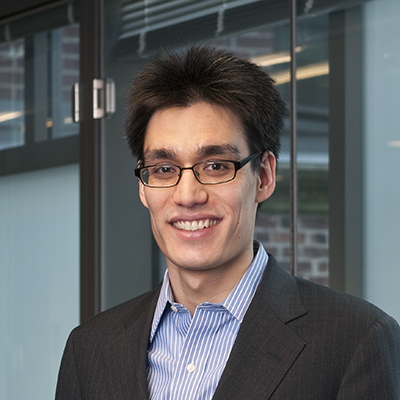
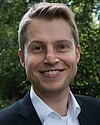
Joseph Devietti is an Associate Professor at the University of Pennsylvania in the Department of Computer & Information Science. His research focuses on improving multiprocessor programmability through architecture and systems innovations, including work on cache optimization, deterministic execution, GPU programming, and race detection. PhD, University of Washington (2012) MS, University of Washington (2009) BSE, University of Pennsylvania (2006) His research spans computer architecture and systems, with significant contributions to: Cache Optimization: Runtime prefetching (RPG 2 ), code layout (OCOLOS), and branch target buffer design (Twig) Deterministic Execution: Hardware-software hybrid models (RADISH, RCDC), managed runtime systems (DetFlow), and scalable mechanisms (DMP) GPU Programming: Memory access analysis (GPUDrano), race detection (BARRACUDA), and deterministic architectures (GPUDet) He has received multiple honors including the 2024 Penn Engineering Ford Motor Company Award for Faculty Advising and 2018 Radhia Cousot Young Researcher Best Paper Award . His work has been recognized in IEEE Micro Top Picks (2023, 2009, 2008). Devietti has graduated numerous PhD and Master's students, including Yuxuan Zhang, Omar Navarro Leija, and Akshitha Sriraman, who have taken roles at Google, Bolt Labs, and academic institutions.
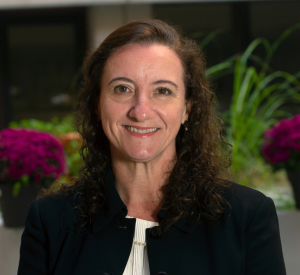
Sara Piva is a Professor and Vice Chair for Research in the Department of Physical Therapy at the University of Pittsburgh's School of Health and Rehabilitation Sciences (SHRS). She directs the Physical Therapy Clinical and Translational Research Center, leading multidisciplinary initiatives in musculoskeletal rehabilitation. Her academic roles include teaching, mentoring, and overseeing clinical research programs. Education: B.Sc. in Physical Education, B.Sc. in Physical Therapy, M.Sc. in Musculoskeletal Physical Therapy, and a Ph.D. in Rehabilitation Science from the University of Pittsburgh. Research focuses on musculoskeletal disorders, including mechanisms of pain-related functional limitations, exercise interventions, and clinical trial methodologies. Key areas include biomechanics of spinal and joint dysfunction, psychometric validation of clinical measures, and optimizing post-surgical rehabilitation protocols for knee replacements. Over 100 peer-reviewed publications and 20+ clinical trials funded by NIH, PCORI, and foundations highlight her contributions. Notable achievements include developing evidence-based guidelines for patellofemoral pain and advancing imaging techniques for evaluating paraspinal muscles. Awards: George J. Davies Excellence in Clinical Inquiry Award (APTA), Rose Award for Research Excellence, and Catherine Worthingham Fellowship. Grants and mentoring: Mentors graduate students in rehabilitation science. Active in interprofessional initiatives like the Back Pain Consortium (BACPAC) and translational research programs. Labs/Teams: Leads the Musculoskeletal Rehabilitation Research Group at the SHRS, collaborating with orthopaedic surgeons, biomechanical engineers, and data scientists.
Andrew James Thomas Stevenson is an Associate Professor in the Department of Health Science and Technology at Aalborg University, Faculty of Medicine. He is actively involved in research and teaching, with leadership roles in the Center for Neurotechnology and Rehabilitation (CNR) and as Head of the Laboratory for Locomotion and Movement Neuroscience. His interdisciplinary work bridges neuroscience, engineering, and medicine. Education: Ph.D. in Neurophysiology, Aalborg University (2011–2015) M.Sc. in Kinesiology, University of British Columbia (2009–2011) B.Sc. in Sport Science and Psychology, University of Auckland (2005–2008) University Pedagogy Training (2016–2017) Stevenson's research centers on movement neuroscience, neurophysiology, motor control and learning, electrophysiology, cortical stimulation, neuroplasticity, and neural rehabilitation. His work aims to understand and improve motor function in health and disease, particularly in stroke recovery. He integrates techniques such as brain-computer interfaces, neuromodulation, and robotic therapy to enhance rehabilitation outcomes. The analysis of his recent publications reveals a strong trend in neurorehabilitation, especially post-stroke recovery using brain-computer interfaces and brain-state-dependent stimulation. His work emphasizes personalized, technology-driven interventions that leverage neuroplasticity and sensorimotor integration. Keywords across his research include neuroscience, neuroengineering, motor control, and rehabilitation, with subfields such as stroke recovery, spinal plasticity, and interlimb coordination. Scientific Awards and Recognition: Nominated for Teacher of the Year (2024) Nominated for Teacher of the Year (2021) American Physiological Society Award for Distinction in Scholarship (2018) Nominated for Journal of Physiology Early Career Author Prize (2013) Stevenson is an experienced educator and mentor at undergraduate, graduate, and PhD levels in sport science, medicine, biomedical engineering, and neuroscience. He has secured multiple research grants and leads active projects on stroke rehabilitation and sensory-motor training. He serves on the steering committee of CNR and has external roles as an External Lecturer at Aarhus University and as a member of the Censor Corps for Engineering and Sport Science. He is also actively involved in public engagement, contributing to media discussions on brain health, neurodoping, and future military applications of neuroscience. Laboratories and Research Groups: Head of Laboratory for Locomotion and Movement Neuroscience (2019–present) Former Head of Laboratory for Motor Control and Plasticity (2019–2022) Member, Center for Neurotechnology and Rehabilitation (CNR) Member, Lundbeck Foundation Investigator Network (2024–present)
Dr. Emma Davies is a Senior Lecturer in Equestrian Performance and Programme Manager for the BSc (Hons) Equestrian Sports Science course at Hartpury University. She has been a key member of the Equine Department since 2013 and holds a PhD in progress at the University of the West of England (UWE), focusing on the psychological responses to injury in horseracing staff. She also serves as an External Examiner for equine programs at ARU Writtle and previously at Hadlow College, University of Greenwich. Her educational background includes a BSc (Hons) in Equine Sports Science, an MSc in Equine Science, and a PGCHE in Teaching & Learning in Higher Education, all from UWE. She is a Senior Fellow of the Higher Education Academy and a Professional Member of the British Association of Sport & Exercise Sciences (BASES). Emma's research centers on the psychology of injury in equestrian sports, rider performance, occupational health in horseracing, and sleep practices in elite riders. Her work bridges academic inquiry with practical application through partnerships with Racing Welfare and outreach at the Cheltenham Science Festival. She regularly supervises undergraduate and postgraduate dissertations in equestrian performance and psychology. The recent publications (2023–2025) reflect a strong focus on rider and staff wellbeing, injury perception, and psychological resilience. Themes include pain in recreational riders, sleep optimization for performance, and cultural barriers to seeking help after occupational injury in racing. These works demonstrate a consistent interdisciplinary approach combining sport psychology, equine science, and occupational health. HE Inspirational Lecturer Award (2018) Top Student - MSc Equine Science (2013) Emma actively supervises student research and accepts PhD candidates interested in the psychology of athletic or occupational injuries in equestrian and horseracing industries. She has collaborated on grants and knowledge exchange projects with Racing Welfare and has contributed to public understanding of science through media appearances and workshops. Her outreach includes organizing fitness workshops for Pony Club members and presenting at British Dressage training events. She leads research collaborations with industry partners and contributes to academic quality through external examination roles. Her work with the Cheltenham Science Festival includes co-presenting anatomy workshops and large animal dissection demonstrations, enhancing public engagement with equine science.
Sergio Davies is a researcher at Sheffield Hallam University, actively contributing to the fields of neuromorphic computing, spiking neural networks (SNNs), and cognitive robotics. His work focuses on the development and application of biologically inspired neural systems, particularly using the SpiNNaker neuromimetic platform, for real-time learning, robotic guidance, and human-robot interaction. His research interests include neuromorphic computing, spiking neural networks, cognitive and developmental robotics, event-based vision, neural engineering, and real-time learning systems. These areas are consistently reflected in his publications, which explore both theoretical and applied aspects of brain-inspired computation. The recent articles highlight a trend toward real-time, adaptive robotic systems using event-driven sensors and neuromorphic hardware. Key themes include gesture recognition with event cameras, dynamic attention mechanisms for object tracking, supervised learning in SNNs using STDP and homeostasis, and the development of communication protocols for neural hardware. His work bridges the gap between neural modeling and practical robotic applications, emphasizing efficiency, real-time performance, and biological plausibility. Sergio Davies has collaborated extensively with researchers such as Alessandro Di Nuovo, Steve Furber, and Alexander Rast, indicating strong integration within the international neuromorphic and cognitive robotics communities. He is actively publishing, with works in 2025, and maintains a consistent institutional email, confirming his current affiliation. No formal awards or grants are listed in the provided texts. Sergio Davies has contributed to projects involving the iCub humanoid robot and the SpiNNaker platform, working within interdisciplinary teams focused on cognitive neuromorphic systems. His work on data specification protocols and model translation systems suggests involvement in core software and infrastructure development for neuromorphic hardware.
Alexey Bersenev, MD, PhD, is an Assistant Professor in the Department of Laboratory Medicine at Yale School of Medicine. He specializes in cellular and cell-gene therapies, focusing on developing and translating advanced therapeutic strategies into clinical applications. His work bridges laboratory research with regulatory and manufacturing challenges in bringing investigational cell products to clinical trials. Education: MD, Izhevsk State Medical Academy (2000) PhD, Institute of Transplantology and Artificial Organs (2003) Dr. Bersenev's research centers on regenerative medicine, particularly mesenchymal stromal cells, CAR-T therapy, and bioprocessing methods for scalable and consistent manufacturing of cell-based therapeutics. He investigates how advanced cell processing and gene modification can enhance treatment efficacy while ensuring regulatory compliance and clinical safety. His work is critical in translating cutting-edge therapies from bench to bedside. His recent publications highlight trends in cell and gene therapy, including meta-analyses of clinical outcomes, CRISPR-based enhancement of CAR-T cells, and the development of infrastructure for delivering externally manufactured therapies. These works reflect a strong focus on translational innovation, manufacturing scalability, and clinical implementation. Scientific Awards: Dr. Bersenev collaborates extensively with clinical and research teams at Yale, including frequent co-authorship with experts such as Diane Krause, Emanuela Bruscia, Paul Clark, Ruth R. Montgomery, Sidi Chen, and Wade Schulz. While no formal advising of students is mentioned, his research contributes to advancing the field through collaborative science and innovation in therapeutic delivery systems. He is actively involved in shaping best practices for cell therapy implementation in academic medical centers. Labs and Teams: He contributes to research initiatives within the Yale Center for Cellular and Molecular Imaging (YCCMI) and the Yale Stem Cell Center, and is affiliated with the Apheresis/Transfusion Service and Blood Bank within Laboratory Medicine.
Dr. Kristof Kipp is a Professor and Program Director of Exercise Science in the Department of Physical Therapy at Marquette University. He also serves as Co-Director of Graduate Studies for Sport and Data Analytics. His research focuses on sports science and biomechanics, particularly in musculoskeletal modeling, injury prevention, and athletic performance optimization. Dr. Kipp leads Marquette's Motion Analysis and Biomechanics Laboratory, applying advanced techniques to study movement patterns in athletes and clinical populations. Education: PhD in Nutrition and Exercise Sciences (Oregon State University), postdoc at University of Michigan Key Roles: Exercise Science Program Director, Co-Director of Graduate Studies Research interests include joint-level biomechanics, neuromuscular control, and the application of machine learning in sports analytics. He teaches courses like Introduction to Research in Biomechanics and Advanced Applied Biomechanics in Injury Prevention. Recent studies analyze weightlifting techniques, youth pitching biomechanics, and the effects of chronic ankle instability on movement. His work bridges clinical rehabilitation and elite athletic performance through innovative biomechanical modeling and data-driven approaches.
Dr. Courtney McDonald is an Adjunct Senior Research Fellow in the Department of Obstetrics & Gynaecology at Monash Health and Monash University, where she is affiliated with The Ritchie Centre's Neurodevelopment and Neuroprotection Research Group. She holds an NHMRC Cerebral Palsy Alliance Early Career Research Fellowship and leads multiple research projects focused on stem cell therapies for perinatal brain injury. PhD, Monash University, 2013 Her research centers on the therapeutic use of umbilical cord blood stem cells to prevent or treat neonatal brain injury, with a focus on their anti-inflammatory properties, cellular composition, and mechanisms of brain repair. She investigates how these cells can modulate neuroinflammation and promote neuroregeneration in preterm and high-risk infants. Recent publications highlight her work in clinical translation, including the CORD-SaFe phase I trial, neurodevelopmental assessments in cerebral palsy prediction, and innovative delivery methods like MRI-guided focused ultrasound. Her research spans stem cell biology, neonatology, neuroprotection, and regenerative medicine. Australian Postgraduate Award (2008) Cerebral Palsy Award for Best Research (2016) Conference Travel Grants (2011, 2013, 2014) Dr. McDonald has secured competitive grants from the National Heart Foundation of Australia and the Cerebral Palsy Alliance. She serves as Primary Chief Investigator on multiple projects, including studies on endothelial progenitor cells and targeted stem cell therapy. She collaborates extensively with experts in neonatology, neurology, and regenerative medicine. She is part of a vibrant research network at The Ritchie Centre, contributing to interdisciplinary efforts in perinatal medicine and neurodevelopment. Her work aligns with UN Sustainable Development Goals related to health and well-being, particularly in reducing neonatal mortality and improving long-term outcomes for preterm infants.
Dr. Antonella Muscella is an Associate Professor in the Department of Biological and Environmental Sciences and Technologies (DISTEBA) at the University of Salento, Italy. Her academic career spans multiple disciplines including Physical Education, Human Physiology, and Educational Neuroscience, with a focus on motor activity adaptation and psychosomatic responses to exercise. Current affiliation: Department of Biological and Environmental Sciences and Technologies, University of Salento Academic rank: Associate Professor (M-EDF/01 - Methods and Teaching of Motor Activities) Contact: antonella.muscella@unisalento.it Her research explores the intersection of physical education , emotional intelligence , and physiological adaptation , particularly in vulnerable populations like overweight children and athletes. Recent publications examine: Psychological factors in sports performance Adapted physical education programs Oxidative stress in combat sports Motor-cognitive skill development Pandemic-related performance changes Memory and motor coordination in children She contributes to Frontiers in Psychology , Children (Basel) , and International Journal of Environmental Research and Public Health as a researcher and editor. Her work combines pedagogical innovation with physiological analysis across multiple domains.
Dr. Konstantin Weise is a Scientific Researcher at the Max Planck Institute for Human Cognitive and Brain Sciences , leading the Methods and Development Group Brain Networks . His work focuses on uncertainty and sensitivity analysis of computational models , developing the pygpc Python package , and advancing numerical models for non-invasive brain stimulation techniques like Transcranial Magnetic Stimulation (TMS) . He specializes in improving localization precision, optimizing stimulation parameters, and addressing microscopic tissue effects in brain stimulation simulations. Research interests include: Modeling TMS-induced electric fields and their cortical effects High-resolution EEG/MEG forward modeling Uncertainty quantification in biomedical simulations Neurostimulation applications for neuropsychological disorders His contributions bridge computational methods with clinical neurotechnology, emphasizing electrical field-based dosing and adaptive stimulation optimization . Recent work addresses microscopic field distortions' impact on neuronal activation thresholds and develops novel protocols for precise motor cortex mapping. Labs/Teams: Core member of the Brain Networks Group , collaborating on interdisciplinary projects integrating engineering, neuroscience, and clinical applications.
Doug Noll is the Ann and Robert H Lurie Professor of Biomedical Engineering at the University of Michigan, with affiliations in the College of Engineering and Medical School. He serves as Director of the Functional Magnetic Resonance Imaging Facility and holds Professorships in Radiology and Biomedical Engineering. His work integrates advanced MRI techniques for clinical and pre-clinical applications, focusing on image reconstruction, histotripsy, and functional MRI. Education: PhD (1991), MS (1986) from Stanford University; BS (1985) from Bucknell University. Research Interests: Development of MRI technologies including histotripsy-guided therapies, dynamic brain imaging, and novel reconstruction algorithms. His work addresses challenges in high-resolution imaging, real-time thermometry, and multi-modal applications in neurology and oncology. Recent publications highlight innovations in MRI-guided focused ultrasound systems, transcranial histotripsy targeting, and gastric motor function imaging. His contributions span the intersection of engineering and clinical medicine. Award-winning contributions to medical imaging are reflected in his leadership roles and collaborative research with institutions like the Center for Computational Medicine and Bioinformatics.
Plamen Ch. Ivanov is a Research Professor and Director of the Keck Laboratory for Network Physiology at Boston University's School of Science. He pioneered the interdisciplinary field of Network Physiology, focusing on dynamic interactions between organ systems to understand health and disease. His work integrates statistical physics, nonlinear dynamics, and network theory to analyze physiological signals and model emergent systems behavior. Education: M.S. in Condensed Matter Physics (Sofia University), Ph.D. in Cellular Biophysics (Boston University). Research interests center on systems physiology, cardiac-respiratory dynamics, sleep regulation, and network-based approaches to aging and exercise physiology. His lab developed novel methods for analyzing time-varying organ system interactions, contributing to the Human Physiolome initiative. Key contributions include discovering basic laws of physiological regulation, identifying critical dynamics in brain rhythms across sleep states, and revealing age-related breakdown in cardio-muscular networks. Articles focus on network physiology applications in sleep medicine, exercise science, and neurodegenerative disorders. Major Awards: $1M W.M. Keck Foundation Award (2015) Editorial Roles: Field Chief Editor of Frontiers in Network Physiology Founding Director: International Summer Institute on Network Physiology (ISINP) NIH/ONR/BSF-funded research Labs/Teams: Leads the Keck Lab, collaborates internationally on PhysioNet data sharing platform. Active in machine learning approaches for physiological signal analysis and network modeling.
Janice Tona, PhD, OTR, is a Clinical Associate Professor in the Department of Rehabilitation Science at the University at Buffalo. She serves as Program Director for the Occupational Therapy Program and specializes in neuropsychiatric disorders, particularly PANS and Long-COVID. Her work focuses on functional implications of these conditions and improving care for individuals with developmental disabilities through sensory/motor interventions and interprofessional collaboration. Education: PhD in Educational Psychology (UB 2003), MS in Occupational Therapy (University of Pittsburgh 1989), BS in OT (Utica College 1984) Affiliations: NY State OTA Academic Affairs Alliance co-chair, AOTA mentorship programs Research emphasizes pediatric neuropsychiatric conditions, including sensory processing challenges in PANS patients and optimizing primary care experiences for developmental disability populations. She has pioneered work on PANS/PANDAS in school settings and developed occupational therapy programs at University Pediatric Dentistry to improve dental care access for individuals with disabilities. Her scholarship spans over four decades, with notable contributions to clinical reasoning development in OT practitioners and interprofessional competency measurement tools. Recent studies focus on virtual educational supports and caregiver burden in PANS families. Awards: FAOTA Fellow, AOTA Credentialed Leader in Academia Certifications: SIPT administration, Bobath pediatric course completion Teaching responsibilities include pediatrics, neuroscience, and evidence-based practice. She has mentored numerous educators through AOTA programs and contributed to core public health curriculum integration in allied health education.
Jan Lellmann is a Professor at the Institute of Mathematics and Image Computing of the University of Lübeck, with affiliations to Fraunhofer MEVIS . His research focuses on variational image processing , emphasizing the systematic formulation of prior knowledge into energy functions for improved accuracy and data efficiency. Applications span medical imaging , earth sciences , and biological data analysis . He develops non-smooth optimization methods for problems with combinatorial aspects like image segmentation . His recent work includes manifold-constrained optimization and quantum algorithms for imaging tasks. He has contributed software libraries like MFOPT (for manifold optimization) and COAL (for convex energy minimization). Scientific Awards: Best Student Paper Award at SSVM 2021 Honorable Mention at CVPR 2016 Recent Research Trends: Integration of quantum computing with classical image registration. Advancements in Riemannian geometry for protein dynamics and cryo-EM. Development of meta-learning frameworks for adaptive image alignment. Focus on non-smooth and higher-order regularization for sparse data reconstruction.
Dr. Sabine Buuck is a Lecturer at the Faculty of Human Sciences and Education , Department of Sports Didactics, University of Bamberg, Germany. Her work focuses on integrating health-oriented fitness and motor-cognitive coordination into educational frameworks. Basic Qualification in Sports Health-Oriented Fitness Instruction Exam Preparation for Health-Oriented Fitness Research interests include workplace health optimization through physical activity, movement analysis, and sports pedagogy. Current projects examine cognitive performance enhancement via motor-cognitive exercises in occupational settings. Her recent publication demonstrates interdisciplinary connections between Sports Science and Cognitive Psychology through workplace intervention studies. Trends show emphasis on applied exercise physiology and functional movement analysis.