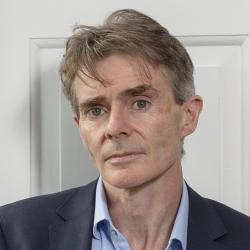
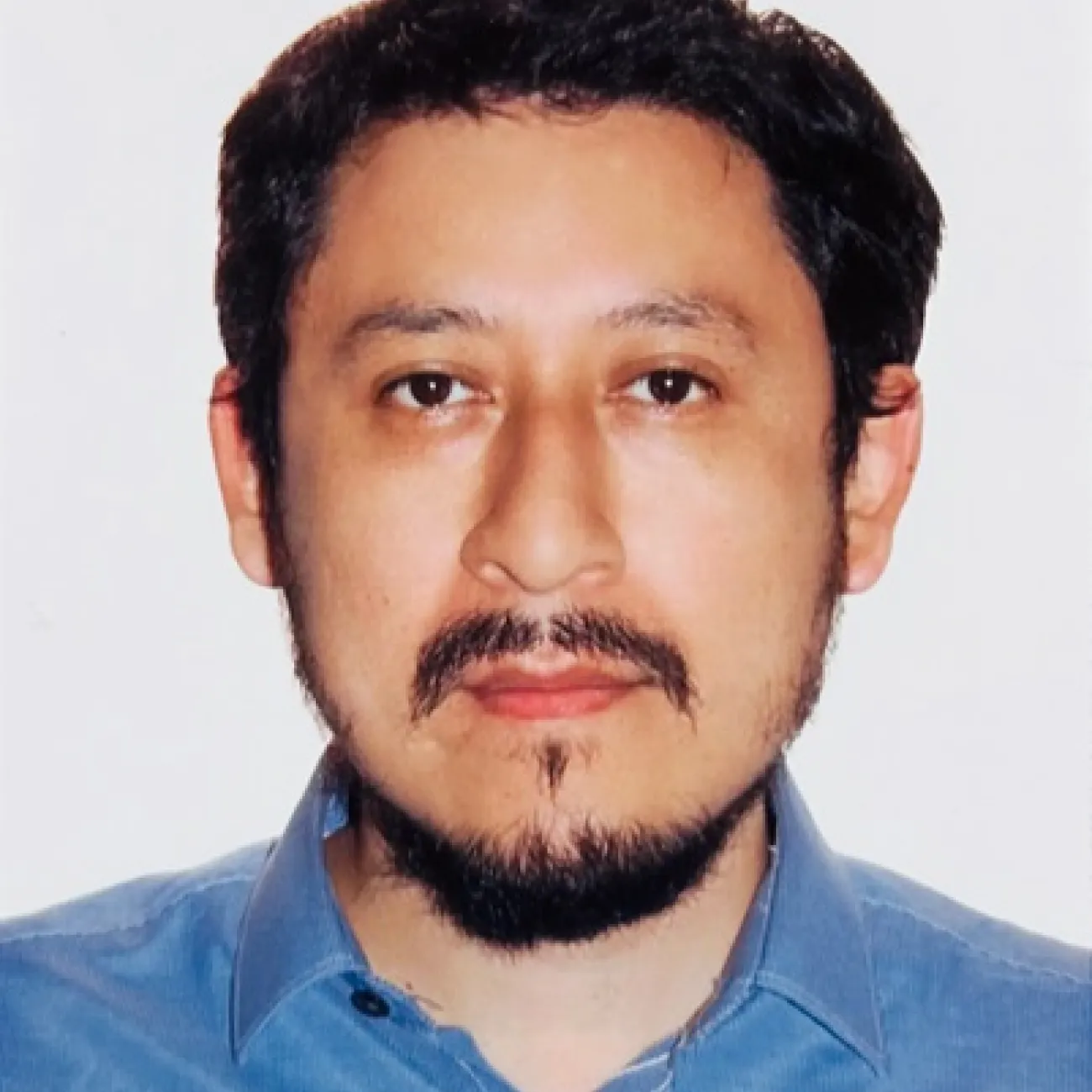
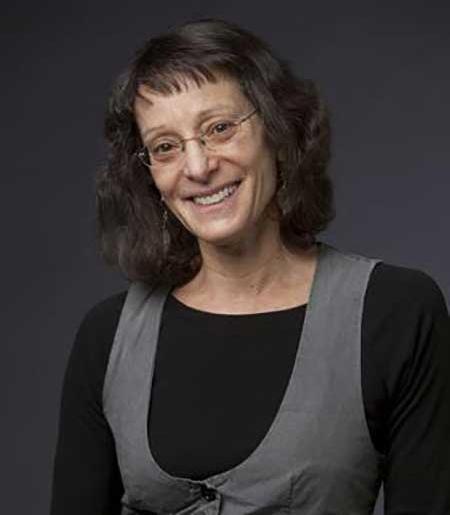
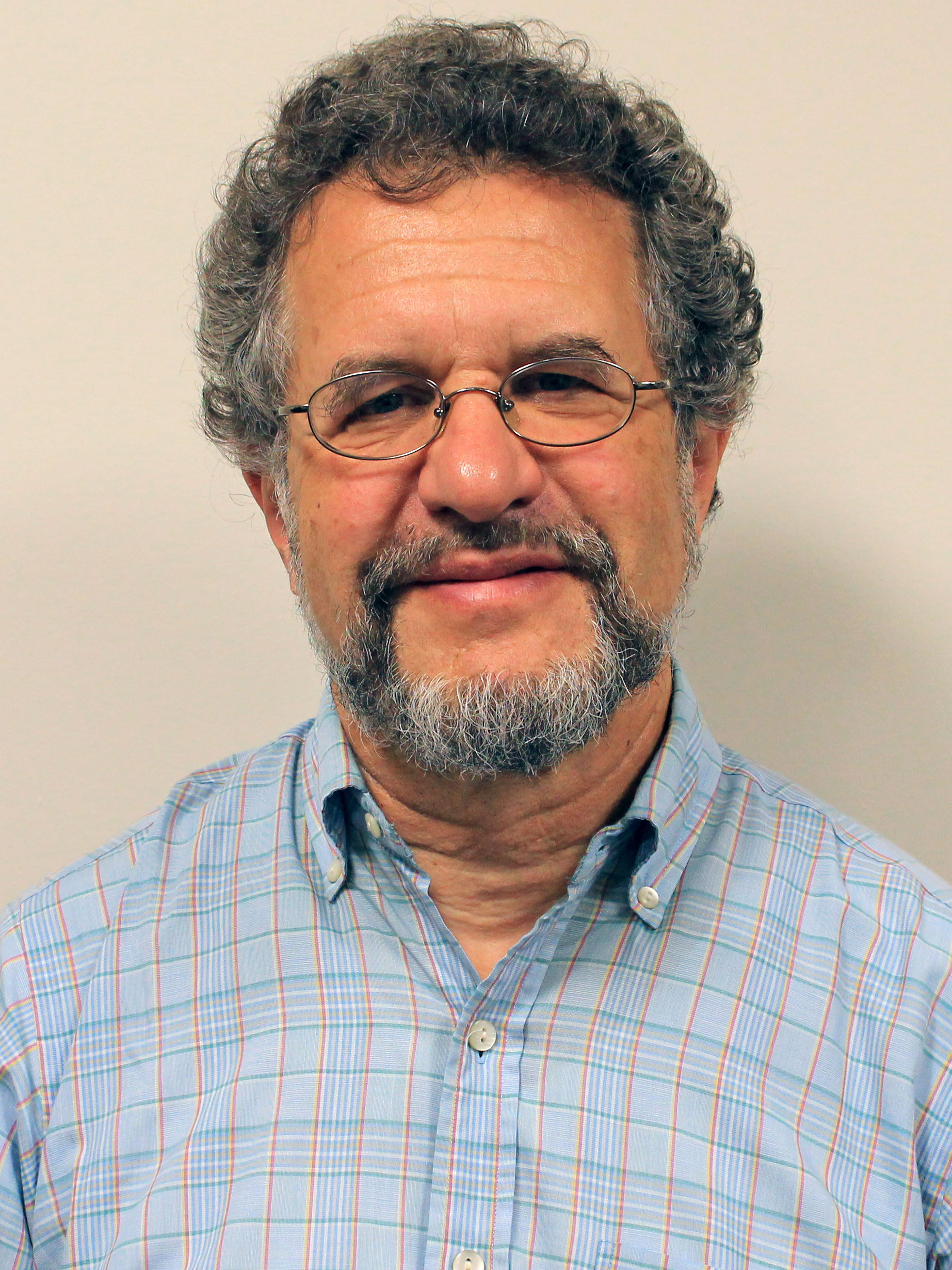
Professor Paul Fletcher is a Principal Investigator at the Institute of Metabolic Science, University of Cambridge, and holds the Bernard Wolfe Health Neuroscience Fund. He is affiliated with the Department of Psychiatry and collaborates with Professors Steve O’Rahilly, Sadaf Farooqi, Fiona Gribble, and Frank Reimann. His research bridges neuroscience and psychiatry to explore higher-level perceptual and learning processes shaping decision-making and behavior, particularly in relation to obesity and mental disorders. Academic Rank: Professor University: University of Cambridge School: Institute of Metabolic Science Department: Psychiatry Fletcher employs functional neuroimaging, behavioral studies, and pharmacological perturbations (e.g., dopamine agonists/antagonists) to investigate reward-related brain processes and their role in food choice, obesity, and psychiatric conditions like psychosis. His work emphasizes the integration of the brain with metabolic/endocrine signals and external environments. Key trends in his publications include predictive coding , delusions , neuroimaging , and virtual reality applications in mental health. Recent studies focus on anxiety , foraging behavior , schizophrenia , and health interventions . Scientific Awards Bernard Wolfe Health Neuroscience Fund Wellcome Trust Senior Clinical Fellow Fletcher’s research is funded by Wellcome and the Bernard Wolfe Fund, with collaborations spanning psychiatry, psychology, and clinical neuroscience. His work addresses mental health , obesity , and neurocognitive mechanisms of decision-making, supported by recent publications in top-tier journals.
Dr. Ernesto Elias Vidal Rosas is a Lecturer at the School of Electronics and Computer Science, University of Southampton. Previously, he was a Postdoctoral Researcher at UCL Medical Physics and Biomedical Engineering Department. He specializes in neuroimaging and optical technologies with extensive expertise in near-infrared spectroscopy (NIRS), diffuse optical tomography (DOT), and wearable brain imaging systems. He is currently accepting PhD students. Research Focus: Dr. Vidal-Rosas leads research in neuroimaging methodologies and brain-computer interfaces. His work emphasizes wearable technologies for clinical and home-based monitoring, with applications spanning from neonatal care to motor rehabilitation. Key research domains include: Development of high-density diffuse optical tomography (HD-DOT) systems Integration of EEG and fNIRS for brain-computer interfaces Real-time processing algorithms for neurofeedback applications Non-invasive monitoring of therapeutic responses in oncology He is currently involved in the Horizon Europe PUREMIND project focused on preventing mental illness through multimodal biomarker analysis. Academic Activities: Actively advises PhD candidates in Computer Science and teaches undergraduate courses including Healthcare Technology Design (ELEC2231) and Digital Control System Design (ELEC3206). His pedagogical research includes developing virtual tools for engineering education. Affiliations: Member of the Digital Health and Biomedical Engineering research group and the Institute for Life Sciences at Southampton.
Christian Grefkes-Hermann serves as Professor of Neurology at Goethe University Frankfurt's Faculty of Medicine, based at University Hospital Frankfurt's Center of Neurology and Neurosurgery. His research targets stroke-induced brain network disruptions and develops novel rehabilitation strategies using non-invasive brain stimulation to restore motor function. His work focuses on neural plasticity, brain connectivity, and stroke rehabilitation through multimodal approaches including structural/functional MRI, EEG, transcranial magnetic stimulation (TMS), and machine learning. He investigates how interhemispheric network reorganization enables functional recovery and develops biomarkers for personalized rehabilitation protocols. Analysis of his publication history reveals an evolution from foundational studies on crossmodal processing (2002) to clinical applications in stroke recovery, with recent work emphasizing individualized biomarkers and frontoparietal connectivity as predictors of motor recovery. This trajectory demonstrates a consistent translation of basic neuroscience into clinical neurorehabilitation. Professor Grefkes-Hermann leads a research team within the Center of Neurology and Neurosurgery dedicated to bridging neural network science with practical rehabilitation solutions for stroke survivors, addressing Germany's challenge of 200,000 annual stroke cases where over 50% experience permanent disability.
Karim Oweiss is a Pre-eminent Professor at the University of Florida, with joint appointments in the Department of Biomedical Engineering (Herbert Wertheim College of Engineering), Electrical and Computer Engineering, and Neuroscience (McKnight Brain Institute). He holds a Ph.D. in Electrical Engineering and Computer Science from the University of Michigan (2002). His research focuses on neural mechanisms of sensorimotor integration and the development of clinically viable brain-machine interfaces (BMIs) to restore damaged neurological function. His work spans computational neuroscience, neural decoding, optogenetics, and advanced neurotechnology, with a strong emphasis on closed-loop systems and neural plasticity. 2025 : Chemogenetic stimulation of phrenic motor output and diaphragm activity 2024 : Chemogenetic phrenic motoneuron activation enables increased tidal volume 2023 : Compressive sensing of functional connectivity maps from patterned optogenetic stimulation Oweiss has received the NSF Excellence in Neural Engineering Award (2001) and is a Senior Member of the IEEE. He has published extensively on topics including neural decoding, compressive sensing, and multiscale neural interfacing. As editor of Statistical Signal Processing for Neuroscience and Neurotechnology (2010), he has contributed significantly to the field's methodological foundations. His lab develops tools like NeuroQuest for large-scale neural data analysis and implantable neuroprocessors for wireless BMI applications.
Giovanni Mento is an Associate Professor at the Department of General Psychology, University of Padova. His research focuses on cognitive neuroscience, developmental psychology, and clinical neurology, with a particular emphasis on neural mechanisms underlying cognitive control, emotional processing, and neurodevelopmental disorders. He employs advanced neuroimaging techniques like high-density EEG to investigate topics such as temporal prediction, decision-making in children, and the impact of preterm birth on brain development. His work integrates interdisciplinary approaches, combining machine learning with electrophysiological data analysis to address challenges in epilepsy forecasting and predictive brain activity. Key research areas include implicit learning, motivational contexts influencing cognition, and the application of EEG to study socio-emotional and behavioral disorders in clinical populations. Recent studies explore the effects of yoga-mindfulness interventions on cognitive control in children, dynamic brain states in preschoolers, and methodological rigor in EEG-based machine learning models. His contributions span both theoretical frameworks (e.g., re-examining top-down control models) and applied clinical research (e.g., neonatal intensive care practices). Mento’s articles highlight trends in understanding developmental trajectories, predictive neural mechanisms, and translational applications of neuroscientific findings to real-world contexts like education and healthcare.
Barbara Strupp is a Professor in the Department of Psychology at Cornell University, with joint affiliations to the College of Arts and Sciences and College of Human Ecology. Her research examines neurodevelopmental trajectories using rodent models and human clinical studies, focusing on nutritional interventions and environmental neurotoxins. She maintains active collaborations with Rush University Medical Center, NYU, UC Santa Cruz, and University of Illinois researchers. Her primary investigations evaluate how maternal choline supplementation during pregnancy influences cognitive development in Down syndrome models and neurotypical populations, revealing lasting improvements in attention, spatial memory, and emotional regulation. Parallel research analyzes developmental manganese exposure's neurotoxic effects on attention and motor function, demonstrating therapeutic efficacy of methylphenidate through catecholaminergic receptor modulation. Studies integrate behavioral phenotyping with neural mechanism analyses across lifespan development. Recent publication trends (2019-2025) highlight longitudinal human trials confirming choline's cognitive benefits in school-aged children, mechanistic rodent studies elucidating choline's neuroprotective pathways in Down syndrome models, and neuropharmacological interventions counteracting manganese-induced deficits. Research consistently bridges nutritional science, neurotoxicology, and developmental disorder therapeutics.
Dana Brooks is a Research Professor in the Department of Electrical and Computer Engineering at Northeastern University, with affiliations in Bioengineering. He holds a PhD from Northeastern University (1991) and has received the Søren Buus Outstanding Research Award (2006). His primary research focuses on biomedical signal and image processing, medical imaging techniques (including MRI and electrocardiography), and neuromodulation technologies such as transcranial magnetic stimulation (TMS). He is also involved in protein conformation estimation using X-ray scattering and optimization algorithms for medical applications. Dr. Brooks leads the Biomedical Signals Processing Lab and collaborates with the Center for Integrative Biomedical Computing . His work bridges engineering and medicine, with recent grants including a $400K NSF MRI grant for advanced TMS systems and a $600K NSF grant for motor cortical organization studies. He has advised students like Setareh Ariafar (PhD’20) and contributed to innovations in image mosaicking for confocal microscopy and machine learning applications in dermatology. His publications span computational neuroscience, cardiac imaging, and uncertainty quantification in biomedical simulations. Notable achievements include developing algorithms for ECG imaging, optimizing TMS protocols, and creating tools like UncertainSCI for simulation reliability assessment.
Mia Liljeström is a Staff Scientist at the Department of Neuroscience and Biomedical Engineering, Aalto University. She holds a Doctoral Degree in Engineering and Technology from Aalto University (2010) and a Master's Degree in Engineering and Technology from Helsinki University of Technology (2002). Doctoral Degree: Aalto University, 2010 Master's Degree: Helsinki University of Technology, 2002 Her research focuses on Magnetoencephalography (MEG) , Functional Connectivity , and Brain Networks . She explores Transcranial Magnetic Stimulation (TMS) , Functional MRI , and Neural Networks to map language-critical brain areas and study cortical dynamics. Recent work includes automated speech artefact removal from MEG data and test-retest reliability of brain connectivity metrics. Mia actively participates in conferences like MEG Nord and has presented invited talks on language processing and large-scale brain networks. Her publications emphasize MEG-informed TMS, cortical beta modulation, and brain stimulation precision. She contributes to the UN Sustainable Development Goal of Quality Education through neuroimaging research.
John O'Doherty is the Fletcher Jones Professor of Decision Neuroscience at the California Institute of Technology (Caltech). He holds a B.A. from Trinity College Dublin (1996) and a D.Phil. from the University of Oxford (2000). His academic trajectory includes roles as Assistant Professor (2004–2007), Associate Professor (2007–2009), and Professor (2009–present), culminating in his current endowed chair since 2021. From 2013–2017, he served as Director of the Caltech Brain Imaging Center. Research Focus: O'Doherty’s work investigates how the brain processes decisions under uncertainty, encodes reward values, and learns from experience. His group studies neural systems involved in decision-making, including arbitration between model-based and model-free learning strategies, the role of prefrontal and striatal circuits in value representation, and social learning mechanisms. They utilize computational modeling combined with neuroimaging (fMRI) and electrophysiological techniques. Key Contributions: His research bridges cognitive neuroscience and psychiatry, addressing topics like gambling disorder, autism spectrum traits, anorexia nervosa, and obsessive-compulsive behaviors. He has pioneered studies on the neural substrates of reward prediction errors, hierarchical decision-making, and the interplay between habitual and goal-directed actions. Affiliations: Caltech Brain Imaging Center (Former Director) Leading international collaborations in neuroeconomics and computational psychiatry Grants & Funding: Extensive support from NIH, NSF, and private foundations for projects on decision neuroscience and translational mental health research.
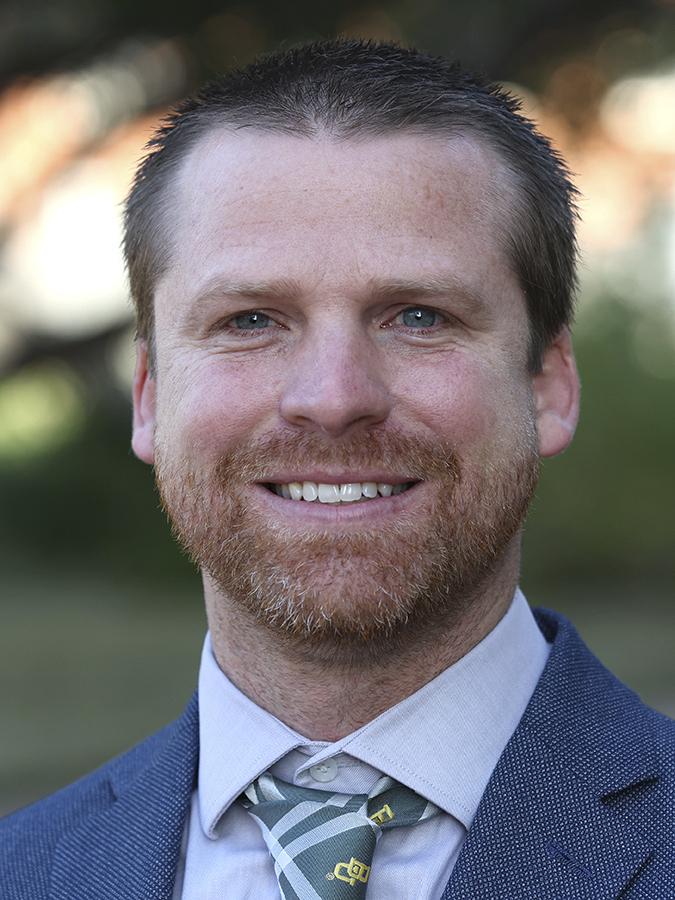
Dr. Cory Smith is an Assistant Professor in the Department of Health, Human Performance, and Recreation at Baylor University, where he directs the Human & Environmental Physiology Laboratory. His applied physiology research focuses on neurophysiological assessment methodologies, extreme environment adaptations, and sensor-based physiological monitoring systems. Current projects examine neuromuscular disease diagnostics, warfighter performance optimization, and cognitive-physiological responses in austere environments through translational research approaches. Primary research interests include: Aerospace/environmental physiology : Investigating human responses to hypoxia, cold, and gravitational stressors Neurophysiological monitoring : Developing fNIRS/EMG methodologies for clinical and tactical applications Sensor data fusion : Integrating multimodal physiological signals for performance assessment Muscle fatigue mechanisms : Studying neuromuscular adaptations during exertion under environmental constraints Analysis of recent publications (2022-2025) reveals dominant themes in neurophysiological monitoring techniques (particularly fNIRS applications), environmental stressor impacts on human performance, and rehabilitation physiology. Research consistently bridges clinical applications (neuromuscular diseases, cerebral palsy) with tactical performance optimization (marksmanship, combat fitness). Methodological innovations in EMG signal processing and hypoxia protocols form significant technical throughlines. Dr. Smith leads a research team collaborating with clinical practitioners to translate physiological insights into practical interventions for military personnel, occupational workers, and clinical populations.
Michael Wallace serves as an Assistant Professor at Boston University, leading research at the intersection of basal ganglia circuitry, motivated behavior, and synaptic transmission mechanisms. His work addresses fundamental questions about neural control of goal-directed actions and their disruption in neurological disorders. Education: Ph.D. in Neurobiology from the University of North Carolina at Chapel Hill Dr. Wallace's research program centers on genetically defined circuits within the basal ganglia, investigating how these structures guide motivated behaviors and motor control. His laboratory employs a sophisticated multidisciplinary toolkit including in vivo electrophysiology, optogenetics, molecular genetics, computational modeling, and behavioral assays. Key research themes encompass neurotransmitter cotransmission (particularly GABA/glutamate interactions), synaptic vesicle dynamics, and circuit-level pathophysiology in conditions ranging from Parkinson's disease to addiction. The lab's long-term mission targets therapeutic interventions through mechanistic understanding of neural circuit dysfunction. Analysis of his publication record reveals consistent focus on multitransmitter neurons and basal ganglia microcircuitry since 2011, with increasing emphasis on entopeduncular nucleus function and neurotransmitter co-packaging mechanisms. His work demonstrates methodological evolution from anatomical and transcriptional profiling toward real-time circuit interrogation using optogenetic and electrophysiological approaches. The Wallace Lab operates as a dynamic neuroscience research hub, integrating expertise across molecular, cellular, and systems levels. Current investigations leverage cutting-edge techniques to dissect how specific basal ganglia pathways process motivational signals and motor commands, with particular attention to disease-relevant perturbations. This systems neuroscience approach bridges fundamental circuit mechanisms with translational applications for neurological and psychiatric disorders.
Prof. Dr. Fred Wolf is a leading scientist affiliated with the Campus Institute for Dynamics of Biological Networks (CIDBN) at Georg-August-Universität Göttingen. His research focuses on the intersection of neuroscience, computational biology, and epithelial morphogenesis, utilizing advanced imaging techniques and theoretical models to study neural circuits and tissue dynamics.
Surjo R. Soekadar is the Einstein Professor of Clinical Neurotechnology at Charité – University Medicine Berlin. He leads the Clinical Neurotechnology Laboratory , which focuses on developing noninvasive neurotechnologies for treating neurological and psychiatric disorders through closed-loop brain stimulation and advanced brain-machine interfaces (BCI/BMI). His work integrates real-time EEG/MEG monitoring with electromagnetic stimulation to modulate pathological brain oscillations and enhance neuroplasticity in conditions like stroke, spinal cord injury, and psychiatric disorders. Education : Studied medicine in Mainz, Heidelberg, and Baltimore Clinical Training : Residency in Psychiatry and Psychotherapy at University of Tübingen Academic Journey : 2008-2011 Research Fellow at NINDS (USA); 2017 Venia Legendi at University of Tübingen; 2018 First Professor of Clinical Neurotechnology in Germany His research interests span: • Closed-loop neurostimulation combining real-time brain state monitoring with targeted intervention • Next-generation BCI using optically pumped magnetometers (OPM) for mobile MEG recordings • Neurorehabilitation through exoskeleton control and sensory feedback • Neurophysiological modeling of entropy measures and phase flows Recent publications highlight: • Adaptive deep brain stimulation protocols • Real-time phase-sensitive tACS applications • OPM-based BCI innovations • Stroke recovery mechanisms through corticospinal tract analysis Scientific recognition includes: International BCI Research Award BIOMAG Award NARSAD Young Investigator Award Funded by the European Research Council (ERC) , his lab trains doctoral students like David Haslacher (EEG/MEG integration), Khaled Nasr (multicoil TMS optimization), and Annalisa Colucci (entropy-driven BCI development). The team also explores quantum AI applications in clinical decision-making and bidirectional BCI systems using OPM and tES.
Alexey Evgenievich Osadchiy is a Professor at the National Research University Higher School of Economics (HSE University), where he serves as Director of the Center for Bioelectric Interfaces at the Institute of Cognitive Neuroscience. He has been working at HSE since 2013 with 21 years of scientific and teaching experience. His academic appointments include Professor at the Faculty of Computer Science in the Department of Data Analysis and Artificial Intelligence. 2023 - Doctor of Science: National Research University Higher School of Economics 2003 - PhD: University of Southern California, specialty "Physical and Mathematical Sciences" and "Neurobiology" 1997 - Specialty: Bauman Moscow State Technical University, major in Autonomous Information and Control Systems Professor Osadchiy's research focuses on digital signal processing, magnetoencephalography (MEG), electroencephalography, inverse problems, synchronization, non-invasive detection, and brain mapping. His work bridges neuroscience, computer science, and medical applications, with particular emphasis on brain-computer interfaces, neurofeedback systems, and precision medicine applications for neurological disorders. He has pioneered methods for real-time brain activity monitoring and developed novel approaches for functional connectivity estimation in neural networks. His recent publications demonstrate a strong trend toward developing hardware-enabled low-latency systems for brain-state dependent stimulation, improving MEG technology with optically pumped magnetometers, and advancing speech mapping techniques for neurosurgical applications. His work increasingly integrates AI and deep learning approaches with traditional neuroimaging techniques to create more precise and accessible brain measurement and modulation systems. Scientific Awards and Recognition HSE University "Recognition - 10 Years of Successful Work" Medal (July 2025) Letter of Gratitude from the Higher School of Economics (September 2021) Letter of Gratitude from the Faculty of Computer Science at HSE (August 2018) Allowance for defending a doctoral dissertation (2023–2026) Bonuses for publications in international peer-reviewed journals (2015–2029) Professor Osadchiy has successfully advised numerous graduate students and doctoral candidates, with eight dissertation research projects currently under his supervision. His research has been supported by significant grants including a Russian Ministry of Education and Science contract for "System for registration and decoding of human brain bioelectric activity" (2014-2017), RFBR grants for "New non-invasive experimental-mathematical paradigm for preoperative magnetoencephalographic mapping of speech cortex" (14-02-00917, 16-04-01863), and projects on "Endogenous enhancement of brain-computer interface efficiency." As Director of the Center for Bioelectric Interfaces at the Institute of Cognitive Neuroscience, Professor Osadchiy leads a multidisciplinary team working on cutting-edge neurotechnology. His center collaborates with the Federal Brain and Neural Technology Centre at the Federal Medical and Biological Agency, where they established the Laboratory of Medical Neural Interfaces and Artificial Intelligence for Clinical Applications. The center is actively involved in developing brain-computer interfaces for rehabilitation, particularly for stroke patients and those with locomotor function disorders, and has created Russia's first neurointerface for controlling exoskeletons using imagined lower limb movements.
Leila Wehbe is an Associate Professor in the Machine Learning Department and Neuroscience Institute at Carnegie Mellon University (CMU), with affiliations in Psychology and Computational Biology. She leads a research group focused on understanding high-level brain representations of language and vision using machine learning techniques. Her work combines neuroimaging (fMRI/MEG) with computational models to investigate how the brain processes meaning and visual stimuli. Education : PhD in Machine Learning from CMU, advised by Tom Mitchell BE in Electrical and Computer Engineering from the American University of Beirut Postdoc at UC Berkeley's Helen Wills Neuroscience Institute with Jack Gallant Research Interests : Her research bridges cognitive neuroscience and AI, focusing on: Decoding language and visual processing from brain activity Developing machine learning models aligned with brain representations Investigating semantic composition in language Exploring visual cortex selectivity for objects/food Improving neural decoding with advanced methods (e.g., transformers, generative models) Awards & Recognition : NSF CAREER Award (2022) NIH R21/R01 Awards Human Frontier Science Program Award Google Faculty Research Award Grants & Labs : Leads the Wehbe Lab, part of brAIn at CMU. Active in grant programs including NSF and NIH, focusing on language-brain alignment and visual cortex studies. Co-organized workshops at ICLR and CVPR on brain-inspired AI.