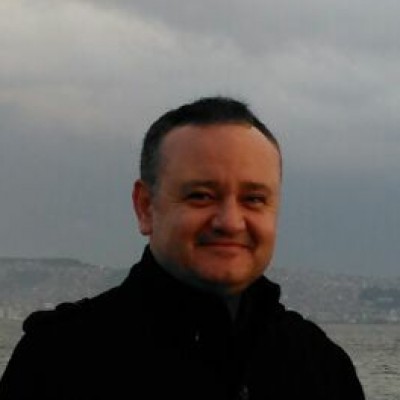
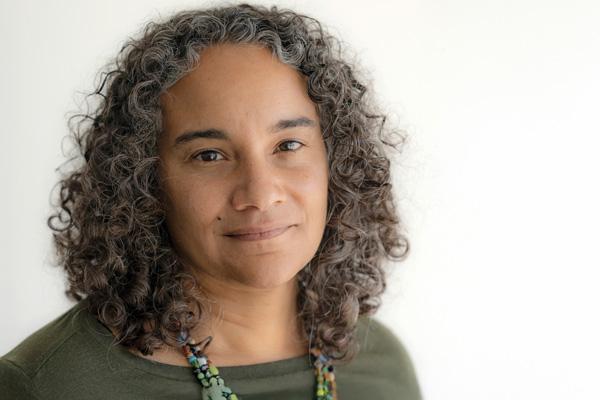
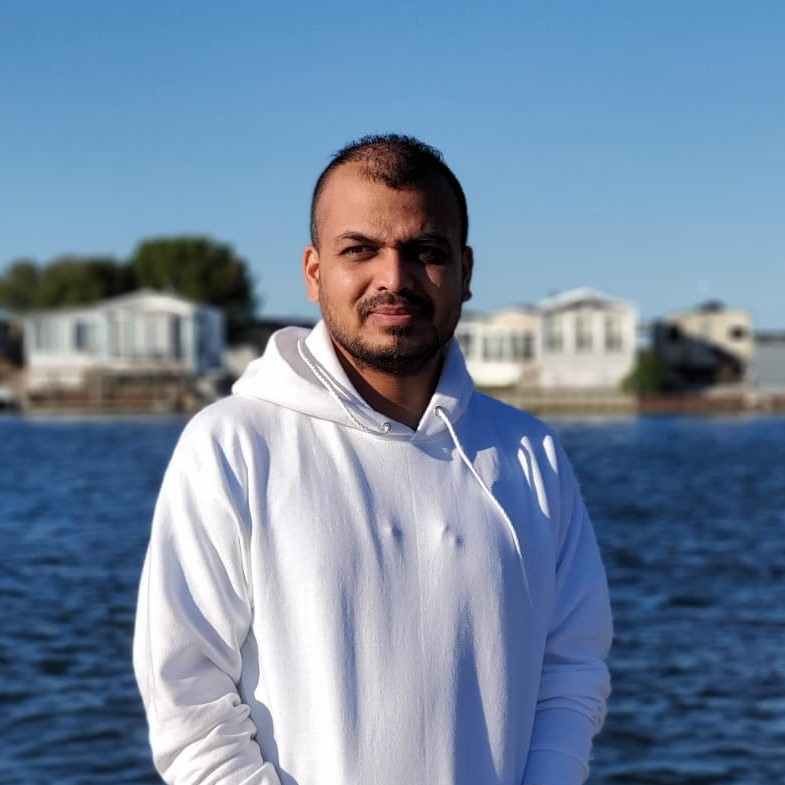
Assoc. Prof. Dr. Kadir Vardar is an Associate Professor at the Department of Electrical and Electronics Engineering, Faculty of Engineering, Dumlupınar University. He has held academic and administrative roles since 2012, including Vice President of Department (2015–2019). His research focuses on power electronics, embedded systems, renewable energy, and neural network applications in control systems. Education: BSc (2001) and MSc (2004) from Dumlupınar University; PhD (2011, English Program) from Dokuz Eylül University. Projects: Over 15 projects, including TÜBİTAK-funded initiatives on smart home automation, PV inverters, and embedded HIL simulators. Awards: 2011 Dokuz Eylül University Doctoral Publication Honor Award; 2001 Department First Place at Dumlupınar University. Research interests span power electronics (inverters, active filters), renewable energy systems (PV), and embedded systems (STM32, microcontrollers). He has published 29 articles and supervised multiple theses. Current courses include Power Electronics, Advanced Microcontrollers, and System Programming.
Susan Williams is a Professor of Anatomy and Associate Dean of Faculty at the Ohio University Heritage College of Osteopathic Medicine (OU-HCOM), where she leads the Williams Lab in the Department of Biomedical Sciences. She is also affiliated with the Ohio Center for Ecology and Evolutionary Studies (OCEES) and the Ohio Musculoskeletal and Neurological Institute, and serves as graduate faculty in the College of Arts and Sciences Biological Sciences Graduate Program. PhD, Duke University, 2004 Promoted to Professor, Ohio University, 2012 Active Principal Investigator with continuous funding from NSF and NIH Dr. Williams' research lies at the intersection of anatomy, functional morphology, physiology, and biomechanics, focusing on the motor control and sensorimotor integration underlying mammalian feeding and swallowing. Her lab investigates how complex behaviors like chewing, lapping, and swallowing are coordinated across more than 30 pairs of head and neck muscles, with particular interest in the development of mastication, the dynamics of soft tissues like the tongue, and the evolution of the hyoid apparatus. Her work employs cutting-edge methodologies such as XROMM, electromyography, and microCT imaging to study both evolutionary patterns and clinical implications, including oropharyngeal dysphagia in infants and lingual nerve injury. Her recent publications focus on the biomechanics of feeding, with a highlighted 2024 paper on tongue function in skunks, reflecting her lab's use of diverse animal models to uncover fundamental principles of oral motor control. The research consistently integrates comparative and clinical perspectives to address both evolutionary questions and rehabilitation strategies. Scientific recognition includes: Fellow, American Association for the Advancement of Science (2022) Presidential Research Scholar, Ohio University (2020) Outstanding Graduate Faculty Award (2020) Outstanding Honors Tutorial Thesis Mentor Award (2019, 2020) Dr. Williams is a dedicated mentor and active researcher, serving on the NIH Motor Function, Speech, and Rehabilitation Study Section. Her lab is supported by multiple grants from the National Science Foundation and the National Institutes of Health, including projects on hyoid biomechanics, development of mastication, and the effects of lingual nerve injuries. She has advised numerous students, including PhD candidates like Jacob George and Ani Smith, and has successfully mentored MS theses such as Hannah Baker's. The Williams Lab is a collaborative, interdisciplinary team utilizing XROMM technology and experimental physiology to study feeding across species and developmental stages. The lab collaborates with experts such as Dr. Callum Ross, Dr. Zhe-Xi Luo, Dr. Rachel Olson, and Dr. Donna Scarborough, and maintains strong ties with Miami University and other institutions.
Sena Duru is an Associate Professor in the Department of Textile Engineering at Istanbul Technical University (ITU). She leads research focusing on eco-friendly textiles, UV protective materials, and advanced fiber applications. Her work integrates sustainability principles with functional textile design, particularly in medical compression garments and sportswear innovation. Key research areas include optimizing hemp and cotton fiber properties for enhanced UV protection, developing smart knitted fabrics with auxetic structures, and improving thermal comfort in performance apparel. She has pioneered projects like UV-protective children's clothing and ergonomic racing driver undergarments. Dr. Duru has secured two BAP-funded projects (2023-2025) focusing on sustainable textiles and UV protection advancements. Her 2015 award recognized contributions to knitting process dynamics. Over 6 publications since 2021 demonstrate expertise in textile mechanics, medical textiles, and material science applications.
Anshu Bamney, Ph.D., is a Human Behavior/Factors Researcher at the Connecticut Transportation Safety Research Center (CTSRC) within the Connecticut Transportation Institute (CTI) at the University of Connecticut. He joined in 2022 after completing his Ph.D. at Michigan State University, focusing on traffic safety. His expertise spans highway safety, multimodal transportation, context-sensitive design, naturalistic driving analysis, and field data collection. Bamney has led projects for agencies like the Michigan Department of Transportation (MDOT), Federal Highway Administration (FHWA), National Cooperative Highway Research Program (NCHRP), and National Safety Council. His research interests include driver distraction, pandemic impacts on transportation, road safety for vulnerable road users (motorcyclists, pedestrians, bicyclists), and non-motorized transportation. He currently analyzes real-time data from Wejo to study harsh decelerations and crash relationships in Connecticut. He has co-authored articles in journals like Accident Analysis and Prevention and serves as a reviewer. His work addresses critical areas such as dynamic speed feedback signage efficacy, post-pandemic travel behavior, and infrastructure design for safety and accessibility.
Francesco Stella is a current researcher at École polytechnique fédérale de Lausanne (EPFL), affiliated with CREATE-LAB. His work focuses on soft robotics, physical intelligence, and bioinspired design methodologies. Primary Affiliation: CREATE-LAB, EPFL Research Focus: Soft robotics, motor synergies, passive dynamics Collaborators: Josie Hughes, Cosimo Della Santina Stella's research explores robotic systems that leverage physical properties for intelligent behaviors. Key contributions include the PAWS passive automaton, Helix soft manipulator, and iterative learning control algorithms. His work integrates computational design with material science to address challenges in durability and control precision. His recent publications highlight advancements in IMU-based pose reconstruction, stiffness modulation, and durability metrics for architectured materials. The articles span interdisciplinary topics combining robotics, control theory, and biomechanics. Stella's collaborations with leading researchers and participation in Horizon Europe projects demonstrate his integration into cutting-edge robotics research networks.
Thomas Auer is an Assistant Professor at the Department of Biology within the Faculty of Science and Medicine at the University of Fribourg. His research bridges genetics, neuroscience, and molecular biology to explore sensory processing and developmental mechanisms in ecological specialists. Email: thomas.auer@unifr.ch ORCID: 0000-0003-3442-0567 Dr. Auer's work focuses on olfactory system adaptation , vertebrate body asymmetry , and CRISPR/Cas9 applications . He has contributed to molecular diagnostics in resource-limited settings and investigated neural circuit evolution in Drosophila and zebrafish. Recent publications highlight his expertise in sensory gene regulation and neuroecological adaptation , with studies on odorant receptor dynamics, left-right organizer development, and mosquito olfactory encoding. His research often integrates evolutionary perspectives with technical innovation. Dr. Auer actively participates in global scientific initiatives like TReND in Africa , advocating for equitable biotechnology dissemination. His laboratory explores the genetic basis of sensory specialization and neural circuit evolution.
Andrew King is a Professor of Neurophysiology at the University of Oxford , affiliated with the Department of Physiology, Anatomy and Genetics and the Centre for Integrative Neuroscience . He leads the Oxford Auditory Neuroscience Group and contributes to graduate education as Director of the 4-year Doctoral Training Programme in Neuroscience and Course Director of the MSc in Neuroscience. BSc in Physiology, King’s College London PhD, National Institute for Medical Research, London His research focuses on auditory neuroscience, exploring how the brain adapts to dynamic soundscapes, integrates sensory and motor signals, and compensates for hearing impairments. Methodologies include behavioral studies, electrophysiology, imaging, and optogenetics. Recent work highlights nonlinear sound encoding, midbrain function, and predictive modeling in sensory systems. Andrew holds a Wellcome Principal Research Fellowship and has received grants from the Oxford NIHR Biomedical Research Centre , Wellcome Trust , and Action on Hearing Loss . He serves on editorial boards for eLife , the Journal of Physiology , and the Journal of Neuroscience , and chairs the Royal Society Research Grants Board: Biological Sciences. Wellcome Prize in Physiology (1990) Fellow, The Royal Society (2018) Fellow, Academy of Medical Sciences (2011) Sir Henry Savile Fellow, Merton College The Oxford Auditory Neuroscience Group, under his leadership, investigates cortical and subcortical mechanisms in auditory processing and plasticity.
Prof. Dr. Katja Fiehler holds the W3 Professorship for Experimental Psychology ("Perception & Action") at Giessen University since March 2020. She previously served as W2 Professor (2016-2020) and Heisenberg-Professor (2011-2016) at the same institution. Her research focuses on sensorimotor integration, tactile perception, and spatial cognition in naturalistic environments, particularly through virtual reality applications. Current roles: Speaker of Cluster Project "The Adaptive Mind" Leadership: Speaker of DFG IRTG-1901 "The Brain in Action" Member of directorate: DFG SFB/TRR-135 "Cardinal mechanisms of perception" Directorate member: Bender Institute for Neuroimaging (BION) Katja's research spans tactile suppression during action, spatial memory coding, and multimodal perception. Her team investigates how sensorimotor predictions modulate sensory processing, how aging affects motor-sensory integration, and the neural basis of allocentric/egocentric spatial representations. Recent publications show strong focus on virtual reality experiments, sensorimotor recalibration, and inter-effector coordination. Key themes include tactile perception modulation by movement demands, spatial cognition in naturalistic environments, and cross-modal metacognition. She leads the "Team Perception and Action" at Giessen University, which includes researchers like Dr. Belkis Ezgi Arikan, Dr. Tom Nissens, and Dr. Meaghan McManus. Her lab develops tools like vexptoolbox for VR-based human behavior studies.
Dr. Mohamed Djemai is a Full Professor at École Nationale Supérieure de l'Électronique et de ses Applications (ENSEA), Cergy, and INSA Hauts-de-France. He is affiliated with the Quartz Laboratory (EA 7393) and LAMIH UMR CNRS 8201 at University Polytechnic Hauts-de-France. His research focuses on nonlinear control systems theory, with emphasis on hybrid and variable structure systems, sliding mode approaches, fault detection, and applications to power systems, robotics, and vehicle dynamics. IEEE Senior Member Associate Editor for Nonlinear Analysis: Hybrid Systems Co-Facilitator of National Working Group GT-SDH (2014–present) Member of IFAC-TC-1.3 (Discrete Event and Hybrid Systems) since 2001 Member of IFAC-TC-2.1 (Control Design) since 2005 His recent publications address fractional-order control of multiagent systems, stability analysis on time scales, fault-tolerant satellite attitude control, and robust consensus algorithms for nonlinear systems. Key methodologies include sliding mode control, event-triggered control, and observer-based fault detection. Current teaching activities encompass diagnostics, linear systems, signal processing, and sensor conditioning. The trend in Dr. Djemai's research since 2022 involves advanced control strategies for cyber-physical systems, distributed fault detection mechanisms, and time scale theory applications to intermittent communication problems. Notable collaborations include work with Michael Defoort, Stefano Di Gennaro, and international institutions like Kyungpook National University and University of Reims. Scientific contributions include: IEEE Senior Member recognition Development of robust exact filtering differentiators Innovations in fixed-time consensus protocols Leadership in IFAC technical committees Editorial role in hybrid systems analysis His laboratory work at Quartz and LAMIH supports applications in aerospace systems, renewable energy conversion, and industrial risk management architectures.
Denis Rancourt, a Professor at Université de Sherbrooke, specializes in biomechanics, mechanical engineering, and adaptive sports equipment design. His research spans musculoskeletal modeling, EMG-torque relationships, and innovative solutions for cancer therapy, vehicle safety, and Paralympic sports. Education: PhD (MIT, 1995), MSc (École Polytechnique de Montréal, 1989), BSc (Université Laval, 1986) Rancourt's work focuses on dynamic modeling of biological systems, vibration analysis, and biomedical device development. Recent projects include EMG-driven joint impedance estimation, tumor self-heating technologies, and wheelchair propulsion optimization. His publications highlight nonlinear tissue mechanics, Gaussian beam alignment algorithms, and ergonomic design innovations. Key grants include ATLAS structural lightweighting initiatives (2017-2021), cancer eradication research (2018-2020), and customized mattress technology (2016-2019), funded by NSERC and FRQNT. Collaborations span institutions like École Polytechnique de Montréal and industry partners including Bombardier Recreational Products. Scientific Awards Research Scholarship Award (1988) Dr. John Chapman Award General Motors Scholarship Award I.W. Smith Award for creative engineering Krashinsky Award Rancourt has mentored over 20 graduate students, including Stephane Martel and Francois Martel, across biomechanics, robotics, and materials science projects. His patents include EMG-based tumor heating devices and wheel chock systems.
Patrizia Proia is an Associate Professor at the University of Palermo, Department of Psychological, Pedagogical, Physical Exercise and Training Sciences. Her research focuses on exercise physiology, sports genetics, and neurobiological mechanisms linked to physical activity. She teaches courses in biochemistry, physiology of nutrition, and sports training adaptation. Current research on microbiome-exercise interactions Developing protocols for MS and Parkinson's rehabilitation Investigating genetic polymorphisms in elite athletes Exploring nutrigenomics and functional foods Recent publications analyze: Muscle regeneration through probiotic supplementation Impact of nanotechnological devices on pain management Epigenetic regulation of executive functions Bone health in gymnasts and cancer patients Role of gut microbiome in exercise response
Prof. Dr. Raif Bayır is a Turkish academic at Karabük University's College of Engineering, Department of Mechatronics Engineering. With a career spanning 2000-2024, he has held continuous full-time faculty positions from Assistant Professor to Professor. His research focuses on Robotics, Hybrid/Electric Vehicles, and Artificial Intelligence. Doctorate: Gazi University (2005) - Electronics & Computer Education Postgraduate: Gazi University (1998) - Electronics & Computer Education Undergraduate: Gazi University (1995) - Electronics & Computer Education His work integrates Artificial Intelligence techniques into Electric Vehicle systems, Robotics, and Agricultural Engineering applications. Recent publications emphasize Deep Learning for Mask Detection, Real-Time Battery Monitoring, and Autonomous Navigation Systems. Scientific awards include: 2017 METU Line-Following Robot 1st Prize 2016 TÜBİTAK Domestic Product Award 2015 TÜBİTAK Electromobil Best Design Prize He has advised over 20 graduate theses on topics spanning Electric Vehicle Components, Beehive Monitoring Systems, and Intelligent Control Applications. His research teams have developed multiple TÜBİTAK-supported projects including Automotive Test Stands and Battery Management Systems.
Mario Marchesoni is a Professor at the Department of Naval, Electrical, Electronics and Telecommunications Engineering (DITEN) , affiliated with the University of Genoa . His academic responsibilities include coordinating the PhD program and teaching advanced courses in electrical engineering with a focus on energy transition and industrial technologies. Ranks: Full Professor Departments: DITEN Research Interests center on power electronics, control systems, and energy conversion , addressing challenges in hybrid vehicles, induction motor drives, and energy storage systems. His work emphasizes improving efficiency and reliability in electrical systems through innovative control strategies and converter topologies. Recent Publications (2024) highlight advancements in DC-DC converters for hybrid vehicles , thermal management of high-power diodes , and sensorless control of induction motors . Key themes include dynamic performance optimization, sub-harmonic reduction, and hybrid energy storage solutions. Contact: Email mario.marchesoni@unige.it or phone +39 010 33 52183. Office hours by appointment at DITEN, via all'Opera Pia 11a, first floor, Genova.
Venkatesh Murthy serves as the Raymond Leo Erikson Life Sciences Professor of Molecular & Cellular Biology at Harvard University and co-directs the Harvard Brain Science Initiative. His laboratory is housed within the Faculty of Arts and Sciences at Harvard's Biological Laboratories in Cambridge, Massachusetts. His research investigates the neural and algorithmic basis of odor-guided behaviors in terrestrial animals, primarily using mouse models. The Murthy Lab develops naturalistic behavioral paradigms that enable simultaneous electrophysiological recordings, high-resolution optical imaging, and optogenetic manipulation. Key research areas include neural circuit dynamics in the olfactory system, modification of circuits through behavioral state and learning, and development of computational models to explain neural observations. The lab maintains strong interdisciplinary collaborations with theoretical neuroscientists. Recent publications (2023-2025) reveal consistent focus on olfactory navigation mechanisms, neural signal processing algorithms, circuit-level analysis of social behaviors, and biomimetic applications for electronic sensing systems. Work spans experimental techniques including multi-animal pose estimation (using DeepLabCut), neural deconvolution methods, and analysis of fluctuating odor environments. The Murthy Lab operates within Harvard's Department of Molecular & Cellular Biology as part of the broader Harvard Brain Science Initiative ecosystem, contributing to research in Cognitive and Behavioral Neuroscience, Theory and Computation, and Sensory and Motor Systems.
Professor Bruce Abernethy is Executive Director of UQ's Engagement with the 2032 Olympic and Paralympic Games, following his tenure as Executive Dean of the Faculty of Health and Behavioural Sciences (2014-2023) at the University of Queensland. His academic leadership includes previous roles as Deputy Executive Dean, Associate Dean (Research), and Head of the School of Human Movement Studies (1991-2003). He also served as inaugural Chair Professor at the University of Hong Kong's Institute of Human Performance (2004-2011). His educational background includes First Class Honours and University Medallist status from the University of Queensland, complemented by a PhD from the University of Otago. Professional recognition includes Fellowships from the American Academy of Kinesiology and Physical Education, Australian Sports Medicine Federation, and Exercise and Sport Science Australia. Abernethy's research centers on the interdisciplinary study of skilled movement control and acquisition, bridging human movement science, experimental psychology, neuroscience, and medical sciences. His work investigates expert perception and production of human movement patterns, with particular focus on deception detection in sports, visual-motor expertise, and fundamental movement skills development. This spans applications from elite athletic performance to pediatric movement disorders. Analysis of his recent publications reveals sustained focus on perceptual-cognitive aspects of sport expertise, with recurring themes in deception detection (particularly in football/cricket), gaze behavior analysis, and perceptual training methodologies. His work increasingly integrates interdisciplinary approaches across motor control, cognitive psychology, and sports biomechanics, with strong emphasis on practical applications for athletic training and movement rehabilitation. International Fellow, American Academy of Kinesiology and Physical Education Fellow, Australian Sports Medicine Federation Fellow, Exercise and Sport Science Australia University Medallist, University of Queensland Professor Abernethy has supervised eight PhD candidates to completion between 2003-2022, with research spanning cricket batting expertise, perceptual training, and movement disorders. His funding portfolio demonstrates exceptional grant acquisition success, including sustained support from the Motor Accident Insurance Commission (1997-2019), Australian Research Council (multiple projects 1995-2011), Australian Football League, Australian Sports Commission, and Hong Kong Research Grants Council. Current engagement with the 2032 Games represents strategic alignment of his expertise with major international sporting events. His research is conducted through the Centre for Extracellular Vesicle Nanomedicine within UQ's Faculty of Health and Behavioural Sciences, collaborating with interdisciplinary teams across sports science, psychology, and medical research domains. This network supports his translational research from basic motor control principles to applied sporting and clinical contexts.