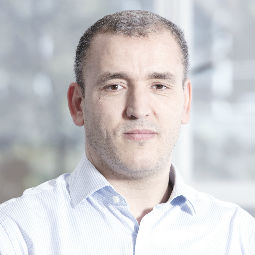
Dr. Claudia Wegener is a Researcher at the Department of Linguistics, University of Cologne, specializing in General Linguistics. Her work focuses on language documentation, speech-gesture interaction, and Papuan/Austronesian languages like Savosavo and Gela. She holds a PhD from Radboud University Nijmegen (2008) and has conducted extensive fieldwork in the Solomon Islands and Malaysia. Previous Positions: Research Assistant, University of Cologne (2017–present) Postdoctoral Researcher at MPI for Psycholinguistics, Radboud University (2002–2011) DoBeS Project Leader for Savosavo documentation Research Interests Her research spans: Socio-linguistic aspects of gesture systems Morphosyntactic typology of Papuan languages Lexical semantics and kinship terminology Documentation methodologies for endangered languages Publications Her work includes a landmark grammar of Savosavo (2012), co-edited volumes on language documentation (2011), and influential articles on gesture studies (2022) and motion event encoding (2022). Projects Leading the Savosavo-Gela Documentation Project (DoBeS-funded) Contributions to MPI's Endangered Languages Documentation Archive Collaborations with Australian National University and University of Manchester Her research bridges linguistic theory with applied documentation, emphasizing community-driven preservation strategies.
Renate Delucchi Danhier is a researcher at the Faculty of Cultural Studies, Technical University of Dortmund, where she has held positions as Temporary Academic Councilor (2018–2026) and Research Assistant (2015–2018). She holds a Ph.D. in Comparative Linguistics from Heidelberg University and an M.A. in German as a Foreign Language, Classical Archaeology, and Egyptology. Doctorate: Comparative Linguistics, Heidelberg University (2015) Master of Arts: German as a Foreign Language Philology, Classical Archaeology, Egyptology, Heidelberg University (2008) Her research focuses on psycholinguistics, multilingualism, bilingual education, language and cognition, and the role of language in inclusion. She investigates how linguistic structures affect perception, particularly in spatial and educational contexts. Her work often integrates eye-tracking methodologies and interdisciplinary collaboration, especially with Barbara Mertins. The 15 most recent publications reveal a strong trend in psycholinguistics, with emphasis on comparative analysis of German and Spanish, syntactic features in educational texts, and multilingual cognition. Her recent work extends into data visualization and diversity in cognition, showing a growing interest in humanistic data representation. She has contributed to significant interdisciplinary projects such as 'Psycholinguistic Foundations of Inclusion' and co-edited special issues on diversity in cognition. Renate Delucchi Danhier has not received any explicitly mentioned scientific awards. She has not listed any advisees or students. There is no information about labs or research teams she leads, but her collaborative publications suggest active participation in research groups focused on language, cognition, and education.
Yan Xia is a Senior Researcher at the Computer Vision Group of the Technical University of Munich (TUM) and a Research Scientist at the Munich Center for Machine Learning. She collaborates with Prof. Daniel Cremers and previously completed her PhD at TUM under supervision of Prof. Uwe Stilla and Prof. Daniel Cremers, with a visiting period at the Visual Geometry Group of the University of Oxford under Dr. João Henriques.
Qinglong Han is the Pro-Vice Chancellor (Research Quality) and a Distinguished Professor at Swinburne University of Technology in Melbourne, Australia. He previously held academic and leadership roles at Griffith University and Central Queensland University. His research focuses on networked control systems, multi-agent systems, time-delay systems, smart grids, and unmanned vehicles. He is a Fellow of IEEE, IFAC, and multiple other institutions, and has received prestigious awards including the IEEE Dr.-Ing. Eugene Mittelmann Achievement Award (2024) and Norbert Wiener Award (2021). His research interests span control engineering, applied mathematics, and artificial intelligence. Notable contributions include secure platooning control for autonomous vehicles, resilient control under cyber-physical threats, and optimization of industrial systems. He leads editorial roles in journals like IEEE Transactions on Industrial Informatics and IEEE/CAA Journal of Automatica Sinica. His work emphasizes interdisciplinary applications in smart grids, robotics, and industrial automation. Dr. Han has supervised numerous PhD students in areas like networked control and vehicle dynamics. He has secured grants from ARC and NSFC for projects on networked control systems and renewable energy integration. His achievements include multiple best paper awards and recognition as a Clarivate Highly Cited Researcher in Engineering and Computer Science.
Marco Carli is a Full Professor at the Department of Industrial, Electronic, and Mechanical Engineering, Roma Tre University, Italy. He holds a Laurea in Telecommunication Engineering from Università degli Studi di Roma 'La Sapienza' and a Ph.D. from Tampere University of Technology. His research focuses on digital signal and image processing applied to multimedia communications, including digital watermarking, multimedia quality evaluation, and information security. He has led projects such as EHEM (medieval architecture modeling), ISEEYOO (AI-based anomaly detection), and INSECTT (secure IoT-AI systems). Carli serves as an Associate Editor for IEEE Transactions on Image Processing and Area Editor for Signal Processing: Image Communication. He is an IEEE Senior Member. His work spans over 55 journal publications and numerous conferences, addressing topics like immersive VR applications, cybersecurity, and perceptual quality metrics. Education: Laurea in Telecommunication Engineering, Università di Roma 'La Sapienza', 1990s Ph.D. in Telecommunication Engineering, Tampere University of Technology, Finland Projects: EHEM: Digital modeling of medieval architecture and art ISEEYOO: Anomaly detection in Cyber-Physical Systems INSECTT: Secure IoT systems with AI Research Interests: Signal/image processing for multimedia Quality evaluation and watermarking Cybersecurity and IoT applications Awards: None explicitly listed Grants/Advising: Multiple EU-funded projects (e.g., ImmerSAFE, RESISTO, ATENA) and collaborations with industry partners like Thales Alenia Space.
Christopher Fetsch is an Assistant Professor of Neuroscience at Johns Hopkins University, affiliated with the Zanvyl Krieger Mind/Brain Institute. He leads the Fetsch Lab, which investigates the neural mechanisms underlying multisensory perception and decision-making using nonhuman primates. His research integrates quantitative behavioral modeling, neural recordings, and optogenetic manipulations to understand how the brain processes ambiguous sensory information. His research focuses on systems, cognitive, and computational neuroscience, particularly how visual and vestibular cues are combined to perceive self-motion and environmental dynamics. The lab employs advanced technologies such as flight simulators and virtual environments to deliver controlled 3D motion stimuli while recording neural population activity. A key interest is in bounded accumulation models of decision-making and the neural basis of metacognition and confidence. The recent publications reflect a strong trend in understanding neural circuit mechanisms of perception and decision-making, with emphasis on causal dissection using optogenetics, computational modeling of evidence accumulation, and multisensory integration in primates. His work bridges experimental neuroscience with theoretical frameworks in cognitive science. AAV-mediated expression of Jaws in macaque cortex Bounded accumulation model for decisions Neural basis of multisensory decisions Optogenetic circuit dissection Confidence and posterior odds modeling Dr. Fetsch is actively involved in interdisciplinary research, including membership in the Foundations of Mind group at Johns Hopkins, which fosters collaboration across philosophy, cognitive science, and neuroscience. His lab is part of the Center for Hearing and Balance, indicating institutional integration and collaborative funding. While specific grants are not listed, the lab's technological sophistication implies substantial research support. The Fetsch Lab is located in Krieger Hall and is actively engaged in training and outreach, contributing to seminars and interdisciplinary events. The lab collaborates with experts in histology and neural engineering, as seen in joint image production with researchers from Columbia University and the University of Washington.
Dr. Blake Saurels is a Postdoctoral Research Fellow at the School of Psychology within the Faculty of Health, Medicine and Behavioural Sciences at The University of Queensland. He completed his PhD in Psychology at UQ in 2022 with a thesis titled 'The perceptual and neural consequences of different types of prediction'. His educational background includes a Bachelor (Honours) of Psychology with First Class Honors (Hons Class 1A) from The University of Queensland. Dr. Saurels' research focuses on visual perception, neural correlates of vision, and cognitive neuroscience. His work examines predictive processing in the brain, face recognition mechanisms, binocular rivalry phenomena, and visual imagery. His recent publications reveal a strong interest in how the brain processes visual information, particularly regarding face pareidolia, neural prediction errors, and the relationship between visual imagery and perception. Analysis of his 15 most recent publications shows consistent exploration of neural and perceptual mechanisms related to prediction, visual processing, and imagery. His work frequently employs EEG methodology and experimental paradigms to examine how expectations shape perception and neural responses. Dr. Saurels is currently available for supervision and serves as an Associate Advisor for a PhD project titled 'The Neural Encoding of Naturalistic Faces for Social Perception,' working alongside Dr. Amanda Robinson, Associate Professor Alan Pegna, and Associate Professor Jess Taubert.
Marco Pizzolato is an Associate Professor in the Department of Applied Mathematics and Computer Science at the Technical University of Denmark (DTU), specializing in Visual Computing with a focus on Magnetic Resonance Imaging (MRI), particularly diffusion MRI and biophysical modeling. He is also affiliated with the inter-departmental Microstructure & Plasticity (MAP) research group and has held visiting positions at the University of Verona, EPFL, and DRCMR. His educational background includes a PhD in Signal and Image Processing from INRIA Sophia Antipolis, a Master’s in Bioengineering from the University of Padua, and a Bachelor’s in Biomedical Engineering from the same institution. He previously served as an Assistant Professor at DTU and was a postdoctoral researcher under the Marie Curie COFUND Eurotech programme. Dr. Pizzolato's research centers on image and signal denoising, inverse problems, optimization, diffusion MRI, tractography, and Monte Carlo simulations. He actively contributes to the development of microstructural models for brain imaging, with applications in neurodegenerative diseases and brain connectivity. His work aligns with UN Sustainable Development Goals, particularly in advancing education and health through imaging technology. The recent publications reflect a strong trend in advancing diffusion MRI techniques, including ACID imaging, microscopic propagator modeling, myelin integrity mapping, and multi-scale white matter organization. These works emphasize biophysical accuracy, model validation, and integration across imaging modalities and species. Magna Cum Laude , ISMRM 2020 Magna Cum Laude , ISMRM 2022 First Place , Macaque Validation Challenge at ISBI 2018 First Place (Overall and HCP) , IronTrack Challenge 2019 (MICCAI) MICCAI Student Travel Award 2015 He has supervised PhD students such as Thøgersen, T. L. and Corral Bolaños, M. in projects related to microstructure MR imaging and myelin mapping. He has also been involved in significant grants and collaborative projects, including the Multimodal Microstructure-Informed Connectivity (MMINCARAV) initiative between Inria and EPFL, and the Sinergia consortium for Brain Communication Pathways . He co-organized multiple international events, including the MICCAI CDMRI workshops and challenges (2019–2021), and the ESMRMB Leaps in Microstructure Imaging workshop (2024). Dr. Pizzolato is an active member of the scientific community, serving as an editor for MICCAI workshop proceedings, a reviewer for major journals and conferences, and an invited speaker at ISMRM 2025. He leads and participates in several ongoing research projects at DTU focused on quantitative imaging, myelin mapping, and MRI-based connectivity, demonstrating sustained research leadership and external funding success.
Professor Beatriz Calvo Merino is a Cognitive Neuroscientist at City St George's, University of London, where she is affiliated with the Department of Psychology in the School of Health Sciences. She serves as Programme Director for the MSc Clinical, Social and Cognitive Neuroscience and the Joint PhD Programme in Psychology and Social Neuroscience with Sapienza University, Italy. Her academic journey includes training at University College London and Universidad Complutense de Madrid, with postdoctoral work at the Institute of Cognitive Neuroscience. Research Interests: Her research explores the neural basis of action observation, sensorimotor expertise, and emotion perception, with a strong emphasis on dance and performing arts. She investigates how sensorimotor experience modulates aesthetic and emotional processing, contributing significantly to the field of neuroaesthetics. Her work integrates EEG, TMS, behavioral, and physiological methods to study embodiment and social cognition. Recent Research Trends: Her recent publications (2020–2025) reflect a sustained focus on embodiment in autism, emotion perception, multisensory integration, and the cognitive neuroscience of dance. She employs ERP and SEP methodologies to dissect somatosensory contributions to social perception, particularly in clinical populations. Her editorial and review work also highlights her leadership in methodological advancements in dance neuroscience. Scientific Awards: Alexander Gottlieb Baumgarten Award (2018) British Association of Cognitive Neuroscience Early Career Award (2019) Grants and Collaborations: Her research has been supported by the ESRC, Leverhulme Trust, Wellcome Trust, Ramon y Cajal Fellowship, and City University funding schemes. She collaborates widely with the dance community, including the Royal Opera House Ballet, Laban Dance Centre, and choreographers such as Wayne McGregor, bridging science and the arts. Labs and Teams: She leads a research group focused on sensorimotor processing and neuroaesthetics within the Department of Psychology, contributing to the Cognitive and Social Neuroscience research theme at City St George's.
Ali C. Begen is a Professor in the Computer Science Department at Ozyegin University in Istanbul, Turkey. He is also the founder of Networked Media , a technology consultancy specializing in IP video solutions. Prior to academia, he was a Technical Lead at Cisco in San Jose, California, and has over 40 US patents in media transport protocols. Education: PhD in Electrical and Computer Engineering (Georgia Tech, 2006); BSc in Electrical Engineering (Bilkent University, 2001) Professional Recognition: Emmy® Award for Technology and Engineering (2022); ACM SIGMM Test of Time Paper Award (2022); SVTA Fellow (2023); IEEE Distinguished Lecturer (2016-2018) Research Focus: Begen’s work bridges low-latency live streaming , media-over-QUIC transport (MOQ) , and adaptive streaming protocols (DASH, WebRTC) . His recent research explores unifying real-time communication and content delivery under a single protocol to reduce complexity and improve scalability. Publications: Recent articles analyze bandwidth prediction , QUIC prioritization , and cross-protocol collaboration , reflecting a trend toward data-driven, network-aware media delivery systems. Honors: Emmy® Award (2022) ACM SIGMM Test of Time (2022) IEEE Distinguished Lecturer (2016, re-elected 2018) SVTA Fellow (2023) Royal Society Newton Fellowship (2019) Advising & Collaborations: Begen has served on thesis committees for over 15 PhD/MS students at institutions like Ozyegin University, University of Klagenfurt, and Koc University. He actively contributes to standards bodies (IEEE, ACM) and industry consortia like the Streaming Video Technology Alliance.
Jun.-Prof. Dr. Annemarie Verkerk is a linguistic typologist affiliated with Saarland University's Department of Language Science and Technology. Her research focuses on corpus-based and phylogenetic methods to study language diversity, with particular expertise in Bayesian statistics, diachronic explanations for universals, and information-theoretic modeling. She leads projects like SFB 1102 (C7), investigating communicative efficiency in word order, and SocioBaGS, exploring Bantu grammatical gender systems through sociolinguistic correlates. Her work spans Indo-European, Dravidian, and Bantu languages, employing phylogenetic comparative methods to analyze topics like numeral typology, motion event encoding, and negative existentials. Key collaborations include Numeralbank and BDPROTO, databases central to her research. She has published extensively on topics such as the evolutionary dynamics of negative existentials in Indo-European, differential rates of consonant/vowel change, and the impact of non-native speakers on lexical diversity. Her projects emphasize cross-linguistic comparison, functional explanations, and computational methods. Research highlights include: Phylogenetic analysis of Dravidian language diversification Investigation of motion event encoding typology using parallel corpora Development of BDPROTO for historical phonological data Studies on sociolinguistic factors in Bantu gender systems Her work integrates historical linguistics, computational modeling, and typological analysis to address fundamental questions about language evolution and variation. Current projects emphasize interdisciplinary approaches to understanding functional and environmental pressures shaping linguistic diversity.
Dr. Ammar Belatreche is a Senior Lecturer in Computer Science and Programme Leader for the MSc Advanced Computer Science at Northumbria University's Department of Computer and Information Sciences. He joined Northumbria University in May 2016 after previous positions as a Research Associate and Lecturer at Ulster University. He is an active member of the Computational Intelligence and Visual Computing (CIVC) research group. Dr. Belatreche earned his PhD in Computer Science from Ulster University in 2007. His professional qualifications include: Member of the Association of Computing Machinery (ACM) since 2012 Fellow of the Higher Education Academy (FHEA) since 2010 Member of the Institute of Electrical & Electronic Engineers (IEEE) since 2009 His research focuses on bio-inspired intelligent systems, machine learning, spiking neural networks, face detection and recognition, structured and unstructured data analytics, capital markets engineering, and image processing. Dr. Belatreche has extensive experience across academic and R&D in these areas, leading numerous research and consultancy projects. His recent work demonstrates a strong emphasis on neuromorphic computing, particularly spiking neural networks and their applications in computer vision, financial analysis, and biometrics. Analysis of his recent publications shows a clear trend toward advancing spiking neural network architectures, with particular focus on quantization, pruning, and binary implementations to improve efficiency. His research spans multiple domains including computer vision (face recognition, palm-vein recognition), financial technology (stock price manipulation detection), and neuromorphic engineering. Many of his recent papers (2024-2025) appear in top-tier conferences like ICLR and journals like IEEE Transactions on Neural Networks and Learning Systems. Dr. Belatreche has received professional recognition including: Fellowship with the Higher Education Academy (FHEA) Role as Associate Editor for the journal Neurocomputing He has successfully supervised or co-supervised 8 PhD students to completion and serves as a Program Committee Member and reviewer for numerous international conferences and journals. As Programme Leader for the MSc Advanced Computer Science, he plays a significant role in shaping postgraduate education in computer science at Northumbria University. His research group work bridges theoretical advances in neural computation with practical applications across multiple domains. Based in CIS 305 at Northumbria University's Newcastle campus, Dr. Belatreche continues to advance research in neuromorphic computing and its applications while contributing to academic leadership through his programme leadership role.
Professor Gita Alaghband is Chair and PhD Director at the Department of Computer Science and Engineering, University of Colorado Denver. Her work bridges high-performance computing with AI applications in computer vision, facial recognition, and deep learning optimization. Current research focuses on real-time multi-human tracking for autonomous systems Develops explainable AI solutions for medical and financial domains Leads the Parallel Distributed Systems (PDS) Lab Key publication trends include: 2025: Medical imaging AI for pediatric trauma analysis 2024: Financial forecasting with causal econometrics and adversarial defense systems 2023: Trajectory prediction models and HEVC compression frameworks Scientific recognition: IRC Best Paper Award (2020) for facial recognition research Students advised include industry leaders at Google, VMWare, and Nissan, with research spanning parallel computing, medical imaging AI, and autonomous systems.
Gale Stam, Ph.D., is a Professor of Psychology at National Louis University in Chicago, Illinois. Her primary research focuses on psycholinguistics, gesture studies, and second language acquisition. She holds a Ph.D. in Psychology from the University of Chicago, an M.A. in Linguistics from Northeastern Illinois University, and a B.A. in Political Science from the University of Illinois at Chicago. Stam’s research emphasizes the interplay between gesture, language, and cognition, particularly in L1 and L2 acquisition. She has conducted longitudinal studies on conceptual shifts in thinking-for-speaking across languages and collaborated internationally, including with institutions in France, South Africa, and Sweden. Her work appears in journals like Gesture and Modern Language Journal , and she co-edited influential volumes such as Gesture: Second Language Acquisition and Classroom Research . Stam serves on editorial boards for Language and Sociocultural Theory and previously for Gesture . Her teaching spans B.A., M.A., and Ph.D. programs in Psychology and includes courses like Psychology of Artistic Expression and Advanced Cross-Cultural Communication . She has presented globally, including at conferences in Finland, Portugal, and South Africa. Outside academia, Stam writes fiction, including the short story Andrei's Chance and the fairy tale In Ten Days , both available on Amazon Kindle.
Ada Valentini is a Full Professor in Glottology and Linguistics (SSD L-LIN/01) at the University of Bergamo, Department of Languages, Literatures and Foreign Cultures. She has been a faculty member since 1997, promoted to full professor in 2017, and has taught a wide range of courses including Acquisitional Linguistics, Corpus Linguistics, and Intercultural Communication. Her academic journey began in 1987-1988, with continuous teaching engagement since 1993-1994. PhD in Linguistics, University of Pavia (1992) Graduate in Foreign Languages and Literatures, University Institute of Bergamo (1986) Her research focuses on acquisition linguistics , particularly the acquisition of Italian as a second language by speakers of Wu Chinese, Tigrinya, English, and German, grounded in a typological-functionalist framework. She has published extensively in this domain, including two monographs. Her sociolinguistic interests include immigrant languages in Italy and linguistic varieties. She also investigates information structure in the Bergamo dialect, ancient and contemporary Italian, and English, especially split sentences. Her recent publications (2021–2025) reflect a strong engagement with second language acquisition, digital processing of spoken data, femicide discourse in media, and the preservation of linguistic heritage. Themes across her work include language contact, multilingualism, and the documentation of minority and regional varieties. She has no listed scientific awards in the provided text. Prof. Valentini supervises master's theses and advises students, requiring institutional email contact for academic inquiries. She holds regular online office hours on Mondays from 8–10. She is actively involved in academic service, including thesis preparation seminars for graduating students. She leads and contributes to initiatives on linguistic heritage and digital documentation, particularly through publications and editorial work on regional Italian dialects and sociolinguistic issues.