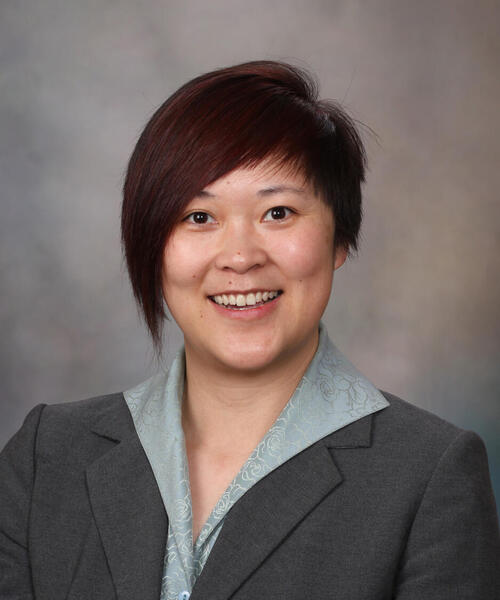
Maarten Dorr is a Researcher in the Department of Otorhinolaryngology and Head and Neck Surgery at Erasmus MC, Rotterdam, specializing in head and neck cancer with emphasis on quality of life metrics, patient-reported outcomes, and palliative-phase decision support systems. His research portfolio centers on: Head and Neck Cancer prognosis modeling Patient-Reported Outcome validation Individualized prognostic counseling frameworks Metastatic disease quality-of-life assessment End-of-life decision pathways Distress syndrome interventions He integrates clinical oncology with patient-centered care through dynamic prediction tools and outcome-based value analysis. Recent publications (2024-2025) demonstrate cohesive focus on palliative decision architecture, metastatic quality-of-life differentials, and voice rehabilitation modeling. His work bridges clinical oncology with patient experience metrics through predictive analytics and individualized prognostic frameworks. No scientific awards were documented in available sources.
J.C. Vrooman is a Professor at Utrecht University and a Strategic Advisor/Researcher at The Netherlands Institute for Social Research (SCP). He holds a PhD from Tilburg University and an MA from Erasmus University Rotterdam , both earned cum laude. His work centers on social and behavioral sciences , particularly in Sociology , with a focus on Labor Market , Poverty , Social Participation , and Social Security . He has led numerous national and international research projects and served on the board of the Dutch Sociological Association . Research Trends in his recent articles highlight multidimensional inequality , intersectionality , and capital dynamics in the Netherlands. Key topics include social stratification , neighborhood contexts in refugee integration, health disparities , and intergenerational benefit receipt . He employs quantitative and quasi-experimental methods , often linking economic , social , and cultural capital to societal challenges. Secondary Activities include roles at SCP , where he contributes to national policy via research on poverty metrics and labor market equity . His work spans public health (e.g., pandemic impacts on mental health), welfare transitions , and institutional reforms in social security. He is fluent in English , German , and French , and his findings are frequently disseminated via SCP reports and peer-reviewed journals .
Erica L. Belmont is an Associate Professor in the Department of Mechanical Engineering at the University of Wyoming, leading the Belmont Energy Research Group (BERG). Her work focuses on experimental combustion science, renewable energy conversion, and sustainable materials development within the university's Carnegie R1 research framework. Her academic credentials include: B.S. in Chemical Engineering from Tufts University M.S. in Mechanical Engineering from Tufts University Ph.D. in Mechanical Engineering from the University of Texas at Austin Dr. Belmont's research integrates three interconnected domains: low-temperature combustion chemistry (particularly cool flames for advanced engine applications), biomass energy systems (including co-combustion of beetle-kill wood with coal), and biochar valorization (for carbon sequestration and materials production). Her experimental approach combines species/temperature measurements with numerical modeling to address energy efficiency and environmental sustainability challenges. Recent publications demonstrate consistent innovation in combustion diagnostics and biomass thermochemical conversion, with increasing emphasis on wildfire-derived carbon analysis and sustainable material synthesis. The work bridges fundamental chemical kinetics with practical energy applications, particularly in Western U.S. contexts affected by bark beetle infestations. She mentors a robust cohort of graduate researchers, with 21 advised students (11 Ph.D., 10 M.S.) contributing to BERG's mission. Her group secures research support through university and external partnerships focused on clean energy transitions. BELMONT ENERGY RESEARCH GROUP (BERG) operates specialized facilities for cool flame stabilization, biomass pyrolysis/gasification, and biochar characterization. Current projects include wildfire carbon quantification in Medicine Bow National Forest and development of biomass-derived battery components, reflecting Wyoming's energy landscape and ecological challenges.
Dr. Karolina Szymborska serves as Assistant Professor at the Department of Cultural Anthropology within the Faculty of Cultural Studies at the University of Białystok. Her academic work bridges literary anthropology and interdisciplinary child studies, focusing on historical and contemporary representations of childhood across cultural domains. Her research interests span child studies , literary anthropology , and affective philosophy of childhood . Key areas include postmodern fairy tales, child thanatology, boyology, pedology, cultural memory, and children's film. She develops educational frameworks like the prefigurative method and exopedagogy, emphasizing child agency in cultural production and pedagogical innovation. Analysis of her 15 most recent publications (2013-2022) reveals consistent focus on childhood representation across literary, cultural, and philosophical contexts. Her work demonstrates strong interdisciplinary integration, particularly between literary theory, cultural anthropology, and educational practice, with recurring themes of child agency and cultural memory construction. She actively coordinates research initiatives including the international "Together for Education" project (2017-2023), implementing pedagogical innovations in Polish schools worldwide through Ministry of Education funding. Since 2022, she executes the Henryk Sienkiewicz "Writings" critical edition grant. As editor of the "Children Studies. Literature-Theory-Life" publishing series, she facilitates international scholarly dialogue on child studies methodology. Szymborska directs cultural-educational activities through "Wspólnota Polska" Association, developing programs that engage students in co-creating educational materials. Her work extends to Polish diaspora communities across 15 countries, emphasizing child-centered cultural production and transnational educational exchange.
Sylvain Brisse is a Researcher at the Institut Pasteur , leading the Biodiversity and Epidemiology of Bacterial Pathogens lab. His work focuses on three major public health threats: multidrug-resistant Klebsiella pneumoniae , Bordetella pertussis (whooping cough), and Corynebacterium diphtheriae (diphtheria). Key Research Areas: Genomic epidemiology and population biology of bacterial pathogens Integrative approaches combining microbiology, proteomics, and bioinformatics Development of genomic nomenclature systems via BIGSdb-Pasteur Projects: Principal Investigator for the European Reference Laboratory for Public Health on Diphtheria and Whooping Cough Coordinator of the KlebNet One Health network for Klebsiella surveillance Lead for Genomic taxonomy initiatives establishing universal strain nomenclature Recent Publication Trends (2025-2022) demonstrate: 75% focus on Klebsiella pneumoniae genomics and resistance mechanisms 15% on Bordetella vaccine escape and disease severity 10% on Corynebacterium species evolution and toxin production
Dr. Chandi Witharana is an Assistant Professor in the Department of Natural Resources and the Environment at the University of Connecticut's College of Agriculture, Health, and Natural Resources. Previously, they served as Assistant Professor in Residence (2020-2023), Assistant Research Professor (2018-2020), and Visiting Assistant Professor (2016-2018) at UConn. Their academic journey includes a Postdoctoral Research Fellowship at SUNY Stony Brook (2014-2016) and graduate work at UConn where they earned their PhD in Remote Sensing in 2014. Dr. Witharana teaches courses in high-resolution remote sensing, geospatial analysis, and introductory geomatics. Dr. Witharana's educational background includes: PhD in Remote Sensing, University of Connecticut (2014) MS in GIScience, University of Connecticut (2009) BS in Geology, University of Peradeniya, Sri Lanka (2005) Dr. Witharana's research focuses on methodological developments for analyzing large volumes of multi-modal remote sensing data for environmental, industrial, and agricultural applications, with special emphasis on Arctic Permafrost remote sensing. They harness sub-meter resolution satellite imagery, AI, and high-performance computing resources to map permafrost landforms, monitor thaw disturbances, and assess risks to human-built infrastructure in the Arctic. Their work extends beyond research to include innovative applications of remote sensing in K-12 STEM education through imagery-enabled lesson plans. Dr. Witharana aims to use cutting-edge geospatial technologies as transformative learning instruments to help students understand complex human-environment interactions. The recent publications of Dr. Witharana demonstrate a strong focus on applying advanced AI and remote sensing techniques to Arctic permafrost monitoring and infrastructure risk assessment. Their work increasingly incorporates vision transformers and deep learning models for more accurate detection of permafrost features and unhealthy tree crowns. There's a clear trend toward developing scalable geospatial datasets with standardized approaches, particularly for retrogressive thaw slumps. Many publications address practical applications including power outage risk modeling, forest management for storm resistance, and infrastructure monitoring in changing Arctic landscapes. The research shows growing interdisciplinary collaboration across environmental science, computer science, and engineering domains. Dr. Witharana has secured significant research funding as PI or Co-PI on numerous grants totaling over $14 million, including: NSF's Permafrost Discovery Gateway project ($3,000,000) Google-funded research on tracking Arctic permafrost thaw ($5,000,000) NSF's role of capillaries in the Arctic hydrologic system ($2,000,000) USDA projects on drone imaging for nutrient deficiency detection ($200,000) Eversource Energy projects on tree risk modeling ($275,000) As an educator, Dr. Witharana mentors students through research projects funded by these grants and teaches specialized courses in remote sensing and geospatial analysis. They serve as Director of the Remote Sensing & Geospatial Data Analytics Graduate Program and as a Steering Committee Member for UConn's Data Science Masters Program. Dr. Witharana is also an Editorial Advisory Board Member for the ISPRS Journal of Photogrammetry and Remote Sensing and regularly reviews proposals for NSF and other agencies. Their research group leverages high-performance computing resources including Frontera/NSF and XSEDE allocations for large-scale geospatial analysis. Dr. Witharana leads research teams focused on Arctic permafrost monitoring and geospatial AI applications, collaborating with institutions including University of Alaska-Fairbanks, Woodwell Climate Research Center, and UC Santa Barbara. Their work involves developing advanced workflows for processing satellite imagery and implementing machine learning models for environmental monitoring. The research group actively engages in developing educational applications of remote sensing technology, particularly for K-12 STEM education.
Jason Abaluck is a Professor of Economics at Yale School of Management, specializing in health economics and behavioral economics. His research focuses on consumer choice in health insurance markets, particularly Medicare Part D, and the effects of health interventions. Abaluck has led major research initiatives including a cluster randomized trial in Bangladesh involving 350,000 people to assess the impact of community masking on COVID-19 transmission. Abaluck's research interests span health economics, insurance markets, behavioral economics, and public health interventions. His work examines how consumers make decisions in complex health insurance markets, with a particular focus on Medicare Part D. He investigates choice inconsistencies, welfare implications, and potential policy solutions to improve decision-making. His research on mask-wearing during the pandemic demonstrated significant reductions in COVID transmission, particularly among vulnerable elderly populations. Analysis of Abaluck's publications reveals a consistent focus on healthcare decision-making across multiple contexts. His work spans theoretical modeling of consumer choice, empirical analysis of insurance markets, and field experiments testing public health interventions. Key themes include the impact of information on decision quality, the welfare consequences of choice inconsistencies, and the design of market structures to improve outcomes. Abaluck's scientific contributions have been recognized with several prestigious awards: 2023 Top 10 Clinical Research Award for his work on community masking during the pandemic 2017 NIHCM Honorable Mention for the Best Paper in Health Economics 2012 NIHCM Winner for the Best Paper in Health Economics Abaluck has secured significant research funding for projects including 'Differential Mortality in Medicare Advantage,' 'Mortality Effects of Health Insurance Networks and Providers,' and 'HEARTSPOT: Implementation and Rigorous Evaluation of a Machine Learning System to Aid Decision-Making in the Emergency Department.' His current work includes large-scale cluster randomized trials in multiple countries examining vaccination rates and the impact of trial representativeness on doctor treatment decisions. Abaluck leads collaborative research teams involving dozens of researchers from Yale, Stanford, Berkeley, and other institutions. His Bangladesh mask-wearing study, for example, involved coordination across multiple organizations and 600 villages. His work often bridges economics, public health, and clinical medicine, reflecting his interdisciplinary approach to solving complex healthcare problems.
Pianpian Cao is an Assistant Professor in the Department of Public Health at Purdue University . Her work bridges Epidemiology, Statistics, and Mathematics to investigate cancer etiology, progression, and prevention strategies. She has developed influential models for lung cancer screening and tobacco control policies. PhD in Epidemiology, 2021, University of Michigan MPH in Epidemiology, 2016, University of Michigan BS in Math and Statistics, 2014, Purdue University Dr. Cao specializes in cancer prevention and control , with a focus on Risk prediction modeling Smoking cessation interventions Age-period-cohort analysis Health disparities research Simulation of cancer screening guidelines Her recent publications highlight lung cancer epidemiology , equity in screening , and smoking pattern analysis . Her work spans biostatistical modeling , public health policy , and health equity assessments. Current projects include Comparative Modeling of Lung Cancer Prevention (U01 CA253858), contributing to national policy reforms.
I.V. Ramakrishnan is a Professor in the Department of Computer Science at Stony Brook University. His research spans Artificial Intelligence, Computational Logic, Machine Learning, Information Retrieval, and Computer Accessibility. Ph.D. in Computer Science, University of Texas at Austin (1983) His work focuses on advancing AI and machine learning to solve accessibility challenges for visually impaired users, healthcare informatics, and robotic manipulation. Key contributions include leveraging large language models for multimodal text correction, developing gesture recognition systems for blind users, and applying reinforcement learning to medical data analysis. Recent publications highlight the integration of LLMs in accessibility tools, AI-driven healthcare solutions (e.g., mortality risk prediction, physician attribution), and robotics innovations (e.g., manipulation planning, vertical farming automation). Faculty Service Award (2014) He teaches courses CSE 352 (Artificial Intelligence) and CSE 537 (AI). His research bridges theoretical and applied domains, emphasizing inclusive technology and clinical decision support systems.
Chima D Ndumele is an Associate Professor of Public Health (Health Policy) at the Yale School of Public Health and a Professor at the Institution for Social and Policy Studies . His research focuses on Medicaid policy, health equity, and safety-net healthcare systems, with a particular emphasis on how policy changes affect vulnerable populations and chronic disease management. Doctorate from Brown University School of Public Health (2013) ORCID: 0000-0002-4887-0043 Key collaborations with Yale researchers including Jacob Wallace, Harlan Krumholz, and Yuan Lu Dr. Ndumele’s recent publications examine Medicaid eligibility procedural denials, SNAP work requirements, racial disparities in pandemic mortality, and alternative payment models in safety-net hospitals. His work integrates health policy analysis with empirical studies on insurance coverage effects and socioeconomic determinants of health outcomes. Current affiliations include the Diabetes Research Center , SCALE Medicaid Lab , and multiple roles in health policy research. He contributes to the JAMA Health Forum , JAMA Internal Medicine , and Health Affairs , focusing on equity in healthcare access and delivery.
Anna-Karin Wikström is a Professor of Obstetrics and Gynecology and Senior Physician at the Department of Women's and Children's Health, Uppsala University. She previously served as Professor of Obstetrics and Gynecology at Karolinska Institutet from 2016-2017. Her extensive clinical experience spans over two decades in obstetrics and gynecology, with specialized expertise in high-risk pregnancies. Her educational background includes medical studies at Karolinska Institutet (1985-1991), becoming a specialist in obstetrics and gynecology in 2001, earning her PhD from Uppsala University in 2006, and completing a post-doc at Karolinska Institutet's Clinical Epidemiology Unit (2009-2011). She became an associate professor at Uppsala University in 2011 before advancing to full professor in 2017. Professor Wikström's research primarily focuses on preeclampsia, where she leads major initiatives including IMPACT (a national study on preeclampsia prediction) and UP-MOST (a biobank for preeclampsia research). Her work spans cardiovascular effects of preeclampsia, brain imaging studies in affected women, and register-based epidemiological research. Beyond preeclampsia, her research interests include pregnancy in women with congenital heart disease, myasthenia gravis, and other chronic conditions. Her extensive publication record demonstrates expertise in maternal-fetal medicine with particular emphasis on prediction models for adverse pregnancy outcomes and understanding long-term health implications. Her recent publications reveal a strong focus on neurological consequences of hypertensive disorders in pregnancy, maternal physical activity effects on fetal outcomes, and innovative screening approaches for pregnancy complications. The research frequently utilizes large Swedish population-based registers, contributing significantly to evidence-based obstetric care in the Nordic region. Professor Wikström actively contributes to clinical research that directly impacts patient care, particularly in preeclampsia screening and prevention. Her work often takes a Nordic perspective, informing regional guidelines and practices. She collaborates extensively across disciplines including cardiology, neurology, and epidemiology to advance understanding of pregnancy complications and their long-term consequences.
Bo Malmberg is a Professor at the Department of Human Geography, Stockholm University, where he has been conducting research for over 30 years. His work spans multiple subfields of Human Geography, with a focus on Population Geography, Migration, and GIS. He is actively involved in several major research projects examining spatial polarization, social cohesion, and migrant trajectories in Sweden. Professor Malmberg's research covers four main subfields of Human Geography: Economic Geography, Population Geography, Urban Geography (with particular focus on residential segregation and neighborhood effects), and GIS and Remote Sensing. His early work examined multi-plant firms and operational decisions, while later research explored the relationship between population age structure and economic growth. He has developed innovative approaches to measuring segregation using individualized scalable neighborhoods, which avoids the modifiable areal unit problem associated with traditional segregation measurement techniques. His recent publications demonstrate a strong focus on life-course trajectories, spatial segregation, and the socio-spatial dimensions of health outcomes including COVID-19. His work frequently employs register data from Sweden to examine long-term demographic patterns and their relationship to economic and social outcomes. A significant portion of his recent research examines educational segregation, school choice, and the relationship between residential patterns and educational attainment. Professor Malmberg has collaborated extensively with colleagues including Eva Andersson and Karen Haandrikman on projects examining segregation, migration, and social cohesion. His work has been published in leading geography and social science journals including Environment and Planning A, Journal of Urban Affairs, Urban Studies, and Annals of the Association of American Geographers.
Susan L. Davis, Pharm.D., is Clinical Professor of Pharmacy Practice and Associate Dean for Pharmacy at Wayne State University’s Eugene Applebaum College of Pharmacy and Health Sciences, while simultaneously serving as Infectious Diseases Pharmacy Specialist at Henry Ford Hospital. Education & Training Doctor of Pharmacy, University of Michigan, 2002 Pharmacy Practice Residency, Detroit Receiving Hospital, 2003 Fellowship in Infectious Diseases Outcomes Research, Wayne State University, 2005 Research Interests Dr. Davis is internationally recognized for work in antimicrobial stewardship , epidemiology of resistant organisms , and economic outcomes of anti-infective therapy . Her investigations focus on optimizing antibiotic exposure, preventing resistance, and improving clinical outcomes in serious infections such as MRSA bacteremia, carbapenem-resistant Gram-negative pathogens, and Clostridioides difficile . Publication Themes Across more than 150 publications, her recent work (2019-2025) illustrates a clear trajectory toward pragmatic stewardship interventions—evaluating IV-to-PO switch strategies, real-world effectiveness of newer agents (ceftolozane-tazobactam, eravacycline, meropenem-vaborbactam), and pharmacist-led transitions-of-care models. Multiple multicenter cohort studies and randomized trials emphasize safety endpoints such as vancomycin nephrotoxicity and antifungal discontinuation guided by rapid diagnostics. Awards & Honors Wayne State University Board of Governors Faculty Recognition Award (2021) EACPHS Research Excellence Award (2015) Society of Infectious Diseases Pharmacists Outstanding Clinical Practice Award (2012) ASHP Foundation New Preceptor of the Year (2008) Roche & Henry Ford Preceptor of the Year distinctions (multiple years) Teaching & Mentorship Dr. Davis directs the infectious-disease pharmacotherapy sequence (PHA 5215) and precepts Pharm.D. candidates, residents, and fellows. She has built an extensive mentorship network, serving as primary research adviser for numerous Pharm.D. residents and graduate students whose projects feed into national MAD-ID research initiatives. Clinical & Administrative Roles At Henry Ford Hospital she leads antimicrobial stewardship rounds, while at Wayne State she oversees curriculum, accreditation, and strategic initiatives as Associate Dean. Her dual appointments integrate bench-to-bedside research with policy-level stewardship program development.
Nathan K. LeBrasseur, Ph.D., M.S. , is a Professor in the Department of Physical Medicine and Rehabilitation and the Department of Physiology at Mayo Clinic in Rochester, Minnesota. He holds key leadership roles including Director of the Robert and Arlene Kogod Center on Aging, Co-Director of the Mayo Clinic Paul F. Glenn Center for Biology of Aging Research, and Scientific Director of the Office of Translation to Practice. His work is central to advancing the science of aging and its clinical translation. Research Interests: Nathan K. LeBrasseur's research is dedicated to understanding the biological mechanisms of aging, with a focus on cellular senescence , skeletal muscle aging , and the development of biomarkers of biological age . His lab investigates how senescent cells contribute to physical decline, metabolic dysfunction, and frailty. A major focus is on how lifestyle factors, particularly exercise, can modulate the accumulation and clearance of senescent cells to promote resilience in older adults. Research Trends: His recent publications (2023–2025) demonstrate a strong trend towards translational and clinical research. The work spans from fundamental discoveries in cell biology (e.g., mtDNA release in senescence) to the characterization of human biomarkers for use in clinical trials. There is a clear emphasis on developing and validating tools to measure biological aging and on understanding the systemic impact of senescent cells on organs like muscle, bone, heart, and brain. His research increasingly leverages large cohort studies and aims to identify individuals who would benefit most from anti-aging interventions. Scientific Awards: Noaber Foundation Professor of Aging Research, Mayo Clinic (2024) Vincent Cristofalo Rising Star Award in Aging Research, American Federation for Aging Research (2019) Advising and Grants: Dr. LeBrasseur is a Principal Investigator (PI) on multiple major research grants, primarily from the National Institute on Aging (NIA). His funded projects include 'The Impact of Biological Mechanisms of Aging on Response Variability to Resistance Training in Older Adults (BRIO)' and the 'Biological Analysis Core.' He also serves as PI for the Vincent Cristofalo Rising Star Award and is a Co-PI on the Midwest Murine-Tissue Mapping Center. This extensive grant portfolio reflects his leadership in large-scale, collaborative aging research. Labs and Teams: Dr. LeBrasseur leads a research laboratory focused on the biology of aging at Mayo Clinic. His work is deeply integrated with major institutional centers, including the Robert and Arlene Kogod Center on Aging and the Mayo Clinic Paul F. Glenn Center. He is part of a large, collaborative network of scientists investigating cellular senescence, senolytics, and aging mechanisms, often co-authoring with leading figures in the geroscience field.
Yi Lin, M.D., Ph.D., is a Professor of Medicine and Assistant Professor of Oncology at Mayo Clinic, with primary and joint appointments in the Department of Internal Medicine, Division of Hematology, and the Department of Laboratory Medicine and Pathology, Division of Experimental Pathology and Laboratory Medicine. She is the Enterprise Leader for Cancer Regenerative Medicine, Biotherapeutics, and Biomanufacturing at the Mayo Clinic Comprehensive Cancer Center, Rochester, Minnesota. Education: BS in Chemical Engineering, University of Minnesota Ph.D. in Biomedical Engineering, University of Minnesota MD, Northwestern University Feinberg School of Medicine Residency and Fellowship, Mayo Clinic College of Medicine Dr. Lin is a hematologist and oncologist specializing in lymphoma, multiple myeloma, and cell therapy. Her research is centered on cancer immunotherapy, with a focus on CAR T-cell therapies, cancer vaccines, biomarkers of response and toxicity, and bioprinted tumor models. Her work has directly contributed to FDA approvals of CAR-T therapies such as Yescarta, Abecma, and Carvykti. She employs gene-editing tools and translational research to improve the safety and efficacy of next-generation immunotherapies. Analysis of her recent publications reveals a strong emphasis on clinical and translational immunotherapy, particularly in hematologic malignancies. Her work spans clinical outcomes in CAR-T therapy, biomarker discovery, resistance mechanisms involving myeloid cells, and innovative bioprinting models for drug testing. Her research integrates clinical data with laboratory science to develop personalized, risk-adapted treatment strategies. Scientific Awards: New Investigator Award, Mayo Clinic Department of Medicine (2017) NIH Loan Repayment Program (2012, 2007) AFLAC Scholar-in-training Award, AACR (2008) J. Thomas Livermore Award, University of Minnesota (2001) Merit-based Travel Awards, American Society of Hematology (2000, 1998) Dr. Lin has served as principal investigator on numerous NIH-funded and industry-sponsored clinical trials. She mentors research teams and collaborates nationally and internationally with organizations such as the International Myeloma Working Group, SITC, and BMT CTN. Her leadership roles include chairing the Cell Therapy Cross-Disciplinary Group and co-chairing immunotherapy committees. She is actively involved in developing clinical guidelines and advancing cellular therapy standards. Labs and Teams: Dr. Lin leads a multidisciplinary research team focused on cancer immunology and cellular therapy within the Mayo Clinic Center for Regenerative Medicine and the David F. and Margaret T. Grohne Cancer Immunology and Immunotherapeutics Program. Her lab integrates clinical trial data with translational research to innovate safer and more effective cancer treatments.