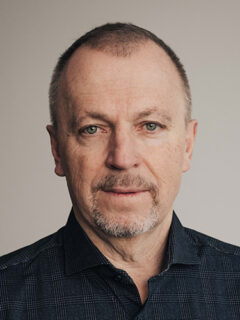
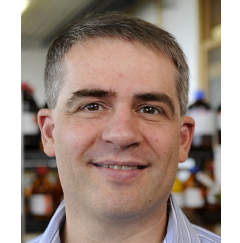
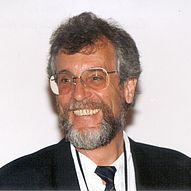
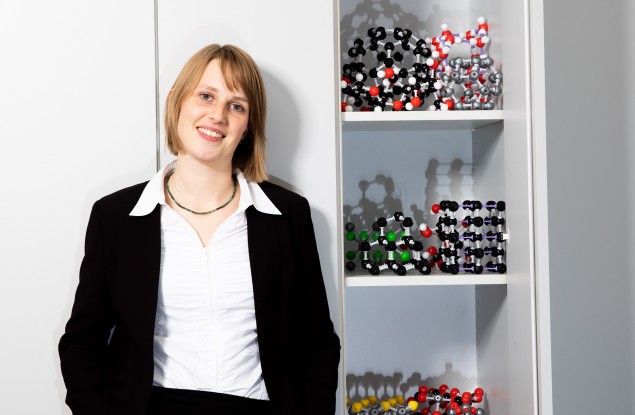
Professor Thomas Bein is affiliated with the Department of Chemistry at Ludwig-Maximilians-Universität München (LMU) , where he leads the Functional Nanosystems research group. His work focuses on synthesizing and characterizing nanostructured materials with applications in energy, catalysis, and biomedical delivery. Mesoporous nanoparticles for drug delivery Semiconductor nano-morphologies for photovoltaics Photoelectrochemical water splitting Metal-organic frameworks (MOFs) Electroactive networks His research emphasizes atomic-scale control of material architectures using self-assembly, hydrogen bonding, and covalent interactions, enabling precise tuning of electronic, optical, and catalytic properties. A review of his recent publications reveals cutting-edge investigations into covalent organic frameworks (COFs), perovskite-inspired solar materials, and functional nanoparticle systems. Key trends include optimizing energy conversion efficiency, enhancing stability in optoelectronic devices, and exploring bio-compatible nanocarriers for targeted therapies. Professor Bein’s group actively contributes to interdisciplinary projects at the intersection of chemistry, physics, and biomedical engineering, with ongoing collaborations in solar energy, sustainable materials, and nanomedicine.
Prof. Dr. Andreas Hirsch is a Professor in the Department of Chemistry and Pharmacy at Friedrich-Alexander University Erlangen-Nürnberg (FAU) . His research focuses on organic chemistry , graphene functionalization , carbon nanomaterials , and molecular solar thermal systems , with significant contributions to 2D material engineering and supramolecular chemistry . Chair of Organic Chemistry II (FAU Erlangen-Nürnberg) ResearchGate: Profile Google Scholar: Profile His work spans graphene patterning via laser writing , black phosphorus stabilization using perylenediimides , and covalent functionalization of 2D materials like MoS 2 and carbon nanotubes . Recent studies include non-covalent passivation of BP nanosheets and electroswitchable catalysis for solar thermal energy storage . His scientific awards include the Second Place Poster Award (2023) and Robert C. Haddon Research Award (2021) . Collaborative projects highlight smart nanoparticle systems for radiation therapy and environmental remediation applications.
Dr. Golo Storch is a Junior Fellow and Research Group Leader at the Technical University of Munich (TUM), where he leads the Emmy Noether Research Group funded by the German Research Foundation and holds an ERC Starting Grant. He is affiliated with the TUM School of Natural Sciences and the Department of Organic Chemistry I, focusing on flavin-based catalysis for organic synthesis. Dr. Storch completed his undergraduate and graduate studies in Chemistry at Heidelberg University (2007-2012), followed by a doctorate in 2016 under Prof. Oliver Trapp, focusing on stereodynamic ligands and self-amplifying catalysis. He then conducted postdoctoral research at Yale University (2016-2018) with Prof. Scott Miller, exploring quinone redox-interconversion and peptide ligands for site-selective catalysis. Since 2019, he has led his independent research group at TUM. Dr. Storch's research centers on designing molecular flavin catalysts for selective organic transformations, inspired by flavoenzyme chemistry. His work focuses on position- and stereoselective catalysis, particularly using non-covalent interactions to control catalytically active sites. Key research directions include photochemical excitation of flavins for oxidation/reduction reactions, activation of molecular oxygen for selective oxygenation, and applications in modifying peptide natural products and complex organic molecules. His group combines synthetic methodology, photochemistry, DFT calculations, and spectroscopy to develop sustainable alternatives to precious metal catalysts. Dr. Storch's recent publications demonstrate significant contributions to flavin catalysis, showing how tailored flavin structures can enable diverse chemical transformations including hydrogen atom abstraction, C-H functionalization, selective oxygenation, and deracemization reactions. His work bridges photochemistry and organocatalysis, with applications in natural product modification and sustainable synthesis. Research Award of the Dr. Otto Röhm Memorial Foundation (2023) ERC Starting Grant 2023 (2023) ADUC Prize of the German Chemical Society (2023) Member of the Young College of the Bavarian Academy of Sciences and Humanities (2023) Exploration Grant, Boehringer Ingelheim Foundation (2024) ORCHEM Award 2024, German Chemical Society Emmy Noether Programme, German Research Foundation (since 2021) Liebig Fellowship, Chemical Industry Fund (2019-2021) Dr. Storch actively mentors PhD and Master's students in his research group, with several successful PhD completions. His research is supported by multiple prestigious grants including the ERC Starting Grant "BifurCAT," the DFG Emmy Noether Programme, and the Boehringer Ingelheim Foundation Exploration Grant for hybrid macrolide natural products research. He is also an Associate PI at the Catalysis Research Center (CRC) and participates in the newly funded CRC 392 on Molecular Evolution. The Storch Lab, part of the TUM Catalysis Research Center, focuses on "Designed Flavins for Catalysis" with the motto "Tailor-Made Catalysts - New Reactivity - Selective Editing." The group collaborates extensively with other research teams at TUM, including the de Vivie-Riedle group, Hauer lab, Bach group, and Dreuw labs, demonstrating strong interdisciplinary connections within the university's chemistry and physics departments.
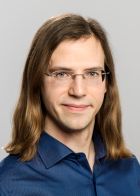
Privatdozent Dr. Andreas Faust is a leading researcher at the European Institute for Molecular Imaging (EIMI) at the University of Münster, where he heads the Chemical Targeting Lab. His work focuses on developing innovative imaging agents for medical diagnostics, particularly in radiopharmaceutical chemistry and molecular imaging. He maintains strong affiliations with the Department of Nuclear Medicine at the University Hospital Münster and participates in the "Cells in Motion" excellence cluster, contributing to cutting-edge research at the intersection of chemistry, medicine, and imaging technology. Dr. Faust completed his chemistry studies at the University of Münster, earning his Diploma in 1999, followed by his doctoral degree (Dr. rer. nat.) in 2003 with research on artificial caffeine receptors. His academic journey continued with positions at the Department of Organic Chemistry and the Department of Nuclear Medicine before becoming head of the chemistry group at EIMI in 2011. Dr. Faust's research centers on organic and medicinal chemistry with specialization in radiopharmaceutical chemistry . His team develops novel tracers for diagnostic molecular imaging using positron emission tomography (PET), single-photon emission computed tomography (SPECT), optical imaging, and photoacoustic imaging. A significant portion of his work focuses on creating specific ligands for the alarmins S100A8/S100A9 and bacteria-specific tracers based on complex carbohydrates or siderophores. His research has important applications in inflammation imaging, infection diagnostics, and cancer theranostics, with emphasis on improving metabolic stability and target specificity of imaging agents. His publication record demonstrates consistent contributions to molecular imaging, with recent work emphasizing bacteria-specific PET tracers, inflammation imaging targeting S100 proteins, and novel optical imaging probes. The research shows a clear trajectory toward developing clinically applicable imaging agents with improved specificity and metabolic stability, particularly in the areas of infection diagnostics and inflammation monitoring. 2017: Best Poster Award at Symposium "Molecular Imaging Agents in Medicine," Groningen 2009: Young Investigator Award at Deutscher Röntgenkongress, Berlin 2005: Best Scientific Poster Award at 4th Annual Meeting of the Society of Molecular Imaging, Köln Dr. Faust leads multiple significant research projects, including as Coordinator of a project on immune cell distribution imaging (2019-2024) and as Principal Investigator for CRC-project A03 "Targeting of S100A8/A9 for imaging of inflammatory disorders" and research on vascular graft infections (both 2021-2024). His Chemical Targeting Lab comprises a multidisciplinary team working at the intersection of chemistry, microbiology, and medical imaging, securing substantial funding from the Innovative Medicines Initiative and DFG Collaborative Research Centre. The Chemical Targeting Lab maintains state-of-the-art facilities for chemical synthesis, radiochemistry, and biological testing. The lab collaborates extensively with microbiologists, clinicians, and imaging specialists to translate basic research into clinical applications. Current research directions include optimizing bacterial imaging probes for clinical diagnostics and developing new inflammation-specific tracers for early disease detection, with particular focus on S100A9-targeted imaging and siderophore-based bacterial detection systems.
Prof. Holger Braunschweig is the Chair of Inorganic Chemistry at the University of Würzburg . His research focuses on organometallic and main-group element chemistry , emphasizing the synthesis and reactivity of novel molecular species with applications in catalysis , organic synthesis , and materials science . Education : PhD and Habilitation at RWTH Aachen (advisor: Prof. P. Paetzold); postdoctoral work at Sussex (Prof. M.F. Lappert); Reader at Imperial College London Key research themes include low-valent main-group compounds (e.g., borylenes, diborenes, beryllium species), small-molecule activation (N 2 , CO 2 , CO), and photophysically active boron heterocycles (boroles, alumoles, azaborinines). His work combines sophisticated synthetic protocols with analytical and computational methods . Recent publications (2025) highlight advances in boron-containing polymers , metal-ligand reactivity , and high-pressure molecular studies . Awards include the 2024 ENI Award , 2024 Frederick Hawthorne Award , and ERC Advanced Grants ('multiBB', 'BORYLENEFUN'). Scientific Awards : Gottfried Wilhelm Leibniz Prize (2009), RSC Main Group Chemistry Award (2014), Reinhart Koselleck Grant (2018), etc. He leads the Institute for Sustainable Chemistry & Catalysis with Boron (ICB) and is affiliated with the Department of Inorganic Chemistry . His group includes senior researchers , postdocs , PhD students , and technicians .
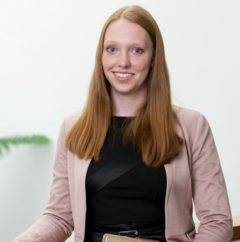
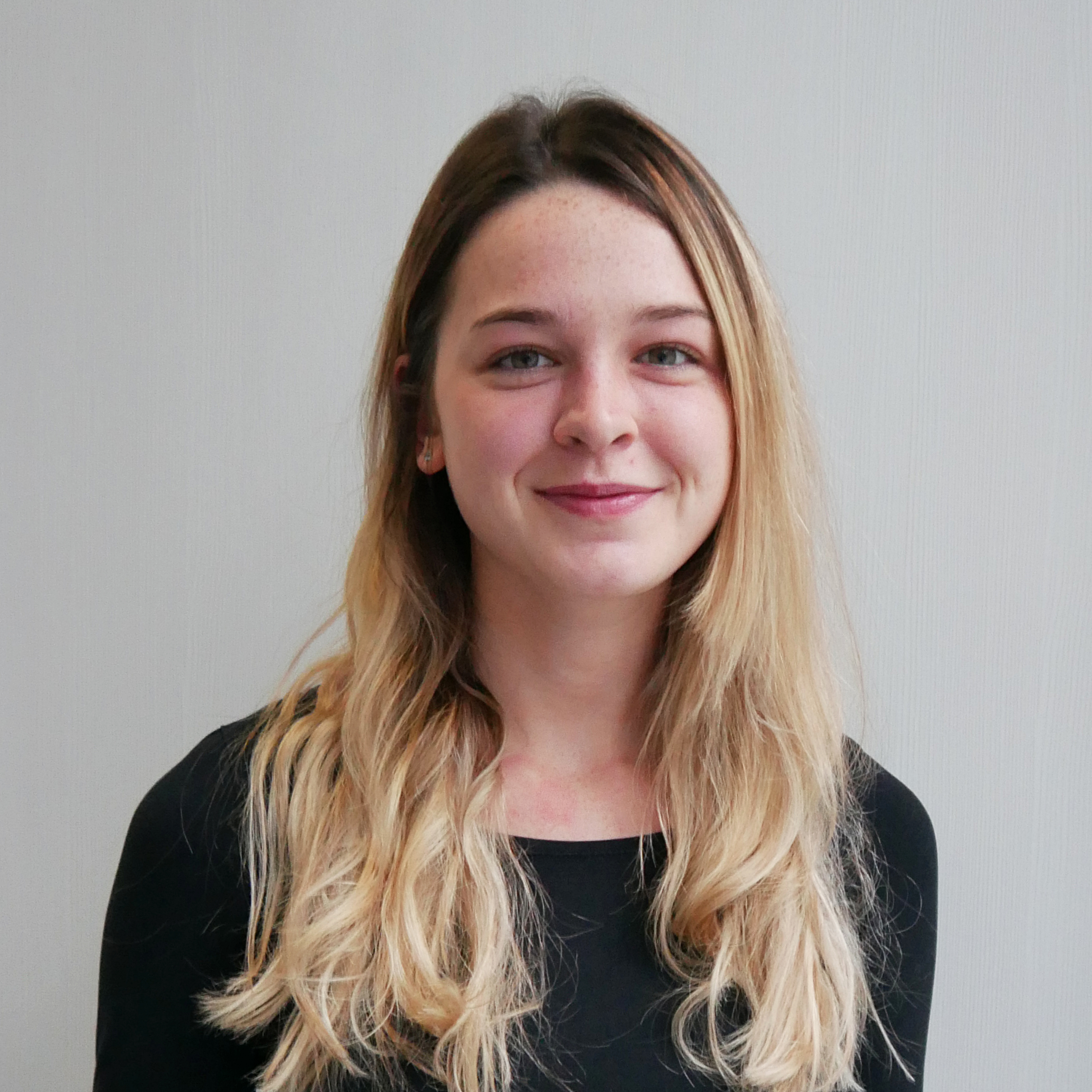
Prof. Carolin Müller is an Assistant Professor of the Theory of Electronically Excited States at Friedrich-Alexander-University Erlangen-Nürnberg (FAU), leading the Computational PhotoChemistry (CPC) group since November 2023. Her research focuses on quantum chemistry, chemoinformatics, and spectroscopy, aiming to develop efficient computational methods for predicting light-driven chemical processes. She holds a PhD from Friedrich Schiller University Jena (2021) and postdoctoral experience at the University of Luxembourg (2022–2023) and Friedrich Schiller University Jena (2021–2022). Her work emphasizes machine learning integration for optimizing photochemical reactions and designing photocatalysts. Key achievements include contributions to the TEA Challenge 2023 on machine learning force fields and developing the SpaiNN model for excited-state simulations. Awards include the Thuringian Research Award (2023) and the Albert-Weller Award (2022). Research Interests: Light-driven processes, molecular design, excited-state dynamics, computational chemistry. Publications: Over 50 peer-reviewed articles, including high-impact contributions on machine learning in chemistry and photocatalytic systems. Grants/Awards: Multiple accolades for her innovative work in chemical compound space exploration and photocatalysis. Labs/Teams: CPC group at FAU, collaborating with institutions like the University of Luxembourg and Jena. Müller actively promotes interdisciplinary collaboration through conferences (e.g., Chemical Compound Space Conference 2026) and mentoring initiatives like the ARIADNE program.
Prof. Robert Göstl is a Professor leading the Research Group Göstl at RWTH Aachen University, with a concurrent position as Associated Scientist at the University of Wuppertal. His research bridges synthetic organic chemistry, polymer chemistry, photophysics, and materials science, focusing on mechanoresponsive biomaterials and polymer mechanochemistry. His group investigates stress interactions with materials through innovative approaches like molecular fractography and force-induced bond scission. Key research areas include: Development of optical force probes for polymer damage analysis Ultrasound-activated therapeutic release systems Mechanochemical activation of biomolecules Design of stimuli-responsive hydrogels and microgels Analyses of recent publications show strong emphasis on ultrasound-mediated drug delivery (40% of recent works), advanced polymer characterization techniques (25%), and biomaterial applications (35%). Primary methodologies include mechanophore design, super-resolution microscopy, and nanoparticle-polymer composites. Prof. Göstl currently supervises six PhD students working on projects including: Microgel-cell interactions Nanoscale fractography of composites Force-induced reaction pathways Thermally stable optical probes His laboratory develops experimental platforms for polymer mechanochemistry including specialized synthesis routes, confocal microscopy setups, and ultrasound application systems for material testing.
Prof. Dr. Wolfgang Brütting is a group leader at the Institute of Physics, Experimental Physics IV of the University of Augsburg . His research focuses on organic semiconductors and their applications in optoelectronic devices, particularly organic light-emitting diodes (OLEDs) . The group investigates molecular orientation, charge transport, and interfacial polarization mechanisms to enhance device efficiency and stability. Research Interests include: Molecular orientation in organic emitters Charge injection and accumulation in OLEDs Thermally activated delayed fluorescence (TADF) Perovskite nanocrystals for LEDs Organic-inorganic hybrid materials Thin film characterization techniques Recent Publications (2025-2023) highlight advancements in interface engineering, TADF emitter design, and perovskite nanocrystal stabilization. Collaborative efforts span institutions in Germany, Japan, and the U.S., with a strong emphasis on experimental validation and computational modeling. Key Facilities include: Transmission Electron Microscope (TEM) Molecular-beam epitaxy setups Photoluminescence and ellipsometry systems Numerical simulation tools
Dr. Norbert Jux is an Adjunct Professor at the Department of Chemistry and Pharmacy, Friedrich-Alexander-University Erlangen-Nürnberg (FAU), associated with Prof. Dr. Hirsch's Chair of Organic Chemistry II. His research focuses on advanced molecular architectures involving nanographenes, porphyrins, and their conjugates for applications in materials science and photophysics. Research Highlights: Specializes in π-extended conjugates, supramolecular complexation, and regiocontrolled synthesis of polycyclic aromatic systems. Recent Work: Explores helical nanographenes, panchromatic absorption materials, and electron transfer mechanisms in hybrid systems. Collaborations: Works with teams in synthetic chemistry, photophysical characterization, and surface science. Email: norbert.jux@fau.de | Lab Website
Marcel Mayor is a Full Professor of Chemistry at the University of Basel and Research Unit Chair at the Karlsruhe Institute of Technology's Institute of Nanotechnology. He leads the Synthetic Chemistry research unit, focusing on designing functional molecules for nanotechnology applications. His interdisciplinary work bridges synthetic chemistry, molecular electronics, and nanomaterials science. Mayor studied at the University of Bern (Diploma 1991, PhD 1995) and conducted postdoctoral research with Jean-Marie Lehn at Université Louis Pasteur. He became Maître de Conférence at Collège de France (1997-1998) before joining Forschungszentrum Karlsruhe (now KIT) in 1998. His research explores: Molecular electronics and single-molecule devices Carbon-based nanostructures and functional molecules Supramolecular systems for nanotechnology applications Advanced materials for optoelectronics and sensing Recent publications demonstrate innovations in molecular heat engines, single-molecule junctions, bio-conjugation chemistry, and stimuli-responsive materials. Research consistently integrates synthesis, nanofabrication, and physical characterization. Awards: Erwin Schrödinger Award (2004) for Molecules for future Nanoelectronics He directs laboratories at both the University of Basel and KIT, leading interdisciplinary teams in synthetic chemistry, molecular device fabrication, and nanoscale characterization. Current work focuses on quantum interference in molecular wires and chiral nanomaterials.
Prof. Dr. Katja Heinze is a Professor of Inorganic Chemistry at Johannes Gutenberg University Mainz. Her research focuses on sustainable coordination chemistry and photochemistry , particularly on designing luminescent and catalytically active metal complexes. She leads the Heinze Lab, which explores interactions between 3d transition metal complexes and light, including ultrafast pulsed laser studies. Her work addresses spin-flip dynamics , photoredox catalysis , and NIR-II emission mechanisms. She emphasizes environmental sustainability in chemical applications, such as visible-light-driven sulfur dioxide fixation. Scientific Awards : Heisenberg Fellowship, Theodor-Förster Memorial Lectureship, Elisabeth and Horst-Dietrich Hardt Prize, Falling Walls finalist. Students : Mentored numerous PhD and Master’s students, including Thomas Reuter, Winald Kitzmann, and Laura Stein. Grants : Coordinator of DFG priority program SPP 2102, participant in SPP 2491 and CRC 1633. Labs/Teams : Leads the Heinze Lab with advanced facilities like fs-transient absorption spectrometers and Raman spectrometers.
Prof. Dr. rer. nat. Fritz E. Kühn is a Professor of Molecular Catalysis at the Department of Chemistry within the TUM School of Natural Sciences at Technische Universität München (TUM). His research spans organometallic chemistry, medicinal chemistry, and molecular catalysis, focusing on carbene ligated metal precursors for task-specific applications in catalysis and biomedical fields. Current research emphasizes oxidation/hydrogenation catalysis with transition metals Active collaborations with industrial partners for small molecule activation Dean of Studies at TUM School of Chemistry since 2016 Spokesperson for TUM Graduate School (Chemistry department) Recent publications highlight advancements in gold(I) NHC complexes for cancer therapy , single-atom rhenium catalysts , and asymmetric epoxidation systems . His work aligns with UN SDGs through sustainable catalytic processes. Scientific recognition includes the Otto Roelen Medal and Hans Fischer Prize . Key research tools include N-heterocyclic carbenes, computational modeling, and industrial process optimization.
G. Ulrich Nienhaus is a Professor at the Institute of Applied Physics , Karlsruhe Institute of Technology (KIT) , and leads a research group focused on Biophysics and Nanoscopy . His work integrates physics, biology, chemistry, and computational methods to develop advanced light microscopy techniques with high spatial and temporal resolution. Key research areas include fluorescent protein engineering , single-molecule spectroscopy , super-resolution microscopy , and nanoparticle-biomolecule interactions . His group investigates molecular processes in living cells , protein folding , ligand dynamics , and quantitative imaging for biomedical and material science applications. Scientific Contributions span decades, with recent work highlighting innovative STED microscopy methods, DNA origami-based distance rulers , and fluorescent nanocluster applications . Publications emphasize biomolecular dynamics , nanoparticle corona formation , and live-cell imaging tools .
Professor Hartmut Yersin is a leading researcher in the field of photophysics and materials science at the Institute of Physical Chemistry, University of Regensburg. His work focuses on transition metal complexes, particularly for OLED applications, with significant contributions to understanding thermally activated delayed fluorescence (TADF) and triplet harvesting mechanisms. His research interests center around developing efficient luminescent materials, particularly copper(I) and platinum(II) complexes for organic light-emitting diodes. Professor Yersin has pioneered work on thermally activated delayed fluorescence , triplet harvesting , and singlet harvesting mechanisms that significantly improve OLED efficiency. His research group investigates how molecular structure affects photophysical properties, with particular attention to spin-orbit coupling, energy gap laws, and emission decay dynamics. His recent publications reveal a strong trend toward developing cost-effective copper-based emitters as alternatives to expensive iridium complexes, with a focus on achieving high quantum yields and short emission decay times. His work bridges fundamental photophysics with practical device applications, making significant contributions to the field of organic electronics. Professor Yersin has mentored numerous doctoral students and researchers who have gone on to contribute significantly to the field of photophysics and materials science. His research has been supported by collaborations with institutions worldwide, including groups in Australia, Austria, Belgium, Brazil, China, France, and Japan.
Prof. Dr. Vera Krewald is a Professor for Quantum Chemistry at Technische Universität Darmstadt, Department of Chemistry. She leads a research group focused on theoretical and quantum chemistry approaches to understand electronic structures and properties of inorganic and transition metal complexes. Her work bridges computational methods with experimental spectroscopy to explore magnetic interactions, electron transfer processes, and catalytic mechanisms. Professor for Quantum Chemistry (W3) at TU Darmstadt (since 11/2023) Professor for Theoretical Chemistry (W2, tenure track) at TU Darmstadt (12/2018-10/2023) Research Group Leader at University of Bath (01/2017-11/2018) Prof. Krewald's research focuses on applying quantum chemistry methods to understand the electronic structure and functioning of inorganic complexes. Her group makes predictions about spectroscopic, magnetic, and other measurable properties of transition metal complexes, with particular interest in systems that exhibit unexpected properties, magnetic coupling, challenging molecular transformations, or promising catalytic activity. Key research areas include electron transfer processes, photophysics and photochemistry of transition metal complexes, nitrogen activation and splitting, oxygen reduction catalysis, and the development of theoretical methods like the Angular Overlap Model. Analysis of Prof. Krewald's recent publications reveals a strong focus on iron-based catalysis, particularly for energy-related applications like the oxygen reduction reaction in fuel cells. Her work frequently combines computational quantum chemistry with experimental spectroscopy, especially Mössbauer spectroscopy, to characterize active sites in catalysts. There's also significant emphasis on electron transfer processes, photochemical activation of small molecules like dinitrogen, and the development of computational tools for analyzing magnetic properties and metal-ligand bonding. 2022: Dozentenpreis from the chemical industry fund (Fonds der Chemischen Industrie) 2021: Award from the Dr. Hans Messer Stiftung for early career researchers 2021: ADUC Award from the German association of university professors in chemistry 2014: Otto Hahn Medal of the Max-Planck-Society 2013: Participant at 63rd Lindau Nobel Laureate Meeting 2008-2013: German National Academic Foundation fellowship Prof. Krewald leads a research group with 2 postdocs, 6 PhD candidates, and several B.Sc./M.Sc. students. Her group has secured funding from multiple sources including the DFG, Leverhulme Trust, Merck'sche Gesellschaft für Kunst und Wissenschaft e.V., NHR Verein e.V., and Deutsche Bundesstiftung Umwelt. She serves as vice-speaker of SFB 1487 "Iron, upgraded!" (2022-2025), demonstrating her leadership in coordinated research efforts. Her group actively collaborates with experimental researchers to elucidate reaction mechanisms and identify catalytically active species. The Krewald Research Group operates within the Department of Chemistry at TU Darmstadt, with strong connections to collaborative research centers including SFB 1487 "Iron, reimagined!", SFB 1633 "Pushing Electrons with Protons", and SPP 2491 "Interactive Switching of Spin States". The group is also involved in the Quantum Bio-Inorganic Chemistry Society, which Prof. Krewald co-founded and serves as Secretary General. Their work combines high-level quantum chemical calculations with experimental validation to address fundamental questions in inorganic chemistry and catalysis.