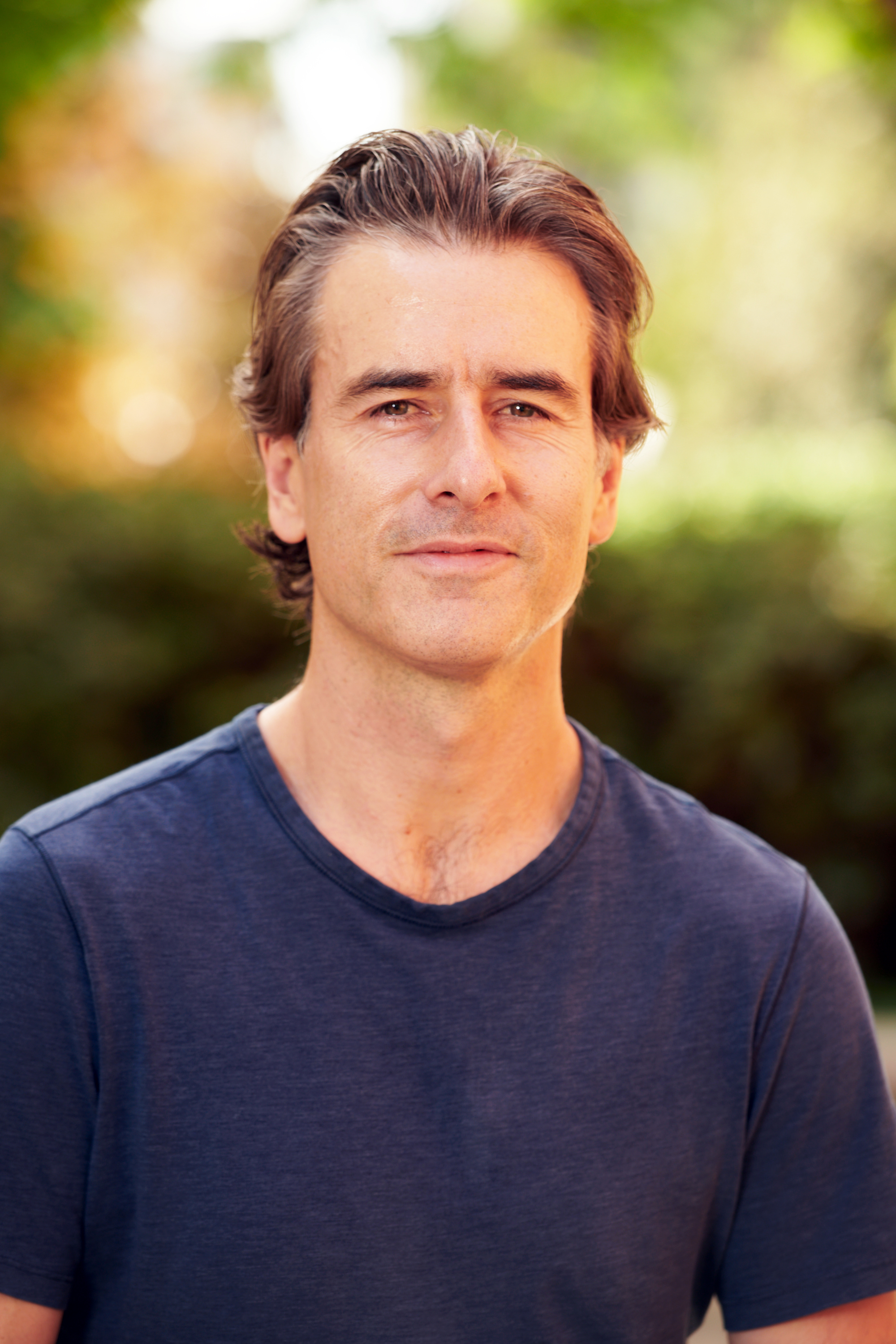
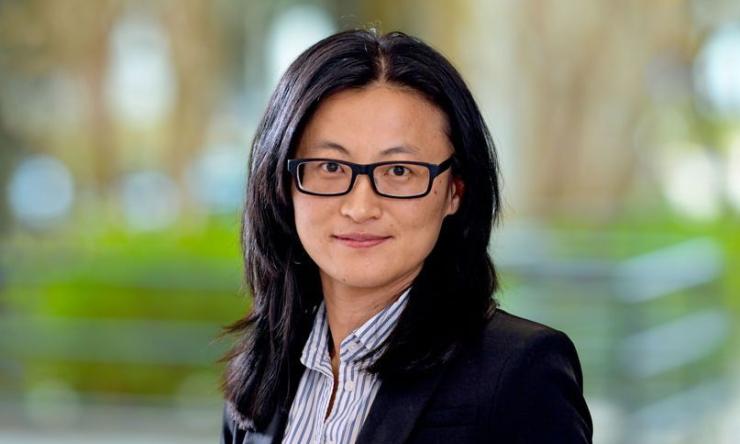
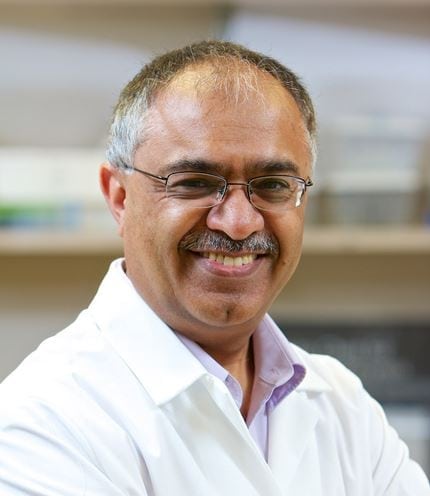
Dame Fiona Powrie is a Professor of Musculoskeletal Sciences at the University of Oxford and Director of the Kennedy Institute of Rheumatology . She leads the Mucosal Immunology Research Group and serves as Director of the Oxford Centre for Microbiome Studies (OCMS) and Cluster Lead in the MRC National Mouse Genetics Network Microbiome Cluster . Roles: Director of Kennedy Institute, Professor, Research Group Leader Relevant Affiliations: Wellcome Trust Governor (2018–present), Deputy Chair (2022), Royal Society Fellow (2011) Research Interests : Fiona specializes in the interplay between the intestinal microbiota and the host immune system, focusing on how dysregulation leads to inflammatory bowel disease (IBD) . Her work has elucidated the role of regulatory T cells in maintaining gut homeostasis and identified the IL-23 pathway as critical in chronic intestinal inflammation. Current efforts aim to translate these findings into clinical therapies for IBD patients. Scientific Awards and Fellowships : Ita Askonas Award (European Federation of Immunological Societies) Louis-Jeantet Prize for Medicine (2012) Honorary Lifetime Membership (British Society of Immunology, 2021) Fellow of the Royal Society (2011), EMBO (2013), Academy of Medical Sciences (2014) International Fellow of the National Academy of Sciences (2020) Advising and Leadership : Fiona leads the Mucosal Immunology group at the Kennedy Institute, mentors researchers, and contributes to national and international scientific governance. She has been instrumental in advancing microbiome and immunology research through leadership roles at the Oxford Centre for Microbiome Studies and the MRC National Mouse Genetics Network . Labs and Teams : Fiona's research group at the Kennedy Institute of Rheumatology investigates mucosal immunity and microbiome interactions, combining experimental and clinical approaches to address inflammatory diseases.
Frida Hållenius is an Associate Professor and Senior Lecturer in Molecular Nutrition at the Division of Food and Pharma, Faculty of Engineering (LTH), Lund University. She is a key member of the LTH Profile Area: Food and Bio and leads or actively participates in multiple research projects exploring the role of diet and gut microbiota in human health. Associate Professor in Molecular Nutrition Senior Lecturer, Division of Food and Pharma Faculty of Engineering (LTH), Lund University Principal Investigator, Gut Microbiome Laboratory (GML) Active researcher in 3 ongoing projects, including NeuroFood and ScanOats Her research is centered on host-microbiota interactions, particularly how dietary components, probiotics, and polyphenols influence gut health, inflammation, metabolic diseases, and neuroinflammation. Her work bridges nutrition, microbiology, and neuroscience, with a strong focus on preventive strategies for lifestyle-related diseases such as obesity, diabetes, and Alzheimer’s disease. She employs both animal models (e.g., C57BL/6, Apoe-/- mice) and human-relevant in vitro systems to study dietary interventions. The recent trends in her publications highlight a strong focus on the gut-brain axis, the impact of Nordic berries and legumes on microbiota and metabolic health, and the use of advanced models like 3D intestinal tissue. Her work often involves interdisciplinary collaboration and contributes to multiple UN Sustainable Development Goals, particularly those related to good health and well-being. Scientific Awards: No specific awards mentioned in the provided text. She has supervised several junior researchers and students, including research students and assistants, and is actively involved in grant-funded research projects from FORMAS and private foundations. She leads the Gut Microbiome Laboratory (GML), a collaborative research environment focused on understanding how diet shapes the gut microbiome and influences disease pathways. Her leadership in projects like NeuroFood and those targeting Alzheimer’s disease underscores her commitment to translational nutritional science.
Dr. Rebecca Clark is an Associate Professor in the Department of Biosciences at Durham University. Her research focuses on understanding intestinal function in health and disease using the Drosophila model. She investigates how the intestinal epithelium balances barrier function, nutrient absorption, microbial symbiosis, and cell turnover, particularly during aging and disease states. Key research questions include mechanisms of intestinal barrier failure and the interplay between nutrition and intestinal homeostasis. Her work integrates genetic, microbiological, and physiological approaches to explore aging-related pathologies. Current projects aim to identify molecular pathways linking intestinal health to longevity. Supervised postgraduate students include Ale Acevedo Marcelin, Beñat Yanez, and Fanila Shahzad. Dr. Clark’s lab uses Drosophila as a model system due to its powerful genetic tools and evolutionary relevance. Research has implications for understanding human conditions such as inflammatory bowel disease and age-related metabolic disorders. Recent findings highlight microbiota-independent aging mechanisms and the role of tricellular junctions in stem cell regulation. No scientific awards are explicitly listed in the provided materials. Her research has been published in journals like Cell , Nature Cell Biology , and Proceedings of the National Academy of Sciences .
Pierre Maechler is a Professor at the University of Geneva's Faculty of Medicine in the Department of Cell Physiology and Metabolism. His research focuses on mitochondrial metabolism in pancreatic beta cells and its critical role in diabetes pathogenesis, with particular emphasis on glutamate dehydrogenase function and regulation. His laboratory investigates the molecular mechanisms of insulin secretion and beta-cell failure in Type 2 diabetes. Maechler's research interests span mitochondrial metabolism, energy homeostasis, and the molecular pathways linking nutrient sensing to insulin secretion. His work has established crucial connections between glutamate metabolism, beta-cell function, and diabetes development. He investigates how metabolic stressors like glucotoxicity and lipotoxicity impair beta-cell function through mitochondrial dysfunction. His research has expanded to include the role of glutamate dehydrogenase in multiple organs including brain, liver, and muscle, revealing systemic metabolic implications. Analysis of Maechler's publication record shows a sustained focus on beta-cell metabolism with evolving scope. Early work established fundamental mechanisms of glutamate signaling in insulin secretion, while recent publications demonstrate expansion into multi-organ metabolic regulation. His research has identified novel biomarkers for beta-cell mass, explored therapeutic targets for diabetes, and revealed unexpected roles for glutamate dehydrogenase in diverse physiological processes from muscle regeneration to brain function. The consistent thread through his work is understanding how mitochondrial metabolism governs cellular and systemic energy homeostasis. Professor Maechler has mentored numerous PhD students and postdoctoral fellows who have gone on to publish significant work in diabetes research. His laboratory collaborates extensively with clinical researchers to translate basic findings into potential therapeutic approaches for diabetes. Funding for his work likely comes from Swiss National Science Foundation and other European research agencies, supporting investigations into metabolic diseases. Maechler leads the Mitochondria and Energy Metabolism research group at the University of Geneva. His team employs a multidisciplinary approach combining molecular biology, metabolomics, and physiology to investigate metabolic regulation in health and disease. The laboratory maintains strong connections with clinical diabetes researchers, facilitating translational applications of their findings. Current work focuses on identifying novel therapeutic targets for preserving beta-cell function in diabetes.
David Walker is a Professor and Vice Chair of Academic Personnel in the Department of Integrative Biology and Physiology at the University of California, Los Angeles. He leads a research lab focused on understanding the molecular and cellular basis of aging, utilizing Drosophila melanogaster to investigate mechanisms such as mitochondrial dysfunction, autophagy, and intestinal barrier integrity. His work aims to identify therapeutic targets for age-related diseases. Education: B.S., Genetics, Queen's University Belfast (1995) MRes, Molecular Biology, University of Manchester (1996) Ph.D., Genetics, University of Manchester (2000) Walker's research interests center on the biological processes driving aging, with emphasis on mitochondrial dynamics, neurodegeneration, and gut-microbiota interactions. His lab employs genetic, molecular, and physiological approaches in Drosophila to dissect how cellular deterioration impacts lifespan and healthspan, bridging insights to human aging pathologies. Key themes include the role of autophagy adaptors (e.g., p62/SQSTM1), mitochondrial fission, and intestinal homeostasis in longevity. His recent publications (2014–2024) reveal a consistent focus on brain aging, mitophagy, and gut-brain axis disruptions, with trends toward identifying midlife interventions for healthspan extension. Articles frequently integrate cellular stress responses, metabolic regulation, and neurodegeneration, highlighting Drosophila as a versatile model for translational aging research. No scientific awards, prizes, or fellowships are mentioned in the provided text. While specific grants or student advisees are not detailed, Walker's lab actively mentors researchers and contributes to collaborative projects on aging mechanisms. Future directions may involve exploring mitochondrial-immune interactions and novel longevity pathways. Walker directs a Drosophila-focused laboratory at UCLA, emphasizing genetic screens and mechanistic studies to uncover evolutionarily conserved aging pathways. The team investigates tissue-specific aging cascades, including neuronal and intestinal systems, to develop strategies for mitigating age-related decline.
Dr. Ali Nazmi is an Assistant Professor in the Department of Animal Sciences and the Food for Health Discovery Theme at The Ohio State University. He holds affiliations within the College of Food, Agricultural, and Environmental Sciences (CFAES). His research focuses on nutritional immunology, host-pathogen interactions in poultry and pigs, and the metabolic roles of intestinal immune cells. Nazmi obtained his B.Sc. in Poultry Production and M.Sc. in Poultry Breeding from Ain Shams University (Egypt), followed by a Ph.D. in Animal Biology from UC Davis (2017). He completed postdoctoral training in mucosal immunology at Vanderbilt University Medical Center before joining OSU in 2021. His recent work includes studies on intraepithelial lymphocytes in intestinal health, enteric disease resistance in poultry, and swine T cell biology. Key publications address mechanisms of necrotic enteritis in chickens, unconventional T cell subsets, and cytokine regulation in colitis models. Collaborations span avian immunology, swine immunology, and semen cryopreservation techniques. Education: B.Sc. (Ain Shams), M.Sc. (Ain Shams), Ph.D. (UC Davis) Postdoc: Vanderbilt University Medical Center (mucosal immunology) Key Research Themes: Nutritional Immunology, Mucosal Immunity, Avian/Porcine Health
Xia Gao is an Assistant Professor in the Department of Pediatrics-Nutrition and the Department of Molecular and Cellular Biology at Baylor College of Medicine. She leads the Gao Lab, based at the USDA/ARS Children's Nutrition Research Center in Houston, Texas, where she investigates the role of nutrition and metabolism in diseases such as cancer and obesity. Her research focuses on amino acid metabolism, particularly the impact of dietary methionine and serine restriction on cancer progression and therapy efficacy. She employs in vivo mouse models and in vitro systems combined with metabolomics, molecular biology, and immunology techniques. The most recent publications from her lab reveal a strong trend in cancer metabolism, especially in prostate and liver cancers, with a focus on dietary interventions, metabolic reprogramming, and immune cell metabolism. Her work bridges nutritional science and precision oncology, aiming to develop effective dietary therapies. Dietary methionine influences therapy in mouse cancer models and alters human metabolism (Nature, 2019) HNF4α regulates sulfur amino acid metabolism and confers sensitivity to methionine restriction in liver cancer (Nature Communications, 2020) Targeting glutamine metabolism in therapy-resistant prostate cancer (Oncogene, 2022) Dr. Gao is supported by competitive grants, including a CPRIT award (RP210056) on dietary methionine restriction to enhance chemotherapy, and an NIH/NCI R00 grant on methionine metabolism in cancer. These grants underscore her role as an independent investigator with significant research funding. The Gao Lab is part of the USDA/ARS Children's Nutrition Research Center, a premier research facility equipped with advanced laboratories, a metabolic kitchen, and interdisciplinary teams focused on child and adult nutrition and disease prevention.
Michael Boutros is a Full Professor at Heidelberg University and Head of Division at the German Cancer Research Center (DKFZ). He currently serves as Dean of the Medical Faculty at Heidelberg University (since 2023) and Director of the Marsilius Kolleg (since 2020). He has held leadership roles including Coordinator of the Functional and Structural Genomics Program at DKFZ (2014–2023) and Acting Scientific Director (2015–2016). His academic base is within the Medical Faculty, focusing on molecular oncology and functional genomics. PhD, Witten/Herdecke University (1993–1996) Postdoctoral Research, Harvard Medical School (1999–2003) MPA, John F. Kennedy School of Government, Harvard University (1999–2001) Additional training: Cold Spring Harbor Laboratory, SUNY Stony Brook His research centers on Wnt signaling, functional genomics, and cancer pathways. He leads major research initiatives such as CRC 1324 on Wnt signaling and the ERC Synergy Grant DECODE. His work integrates high-throughput screening, CRISPR, and systems biology to dissect signaling networks in cancer and development. He has pioneered genome-wide RNAi and CRISPR screens to identify novel regulators of Wnt signaling across models. The 15 most recent articles reflect a strong focus on Wnt pathway regulation using functional genomics in both Drosophila and mammalian systems. Themes include high-throughput screening, CRISPR-based validation, cross-species conservation, and therapeutic targeting. Keywords span Cancer Biology, Systems Biology, and Signal Transduction, with subfields like RNAi, ubiquitination, stem cell regulation, and machine learning in image analysis. Michael Boutros has received numerous scientific honors: Elected member, Leopoldina National Academy of Sciences (2022) Elected member, Heidelberg Academy of Sciences (2022) EMBO Member (2013) ERC Advanced Grant (2012) Johann-Georg Zimmermann Research Award (2007) EMBO Young Investigator (2005) Member, 'Die Junge Akademie' (2003) He has been a recipient of the Emmy-Noether Program, McCloy Fellowship, Boehringer Ingelheim PhD Fellowship, Studienstiftung Fellowship, and Fulbright Fellowship. As a mentor and research leader, he has supervised numerous early-career scientists and coordinated large collaborative grants including the FP7 'CancerPathways' project. He currently serves as Speaker of the Research and Strategy Commission at Heidelberg University and Managing Director of the Health and Life Science Alliance Heidelberg Mannheim. He leads the CRC 1324 on Wnt signaling and is Coordinating PI of the ERC Synergy Grant DECODE. He is also Spokesperson of DFG Research Group 1036 and Coordinator of the former FP7 Coordinated Project 'CancerPathways'. His lab employs cutting-edge functional genomics tools to decode signaling networks in cancer and development.
Jashvant Unadkat, Ph.D. is a Professor of Pharmaceutics at the University of Washington School of Pharmacy. He holds appointments in the Department of Pharmaceutics and is actively involved with the UWPKDAP (Program on Pharmacokinetics of Drugs of Abuse during Pregnancy). His research spans drug transport, metabolism, and pharmacokinetics with special emphasis on pregnancy and fetal pharmacology. Dr. Unadkat received his B.Pharm. from the University of London (1977), his Ph.D. from the University of Manchester (1982), and completed postdoctoral training at the University of California at San Francisco (1982-85). His educational background laid the foundation for his extensive career in pharmaceutical sciences. His research interests focus on mechanisms of drug transport and metabolism, particularly during pregnancy. Dr. Unadkat has made significant contributions to understanding placental drug transporters, blood-brain barrier function, and quantitative approaches to pharmacokinetics-pharmacodynamics. His work bridges computational modeling with experimental approaches to address complex questions in drug disposition. Analysis of his recent publications reveals a strong trend toward understanding drug interactions during pregnancy, cannabinoid pharmacology, and the application of physiologically based pharmacokinetic (PBPK) modeling to predict drug behavior in special populations. His research spans pharmacology, computational biology, obstetrics, and toxicology with particular emphasis on drug transporters and their regulation. Fellow of AAAS Fellow of AAPS Fellow of JSSX AAPS Research Achievement Award (2012) ISSX Research Achievement Award (2023) Founding co-chair (1999-2001) of AAPS focus group on Drug Transport and Uptake Dr. Unadkat has led significant research initiatives including the UW Research Affiliates Program on Transporters (UWRAPT) for 10 years, the NIDA-funded UWPKDAP program on drug disposition during pregnancy, and co-leads the NICHD-funded UW Transporter Elucidation Center. His work has generated over 250 peer-reviewed publications and has significantly influenced regulatory science and drug development practices. He is actively involved in research teams focusing on placental transport, hepatic drug metabolism, and quantitative pharmacology. His current work with the UW Transporter Elucidation Center aims to identify and characterize novel transporters in the placenta and developing intestine, with implications for drug safety during pregnancy and pediatric pharmacotherapy.
Christopher J. Lengner is the Harriet Ellison Woodward Professor and Chair of the Department of Biomedical Sciences at the University of Pennsylvania School of Veterinary Medicine. He is a member of the Institute for Regenerative Medicine, NIH P30 Center for Molecular Studies in Digestive and Liver Diseases, and Abramson Cancer Center, with roles in training and research leadership. Education : PhD in Cell and Molecular Biology from the University of Massachusetts Medical School (2004). His research focuses on molecular mechanisms governing stem cell potency and their dysregulation in diseases like cancer and regenerative failure. Using genetic, genomic, and single-cell approaches in murine and human systems, his lab has uncovered novel pathways in intestinal stem cell hierarchy, cancer ontogeny, and therapeutic targeting. Recent publications highlight work in colorectal cancer metastasis (PI3K/AKT, NOTUM inhibition), intestinal regeneration (mTORC1, FLASH radiotherapy), and tumor microenvironment dynamics. Collaborations span human induced pluripotent cells and patient samples. Scientific Awards : Ruth L. Kirschstein Postdoctoral Fellowship He mentors graduate students (Ryan Cedeno, Maryam Yousefi) and leads the Center for Animal Transgenesis. His lab’s integrative studies bridge basic science to translational applications in oncology and regenerative medicine.
Felix Schweizer is Professor of Neurobiology at the David Geffen School of Medicine, University of California, Los Angeles, and concurrently serves as Interim Director of the Brain Research Institute and Chair of the Graduate Interdepartmental Program for Neuroscience, reflecting his leadership in both research and graduate training. Education Ph.D. in Biochemistry (summa cum laude), University of Basel, 1989 Research Interests Schweizer’s laboratory focuses on the molecular mechanisms of synaptic transmission and neuronal communication. Using electrophysiology, optical imaging, and quantitative proteomics, his group investigates how protein ubiquitination dynamically regulates neurotransmitter release and neuronal excitability. Recent projects explore microbial metabolite sensing by vagal afferents, the synaptic impact of environmental toxicants linked to Parkinson’s disease, and how gravitational load alters vestibular synaptic architecture. Collaborations with Drs. James Wohlschlegel (multiplexed SILAC proteomics), David Krantz (pesticide neurotoxicology), and Larry Hoffman (vestibular biology in altered gravity) extend the lab’s reach from molecular mechanisms to systems-level neuroscience. Scientific Awards No specific awards are listed in the provided text. Advising & Grants As Chair of the Graduate Interdepartmental Program for Neuroscience, Schweizer oversees interdisciplinary Ph.D. training across UCLA. The laboratory continuously hosts post-doctoral fellows and graduate students, and recent funding supports work on ubiquitin-mediated synaptic modulation, pesticide-induced neurodegeneration, and spaceflight-induced synaptic plasticity in the vestibular system. Labs & Teams The Schweizer laboratory, located in the Center for Health Sciences at UCLA, integrates electrophysiology, advanced imaging (serial EM and EM tomography), and biochemical approaches to dissect synaptic function across rodent, Drosophila, and human tissue models.
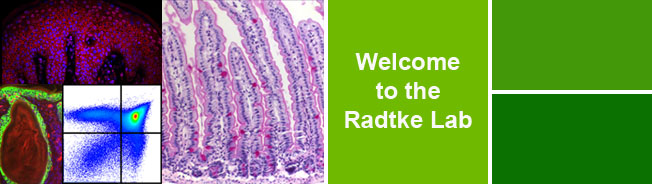
Freddy Radtke is a Full Professor at the School of Life Sciences at École polytechnique fédérale de Lausanne (EPFL), where he leads the Radtke Lab (UPRAD) within the Swiss Institute for Experimental Cancer Research (ISREC). He holds multiple affiliations across EPFL, including in the SSV-ENS and EDMS-ENS programs, reflecting his broad engagement in teaching and doctoral education in life sciences. His research is centered on the molecular mechanisms of stem cell maintenance and differentiation, particularly through the Notch signaling pathway. His work spans several self-renewing systems: the hematopoietic system, skin, and gut. Key findings include the identification of Delta-like 4 as the essential Notch1 ligand for T cell commitment, the tumor suppressor role of Notch1 in skin, and its critical function as a gatekeeper of intestinal progenitor cells by repressing CDK inhibitors. These discoveries have significant implications for understanding cancer development and regenerative processes. The recent publications highlight a consistent focus on Notch signaling across diverse biological contexts—hematopoiesis, skin development, intestinal regeneration, and stem cell systems biology. The keywords and subfields reflect deep mechanistic investigations into cell fate decisions, signal transduction, and tissue homeostasis, with strong translational relevance to cancer and inflammatory diseases. Freddy Radtke has mentored numerous Ph.D. students and is actively involved in teaching courses such as Stem Cells and Organoids and Scientific Project Design in Translational Oncology . His lab conducts research supported by external funding, and he collaborates across disciplines to integrate systems biology with stem cell research. The lab includes scientists, doctoral assistants, technicians, and administrative staff, indicating a vibrant and multidisciplinary research team.
Toni M. Antalis, PhD, is a Professor in the Department of Pharmacology & Physiology at the University of Maryland School of Medicine. She serves as Associate Director of Training and Education for the Marlene and Stewart Greenebaum Comprehensive Cancer Center and Director of the Program in Molecular Medicine. Her research bridges vascular biology and cancer, focusing on membrane-anchored serine proteases and their role in tumor metastasis, inflammation, and coagulation. Doctorate in Biochemistry from Rice University Postdoctoral training in Cell Biology at Baylor College of Medicine Her laboratory investigates how protease-activated receptors (PARs) and the plasminogen activation system influence vascular disease and ovarian cancer progression. Current projects include studying fibrinolysis in thrombus resolution and developing protease-targeted therapies for metastatic ovarian cancer. Recent publications highlight roles of matriptase, testisin, and PAI-2 in tumor dissemination and vascular permeability. Dr. Antalis' research is funded by the National Institutes of Health (NIH), the Department of Defense, and a VA Merit Award. She has previously received support from the Lance Armstrong Foundation and Rivkin Center. She co-directs NIH-funded T32 and PREP programs for cancer training. Mentored numerous PhD students and postdoctoral fellows Developed engineered anthrax toxin prodrugs for ovarian cancer therapy (patents 10,568,929 and 11,013,784)
Dimitrios (Dimitris) Anastasiou is a Senior Group Leader at The Francis Crick Institute in London, UK, specializing in cancer metabolism research. Previously, he served as a Group Leader at the Medical Research Council National Institute for Medical Research (NIMR) starting in 2012 before transitioning to the Crick Institute in 2015. His research career includes postdoctoral work and an Instructor position at Beth Israel Deaconess Medical Center and the Department of Systems Biology, Harvard Medical School under Lewis Cantley, where he focused on metabolic reprogramming in cancer. University College London, UK - BSc Molecular Biology (2001) University of Basel, Basel, Switzerland - PhD in Biochemistry (2006) Anastasiou's research centers on understanding how cancer cells generate energy and utilize nutrients differently from normal cells. His laboratory conducts detailed analyses of metabolic pathways in cancer, investigating how tumor cells rewire their metabolism to support rapid growth and evade the body's defenses. His work spans biochemistry, proteomics, computational systems biology, human physiology, and tumor biology, with particular emphasis on identifying metabolic vulnerabilities that could be targeted for cancer therapy. His innovative approaches include developing chemical 'sensors' to monitor metabolic changes in cancer cells over time as tumors develop. Analysis of his recent publications reveals a consistent focus on metabolic regulation in cancer, particularly regarding glycolysis, hypoxia response, amino acid metabolism, and nucleotide biosynthesis. His work frequently examines enzyme regulation (particularly PKM2), metabolic adaptation to environmental stressors, and the intersection between metabolism and signaling pathways. A notable trend is his exploration of how metabolic enzymes function beyond their traditional roles, influencing cellular signaling and gene expression in cancer contexts. Anastasiou has made significant contributions to understanding metabolic reprogramming in cancer, particularly regarding pyruvate kinase M2 regulation, hypoxia responses, and nutrient utilization in tumor microenvironments. His work bridges basic biochemical mechanisms with potential therapeutic applications, focusing on identifying metabolic vulnerabilities in cancer cells that could be exploited for treatment. As a Senior Group Leader at the Crick Institute, Anastasiou leads a research group investigating how metabolism contributes to disease, particularly cancer. His laboratory utilizes a range of techniques including metabolomics, bioinformatics, structural biology, and high-throughput screening to study metabolic pathways. The group's work aims to identify fundamental differences between metabolic pathways in tumors and healthy tissue to discover new therapeutic targets against cancer.
Univ.-Prof. Dr. med. Martin A. Kriegel serves as full Professor and Department Head of the Department of Translational Rheumatology and Immunology at the Institute of Musculoskeletal Medicine, University of Münster, while maintaining an active laboratory at Yale School of Medicine. He leads the Section for Rheumatology and Clinical Immunology (SRKI) at Medical Clinic D, where his team integrates clinical care with cutting-edge microbiome research. His department operates from Röntgenstraße 21 and Von-Esmarch-Str. 54 in Münster, Germany, with extensive collaborations including the "Cells in Motion" research initiative and the CiM-IMPRS graduate program. Dr. Kriegel's research program focuses on the critical interface between host immunity and microbiota, particularly investigating how gut commensals translocate to host tissues and trigger autoimmune responses. His laboratory pioneered the discovery that specific pathobionts like Enterococcus gallinarum and certain Lactobacillus strains can translocate from the gut to mesenteric lymph nodes, liver, and other sites, driving autoimmune responses through molecular mimicry of human autoantigens. His work has established fundamental mechanisms by which microbiota influence rheumatic diseases, cutaneous autoimmunity, and cancer immunology, with particular emphasis on Ro60 autoantigen mimicry, TLR7-dependent pathways, and diet-microbiome interactions. The laboratory employs advanced techniques including gnotobiotic mouse models, humanized systems, and detailed molecular characterization of host-pathobiont interactions. Analysis of Dr. Kriegel's publication record reveals a consistent trajectory of high-impact research connecting microbiome dynamics to autoimmune pathogenesis. His most recent work (2023-2025) demonstrates increasingly sophisticated understanding of how specific bacterial strains influence disease phenotypes across multiple autoimmune conditions, with notable advances in identifying shared microbiome signatures across lupus and inflammatory bowel disease. The publications show progressive refinement from initial observations of microbial translocation to detailed mechanistic insights into tryptophan catabolism pathways, structural basis of molecular mimicry, and diet-sensitive microbial triggers. Dr. Kriegel's scientific recognition includes US Patent No. 11,058,756 B2 for compositions treating autoimmune diseases by reducing enterococcus, reflecting the translational potential of his research. His laboratory receives substantial funding, most notably a $3 million award from the Lupus Research Alliance for the TransLuMi project investigating gut pathobiont translocation in systemic lupus erythematosus. As an educator and mentor, Dr. Kriegel directs a substantial research team including multiple postdocs (Drs. Marcia Pereira, Nathalie Becker), PhD candidates (Anna Brinkhege, Carina Brune, Helen Fuhrmann), and laboratory specialists. He participates in the CiM-IMPRS graduate program and supervises medical students through the MedK program. His laboratory currently manages multiple significant research projects including: (A) intestinal wall permeability and pathobiont translocation in autoimmunity; (B) diet-environment-microbiome interactions; (C) microbiota disruption of immunological tolerance; and (D) microbiome roles in lymphoma development. The Kriegel laboratory maintains state-of-the-art facilities at both Münster and Yale, with specialized capabilities in gnotobiotic research, microbiome analysis, and immune profiling. His team collaborates with international partners including Dr. Eran Elinav at Weizmann Institute, Dr. Nissan Yissachar at Bar-Ilan University, Prof. George Tsokos at Harvard, and Prof. Ilana Brito at Cornell University. The laboratory's website (https://www.medizin.uni-muenster.de/mikrobiom/startseite/) details ongoing projects and research opportunities.