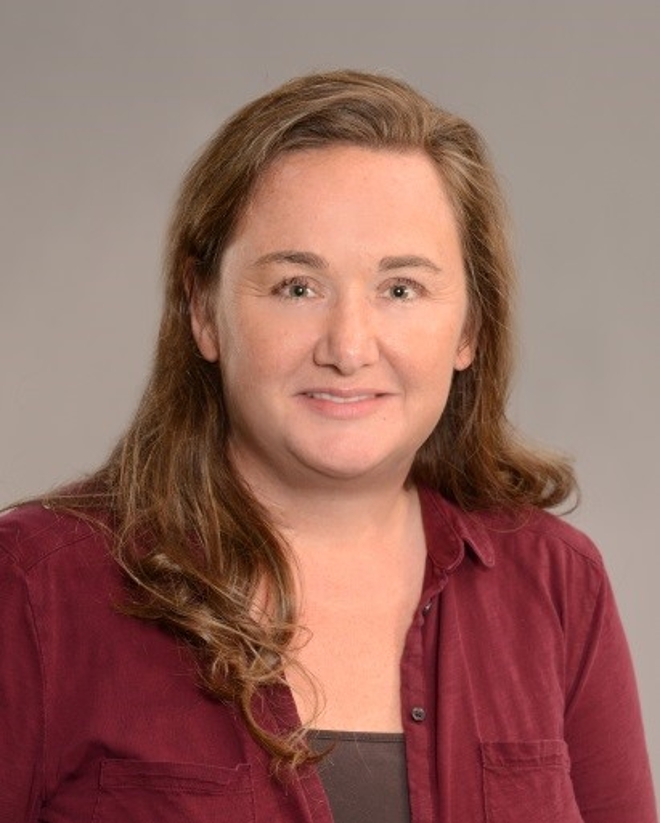
Jenn Brophy is an Assistant Professor of Bioengineering at Stanford University, developing technologies for genetic engineering of plants and microbes to address environmental stress resilience and agricultural sustainability. Her lab focuses on synthetic genetic circuits for plant root reprogramming and stress response optimization. B.S. in Bioengineering, UC Berkeley (2010) Ph.D. in Biological Engineering, MIT (2016) Postdoctoral Fellow, Stanford University (Biology) Research spans synthetic biology, plant genetics, and microbiome engineering, emphasizing climate adaptation and sustainable biotechnology. Current projects include: Plant-microbe interaction engineering Stress-responsive biosensors High-throughput genetic tool development Plant cell atlas integration Sustainable laboratory practices Her recent publications highlight advances in recombinase circuits, root architecture engineering, and plant cell mapping, with applications in climate resilience and microbiome design. Collaborators include José Dinneny (Stanford) in plant synthetic biology research.
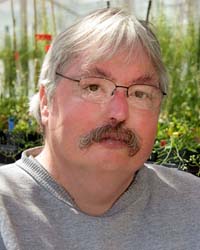
Brian M. Barnes is a Professor of Zoophysiology at the University of Alaska Fairbanks (UAF), affiliated with the Institute of Arctic Biology and the Department of Biology and Wildlife. He has held roles including INBRE Director, Toolik Field Station Co-PI, and Interim Director of the Institute of Arctic Biology. His research focuses on physiological ecology, endocrinology of hibernation, and biological rhythms in Arctic animals. Education: BS in Biology (UC Riverside, 1977); PhD in Zoology (University of Washington, 1983). Postdoctoral training at UC Berkeley and international collaborations in Norway and the Netherlands. Awards include NSF grants and leadership in Arctic research networks. Research Interests: Hibernation physiology and mechanisms Circadian rhythms in polar vertebrates Overwintering strategies of Arctic mammals and insects Climate change impacts on animal phenology Notable Contributions: Discovered freeze-avoidance mechanisms in Arctic ground squirrels Pioneered studies on hibernation energy conservation and metabolic suppression Co-developed tools for field studies at the Toolik Field Station Lab/Teams: Leads research groups studying Arctic hibernators, including collaborations on black bear hibernation genomics and insect antifreeze proteins. Advises students in physiology, ecology, and comparative biology.
Cornelius Barry is an Associate Professor in the Department of Horticulture at Michigan State University, with affiliations to the Plant Breeding, Genetics and Biotechnology program, AgBioResearch, and the Molecular Plant Sciences Graduate Program. He joined MSU in July 2007 with a 75% research and 25% teaching appointment. Education: PhD and BSc from the University of Nottingham and University College of Wales Current roles: Director of NSF REU Site: Plant Genomics @ MSU His research focuses on the evolution of biochemical diversity within the Solanaceae family , particularly specialized metabolites like terpenoids, flavonoids, and alkaloids. He investigates their roles in plant defense, pollinator attraction, and human applications through genomics, metabolite profiling, and synthetic biology. Recent publications show expertise in alkaloid biosynthesis , trichome chemistry , and metabolic pathway engineering . Key collaborations include teams at Boyce Thompson Institute, Texas A&M, and University of Nottingham. He advises graduate students in Genetics , Biochemistry & Molecular Biology , and Molecular Plant Sciences programs.
Romdhane Rekaya serves as a Professor in the Department of Animal and Dairy Science within the College of Agricultural & Environmental Sciences at the University of Georgia. He also holds courtesy faculty positions in the Department of Statistics and is an associate faculty member with the Institute of Bioinformatics at UGA. His research program focuses on developing statistical and computational tools for analyzing large genetic and genomic datasets with applications in livestock, poultry, and human health. Dr. Rekaya's educational background includes: Agriculture Engineer from the High Institute of Agriculture, Tunisia Master of Science from the International Center for Advanced Studies in Mediterranean Agriculture of Zaragoza, Spain Ph.D. from the Polytechnic University of Madrid, Spain Dr. Rekaya's research interests span quantitative genetics, genomics, biostatistics, and bioinformatics. His work centers on developing statistical and computational methodologies for analyzing big genetic and genomic data sets with practical applications in livestock, poultry, and human health. His research has been particularly focused on addressing critical challenges in animal agriculture including horn fly resistance in beef cattle, water utilization efficiency in poultry, and greenhouse gas emissions in dairy production. His methodological approaches often integrate machine learning, Bayesian statistics, and genomic technologies to solve complex biological problems. Dr. Rekaya's publication record demonstrates a consistent focus on statistical methodology development for genetic analysis, with recent work increasingly emphasizing practical applications of genomic technologies in animal agriculture. His research spans both theoretical statistical development and practical implementation in livestock improvement programs, with particular emphasis on innovative approaches to traditional breeding challenges. Among his professional recognitions: Student Career Success Influencer Award 2024 Mini-Sabbatical Award Student Career Success Influencer Award 2022 Carnegie fellowship Carnegie African Diaspora Fellow Faculty with significant positive impact of at least one graduate student Gamma Sigma Delta outstanding Research Achievements Award Dr. Rekaya has successfully mentored numerous graduate students including PhD candidates Amanda Warner, Mahsa Zare, Koushik Das, and Evan Hartono, along with undergraduate researchers. His research has been consistently supported by major funding agencies including USDA NIFA, USDA ARS, Georgia Agricultural Commodity Commission for Beef, National Academy of Sciences, and industry partners including Tyson Foods and Cobb-Vantress. Current projects include developing genetic solutions to the horn fly problem in beef cattle, improving water utilization efficiency in poultry, and examining associations between greenhouse gas emissions and feed efficiency in dairy cattle. Dr. Rekaya leads an active research laboratory that collaborates with multiple departments and institutions. His lab focuses on applying advanced statistical and computational methods to solve pressing problems in animal agriculture, with particular emphasis on integrating genomic information into practical breeding programs. The lab maintains strong industry connections and international collaborations, particularly with researchers in Africa through the African Animal Breeding Network.
Shirley Micallef is Professor in the Department of Plant Science & Landscape Architecture at University of Maryland's College of Agriculture and Natural Resources. Her research addresses microbiological safety of fresh produce, focusing on enteric pathogen-plant interactions, irrigation water quality, and sustainable management practices. Current projects examine Salmonella/E. coli dynamics on leafy greens under variable environmental conditions. Research pillars: 1) Preharvest factors affecting pathogen persistence; 2) Metabolomic basis of plant-pathogen interactions; 3) Validation of sanitation technologies; 4) Irrigation water safety. Recent work (2020-2025) emphasizes molecular mechanisms of bacterial colonization and climate impacts on food safety risks. Article trends: 75% focus on pathogen-plant interactions, 60% on leafy greens, 40% on irrigation water/sanitation. Methodological strengths include transcriptomics, metabolomics, and advanced detection platforms.
Mehdi Kabbage is a Professor and Director of Graduate Studies in the Department of Plant Pathology at the University of Wisconsin-Madison . His research focuses on necrotrophic fungal pathogenesis, particularly the role of oxalic acid and programmed cell death (PCD) in plant-pathogen interactions. He teaches courses in fungal biology and plant-microbe interactions. Education : Ph.D. in Plant Pathology (Kansas State University), M.S. in Plant Pathology (Kansas State University), B.S. in Engineering (Ecole d'Ingénieurs de Purpan, France) Dr. Kabbage investigates how Sclerotinia sclerotiorum manipulates plant PCD through oxalic acid secretion and explores strategies to inhibit this process for crop protection. His work spans molecular mechanisms of fungal virulence, plant stress tolerance, and genetic resistance in soybeans. Recent publications highlight his research on fungal effector proteins, host-induced gene silencing, oxalic acid signaling, and autophagy-based resistance strategies. He collaborates extensively on soybean and dry bean pathosystems, with a focus on integrated disease management and climate resilience. His lab develops transgenic approaches for stress tolerance, studies BAG protein family functions in plant defense, and investigates fungal enzymatic virulence factors like alcohol oxidases and laccases. Current projects include chemical genomics for resistance pathway discovery and novel antifungal agents such as poacic acid.
Dr. Ian A.E. Butts is an Associate Professor at Auburn University's School of Fisheries, Aquaculture & Aquatic Sciences. His research program addresses critical challenges in aquatic reproduction, focusing on gamete biology, environmental physiology, and aquaculture biotechnology. Research interests center on reproductive physiology of aquatic species, cryopreservation techniques, environmental impacts on fish reproduction, and innovative breeding technologies. His work spans diverse species including catfish, oysters, goldfish, and European eel, with emphasis on improving aquaculture sustainability through advanced reproductive management. Publications demonstrate consistent focus on gamete quality assessment, cryopreservation biomarkers, xenogenesis, and environmental stressors' effects on reproductive success. Recent work explores transcriptomic responses to temperature variations, salinity effects on bivalve reproduction, and molecular biomarkers for sperm quality evaluation.
Somak Dutta is an Associate Professor at Iowa State University conducting interdisciplinary research at the intersection of statistical methodology, machine learning, and agricultural sciences. His work addresses critical challenges in plant breeding, genomics, and environmental modeling through innovative quantitative approaches. His academic foundation includes: PhD in Statistics, University of Chicago, 2015 M.Stat (First Division with Distinction), Indian Statistical Institute, Kolkata, 2010 B.Stat (Honours with Distinction), Indian Statistical Institute, Kolkata, 2008 Dr. Dutta specializes in developing advanced statistical frameworks for high-dimensional data analysis, Bayesian variable selection, and spatial modeling. His research directly impacts plant breeding programs through applications in phenotyping, haploid induction systems, drought response mechanisms, and genetic architecture studies across key crops including maize, soybean, and mungbean. He also contributes to meteorological science through machine learning applications for severe weather verification. Analysis of his 2023-2025 publications reveals two dominant research streams: (1) agricultural applications focusing on genomic selection, phenotyping technologies, and stress response modeling in crops, and (2) meteorological innovations applying machine learning to severe thunderstorm wind verification and precipitation forecasting. Both streams demonstrate his signature approach of developing novel statistical methodologies tailored to domain-specific challenges. No scientific awards were documented in the provided materials. Information regarding student advising, grant funding, laboratory infrastructure, or collaborative teams was not available in the source documentation.
Kevin Kohl is an Associate Professor in the Department of Biological Sciences at the University of Pittsburgh, where he joined in 2017 after completing his Ph.D. at the University of Utah and postdoctoral research at Universidad Nacional de San Luis (Argentina) and Vanderbilt University. His work bridges microbial ecology, physiological adaptation, and evolutionary biology with a focus on vertebrate digestive systems. Education: Ph.D., University of Utah, 2015 (Advisor: Dr. Denise Dearing) Postdoctoral Research, Universidad Nacional de San Luis, Argentina (with Dr. Enrique Caviedes-Vidal) Postdoctoral Research, Vanderbilt University (with Dr. Seth Bordenstein) Dr. Kohl's research centers on how host ecology and evolutionary history shape digestive physiology and gut microbial communities, particularly in herbivorous mammals and lizards coping with low-protein, high-fiber, and toxin-rich diets. The Kohl Lab employs comparative, experimental, and computational approaches across fish, amphibians, reptiles, birds, and mammals to uncover functional implications and mechanistic bases of host-microbe relationships. Key research themes include phylosymbiosis, thermal physiology, nutritional ecology, and microbial dynamics in conservation contexts. His recent publications (2023-2025) reveal consistent exploration of diet-microbiome-physiology interactions, with emerging emphasis on methodological innovation (e.g., cryopreservation techniques, museum specimen analysis), climate change impacts on ectotherms, and accessibility in field research. Work spans fundamental mechanisms like gastric lysozyme evolution to applied conservation hologenomics initiatives. Dr. Kohl advises graduate students in biological sciences and leads the Kohl Lab, which maintains active international collaborations. The lab emphasizes rigorous experimental design while addressing real-world challenges like wildlife conservation microbiome applications and inclusive fieldwork practices. The Kohl Lab operates as a multidisciplinary hub investigating host-microbe interactions through projects including Integrative Nutritional Physiology, Landscape Variation in Pond Microbiomes, and Microbial Ecology of Animals Under Human Care. Current work increasingly integrates hologenomic perspectives to address conservation biology challenges and methodological limitations in microbiome research.
Daryl Nydam is a Professor in the Department of Population Medicine and Diagnostic Sciences at Cornell University's College of Veterinary Medicine. He serves as Director of Quality Milk Production Services and is a Faculty Fellow at the Atkinson Center for Sustainability. His research bridges production animal agriculture and public health, focusing on dairy cattle transition cow health, calf infectious diseases (especially zoonoses), and milk quality epidemiology. Education: B.S. Biochemistry (Cum Laude), SUNY Geneseo (1993) DVM, Cornell University (1997) Ph.D. Epidemiology, Cornell University (2002) Research Focus: Dr. Nydam investigates population-level interventions for dairy cattle health, emphasizing metabolic disorders in transition cows, cryptosporidiosis in calves, and mastitis control. His work integrates field epidemiology with practical herd management solutions to optimize productivity and public health outcomes. Publications: His recent articles (2015-2017) predominantly address metabolic health in transition dairy cows, neonatal calf management, mastitis therapeutics, and diagnostic innovations. Key themes include ketosis prediction, antibiotic efficacy trials, and nutritional impacts on immunity. Awards & Honors: Excellence in Preventive Medicine (AABP, 2015) Academic Service Award (Cornell CVM, 2014) Most Cited Manuscript 2010-2013 (Journal of Dairy Science) Faculty Fellow, Atkinson Center for Sustainability (2009-present) Editorial Board, Journal of Dairy Science (2016) Leadership: As Director of Quality Milk Production Services, Dr. Nydam oversees a diagnostic laboratory network supporting mastitis control across New York dairy farms. He actively mentors in graduate fields including Animal Science, Epidemiology, and Infectious Disease.
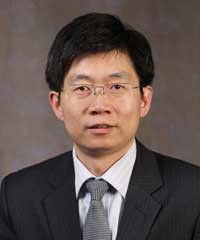
Dr. Wenping Qiu is a Research Professor and Director of the Center for Grapevine Biotechnology at the William H. Darr College of Agriculture, Missouri State University. He leads the Midwest Center of the National Clean Plant Network-Grapevine, focusing on virus-tested grapevine services and disease resistance research. His work addresses significant losses in the grape industry through molecular biology and biotechnology. Education: PhD in Plant Pathology/Biotechnology, North Carolina State University (1997) MS in Virology, Wuhan Institute of Virology, Chinese Academy of Sciences (1988) BS in Biology, Henan Teacher’s University, China (1985) Research Interests: Molecular and genetic mechanisms of disease resistance in grapevines, virus discovery (e.g., Grapevine vein clearing virus), vector transmission, and breeding resistant cultivars like Norton-Cabernet Sauvignon hybrids. His team also evaluates virus suppression strategies and genomic approaches in grapevine. Awards and Honors: Recipient of the MSU Foundation Award in Research (2020) Clif & Gail Smart Endowed Professorship (2012–2019) Named one of the 100 Talents in Ningxia Hui Autonomous Region, China (2010) Advising and Mentorship: Trained numerous students in plant science, biotechnology, and transferrable career skills. Collaborates with industry to advance sustainable grape cultivation. Labs & Affiliations: Directs the Center for Grapevine Biotechnology and collaborates with the National Clean Plant Network. Engages in international research networks like the International Council for the Study of Virus and Virus-like Diseases of Grapevine.
Dr. Donna Harris is an Assistant Professor in the Department of Plant Sciences at the University of Wyoming, based at the Sheridan Research & Extension Center. Her academic career includes roles as Senior Scientist at BASF Vegetable Seeds (2015–2020), Research Professional III at the University of Georgia (2007–2015), and prior industry experience with Monsanto and Pioneer Hi-Bred International. She holds a PhD (2014) and MS (2001) in Crop Science from the University of Georgia, alongside a BS (1998) in the same field. Her research focuses on plant breeding and genetics, addressing crop needs for Wyoming producers and consumers. Key areas include soybean rust resistance, quantitative trait loci (QTL) analysis, and germplasm evaluation for disease resistance. She has contributed significantly to soybean breeding programs, identifying novel resistance genes and developing resistant cultivars. Dr. Harris has published extensively on soybean pathology and genetics, with work appearing in Theoretical and Applied Genetics , Molecular Breeding , and Crop Science . Her publications emphasize molecular mapping of resistance genes, germplasm screening, and disease management strategies. While no awards are explicitly listed, her impactful research has shaped soybean improvement efforts in the U.S. and globally. Her professional experience spans academic and industrial settings, with expertise in both theoretical genetics and applied breeding. Current research integrates field-based evaluations with genomic approaches to enhance crop resilience against biotic stresses.
University of North Carolina at Chapel HillUnited States
Jeff Dangl is the John N. Couch Professor and an HHMI Investigator at the University of North Carolina at Chapel Hill, where he leads research in the Department of Biology. He has been studying plant-microbe interactions since 1989, focusing on two main areas: the plant immune system and the root microbiome. His laboratory is located in the Genome Sciences Building on UNC's historic campus, which is part of the Research Triangle Park area, a leading hub for biotechnology research. Dr. Dangl's research interests span several interconnected areas of plant-microbe interactions. His work examines how plants recognize pathogens through their two-tiered immune system consisting of extracellular pattern recognition receptors and intracellular NLR receptors. He also investigates how the plant immune system shapes the composition and function of the root microbiome. His lab uses Arabidopsis thaliana as a model system to study these interactions at multiple biological scales, from molecular and structural levels to small mesocosms. The research trends in Dr. Dangl's recent publications indicate a strong focus on understanding the molecular mechanisms of plant immune receptors, particularly NLR proteins and their activation pathways. His work increasingly integrates microbiome research with plant immunology, exploring how commensal microbes interact with and potentially modulate the plant immune system. There's also significant emphasis on the structural and functional aspects of immune receptor complexes, as well as the evolutionary dynamics of plant-pathogen interactions. HHMI Investigator John N. Couch Professor Dr. Dangl leads a diverse research group with members from several countries, emphasizing small team approaches to tackle complex problems in plant-microbe interactions. His students and postdocs benefit from access to multiple inputs about their work through this collaborative environment. His laboratory has developed expertise in genomics, ecological modeling, metabolic modeling, and both forward and reverse genetics to address questions about microbiome assembly and function. The Dangl lab maintains strong connections with the broader scientific community through collaborations and participation in major research initiatives. They work within the rich research environment of the Research Triangle Park, which includes UNC, Duke University, North Carolina State University, the North Carolina Biotechnology Center, and numerous life-science companies.
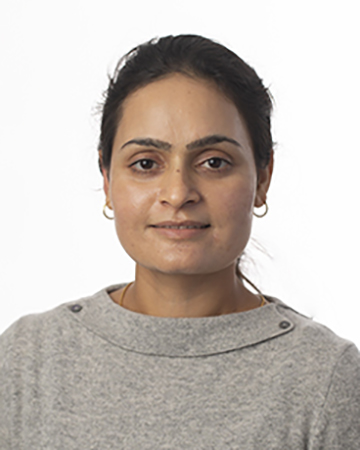
Jaspreet Kaur is an Assistant Professor in the Biology department at the University of Wisconsin-La Crosse . Her research focuses on plant-microbial interactions and population genetics in rare plant species, particularly orchids. She holds a Ph.D. (2018) in Plant and Soil Science from Texas Tech University and a B.S. (2014) in Plant Breeding and Genetics from Punjab Agricultural University, India, where she was honored Summa Cum Laude. Education: Ph.D., Plant and Soil Science, Texas Tech University, Lubbock, TX (2018) B.S. (Honors), Plant Breeding and Genetics, Punjab Agricultural University, Punjab, India (2014) Research Interests: Dr. Kaur’s work investigates plant ecology, plant-microbial symbiosis, conservation strategies for rare species, and population genetics. She uses orchids as model organisms to study tripartite associations between plants, fungi, and bacteria, emphasizing molecular mechanisms and ecological adaptation. Her research bridges theoretical and applied aspects, aiming to inform species recovery and management through microbial and genetic insights. Publications: Recent studies explore orchid diversification drivers (habitat instability, founder events), fungal specificity in Vanilla species, and bacterial communities linked to host phenology. Her work consistently highlights symbiotic relationships, spatial heterogeneity effects, and microbial contributions to plant survival and evolution. Awards and Honors: No scientific awards or fellowships are listed in the provided information. Advising and Grants: Dr. Kaur advises students in her courses BIO 203 and BIO 307. While specific grants are not detailed, her research program indicates active engagement in funding initiatives. Her studies on rare plant species recovery likely involve collaborative grants and conservation partnerships. Labs and Teams: No specific laboratory or team affiliations are mentioned in the provided text.
Harvey Ballard is a Professor in the Department of Environmental and Plant Biology at Ohio University's College of Arts and Sciences. He serves as the Internships Coordinator, Herbarium Director, and Curator of Vascular Plants at the Floyd Bartley Herbarium. His work bridges molecular biology, taxonomy, and conservation, with strong institutional ties to national botanical networks and research centers. Research Interests: Dr. Ballard’s research focuses on plant systematics, phylogenetics, molecular ecology, and conservation genetics. His lab investigates evolutionary processes in plants, particularly in the genus Viola and the family Violaceae. Using molecular tools such as microsatellites and next-generation sequencing, his team studies hybridization, polyploidy, and breeding systems like chasmogamy and cleistogamy. His work has broad implications for understanding species formation and plant diversity. Publications & Research Trends: His recent publications reflect a strong emphasis on taxonomic revisions, phylogenetic analyses, and floristic contributions. The research spans new species descriptions, generic reclassifications, and molecular phylogenies, primarily in Violaceae and related families. The integration of traditional morphology with modern genomics underscores a multidisciplinary approach to plant systematics. Scientific Service & Recognition: Adjunct Faculty, Ohio State University Department of Horticulture and Crop Science Research Associate, Missouri Botanical Garden Research Associate, Carnegie Museum Member, BRAHMS Database System International Advisory Group Editorial Board, Acta Botanica Cracoviensia Program Director, U.S. Virtual Herbarium Database Network Member, Ohio Rare Plant Technical Advisory Committee Member, Ohio Flora Committee Violaceae Working Group, Species Plantarum Programme Advising and Grants: Dr. Ballard coordinates undergraduate internships and advising in plant biology. He led a National Science Foundation grant to digitize herbarium collections across Appalachian Ohio, creating a regional databasing and imaging network. He also engages in contract research with the U.S. National Arboretum for microsatellite development in ornamental shrubs. Laboratories and Teams: His lab collaborates with Dr. Sarah Wyatt on the genetic basis of mixed breeding systems in Viola . The team employs molecular techniques including ISSRs, microsatellites, and 454 shotgun sequencing. The Floyd Bartley Herbarium, under his curation, is a hub for botanical research and education, utilizing BRAHMS software for specimen management.