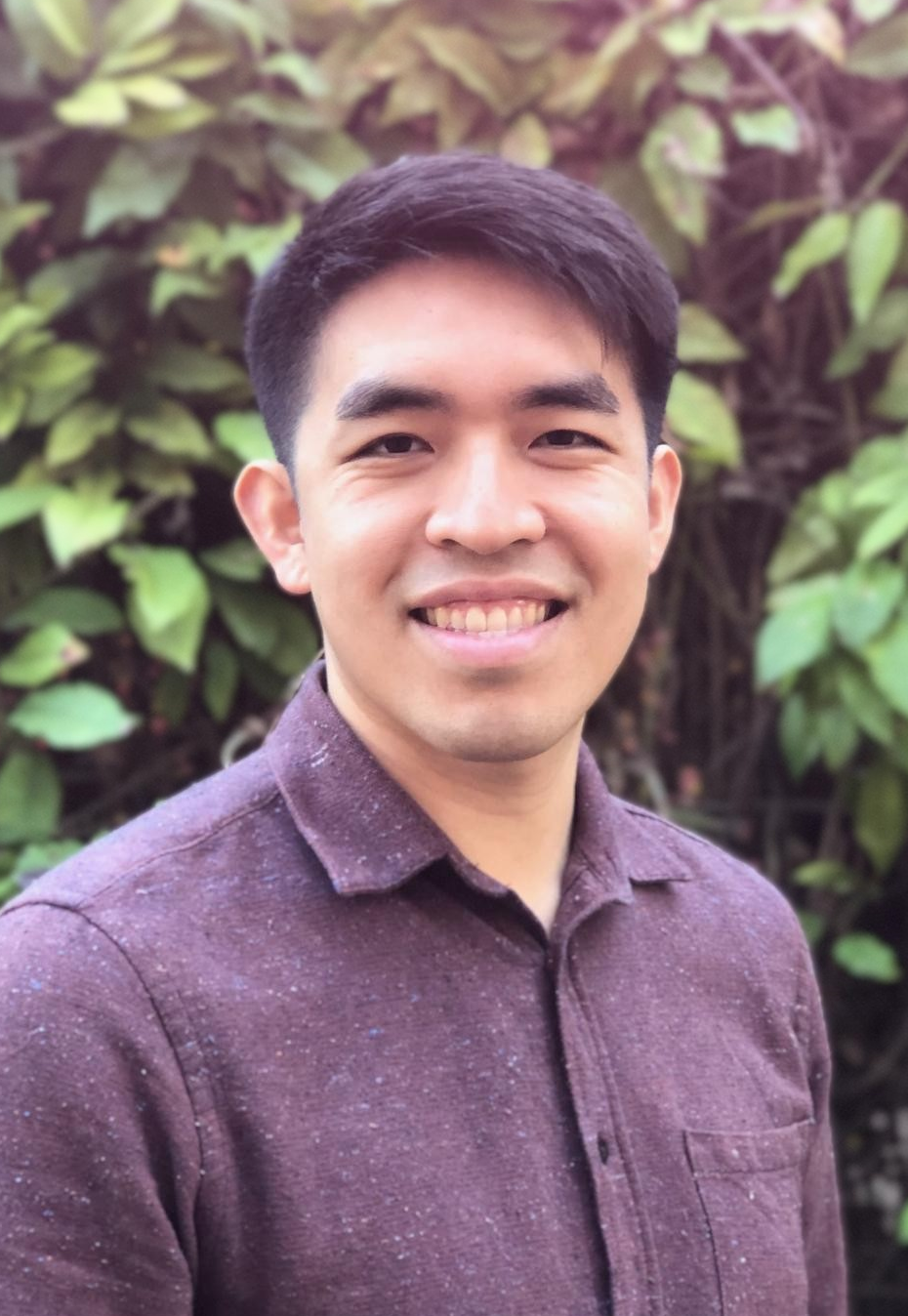
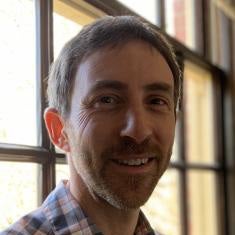
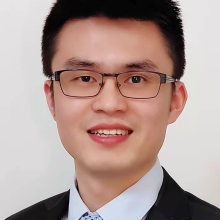
Richard Wong is an Assistant Teaching Professor in the Department of Mathematics at Rice University. Prior to this role, he was a postdoc in the algebraic topology group at UCLA. He earned his Ph.D. in Mathematics from the University of Texas at Austin in 2021 under the advisement of Andrew Blumberg, and holds a B.S. in Mathematics (highest honors) from Rutgers University (2015) with a minor in cognitive science. His research focuses on computations in equivariant and stable homotopy theory, particularly applying these methods to modular representation theory of finite groups. Teaching is a central part of his work, emphasizing inclusive and equitable practices. Notably, he received the Liggett Instructor Award for teaching and was a Project NExT Fellow. He has organized undergraduate colloquia and contributed to outreach initiatives like the Summer BRIDGE Program and the Mathematicians of Color Alliance of Texas (MOCAT). His efforts to promote diversity in mathematics include mentoring underrepresented students and delivering expository talks on topics like algebraic topology.
Gary Gibson is a tenured Professor of Neuroscience at Weill Cornell Medicine and serves as Lab Director at the Burke Neurological Institute . He leads the Laboratory for Mitochondrial Biology and Metabolic Dysfunction in Neurodegeneration , focusing on age-related neurodegenerative diseases such as Alzheimer's, Parkinson's, and Huntington's disease . Educational background: Ph.D. in Physiology (Biochemistry/Neuroscience), Cornell University B.S. in Zoology and Chemistry, University of Wyoming His research investigates how mitochondrial dysfunction , reduced glucose metabolism , and oxidative stress contribute to neurodegeneration. He explores therapeutic interventions targeting these mechanisms, including benfotiamine for improving thiamine levels and modulating post-translational modifications of mitochondrial enzymes like the α-ketoglutarate dehydrogenase complex (KGDHC) . These studies integrate human autopsy samples, genetically modified cells , and transgenic mouse models to test hypotheses about calcium dysregulation, free radical damage, and inflammatory cascades. Recent publications highlight his work on mitochondrial enzyme plasticity , nutritional metabolism in dementia, and benfotiamine's neuroprotective effects in clinical trials. He has secured continuous NIH funding (Grant R01AG043679) and holds three U.S. patents . Dr. Gibson serves on editorial boards for Neurochemical Research , Neurochemical International , and Journal of Neurochemistry , and has mentored undergraduate students and postdoctoral researchers .
Dr. Kezhi (Ken) Li is an Associate Professor of AI in Healthcare at the Institute of Health Informatics, University College London (UCL). He leads the AI for Health research group and has established himself as a leading expert in applying artificial intelligence to solve complex problems in healthcare, with over 130 publications in leading journals (total impact factor greater than 400). Dr. Li earned his Doctor of Philosophy from Imperial College of Science, Technology and Medicine in 2013, followed by research positions at the Medical Research Council (2015-2017), University of Cambridge (2014-2015), and Royal Institute of Technology (KTH) (2013-2014). His academic journey reflects a consistent trajectory from technical AI research toward increasingly healthcare-focused applications. Dr. Li's research focuses on solving physiological, medical, clinical, and operational problems in healthcare using AI techniques. His specific expertise includes AI in healthcare using electronic health records (EHR), biomedical time series analysis using monitors/wearables, diabetes management, large language models (LLM) in healthcare (especially mental health), patient flow optimization, and digital health with federated learning. His work bridges the gap between cutting-edge AI methodologies and practical healthcare applications, with a strong focus on improving patient outcomes and healthcare system efficiency. Analysis of Dr. Li's publication history reveals a strong emphasis on diabetes management technologies, particularly blood glucose prediction systems using advanced neural network architectures. More recently, his work has expanded into mental health applications of large language models, blockchain-based federated learning for healthcare data, and mortality prediction in critical care settings. His research demonstrates a clear evolution from purely technical AI development toward increasingly clinically impactful applications, with growing emphasis on explainability, privacy preservation, and real-world implementation challenges. Dr. Li has received numerous prestigious awards recognizing his contributions to healthcare AI: Best Application Award of IEEE Global Blockchain Conference (2025) Fellow of British Computer Society (2025) Fellow of the Royal Society for Public Health (2024) Healthcare Partnership of the Year category at the London Higher Awards (2024) ECR Promising Project Award (2023) Gallivan Award finalists (2022) Stylianos Kalaitzis PhD Award Winner (2022) HDR UK Team of the Year (COVID-19) Award (2021) As an educator, Dr. Li serves as the Director of MRes study (AI-enabled Healthcare Systems) at UCL. He leads multiple key modules including Healthcare Artificial Intelligence Journal Club, Dissertation in Artificial Intelligence Enabled Healthcare, and Advanced Machine Learning for Healthcare. His supervision extends across dissertation projects and junior researchers in his AI for Health group. His research has been supported by various grants, including those from HDR UK, focusing on translating AI innovations into practical healthcare solutions. Dr. Li leads the AI for Health research group (https://ai4hucl.github.io/ai4h_webs/), which comprises researchers with diverse expertise in machine learning, healthcare systems, and clinical domains. The group maintains strong collaborations with healthcare providers and industry partners to ensure their research addresses real-world healthcare challenges and can be effectively translated into clinical practice.
Katherine McDonough is a Lecturer in Digital Humanities at the School of Global Affairs, Lancaster University . She specializes in eighteenth-century French history and spatial digital humanities, focusing on historical maps and computational methods for analyzing infrastructure and socio-political reforms. PhD, Early Modern French History, Stanford University (2013) BA, History and French Literature, Johns Hopkins University (2006) Her research bridges Enlightenment history , infrastructure development , and digital methodologies such as computer vision and text analysis. She explores how historical actors contested coercive labor systems and reimagined governance through spatial data. Her recent work includes the MapReader software library (2023 Roy Rosenzweig Prize) and collaborations with the GEODE project in Lyon. She contributes to Living with Machines and Machines Reading Maps , analyzing 57,000 digitized maps. Roy Rosenzweig Prize (2023) Fellow, Royal Historical Society Software Sustainability Institute Fellow Collegium de Lyon Fellowship She co-leads the AHRC-funded Data/Culture project and previously served as UK PI for the AHRC-NEH Machines Reading Maps initiative. Her teaching includes undergraduate courses on eighteenth-century French history and MA-level modules on text/spatial analysis.
Dr. Xuan Li is a British Heart Foundation (BHF) Senior Basic Science Research Fellow and Principal Investigator in Cardiovascular Health at the Victor Phillip Dahdaleh Heart & Lung Research Institute, University of Cambridge. Her research focuses on microtubule dysfunction in inflammatory cardiovascular diseases, particularly investigating how microtubule regulation impacts inflammasome activation and cardiomyocyte contractility in heart failure and atherosclerosis. Her academic journey includes medical training in China, a CRUK-funded PhD in biochemistry at the University of Birmingham, postdoctoral research in microtubule cell biology as an MRC Career Development Fellow at the MRC-LMB Cambridge, and specialized cardiovascular medicine training at the University of Cambridge. She established her independent research group at Cambridge, pioneering multidisciplinary approaches to study microtubule function in cardiovascular cells. Dr. Li's research program centers on the role of microtubule-regulating kinases (particularly MARK4) in cardiovascular pathologies. Her group employs advanced methodologies including cardiovascular disease models (atherosclerosis, myocardial infarction, cardiomyopathy), primary cell culture of cardiomyocytes and immune cells, single-cell physiology using IonOptix systems, and cutting-edge microscopy techniques. Key discoveries include the identification of MARK4 as a critical regulator of inflammasome activation in atherosclerosis and microtubule detyrosination in ischemic heart failure. Her publication record demonstrates consistent focus on microtubule-cytoskeleton interactions in cardiovascular inflammation, with recent high-impact papers in Nature, Nature Communications, and Circulation Research revealing novel therapeutic targets for heart disease treatment through microtubule modulation. Scientific recognition includes: British Heart Foundation Senior Basic Science Research Fellowship MRC Career Development Fellowship Cancer Research UK PhD Studentship Dr. Li's group currently pursues four major research thrusts: elucidating microtubule dysfunction mechanisms in cardiovascular disease development, dissecting inflammation-microtubule interplay in pathogenesis, establishing human cardiomyocyte culture systems for microtubule studies, and translating basic findings into diagnostic and therapeutic applications for cardiovascular diseases. Her work bridges fundamental cell biology with clinical cardiology to develop innovative treatments targeting the microtubule cytoskeleton.
Riccardo Raheli is a Full Professor at the University of Parma , Department of Engineering and Architecture, with a career spanning over three decades in Information and Communication Technologies (ICT). He has served as Chair of the Councils for Telecommunications and Communication Engineering programs, and as representative of the University of Parma in CNIT and its Members' Assembly. Education: Laurea in Electronic Engineering (University of Pisa, 1983), M.Sc. in Electrical and Computer Engineering (University of Massachusetts, 1986), Postgraduate Diploma (Scuola Superiore Sant'Anna, 1987) Key Roles: President of Degree Councils (2002-2018), CNIT Committee Member (2000-2005), Editorial Board member for IEEE Transactions, Springer and MDPI journals His research bridges telecommunications , digital signal processing , and healthcare applications , producing extensive international publications and industrial patents. He has co-authored monographs including Detection Algorithms for Wireless Communications (Wiley, 2004) and LDPC Coded Modulations (Springer, 2009). Recent article trends show interdisciplinary work in automotive stress monitoring (IoT/Matlab-based systems), video processing for healthcare (neonatal seizures, respiratory monitoring), and acoustic field control (microphone virtualization, personal sound zones). His work spans machine learning applications in automotive systems, stochastic acoustic modeling , and power-line communications . Scientific Leadership : Co-Chair for IEEE conferences (ICC 2010, GLOBECOM 2011, ISPLC 2020) Editorial roles in 7+ international journals Grants & Collaborations : Led industrial patents in communications systems Coordinated CNIT Technical Reports series (2025) He teaches Wireless Communications and Digital Signals Laboratory , emphasizing Matlab/Simulink proficiency. His laboratory sessions focus on practical implementation of signal processing algorithms, requiring full software installation on personal devices.
Ian Greenhouse serves as an Assistant Professor in the Department of Human Physiology within the College of Arts and Sciences at the University of Oregon. He directs the Action Control Laboratory, where he investigates the neurophysiological mechanisms underlying human movement initiation and cancellation using multimodal approaches including electrophysiology, neuroimaging, and brain stimulation. Education: Undergraduate degree in Psychology from Tufts University Ph.D. from the University of California, San Diego Postdoctoral training at the University of California, Berkeley Research Focus: Dr. Greenhouse's work centers on action control neurophysiology , specifically examining motor inhibition processes during response stopping and preparation. His lab employs electromyography (EMG) , transcranial magnetic stimulation (TMS) , and magnetic resonance spectroscopy (MRS) to probe corticospinal excitability in healthy and clinical populations. Key investigations include neural computations for action preparation, biomarkers of stopping failure, and relationships between motor performance and brain chemistry (e.g., GABA). Publication Trends: Analysis of Dr. Greenhouse's 2022-2025 publications reveals intensified focus on subcomponents of response inhibition (pause vs. cancel processes) and neurochemical modulation of motor control. His work increasingly integrates menstrual cycle effects on GABA with action stopping metrics, while maintaining core investigations of corticospinal dynamics during unimanual/bimanual preparation. Recent studies show growing clinical applications in stroke rehabilitation. Scientific Awards: No awards were documented in the source materials. Advising and Research: As laboratory director, Dr. Greenhouse mentors students in the Action Control Laboratory's research program. Although specific grants aren't detailed, his high-output publication record spanning neuroimaging, electrophysiology, and clinical applications suggests sustained external funding for equipment-intensive neuroscience research. Laboratory Operations: The Action Control Laboratory (https://actioncontrollab.uoregon.edu) operates from Gerlinger Hall (Room 348), utilizing TMS-EMG integration, MRS, and behavioral paradigms to study action control. Current projects examine preparatory inhibition in stroke recovery, interhemispheric dynamics during movement preparation, and individual differences in stopping processes using the stop-signal task framework.
Christopher G. Brinton is the Elmore Associate Professor of Electrical and Computer Engineering at Purdue University, where he leads the ION research lab. He is affiliated with the Department of Electrical and Computer Engineering in the College of Engineering at Purdue University's West Lafayette campus. Dr. Brinton received his PhD from Princeton University, where he was previously the Associate Director of the EDGE Lab and a Lecturer of Electrical Engineering. His research focuses on the intersection of networking, communications, and machine learning, with particular emphasis on Fog computing systems, the Internet of Things (IoT), NextG Wireless, and social learning networks. His research integrates foundational techniques including convex and non-convex optimization, machine learning, and signal processing to address challenges in networked intelligent systems. The ION lab under his leadership develops both theoretical frameworks and practical implementations for next-generation networking solutions, with strong industry collaborations including Qualcomm, Nokia, Intel, Cisco, Dell, and Ericsson. Recent publications reveal a strong trend toward federated learning, decentralized algorithms, and edge intelligence, with significant contributions to model partitioning, communication-efficient learning, and robust network architectures. His work increasingly bridges traditional communication theory with modern machine learning techniques to solve emerging challenges in distributed networked systems. NSF CAREER Award ONR Young Investigator Program (YIP) Award DARPA Young Faculty Award (YFA) AFOSR Young Investigator Program (YIP) Award Intel Rising Star Faculty Award (RSA) Dr. Brinton teaches several courses including ECE 647: Performance Modeling of Computer Communication Networks, ECE 301: Signals and Systems, and ECE 547: Introduction to Computer Communication Networks. He has co-authored the book 'The Power of Networks: Six Principles That Connect Our Lives' and taught three Massive Open Online Courses (MOOCs) with over 400,000 cumulative students. While not currently actively recruiting students, he remains open to connecting with highly motivated individuals. Dr. Brinton leads the ION (Intelligent Optimization and Networking) research lab, which focuses on creating theoretical foundations and practical implementations for next-generation networked systems. The lab has recently published significant work on 6G taxonomy in collaboration with major industry partners and continues to push boundaries in distributed learning and network optimization.
Guojun Chen is an Assistant Professor at the Department of Biomedical Engineering and a member of the Rosalind & Morris Goodman Cancer Institute (GCI) at McGill University . His research focuses on engineering intelligent biomaterials for precision medicine , with emphasis on non-viral genome editing , cold atmospheric plasma (CAP) therapy , and biomaterials-mediated immunotherapy . The lab operates in a multidisciplinary environment , integrating principles from materials science , chemistry , biology , and health sciences . Education : Ph.D. from University of Wisconsin-Madison (2017), Postdoc at UCLA (2020) Research Themes : Genome Editing Delivery : Designing non-viral vectors for efficient CRISPR/Cas9 delivery in vivo. CAP-mediated Immunotherapy : Developing portable cold plasma devices to synergize with immune checkpoint blockade and study CAP’s immunological mechanisms. Biomaterials-based Immunotherapy : Reprogramming tumor microenvironments using bioresponsive materials to enhance immune responses. Publication Trends : Recent work spans responsive nanomaterials , genomic editing systems , and plasma oncology , with a focus on cancer immunotherapy , diabetes diagnostics , and bioinspired medical devices . Scientific Awards : Canada Research Chair (2024, 2025) McGill's President's Prize for Emerging Researchers (2025) FRQS Chercheurs-boursiers (2022) Chinese Association for Biomaterials Young Investigator Award (2022) NSERC Discovery Grant (2021) Advising & Grants : Supervises 14 current graduate and undergraduate students. Secured $5M+ in funding from CIHR , NSERC , CCS , and CFI , including multi-institutional collaborations with Dr. Morag Park , Dr. Réjean Lapointe , and Dr. Ian Watson .
Yassine Ghannane is a Research Fellow at the Department of Computer Science , University of Copenhagen , specializing in Algorithms and Complexity . University: University of Copenhagen Department: Department of Computer Science Research Focus: Theoretical computer science, permutation-based evolutionary algorithms, computational complexity His recent work includes runtime analysis and theory development for permutation-based evolutionary algorithms, as well as module-based neural network mapping heuristics. Publications span 2022–2024 with interdisciplinary applications in machine learning and optimization. Contact: yagh@di.ku.dk | Office: Universitetsparken 1, 2100 København Ø, Denmark
Gavin Craig is Senior Lecturer in the Department of Pure and Applied Chemistry at the University of Strathclyde, where he leads an independent research programme on porous molecules, mechanochemistry and materials fabrication. He joined Strathclyde in 2019 as Chancellor’s Fellow, was promoted to Senior Lecturer in 2023, and currently supervises two post-docs and a PhD student while accepting new doctoral researchers. Education & Career: PhD Inorganic Chemistry, University of Barcelona, 2013 – spin-crossover materials Post-doc University of Glasgow 2013-2016 – high-pressure crystallography & molecular magnetism JSPS Fellow & Assistant Professor, Kyoto University 2016-2019 – porous molecules for gas storage Research Interests: His group combines coordination chemistry and supramolecular design to create metal–organic cages and polyhedra that act as selective gas sponges or stimuli-responsive gels. Using mechanochemistry, 3-D electron diffraction and high-pressure crystallography he interrogates how self-assembly and external stimuli modulate porosity, with direct relevance to CO₂ capture, carbon-monoxide delivery and membrane technologies. Funding & Impact: Craig is Principal Investigator on two active Leverhulme Trust grants (£500k+) investigating cooperative gas uptake in adaptable cages and sustainable porous membranes. Work contributes to UN SDGs on Affordable & Clean Energy and Climate Action. Awards & Recognition: Strathclyde Medal – Team Award 2022 Advising & Collaboration: He has successfully graduated one PhD student (Dr Beatriz Doñagueda) and one PDRA (Dr Valentyna Slyusarchuk) and currently mentors Dr Emma Regincos Marti (PDRA), Dr Matthew Snelgrove (PDRA) and Megan Wilkinson (PhD). He maintains active international collaborations across UK, Spain, Japan and Italy evidenced by 58 publications and 20 invited seminars/examinations.
Jouni Hirvonen is a Professor in the Division of Pharmaceutical Chemistry and Technology at the University of Helsinki's Faculty of Pharmacy. He serves as Supervisor for doctoral programmes in both the Doctoral Programme in Drug Research and the Doctoral Programme in Materials Research and Nanosciences. With an extensive publication record spanning over three decades, Hirvonen has contributed 384 research outputs and participated in 3 major research projects. His research interests focus on pharmaceutical technology, particularly in drug delivery systems, nanoparticles, and drug dissolution and absorption. His work bridges pharmaceutical chemistry with cutting-edge nanotechnology applications, developing innovative delivery systems for therapeutic agents. His research spans from fundamental pharmaceutical sciences to translational applications in regenerative medicine, immunotherapy, and cardiovascular pharmacology. The analysis of his recent publications reveals a strong focus on advanced drug delivery platforms, particularly utilizing nanoparticles, lipid-based systems, and biomaterials for targeted delivery. His work increasingly integrates microfluidic technology for precise nanoparticle preparation, with applications spanning cancer immunotherapy, cardiovascular repair, tendon regeneration, and inflammatory disease treatment. The trend shows a growing emphasis on combination therapies, RNA delivery, and cell-mediated drug delivery approaches. Hirvonen has received several prestigious awards throughout his career: CRS/Eurand Grand Prize Award on Innovations in Oral Drug Delivery Technologies (2007) Suomen Valkoisen Ruusun Ritarikunnan I luokan ritarimerkki (2013) The Young Scientist in the University of Kuopio (1993) University of Helsinki Quality Teaching Unit, Faculty of Pharmacy (2005) Visiting Professor award (2015) With 25 instances of supervising doctoral theses and numerous academic activities including conference organization, committee memberships, and editorial work, Hirvonen has made significant contributions to academic mentorship and institutional development. His research has been supported by projects including Generation Green, 3i REGENERATION, and IVIVRe. His work appears to involve collaboration with multiple research teams focusing on drug delivery applications across various therapeutic areas.
Jeffrey L. Krichmar is a Professor in the Department of Cognitive Sciences and Department of Computer Science at the University of California, Irvine. His academic journey includes a B.S. in Computer Science from the University of Massachusetts Amherst (1983), an M.S. in Computer Science from The George Washington University (1991), and a Ph.D. in Computational Sciences and Informatics from George Mason University (1997). Prior to UCI, he served as Assistant Professor at George Mason University (1997-1999) and Senior Fellow at The Neurosciences Institute (1999-2007). University of California, Irvine (2007-present) George Mason University (1997-1999) The Neurosciences Institute (1999-2007) His research focuses on neurorobotics , exploring how embodied cognition and biologically plausible neural models can enhance robotic systems. Key areas include spiking neural networks , neuromodulation , path planning , and interactive tactile robots for therapeutic applications. His work bridges neuroscience , robotics , and cognitive science , with applications in autonomous vehicles , neuroprosthetics , and AI explainability . Recent publications emphasize spiking neural networks for navigation , neuromodulated attention , and neuromorphic hardware integration. The development of CARLsim, a GPU-accelerated spiking neural network simulator now in version 6.0, represents a major technical contribution. His team's work on socially assistive robots like CARL-SJR targets therapeutic applications for autism and ADHD. Scientific Awards IJCNN 2020 Best Paper Award Finalist for Best Student Paper at IJCNN 2018 Best Paper Award at IEEE IJCNN 2009 Grants include National Science Foundation funding for neural models of decision-making (2009). His lab (Cognitive Anteater Robotics Laboratory) develops systems that use large-scale brain simulations for autonomous behavior , with applications in adaptive robotics , sensorimotor learning , and neuroethology . Current projects explore neuromodulatory influences on attention systems and cognitive flexibility .
Trond Vidar Hansen is a Professor at the Department of Pharmacy, University of Oslo , and leads the LIPCHEM research group . He collaborates with institutions including the University of Bergen and Vestlandets Innovasjonsselskap through the VITADEL project, which recently received NOK 5,000,000 in verification support from the Research Council of Norway. His research focuses on the synthesis and biological evaluation of specialized pro-resolving lipid mediators derived from omega-3 fatty acids, with applications in inflammation resolution, neuroinflammation, and drug development. University : University of Oslo Department : Department of Pharmacy Research Group : LIPCHEM Collaborations : University of Bergen, Vestlandets Innovasjonsselskap Research Interests : H Hansen's work centers on the organic synthesis of bioactive lipid derivatives, particularly pro-resolving mediators from omega-3 polyunsaturated fatty acids. His team investigates their roles in inflammatory disease models , neuroinflammation , and PPAR receptor activation , aiming to develop therapeutic agents for conditions like chronic pain, diabetes, and neurodegenerative disorders. The research integrates stereoselective chemistry , biochemical profiling , and pharmacological evaluation to validate these mediators' clinical potential. Recent Awards : 2025: NOK 2,000,000 verification support from Research Council of Norway 2025: Co-leader of NOK 5,000,000 VITADEL project Publications : His articles (2015–2024) reveal a focus on stereoselective synthesis of resolvins, protectins, and maresins, with applications in anti-inflammatory and neuroprotective therapies . Key subfields include omega-3 metabolite profiling , PPAR agonist design , and biosynthetic pathway elucidation , often utilizing human cell models and mouse disease models . Collaborative projects emphasize commercialization of academic research and translational medicine .
Peter Chien is an Adjunct Professor in the Department of Biochemistry and Molecular Biology at the University of Massachusetts Amherst. His research focuses on regulated protein degradation and quality control in bacteria, with a particular emphasis on mechanisms governing proteolysis during the bacterial cell cycle. PhD, University of California, San Francisco Postdoctoral Training, Massachusetts Institute of Technology The Chien Lab employs interdisciplinary approaches including biochemistry, structural biology, and cell biology to study proteolytic mechanisms in Caulobacter crescentus. Their work explores how AAA+ proteases like ClpXP and Lon recognize substrates with precision and how this impacts cellular regulatory networks. Recent research trends from the lab include investigations into Lon protease modulation , DNA damage responses , protein homeostasis under stress , and genetic regulators of proteostasis . Studies often integrate structural analysis with functional assays to uncover molecular principles of protease specificity. The lab is affiliated with multiple graduate programs, including the Molecular and Cellular Biology (MCB) program, Chemistry-Biology Interface Program, Biotechnology Training Program, and the Institute for Applied Life Sciences at UMass Amherst.