University of California, Los AngelesUnited States
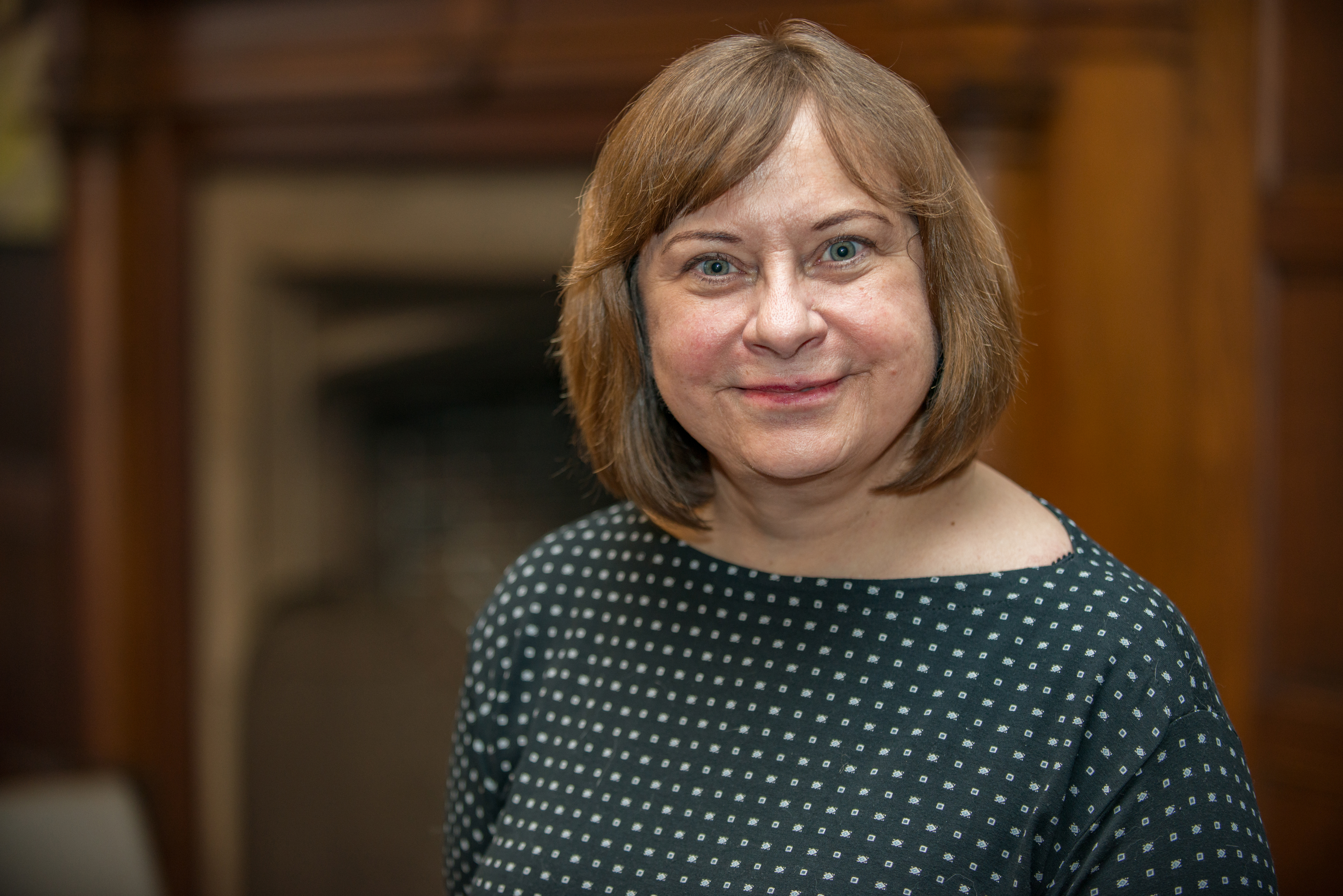
Yunxiang Yan is a Professor in the Department of Anthropology at the University of California, Los Angeles (UCLA). His work focuses on China and Cultural Anthropology , with specific expertise in Economic Anthropology , Family and Kinship , and Individualization . Education: Ph.D. in Social Anthropology from Harvard University (1993). Yan’s research explores the intersection of social change , moral theory , and family dynamics in modern China. His ethnographic studies in rural villages provide foundational insights into exchange theory and cultural globalization . Recent publications analyze food safety , medical ethics , and moral crises in China, reflecting his interdisciplinary approach combining anthropology, sociology, and philosophy. Articles span themes like intergenerational intimacy , political oppression , and networked social structures . Scientific Awards: Guggenheim Fellowship Levenson Prize-winning Research Yan’s work bridges local Chinese studies with global anthropological discourse. He has held positions at the Chinese University of Hong Kong, Johns Hopkins University, and UCLA since 1996. His career reflects a commitment to documenting the lives of ordinary people, rooted in his early experiences as an expelled villager during Maoist China. Contact: yan@anthro.ucla.edu
University of California, Los AngelesUnited States
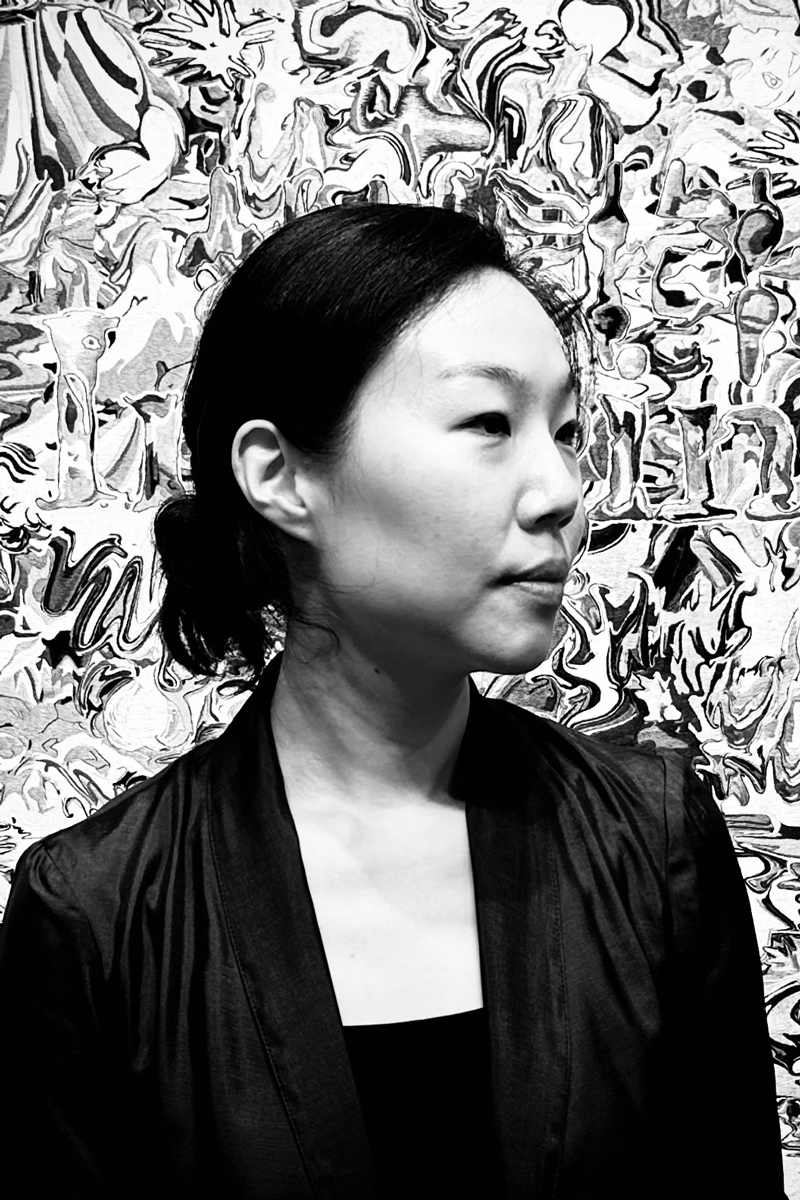
Aamir R. Mufti serves as Professor of Comparative Literature at the University of California, Los Angeles, with affiliations at the Asia Pacific Center. His scholarly work bridges literary studies, anthropology, and area studies focused on South Asia, the Middle East, North Africa, and Jewish diaspora communities. His research centers on: Global colonialism and decolonization processes Postcolonial reconfigurations of Western humanities concepts (secular, minor, cosmopolitan) Migrant/refugee experiences in European unification projects Palestine as historical experience of homeland loss Critical examinations of world literature frameworks Analysis of his publications reveals consistent engagement with suppressed narratives in colonial and postcolonial contexts, particularly examining how enforced immobility contradicts world literature's mobility discourse and how minority experiences in Europe were disseminated globally through colonial nation-state formations. His work systematically interrogates Orientalism's legacy in contemporary humanistic practice. Mufti maintains a long-standing editorial role with the journal boundary 2 , where he has curated special collections advancing critical postcolonial discourse. His current research trajectory emphasizes migrant subjectivity within European political crises and reimagining humanities frameworks from colonized perspectives. Academic foundations include doctoral training under Edward Said at Columbia University, with formative influences from South Asian literary traditions (notably Faiz Ahmed Faiz) and European critical theory (Heinrich Heine). His institutional work positions Comparative Literature as a discipline uniquely equipped to address contemporary global political rightward shifts through interdisciplinary humanistic analysis.
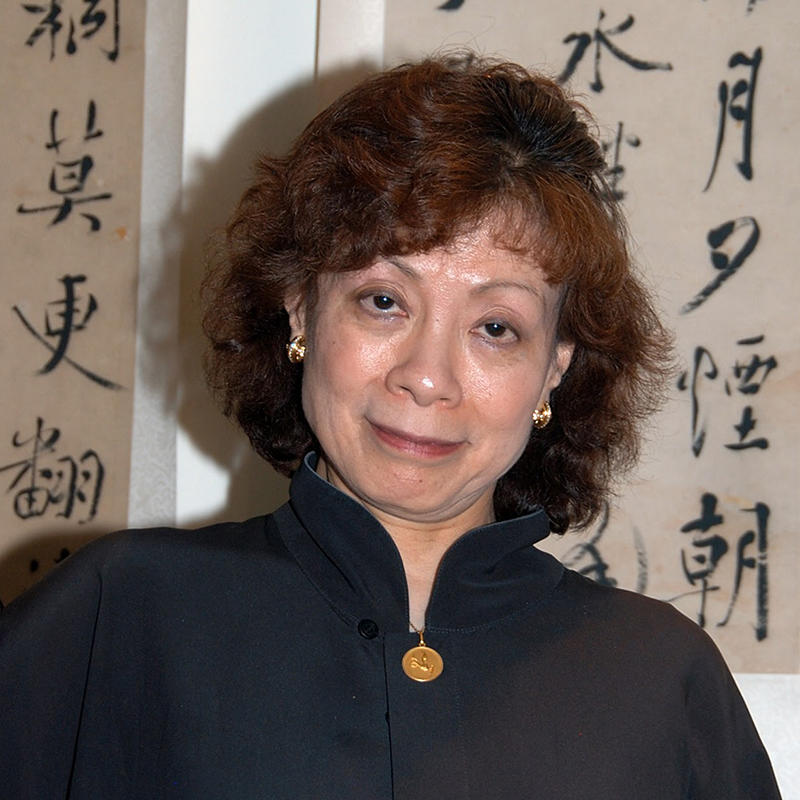
Wen-hsin Yeh is a Professor and Richard H. and Laurie C. Morrison Chair Professor of History at the University of California, Berkeley. A Distinguished Professor, her work focuses on East Asia with specialization in late imperial and modern China, Taiwan, and Maritime East Asia. BA, National Taiwan University PhD, University of California, Berkeley Her research explores the interplay of culture, politics, and economics in China’s historical development. Key areas include ideological movements, urban transformation, and regional dynamics during the late Qing and Republican eras. Yeh’s publications span theoretical and empirical analyses of modern Chinese history. The 2008 monograph Shanghai Splendor investigates economic sentiments and urban modernity, while Provincial Passages (1996) examines cultural geography and early communist movements. Her 1994 China Quarterly article on Zhejiang radicals highlights regional intellectual networks during the May Fourth Movement. Earlier work like The Alienated Academy (1990) dissects academic culture under Republican governance.
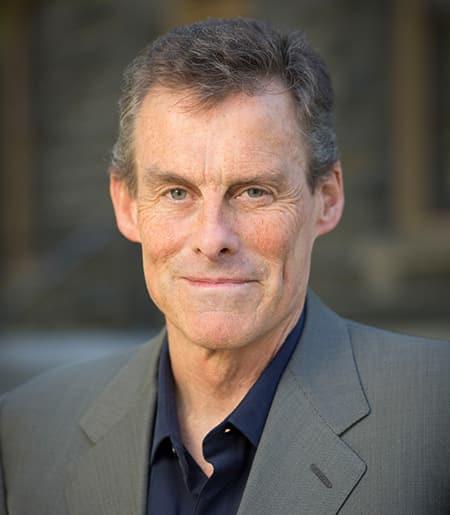
Kenneth Pomeranz is the University Professor of Modern Chinese History at the University of Chicago in the Department of East Asian Languages and Civilizations (EALC). Previously taught at the University of California, Irvine , his research spans late Imperial and twentieth-century China , comparative world history , and global economic systems . Research Focus: Reciprocal influences between state, society, and economy; origins of the world economy through mutual regional influences; comparative studies of labor, family organization, and economic history. Current Projects: A history of Chinese political economy from the seventeenth century to the present; a book titled Why Is China So Big? exploring China's political unity despite its vast size. Scientific Awards and Fellowships: John K. Fairbank Prize (twice) World History Association Book Prize (shared) Guggenheim Fellowship American Academy of Arts and Sciences Fellow Publications: Key works include The Great Divergence , The Making of a Hinterland , and The World that Trade Created . His articles address topics such as labor-intensive industrialization, global environmental history, and Qing state-building.
Janet Chen is Professor of History and East Asian Studies at Princeton University, serving as Director of the East Asian Studies Program. Based in 302 Dickinson Hall, she maintains regular office hours on Thursdays from 9:30 am to 11:30 am and is contactable via jychen@princeton.edu. Her academic credentials include: Ph.D. in History, Yale University M. Phil in History, Yale University M.A. in History, Yale University B.A. in History and Asian Studies with highest honors, Williams College Chen specializes in twentieth-century Chinese social and urban history, examining marginalized populations during periods of war and revolution. Her research explores intersections of poverty, state formation, and cultural identity, with current work focused on Mandarin language standardization in China and Taiwan. This scholarship bridges historical analysis with sociological frameworks to understand how ordinary people navigate systemic upheaval. Her publication 'Guilty of Indigence: The Urban Poor in China, 1900-1953' (2012) exemplifies her methodological approach, revealing how destitution became criminalized amid political transformation. Collectively, her work demonstrates consistent focus on urban marginality, state-society relations, and historical memory in modern East Asia, establishing her as a significant voice in social history methodologies.
D. Max Moerman is a Professor and Chair of the Department of Asian and Middle Eastern Cultures at Barnard College, Columbia University. He holds an A.B. from Columbia College (1986) and a Ph.D. from Stanford University (1999). His research focuses on East Asian Buddhism, particularly the visual and material culture of Japanese religions. His current book project, Geographies of the Imagination: Buddhism and the Japanese World Map , explores intersections between religious thought and cartographic representation. He serves as Co-Chair of Columbia’s Buddhist Studies Seminar and Associate Director of the Columbia Center for Buddhism and Asian Religions. Key research interests include sacred texts like the Lotus Sutra , medieval religious practices, and pilgrimage traditions. His work integrates textual analysis with material culture studies, addressing themes of defilement, sacred geography, and iconography. Teaching responsibilities include courses such as Colloquium on Major Texts: East Asia and The Lotus Sutra . He actively contributes to interdisciplinary dialogues on Japanese religious history through his academic leadership roles and publications in journals like the Japanese Journal of Religious Studies .
Avery Goldstein is the David M. Knott Professor Emeritus of Global Politics and International Relations at the University of Pennsylvania’s Political Science Department. He serves as the Inaugural Director of the Center for the Study of Contemporary China and Associate Director of the Christopher H. Browne Center for International Politics. His research focuses on international relations theory, strategic/security studies, and Chinese politics, with a particular emphasis on China’s grand strategy, US-China relations, and security dynamics in East Asia. Goldstein’s academic career includes seminal works such as Rising to the Challenge: China’s Grand Strategy and International Security (2005) and Deterrence and Security in the 21st Century (2000). He has authored over 30 journal articles in top-tier publications like International Security and International Organization , exploring themes ranging from nuclear deterrence to China’s geopolitical ambitions. Additionally, he is a Senior Fellow at the Foreign Policy Research Institute (FPRI), amplifying his influence in policy-relevant scholarship. His research consistently bridges theoretical frameworks with empirical analysis, addressing critical issues such as power transitions, crisis instability, and the implications of China’s rise for global order. Goldstein’s advisory roles and institutional leadership reflect his dual commitment to academic rigor and real-world policy engagement.
John B. Whitman is a Professor of Linguistics at Cornell University's College of Arts and Sciences. His research focuses on language variation, syntax, historical linguistics, and East Asian languages, particularly Japanese and Korean. He explores typological universals, syntactic variation, and diachronic developments, contributing to debates on configurationality and structural universals. Whitman has published extensively on topics ranging from Japanese historical phonology to comparative syntax across East Asian languages. His work often integrates cross-linguistic analysis with neuroscientific insights, as seen in studies on semantic number processing. He has received grants for projects including language revitalization initiatives and syntactic research, and he teaches courses on Japanese language history and language endangerment. Whitman collaborates with interdisciplinary teams and actively engages in linguistic fieldwork and historical text analysis, maintaining affiliations with the East Asia Program and research labs at Cornell. Research interests include syntactic variation, historical syntax, and the interaction between language structure and diachronic change. His recent work examines the evolution of verbal conjugations in Japanese/Korean and the typological implications of syntactic reanalysis. Whitman's publications also address methodological questions in glossing practices and comparative lexicography, bridging historical linguistics with modern computational analysis. Grants and projects include funding from the New Frontier Grants for collaborative research on language documentation and historical syntax. He advises graduate students in the linguistics program and contributes to Cornell's language revitalization efforts, such as Cayuga language preservation initiatives. Whitman's work frequently intersects with cognitive science, as seen in neuroimaging studies of linguistic structures.
Susan L. Burns is a Professor at the University of Chicago, where she holds appointments in the Department of History, Department of East Asian Languages and Civilizations, and The College. She currently serves as Department Chair and Chair of the Undergraduate Studies Committee. Education: PhD, University of Chicago (1994) Her research focuses on Japan’s nineteenth-century social history, emphasizing intellectual and cultural practices, the intersection of medicine and public health, gender analysis, and legal discourses. She explores continuities between Japan’s early modern and modern eras, particularly how medical and legal frameworks shaped national identity. Recent publications span leprosy’s impact on citizenship, the rise of medical marketplaces, and gendered dimensions of reproductive health. Her digital humanities work on Mapping Medical Tokyo integrates GIS and text mining for historical analysis. Scientific Awards: Fulbright-Hays Fellowship IIE Fulbright Japan Foundation Japan Society for the Promotion of Science National Endowment for the Humanities She has secured grants for research on medical commodities, psychiatric practices, and the spatial dimensions of Meiji-era health policies. Her courses include Gender and Japanese History and Medicine and Culture in East Asia .
Kären Wigen is the Frances and Charles Field Professor in History at Stanford University, specializing in Japanese history and the history of cartography. She holds a Ph.D. in Geography from the University of California, Berkeley (1990). Her research spans: Historical geography of East Asia Early modern Japanese regional economies Geographies of the imagination Transnational maritime histories Critical cartography and spatial analysis Her publications include eight major works from 1992-2025 analyzing spatial transformations in Japan and global metageography, with recent projects focusing on temporal dimensions in cartographic representation. She co-edited Seascapes (2007) and Cartographic Japan (2016), and serves as Director of Stanford’s Mellon Fellowship of Scholars in the Humanities since 2022.
Anupama Rao is Professor of History and MESAAS (Institute for Comparative Literature and Society) at Columbia University, with affiliations in Women's, Gender and Sexuality Studies and Human Rights. She is based at Barnard College, where she holds office hours and engages in interdisciplinary teaching and research. Her educational background includes a B.A. with honors from the University of Chicago and a Ph.D. from the Interdepartmental Program in Anthropology and History at the University of Michigan. Rao’s research spans South Asian history and anthropology , gender and sexuality studies , caste and race , social theory , comparative urbanism , and colonial genealogies of human rights . She is known for her groundbreaking work on anti-caste thought, particularly the political philosophy of B. R. Ambedkar, and for theorizing caste subalternity in modern India. Her scholarship critically examines the intersections of caste, gender, urban space, and political subjectivity. Her recent and ongoing publications reflect a deep engagement with global racisms, Cold War humanism, and justice futures. Key themes across her articles include Dalit aesthetics, subaltern urbanism, affirmative action, and the transnational dimensions of caste. Her work shows a consistent trend toward interdisciplinary, postcolonial, and decolonial frameworks that challenge Western-centric epistemologies. Fellow-in-Residence, National Humanities Center (2008–2009) Fellow, Center for Advanced Study in the Behavioral Sciences, Stanford (2010–2011) Fellow, REWORK, Humboldt University, Berlin (2014–2015) Global Humanities Institute Awardee, CHCI (2023) Rao has served as Senior Editor of Comparative Studies in South Asia, Africa, and the Middle East (2012–2021), President of the Society for the Advancement of the History of South Asia (SAHSA), and member of the South Asia Council of the Association for Asian Studies. She is Principal Investigator for the Mellon-funded Global Humanities Institute project Global Racisms, Cold War Humanism, and Just Futures (2022–2024) and co-directs Geographies of Injustice at Columbia’s Center for the Study of Social Difference. She has secured major research grants from the ACLS, NEH, SSRC, and Mellon Foundation. She advises and mentors graduate students, though specific names are not listed in the text. Rao directs the Institute for Comparative Literature and Society and convenes the Ambedkar Initiative, fostering interdisciplinary research and public engagement on caste, race, and justice. She leads and participates in multiple research collectives, including the Geographies of Injustice project and the Asian Spatialities initiative. She is deeply involved in institutional leadership through her roles at the Institute for Comparative Literature and Society and the Ambedkar Initiative, both of which serve as hubs for critical humanities research.
Rutgers, The State University of New JerseyUnited States
Nick Kapur is an Associate Professor in the Department of History at Rutgers University–Camden, within the School of Arts and Sciences. He specializes in modern Japan and East Asia, with a focus on transnational perspectives, US-Japan relations, environmental history, gender, and cultural studies including literature and film. His educational background includes a Ph.D. from Harvard University (2011), an M.A. from Stanford University (2003), and a B.A. from Stanford University (2002). Kapur's research examines the intersections of political economy, culture, and international relations in modern Japan, particularly in the postwar era. His acclaimed book, Japan at the Crossroads: Conflict and Compromise after Anpo (2018), analyzes the 1960 protests and their lasting impact on Japanese society and US-Japan relations. He has also published extensively on the Japanese student movement, environmental policy, and Meiji centennial celebrations. His recent and forthcoming articles reflect a sustained engagement with Cold War Japan, dissent, nationalism, and transnational history. Kapur is known for innovative teaching methods, including historical simulations on Pearl Harbor and samurai-era Japan. He is the founder of the Modern Japan History Association and has contributed significantly to digital humanities through projects like the Digital Archive of Japan’s 2011 Disasters and the development of educational apps. His publications from the past decade show a consistent focus on political protest, cultural memory, and international relations in 20th-century Japan. His scholarly contributions include numerous peer-reviewed articles, book chapters, translations, and book reviews in leading journals such as Diplomatic History , The Journal of Asian Studies , and The Asia-Pacific Journal . Kapur advises graduate students and teaches courses on Japanese, Chinese, and Korean history, World War II, and environmental history. He has played a leadership role in promoting Japanese studies globally and continues to be an active researcher with works forthcoming in 2025. His current projects include digital applications for historical education.
Sohl Lee serves as Associate Professor in the Department of Art History and Criticism at Stony Brook University, specializing in Contemporary East Asian Art and Visual Culture, Critical Theory and Globalization, and Curatorial Studies. Holding a Ph.D. from the University of Rochester since 2014, she contributes significantly to the academic community through teaching and research. Her educational background features: Ph.D. in Visual and Cultural Studies from the University of Rochester (2014) Professor Lee's research explores modern and contemporary East Asian art through interdisciplinary lenses including aesthetics of politics, activist art, vernacular modernism, postcolonial theory, and historiography. Her scholarship appears in prominent journals such as Yishu: Journal for Contemporary Chinese Art , Art Journal , and InVisible Culture , establishing her as a leading voice in global art discourse. Her publication trajectory reveals consistent engagement with democracy, ecological consciousness, and Cold War legacies across East Asian contexts. Key thematic threads include the intersection of art and political movements, ecological thinking in Korean contemporary art, and visual representations of national division—demonstrating how artistic practices navigate complex socio-political landscapes. Dr. Lee's scholarly contributions have been recognized through competitive fellowships: Social Sciences Research Council Fellowship Korea Foundation Fellowship Susan B. Anthony Institute of Gender and Women Studies Fellowship She actively shapes student learning through undergraduate courses including 'Art and the City,' 'Modern and Contemporary Korean Art,' and 'Social Engagement and Publicness in East Asia.' Her curatorial practice extends academic work into public spheres through exhibitions mounted in both the United States and South Korea, bridging theoretical frameworks with tangible cultural production.
Odd Arne Westad is the Elihu Professor of History at Yale University, specializing in modern international and global history with a focus on East Asia since the 18th century. He previously held positions at Harvard University and the London School of Economics. His research bridges Cold War studies, empire/colonialism, and China's economic reforms. Education: BA in History, Philosophy, and Modern Languages (University of Oslo) Graduate Degree in US/International History (University of North Carolina at Chapel Hill) Research Interests: Global Cold War dynamics and post-colonial transformations China’s international history and imperial trajectories Economic reforms in late 20th century China and their global impact Key Publications: The Cold War: A World History (2017) Restless Empire: China and the World Since 1750 (2012) The Global Cold War (2007) Awards: Fellow of the British Academy Fellow of multiple national academies Professional Activities: Active in global history networks, advising doctoral students on Cold War and Asian history. Teaches courses on empire, decolonization, and modern East Asia.
Madeleine Zelin serves as the Dean Lung Professor of Chinese Studies and History East Asia coordinator within Columbia University's Department of East Asian Languages & Cultures, maintaining active office hours and scholarly engagement. Her academic foundation includes: BA: Cornell University (1970) PhD: University of California, Berkeley (1979) Professor Zelin pioneers research in Modern Chinese Legal and Economic History , challenging conventional narratives about imperial China's economic restrictions through rigorous analysis of legal frameworks, merchant institutions, and customary business practices. Her iconoclastic approach reveals unexpected continuities between law, culture, and market dynamics in early modern China, particularly through case studies of industrial communities like Zigong. Her publications demonstrate sustained scholarly evolution from eighteenth-century fiscal systems to twentieth-century bankruptcy reforms, consistently emphasizing China's indigenous economic development models within global comparative contexts. Award recognition includes: Fairbank Prize (American Historical Association) Alan Sharlin Memorial Award (Social Science History Association) Humanities Prize of the International Conference on Asian Studies (ICAS) She actively cultivates next-generation scholarship as co-director of the AAS New Directions Workshop: Economic History of Asia and founding board member of the International Society for Chinese Law and History, while currently finalizing a book on China's earliest company and bankruptcy law reforms.