Jiabin WuView profile
Researcher
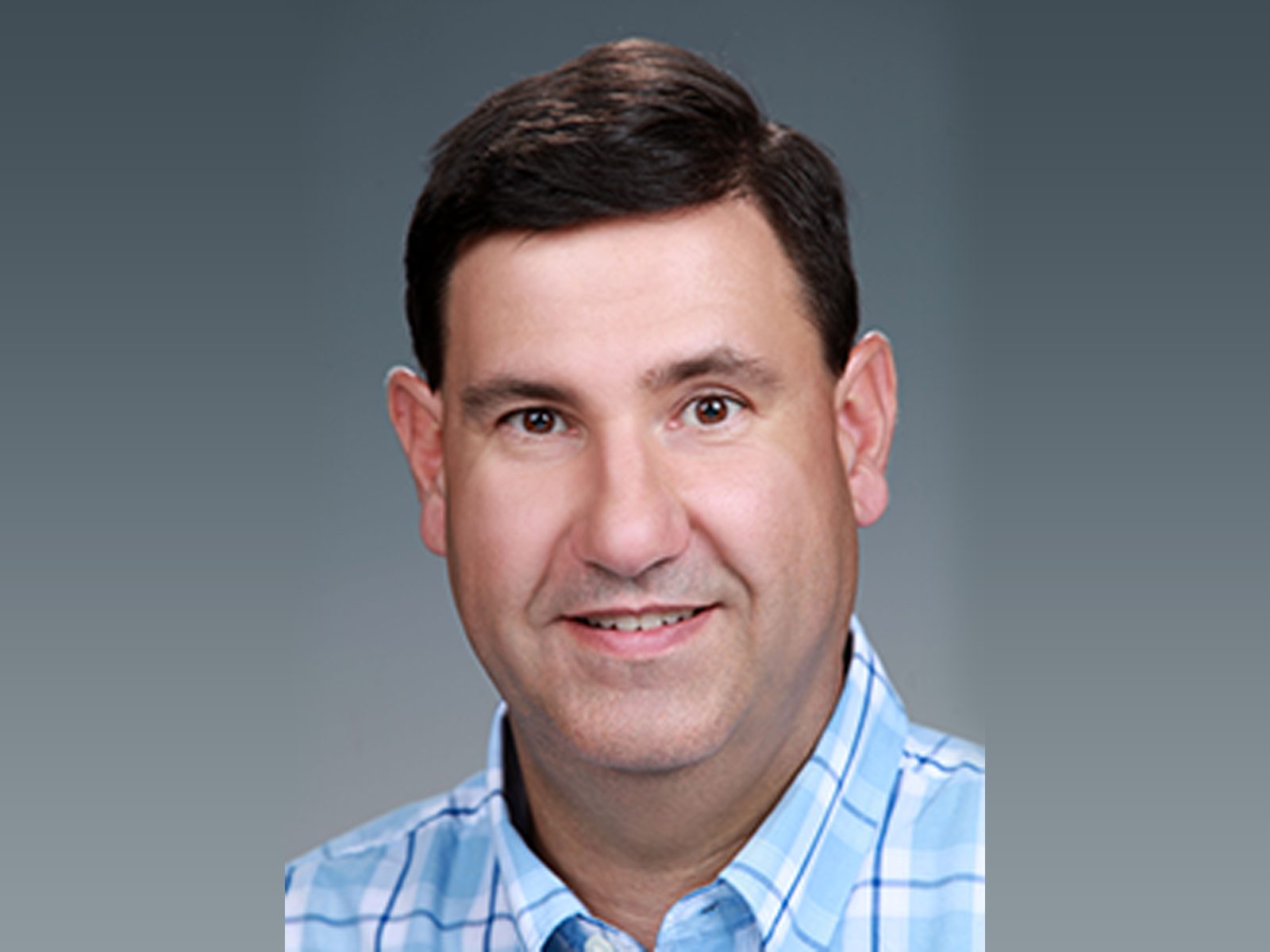
Jiabin Wu is a researcher at the Chair of Computing in Civil and Building Engineering, Technical University of Munich (TUM), specializing in Building Information Modeling (BIM) and AI-driven solutions for building design compliance. His work focuses on automating regulatory adherence in early design stages through computational innovation, with contact via j.wu@tum.de and +49 (89) 289-23147. His research centers on automated code compliance checking, design adaptation, and BIM conflict resolution using artificial intelligence techniques. Key methodologies include reinforcement learning for conflict resolution, graph-based semantic enrichment, and parametric modeling to enhance IFC (Industry Foundation Classes) models. This work addresses critical gaps in construction informatics by enabling self-healing building designs that dynamically adapt to regulatory requirements while preserving design intent. Analysis of Wu's 2022-2025 publications reveals a cohesive trajectory toward intelligent BIM ecosystems. Core themes include the 'Design Healing' framework for automated compliance, spatial logic integration in IFC models, and machine learning applications for conflict resolution. His research bridges civil engineering with computer science, emphasizing practical implementations that reduce manual review cycles and improve design efficiency in architectural workflows. Wu actively mentors graduate students, supervising theses on BIM-based issue resolution, circulation design optimization, and egress compliance. He contributes to TUM's educational mission through teaching 'BIM.fundamentals' in summer semesters 2022 and 2023, focusing on scalable assessment methods for large student cohorts. His academic service extends to developing pedagogical frameworks that integrate industry standards with computational thinking. As part of TUM's research infrastructure, Wu collaborates within the BIM-Lab and specialized groups including Information Management and Digital Twinning. His work leverages the university's Robotic Fabrication Lab resources and aligns with cross-departmental initiatives in spatial computing, advancing the integration of physical construction processes with digital model evolution.