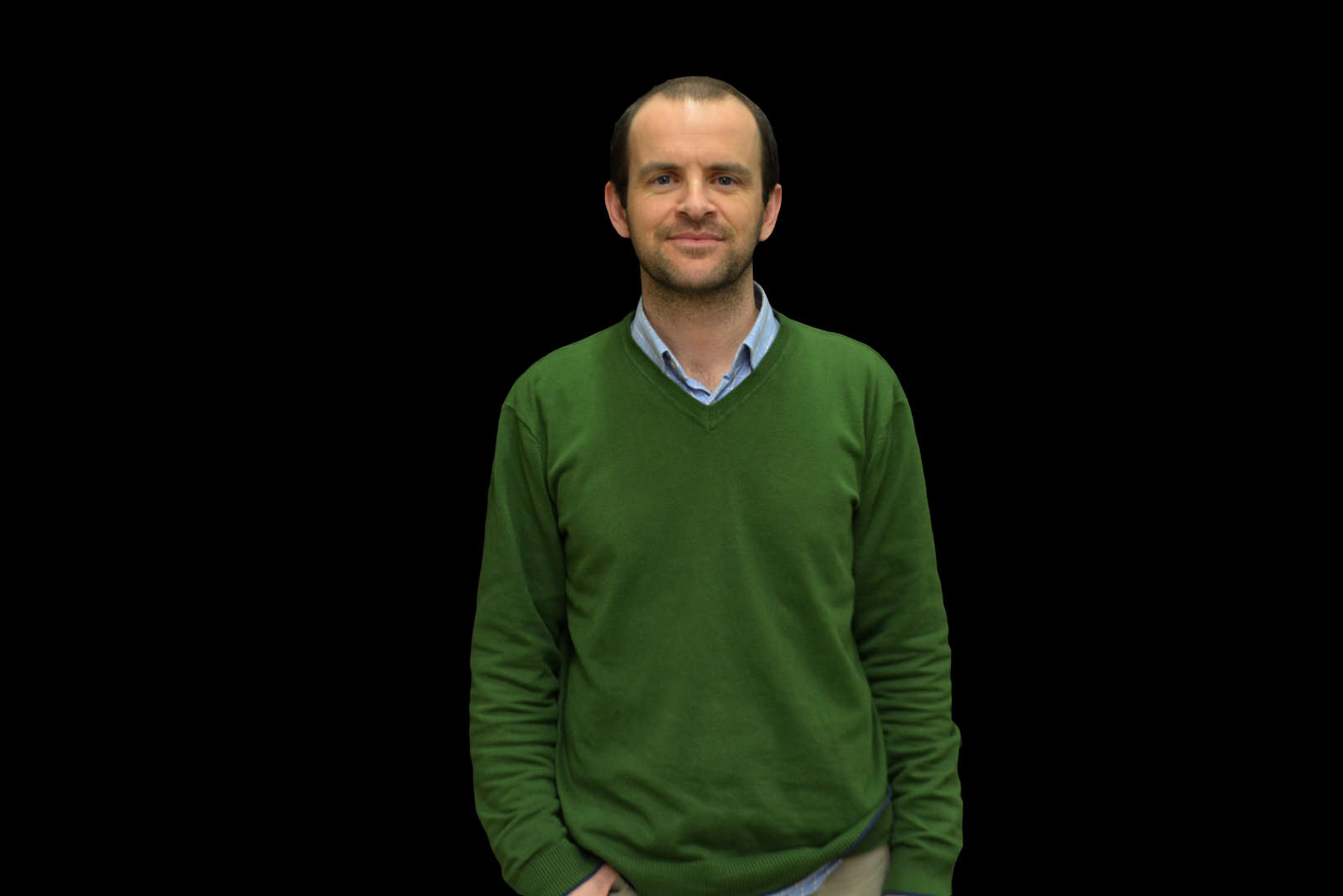
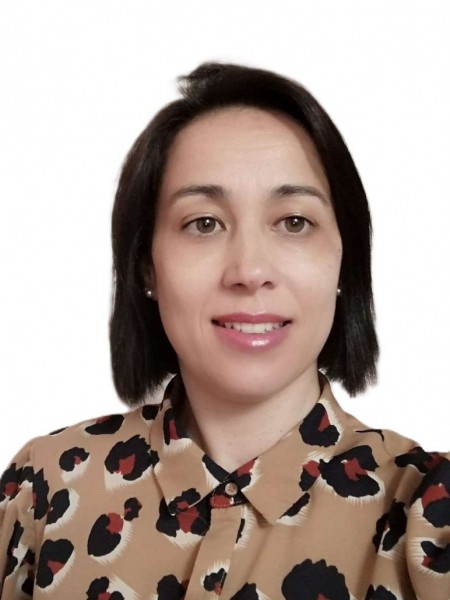
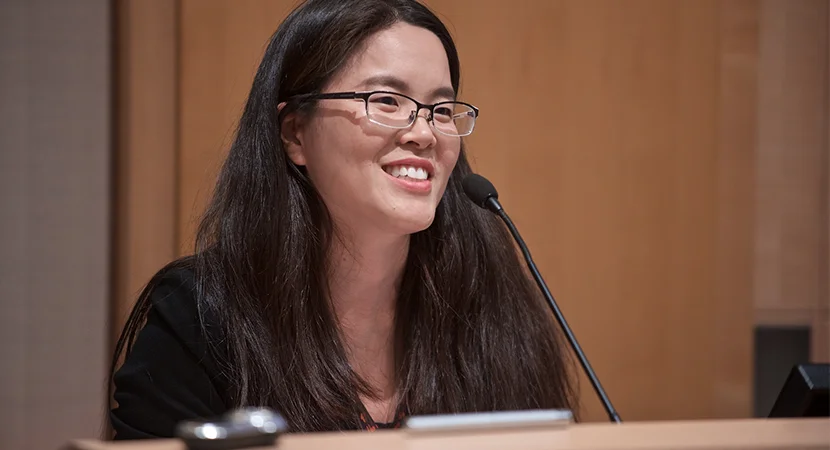
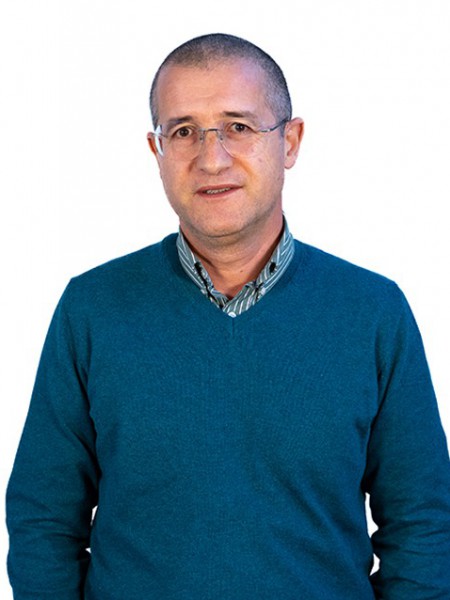
Prof. Raul Fangueiro is a Full Professor and Vice-Dean at the School of Engineering, University of Minho, Portugal. As a Senior Researcher, he leads FIBRENAMICS – Institute of Innovation on Fiber-Based Materials and Composites. His work spans advanced materials (nano, smart, composites) and structures (3D, auxetic, multiscale) with applications in defense, healthcare, construction, and automotive sectors. Supervised over 20 PhD and Post-Doc researchers Scientific coordinator of 20+ national/international research projects Author of 200+ journal papers (H-index: 47), 500+ conference publications, 36 books, 40 patents Research focuses on nanotechnology , electrospinning , and sustainable material systems : Auxetic composites for personal protection Biodegradable nanofibers for medical use Smart textiles for biological/chemical resistance Recycled mineral/wood-based composites Graphene-reinforced green materials Multiscale fiber architectures Scientific recognition includes: Top 2% most influential scientist (Elsevier/Stanford 2020) Founder of AUXDEFENSE and ICNF conferences Editorial board member of leading composite journals Advisor to European Defense Agency/NATO working groups Active in industry-academia partnerships through spin-offs (Sciencentris, B4Logic, Beyond Composites, Givaware, Pixartidea) and collaborative projects with institutions like Instituto Superior Técnico, University of Aveiro, and international universities.
Jaime S. Cardoso is an Associate Professor with Habilitation at the Faculty of Engineering of the University of Porto (FEUP) and a Senior Researcher in the 'Information Processing and Pattern Recognition' Area at INESC TEC's Telecommunications and Multimedia Unit. He has been serving as Research Coordinator since September 15, 1998, and is a Senior Member of IEEE as well as co-founder of ClusterMedia Labs. His educational background includes a Licenciatura in Electrical and Computer Engineering (1999), an MSc in Mathematical Engineering (2005), and a Ph.D. in Computer Vision (2006), all from the University of Porto. Cardoso's research focuses on three major areas: computer vision, machine learning, and decision support systems. His work spans medical image analysis, explainable AI, semantic audio-visual analysis, and pattern recognition. He has co-authored over 150 papers, with more than 50 published in international journals, and has accumulated over 6,500 citations. His recent publications demonstrate expertise in cell nuclei segmentation, ordinal regression for CNNs, semantic segmentation with ordinal relationships, face recognition using synthetic data, and explainable vision language models for medical applications. Honorable Mention in the Exame Informática Award 2011 for 'Semantic PACS' First Place in the ICDAR 2013 Music Scores Competition Cardoso has supervised numerous graduate students at UP-FEUP, with recent theses focusing on multimodal explanations, autonomous driving, medical diagnosis, and explainable AI. His research group works at the intersection of computer vision, machine learning, and practical applications in healthcare and autonomous systems.
Dr. Carla Vilela is an Assistant Professor in the Department of Chemistry at the University of Aveiro and Principal Researcher at CICECO. She coordinates the Sustainable Materials research line and leads projects on cellulose-based materials and circular economy. Her research focuses on sustainable materials from cellulose and renewable resources for applications in water remediation, food packaging, and textiles. Education includes a PhD in Chemistry from the University of Aveiro and postdoctoral work at CICECO and ISIS Neutron and Muon Source (UK). Research interests include: Development of cellulose-based functional materials Nanocomposites for biomedical applications Sustainable packaging solutions Biopolymer modification and characterization Publications demonstrate strong focus on cellulose nanocomposites, bioprinting bioinks, and active packaging. Recent articles frequently involve nanocellulose modifications, drug delivery systems, and sustainable material design. Awards include being named among World's Top 2% Scientists annually since 2020. Funding includes national projects (Cell4Janus) and EU collaborations (PRIMA Im-Pack). Leads the BioPol4Fun research group and supervises 6 PhD students. Current projects explore cellulose-based microrobots, resin valorization, and marine biopolymers.
Rodrigo Ventura is an Associate Professor at the Department of Electrical and Computer Engineering, Instituto Superior Técnico (IST), University of Lisbon. He is also a senior researcher at the Institute for Systems and Robotics (ISR-Lisbon), leading the Space and Aeronautics thematic line. His research focuses on the intersection of Robotics and Artificial Intelligence, emphasizing human-robot interaction, space robotics, and cognitive architectures. He coordinates the Minor in Space Sciences and Technologies at IST and the MBE on Space Systems for Tecnico+. As Adjoint Faculty at the International Space University (ISU), he contributes to global academic initiatives. His work includes experiments on the International Space Station and participation in analog space missions. Research interests span biologically inspired systems, machine learning, and teleoperation interfaces. Recent publications address reinforcement learning for UAVs, microgravity experiments, and pseudo-haptic feedback for robotic control. He teaches subjects like Artificial Intelligence and Decision Systems, Satellite Engineering, and Autonomous Systems.
Zita Vale is a Full Professor at the Institute of Engineering (ISEP) of the Polytechnic of Porto (IPP), where she holds the first Full Professor position since 2017. She is a co-founder of GECAD (1999) and coordinates GECAD's Power and Energy (PES) activities. GECAD is recognized by FCT since 2004 and classified as Excellent. She has served as GECAD director (2010-2017), vice-director (1999-2009, 2017-present), and is a member of the administration board. She is also co-founder and member of the coordination board of the National Associated Laboratory on Intelligent Systems. Her educational background includes a PhD (1993) and Agregação/Habilitation (2003) in Electrical and Computer Engineering from the University of Porto. She began her academic career at the University of Porto as a Teaching Monitor (1985), Assistant (1985-1993), and Professor (1993-1998) before moving to ISEP in 1998. Zita Vale's research focuses on the design and development of artificial intelligence-based models for Power and Energy Systems. Her work spans knowledge-based systems, multiagent systems, machine learning, metaheuristics, and semantics, with applications in smart grids, energy management, electricity markets, and renewable energy integration. She has an extensive international network and has participated in 80 R&D projects, raising over 22 million Euros for GECAD. Her recent publications demonstrate a strong emphasis on optimization techniques, explainable AI, energy storage systems, and the integration of distributed energy resources in power systems. She serves as Editor-in-Chief of Applied Energy (Elsevier), a leading journal in the field with an Impact Factor of 11.2. Her citation metrics are impressive, with over 17,000 citations on Google Scholar and an H-index of 64. Editor-in-Chief of Applied Energy (Elsevier) Over 17,000 citations on Google Scholar H-index of 64 Zita Vale has supervised 29 PhD students (25 completed) and 72 MSc students (66 completed), demonstrating her strong commitment to academic mentorship. She has also been involved in numerous international and national evaluation processes, including project proposals, faculty positions, and PhD juries across 15+ countries. She has contributed to over 225 evaluation processes from 2018-2023, including 150+ project proposals/execution, 50+ Faculty/Researchers positions, 2 Habilitation juries, and 25+ PhD juries. She leads GECAD's involvement in several major research initiatives, including the National Associated Laboratory on Intelligent Systems and various European projects such as IoTalentum, TRADERES, DOMINOES, and EcoRural-IoT from Horizon 2020, as well as PRODUTECH EU DIH from Horizon Europe. Her leadership extends to international organizations where she serves as President of Intelligent Systems Applications in Power (ISAP) and Technical Committee Program Chair of IEEE PES Analytic Methods for Power Systems Committee.
Dr. Su Ryon Shin is an Assistant Professor in the Division of Engineering in Medicine at Harvard Medical School and Brigham and Women's Hospital (BWH) in Cambridge, MA. She leads an active research laboratory focused on bioengineering, tissue engineering, and regenerative medicine, with particular expertise in 3D bioprinting, biomaterials, and organ-on-a-chip technology. Her research interests span biohybrid robotics, decellularized extracellular matrix, stem cell-based tissue engineering, and volumetric muscle regeneration . Dr. Shin's work integrates advanced biomaterials with cellular systems to create innovative solutions for tissue regeneration and disease modeling. She has pioneered approaches using human stem cell-derived materials for volumetric tissue regeneration and developed biohybrid neuromuscular robots powered by living cardiac muscle cells. Her publication record demonstrates consistent productivity with over 180 publications, including numerous first/senior author papers in high-impact journals like Science Robotics, Advanced Materials, and Nature Reviews Bioengineering . Her work shows a clear progression from fundamental biomaterials development to increasingly complex tissue engineering applications and translational research. Dr. Shin has received significant recognition including being named a 2025 BWH Health & Technology Innovation Awardee , Highly Cited Researcher 2024 by Web of Science, and multiple Stepping Strong Innovator Awards (2015, 2018, 2020). Her research has been featured in Nature Reviews Bioengineering for breakthrough work on biohybrid robots. She actively mentors students and postdocs, with former lab members accepted to prestigious programs like MIT's PhD program in Chemical Engineering. Her collaborative approach is evident through numerous interdisciplinary projects with researchers across Harvard Medical School, BWH, and international institutions.
João F. Mano is a Full Professor at the Department of Chemistry, University of Aveiro, and Director of the Doctoral Program on Biotechnology. He leads the COMPASS Research Group and serves as Vice-Director at CICECO - Aveiro Institute of Materials. His academic appointments include Invited Professor at University of Lorraine (France), Visiting Professor at KAIST (South Korea), and Adjunct Professor at Ajou University (South Korea). Education: PhD in Chemistry (1996, Technical University of Lisbon); D.Sc. in Tissue Engineering, Regenerative Medicine and Stem Cells (2012, University of Minho) Research Interests focus on Biomaterials for Regenerative Medicine , integrating Nanotechnology , Microtechnology , and Biofabrication . His group develops Bioinspired Materials using polymer chemistry, Decellularized Extracellular Matrix , and 3D Bioprinting to engineer Cell Microenvironments for therapeutic applications. Recent Publications highlight advancements in Human-Derived Hydrogels , Photopolymerizable Scaffolds , Magneto-Responsive Biomaterials , and Programmable Bioinks . Trends show emphasis on Organ-on-a-Chip integration, Smart Living Materials , and Green Bioprinting methodologies. Scientific Awards include: European Research Council Advanced Grants (2015, 2020) Fellow at IUPAC, European Academy of Sciences, and American Institute of Medical and Biological Engineering ERC Proof of Concept Grants Doctor Honoris Causa from University of Lorraine and Utrecht UNESCO Chair on Biomaterials George Winter Award (European Society for Biomaterials) Supervisions & Collaborations encompass 74+ MSc, 26+ PhD students, and 40+ postdocs. He co-founded METATISSUE and CELLULARIS Biomodels , and serves as Editor-in-Chief of Materials Today Bio .
Leid Zejnilovic is an Assistant Professor at Nova School of Business and Economics (Nova SBE), where he co-founded the Data Science Knowledge Center and serves as Academic Director, and co-founded the Open and User Innovation Knowledge Center as Scientific Deputy Director. He also co-founded the Patient Innovation platform, enabling patients and caregivers to share self-made healthcare solutions. With a double PhD from Carnegie Mellon University and Católica-Lisbon School of Business and Economics, his career spans over 20 years of international consulting, academic entrepreneurship, and teaching at institutions like Imperial College Business School and Ludwig Boltzmann Institute. PhD in Strategy, Entrepreneurship and Technological Change (Carnegie Mellon University / Catholic University of Portugal, 2014) Master in Engineering and Public Policy (Carnegie Mellon University, 2012) Master in Information Technology (Dzemal Bijedic University, 2007) Bachelor in Telecommunications (University of Sarajevo, 2002) His research focuses on Technology and Innovation Management, Human-Computer Interaction, and data-driven solutions across healthcare, tourism, and education. He has published extensively in journals like California Management Review , PLoS ONE , and Marine Policy , with recent work analyzing big data in tourism, machine learning for oral health, and pandemic impacts on fisheries. As an Associate Editor for Data & Policy Journal , his contributions bridge academic research and real-world applications. Co-founding the Data Science for Social Good Foundation and leading over 100 talks in industry and academia, Zejnilovic's career emphasizes translating innovation into social and economic impact through platforms, policy, and education.
Pedro Carlos De Barros Fernandes is an Associate Professor at Universidade Lusófona , Deputy Director of the 1st cycle in Biotechnology, and an integrated researcher at the Institute of Bioengineering and Biosciences (iBB-IST). He holds a PhD in Biotechnology (1999) and a Master in Biotechnology/Biochemical Engineering (1994) from Universidade Técnica de Lisboa (IST), along with a Chemical Engineering degree from IST (1989). A member of the Order of Engineers (ID 24667), he co-founded Biotrend, a Portuguese bioprocess development company. Education PhD in Biotechnology (1999), Universidade Técnica de Lisboa MSc in Biotechnology (1994), Instituto Superior Técnico BSc in Chemical Engineering (1989), Instituto Superior Técnico Research Interests span biocatalysis, enzyme immobilization for food and pharmaceutical applications, marine biotechnology, microfluidic device development for biosensing, and steroid bioconversions using mycobacterial systems. His work integrates process engineering principles with sustainable bioprocessing techniques. Publication Trends show a focus on microreactor technology, enzyme stabilization in non-conventional media, marine-derived biocatalysts, and food waste valorization. Key themes include biocatalytic process intensification, aqueous two-phase systems for biomolecule purification, and sustainable carbon sources for biopolymer production. Scientific Awards UTL/Santander Totta Scientific Award in Biological Engineering (2011) Advising has included supervision of 5 doctoral theses and over 32 master’s theses. His expertise extends to peer-reviewing scientific articles and evaluating R&D projects. Labs & Teams are associated with iBB-IST (Institute of Bioengineering and Biosciences) and BioRG (Universidade Lusófona), with contributions to the Ciência Viva program for science dissemination.
Joe Paton is a Professor and Principal Investigator at the Champalimaud Neuroscience Programme, Champalimaud Foundation in Lisbon, Portugal. He leads the Paton Lab which focuses on understanding how animals determine which environmental cues are predictive of behaviorally relevant events, known as the credit assignment problem. His research combines behavioral experiments with neurophysiological recordings in rodents to investigate neural mechanisms of time perception and decision making. Dr. Paton's research interests center on interval timing, temporal processing in the brain, and the neural basis of learning. His work particularly examines how the striatum and dopamine systems contribute to time perception and how animals solve the credit assignment problem through statistical inference in the time domain. His lab employs advanced techniques including optogenetics, neural recordings, and computational modeling to address these questions. Analysis of Dr. Paton's recent publications reveals a strong focus on striatal function in timing processes, with particular attention to how neural populations encode temporal information. His work bridges behavioral neuroscience with computational approaches, demonstrating how timing mechanisms influence decision making and learning processes. The research spans multiple levels from cellular mechanisms to behavioral outputs. Midbrain dopamine neurons control judgment of time (2016) Striatal dynamics explain duration judgments (2015) A Scalable Population Code for Time in the Striatum (2015) The Neural Basis of Timing: Distributed Mechanisms for Diverse Functions (2018) Dr. Paton has mentored numerous PhD students and postdoctoral researchers through the INDP (International Neuroscience Doctoral Program) and supervises a diverse team including research technicians, postdocs, and students. His lab has contributed significantly to understanding the neural basis of time perception and its role in learning and decision making. The Paton Lab also develops experimental tools and frameworks like Bonsai for behavioral neuroscience research.
Luís B. Elvas is an Assistant Professor at ISCTE-University Institute of Lisbon's Department of Social and Business Sciences (SINTRA) and a Research Assistant at ISTAR-Iscte Research Center. He holds qualifications including a Technical Specialization in TensorFlow for AI (Coursera, 2021) and certifications in IoT/Blockchain from ISCTE and cybersecurity from Palo Alto Networks. His research spans artificial intelligence, healthcare informatics, smart cities, and blockchain, with applied work in medical imaging, data sharing, and urban analytics. Research interests include: Healthcare AI : Developing deep learning models for cardiac diagnostics, medical imaging analysis, and blockchain-based health data systems Smart Cities : Implementing IoT solutions for urban mobility optimization, disaster management, and sustainable transportation Data Science : Creating predictive analytics frameworks for clinical decision support and urban planning His publications demonstrate a strong focus on AI-driven healthcare solutions (67% of recent works) and smart city technologies (33%), with emerging interests in blockchain and NLP. Research consistently targets real-world applications in clinical settings and urban environments. Awards: Award for best internship, Order of Engineers (2022) Distinction for best internship, Order of Engineers (2021) He leads/contributes to multiple EU research consortia including AMR-EDUCare (antimicrobial resistance education), NEEM (e-health in Nepal), and Blockchain.PT. Coordinates the IEEE Computational Intelligence Society Student Branch Chapter at ISCTE and developed the ManagiDiTH master's program in digital health transformation.
Juho Lee is an Associate Professor at the Kim Jaechul Graduate School of AI, Korea Advanced Institute of Science and Technology (KAIST). Previously, he worked as a research scientist at AITRICS and completed his PhD in Computer Science & Engineering at Pohang University of Science and Technology (POSTECH) under Professor Seungjin Choi, followed by postdoctoral research at University of Oxford with Professor François Caron. His research focuses on: Bayesian deep learning Bayesian inference Meta learning Generative models Uncertainty quantification Graph representation learning Professor Lee's work bridges theoretical Bayesian methods with practical deep learning applications. His recent publications demonstrate significant contributions to neural processes, Bayesian optimization, and scalable inference methods. He has developed novel architectures like Set Transformer for permutation-invariant modeling and advanced techniques for uncertainty quantification in deep networks. His research shows a clear trajectory toward making Bayesian principles applicable to large-scale, real-world machine learning problems. Notable contributions include: Set Transformer: A framework for attention-based permutation-invariant neural networks (ICML 2019) Bootstrapping neural processes (NeurIPS 2020) Deep amortized clustering (NeurIPS 2019 workshop) Learning to pool in graph neural networks for extrapolation Professor Lee actively mentors graduate students and has advised numerous PhD candidates who co-author papers with him across NeurIPS, ICML, and ICLR. His research group SIML@KAIST develops scalable and interpretable machine learning methods with strong theoretical foundations.
Armando J. D. Silvestre is a Full Professor at the Department of Chemistry, University of Aveiro. He holds academic degrees including a Licenciatura in Chemistry (1990), PhD in Chemistry (1994), and Agregação in Chemistry (2008) from the University of Aveiro. His research focuses on renewable materials, circular economy, and functional biomaterials. Research interests include: Development of biopolymer-based functional materials Valorization of biological residues for value-added chemicals Novel polymeric materials from renewable resources Sustainable nanocomposites and coatings Professor Silvestre has supervised 18 MSc and 11 PhD students to completion and currently mentors 3 PhD and 3 MSc candidates. Research projects include EU-funded initiatives like AFORE (Forest Biorefineries) and national projects on membrane technology and biomass valorization. Scientific contributions include over 180 SCI journal publications and patents on extraction methods. He serves on editorial boards for Industrial Crops and Products and actively participates in academic activities including Erasmus coordination and Bologna process implementation.
Adriano Jorge Cardoso Moreira is an Associate Professor with Habilitation at the Department of Information Systems, School of Engineering, Universidade do Minho, Portugal. He is also a Senior Researcher at the Algoritmi Research Centre and Scientific Coordinator of the Urban and Mobile Computing department at Centro de Computação Gráfica. His research focuses on indoor positioning , mobile and context-aware computing , urban computing , and simulation of wireless networks . Research Interests : Indoor Positioning, Mobile Computing, Urban Mobility, Sensor Networks, Wi-Fi and UWB Localization, Smart Cities. Leadership : Coordinated the Computer Communications and Pervasive Media Group (2008-2016), Scientific Committee member (Director of MAP-tele PhD program in multiple terms), and leads the Master in Telecommunications and Informatics since 2021. Publications : Over 100 papers, including IEEE Transactions and Sensors journal articles, with an h-index of 23 and 2136 citations. Awards : First and second prizes in EvAAL-ETRI Indoor Localization Competitions (2015, 2016, 2017).
Maria Leonilde Rocha Varela is an Associate Professor with Habilitation at the School of Engineering, University of Minho, Portugal, where she also serves as a Senior Researcher at the Algoritmi Research Centre. She has been an integrated member of the Algoritmi Research Centre since 2012 and works in the Department of Production and Systems. Dr. Varela earned her degree in Production Engineering from the University of Minho in 1994, completed a Master's in Computer Integrated Production at DPS-UMinho in 1999, and received her Ph.D. in Production and Systems from the University of Minho in 2007. Her primary research focuses on Manufacturing Management, particularly Production Planning, Control and Optimization, and Collaborative Paradigms, Networks and Decision Making Models. She maintains extensive international collaborations with institutions worldwide including the National Institute of Industrial Engineering, VSB-Technick Univerzita Ostrava, University of Belgrade, and others. Her research spans Web Applications and Services for supporting Engineering and Production Management, with increasing emphasis on Artificial Intelligence, Robotic Process Automation, and Industry 4.0/5.0 applications. She has made significant contributions to scheduling algorithms, optimization techniques, and decision support systems for manufacturing environments. Analysis of her recent publications reveals a strong trend toward integrating Artificial Intelligence with traditional manufacturing processes, particularly in Robotic Process Automation applications. Her research increasingly focuses on sustainable manufacturing practices, with numerous publications addressing energy efficiency, environmental sustainability, and resource optimization. There is a clear emphasis on multi-objective optimization approaches to solve complex manufacturing problems, particularly in distributed job shop scheduling. Her work demonstrates an evolution from traditional production planning methods to more advanced AI-driven approaches for Industry 4.0 and 5.0 environments. Dr. Varela has held significant academic leadership roles, currently serving as the director of the master's course in Engineering and Quality Management at DPS-UMinho. She previously coordinated the industrial management and systems subgroup from 2012 to 2021 and was part of the steering committee for the master's course in systems engineering between 2016 and 2019. She has successfully supervised more than 70 MSc projects, with over 15 currently ongoing, focusing on Production and Systems Engineering. Her supervision encompasses collaborative management models, traditional decision approaches, and web-based platforms incorporating AI techniques. She coordinates research projects including 2 concluded Ph.D. projects and 6 ongoing ones. She collaborates as a research member in several R&D projects with national and international industrial enterprises and institutions, and in international Erasmus projects. Dr. Varela is an active participant in the academic community, serving on editorial boards of several international journals and as a member of organizing and scientific committees for numerous international conferences. She is a member of several prestigious research networks including the Euro Working Group of Decision Support Systems (EWG-DSS), Institute of Electrical and Electronics Engineers (IEEE), Industrial Engineering Network, and the Institute of Industrial and Systems Engineers (IISE).